You're weighing up Budapest vs Amsterdam for your next European city break, and these two cities couldn't be more different. One sits on the Danube with thermal baths and communist-era history, while the other has UNESCO-protected canals and Dutch Golden Age museums. After spending extensive time in both cities, here's the honest breakdown of which suits different travel styles and budgets.
The verdict upfront: Budapest wins on budget and delivers unique experiences like ruin bars and thermal baths. Amsterdam excels at art museums, canal culture, and seamless infrastructure. Your choice depends on whether you prioritize affordability and Eastern European culture or are willing to pay premium prices for Western European refinement.
Budget Showdown: Budapest vs Amsterdam Costs
Budapest demolishes Amsterdam on cost across every category. The difference isn't marginal - it's substantial enough to extend your trip or upgrade your accommodation tier.
Transportation Costs Compared
Budapest public transport runs on the BKK system with a 72-hour pass costing EUR 15.2. Single rides cost EUR 1.2 and include one transfer within 80 minutes. The airport shuttle bus 100E costs EUR 3.5 direct to Deák Ferenc tér in 35 minutes.
Amsterdam public transport through GVB costs around EUR 21 for a 72-hour pass, with single rides at approximately EUR 3.80. The airport train to Centraal Station costs around EUR 5.40.
Budapest wins transportation costs by roughly 40% across all categories.
Food and Drink: Where Your Money Goes Further
| Item | Budapest | Amsterdam |
|---|---|---|
| Local beer (0.5L) | EUR 2.5-5 | ~EUR 6-9 |
| Coffee | EUR 1.5-3.5 | ~EUR 3-5 |
| Budget lunch | EUR 6-12 | ~EUR 12-18 |
| Mid-range dinner | EUR 20-35 | ~EUR 35-55 |
| Street food | EUR 3-6 (lángos) | ~EUR 5-8 (stroopwafel) |
Goulash soup costs EUR 4-8 at traditional Budapest restaurants, while a comparable meal in Amsterdam starts around EUR 12. Hungarian wine runs EUR 3-8 per glass, giving you access to excellent local varieties without the markup.
Accommodation: Eastern vs Western Europe Pricing
Mid-range hotel rooms in Budapest cost EUR 60-120 for doubles in central locations. Budget hotels run EUR 35-55, while hostel dorms cost EUR 12-25 per person.
Amsterdam accommodation costs approximately 60-80% more across all categories, with mid-range hotels starting around EUR 100-180 and budget options rarely dropping below EUR 60.
Cultural Attractions: Museums vs Thermal Baths
Both cities excel culturally, but in completely different ways.
Budapest's Unique Cultural Offerings
Budapest delivers experiences you can't replicate elsewhere in Europe. Széchenyi Thermal Baths cost EUR 25 for full-day access to outdoor thermal pools and traditional bath houses. The Hungarian Parliament Building tours cost EUR 22 and showcase the country's complex political history through one of Europe's most ornate government buildings.
The Dohány Street Synagogue costs EUR 25 including museum access, representing the largest synagogue in Europe and Jewish heritage that survived both world wars. Hospital in the Rock costs EUR 18 for tours through Cold War-era bunkers that doubled as emergency hospitals.
Amsterdam's Museums
Amsterdam's museum scene ranks among Europe's finest. The Rijksmuseum, Van Gogh Museum, and Stedelijk Museum form the Museum Quarter, though entry fees typically run EUR 20-25 each. The Anne Frank House requires advance booking and costs around EUR 16.
Amsterdam's canal district provides free walking experiences through UNESCO World Heritage architecture, but guided canal boat tours cost approximately EUR 18-25.
Winner: Budapest for uniqueness, Amsterdam for art
Budapest offers cultural experiences unavailable elsewhere - thermal bathing culture, communist history museums, and Central European Jewish heritage. Amsterdam provides world-renowned art collections and Dutch Golden Age history, but at premium pricing.
Nightlife: Ruin Bars vs Coffee Shop Culture
Budapest vs Amsterdam nightlife represents two completely different European party cultures.
Budapest Nightlife: Ruin Bars and Underground Scenes
Budapest invented ruin bars - abandoned buildings converted into eclectic drinking venues. Szimpla Kert in the Jewish Quarter pioneered the concept, while Instant-Fogas spans multiple floors with different music styles. Local beer costs EUR 2.5-5, making night-long bar crawls affordable.
The thermal bath parties at Széchenyi happen during summer months, combining spa culture with electronic music in a uniquely Budapest experience.
Amsterdam Nightlife: Cannabis Culture and Brown Cafes
Amsterdam's coffee shops (cannabis cafes) create a distinct nightlife culture unavailable in most European cities. Brown cafes (traditional pubs) offer local Heineken and jenever, though beer costs approximately EUR 6-9.
The Red Light District provides adult entertainment tourism, while Leidseplein and Rembrandtplein offer conventional club scenes.
Budget Nightlife Verdict
Budapest wins on affordability and offers experiences genuinely unavailable elsewhere. Amsterdam provides unique cannabis culture but at significantly higher costs.
Weather and Seasons: When to Visit Each City
Both cities experience continental European weather patterns but with slight variations.
Budapest summers (June-August) peak at 25-28°C, thermal bath experiences and Danube riverside dining. Winter temperatures drop to 0-5°C, but thermal baths become even more appealing in cold weather.
Amsterdam summers reach 20-23°C with frequent rain showers. The city's canal-side terraces and bike culture thrive during warmer months. Winter temperatures hover around 3-7°C with persistent dampness.
Shoulder seasons (April-May, September-October) work well for both cities, though Amsterdam's higher latitude means shorter winter daylight hours.
Architecture and City Layout: Danube vs Canals
Budapest's Divided City Character
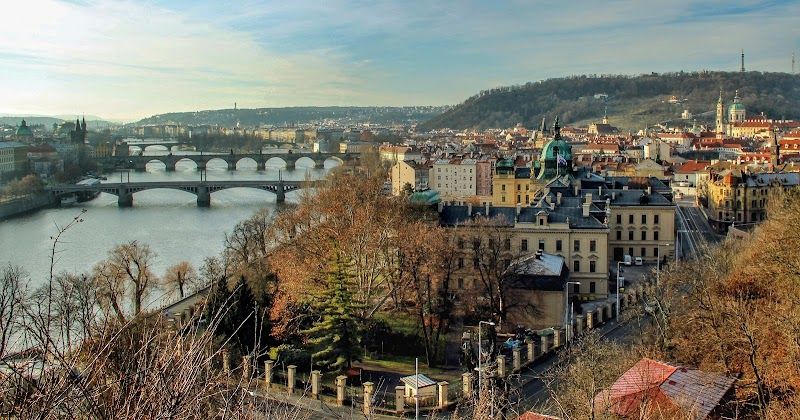
Budapest splits across the Danube with Buda's hills containing Buda Castle (EUR 15-25 entry) and Fisherman's Bastion (EUR 4 for upper terraces). Pest features the Hungarian Parliament Building and pedestrian shopping along Váci Street.
The Chain Bridge crossing is free and provides classic Danube panoramas. Margaret Island offers free park access for walking and cycling.
Amsterdam's Canal Ring System
Amsterdam's concentric canal rings create the city's UNESCO-protected layout. The Grachtengordel (Canal Ring) contains 17th-century merchant houses with distinctive gabled facades.
Bicycle infrastructure integrates throughout the city, though bike rental costs approximately EUR 12-15 daily.
Getting Around: Public Transport Systems Compared
Budapest's BKK system connects metro lines (M1-M4), trams, and buses efficiently. The 24-hour travel pass costs EUR 5.9 and covers the entire city including airport connections via the 100E shuttle.
Amsterdam's GVB system includes trams, buses, and metro lines, but costs significantly more. Both cities offer good walking connectivity, though Amsterdam's bike culture provides an additional transport layer.
Food Culture: Hungarian Tradition vs International Cuisine
Budapest centers around traditional Hungarian cuisine - goulash soup (EUR 4-8), schnitzel, and lángos street food (EUR 3-6). The Central Market Hall offers free browsing with local produce and traditional foods.
Amsterdam's food scene blends Dutch traditions (stroopwafels, cheese) with international influences reflecting the city's cosmopolitan character. However, restaurant prices typically run 50-70% higher than Budapest equivalents.
Day Trip Potential: Beyond the City Limits
Both cities offer excellent day trip possibilities, though costs vary significantly.
From Budapest, the Danube Bend (Visegrád, Szentendre) costs around EUR 15-20 for public transport. Lake Balaton reaches approximately EUR 10-15 by train.
Amsterdam day trips to Zaanse Schans, Marken, or Giethoorn typically cost EUR 20-30 for transport, with organized tours running EUR 40-60.
Which City Wins for Different Traveler Types
Budget Travelers: Budapest Dominates
Budapest delivers authentic European city experiences at eastern European prices. Hostel beds cost EUR 12-25, meals run EUR 6-12 for lunch, and major attractions cost EUR 4-25. You can experience thermal baths, historic sites, and nightlife without premium western European pricing.
First-Time Europe Visitors: Amsterdam Edges Ahead
Amsterdam provides the quintessential northern European experience with efficient infrastructure, widespread English usage, and Dutch cultural elements. The city's compact size and excellent public transport make navigation straightforward for inexperienced European travelers.
Culture and History Enthusiasts: Budapest Wins
Budapest offers deeper historical complexity spanning Roman settlements, Ottoman occupation, Austro-Hungarian empire, communist rule, and modern democracy. Museums like the House of Terror (EUR 12) and Hospital in the Rock (EUR 18) provide perspectives unavailable in western Europe.
Art and Museum Lovers: Amsterdam Takes It
Amsterdam's art scene surpasses Budapest through world-renowned collections at the Rijksmuseum, Van Gogh Museum, and Stedelijk. While expensive, these institutions rank among Europe's finest.
Food and Drink Focus: Budapest for Budget, Amsterdam for Variety
Budapest excels at traditional Central European cuisine at unbeatable prices. Wine costs EUR 3-8 per glass and beer runs EUR 2.5-5. Amsterdam offers broader international food scenes but at significantly higher costs.
Planning Your Budapest vs Amsterdam Decision
Choose Budapest if you want authentic thermal bath culture, affordable prices across all categories, unique ruin bar nightlife, complex Central European history, and excellent value for money. The city suits travelers prioritizing experiences over polished infrastructure.
Choose Amsterdam if you prefer art museums, bicycle-friendly infrastructure, cannabis culture, northern European efficiency, and don't mind paying premium prices for western European standards.
Budget considerations: Budapest costs 40-60% less than Amsterdam across accommodation, food, drinks, and attractions. A week in Budapest equals 3-4 days in Amsterdam financially.
Cultural depth: Budapest offers historical complexity and experiences unavailable elsewhere in Europe. Amsterdam provides refined Dutch culture and art collections, but at tourist-focused pricing.
Both cities deserve visits, but Budapest delivers better value while Amsterdam offers more polished tourist infrastructure. Your choice depends on whether you prioritize affordability and unique cultural experiences or are willing to pay more for western European convenience and world-famous attractions.
For comprehensive planning resources and detailed neighborhood guides, check out our complete Budapest destination guide covering everything from thermal bath etiquette to the best ruin bars by district.