The budapest vs prague debate splits travelers down the middle. Both cities serve up architectural masterpieces, deep historical roots, and that distinctive Central European atmosphere that makes Western Europe feel bland by comparison. After spending considerable time in both capitals, we can tell you this isn't a case where you'll go wrong either way - but there are clear winners depending on what you're after.
The verdict upfront: Budapest offers better value, superior thermal experiences, and grittier nightlife. Prague delivers more consistent fairy-tale beauty, better beer culture, and easier navigation. Your choice should hinge on whether you prioritize relaxation and authenticity (Budapest) or postcard perfection and walkability (Prague).
Prague vs Budapest: The Architecture Battle
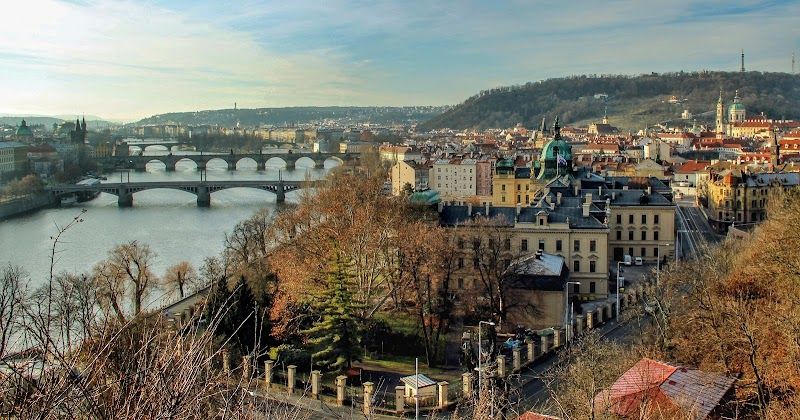
Prague's Old Town Square makes most visitors stop dead in their tracks. The Gothic spires, Baroque facades, and that famous Astronomical Clock create a medieval fantasy that feels almost too perfect. Walking from Wenceslas Square to Charles Bridge, you're essentially moving through a living museum where every building tells a story.
Budapest takes a different approach to architectural grandeur. The Hungarian Parliament Building dominates the Pest side of the Danube with its neo-Gothic splendor, while Buda Castle provides a commanding presence across the river. The thermal bath buildings like Széchenyi represent a unique architectural category you won't find elsewhere - ornate Habsburg-era structures built around natural hot springs.
Prague's architectural advantage: More concentrated beauty in the historic center, with the Charles Bridge and Castle complex creating picture-perfect moments every few steps. The city suffered less war damage, leaving more original medieval structures intact.
Budapest's architectural strength: Greater diversity across styles and eras. The art nouveau buildings along Andrássy Avenue, the thermal bath architecture, and the communist-era monuments create a more complex urban tapestry.
For pure Instagram potential, Prague wins. For architectural education and diversity, Budapest takes it.
Budapest vs Prague Cost Comparison
This category has a clear winner: Budapest consistently undercuts Prague across almost every expense category.
Transportation costs favor Budapest heavily. A BKK single metro ticket costs EUR 1.2, while Prague's equivalent runs about EUR 1.8. Budapest's 24-hour travel pass at EUR 5.9 covers all city transport, compared to Prague's similar pass at around EUR 8.
Food and drink show Budapest's biggest advantage. You can get a quality lunch menu for EUR 6-12 in Budapest, while Prague's equivalent starts around EUR 10-15. Local beer in Budapest costs EUR 2.5-5, compared to Prague's EUR 4-7 range. Even Prague's famous pilsner costs more in its home city than Hungarian beer does in Budapest.
Accommodation pricing clearly favors Budapest. Mid-range hotels in Budapest cost EUR 60-120 per night, while Prague's comparable properties start around EUR 80-150. Budget travelers find even starker differences - hostel dorm beds in Budapest run EUR 12-25, compared to Prague's EUR 18-35 range.
Attraction costs show mixed results. Budapest's Hungarian Parliament Building tour costs EUR 22, while Prague Castle's main circuit runs about EUR 15. However, Budapest offers unique value propositions like Széchenyi Thermal Baths full day access for EUR 25 - an experience Prague simply cannot match.
Thermal Baths: Budapest's Unique Selling Point
This comparison point goes entirely to Budapest because Prague has no equivalent offering. The city sits on over 100 natural springs, creating a thermal bath culture that dates back to Roman times.
Széchenyi Thermal Baths represents the pinnacle of this experience. For EUR 25, you get access to 18 pools ranging from 18°C to 40°C, plus multiple saunas and steam rooms. The outdoor pools create surreal winter experiences - soaking in 38°C water while snow falls around you.
Gellért Thermal Baths offers a more intimate art nouveau setting, while Rudas Baths provides the most authentic Turkish-era experience with its original 16th-century architecture. Even Budapest's budget options like Lukács Baths deliver genuine thermal experiences for less money than most Prague attractions.
Prague simply has no counter to this. While the city offers river cruises and beer spas, neither provides the same daily wellness integration that Budapest's thermal culture offers.
Nightlife: Different Scenes, Different Appeals
The budapest vs prague nightlife comparison reveals two distinct philosophies toward after-dark entertainment.
Budapest's ruin bar scene centers around District VII's Jewish Quarter, where abandoned buildings become atmospheric drinking establishments. Szimpla Kert started the movement, but places like Instant-Fogas and Mazel Tov continue evolving the concept. These venues cost less - local beer starts at EUR 2.5 and mixed drinks rarely exceed EUR 8.
Prague's nightlife focuses more on traditional pubs and beer halls, with some modern cocktail bars mixed in. The city's strength lies in beer culture authenticity - drinking pilsner in the city where it was invented feels properly ritualistic. However, Prague's tourist areas price drinks for Western European wallets, not Central European ones.
Budapest wins on uniqueness and value. Prague wins on beer authenticity and variety. Night owls who want distinctive experiences should choose Budapest. Beer enthusiasts who prioritize quality over novelty should pick Prague.
Getting Around: Prague's Walkability Advantage
Prague's compact historic center means you can walk between major attractions. From Old Town Square to Charles Bridge takes 10 minutes. From there to Prague Castle requires a 20-minute walk uphill, but the route stays interesting throughout.
Budapest spreads across both sides of the Danube, making walking less practical for comprehensive sightseeing. You'll need public transport to move efficiently between Buda's castle district and Pest's thermal baths or parliament area. The BKK system works excellently, but it adds complexity that Prague visitors can avoid.
Metro systems comparison: Budapest's older Soviet-era metro shows its age but functions reliably. Prague's newer system feels more modern but covers less area comprehensively.
Winner: Prague for walkability, Budapest for public transport quality and coverage.
Food Culture: Traditional vs. Tourist-Focused
Both cities serve traditional Central European cuisine, but their approaches to food tourism differ significantly.
Budapest maintains stronger connections to authentic Hungarian cuisine. You can still find genuine goulash soup for EUR 4-8 at traditional restaurants, and street food like lángos (EUR 3-6) remains locally focused rather than tourist-targeted. The Great Market Hall provides authentic shopping experiences alongside tourist browsing.
Prague's food scene caters more heavily to international visitors. While you can find excellent traditional Czech dishes, many restaurants in tourist areas adapt their offerings for foreign palates. This isn't necessarily negative - it means more dietary accommodations and familiar flavors for nervous eaters.
Prague offers more international variety. Budapest provides more authentic traditional experiences. Your preference depends on whether you're seeking culinary adventure or culinary comfort.
Weather and Seasonal Considerations
Both cities experience similar continental climates, but their seasonal appeals differ.
Winter favors Budapest significantly. While Prague looks beautiful under snow, its outdoor attractions become less accessible. Budapest's thermal baths actually improve in winter - the contrast between hot springs and cold air creates the city's most distinctive seasonal experience.
Spring and fall work well for both cities, with comfortable walking weather and fewer crowds. Prague's spring blooms enhance its already photogenic qualities, while Budapest's autumn colors complement the Danube views.
Summer presents different advantages. Prague's higher elevation keeps temperatures slightly more comfortable during heat waves. Budapest's river location and thermal baths provide more cooling options, but also more humidity.
Cultural Attractions and Museums
The budapest vs prague cultural comparison depends on your historical interests.
Prague concentrates on medieval and renaissance periods, with Prague Castle complex, St. Vitus Cathedral, and the Astronomical Clock representing these eras magnificently. The city's museums focus heavily on Czech national history and European art.
Budapest covers broader historical periods more comprehensively. The Hungarian Parliament Building tour (EUR 22) explains parliamentary democracy development. House of Terror Museum (EUR 12) addresses 20th-century totalitarian experiences. The Hungarian National Museum (EUR 8) contextualizes the region's complex ethnic and political evolution.
Prague wins for concentrated medieval atmosphere. Budapest wins for comprehensive historical education across multiple eras.
Day Trip and Extended Stay Potential
Both cities anchor longer Central European itineraries effectively, but their regional connections differ.
From Prague, you can easily reach Český Krumlov's medieval charm, Dresden's baroque reconstruction, or Vienna's imperial grandeur. The geographic position makes Prague an excellent base for exploring multiple countries within short timeframes.
Budapest connects well to Vienna, Bratislava, and Lake Balaton, but requires longer travel times to reach other major destinations. However, Budapest itself offers enough variety for longer stays - the thermal bath culture alone can occupy multiple days meaningfully.
Prague works better for multi-city itineraries. Budapest rewards deeper, slower exploration of a single destination.
Final Verdict: Prague or Budapest?
Choose Prague if you want: Fairy-tale architecture concentrated in walkable areas, authentic beer culture, easier connections to other Central European cities, more comfortable navigation for first-time Eastern European travelers.
Choose Budapest if you want: Better value across all expense categories, unique thermal bath experiences unavailable elsewhere, more authentic local culture less adapted for tourists, distinctive ruin bar nightlife, comprehensive historical education across multiple eras.
For most first-time visitors to Eastern Europe, we recommend Prague. Its walkability, concentrated beauty, and tourist infrastructure provide a gentler introduction to the region while still delivering that distinctive Central European character.
For travelers seeking deeper cultural immersion or return visitors to the region, Budapest offers more rewarding long-term exploration. The thermal culture, lower costs, and less tourist-adapted local scene create more authentic experiences.
Budget travelers should choose Budapest without question. The cost differences across accommodation, food, and attractions add up to significant savings over multi-day trips.
Luxury travelers can choose based on preference rather than budget, as both cities offer excellent high-end experiences. Prague's luxury hotels occupy more historically significant buildings, while Budapest's luxury focuses more on spa and wellness integration.
Ultimately, both cities deserve visits. If you can only choose one for this trip, let your priorities guide the decision: postcard perfection and ease of navigation point toward Prague, while value and authentic experiences favor Budapest. Either choice provides sufficient material for planning your return to explore the other.