Alsace Wine Route
Things to Do
22 attractions, museums, and experiences
Château du Haut-Koenigsbourg
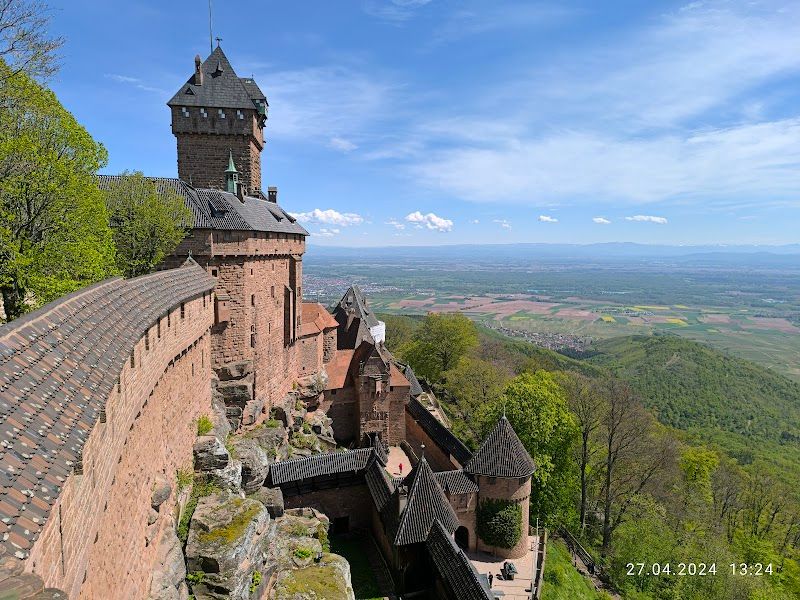
This reconstructed medieval fortress sits dramatically on a rocky outcrop 755 meters above the Rhine Valley, offering sweeping views across the Alsace plain to the Black Forest. You'll explore furnished chambers including the Kaiser's apartments, walk through authentic medieval kitchens with massive fireplaces, and examine one of France's best castle armory collections. The defensive walls, watchtowers, and inner courtyard showcase 15th-century military architecture, though everything you see dates from Kaiser Wilhelm II's meticulous 1900-1908 reconstruction. The visit follows a logical route through the castle's three levels, starting in the lower courtyard where audio guides (included) explain the fortress's strategic importance. The furnished rooms feel genuinely atmospheric, especially the great hall with its painted beams and period tapestries. From the upper ramparts, the panoramic views stretch endlessly: vineyards cascade down hillsides below while the Vosges Mountains rise to the west. The wind up here can be fierce, but the vista over the wine route villages is genuinely spectacular. Entry costs €9 for adults, and most visitors spend too much time in the armory displays when the real highlight is the architecture and views. Skip the lengthy historical timeline exhibits and head straight to the ramparts and furnished chambers. The castle gets impossibly crowded between 10:30 AM and 3 PM when tour buses arrive, transforming narrow staircases into bottlenecks. Come early morning or late afternoon for the best experience and lighting for photos.
Winstub du Chateau
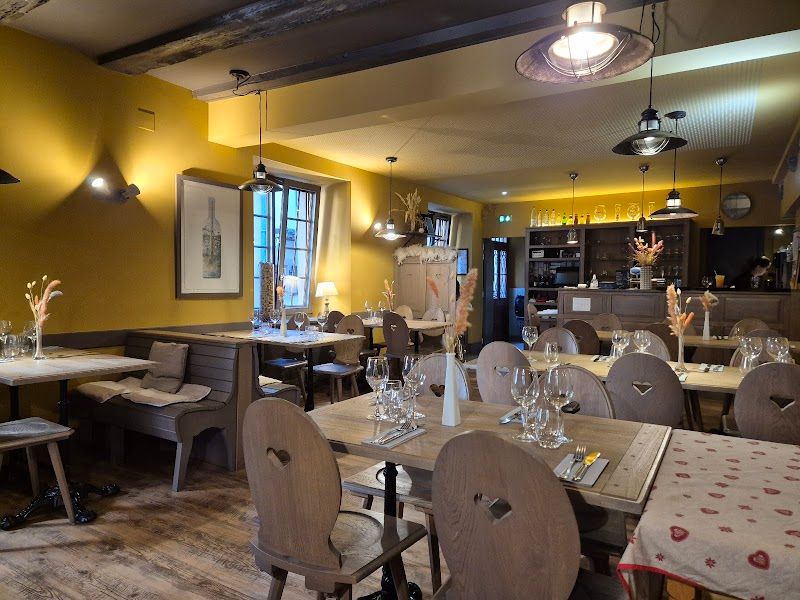
Cozy winstub steps from Kaysersberg castle offering hearty portions of baeckeoffe and tarte flambee. The terrace overlooks the Weiss River and medieval bridge. Family recipes passed down three generations include the standout Munster cheese souffle.
Auberge du Rempart
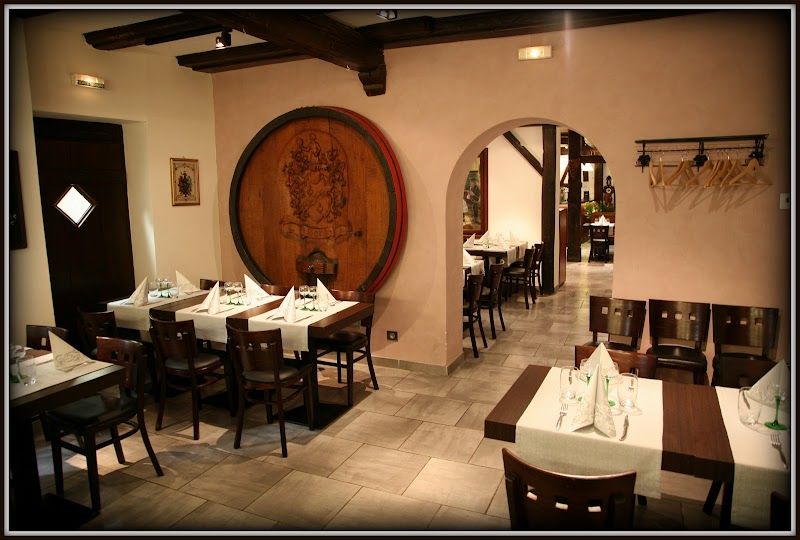
Traditional winstub in a 16th-century building along Eguisheim's ramparts serving regional specialties like baeckeoffe and choucroute. The cozy dining room features exposed beams and local wines by the glass. Known for generous portions and warm Alsatian hospitality.
Au Trotthus
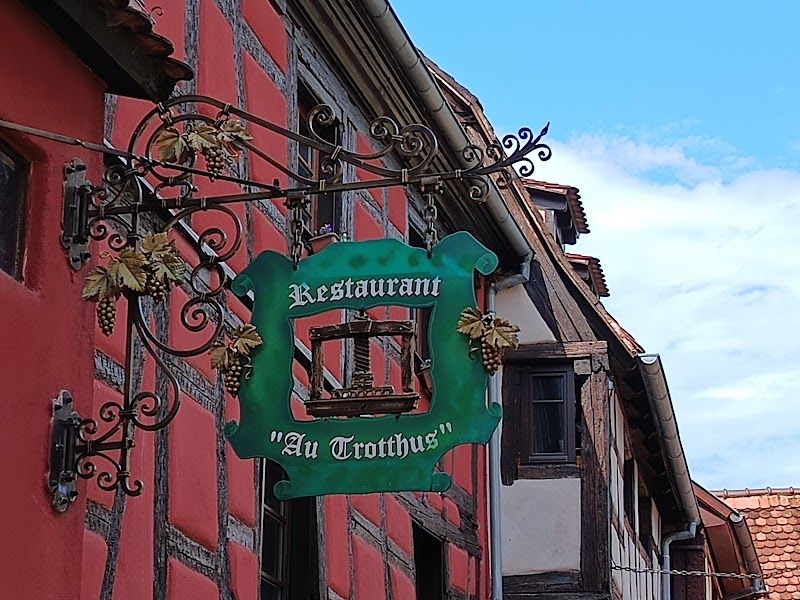
Historic winstub in Riquewihr located in a former wine press house with original 17th-century wooden beams. The menu features classic choucroute garnie paired with Riesling and foie gras with Pinot Gris. Step down into the vaulted cellar dining room for an authentic experience.
Riquewihr Main Street
Rue du General de Gaulle stretches 400 meters in a perfectly straight line from Riquewihr's gate tower to its castle, lined with half-timbered houses that haven't changed much since the 15th century. You'll walk past carved timber frames, oriel windows jutting over the cobblestones, and open courtyard gates that give glimpses into private medieval worlds. This is where Hugel wine house has been pouring tastings since 1639, and where wisteria transforms every facade into purple cascades each May. The street fills with a parade of wine shop browsers, souvenir hunters, and architecture admirers by mid-morning. You'll hear a dozen languages as tour groups cluster around the most photogenic doorways, while local vintners call out tasting invitations from their shopfronts. The atmosphere shifts completely with the seasons: Christmas markets in December, flower boxes in summer, and that magical purple explosion when wisteria blooms. Most guides won't tell you that this place becomes a tourist conveyor belt after 11 AM in high season. Skip the overpriced souvenir shops selling mass-produced Alsatian kitsch. Focus on Hugel's free tastings (their Gentil blend at EUR 8 is excellent), climb the Dolder Tower for EUR 3, then escape to Rue des Juifs or the vineyard paths behind the walls where you'll have the medieval atmosphere without the crowds.
Eguisheim Circular Village
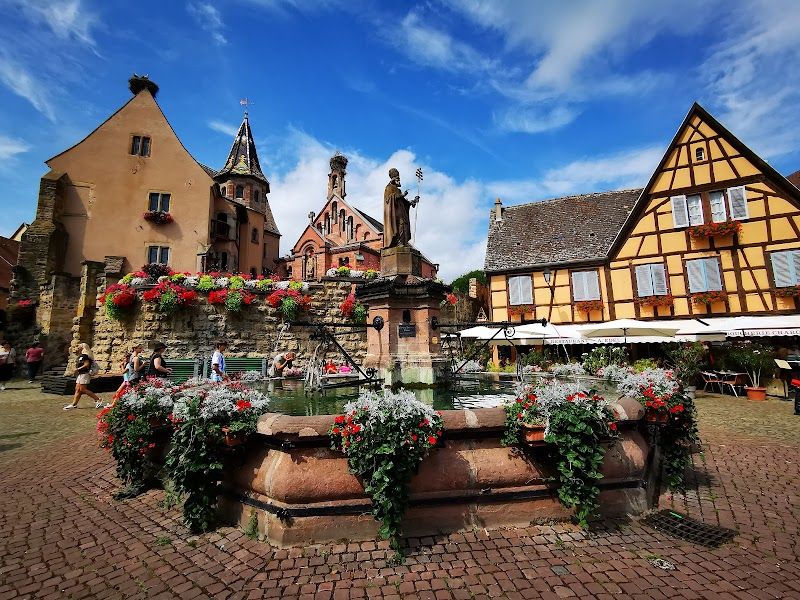
Eguisheim is France's most perfectly preserved circular village, built in concentric rings around a central square with a fountain and the Chapel of Saint-Leo IX, who became Pope in 1049. The inner ring features half-timbered houses painted in pastels with geranium window boxes, while the outer ring follows the old ramparts. Two excellent wine domaines within the village walls offer free tastings, and the Grands Crus vineyards of Eichberg and Pfersigberg start right at the village edge. Walking the concentric streets takes about 30 minutes and feels like exploring a living dollhouse. The houses curve away from you around each bend, revealing new color combinations of pink, yellow, and green facades. The scale is so intimate that you can touch both sides of some streets with outstretched arms, and the circular layout means you're constantly discovering new perspectives of the same charming buildings. Summer brings cascading geraniums from every window box, while winter snow transforms it into a fairy tale scene. Most guides don't mention that tour buses descend between 10 AM and 5 PM, turning the narrow streets into a bottleneck nightmare. Go early morning or evening to have this place to yourself. Skip the overpriced tourist shops and head straight to Domaine Emile Beyer for their Riesling Tradition (EUR 8-10, the regional benchmark) or Domaine Bruno Sorg for exceptional Gewurztraminer. Don't just photograph the pretty houses, walk the complete circuit twice to catch details you missed the first time.
Mur Païen
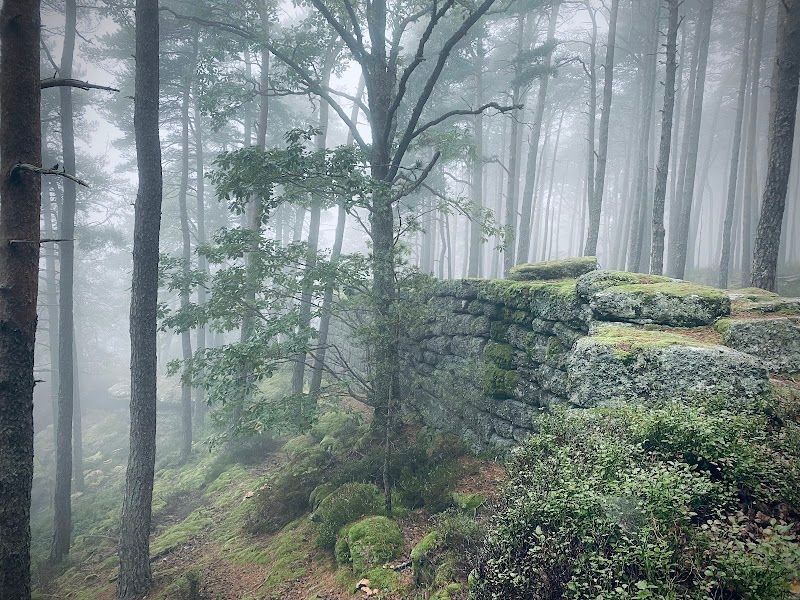
The Mur Païen is a genuine archaeological mystery: 10 kilometers of massive stone blocks assembled without mortar, encircling Mont Sainte-Odile at 700 meters altitude. You'll see Cyclopean walls up to 3 meters high built from blocks weighing several tons each, fitted together using techniques that still puzzle experts. The Celtic origins date back over 2,000 years, making this one of Europe's most impressive prehistoric fortifications. The red rectangle trail takes you through dense beech forest where sections of ancient wall emerge dramatically from the undergrowth. At points like Porte de Barr, the stonework is so well-preserved you can run your hands along joints that haven't shifted in millennia. The forest opens periodically to reveal sweeping views across the Alsatian plain toward Strasbourg, with the Black Forest visible on clear days. Most visitors rush the loop in 2 hours and miss the wall's engineering marvels. Take 3.5 hours minimum to really examine the stone joints and appreciate the scale. The trail gets muddy after rain, so proper hiking boots are essential. Skip the overcrowded monastery itself and focus your time on the wall sections between Porte de Barr and the southern viewpoints.
Kaysersberg Castle Ruins
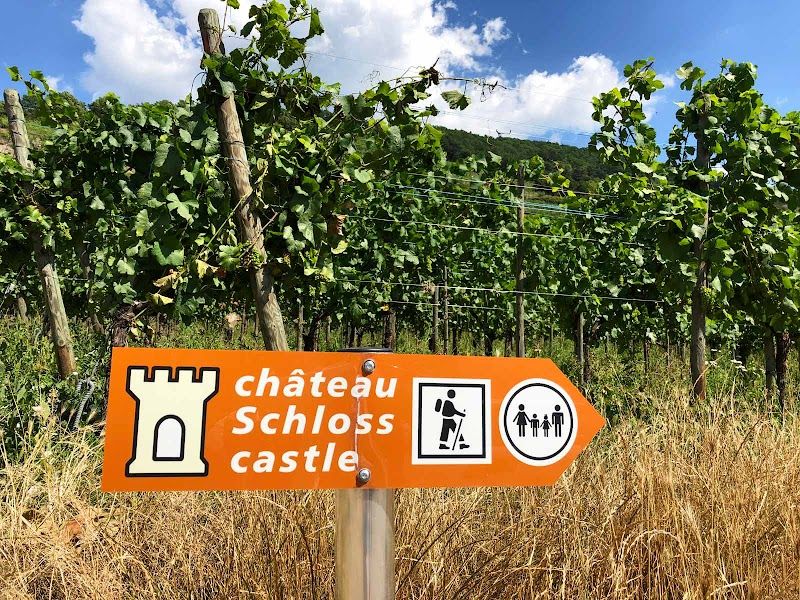
The ruined castle above Kaysersberg sits on a spur of the Vosges with a panoramic view that covers the Weiss valley, the vineyards climbing the hillsides, and the village rooftops below. The castle dates from the 13th century and was built by the Hohenstaufen emperors to control the valley (Kaysersberg means Emperor's Mountain). The keep (the circular tower) is still standing and climbable via an interior staircase. The ruins are open, unfenced, and free. The climb from the village centre takes about 15 minutes on a steep path that starts near the fortified bridge. Early morning and late afternoon light are best for the view and for photographs of the village below. The fortified bridge across the Weiss River at the base of the castle hill is one of the best-preserved medieval bridges in Alsace: a stone bridge with a small chapel dating from the 15th century.
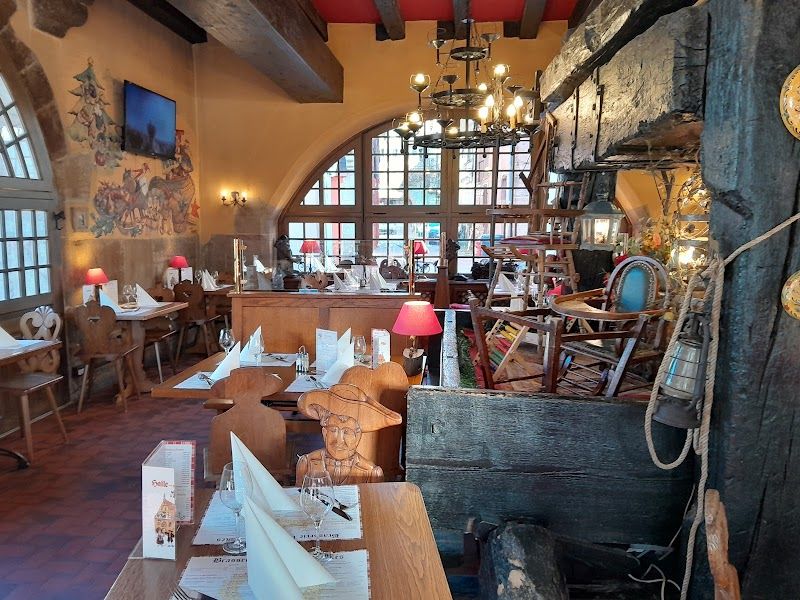
La Halle aux Bles
Former grain market building converted into a traditional winstub serving regional classics in the heart of Obernai. The menu highlights local game in autumn and asparagus in spring, paired with wines from nearby Barr. Stone arches and vaulted ceilings create an atmospheric dining space.
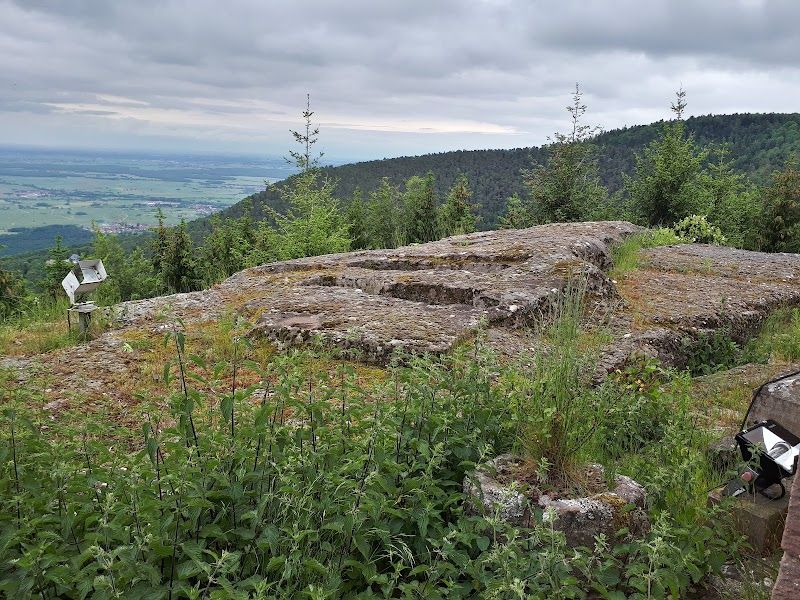
Mont Sainte-Odile Monastery
The Mont Sainte-Odile monastery sits on a rocky spur 764 metres above the Rhine plain, 12 km above Obernai. Saint Odile (born c. 662) is the patron saint of Alsace, and the monastery has been a pilgrimage site since the 7th century. The buildings today are a mix of Romanesque foundations and 17th-18th century reconstruction. The panoramic terrace on the eastern side of the monastery is the main attraction for non-pilgrims: on a clear day the view extends across the Rhine plain to the Black Forest in Germany, and on exceptional days you can see the Alps. Free entry to the monastery, the terrace, and the chapels. The Pagan Wall (Mur Paien), a mysterious 10 km stone wall circling the mountain, is possibly Celtic or Merovingian and is accessible by hiking trail from the monastery (1-3 hours depending on how far you walk). The monastery has a restaurant (basic French cafeteria food, EUR 12-18) and a gift shop selling religious items and Alsatian products.
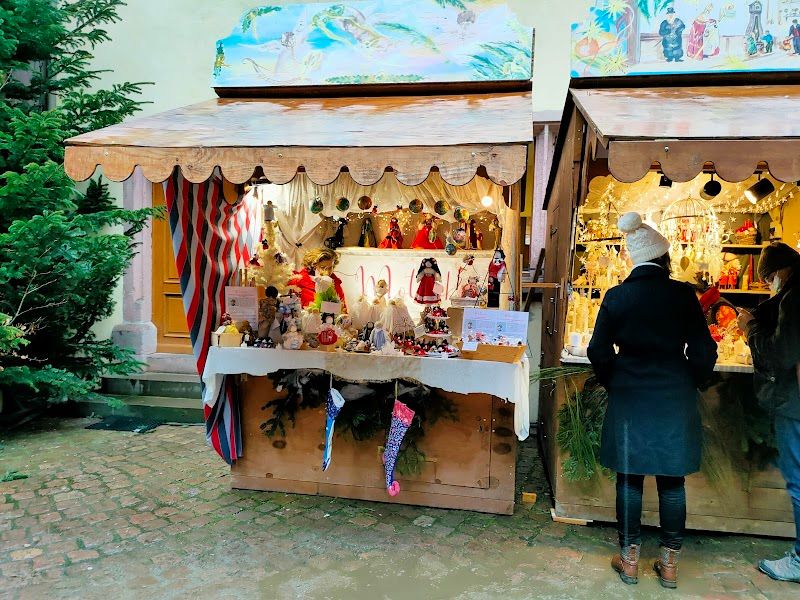
Circuit des Marchés de Noël d'Alsace
This evening circuit hits three of Alsace's most photogenic Christmas markets along the wine route, transforming a regular December night into something straight out of a storybook. You'll spend about an hour at each village, wandering cobblestone streets lined with half-timbered houses draped in fairy lights while vendors sell hand-carved ornaments, local pottery, and those addictive bredele cookies that taste like Christmas in cookie form. The vin chaud (mulled wine) costs around 3-4 EUR per cup and comes in ceramic mugs you can keep as souvenirs. The magic happens as daylight fades and the illuminations kick in around 6pm. Riquewihr's medieval walls glow amber, Kaysersberg's bridge reflects in the Weiss River like a postcard, and Eguisheim's circular village layout creates this cozy amphitheater effect with lights spiraling inward. You'll hear accordion music drifting from market stalls, smell roasted chestnuts and cinnamon, and watch kids' faces light up at the wooden toy displays. The crowds move slowly, everyone's taking photos, and there's this collective sense of being part of something timelessly festive. Most tours rush through all three villages, but honestly, two is plenty if you want to actually enjoy the atmosphere rather than just tick boxes. Eguisheim gets absolutely mobbed on weekends, so if you're driving yourself, skip it for quieter Ribeauville instead. The artisan crafts are beautiful but pricey, expect 15-25 EUR for decent ornaments. Save your appetite for the real local specialties like pain d'epices and skip the generic German-style sausages that show up at every market.
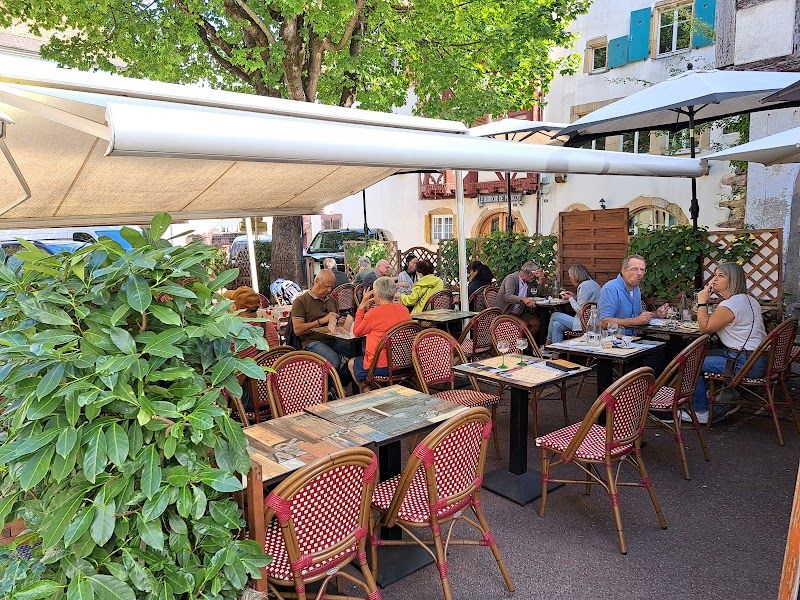
Caveau Heuhaus
Family-run wine cellar in the heart of Eguisheim offering guided tastings of their estate Rieslings and Gewurztraminers. The vaulted stone cellar dates back to the 17th century and maintains a cool temperature year-round. Tastings include 5-6 wines with detailed explanations of the terroir.
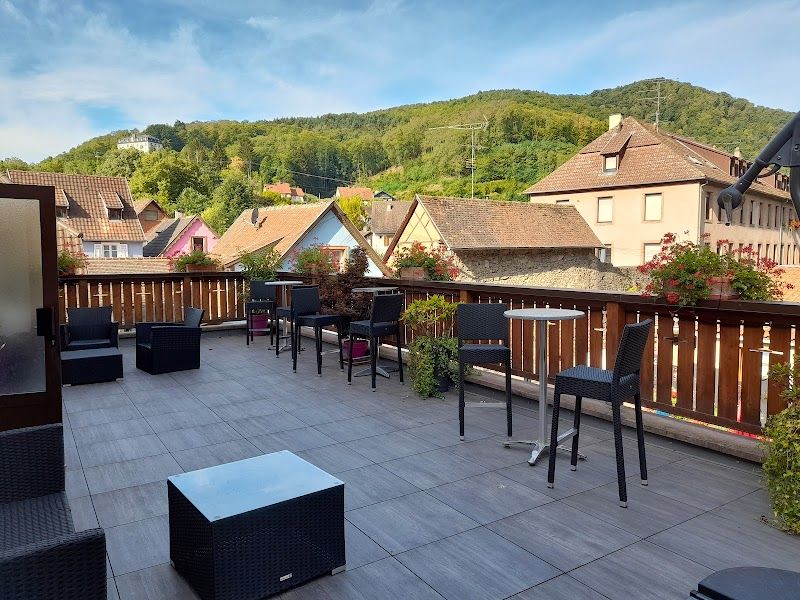
Les Trois Châteaux de Ribeauvillé
Three crumbling medieval castles perch dramatically above Ribeauvillé, connected by a well-marked forest trail that climbs steadily through beech and oak woods. You'll hike past Saint-Ulrich (the most intact with visible living quarters), Girsberg (basically just walls now), and finally Haut-Ribeaupierre at the summit. The Ribeaupierre lords built these strongholds to control the lucrative wine trade routes, and their strategic positioning becomes obvious once you're up there surveying the valley. The 3-hour circuit feels like a proper adventure, with stone steps carved into cliffsides and narrow passages between crumbling walls. Saint-Ulrich retains the most atmosphere: you can explore the great hall, climb the keep, and imagine medieval life in these chambers. The trail between castles winds through dense forest with occasional clearings that frame the ruins beautifully. At Haut-Ribeaupierre, the payoff is enormous: the entire Alsace plain spreads below, dotted with wine villages and stretching to the Black Forest. Most guides don't mention that Girsberg is barely worth the detour, just foundation stones and low walls. Focus your energy on Saint-Ulrich and Haut-Ribeaupierre instead. The trail is free but gets muddy after rain, so bring proper hiking shoes. September offers perfect weather plus the medieval Pfifferdaj festival atmosphere drifting up from town.
Boulangerie-Patisserie Gilg
Third-generation bakery in Obernai producing traditional kougelhopf and bretzel daily using wood-fired ovens. The pain d'epices is made with locally sourced honey and spices. Early morning visits offer warm kougelhopf straight from the oven.
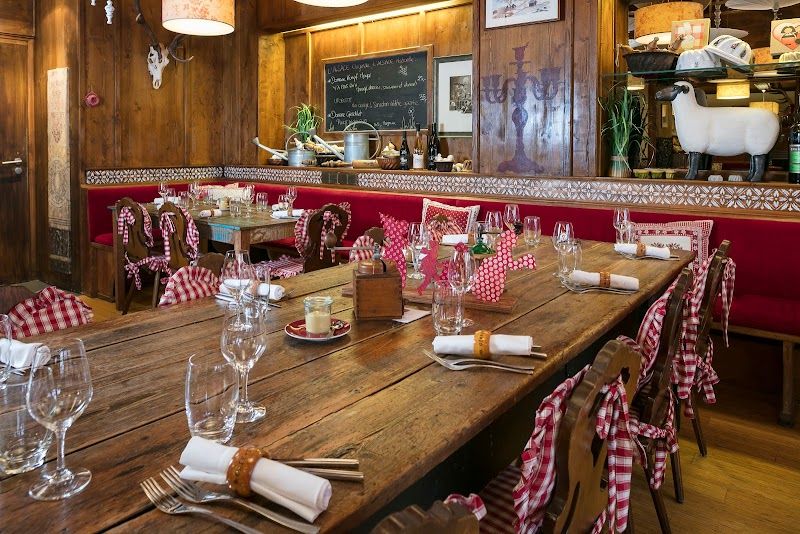
Winstub du Chambellan
Small family-run winstub in Eguisheim specializing in tarte flambee and Munster cheese with cumin. The chef sources ingredients from local producers and offers a selection of organic Alsatian wines. Only 25 seats, so reservations are essential.
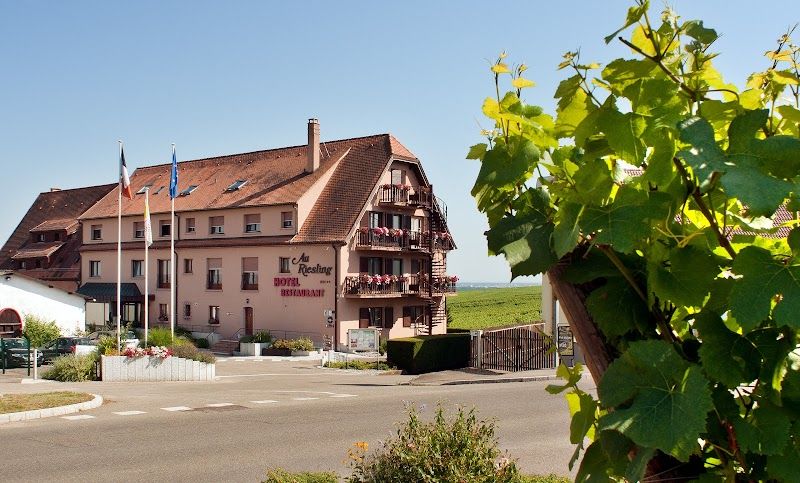
Restaurant Au Riesling
Elegant restaurant in Kaysersberg blending traditional Alsatian dishes with modern techniques. The wine list features over 200 local producers, with special focus on biodynamic vineyards. The foie gras preparation with Gewurztraminer reduction is a signature dish.
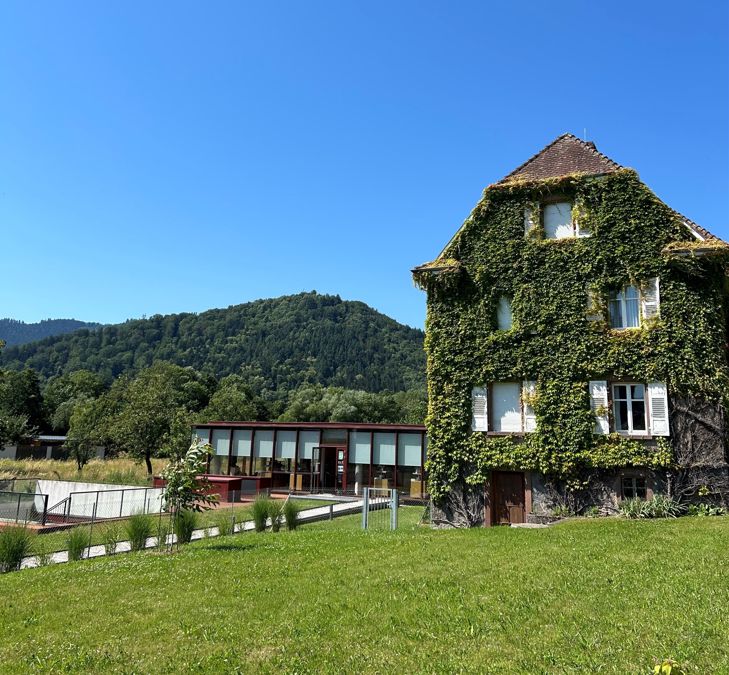
Musée Albert Schweitzer
Albert Schweitzer's actual birthplace sits in this perfectly preserved Alsatian half-timbered house in tiny Gunsbach, where the Nobel laureate spent his childhood before heading to Africa as a medical missionary. You'll walk through cramped rooms filled with original photographs from his hospital in Gabon, handwritten letters, his theology books, and even recordings of him playing Bach on the organ. The collection feels genuinely personal rather than museum-polished, with captions explaining his evolution from village pastor to jungle doctor. The visit flows through just four small rooms on two floors, each packed with artifacts that tell different chapters of his story. Downstairs focuses on his early years and musical career, while upstairs documents his African medical work with compelling before-and-after photos of his patients. The house creaks underfoot and feels authentically lived-in, not sanitized for tourists. You can actually touch some items and lean close to read his personal correspondence. Most travel guides inflate this place beyond what it delivers, so adjust expectations accordingly. It's genuinely moving if you know Schweitzer's story, but won't convert casual visitors into fans. The EUR 2 entry fee makes it worth a quick stop while wine-tasting in the area, but don't drive here specifically unless you're already fascinated by early 20th-century humanitarians. Skip it entirely if you're rushed, the nearby villages offer better photo opportunities.
Wine Tasting on the Route des Vins
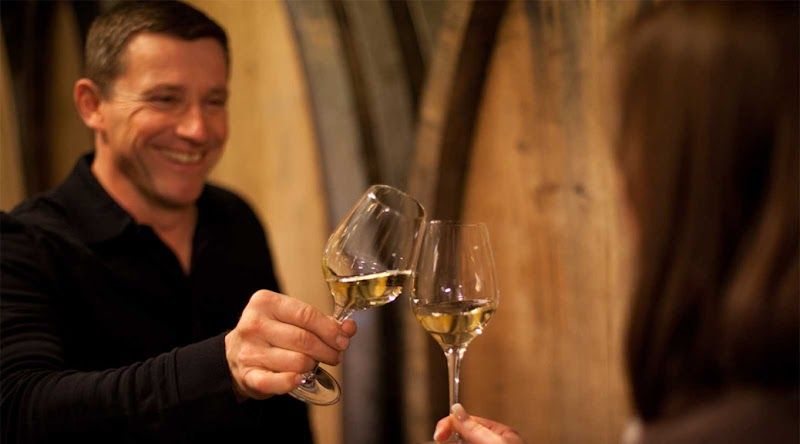
Wine tasting is the primary activity on the Alsace Wine Route and the social contract that keeps the villages alive. At most producers' shops in the villages, you walk in, they pour, you taste, you buy a bottle or two. This is free and expected. The larger domaines (Domaine Weinbach near Kaysersberg, Domaine Zind-Humbrecht near Turckheim, Trimbach in Ribeauville) offer structured tastings of 5-6 wines with explanation for EUR 5-10, sometimes by appointment. The wines: Riesling is the star (dry, mineral, high acid, EUR 8-15 at the cellar door, EUR 15-30 for Grand Cru). Gewurztraminer is the aromatic one (spicy, floral, pairs with Munster cheese and foie gras). Pinot Gris is the rich one (honeyed, full-bodied). Cremant d'Alsace is the sparkling bargain (methode traditionnelle, EUR 7-10 a bottle, better than most Champagne at the same price). If you are driving: spit. They provide spit buckets at every tasting and expect you to use them. Nobody judges.
Maison de la Distillerie Gilbert Holl
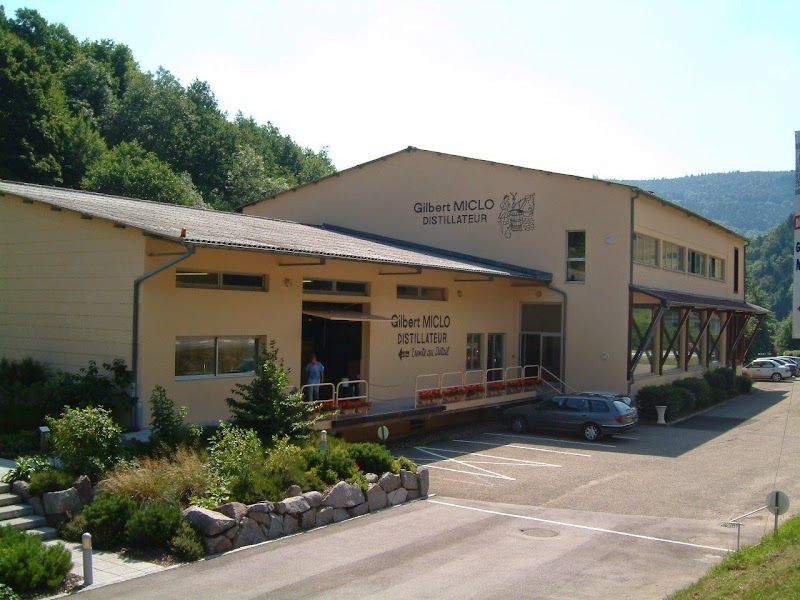
This working distillery operates from a converted farmhouse where the Holl family has been making eau-de-vie since 1874. You'll see massive copper stills from the 1920s still bubbling away, fermentation tanks filled with local fruit, and learn how they transform Alsatian pears, plums, and wild berries into crystal-clear spirits. The museum part is small but genuine: antique equipment, old bottles, and explanations of double distillation techniques that haven't changed in generations. The visit starts in the production room where you can watch distillers at work (if you come during season from September to March). The space smells intensely of fruit and alcohol, with steam rising from copper pipes and the constant sound of bubbling. Gilbert or his son explain each step personally, from fruit selection to the final clear spirit. The tasting happens in their cozy shop where you'll sample six different eaux-de-vie, each served in tiny glasses that pack a serious punch. Most guides don't mention this is primarily a working distillery, not a polished museum experience. The displays are basic and homemade, which is actually charming but might disappoint if you expect glossy exhibits. Come during distillation season for the full experience, or you'll just see empty equipment. Admission costs 8 EUR including tastings, which is excellent value considering you're sampling spirits that sell for 35-50 EUR per bottle. Skip this if you don't drink alcohol, there's nothing else here.
Domaine Emile Beyer
Christian Beyer runs one of Alsace's most authentic biodynamic operations from his 17th-century cellar in Eguisheim's medieval center. You'll walk through Grand Cru Pfersigberg vineyard plots where he explains soil composition and biodynamic farming methods before descending into stone-walled cellars for tastings. The experience costs €25 per person and includes tastings of their Riesling, Gewürztraminer, and Pinot Gris alongside technical explanations of fermentation processes. The 105-minute tour starts among vines where Christian demonstrates biodynamic preparations and soil analysis before moving to temperature-controlled cellars lined with traditional Alsatian oak barrels. He speaks excellent English and connects farming philosophy to wine character in ways that make technical concepts accessible. The cellar atmosphere feels genuinely historic, not staged for tourists, with working equipment and aging wines creating an authentic winery environment. Most visitors book afternoon slots, but morning tours offer cooler vineyard walks and better light for vineyard photography. Skip this if you want surface-level wine tourism or quick tastings, Christian's approach is detailed and scientific. The €25 fee is reasonable compared to similar Alsace experiences, though some commercial wineries offer cheaper alternatives with less personal attention.
Le Sarment d'Or
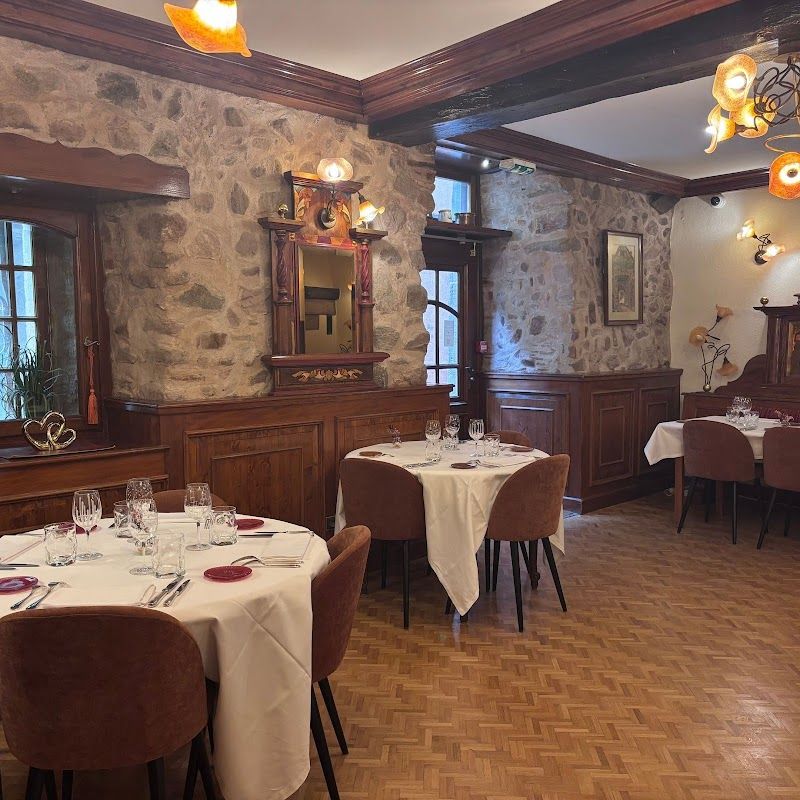
Wine bar and bistro in Riquewihr offering small plates designed to pair with local wines by the glass. The chef prepares daily specials based on market finds, often featuring terrines and pates. Outdoor seating on a quiet side street away from tourist flow.
Obernai Market Square and Ramparts
Obernai is the largest town on the northern section of the Route des Vins and has a proper town-scale presence that the smaller villages lack. The Place du Marche (market square) is one of the finest in Alsace: a large open square surrounded by half-timbered houses, the Renaissance Hotel de Ville (town hall, 1523), the Kapellturm (chapel tower, the tallest structure in town), and the Puits aux Six Seaux (the six-bucket well, 1579, an ornate Renaissance well-house in the middle of the square). The ramparts walk follows the old town walls through gardens and past medieval towers - a 30-minute circuit that gives a sense of the town's medieval extent. The weekly market on Place du Marche (Thursday mornings, 7 AM-noon) has local produce, Alsatian cheese, honey, and wine from nearby producers. Obernai is 25 minutes from Strasbourg by car or train and is where most people start or end the Route des Vins.
Filters
Must-See
Neighborhood
Sort By
Filters
Must-See
Neighborhood
Sort By
Plan your Alsace Wine Route trip
Get a personalized itinerary with the best of Alsace Wine Route.
Start Planning