France
Alsace Wine Route
170 km of vineyards, circular medieval villages, Riesling at the cellar door for EUR 8, and castles on every hilltop
Best Time
May-October, September-October for harvest
Ideal Trip
1-2 days
Language
French and Alsatian German, limited English
Currency
EUR
Avg Temp
11°C / 52°F
About Alsace Wine Route
The Route des Vins d'Alsace runs 170 km from Marlenheim north of Strasbourg to Thann south of Colmar, through a ribbon of vineyards pressed between the Vosges mountains and the Rhine plain. The villages along it look like they were built to sell postcards, which they were not, they were built to make wine, and they have been doing it since the Romans planted the first vines. Eguisheim is a circular medieval village coiled around a central square that was voted France's favourite village and earns it. Riquewihr is the one every tour bus stops at because the main street is a perfect corridor of half-timbered houses, wine shops, and wisteria. Kaysersberg has the best bakeries and the Albert Schweitzer museum. Obernai has the largest town square on the route.
The wine is the point. Alsace makes white wine almost exclusively, and the quality is higher and the prices lower than most visitors expect. A bottle of Riesling from a good producer costs EUR 8-15 at the cellar door, which is half what you pay in a restaurant in Paris. Gewurztraminer (spicy, aromatic, goes with Munster cheese and foie gras), Pinot Gris (rich, honeyed), Pinot Blanc (crisp, everyday), and Cremant d'Alsace (the sparkling wine that outperforms most Champagne at a third of the price, EUR 7-10 a bottle) round out the list. Most producers offer free tastings at their shops, the larger domaines charge EUR 5-10 for a structured tasting of 5-6 wines.
You need a car. The villages are 5-15 minutes apart along the D35 road that threads through the vines, and the landscape between them, rows of vines climbing the hillside with a ruined castle on every other peak, is half the experience. Stop at 2-3 villages per day, taste at 1-2 producers per village, eat lunch at a winstub in whichever village you find yourself in at noon, and do not try to see everything in one day because the route is 170 km long and the point is not efficiency.
Regions
Each region has its own character
Eguisheim
The circular village 15 minutes from Colmar: concentric rings of half-timbered houses around a central square, two domaines with free tasting, and the Grands Crus vineyards starting at the village edge
Riquewihr
The most visited village on the route, for good reason: the main street is a perfect corridor of half-timbered houses, wine shops, and wisteria
Kaysersberg
Albert Schweitzer's birthplace, the ruined castle above town with a valley view, the fortified bridge, and the best bakeries on the wine route
Things to Do
Top experiences in Alsace Wine Route
Château du Haut-Koenigsbourg
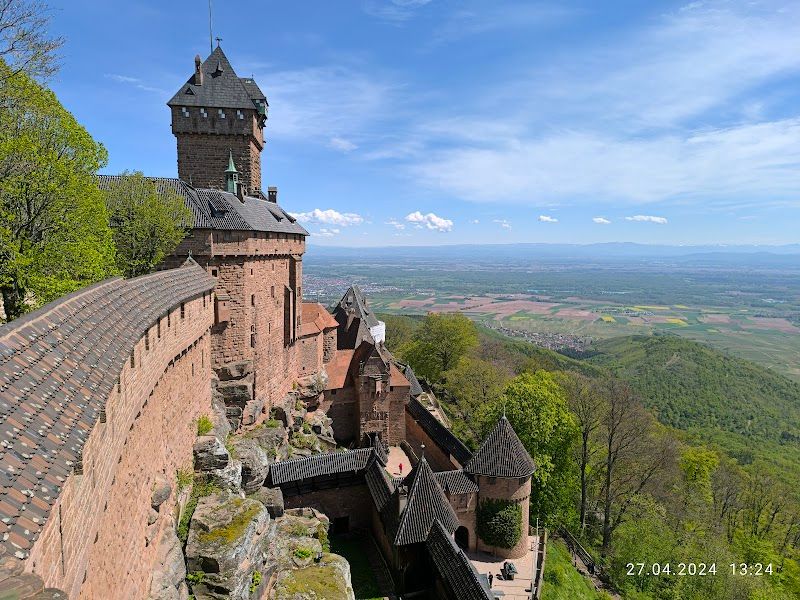
This reconstructed medieval fortress sits dramatically on a rocky outcrop 755 meters above the Rhine Valley, offering sweeping views across the Alsace plain to the Black Forest. You'll explore furnished chambers including the Kaiser's apartments, walk through authentic medieval kitchens with massive fireplaces, and examine one of France's best castle armory collections. The defensive walls, watchtowers, and inner courtyard showcase 15th-century military architecture, though everything you see dates from Kaiser Wilhelm II's meticulous 1900-1908 reconstruction. The visit follows a logical route through the castle's three levels, starting in the lower courtyard where audio guides (included) explain the fortress's strategic importance. The furnished rooms feel genuinely atmospheric, especially the great hall with its painted beams and period tapestries. From the upper ramparts, the panoramic views stretch endlessly: vineyards cascade down hillsides below while the Vosges Mountains rise to the west. The wind up here can be fierce, but the vista over the wine route villages is genuinely spectacular. Entry costs €9 for adults, and most visitors spend too much time in the armory displays when the real highlight is the architecture and views. Skip the lengthy historical timeline exhibits and head straight to the ramparts and furnished chambers. The castle gets impossibly crowded between 10:30 AM and 3 PM when tour buses arrive, transforming narrow staircases into bottlenecks. Come early morning or late afternoon for the best experience and lighting for photos.
La Halle aux Bles
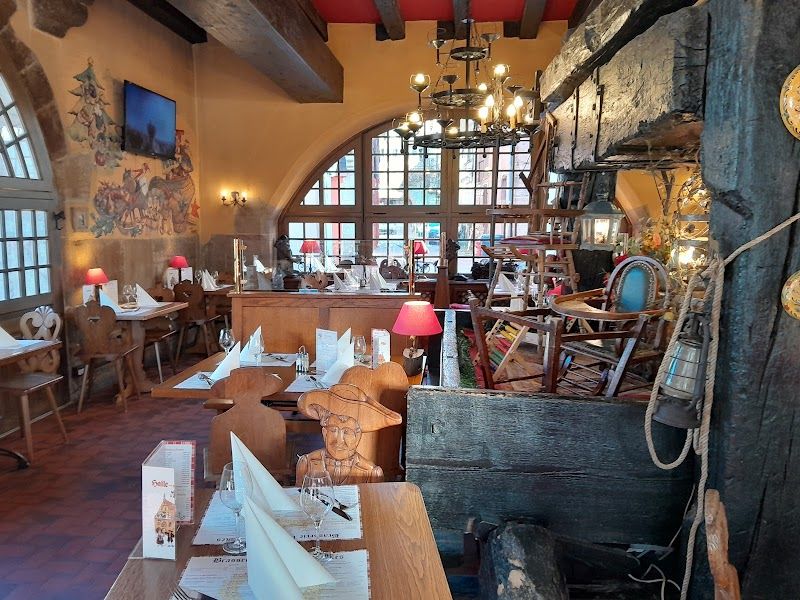
Former grain market building converted into a traditional winstub serving regional classics in the heart of Obernai. The menu highlights local game in autumn and asparagus in spring, paired with wines from nearby Barr. Stone arches and vaulted ceilings create an atmospheric dining space.
Winstub du Chateau
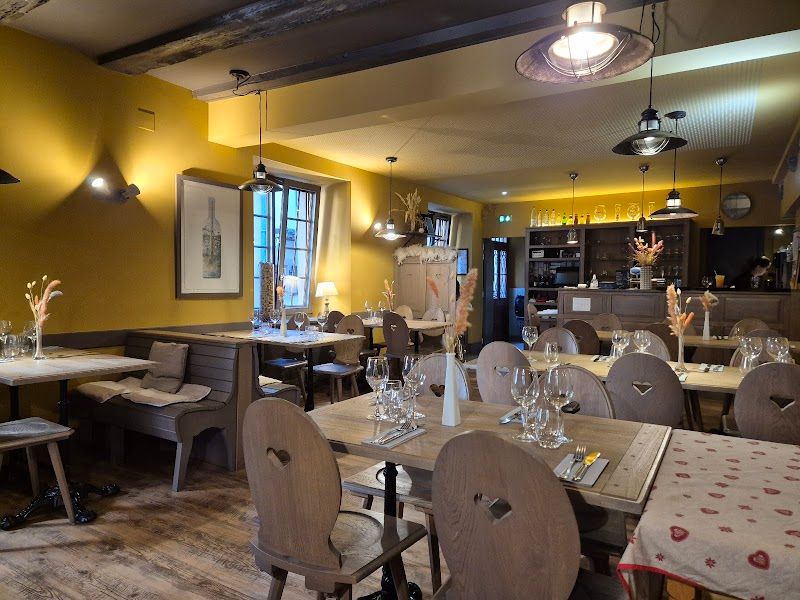
Cozy winstub steps from Kaysersberg castle offering hearty portions of baeckeoffe and tarte flambee. The terrace overlooks the Weiss River and medieval bridge. Family recipes passed down three generations include the standout Munster cheese souffle.
Auberge du Rempart
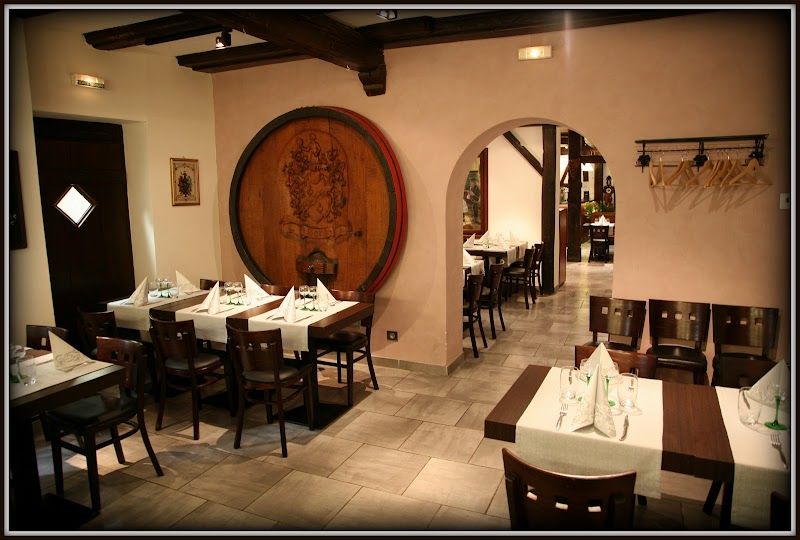
Traditional winstub in a 16th-century building along Eguisheim's ramparts serving regional specialties like baeckeoffe and choucroute. The cozy dining room features exposed beams and local wines by the glass. Known for generous portions and warm Alsatian hospitality.
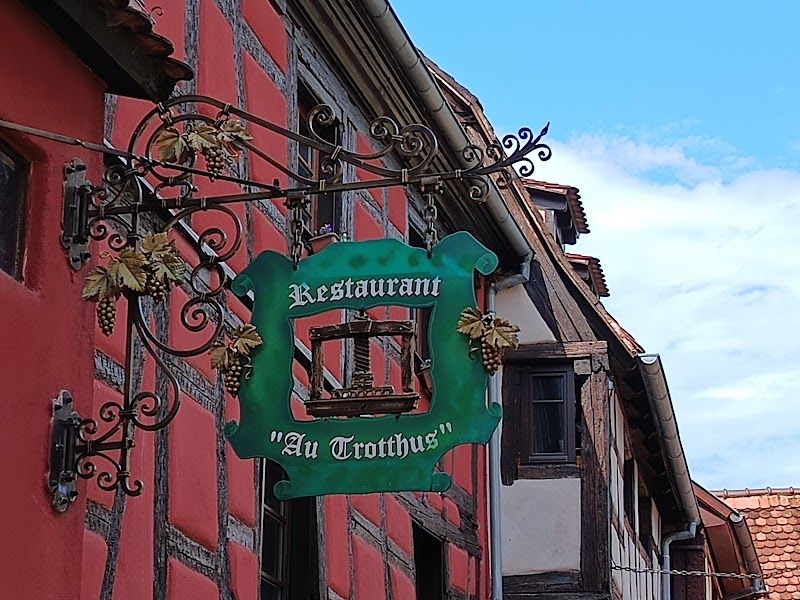
Au Trotthus
Historic winstub in Riquewihr located in a former wine press house with original 17th-century wooden beams. The menu features classic choucroute garnie paired with Riesling and foie gras with Pinot Gris. Step down into the vaulted cellar dining room for an authentic experience.
Riquewihr Main Street
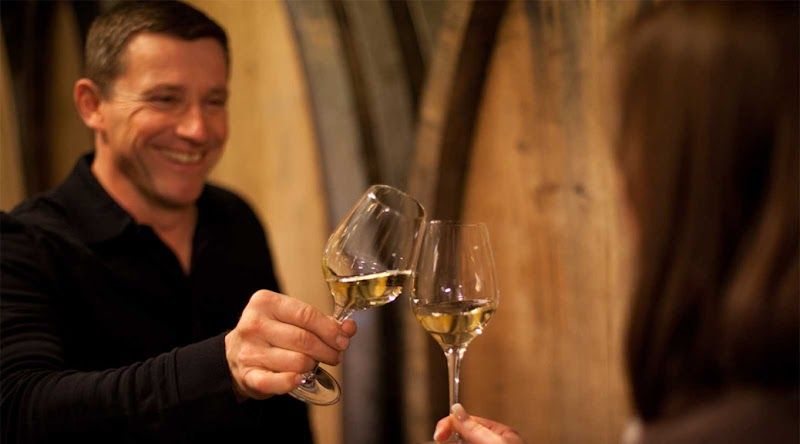
Rue du General de Gaulle stretches 400 meters in a perfectly straight line from Riquewihr's gate tower to its castle, lined with half-timbered houses that haven't changed much since the 15th century. You'll walk past carved timber frames, oriel windows jutting over the cobblestones, and open courtyard gates that give glimpses into private medieval worlds. This is where Hugel wine house has been pouring tastings since 1639, and where wisteria transforms every facade into purple cascades each May. The street fills with a parade of wine shop browsers, souvenir hunters, and architecture admirers by mid-morning. You'll hear a dozen languages as tour groups cluster around the most photogenic doorways, while local vintners call out tasting invitations from their shopfronts. The atmosphere shifts completely with the seasons: Christmas markets in December, flower boxes in summer, and that magical purple explosion when wisteria blooms. Most guides won't tell you that this place becomes a tourist conveyor belt after 11 AM in high season. Skip the overpriced souvenir shops selling mass-produced Alsatian kitsch. Focus on Hugel's free tastings (their Gentil blend at EUR 8 is excellent), climb the Dolder Tower for EUR 3, then escape to Rue des Juifs or the vineyard paths behind the walls where you'll have the medieval atmosphere without the crowds.
Eguisheim Circular Village
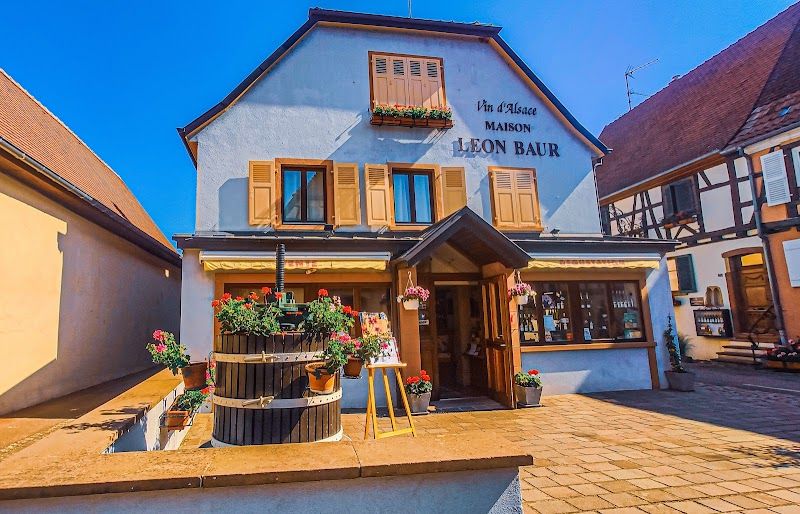
Eguisheim is France's most perfectly preserved circular village, built in concentric rings around a central square with a fountain and the Chapel of Saint-Leo IX, who became Pope in 1049. The inner ring features half-timbered houses painted in pastels with geranium window boxes, while the outer ring follows the old ramparts. Two excellent wine domaines within the village walls offer free tastings, and the Grands Crus vineyards of Eichberg and Pfersigberg start right at the village edge. Walking the concentric streets takes about 30 minutes and feels like exploring a living dollhouse. The houses curve away from you around each bend, revealing new color combinations of pink, yellow, and green facades. The scale is so intimate that you can touch both sides of some streets with outstretched arms, and the circular layout means you're constantly discovering new perspectives of the same charming buildings. Summer brings cascading geraniums from every window box, while winter snow transforms it into a fairy tale scene. Most guides don't mention that tour buses descend between 10 AM and 5 PM, turning the narrow streets into a bottleneck nightmare. Go early morning or evening to have this place to yourself. Skip the overpriced tourist shops and head straight to Domaine Emile Beyer for their Riesling Tradition (EUR 8-10, the regional benchmark) or Domaine Bruno Sorg for exceptional Gewurztraminer. Don't just photograph the pretty houses, walk the complete circuit twice to catch details you missed the first time.
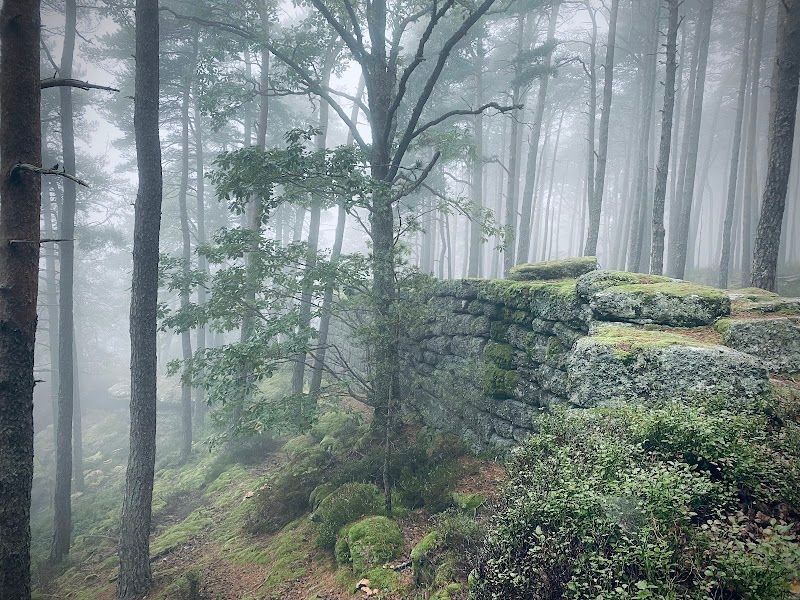
Mur Païen
The Mur Païen is a genuine archaeological mystery: 10 kilometers of massive stone blocks assembled without mortar, encircling Mont Sainte-Odile at 700 meters altitude. You'll see Cyclopean walls up to 3 meters high built from blocks weighing several tons each, fitted together using techniques that still puzzle experts. The Celtic origins date back over 2,000 years, making this one of Europe's most impressive prehistoric fortifications. The red rectangle trail takes you through dense beech forest where sections of ancient wall emerge dramatically from the undergrowth. At points like Porte de Barr, the stonework is so well-preserved you can run your hands along joints that haven't shifted in millennia. The forest opens periodically to reveal sweeping views across the Alsatian plain toward Strasbourg, with the Black Forest visible on clear days. Most visitors rush the loop in 2 hours and miss the wall's engineering marvels. Take 3.5 hours minimum to really examine the stone joints and appreciate the scale. The trail gets muddy after rain, so proper hiking boots are essential. Skip the overcrowded monastery itself and focus your time on the wall sections between Porte de Barr and the southern viewpoints.
Travel Guides
Expert guides for every travel style
Where to Eat on the Alsace Wine Route
Eating on the wine route: winstub culture, tarte flambee, baeckeoffe, Munster cheese, the bakeries of Kaysersberg, and which Alsatian wine to pair with what.
5 min
First Time on the Alsace Wine Route: What You Need to Know
Everything before your first wine route drive: car essential, free parking fills by 11 AM, tasting etiquette, the four main grapes, and why 3-4 villages per day is the right number.
6 min
Frequently Asked Questions
Yes. The villages are 5-15 minutes apart on the D35 road. Public transport exists but is limited and slow. Rent a car in Strasbourg or Colmar (EUR 30-40/day). The drive between villages, through vine rows with castles on the hilltops, is half the experience. If you only have a day without a car, Eguisheim is reachable by bus from Colmar (15 min, line 208).
3-4 villages per day is comfortable. More than that becomes a blur of half-timbered houses and wine tastings. If you only have time for one village, make it Eguisheim (the circular one). If you have time for two, add Kaysersberg (the one with substance). Riquewihr is the most visited and the most photogenic but also the most touristy.
Free at most producers' shops in the villages - you walk in, they pour, you taste, you buy a bottle or two. This is the social contract. EUR 5-10 at the larger domaines for a structured tasting of 5-6 wines with explanation. Spit if you are driving - they provide spit buckets and expect it. The main wines: Riesling (the star), Gewurztraminer (the aromatic one), Pinot Gris (the rich one), Cremant d'Alsace (the sparkling bargain).
September-October for harvest season: the vineyards are active, the light is golden, and some producers let visitors join the picking. May-June is quiet with green vineyards and empty villages. July-August is high season with tour buses. December brings Christmas markets to every village. Avoid January-March when most villages are shuttered.