First Time on the Alsace Wine Route: What You Need to Know
Car, parking, wine tasting etiquette, the grape varieties, and how many villages
Everything before your first wine route drive: car essential, free parking fills by 11 AM, tasting etiquette, the four main grapes, and why 3-4 villages per day is the right number.
Getting Around: You Need a Car
Let me be direct: forget public transport. The buses exist but they're slow, infrequent, and will kill your momentum. The Alsace Wine Route is the D35 road, marked with grape cluster signs that are impossible to miss. Villages sit 5-15 minutes apart through vine rows with fairy tale castles perched on hilltops. Rent a car in Strasbourg or Colmar for EUR 30-40 per day. The drive between Eguisheim and Kaysersberg, watching the Vosges Mountains rise through your windshield while Riesling vines blur past, is half the experience. You'll curse yourself if you try to do this route by bus.
Parking: Arrive Early or Walk
Most villages offer free parking, but the small lots outside the medieval walls fill by 11 AM in summer. Get there early or park at the village edge and walk five minutes. Riquewihr is the exception: they charge EUR 3-5 for the main lot during peak season because they can. It's still worth paying. Eguisheim and Kaysersberg stay free, which is one reason I prefer them to the tourist circus in Riquewihr. If you arrive at noon in July and can't find a spot, drive to the next village. There's always another perfect Alsatian village five minutes away.
Wine Tasting: Free Samples Come With Expectations
Walk into any wine shop and they'll pour free tastes while you browse. The unspoken rule: buy a bottle or two if you're sampling. Structured tastings at domaines cost EUR 5-10 for five or six wines with proper explanation. They'll start you light and build up: Pinot Blanc, then Riesling, Pinot Gris, and finish with Gewurztraminer. Spit if you're driving. They expect it and provide buckets. Don't be shy about telling them what you like. Say you prefer dry wines and they'll skip the sweet stuff. Say you want something food-friendly and they'll steer you to Riesling.
The Four Grapes You Actually Need to Know
Riesling: The King of Alsace
Dry, mineral, high acid. This is what Alsace does better than anywhere else. Grand Cru bottles run EUR 15-30 and are worth it. Everyday Riesling costs EUR 8-12 and pairs with everything from choucroute to fish.
Gewurztraminer: The Spice Bomb
Aromatic, spicy, floral, and polarizing. You'll either love it or find it too perfumed. It's made for Munster cheese and foie gras. Try it before you dismiss it.
Pinot Gris: The Rich One
Fuller bodied, honeyed, more like a light red than a white. Good with pork and autumn dishes. Less exciting than Riesling but more approachable.
Cremant d'Alsace: The Best Deal in Bubbles
Traditional method sparkling wine for EUR 7-10 per bottle. It outperforms most Champagne at a third the price. Buy a case.
When to Visit: Each Season Has Trade-offs
September-October (Harvest)
- -Vineyards active with pickers
- -Warm weather, golden light
- -Some producers let visitors help
- -Moderate crowds
May-June (Quiet Season)
- -Green vineyards, empty villages
- -Perfect weather for walking
- -Everything is open
- -Best value on accommodation
July-August (Peak Season)
- -Tour buses everywhere
- -Parking fills early
- -All restaurants busy
- -Hottest weather
December (Christmas Markets)
- -Riquewihr and Kaysersberg excel
- -Cold but atmospheric
- -Mulled wine everywhere
- -Many wineries closed
How Many Villages: Quality Over Quantity
Three to four villages per day is comfortable. More than that becomes a blur of half-timbered houses and you won't remember which Riesling came from where. If you only have time for one village, make it Eguisheim. It's compact, beautiful, and less touristy than Riquewihr. Two villages: add Kaysersberg for contrast. Three: add Riquewihr despite the crowds because the wine shops are exceptional. A full day covers the southern route from Eguisheim through Kaysersberg to Riquewihr. Two days lets you add the northern villages like Obernai and Barr, plus deeper winery visits where you actually meet the winemakers.
What Not to Do on the Wine Route
Don't try to hit every village marked on the map. Half are just normal French villages with a few vines.
Don't skip lunch. Alsatian food pairs perfectly with the wines and the restaurants close at 2 PM sharp.
Don't buy wine at the first place you visit. Prices and quality vary wildly between producers.
Don't drive after 3 PM tastings without using the spit bucket. French police take wine route enforcement seriously.
The Honest Truth About Tourist Villages
Yes, Riquewihr is touristy. Tour buses disgorge groups who clog the main street taking photos of the same half-timbered houses. But it's touristy because it has the best selection of wine shops, the most knowledgeable staff, and some of the finest producers in Alsace. Eguisheim feels more authentic because fewer people go there, but the wine selection is smaller. Kaysersberg splits the difference: beautiful, manageable crowds, excellent restaurants. Don't let tourism fear keep you from places that became famous for good reasons.
Ready to Visit Alsace Wine Route?
Get a personalized itinerary tailored to your travel style and interests.
Plan Your Alsace Wine Route TripMore Alsace Wine Route Guides
1-2 Days on the Alsace Wine Route
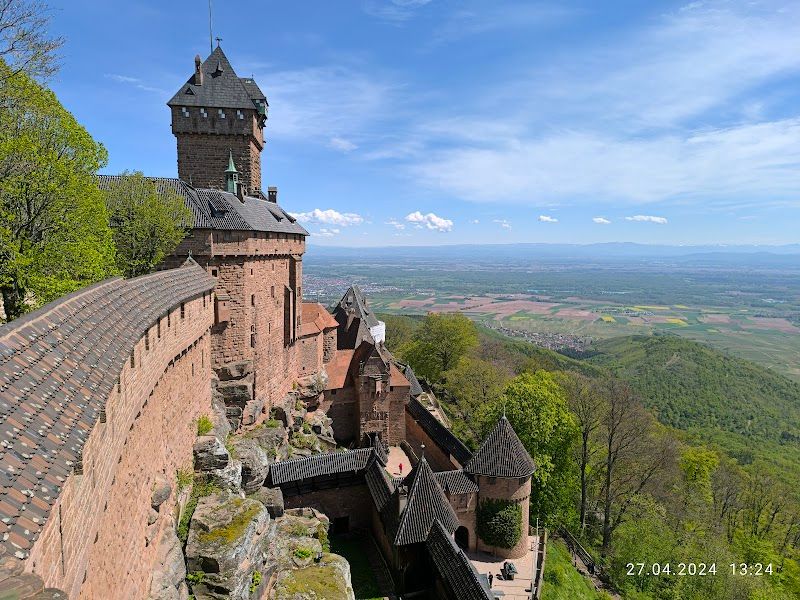
How to drive the Alsace Wine Route in 1-2 days: the circular village of Eguisheim, Hugel tasting in Riquewihr, bakeries in Kaysersberg, and the monastery above Obernai.
7 min
Where to Eat on the Alsace Wine Route
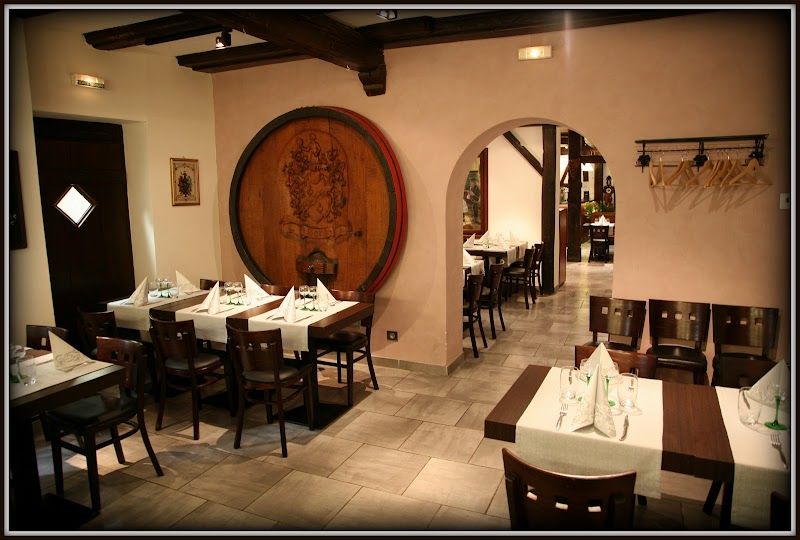
Eating on the wine route: winstub culture, tarte flambee, baeckeoffe, Munster cheese, the bakeries of Kaysersberg, and which Alsatian wine to pair with what.
5 min