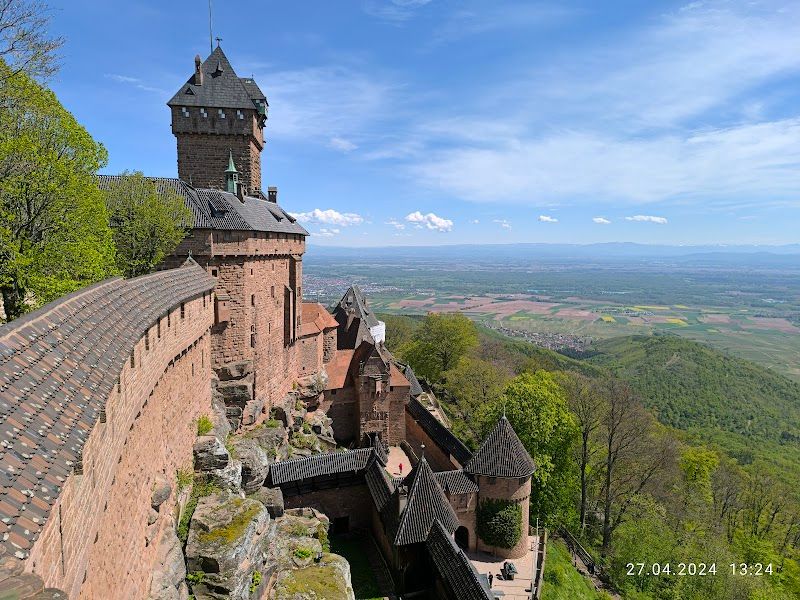
1-2 Days on the Alsace Wine Route
From Colmar or Strasbourg: the best villages, the best producers, and the best winstubs
How to drive the Alsace Wine Route in 1-2 days: the circular village of Eguisheim, Hugel tasting in Riquewihr, bakeries in Kaysersberg, and the monastery above Obernai.
The Real Talk on Alsace Wine Route Timing
Two days is actually perfect for the Alsace Wine Route, and anyone telling you otherwise is trying to sell you a longer trip. You can hit the essential villages, taste at the producers that matter, and avoid the mistake most people make of rushing through six villages in one afternoon and remembering none of them. The route works beautifully from either Colmar or Strasbourg, but Colmar puts you right in the heart of things. If you're starting from Strasbourg, you'll spend more time driving and less time tasting, but you'll see the northern villages that most tourists skip entirely.
From Colmar: The Greatest Hits
This day captures everything people imagine when they picture Alsace: half-timbered houses that look like fairy tale illustrations, vineyard views that stretch to the Vosges mountains, and Rieslings so crisp they make your mouth water just thinking about them. You'll start in the most perfectly planned medieval village, climb to a castle ruin for the best view in the region, and end in the most touristed town on the route (which is still worth doing if you know how to navigate it).
- Eguisheim's concentric circles
- Kaysersberg castle climb
- Riquewihr's tourist circus
Eguisheim: The Perfect Opening Act
Drive 15 minutes south from Colmar and you'll hit Eguisheim, which is laid out in concentric circles around a central square. This isn't just a cute historical fact, it means you can walk the entire village in 20 minutes by following the outer ring. The houses lean into each other like old friends, painted in colors that would look ridiculous anywhere else but somehow work perfectly here. Head straight to Domaine Emile Beyer on the main square for your first tasting. Their Riesling Tradition at EUR 8 is the benchmark for what Alsace Riesling should taste like: bone dry, mineral, with just enough fruit to keep it interesting. Buy 2-3 bottles because you won't find better value anywhere else on the route.
Kaysersberg: Worth the Castle Climb
The 30-minute drive to Kaysersberg takes you through villages you'll want to stop at, but resist the urge. You've got a full day ahead. Once you arrive, park near the river and walk straight up to the castle ruin. Yes, it's a 15-minute uphill climb and yes, there's nothing much left of the castle itself, but the valley view is the reason you came to Alsace. You can see the Rhine plain stretching toward Germany and vineyard slopes that look like green corduroy. Back in town, stop at any bakery for kougelhopf, the local brioche that's more butter than bread. For lunch, find a winstub (that's a traditional Alsatian tavern) and order baeckeoffe if it's available. This slow-cooked stew of three meats and potatoes costs EUR 14-18 and will fuel you for the afternoon.
Riquewihr: Embrace the Tourist Circus
Riquewihr is absolutely mobbed with tour groups, and I'm going to tell you to go anyway. The main street looks like a movie set because it basically is one, but the wine is real and the architecture is genuinely spectacular. Head straight to Hugel, the most famous producer in town, and try their Gentil blend (a mix of noble grape varieties that's easier drinking than pure varietals) and their Gewurztraminer, which smells like roses and lychees. The secret to enjoying Riquewihr is ducking into the side streets whenever the main drag gets overwhelming. You'll find courtyards and passages that the tour groups miss entirely.
Evening in Colmar
Drive back to Colmar for dinner at Wistub Brenner on Rue Turenne. Order the choucroute garnie, which is sauerkraut with five different kinds of pork and sausage for EUR 16. It sounds heavy but after a day of wine tasting and village hopping, it's exactly what you need. The restaurant looks like someone's grandmother's dining room, and the portions are enormous.
From Colmar: Going Deeper
Day two is about slowing down and going deeper. Instead of hitting multiple villages, you'll book proper tastings at the producers that wine geeks talk about, visit the villages that don't make it onto tour bus itineraries, and discover why locals say the real Alsace reveals itself to people who take their time.
- Proper winery tastings
- Quieter villages
- Night watchman tour
The Serious Wineries
Book ahead at one of the legendary producers: Domaine Weinbach near Kaysersberg, Domaine Zind-Humbrecht in Turckheim, or Trimbach in Ribeauville. These tastings cost EUR 10-20 but you're tasting wines that cost EUR 30-50 per bottle in restaurants. Weinbach is run by three women who make some of the most elegant Rieslings in Alsace. Zind-Humbrecht does biodynamic wines that taste like they came from another planet. Trimbach is the old-school master of bone-dry styles. Pick based on what kind of wine you want to learn about, not the reputation.
The Quieter Villages
Hunawihr has a fortified church sitting in the middle of vineyards that looks like something from a medieval manuscript. There are no shops, no crowds, just the church and the vines. Turckheim has a night watchman who does his rounds at 10 PM from May to October, singing in German and carrying a lantern like it's 1850. It's completely ridiculous and completely wonderful. Mittelbergheim might be the most beautiful village on the entire route, with Renaissance houses and a complete absence of tour buses. You can walk the main street in five minutes and feel like you've discovered something nobody else knows about.
From Strasbourg: The Northern Approach
Starting from Strasbourg means a longer driving day but rewards you with the northern villages that most wine route visitors never see. You'll visit a mountaintop monastery with panoramic views, walk through villages where locals still outnumber tourists, and experience the wine route as a journey rather than a series of photo opportunities.
- Mont Sainte-Odile monastery
- Quiet northern villages
- Evening arrival in Colmar
Obernai and the Monastery Detour
Drive 25 minutes south to Obernai, which has a perfect market square surrounded by medieval buildings and ramparts you can actually walk on. But the real prize is the 20-minute detour up to Mont Sainte-Odile monastery. The drive is steep and winding, but the panoramic terrace gives you views over the entire Rhine valley. The monastery itself is active, so keep your voice down and dress respectfully. It's completely free and completely worth the detour.
The Northern Villages Nobody Talks About
Drive through Barr and Mittelbergheim, which are the quiet northern cousins of the famous southern villages. Barr has wide streets and feels more like a real town where people actually live and work. Mittelbergheim is tiny and perfect, with Renaissance houses and no tourist infrastructure whatsoever. You can park on the main street and walk the entire village in ten minutes. These villages give you a sense of what the southern route was like before the tour buses discovered it.
Ribeauville, Riquewihr, and Kaysersberg
Have lunch at a winstub in Ribeauville, which is less crowded than Riquewihr but has the same medieval architecture. Then hit Riquewihr for the Hugel tasting (same advice as the Colmar itinerary applies here) and Kaysersberg for the castle climb. By this point in the day, you'll understand why people drive hundreds of kilometers just to spend two days on this 50-kilometer stretch of road. The combination of architecture, landscape, and wine is unmatched anywhere else in France.
Car Rental Reality Check
Expect to pay EUR 30-40 per day for a car rental from either Strasbourg or Colmar. The D35 route is well-signed with wine route logos, so you can't get lost even if you try. The key insight most people miss: plan for 3-4 villages maximum per day. Any more and you'll be rushing through tastings and missing the point entirely. And yes, you should spit at tastings if you're driving. Every winery provides spit buckets and the staff expect it. Nobody will judge you for being responsible.
What Actually Matters
Book winery tastings ahead for day two, especially Weinbach and Zind-Humbrecht
Carry cash for small producers, many don't take cards for tastings under EUR 20
Park outside village centers when possible, the medieval streets weren't designed for cars
Eat lunch at winstubs, not tourist restaurants. Look for handwritten menus in German dialect
Buy wine directly from producers, prices are 30-40% lower than wine shops
Ready to Visit Alsace Wine Route?
Get a personalized itinerary tailored to your travel style and interests.
Plan Your Alsace Wine Route TripMore Alsace Wine Route Guides
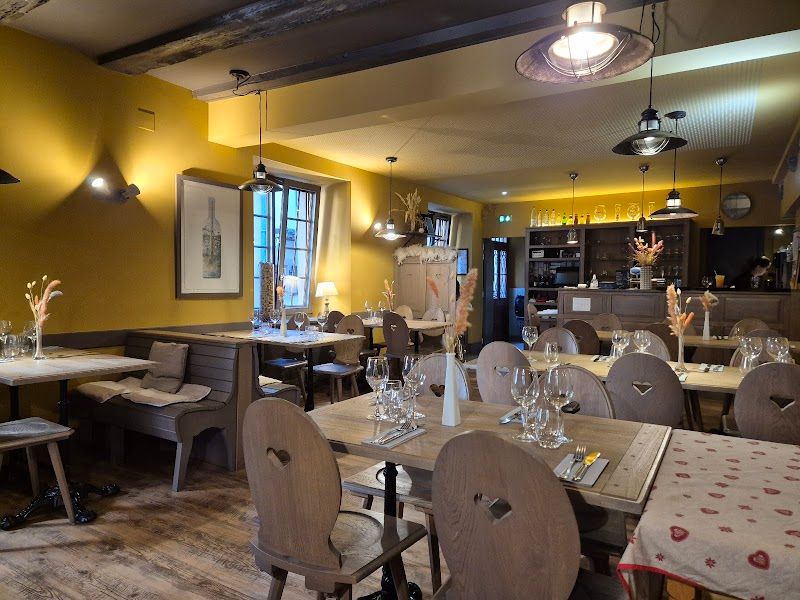
First Time on the Alsace Wine Route: What You Need to Know
Everything before your first wine route drive: car essential, free parking fills by 11 AM, tasting etiquette, the four main grapes, and why 3-4 villages per day is the right number.
6 min
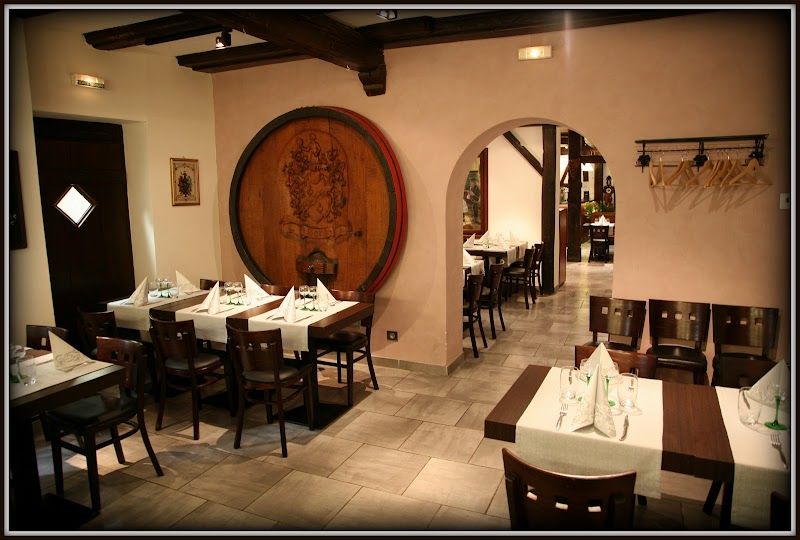
Where to Eat on the Alsace Wine Route
Eating on the wine route: winstub culture, tarte flambee, baeckeoffe, Munster cheese, the bakeries of Kaysersberg, and which Alsatian wine to pair with what.
5 min