Where to Eat on the Alsace Wine Route
Winstubs in every village, bakeries in Kaysersberg, and which wine goes with which dish
Eating on the wine route: winstub culture, tarte flambee, baeckeoffe, Munster cheese, the bakeries of Kaysersberg, and which Alsatian wine to pair with what.
Where to Eat on the Alsace Wine Route
The Alsace Wine Route isn't about finding the perfect restaurant. It's about understanding winstub culture and eating the same six dishes in every village, paired with local wine. The food here is codified, traditional, and honestly, pretty heavy. You'll eat well, but don't expect innovation or lightness. This is comfort food from a region that has changed hands between France and Germany multiple times.
Winstub Culture: Your Dining Reality
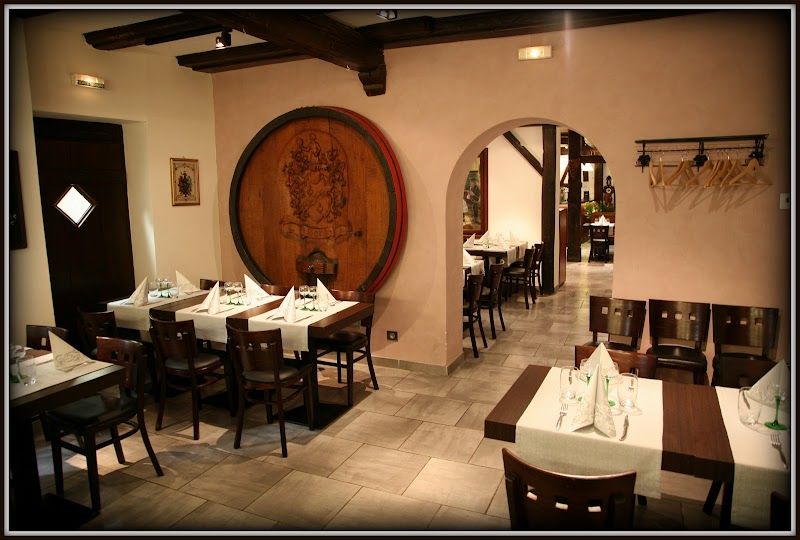
Every village has at least one winstub, the Alsatian wine pub that looks exactly the same everywhere: dark wood panels, long bench seating, handwritten chalkboard menu in dialect. The atmosphere is cozy in a way that feels authentic because it is authentic, not designed for tourists. You'll sit elbow to elbow with locals who've been coming here for decades. The menu never changes because this is regional cuisine, not restaurant cuisine. Order wine by the glass or carafe, never by the bottle unless you're planning to stay a while.
The Four Dishes You'll Eat Everywhere
Tarte Flambée (EUR 10-14)
The thin flatbread with crème fraîche, caramelized onions, and lardons that you'll order first at every winstub. It arrives on a wooden board, edges crispy, center slightly soggy from the cream. Share one as a starter or order your own as a light meal. The tourist version adds cheese or other toppings, but the original three-ingredient version is always better.
Baeckeoffe (EUR 14-18)
Mixed pork, beef, and lamb slow-cooked with potatoes and onions in Riesling wine, sealed in a ceramic pot. The meat falls apart, the potatoes absorb all the wine flavor, and it's genuinely satisfying after a day of walking. Many places require 24-hour advance ordering because it takes time to prepare properly. Kaysersberg does the best version, but honestly, it's hard to mess up.
Choucroute Garnie (EUR 16-22)
Sauerkraut with various pork products: sausages, ham hock, sometimes duck. The sauerkraut is cooked in white wine until it loses most of its sharp acidity. This is winter food, heavy and warming. Skip it in summer unless you're particularly hungry, because it will knock you out for the afternoon.
Munster Cheese with Potatoes
The regional washed-rind cheese served warm with boiled potatoes and caraway seeds. The smell hits you before you see the plate, a pungent funk that warns of strong flavors ahead. The taste is much milder than the smell suggests, creamy and earthy. It's an acquired taste that's worth acquiring if you're spending more than two days on the route.
Bakery Culture and What to Buy
Kaysersberg has the best bread on the entire route, with three excellent bakeries within two blocks of each other on the main street. The local specialties are worth trying, but manage your expectations. Kougelhopf is the Alsatian bundt cake with almonds and raisins that locals eat for breakfast with coffee. It's dense, slightly sweet, and costs EUR 12-18 for a whole cake or EUR 3-4 for a slice. The Alsatian bretzel is different from the German version, less salty and slightly sweeter. Pain d'épices (gingerbread) appears everywhere, especially during Christmas market season.
Wine Pairings That Actually Work
Riesling
The dry, mineral white that cuts through the richness of choucroute and balances the cream in tarte flambée. Order this with most winstub dishes and you won't go wrong.
Gewürztraminer
The aromatic, slightly sweet white that's perfect with Munster cheese and foie gras. The wine's floral notes complement the funk of the cheese better than any other pairing on the route.
Pinot Gris
The full-bodied white that stands up to baeckeoffe and other rich, wine-braised dishes. It has enough weight to match the meat without overwhelming the delicate wine flavors in the stew.
Crémant d'Alsace
The local sparkling wine that works as an aperitif with everything. It's made in the traditional method, costs about half what Champagne costs, and honestly tastes better with the regional food.
Best Stops by Village
Eguisheim: Auberge du Rempart
The most traditional winstub on the route, with the same family running it for three generations. The baeckeoffe here requires 24-hour notice but it's worth the planning. Sit in the back room with the locals, not the front room with the tour groups.
Kaysersberg: Winstub du Château
Solid traditional food in a 16th-century building. The choucroute is excellent in winter, and they serve a good Munster cheese course. More importantly, you're two minutes from the best bakeries on the route for morning coffee and kougelhopf.
Riquewihr: Au Trotthus
Down a side street off the main tourist drag, which immediately makes it better than 90% of restaurants in this overrun village. The tarte flambée is perfect, and they don't rush you through your meal like the places on the main street do.
Obernai: La Halle aux Blés
Right on the market square in a former grain market building. The setting is more elegant than most winstubs, but the food stays traditional. Their baeckeoffe doesn't require advance ordering, and the wine list focuses on local producers you won't find elsewhere.
Practical Eating Advice
Lunch runs from 12:00 to 14:00, dinner from 19:00 to 21:30. Most winstubs close between service periods, so don't expect to eat at 15:00.
Cash is preferred at traditional winstubs, though most accept cards. Keep EUR 50 in cash for the smaller places.
Portions are large. One tarte flambée and one main dish will feed two people who aren't particularly hungry.
Wine by the glass costs EUR 4-7, carafes (50cl) cost EUR 12-18. The house wine is always local and usually good.
Skip restaurants on main tourist streets in Riquewihr and Colmar. They're overpriced and designed for bus tour groups.
Reserve tables for dinner, especially in Kaysersberg and Eguisheim during peak season (May through October).
Ready to Visit Alsace Wine Route?
Get a personalized itinerary tailored to your travel style and interests.
Plan Your Alsace Wine Route TripMore Alsace Wine Route Guides
1-2 Days on the Alsace Wine Route
How to drive the Alsace Wine Route in 1-2 days: the circular village of Eguisheim, Hugel tasting in Riquewihr, bakeries in Kaysersberg, and the monastery above Obernai.
7 min
First Time on the Alsace Wine Route: What You Need to Know
Everything before your first wine route drive: car essential, free parking fills by 11 AM, tasting etiquette, the four main grapes, and why 3-4 villages per day is the right number.
6 min