Alsace Wine Route
Kaysersberg
Albert Schweitzer's birthplace, the ruined castle above town with a valley view, the fortified bridge, and the best bakeries on the wine route. More substance and less tourism than Riquewihr.
About Kaysersberg
Kaysersberg is the village on the Alsace Wine Route with the most substance. Albert Schweitzer was born here in 1875 and the Albert Schweitzer Museum (EUR 2) in his birthplace on Rue du General de Gaulle is a tiny museum of photographs, letters, and personal effects - modest but genuine. The ruined castle above the village (free, 15-minute climb from the centre) rewards the effort with a panoramic view that covers the Weiss valley, the vineyards climbing the hillsides, and the village rooftops below. The fortified bridge across the Weiss River is the architectural set piece: a stone bridge with a chapel that dates from the 15th century. Kaysersberg has the best bakeries on the wine route: the bread (pain au levain, EUR 3-4 a loaf) and the kougelhopf are made by bakers who supply several villages. Baeckeoffe (the Alsatian three-meat stew baked in a sealed pot, EUR 14-18 at a restaurant) is a Kaysersberg specialty - some restaurants require 24-hour advance notice. The village has a quieter, more lived-in feel than Riquewihr.
Things to Do
Top experiences in Kaysersberg
Kaysersberg Castle Ruins
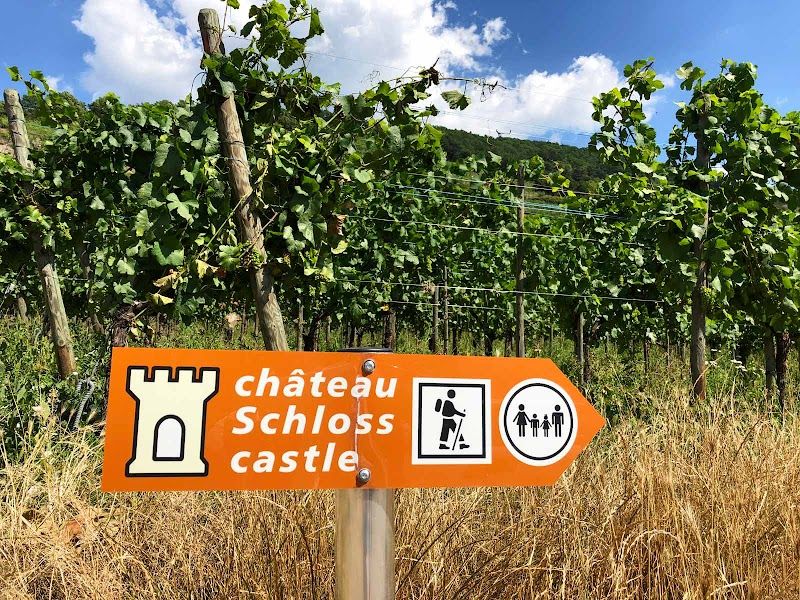
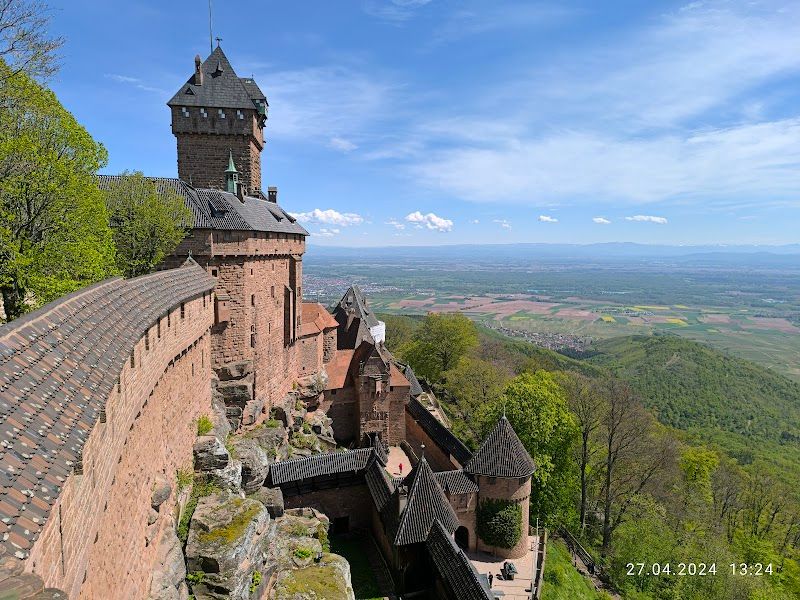
The ruined castle above Kaysersberg sits on a spur of the Vosges with a panoramic view that covers the Weiss valley, the vineyards climbing the hillsides, and the village rooftops below. The castle dates from the 13th century and was built by the Hohenstaufen emperors to control the valley (Kaysersberg means Emperor's Mountain). The keep (the circular tower) is still standing and climbable via an interior staircase. The ruins are open, unfenced, and free. The climb from the village centre takes about 15 minutes on a steep path that starts near the fortified bridge. Early morning and late afternoon light are best for the view and for photographs of the village below. The fortified bridge across the Weiss River at the base of the castle hill is one of the best-preserved medieval bridges in Alsace: a stone bridge with a small chapel dating from the 15th century.
Maison de la Distillerie Gilbert Holl
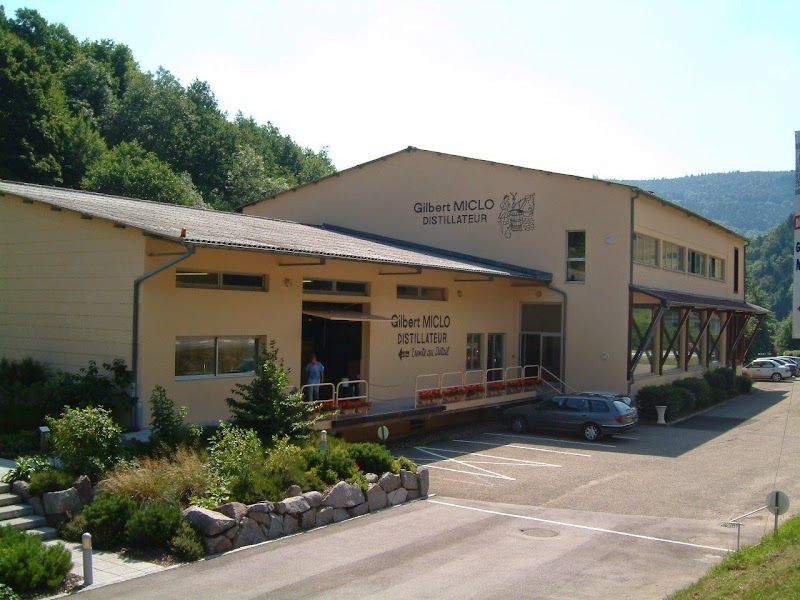
This working distillery operates from a converted farmhouse where the Holl family has been making eau-de-vie since 1874. You'll see massive copper stills from the 1920s still bubbling away, fermentation tanks filled with local fruit, and learn how they transform Alsatian pears, plums, and wild berries into crystal-clear spirits. The museum part is small but genuine: antique equipment, old bottles, and explanations of double distillation techniques that haven't changed in generations. The visit starts in the production room where you can watch distillers at work (if you come during season from September to March). The space smells intensely of fruit and alcohol, with steam rising from copper pipes and the constant sound of bubbling. Gilbert or his son explain each step personally, from fruit selection to the final clear spirit. The tasting happens in their cozy shop where you'll sample six different eaux-de-vie, each served in tiny glasses that pack a serious punch. Most guides don't mention this is primarily a working distillery, not a polished museum experience. The displays are basic and homemade, which is actually charming but might disappoint if you expect glossy exhibits. Come during distillation season for the full experience, or you'll just see empty equipment. Admission costs 8 EUR including tastings, which is excellent value considering you're sampling spirits that sell for 35-50 EUR per bottle. Skip this if you don't drink alcohol, there's nothing else here.
Where to Eat
Restaurants and cafes in Kaysersberg
Winstub du Chateau
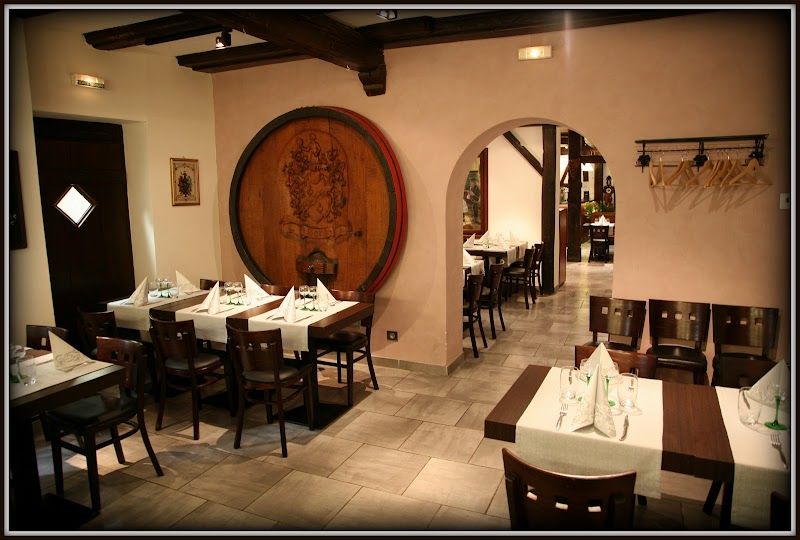
RestaurantCozy winstub steps from Kaysersberg castle offering hearty portions of baeckeoffe and tarte flambee. The terrace overlooks the Weiss River and medieval bridge. Family recipes passed down three generations include the standout Munster cheese souffle.
Winstub du Chambellan
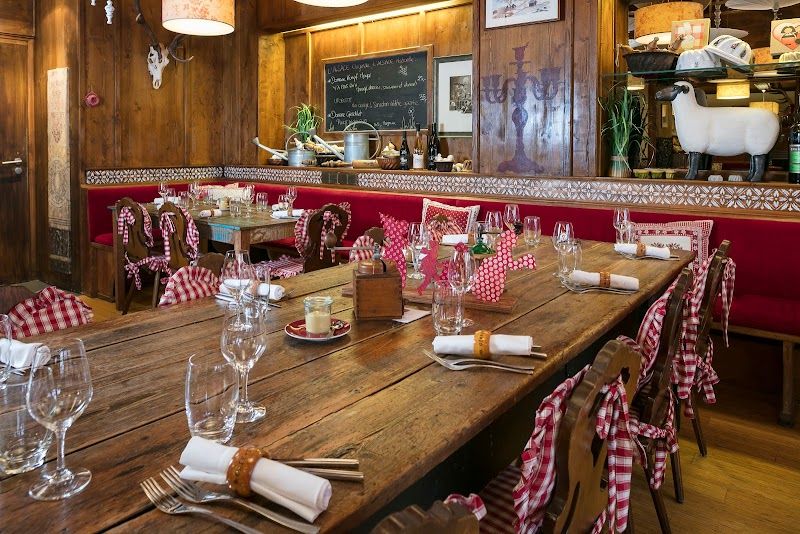
RestaurantSmall family-run winstub in Eguisheim specializing in tarte flambee and Munster cheese with cumin. The chef sources ingredients from local producers and offers a selection of organic Alsatian wines. Only 25 seats, so reservations are essential.
Getting Here
On Foot
The village centre is entirely walkable in 20 minutes. Parking outside the old town (free). 20 minutes from Colmar by car, 25 from Riquewihr.
Insider Tips
The castle
Free entry. 15-minute climb from the village centre. The ruin is open and unguarded - watch children near the walls. The view from the top covers the Weiss valley and the surrounding vineyards. Early morning or late afternoon light is best.
The bakeries
Kaysersberg has the best bread on the wine route. The pain au levain (sourdough, EUR 3-4), the kougelhopf (EUR 12-18 whole), and the bredele (Christmas cookies in season) are all worth buying. Look for Boulangerie Loewert on Rue du General de Gaulle.
Baeckeoffe
The Alsatian three-meat stew (beef, pork, lamb) with potatoes, slow-cooked in Riesling in a sealed ceramic pot. EUR 14-18 per serving. Some restaurants require 24-hour notice. Winstub du Chateau serves it without advance booking on most days.
Nearby Neighborhoods
Continue exploring
Eguisheim
The circular village 15 minutes from Colmar: concentric rings of half-timbered houses around a central square, two domaines with free tasting, and the Grands Crus vineyards starting at the village edge.
Riquewihr
The most visited village on the route, for good reason: the main street is a perfect corridor of half-timbered houses, wine shops, and wisteria. Hugel on the main street, the Dolder Tower, and vineyard paths outside the walls.
Obernai & Northern Route
The largest town on the northern section of the route: a proper market square, a Renaissance town hall, ramparts walk, and the Sainte-Odile monastery 12 km above with a view that reaches the Black Forest.
Plan a trip featuring Kaysersberg
Get a personalized Alsace Wine Route itinerary with Kaysersberg built in.
Start Planning