Alsace Wine Route
Obernai & Northern Route
The largest town on the northern section of the route: a proper market square, a Renaissance town hall, ramparts walk, and the Sainte-Odile monastery 12 km above with a view that reaches the Black Forest.
About Obernai & Northern Route
Obernai is the largest town on the northern section of the Route des Vins and the usual starting point for visitors coming from Strasbourg (25 minutes by car or train). It has more of a town feel than the tiny wine villages further south: the Place du Marche (market square) is one of the largest and most handsome in Alsace, surrounded by half-timbered houses, the Renaissance Hotel de Ville (town hall), and the Kapellturm (chapel tower). The ramparts walk follows the old town walls through gardens and past towers. The weekly market on the Place du Marche (Thursday mornings) has local produce, cheese, and wine. The Sainte-Odile monastery is 12 km above Obernai on a spur of the Vosges (20 minutes by car, well-signed). Saint Odile is the patron saint of Alsace, and the monastery has been a pilgrimage site since the 7th century. The panoramic terrace at the monastery looks east over the Rhine plain to the Black Forest in Germany - on a clear day the view extends to the Alps. Free entry to the monastery and terrace. There is a restaurant and a gift shop. South from Obernai, the D35 wine route passes through smaller villages: Barr, Mittelbergheim (one of the most beautiful villages in France, extremely quiet), Andlau, and Dambach-la-Ville before reaching Ribeauville and Riquewihr.
Things to Do
Top experiences in Obernai & Northern Route
Mur Païen
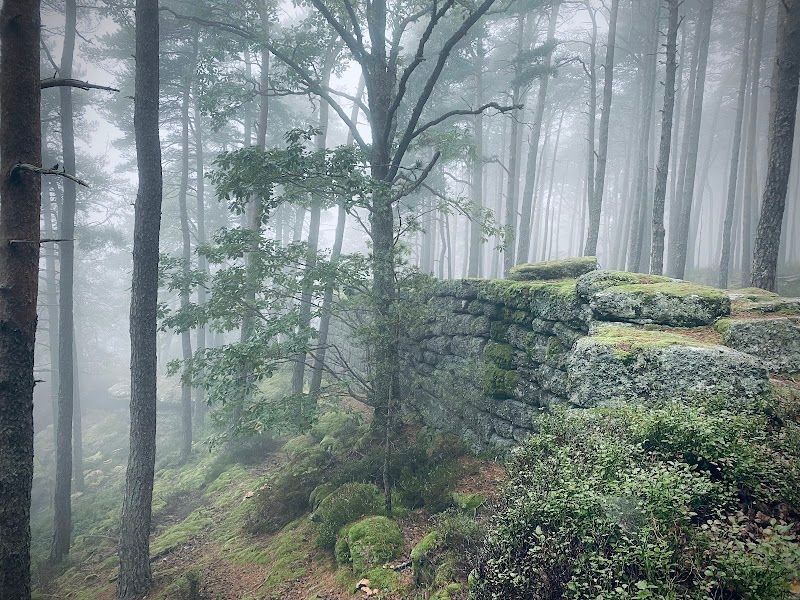
The Mur Païen is a genuine archaeological mystery: 10 kilometers of massive stone blocks assembled without mortar, encircling Mont Sainte-Odile at 700 meters altitude. You'll see Cyclopean walls up to 3 meters high built from blocks weighing several tons each, fitted together using techniques that still puzzle experts. The Celtic origins date back over 2,000 years, making this one of Europe's most impressive prehistoric fortifications. The red rectangle trail takes you through dense beech forest where sections of ancient wall emerge dramatically from the undergrowth. At points like Porte de Barr, the stonework is so well-preserved you can run your hands along joints that haven't shifted in millennia. The forest opens periodically to reveal sweeping views across the Alsatian plain toward Strasbourg, with the Black Forest visible on clear days. Most visitors rush the loop in 2 hours and miss the wall's engineering marvels. Take 3.5 hours minimum to really examine the stone joints and appreciate the scale. The trail gets muddy after rain, so proper hiking boots are essential. Skip the overcrowded monastery itself and focus your time on the wall sections between Porte de Barr and the southern viewpoints.
Mont Sainte-Odile Monastery
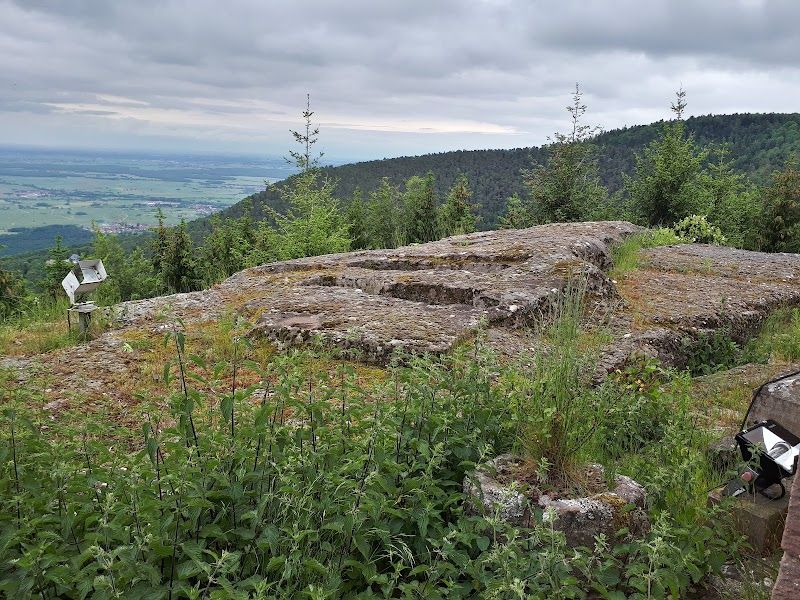
The Mont Sainte-Odile monastery sits on a rocky spur 764 metres above the Rhine plain, 12 km above Obernai. Saint Odile (born c. 662) is the patron saint of Alsace, and the monastery has been a pilgrimage site since the 7th century. The buildings today are a mix of Romanesque foundations and 17th-18th century reconstruction. The panoramic terrace on the eastern side of the monastery is the main attraction for non-pilgrims: on a clear day the view extends across the Rhine plain to the Black Forest in Germany, and on exceptional days you can see the Alps. Free entry to the monastery, the terrace, and the chapels. The Pagan Wall (Mur Paien), a mysterious 10 km stone wall circling the mountain, is possibly Celtic or Merovingian and is accessible by hiking trail from the monastery (1-3 hours depending on how far you walk). The monastery has a restaurant (basic French cafeteria food, EUR 12-18) and a gift shop selling religious items and Alsatian products.
Obernai Market Square and Ramparts
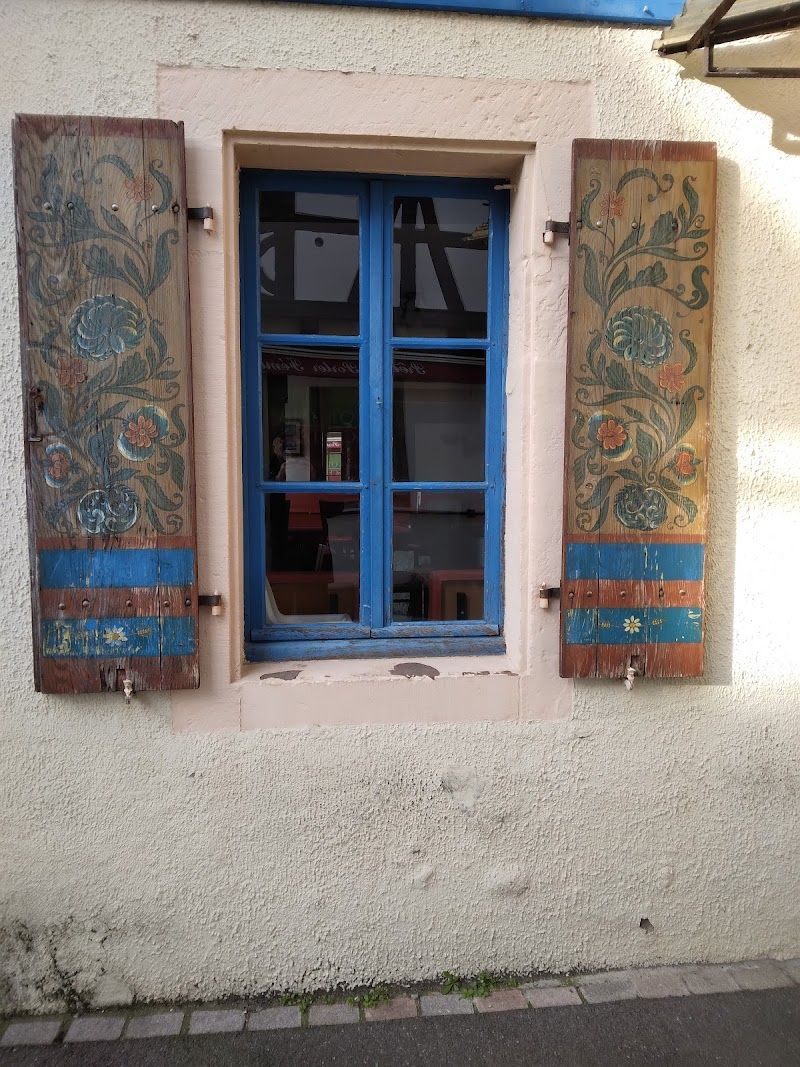
Obernai is the largest town on the northern section of the Route des Vins and has a proper town-scale presence that the smaller villages lack. The Place du Marche (market square) is one of the finest in Alsace: a large open square surrounded by half-timbered houses, the Renaissance Hotel de Ville (town hall, 1523), the Kapellturm (chapel tower, the tallest structure in town), and the Puits aux Six Seaux (the six-bucket well, 1579, an ornate Renaissance well-house in the middle of the square). The ramparts walk follows the old town walls through gardens and past medieval towers - a 30-minute circuit that gives a sense of the town's medieval extent. The weekly market on Place du Marche (Thursday mornings, 7 AM-noon) has local produce, Alsatian cheese, honey, and wine from nearby producers. Obernai is 25 minutes from Strasbourg by car or train and is where most people start or end the Route des Vins.
Where to Eat
Restaurants and cafes in Obernai & Northern Route
Getting Here
On Foot
The town centre is walkable in 20 minutes. Parking outside the ramparts (free). The Sainte-Odile monastery requires a car or taxi.
Insider Tips
Sainte-Odile monastery
12 km above Obernai, 20 minutes by car on a winding road. Free entry. The panoramic terrace faces east: on a clear day you can see the Black Forest and sometimes the Alps. Early morning is best for clarity. The monastery has a restaurant (basic but adequate) and a bookshop. The Pagan Wall (a mysterious 10 km stone wall around the mountain, possibly Celtic) is accessible by hiking trail from the monastery.
Thursday market
The weekly market on Place du Marche (Thursday mornings, 7 AM-noon) has local produce, Alsatian cheese, honey, and wine from nearby producers. More authentic than the tourist shops and good for a morning of tasting and buying.
The quiet villages south
Mittelbergheim (10 minutes south) is one of the most beautiful villages in France and gets a fraction of Riquewihr's visitors. Andlau has a Romanesque abbey with extraordinary carved stone animals on the facade. Both are worth a 30-minute detour.
Nearby Neighborhoods
Continue exploring
Eguisheim
The circular village 15 minutes from Colmar: concentric rings of half-timbered houses around a central square, two domaines with free tasting, and the Grands Crus vineyards starting at the village edge.
Riquewihr
The most visited village on the route, for good reason: the main street is a perfect corridor of half-timbered houses, wine shops, and wisteria. Hugel on the main street, the Dolder Tower, and vineyard paths outside the walls.
Kaysersberg
Albert Schweitzer's birthplace, the ruined castle above town with a valley view, the fortified bridge, and the best bakeries on the wine route. More substance and less tourism than Riquewihr.
Plan a trip featuring Obernai & Northern Route
Get a personalized Alsace Wine Route itinerary with Obernai & Northern Route built in.
Start Planning