Alsace Wine Route
Riquewihr
The most visited village on the route, for good reason: the main street is a perfect corridor of half-timbered houses, wine shops, and wisteria. Hugel on the main street, the Dolder Tower, and vineyard paths outside the walls.
About Riquewihr
Riquewihr is the most visited village on the Alsace Wine Route and the one that appears on every Alsace tourism poster. The reason is the main street (Rue du General de Gaulle): it runs from the gate tower to the castle in a straight line, lined on both sides with half-timbered houses, wine shops, and artisan boutiques. In May the wisteria covers the facades in purple. The Hugel wine house (one of the most famous in Alsace) has its shop on the main street and offers free tasting - their Gentil blend and Gewurztraminer are the ones to try. The Dolder Tower (EUR 3) is the old fortification at the end of the main street, with a small museum of village history and a view from the top. Riquewihr is the most beautiful single street in Alsace and the most crowded. Tour buses arrive by 11 AM and the main street becomes a slow shuffle of visitors. The side streets and the vineyard paths outside the walls are quieter and almost as photogenic. The shops sell kougelhopf, pain d'epices, pottery, and Christmas decorations year-round.
Things to Do
Top experiences in Riquewihr
Château du Haut-Koenigsbourg
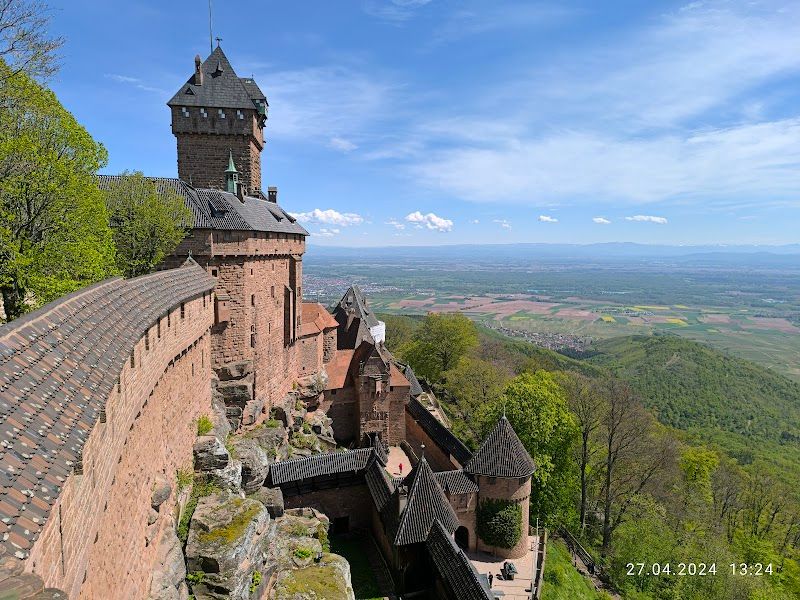
This reconstructed medieval fortress sits dramatically on a rocky outcrop 755 meters above the Rhine Valley, offering sweeping views across the Alsace plain to the Black Forest. You'll explore furnished chambers including the Kaiser's apartments, walk through authentic medieval kitchens with massive fireplaces, and examine one of France's best castle armory collections. The defensive walls, watchtowers, and inner courtyard showcase 15th-century military architecture, though everything you see dates from Kaiser Wilhelm II's meticulous 1900-1908 reconstruction. The visit follows a logical route through the castle's three levels, starting in the lower courtyard where audio guides (included) explain the fortress's strategic importance. The furnished rooms feel genuinely atmospheric, especially the great hall with its painted beams and period tapestries. From the upper ramparts, the panoramic views stretch endlessly: vineyards cascade down hillsides below while the Vosges Mountains rise to the west. The wind up here can be fierce, but the vista over the wine route villages is genuinely spectacular. Entry costs €9 for adults, and most visitors spend too much time in the armory displays when the real highlight is the architecture and views. Skip the lengthy historical timeline exhibits and head straight to the ramparts and furnished chambers. The castle gets impossibly crowded between 10:30 AM and 3 PM when tour buses arrive, transforming narrow staircases into bottlenecks. Come early morning or late afternoon for the best experience and lighting for photos.
Riquewihr Main Street
Rue du General de Gaulle stretches 400 meters in a perfectly straight line from Riquewihr's gate tower to its castle, lined with half-timbered houses that haven't changed much since the 15th century. You'll walk past carved timber frames, oriel windows jutting over the cobblestones, and open courtyard gates that give glimpses into private medieval worlds. This is where Hugel wine house has been pouring tastings since 1639, and where wisteria transforms every facade into purple cascades each May. The street fills with a parade of wine shop browsers, souvenir hunters, and architecture admirers by mid-morning. You'll hear a dozen languages as tour groups cluster around the most photogenic doorways, while local vintners call out tasting invitations from their shopfronts. The atmosphere shifts completely with the seasons: Christmas markets in December, flower boxes in summer, and that magical purple explosion when wisteria blooms. Most guides won't tell you that this place becomes a tourist conveyor belt after 11 AM in high season. Skip the overpriced souvenir shops selling mass-produced Alsatian kitsch. Focus on Hugel's free tastings (their Gentil blend at EUR 8 is excellent), climb the Dolder Tower for EUR 3, then escape to Rue des Juifs or the vineyard paths behind the walls where you'll have the medieval atmosphere without the crowds.
Les Trois Châteaux de Ribeauvillé
Three crumbling medieval castles perch dramatically above Ribeauvillé, connected by a well-marked forest trail that climbs steadily through beech and oak woods. You'll hike past Saint-Ulrich (the most intact with visible living quarters), Girsberg (basically just walls now), and finally Haut-Ribeaupierre at the summit. The Ribeaupierre lords built these strongholds to control the lucrative wine trade routes, and their strategic positioning becomes obvious once you're up there surveying the valley. The 3-hour circuit feels like a proper adventure, with stone steps carved into cliffsides and narrow passages between crumbling walls. Saint-Ulrich retains the most atmosphere: you can explore the great hall, climb the keep, and imagine medieval life in these chambers. The trail between castles winds through dense forest with occasional clearings that frame the ruins beautifully. At Haut-Ribeaupierre, the payoff is enormous: the entire Alsace plain spreads below, dotted with wine villages and stretching to the Black Forest. Most guides don't mention that Girsberg is barely worth the detour, just foundation stones and low walls. Focus your energy on Saint-Ulrich and Haut-Ribeaupierre instead. The trail is free but gets muddy after rain, so bring proper hiking shoes. September offers perfect weather plus the medieval Pfifferdaj festival atmosphere drifting up from town.
Where to Eat
Restaurants and cafes in Riquewihr
Au Trotthus
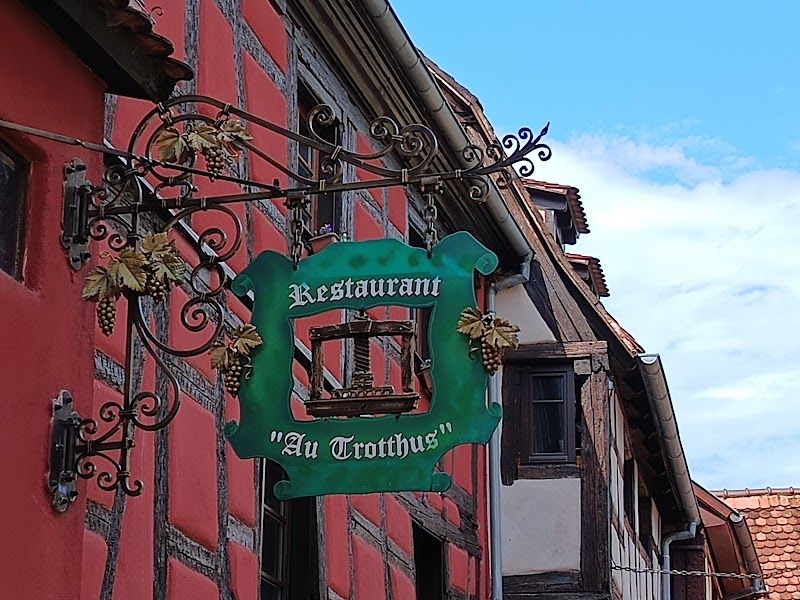
RestaurantHistoric winstub in Riquewihr located in a former wine press house with original 17th-century wooden beams. The menu features classic choucroute garnie paired with Riesling and foie gras with Pinot Gris. Step down into the vaulted cellar dining room for an authentic experience.
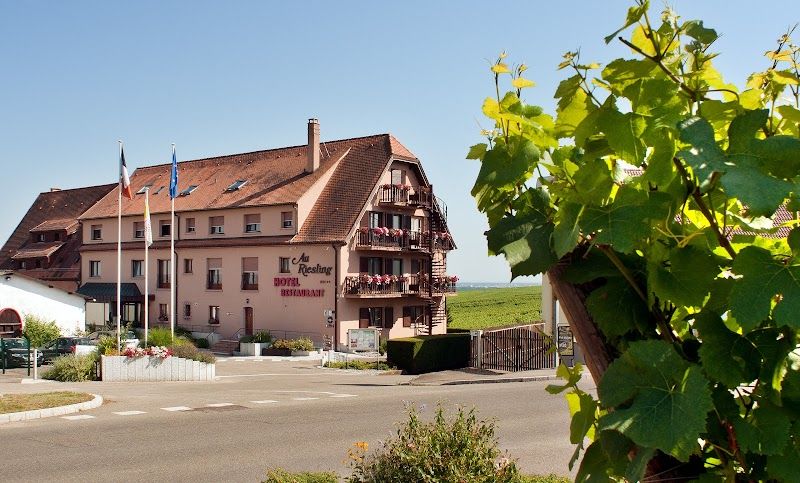
Restaurant Au Riesling
RestaurantElegant restaurant in Kaysersberg blending traditional Alsatian dishes with modern techniques. The wine list features over 200 local producers, with special focus on biodynamic vineyards. The foie gras preparation with Gewurztraminer reduction is a signature dish.
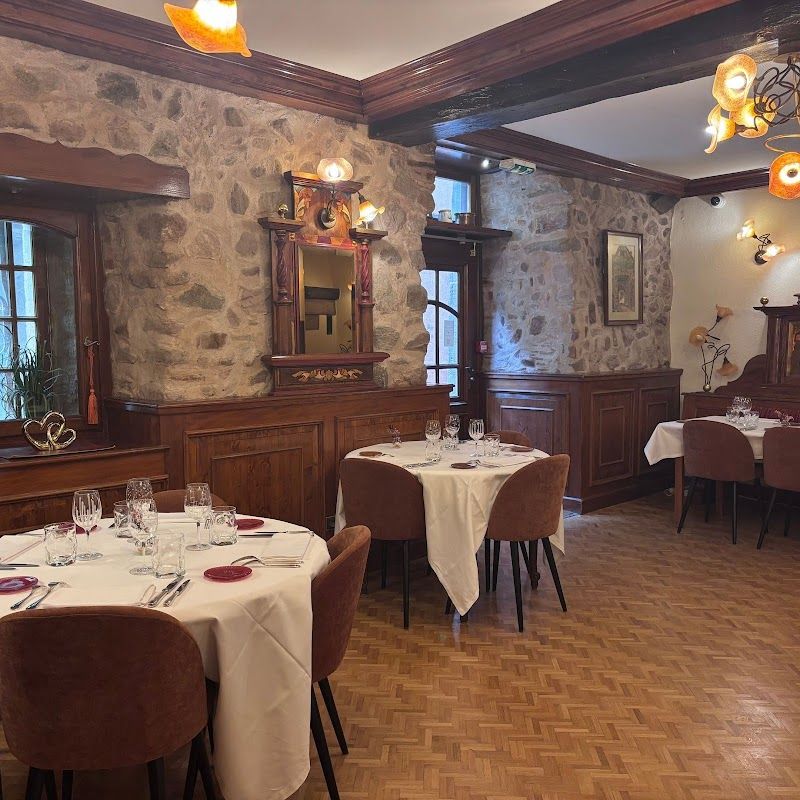
Le Sarment d'Or
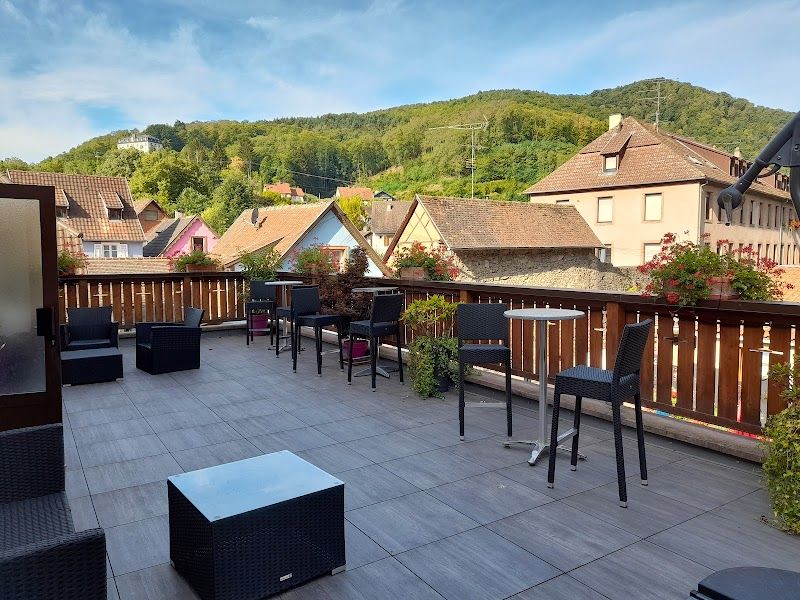
RestaurantWine bar and bistro in Riquewihr offering small plates designed to pair with local wines by the glass. The chef prepares daily specials based on market finds, often featuring terrines and pates. Outdoor seating on a quiet side street away from tourist flow.
Getting Here
On Foot
The village is pedestrianised. Parking lots outside the walls (free in most, EUR 3-5 in the main lot in summer). The main street is 400 metres long.
Insider Tips
Hugel tasting
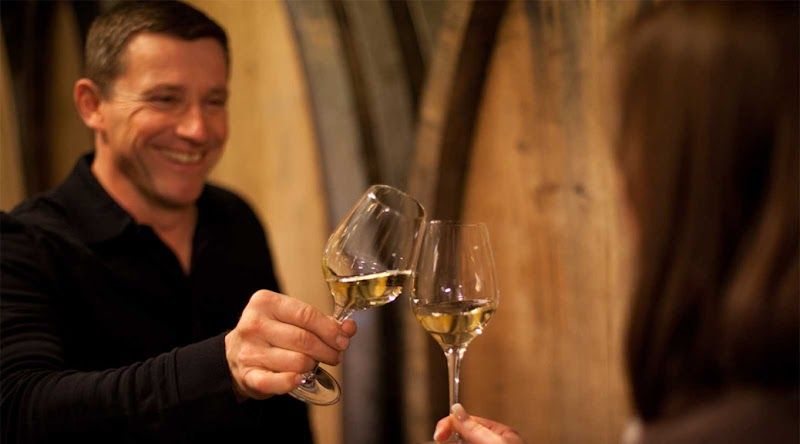
Hugel (on the main street) is one of the most famous Alsace wine houses. Free tasting at the shop - try the Gentil blend (EUR 8 a bottle, the everyday wine) and the Gewurztraminer (EUR 12-18). They have been here since 1639. The staff are used to tourists and will pour without pressure.
Dolder Tower
EUR 3 entry. The medieval gate tower at the top of the main street has a small museum and a viewing platform. The view from the top covers the rooftops, the vineyards, and the Vosges mountains. 15 minutes is sufficient.
Escape the main street
The side streets (especially Rue des Juifs and the passages between houses) are much less crowded and have the same half-timbered architecture. The vineyard path that starts behind the castle (follow signs for Sentier Viticole) leads through the vines with views back over the village.
Nearby Neighborhoods
Continue exploring
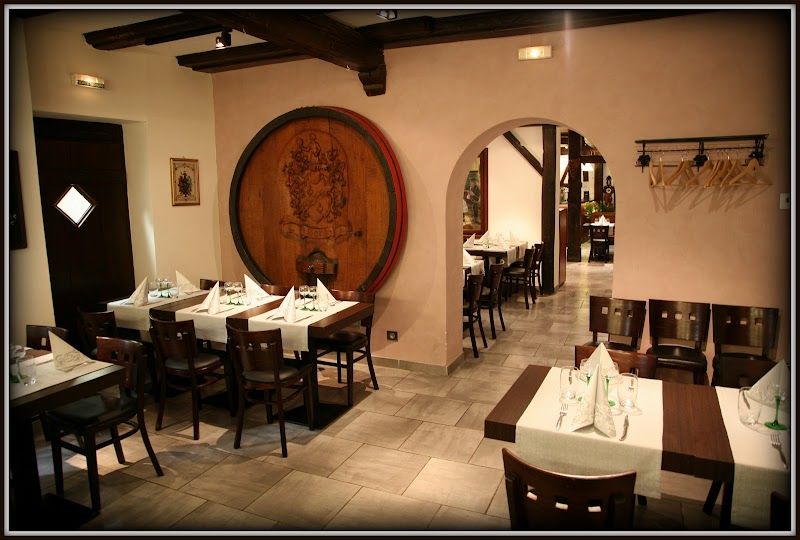
Eguisheim
The circular village 15 minutes from Colmar: concentric rings of half-timbered houses around a central square, two domaines with free tasting, and the Grands Crus vineyards starting at the village edge.
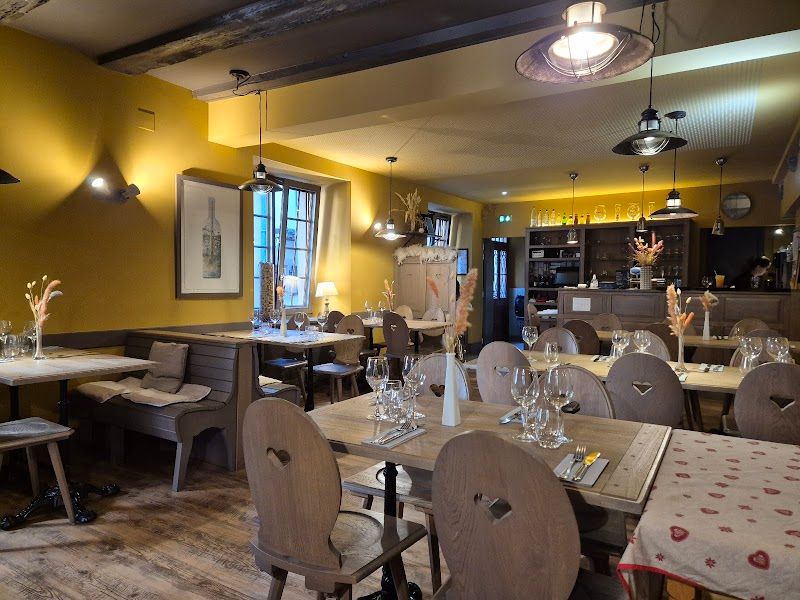
Kaysersberg
Albert Schweitzer's birthplace, the ruined castle above town with a valley view, the fortified bridge, and the best bakeries on the wine route. More substance and less tourism than Riquewihr.
Obernai & Northern Route
The largest town on the northern section of the route: a proper market square, a Renaissance town hall, ramparts walk, and the Sainte-Odile monastery 12 km above with a view that reaches the Black Forest.
Plan a trip featuring Riquewihr
Get a personalized Alsace Wine Route itinerary with Riquewihr built in.
Start Planning