Alsace Wine Route
Eguisheim
The circular village 15 minutes from Colmar: concentric rings of half-timbered houses around a central square, two domaines with free tasting, and the Grands Crus vineyards starting at the village edge.
About Eguisheim
Eguisheim is a circular medieval village 15 minutes from Colmar that was voted France's favourite village and earns the title. The village is built in concentric rings around a central square with a fountain and the Chapel of Saint-Leo IX (a Colmar native who became Pope in 1049). The half-timbered houses along the inner ring are painted in pastels and decorated with geranium boxes in summer. The outer ring follows the line of the old ramparts. Two domaines within the village walls offer free tastings at their shops: Domaine Emile Beyer (one of the oldest wine families in Alsace, their Riesling Tradition is the benchmark) and Domaine Bruno Sorg (smaller, excellent Gewurztraminer). The Grands Crus vineyards of Eichberg and Pfersigberg start at the village edge - you can walk from the village square to the first vines in 5 minutes. Population 1,700, feels like 170. The tour buses arrive by 10 AM in summer and leave by 5 PM. Go before or after for the real village.
Things to Do
Top experiences in Eguisheim
Eguisheim Circular Village
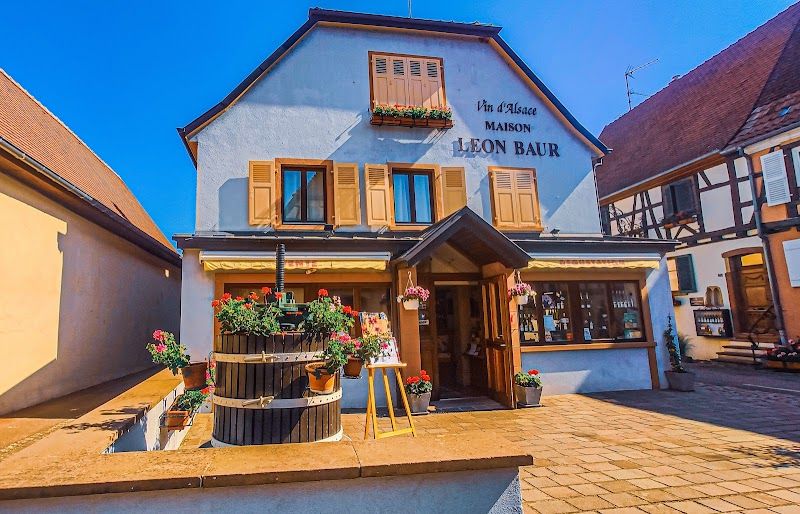
Eguisheim is France's most perfectly preserved circular village, built in concentric rings around a central square with a fountain and the Chapel of Saint-Leo IX, who became Pope in 1049. The inner ring features half-timbered houses painted in pastels with geranium window boxes, while the outer ring follows the old ramparts. Two excellent wine domaines within the village walls offer free tastings, and the Grands Crus vineyards of Eichberg and Pfersigberg start right at the village edge. Walking the concentric streets takes about 30 minutes and feels like exploring a living dollhouse. The houses curve away from you around each bend, revealing new color combinations of pink, yellow, and green facades. The scale is so intimate that you can touch both sides of some streets with outstretched arms, and the circular layout means you're constantly discovering new perspectives of the same charming buildings. Summer brings cascading geraniums from every window box, while winter snow transforms it into a fairy tale scene. Most guides don't mention that tour buses descend between 10 AM and 5 PM, turning the narrow streets into a bottleneck nightmare. Go early morning or evening to have this place to yourself. Skip the overpriced tourist shops and head straight to Domaine Emile Beyer for their Riesling Tradition (EUR 8-10, the regional benchmark) or Domaine Bruno Sorg for exceptional Gewurztraminer. Don't just photograph the pretty houses, walk the complete circuit twice to catch details you missed the first time.
Musée Albert Schweitzer
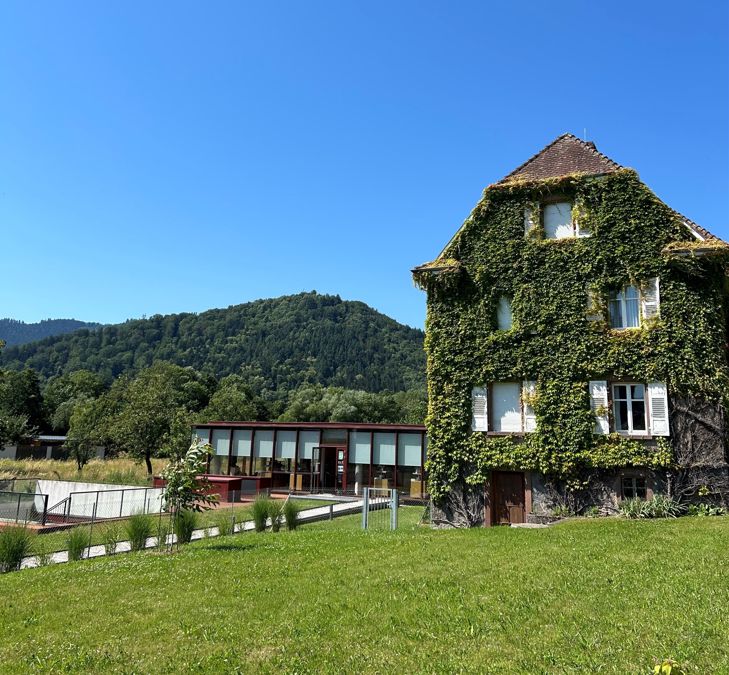
Albert Schweitzer's actual birthplace sits in this perfectly preserved Alsatian half-timbered house in tiny Gunsbach, where the Nobel laureate spent his childhood before heading to Africa as a medical missionary. You'll walk through cramped rooms filled with original photographs from his hospital in Gabon, handwritten letters, his theology books, and even recordings of him playing Bach on the organ. The collection feels genuinely personal rather than museum-polished, with captions explaining his evolution from village pastor to jungle doctor. The visit flows through just four small rooms on two floors, each packed with artifacts that tell different chapters of his story. Downstairs focuses on his early years and musical career, while upstairs documents his African medical work with compelling before-and-after photos of his patients. The house creaks underfoot and feels authentically lived-in, not sanitized for tourists. You can actually touch some items and lean close to read his personal correspondence. Most travel guides inflate this place beyond what it delivers, so adjust expectations accordingly. It's genuinely moving if you know Schweitzer's story, but won't convert casual visitors into fans. The EUR 2 entry fee makes it worth a quick stop while wine-tasting in the area, but don't drive here specifically unless you're already fascinated by early 20th-century humanitarians. Skip it entirely if you're rushed, the nearby villages offer better photo opportunities.
Where to Eat
Restaurants and cafes in Eguisheim
Auberge du Rempart
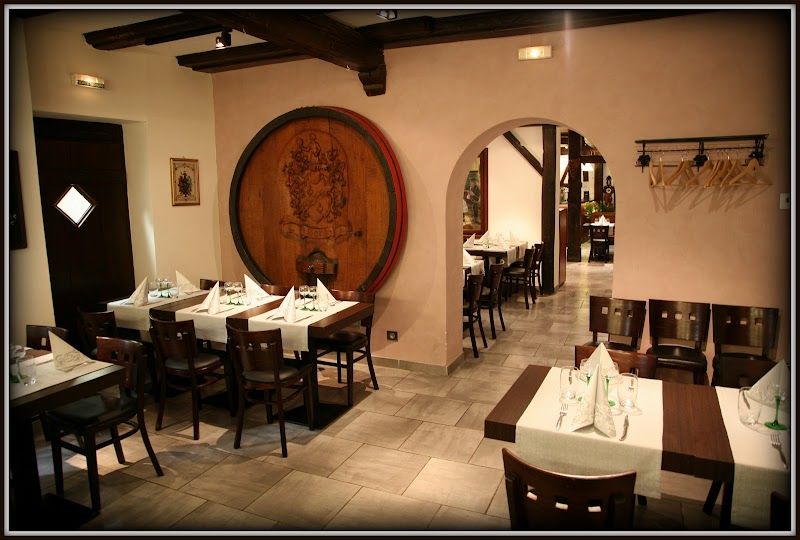
RestaurantTraditional winstub in a 16th-century building along Eguisheim's ramparts serving regional specialties like baeckeoffe and choucroute. The cozy dining room features exposed beams and local wines by the glass. Known for generous portions and warm Alsatian hospitality.
Boulangerie-Patisserie Gilg
RestaurantThird-generation bakery in Obernai producing traditional kougelhopf and bretzel daily using wood-fired ovens. The pain d'epices is made with locally sourced honey and spices. Early morning visits offer warm kougelhopf straight from the oven.
Nightlife
Bars and nightlife in Eguisheim
Getting Here
On Foot
The village itself is tiny - you can walk the full circumference in 15 minutes. Parking outside the walls (free).
Insider Tips
Wine tasting
Domaine Emile Beyer (on Grand Rue, free tasting at their shop) has been making wine since 1580. Their Riesling Tradition (EUR 8-10 a bottle) is the benchmark everyday Alsace white. Domaine Bruno Sorg (Rue du Rempart, also free) does an excellent Gewurztraminer. Buy at least one bottle at each - this is the social contract of free tasting.
Beat the crowds
Population 1,700 but receives hundreds of thousands of visitors a year. Tour buses park in the lot outside the walls and fill the streets from 10 AM to 5 PM in summer. Before 9:30 AM or after 5:30 PM the concentric streets are empty and the light on the pastel facades is better.
Walking to the vineyards
Walk south from the village through the Pfersigberg vineyard (a Grand Cru). The path is marked and takes about 30 minutes to reach the ridge with views back over the village and the Rhine plain. In autumn the vine leaves turn gold and red.
Nearby Neighborhoods
Continue exploring
Riquewihr
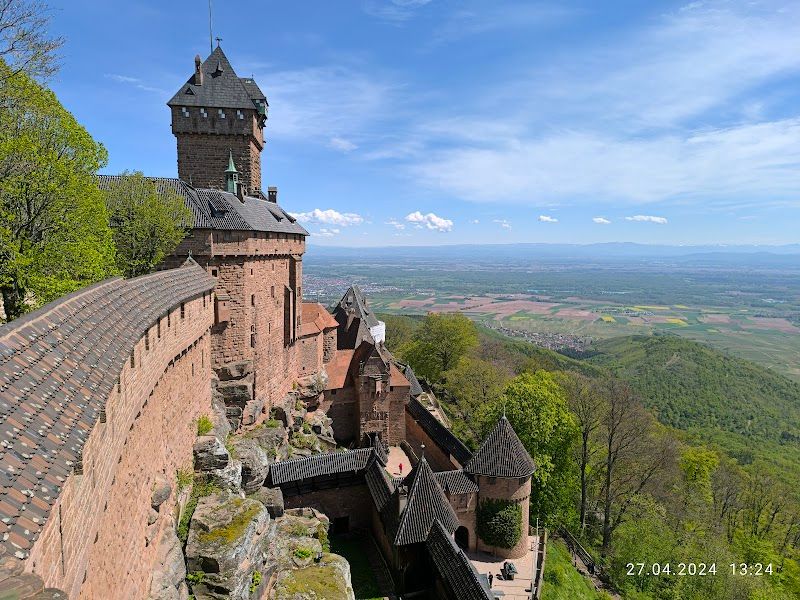
The most visited village on the route, for good reason: the main street is a perfect corridor of half-timbered houses, wine shops, and wisteria. Hugel on the main street, the Dolder Tower, and vineyard paths outside the walls.
Kaysersberg
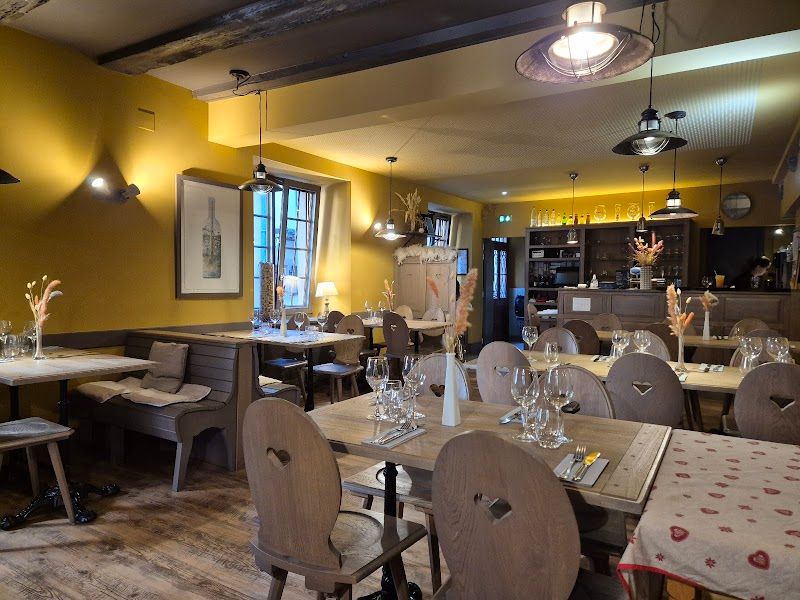
Albert Schweitzer's birthplace, the ruined castle above town with a valley view, the fortified bridge, and the best bakeries on the wine route. More substance and less tourism than Riquewihr.
Obernai & Northern Route
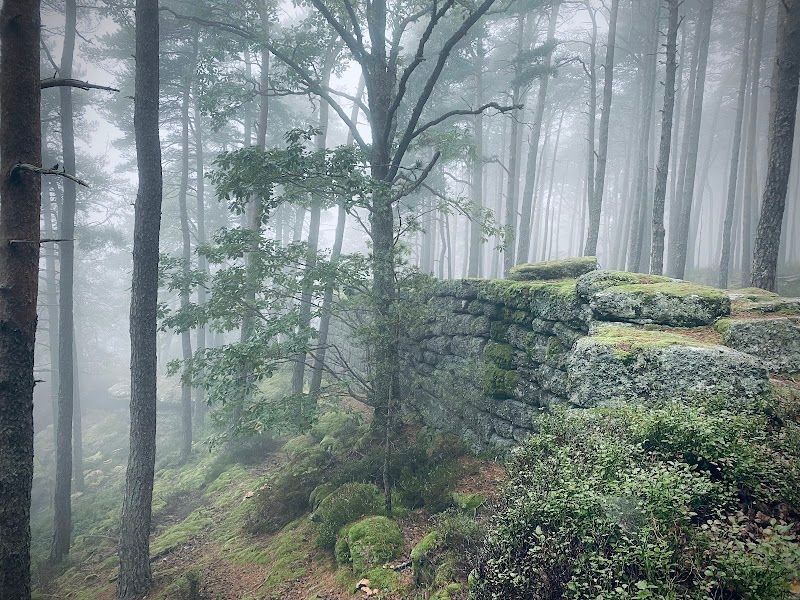
The largest town on the northern section of the route: a proper market square, a Renaissance town hall, ramparts walk, and the Sainte-Odile monastery 12 km above with a view that reaches the Black Forest.
Plan a trip featuring Eguisheim
Get a personalized Alsace Wine Route itinerary with Eguisheim built in.
Start Planning