Athens
Things to Do
112 attractions, museums, and experiences
Plateia Kolonakiou
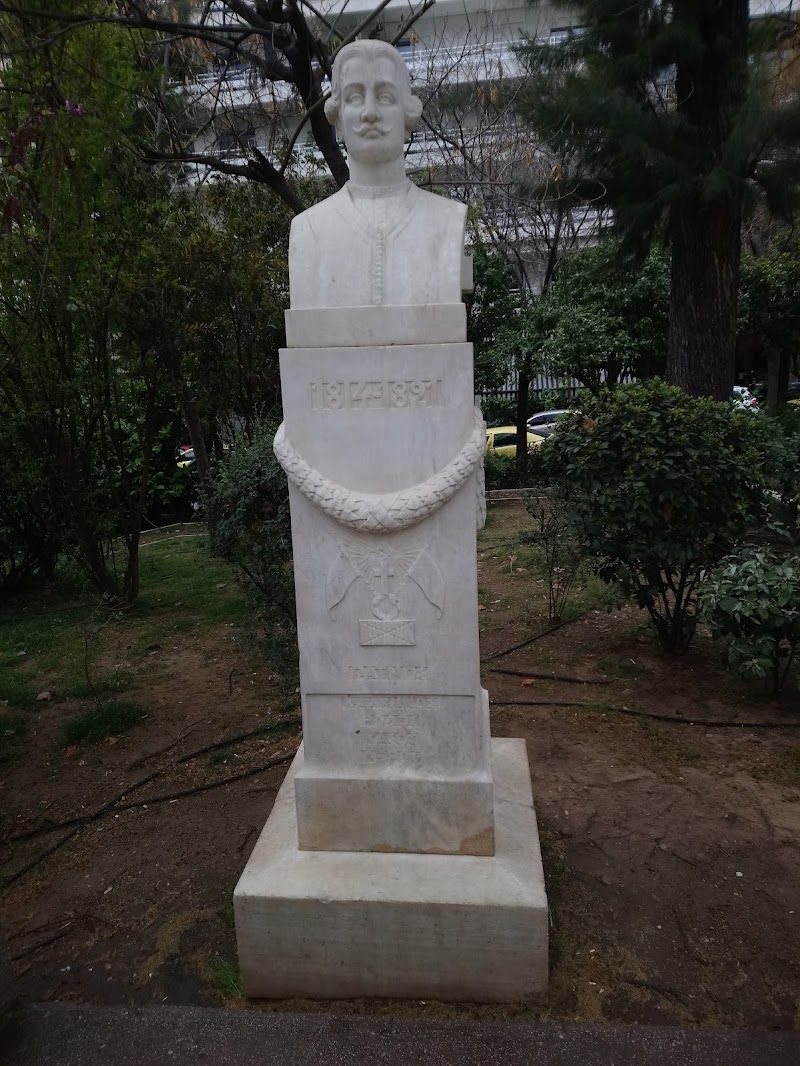
Plateia Kolonakiou (officially Plateia Filikis Etaireias) is the circular nerve center of Athens' poshest neighborhood, where you'll find some of the city's best people-watching alongside serious shopping. The square's ring of sidewalk cafés serves as outdoor theater seating for observing well-dressed Athenians sipping freddo espressos and discussing everything from politics to fashion. Designer boutiques line the surrounding streets, making this your gateway to brands like Hermès, Louis Vuitton, and high-end Greek designers. The square operates like an elegant living room where locals treat café tables as extensions of their homes. You'll see business deals conducted over coffee, mothers with designer strollers meeting for morning gossip, and stylish twenty-somethings checking their phones between shopping trips. The circular layout means you can walk the perimeter in two minutes, but most people settle into a café chair and stay for hours. The energy shifts throughout the day, from morning coffee rituals to evening aperitivo culture. Honestly, the coffee here costs nearly double what you'll pay elsewhere (expect 4-6 EUR for a freddo cappuccino), and you're paying for the location more than quality. Skip the touristy café terraces facing directly onto the square, they're overpriced even by Kolonaki standards. Instead, grab a seat at one of the side street cafés where you can still see the action but pay 2 EUR less per drink.
Kallidromiou Street
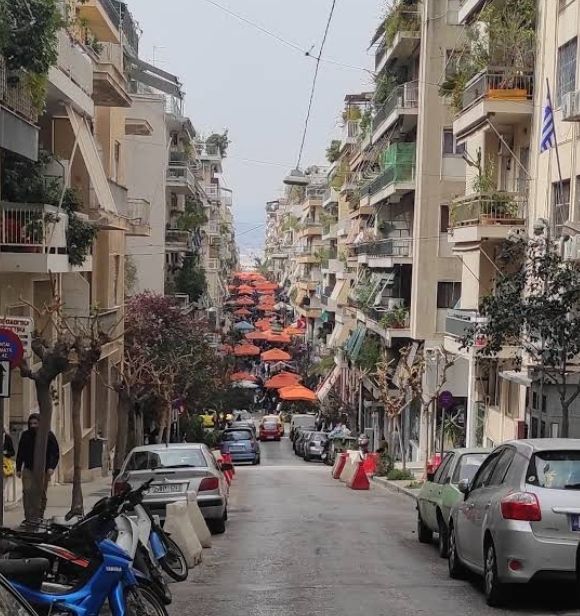
Kallidromiou Street forms the pedestrian spine of Exarchia, Athens' intellectual and anarchist quarter. You'll walk past radical bookshops selling Marxist theory next to vinyl stores spinning punk records, while street art covers nearly every surface with political slogans and colorful murals. The 400-meter stretch between Stournari and Themistokleous streets concentrates the neighborhood's counterculture spirit into one walkable corridor. The street moves at its own pace, slower than commercial Athens but charged with political energy. Students cluster outside cafés debating politics over freddo cappuccinos (2-3 EUR), while older intellectuals browse philosophy sections in cramped bookshops. You'll hear Greek folk music drifting from record stores, smell incense from alternative shops, and see impromptu political discussions forming around café tables. The atmosphere shifts from laid-back morning browsing to animated evening gatherings. Most guides romanticize Exarchia's rebel reputation, but Kallidromiou delivers the real thing without trying too hard. Skip the touristy souvenir hunting and focus on the genuine cultural spaces: Politeia bookstore has Athens' best literature selection, while Ear Candy record shop stocks rare Greek pressings. Avoid Saturday evenings when crowds dilute the authentic neighborhood vibe.
Acropolis of Athens
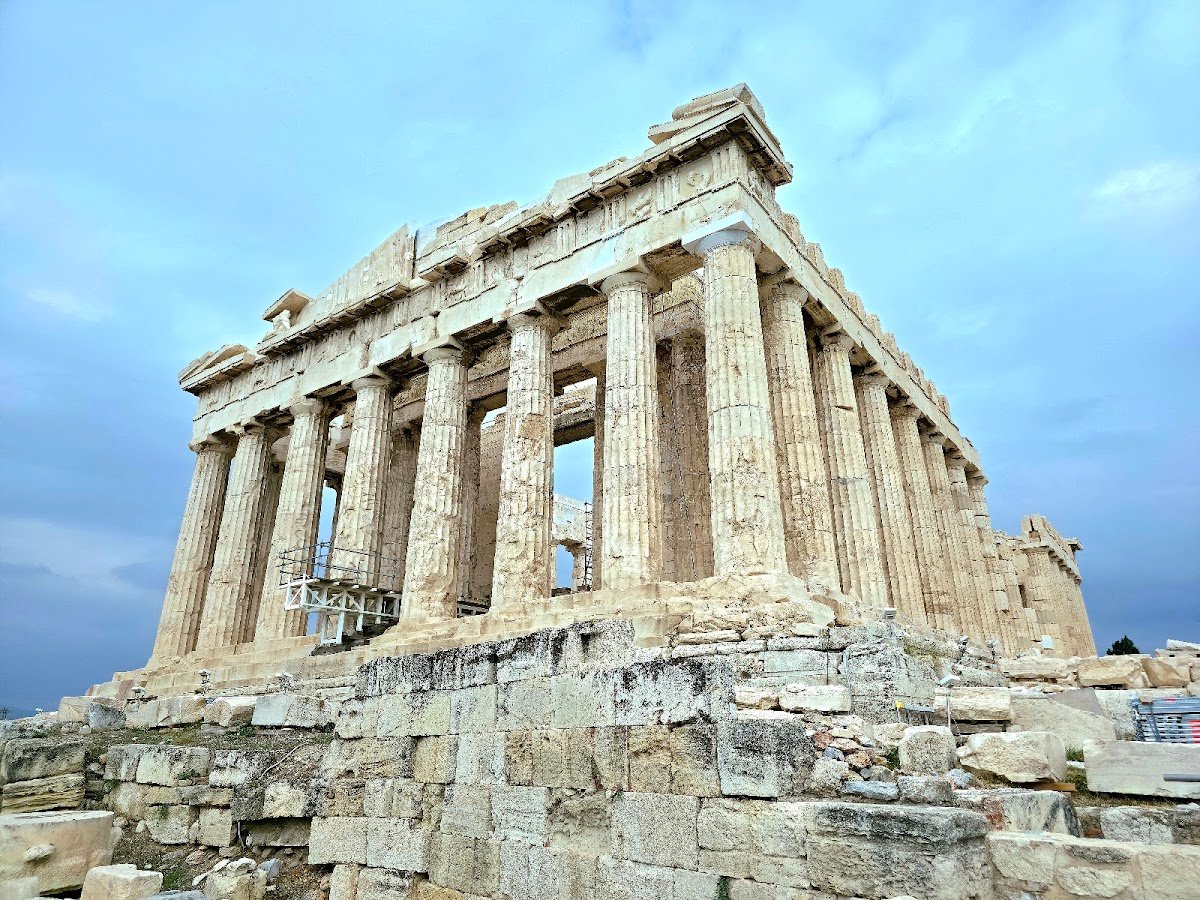
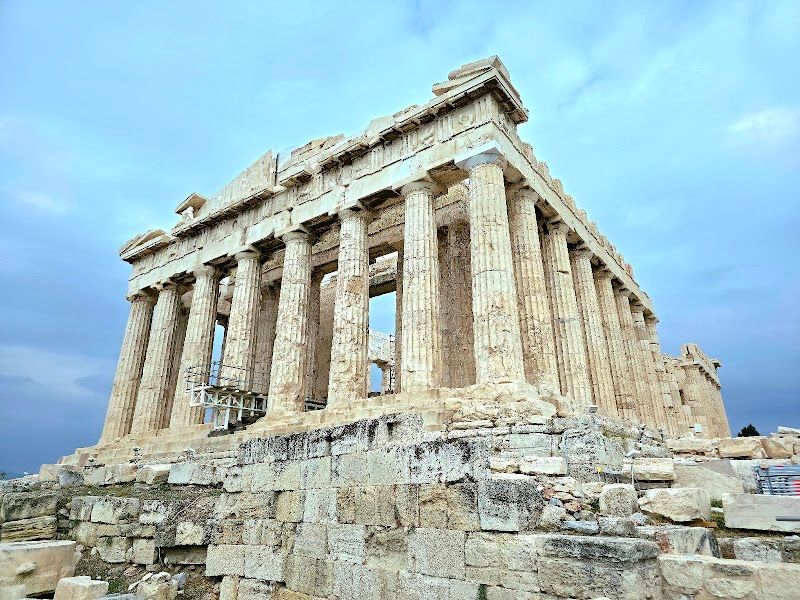
The Acropolis isn't just ancient ruins, it's the birthplace of democracy and Western civilization sitting 150 meters above modern Athens. You're walking where Pericles planned the golden age of Greece, where the Parthenon has dominated the skyline for 2,500 years. The scale hits you immediately: those columns are 10 meters tall and the whole temple is bigger than most city blocks. The Erechtheion with its famous Caryatid maidens and the tiny Temple of Athena Nike complete the complex. The approach up the marble steps builds anticipation perfectly, then you emerge through the Propylaea gateway and there's the Parthenon in full view. Even with scaffolding (there's always scaffolding), the precision of the architecture is breathtaking. The views over Athens stretch to the sea on clear days. Crowds gather around the main monuments, but you can find quieter spots along the perimeter walls where the perspective is actually better. Most guides won't tell you the €30 combined ticket is essential, it covers the Acropolis Museum plus six other major sites for five days. Skip the south slope attractions unless you're seriously into theater history, they're underwhelming compared to the main event. The marble is genuinely treacherous when wet, and there's zero shade up top. Come at 8am or after 6pm, midday visits are miserable with crowds and heat.
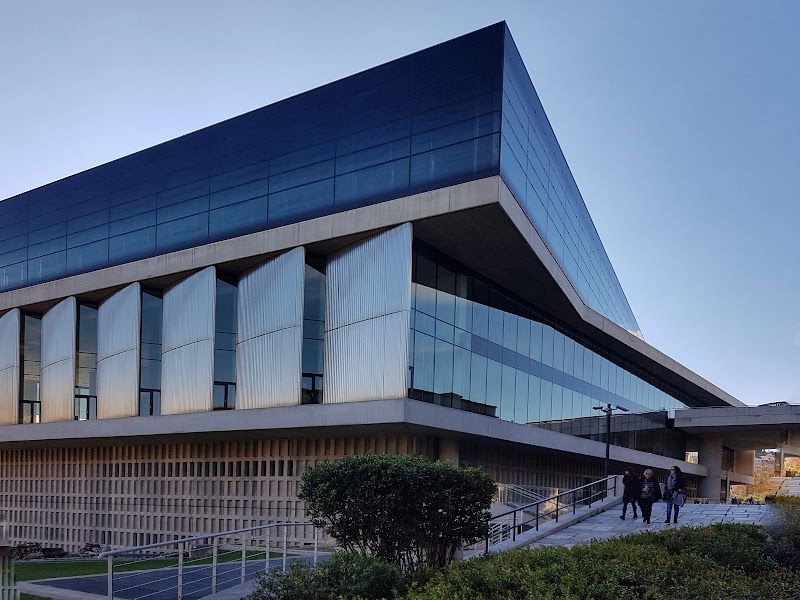
Acropolis Museum
The Acropolis Museum holds the original sculptures from the Parthenon, displayed exactly as they appeared on the temple itself. You'll walk on glass floors over active archaeological digs, see the original Caryatids from the Erechtheion, and experience the top floor Parthenon Gallery where surviving marbles sit at the precise angle and height they occupied for 2,500 years. The building is a masterpiece, designed by Bernard Tschumi to create perfect sightlines between ancient artifacts and the Acropolis above. Your visit starts with a glass floor moment, peering down at 2,000-year-old ruins beneath your feet. The Caryatids gallery feels intimate and powerful, these six marble women are impossibly graceful after millennia. But the Parthenon Gallery is what you came for: massive pediment sculptures and frieze panels arranged exactly as they sat on the temple, with dramatic gaps where the Elgin Marbles belong. Natural light floods the space just as it hit the originals. Entry costs €15, it's free on winter Sundays from November through March. Most guides don't mention the excellent restaurant on the second floor, which has proper Acropolis views and reasonable prices compared to tourist traps below. Skip the crowded weekend mornings and go on a Friday evening when it's open until 8pm. The gift shop is overpriced, except for the quality reproduction jewelry.
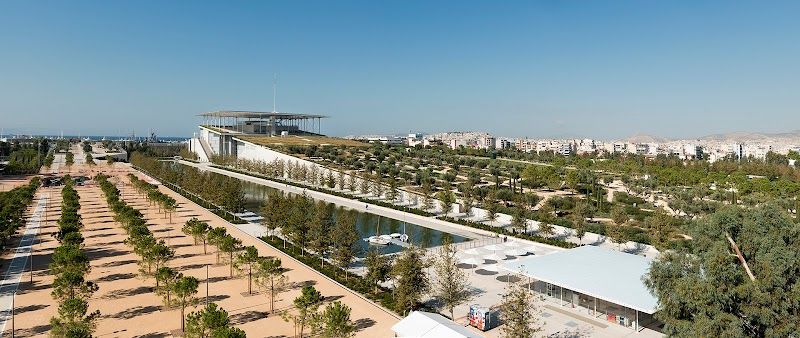
Stavros Niarchos Park
This 21-hectare park wraps around the Stavros Niarchos Foundation Cultural Center, complete with 1,500 olive trees, cypress groves, and sprawling lavender fields that are particularly fragrant in spring. You're walking on the world's largest green roof, which rises up from sea level to 32 meters high. The canal running through the center attracts families with ducks and turtles, while the Great Lawn hosts a range of activities, including yoga classes and outdoor movie screenings. The experience feels like stepping into a countryside just 4km from central Athens. You'll climb wooden boardwalks through aromatic herb gardens, pass joggers on the canal path, and find families picnicking under olive trees. The Lighthouse at the summit offers genuine panoramic views to the sea and Acropolis. The playground areas are a hit with kids, while the amphitheater hosts free concerts most evenings. The underground spaces provide welcome air conditioning during summer heat. Most guides don't mention that this place gets busy on weekends, especially the canal area where parking can be chaotic. Avoid the crowded lower sections and head straight up the slope for better views and fewer tourists. The free events are of good quality, but arrive 30 minutes early for popular concerts. Parking costs €2 per hour in the underground garage, but street parking nearby is free if you're willing to walk 10 minutes.
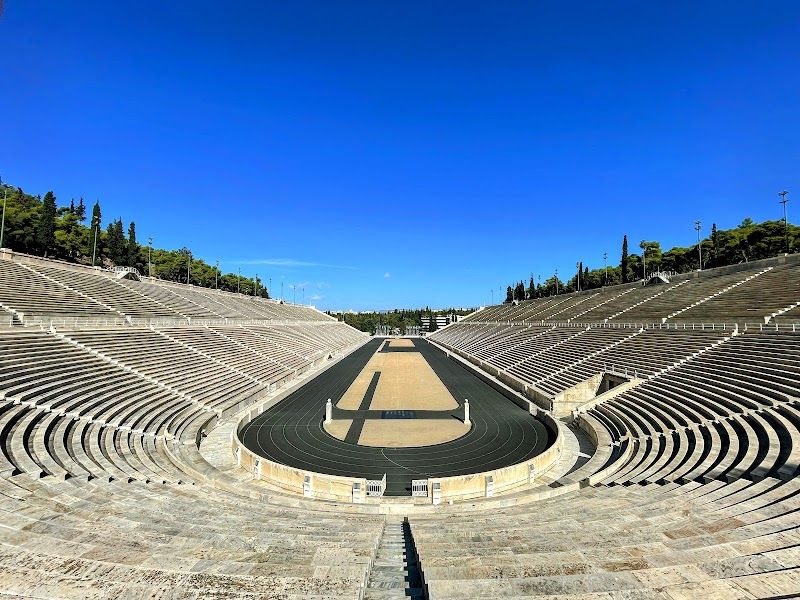
Panathenaic Stadium
The Panathenaic Stadium is the world's only all-marble stadium, rebuilt from ancient foundations where athletes competed 2,000 years ago. You'll walk on the same track where the first modern Olympics happened in 1896, climb marble steps to 50,000 seats, and get sweeping views over Athens from the top rows. The €10 entry includes a decent audio guide that covers everything from ancient Panathenaic Games to Pierre de Coubertin's Olympic revival. The experience feels more like exploring a monument than visiting a sports venue. The white Pentelic marble gleams in sunlight, and the horseshoe shape creates perfect acoustics where your footsteps echo. You can jog the track, pose on the podium, and sit in seats that feel impossibly steep. The tunnel entrance adds drama, opening suddenly onto the brilliant white marble bowl. Most guides oversell this as a major attraction, but it's worth exactly one hour. The audio guide drags on about Olympic history you probably already know. Skip it if you're tight on time and just peek through the entrance gates for free. The morning light makes the marble glow beautifully for photos, and combining it with the adjacent National Garden makes perfect sense.
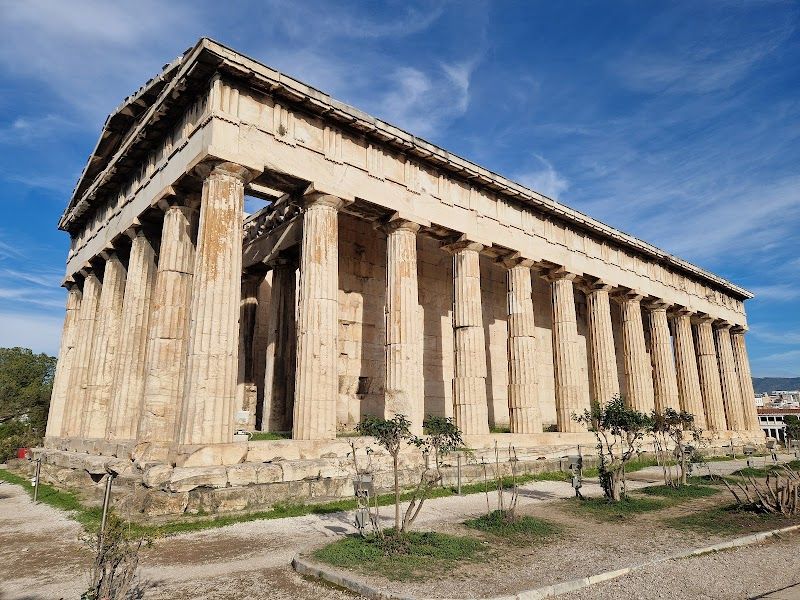
Ancient Agora of Athens
The Ancient Agora is where democracy was born and where Socrates taught his students. You'll find the best-preserved Greek temple anywhere (the Temple of Hephaestus), a fully reconstructed ancient shopping mall turned museum (the Stoa of Attalos), and the actual stones where Athenians cast their votes to ostracize politicians. The site sprawls across a tree-shaded area that feels more like a peaceful park than a tourist attraction. You enter through ancient ruins scattered across grassy areas, then climb to the Temple of Hephaestus, which sits perfectly intact on a hill overlooking everything. The Stoa of Attalos houses fascinating everyday objects: pottery shards used as ballots, ancient coins, and surgical instruments that show how Athenians actually lived. Unlike the Acropolis crowds, you can wander here quietly and actually read the signs without being pushed along. Most guides don't mention that this place delivers more than the overcrowded Acropolis for understanding ancient Athens. The €30 combo ticket (same as Acropolis) covers both sites, so you're essentially getting this for free. Skip the audio guide and use the free site map instead. The museum closes 30 minutes before the site, so hit the Stoa first if you arrive late.
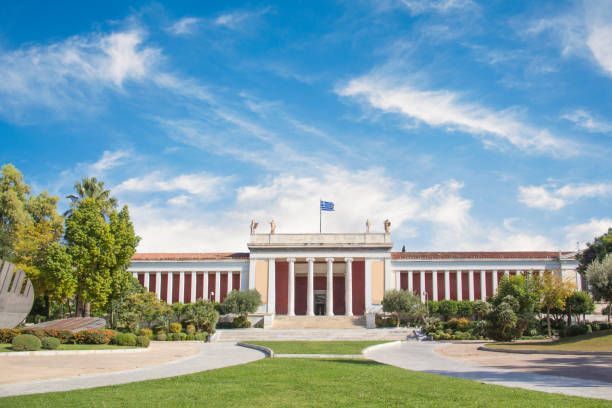
National Archaeological Museum
The National Archaeological Museum houses the world's finest collection of ancient Greek artifacts, including the legendary Mask of Agamemnon and the mind-blowing Antikythera Mechanism, a 2,000-year-old astronomical computer that'll make you question everything you thought you knew about ancient technology. The Mycenaean gold collection glitters in the first rooms, while the bronze statues of Poseidon and the Jockey of Artemision are so perfectly preserved they look like they were cast yesterday. This isn't just looking at old stuff: it's watching 3,000 years of human achievement unfold room by room. You'll start with the prehistoric collections and work chronologically through Greek civilization, but most people beeline straight to the gold and bronzes. The museum feels refreshingly uncrowded compared to the Acropolis, with actual space to contemplate each piece. The Antikythera Mechanism gets its own dramatic display case, and watching people's faces when they realize what they're looking at is half the fun. The building itself is classic 1890s neoclassical, all marble and natural light. Entry costs €12 and you need minimum three hours to do it justice, though you could easily spend a full day. Most guides oversell the pottery collections: skip rooms 49-56 unless you're genuinely into ceramics. The garden café is overpriced but the courtyard is peaceful. Monday hours are shorter (1pm to 8pm), but afternoon visits mean smaller crowds and better light for photos.
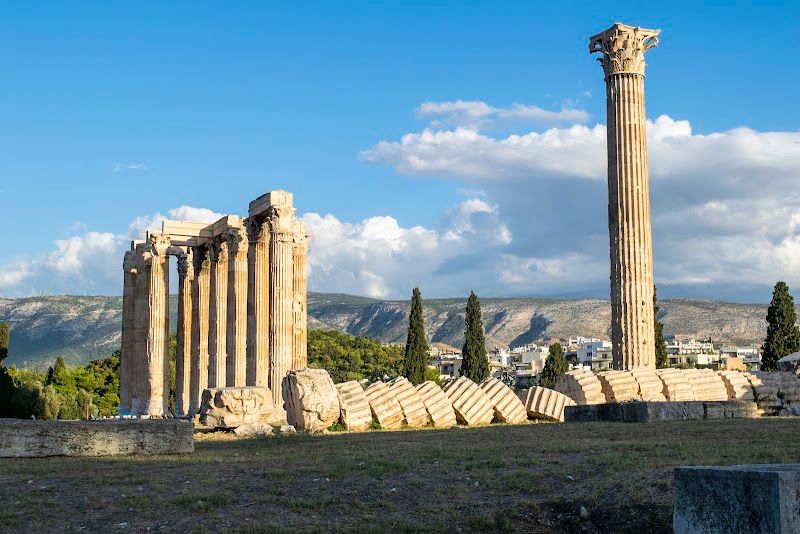
Temple of Olympian Zeus
The Temple of Olympian Zeus is a colossal construction project that spans nearly seven centuries, from 6th century BC to its completion under Emperor Hadrian in 131 AD. What remains today are 15 towering Corinthian columns (out of the original 104) that reach 17 meters skyward, each one massive enough to make you feel like an ant. The scale is genuinely breathtaking: these aren't just ruins, they're monuments to ancient ambition and Roman engineering prowess. Walking among these columns feels like entering a giant's playground. The site is relatively compact, so you can circle the entire perimeter in 20 minutes, but you'll want to linger for photos with the Acropolis framed perfectly through the ancient marble. The ground is uneven ancient stone, and there's minimal shade, so wear comfortable shoes. One fallen column lies dramatically across the grass, giving you a sense of their true enormity when horizontal. Honestly, most people rush through here in 15 minutes, which is a mistake. The real magic happens when you position yourself between the columns and look toward the Acropolis: it's one of Athens' best photo opportunities. Skip the overpriced site cafe and bring water. The combined ticket (EUR 30) covering seven sites is genuinely worth it if you're doing the Acropolis too, but buying individual entry here costs EUR 6.
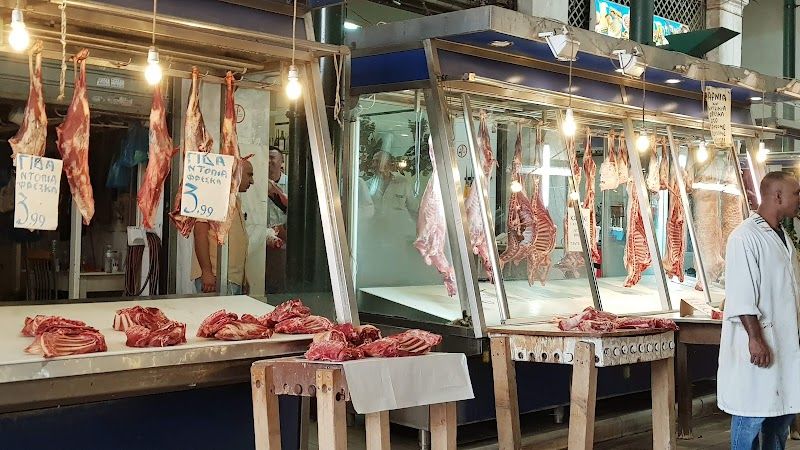
Varvakios Agora
Varvakios Agora is Athens' working central market, housed in a beautiful 1886 neoclassical hall where real butchers, fishmongers, and produce vendors have been trading for over a century. You'll walk through aisles of hanging lamb carcasses, mountains of fresh octopus, and vendors shouting prices in Greek while locals inspect tomatoes and haggle over fish. The real draw isn't shopping (unless you're cooking), but the authentic tavernas tucked into corners and upper floors where market workers fuel up on grilled meat and ouzo starting at 7 AM. The atmosphere hits you immediately: the smell of fresh fish mixed with grilled lamb, vendors calling out in rapid Greek, and blood-stained aprons everywhere. Upstairs, tiny tavernas like Diporto (no sign, just follow the smoke) serve workers hunched over steaming bowls of tripe soup and plates of grilled chops. You'll sit at communal tables with butchers on their breakfast break, drinking wine from small glasses while they debate football. It's gritty, authentic Athens that most tourists never see. Most guides romanticize this place, but honestly, it's not for everyone. If you're squeamish about meat or fish, skip it entirely. The tavernas serve excellent food but expect cigarette smoke, no English menus, and sometimes surly service. Prices are incredibly cheap: grilled lamb chops cost around €8, tripe soup €5, and wine €3 per glass. Go between 8-10 AM when it's liveliest, or after 2 PM when vendors start packing up and prices drop.
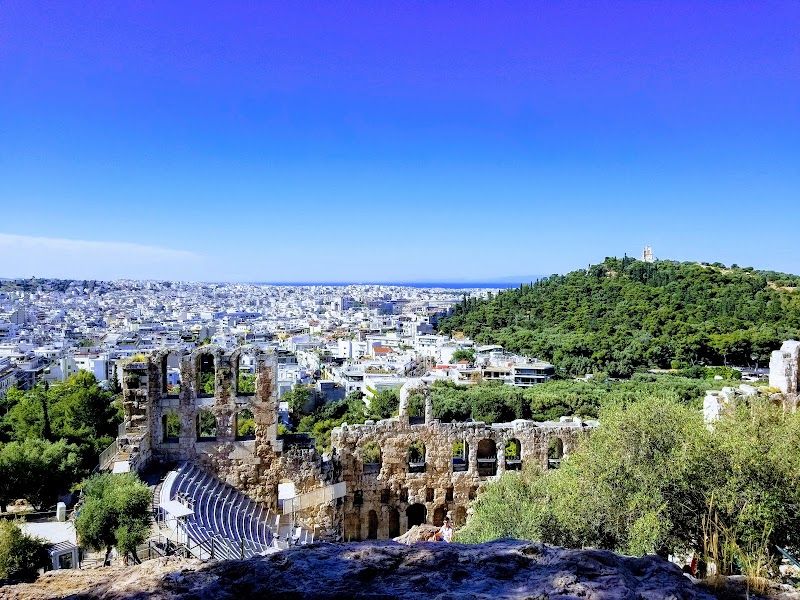
Philopappos Hill
Enter from the Dionysiou Areopagitou pedestrian street rather than the Koukaki neighborhood side: the path is paved and much easier, plus you'll pass interesting cave churches carved into the rock. Most visitors cluster right at the monument for photos, but walk 50 meters southeast along the ridge for views of the Acropolis with nobody in your shots. Bring a small flashlight or use your phone's torch for the descent after sunset: the pine canopy blocks streetlight and the rocky paths become tricky in darkness.
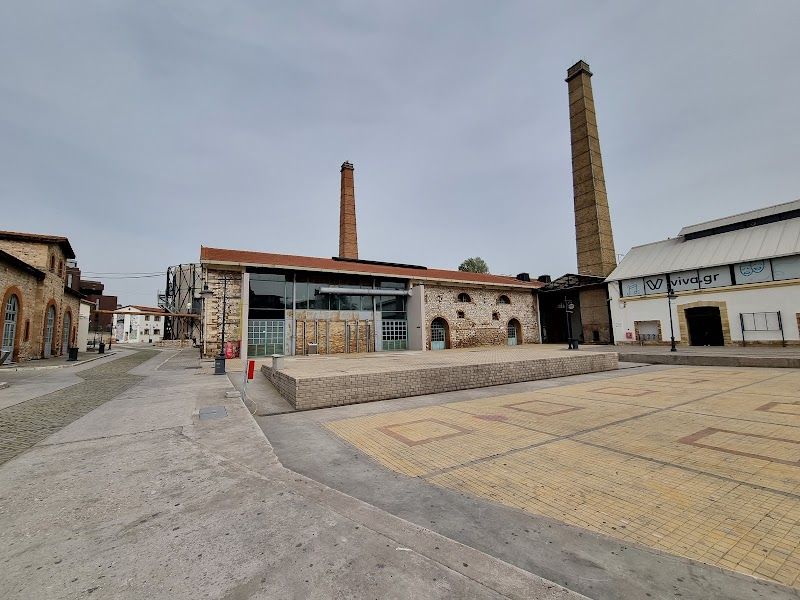
Technopolis City of Athens
Enter through the main Pireos Street entrance to get the full impact of the industrial architecture, rather than the smaller side gates that skip the dramatic first impression. Most visitors rush through during afternoon hours when harsh sunlight hinders the moody atmosphere, but golden hour visits (around 6-7pm) bring out the best in the brick and metal structures. The circular gas holder spaces host the best exhibitions, so prioritize these over the rectangular gallery buildings which often contain group shows that are easily forgotten.
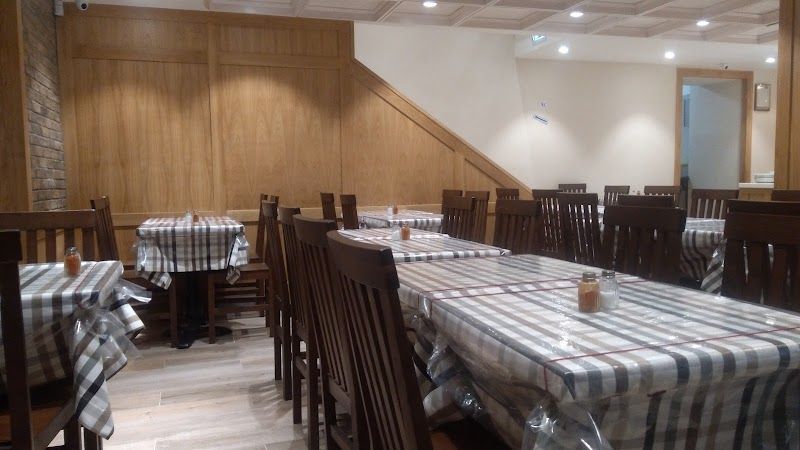
O Thanasis
O Thanasis has been grilling lamb kebabs over charcoal in the same spot since 1964, and they've perfected the art. You'll get proper souvlaki: chunks of marinated lamb cooked over glowing coals, served with warm pita, thick-cut tomatoes, sharp red onions, and tangy tzatziki. The open kitchen lets you watch the grill masters work their magic just meters from your table, and yes, you can see the Acropolis through the windows. The moment you walk in, the smoky aroma hits you. The dining room is simple: white walls, basic wooden chairs, and the constant sizzle of meat hitting the grill. Servers move fast between tightly packed tables, balancing plates of steaming kebabs. The atmosphere is purely local, with Greek families sharing platters and construction workers grabbing quick lunches. You'll hear more Greek than English, which is always a good sign. Most tourists order the pita wrap thinking it's cheaper, but the lamb kebab plate (around €12) gives you double the meat plus proper sides. The portions are generous, the lamb is tender with a perfect char, and the pita bread comes warm from their oven. Skip the chicken, it's fine but unremarkable. The real star is that smoky lamb, and at these prices in this location, it's genuinely excellent value.
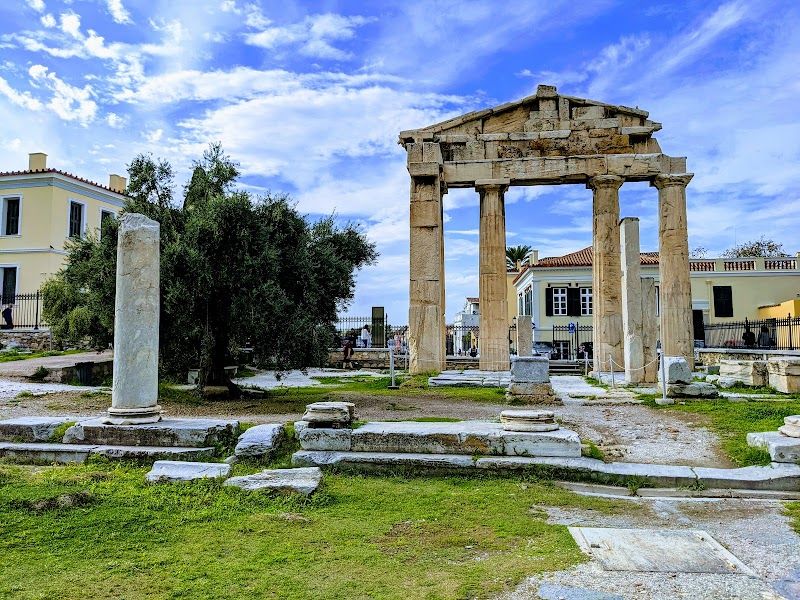
Roman Agora
The Roman Agora sits like a forgotten theater set in modern Athens, where you can walk through the actual marketplace where Romans bought grain, oil, and gossip 2,000 years ago. The star here is the Tower of the Winds, an octagonal marble clocktower that's basically the world's first weather station. Each face shows a different wind god carved in relief, and if you look closely, you can still see the channels where water flowed through the ancient hydraulic clock mechanism. You'll enter through the impressive Gate of Athena Archegetis, its four Doric columns still standing proud after two millennia. The site feels intimate compared to the chaos of the nearby Ancient Agora. You can walk right up to the Tower of the Winds and circle it completely, studying each wind god's personality carved into the marble. The morning light hits the sundial markings perfectly, making the ancient timekeeping system suddenly clear. Most guides bundle this with other sites, but it deserves focused time. Skip the audio guide (€5) and just observe the tower's details yourself. The site connects to the Ancient Agora if you have a combo ticket, but honestly, seeing this first makes the larger agora feel overwhelming afterward. Entry costs €8, or it's included in the €30 multi-site ticket.
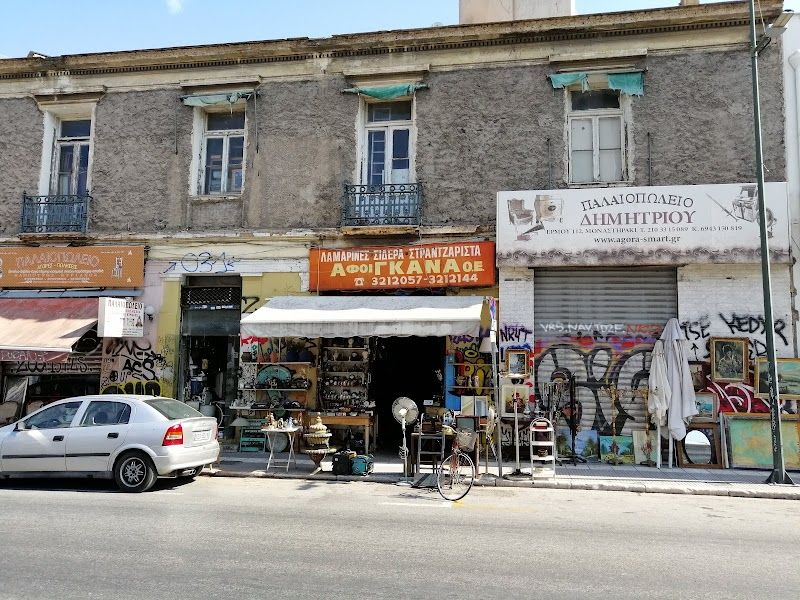
Monastiraki Flea Market
This sprawling open-air market has operated continuously since Ottoman times, spreading across Ifestou Street and the surrounding narrow alleys near Monastiraki Square. You'll find everything from genuine Byzantine icons (starting around EUR 30) to Soviet-era military medals, vintage vinyl records, and old Greek postcards. The real draws are the antique dealers who've been here for decades, selling authentic pieces like traditional Greek worry beads, old copper coffee pots, and hand-painted ceramics alongside plenty of tourist trinkets. Sunday mornings transform the area completely when dozens of additional vendors set up temporary stalls on every available corner. The atmosphere gets properly chaotic as locals and tourists squeeze through narrow passages between tables piled high with everything from old cameras to handmade jewelry. You'll hear rapid-fire Greek negotiations, the clink of coins, and vendors calling out prices. The permanent shops stay open most days, but Sunday brings the real energy and the widest selection. Most guidebooks oversell this as some treasure trove, but honestly, 70% is junk aimed at tourists. The genuine antiques are there, but you need patience and a good eye. Skip the obviously mass-produced "ancient" coins and focus on the established dealers who can tell you real stories about their pieces. Bring cash for negotiating, expect to pay around EUR 50-150 for quality vintage items, and don't bother coming on weekdays when half the stalls are closed.
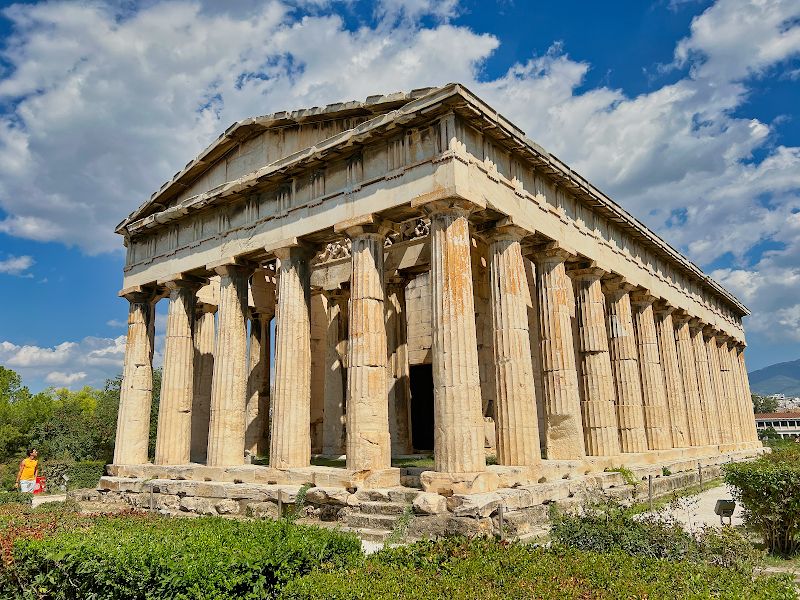
Temple of Hephaestus
The Temple of Hephaestus is genuinely the best preserved ancient Greek temple you'll find anywhere, and that's not tourism hype. Built around 450 BC, it still has its original roof, all 34 Doric columns intact, and detailed sculptural friezes showing Heracles' labors that you can actually make out. The temple survived because early Christians converted it to a church in the 7th century, accidentally preserving what would have otherwise crumbled like most ancient buildings. You'll climb a gentle hill through the Ancient Agora to reach it, passing olive trees and excavated ruins below. The temple sits in a peaceful garden setting with pomegranate trees providing shade, and the views over the sprawling agora excavations are spectacular. Inside, the proportions feel surprisingly intimate rather than overwhelming, and you can walk completely around the exterior to examine the different sculptural scenes. The afternoon light hits the honey colored marble beautifully. Most people rush through in 10 minutes, but you're missing the point if you don't sit and absorb the setting for at least 20 minutes. Entry costs 10 EUR as part of the Ancient Agora ticket (no separate fee), making it excellent value. Skip the crowded Parthenon afternoon visits and come here instead, you'll have a more authentic ancient Greek experience with a fraction of the tourists.
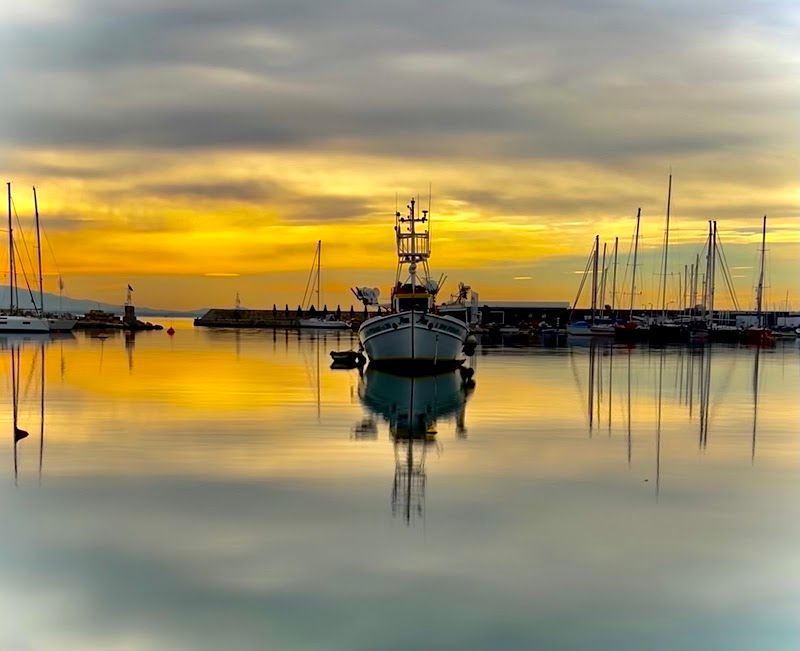
Mikrolimano
Mikrolimano wraps around a perfectly semicircular harbor in Piraeus, where traditional fishing boats bob next to sleek yachts and waterfront tavernas serve some of Athens' best seafood. You'll walk a pedestrian promenade that curves along the water's edge, passing restaurants with outdoor terraces and catching glimpses of fishermen mending nets. The small harbor creates an almost lake-like calm that feels worlds away from Piraeus' commercial port chaos just minutes away. The experience flows naturally from stroll to meal to swim if you time it right. You start at one end of the crescent and work your way around, with the blue-green water always on your left and a wall of restaurants on your right. Sunday afternoons bring extended Greek family lunches that stretch for hours, complete with multiple seafood courses and animated conversations echoing across the water. The atmosphere shifts from quiet morning fishing activity to lively afternoon socializing as the day progresses. Most travel guides oversell this as some undiscovered paradise, but it's actually quite touristy and pricey. Expect to pay 45-60 EUR per person for a full seafood meal at the waterfront spots. The restaurants closest to the main entrance charge the most for identical food, so walk toward the far end for better value. Skip the overhyped Varoulko Seaside and head to the smaller family-run places where locals actually eat.
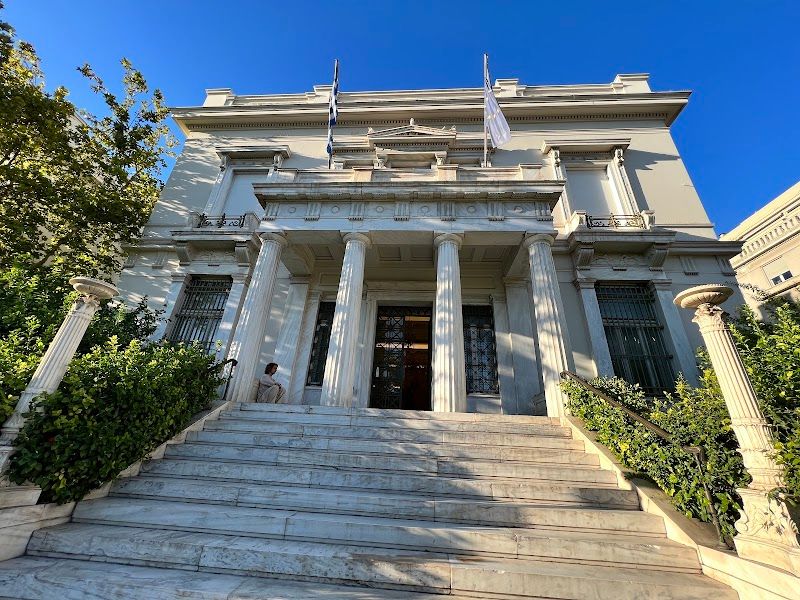
Benaki Museum
The Benaki Museum houses Greece's most comprehensive private collection, spanning 40,000 years from Neolithic pottery to 20th-century paintings. You'll find extraordinary Byzantine icons with gold leaf still gleaming, traditional folk costumes from every Greek region, and Ottoman-era jewelry that survived centuries of upheaval. The centerpiece is a meticulously reconstructed 18th-century Kozani reception room, complete with original wooden ceiling and Persian carpets. The museum flows chronologically through four floors of a gorgeous neoclassical mansion in upscale Kolonaki. Each room feels intimate rather than overwhelming, with carefully curated displays and excellent English descriptions. The Byzantine collection on the second floor genuinely impresses, while the folk art section reveals Greece beyond the ancient ruins. You'll spend most of your time on floors two and three, where the lighting and presentation rival major European museums. Most guides oversell this as essential, but it's really for culture enthusiasts rather than casual visitors. Skip the ground floor prehistoric section unless you're fascinated by pottery shards. The EUR 12 admission feels steep for what amounts to 90 minutes of viewing, though the audio guide adds valuable context. The rooftop cafe is genuinely excellent and doesn't require museum entry, so you can grab coffee with Lycabettus views for EUR 4 instead of paying full admission.
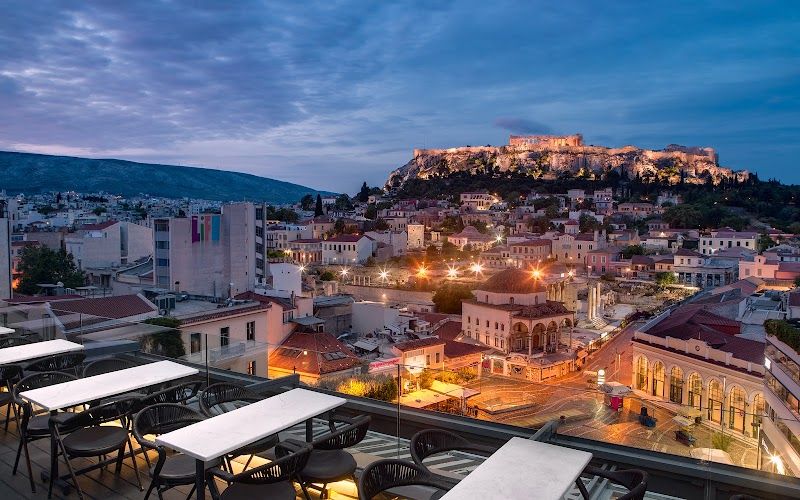
A for Athens Cocktail Bar
A for Athens sits atop a boutique hotel in Monastiraki, giving you two distinct rooftop experiences with direct Acropolis views. The 6th floor operates as a casual bar with first-come seating where you can nurse a cocktail while the sun sets behind the Parthenon. The 8th floor opens after dark as a proper cocktail lounge with table service and the city's most dramatic nighttime perspective of the illuminated ancient site. The 6th floor feels relaxed and photo-friendly, packed with travelers clutching phones during golden hour. You'll stand at high tables or perch on bar stools, sharing the space with couples on dates and groups celebrating. The 8th floor transforms the energy completely: sleek furniture, professional bartenders, and a soundtrack that builds as Athens comes alive below. Both levels offer unfiltered views, but the extra height makes the 8th floor feel more exclusive. Most guides don't mention that cocktails run 12-16€, which is steep for Athens but standard for rooftop bars with this view. Skip the overpriced food and focus on the drinks and atmosphere. The 6th floor gets mobbed at sunset, so arrive by 7 PM or wait until after 9 PM when crowds thin out. Book the 8th floor in advance during summer, it fills up fast and walk-ins often get turned away.
Athens Walking Tours
These walking tours pair licensed archaeologists with small groups (max 20 people) for intimate explorations of the Acropolis and surrounding ancient sites. You'll cover the Parthenon, Erechtheion, Propylaea, and Theater of Dionysus while your guide explains construction techniques, mythology, and political intrigue that shaped classical Athens. The archaeologists bring artifacts to life with stories about Pericles' building program and the daily rituals that happened on this sacred rock. The experience starts at the south slope entrance where you'll skip the main ticket lines and begin climbing the marble steps worn smooth by millions of ancient pilgrims. Your guide uses visual aids and points out details most visitors miss: original paint traces on marble columns, ancient graffiti from Roman tourists, and precise engineering that keeps the Parthenon standing after 2,500 years. The pace is leisurely with plenty of photo stops, and the small group size means you can ask questions without shouting over crowds. Most tour companies use generic guides reading scripts, but these archaeologists actually worked on Acropolis restoration projects. Skip the afternoon tours (blazing hot, packed with cruise groups) and avoid the cheapest options at €25 that cram 40 people together. The €45 morning tours with licensed archaeologists are worth the premium. Book directly through their website to avoid €5 booking fees from third party sites.
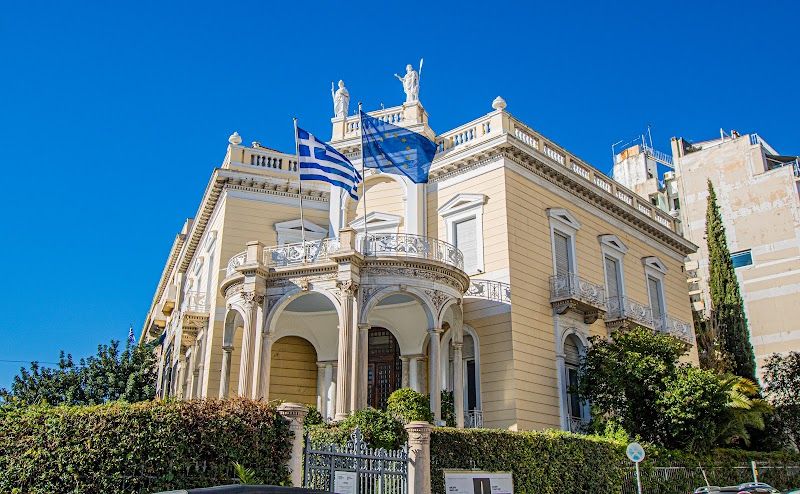
Museum of Cycladic Art
The Museum of Cycladic Art houses the world's finest collection of those hauntingly simple marble figurines that predate Stonehenge by a millennium. These 5,000-year-old sculptures from the Greek islands look so modern that Picasso and Brancusi studied them obsessively. You'll see over 3,000 artifacts spanning Bronze Age civilizations, plus a complete 4th-century BC Athenian house with original frescoes discovered during the museum's construction. Admission costs 7 EUR, which is excellent value for what you get. The museum feels intimate and contemplative, nothing like the crowded Acropolis Museum. You start with the famous figurines on the ground floor: those crossed-arm marble women with tilted heads that seem almost alive under the lighting. The upper floors house Cycladic pottery, weapons, and jewelry, while the basement reveals the ancient townhouse with intact rooms and a courtyard. The whole place stays refreshingly cool even in summer heat. Most people rush through in 30 minutes, but you should spend at least an hour to appreciate the subtleties. Skip the temporary exhibitions unless they specifically interest you: the permanent collection is the real draw. The audio guide costs 3 EUR extra and adds genuine insight into how these sculptures influenced modern art. Come on weekday mornings when tour groups haven't arrived yet, and you'll often have entire galleries to yourself.
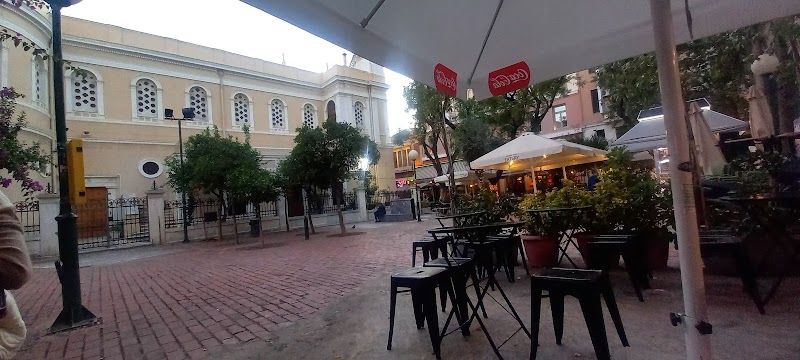
Kostas
Kostas is Athens' most famous souvlaki joint, a small storefront that's been serving exactly one thing since 1950: pork souvlaki in pita for €2.50. The place has no tables, no frills, and no menu variations, just a window where you order and a small interior where three guys work the grill non-stop. You'll find it on a small square near Syntagma, usually with a line of locals who've been coming here for decades. The experience is like a well-oiled machine: you order at the window, get a number, then wait with everyone else crowded around the tiny space. The pork sizzles constantly on the grill while the pita bread gets warmed to perfection. When your number gets called, you grab your souvlaki wrapped in paper and join the crowd eating standing up on the street or nearby steps. The meat is perfectly seasoned, the pita is crispy outside and soft inside, and the whole thing disappears in about five minutes. Most food guides put this place on a pedestal, but here's the truth: it's genuinely excellent souvlaki, but the hype can create unrealistic expectations. The €2.50 price hasn't changed much in years, making it a great value. Don't come expecting a meal, this is a snack. Skip the weekend crowds when possible, and don't bother looking for seating anywhere nearby during lunch rush.
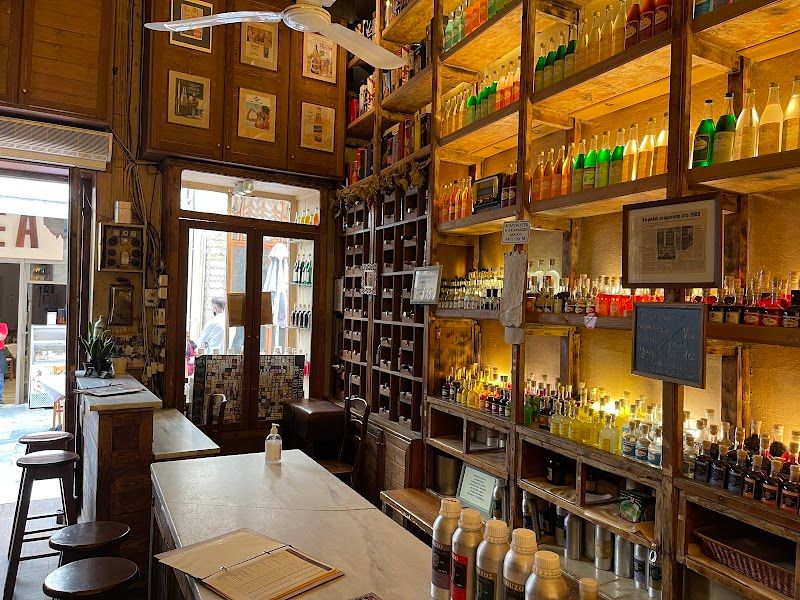
Brettos
Brettos is Athens' oldest distillery, operating since 1909 in the same narrow Plaka building where three generations of the Brettos family have crafted ouzo, brandy, and traditional Greek liqueurs. The real spectacle is the floor-to-ceiling wall of backlit bottles that bathes the entire space in amber light, creating one of the most photogenic bar interiors in Europe. You'll taste spirits made in the basement below your feet while surrounded by hundreds of bottles glowing like stained glass windows. The bar feels more like a working distillery than a tourist trap, with locals dropping by for shots of house ouzo paired with olives and cheese. The narrow space fills up quickly after 7pm, and you'll find yourself squeezed between Greek regulars and curious travelers, all sampling small glasses of potent spirits. The family members behind the bar pour generous tastings and explain their production process, which hasn't changed much since 1909. Most bars in Plaka are tourist-focused, but Brettos maintains its authenticity despite the crowds. Shots range from €3-6, and you can buy bottles to take home for €15-25. Skip the wine and stick to their house spirits, the ouzo is particularly excellent. Come before 8pm to avoid the worst crowds, or after 10pm when day tourists have cleared out.
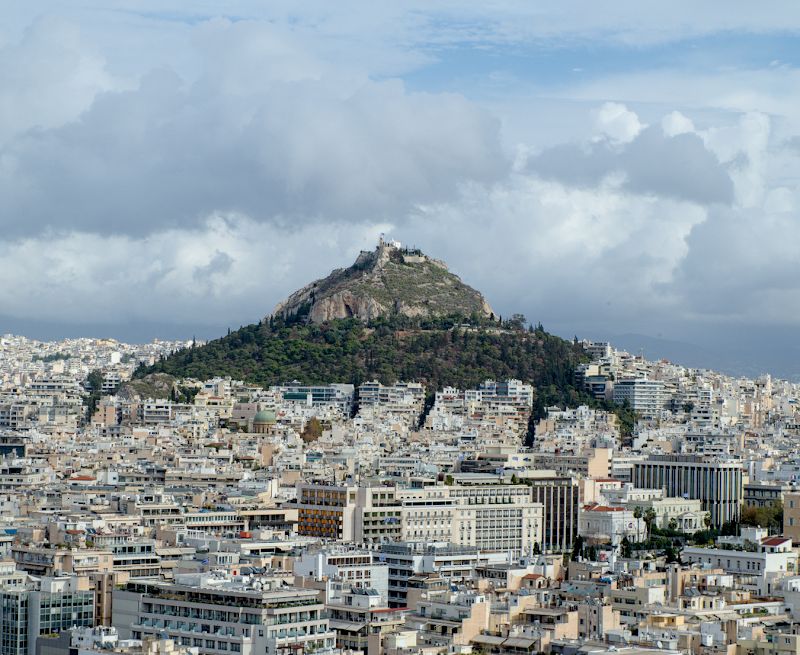
Lycabettus Hill
Lycabettus Hill rises 277 meters above Athens as the city's highest central point, offering a 360-degree panorama that stretches from the Acropolis to the Saronic Gulf. On clear days you'll spot the islands of Aegina and Salamis floating in the distance, while the sprawling city unfolds below like a concrete carpet punctuated by ancient ruins. The summit hosts the tiny Chapel of St. George and an open-air theater that comes alive during summer concerts. You can tackle the steep 40-minute climb from Kolonaki through pine-scented paths, or take the creaky funicular that deposits you at the top every 30 minutes. The ascent reveals glimpses of the city through the trees, building anticipation for the full reveal at the summit. Up top, the wind carries sounds from the city below while tourists jostle for selfie spots around the chapel's white walls. Most guides rave about sunset, but honestly, the crowds are awful and you'll be fighting for space. Go 90 minutes before sunset instead for golden light without the chaos. The summit cafe charges €7 for basic coffee, which feels steep until you realize you're paying for the view. Skip the overpriced restaurant and bring snacks, the funicular costs €10 return but saves your legs for exploring the city later.
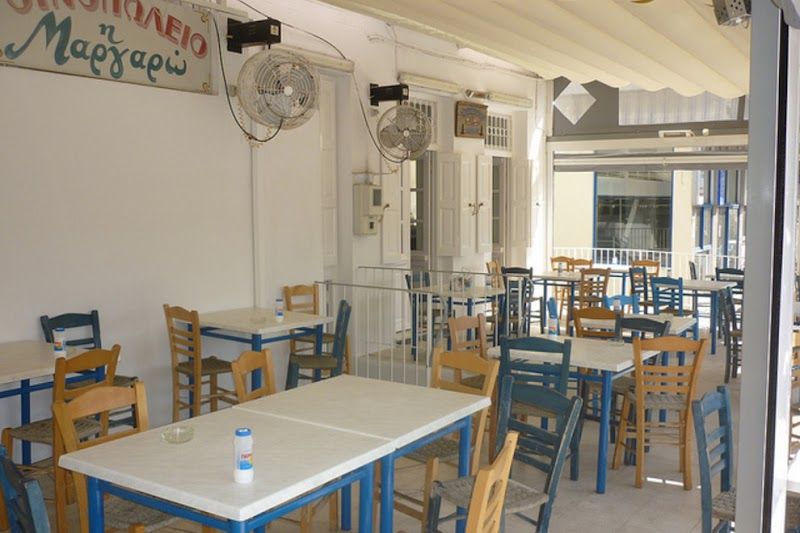
Margaro
Margaro is Athens' most uncompromising seafood taverna, serving exactly two items since 1967: fried fish and fried squid. The tiny space in Piraeus seats maybe 30 people at communal tables, and the kitchen produces the crispiest, most perfectly executed fried seafood you'll find anywhere in Greece. You're not coming here for ambiance or variety, you're coming because locals have been lining up for over 50 years for food this good. The experience is beautifully simple: you squeeze into whatever seat becomes available, order your fish or squid (or both), and wait while the kitchen works its magic in olive oil so hot it creates an impossibly light, non-greasy coating. The fish arrives whole and golden, the squid tender inside its crispy exterior, accompanied by nothing but lemon wedges and maybe some bread. Conversations flow between tables as everyone shares the same excellent meal, and the turnover is quick since there's no lingering over elaborate courses. Most food guides romanticize this place, but here's the truth: it's cramped, loud, and you might wait 45 minutes for a table. The fish costs around €12-15 per portion, squid about €10, making it decent value but not cheap. Skip this if you want comfort or atmosphere, but if you want to understand why Athenians obsess over perfectly fried seafood, there's nowhere better.
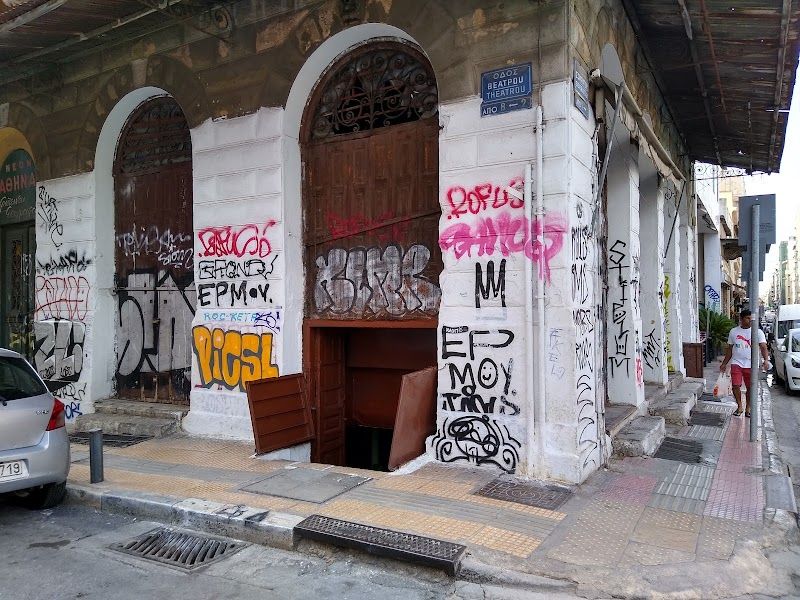
Diporto
Diporto is Athens' most authentic taverna experience: a basement restaurant with no sign, no menu, and no pretense that's been serving the same three daily dishes since 1887. You'll find whatever was fresh at Varvakios Market that morning, typically a meat dish, vegetable option, and soup, served with house wine straight from barrels. Expect to pay around €8-12 for a full meal with wine, making it one of the city's best value authentic experiences. Descending the unmarked stairs feels like entering a time capsule. The low-ceilinged basement fills with a mix of market workers, locals, and savvy travelers sharing long wooden tables under harsh fluorescent lighting. There's no ordering process: you point at what looks good on other tables or let the staff decide for you. The atmosphere is purely functional, conversations echo off tile walls, and wine flows from plastic pitchers that never seem to empty. Most food guides romanticize this place, but here's reality: the food is simple taverna fare, not fine dining. Friday's revithada (chickpea stew) justifies the reputation, but other days can be hit or miss. The real draw is the unchanged experience and rock-bottom prices. Skip it if you need English menus or Instagram-worthy presentation, but if you want to eat exactly where Athenians have for over a century, nowhere else compares.
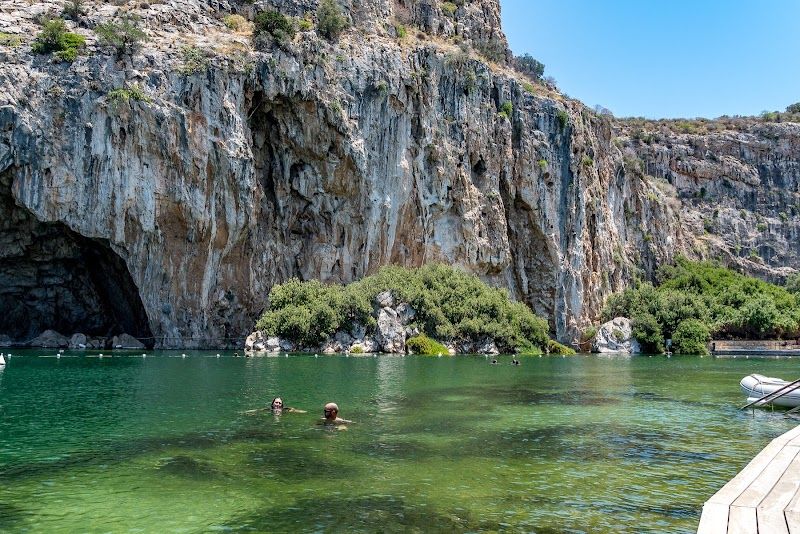
Lake Vouliagmeni
Lake Vouliagmeni is Athens' year-round swimming spot, a thermal lake fed by underground springs that keeps the water at a steady 22-24°C even in January. The brackish water contains minerals that locals swear help with arthritis and skin conditions, plus tiny fish that'll gently nibble dead skin off your feet (it tickles more than hurts). You're swimming in what feels like nature's own spa, surrounded by limestone cliffs just 20 minutes from central Athens. The experience feels surreal, especially in winter when steam rises from the warm water into cold air. You'll enter through a small facility with changing rooms and lockers, then walk down wooden steps into the surprisingly deep lake. The water has an unusual buoyancy from the mineral content, making floating effortless. Most visitors are older Greeks who come regularly for the therapeutic benefits, creating a relaxed, almost medicinal atmosphere rather than a beach party vibe. Entry costs EUR 18 in summer, EUR 15 in winter, which feels steep for what's essentially a natural hot tub with basic facilities. The cafe serves overpriced snacks, so eat beforehand. Don't expect pristine waters, the lake can look murky from minerals and algae, but that's normal. Most tourists rush through in an hour, but locals know to soak for at least two hours to feel the benefits.

Hellenic Parliament
The Hellenic Parliament occupies what was once the Royal Palace, a neoclassical beauty from 1843 that dominates Syntagma Square. You're here for the Evzones guards in their theatrical uniforms: white fustanella kilts, red caps with tassels, and shoes with enormous pom-poms called tsarouchia. These presidential guards perform a slow-motion changing ceremony every hour at the Tomb of the Unknown Soldier, moving like mechanical dolls in perfect synchronization. The hourly ceremony unfolds with surreal precision as two guards march in exaggerated slow motion, lifting their legs impossibly high and stamping their feet with force that echoes across the square. Their faces remain stone-serious while tourists snap photos of their theatrical uniforms. The Sunday 11 AM ceremony brings the full guard marching down from the barracks, accompanied by a military band, creating genuine spectacle rather than the brief weekday shows. Most guides oversell this as a major attraction when it's really a quick photo stop. The building itself isn't open for tours, so you're looking at architecture and watching guards for maybe 15 minutes total. Skip the souvenir shops around the square (overpriced tourist traps) and don't expect profound historical insight. Come for the Instagram shots and the novelty of seeing grown men in elaborate costumes taking their job very seriously.
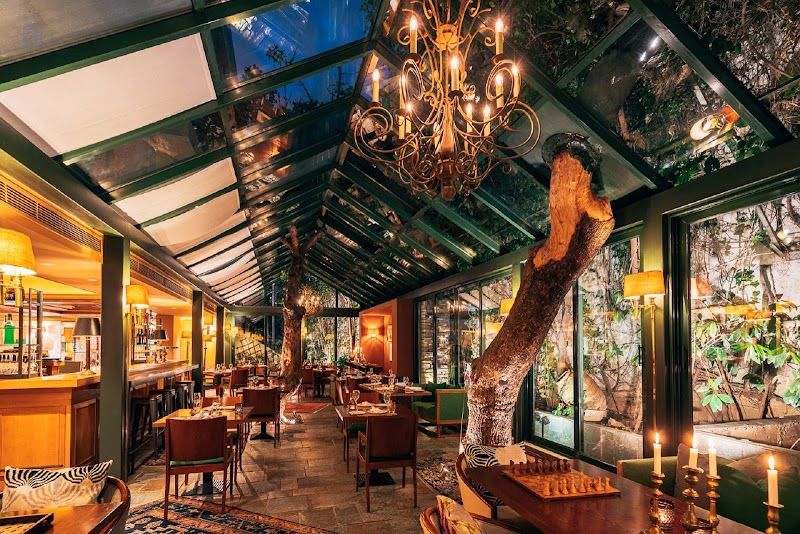
Herodion Hotel Rooftop Bar
The Herodion's rooftop bar sits just 200 meters from the Acropolis Museum, offering unobstructed views of the Parthenon's southern face that change dramatically as the sun moves across the sky. You'll sip expertly crafted cocktails (€12-16 each) while looking directly at the same marble columns that Pericles commissioned 2,500 years ago. The bar occupies the hotel's entire sixth floor, with both covered and open-air seating that wraps around the building's perimeter. The space feels more like a sophisticated living room than a tourist trap, with comfortable lounge furniture and ambient lighting that doesn't compete with the ancient monument glowing above you. Locals in business attire mix with hotel guests and savvy travelers, creating a relaxed energy that peaks around sunset when conversations pause as everyone turns to watch the Parthenon turn golden. The cocktail menu changes seasonally, but the signature drinks incorporate Greek ingredients like mastiha and local honey without feeling gimmicky. Most rooftop bars in Athens are either overpriced tourist magnets or locals-only spots that feel unwelcoming to visitors, but Herodion strikes the right balance. Skip the wine list (overpriced at €8-12 per glass) and stick to their cocktails, which justify the premium pricing. The front terrace tables fill up fast after 6 PM, but honestly, the view is spectacular from anywhere on the rooftop. Weekends get packed with groups celebrating, so visit Tuesday through Thursday for the best atmosphere.
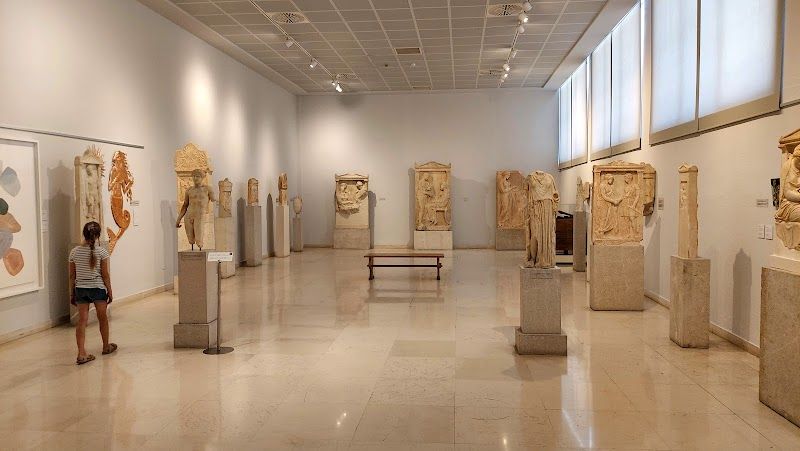
Archaeological Museum of Piraeus
The Archaeological Museum of Piraeus houses some of Greece's most exceptional bronze sculptures, recovered from ancient shipwrecks in the harbor during the 1950s. You'll find the 4th-century BC Apollo of Piraeus and Artemis statues here, along with grave monuments and maritime artifacts spanning 3,000 years. The collection tells the story of Piraeus as ancient Athens' vital port, with pieces ranging from Minoan pottery to Roman marble works. The museum feels intimate after the crowds at the Acropolis Museum. You'll start upstairs with ceramics and grave stelae, then descend to the basement where the bronze masterpieces wait in climate-controlled cases. The Apollo statue dominates the space with its perfect proportions and mysterious smile, while the Artemis showcases detail in her draped clothing. The lighting here is excellent, letting you appreciate the craftsmanship up close. Most guides skip this place entirely, which is honestly their loss. Entry costs €3 free on the first Sunday of each month, and you'll have the bronzes practically to yourself on weekdays. If you're short on time, skip the upper floors and head straight to the basement. The museum shop sells quality reproductions if you want a memento that isn't mass-produced tourist merchandise.
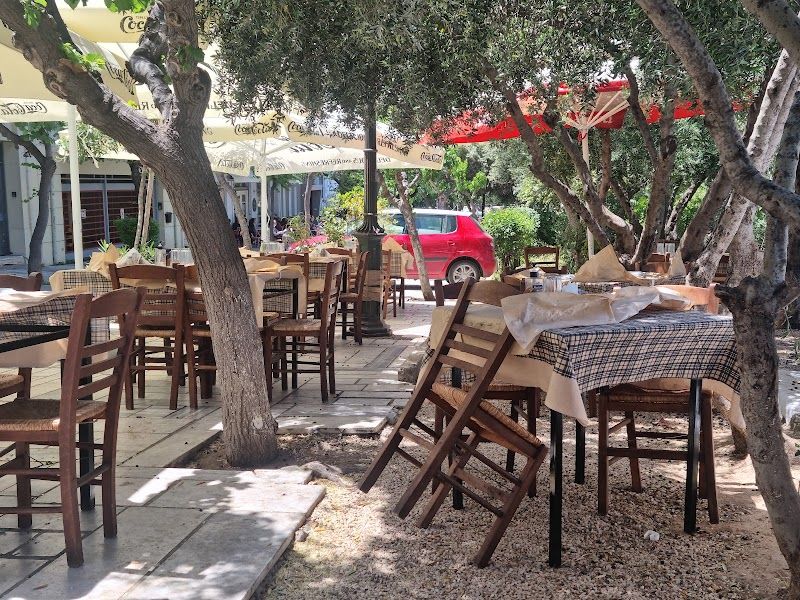
To Steki tou Ilia
To Steki tou Ilia is the kind of old-school Athenian grill house where locals have been coming for decades to eat phenomenal lamb chops by the kilo. The terrace offers one of Athens' best dining views of the Acropolis, but honestly, you'll be too focused on the perfectly charred meat to care much about the scenery. This isn't fine dining: it's a straightforward taverna where they do one thing exceptionally well. The experience revolves entirely around the open charcoal grill that dominates the space. You'll smell the smoke from blocks away, and watching the grill master work is half the entertainment. Tables fill up with platters of lamb, pork, and chicken served with nothing more than lemon wedges, bread, and maybe some horta (greens). The atmosphere gets boisterous as wine flows and locals settle in for long, animated dinners that stretch past midnight. Most food guides mention this place but underestimate how good it actually is. The lamb chops cost around €45 per kilo (easily feeds 3-4 people), and they're genuinely the best in Athens. Skip the appetizers entirely: they're forgettable and you'll want to save room for meat. The queue can stretch down the block after 9 PM, but it moves faster than you'd expect since people eat and leave.
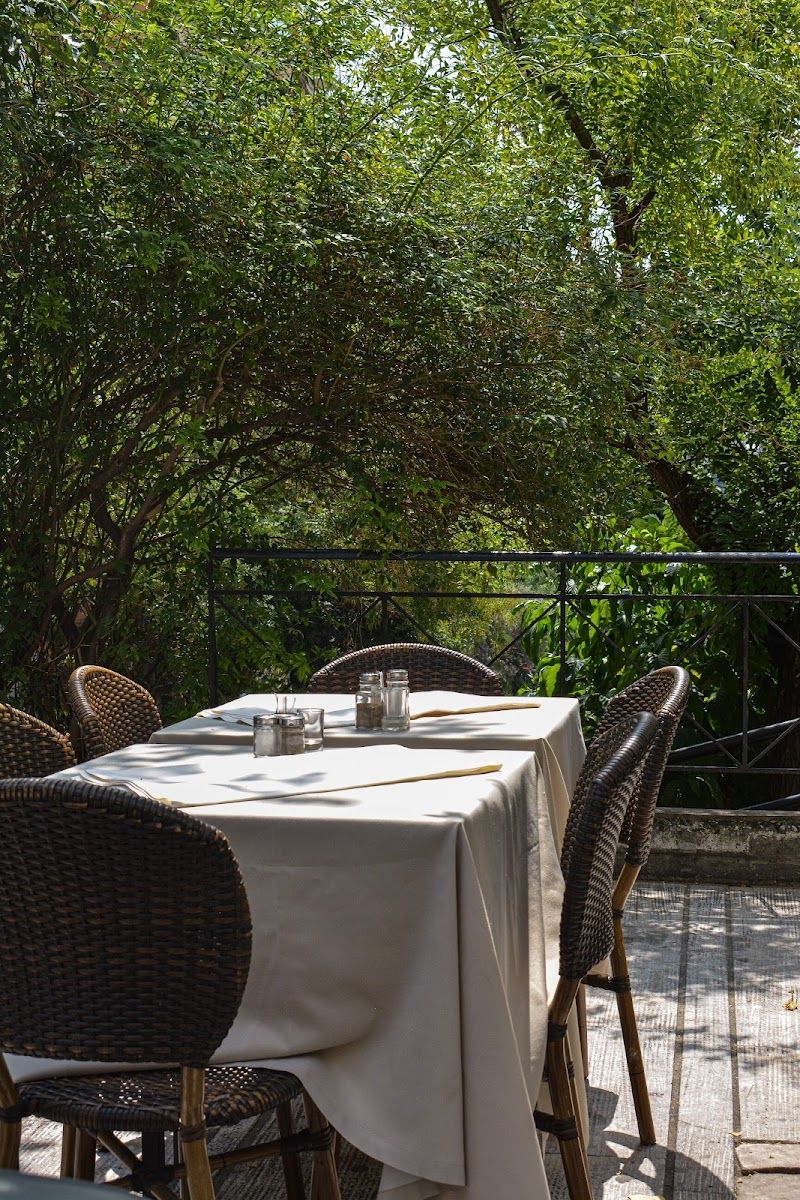
Filipou
Filipou has been serving Kolonaki's elite the same handmade pastries since 1931, and honestly, they've perfected the art. You'll find glass cases filled with traditional Greek sweets that look like jewelry: delicate galaktoboureko with crispy phyllo, chocolate profiteroles that locals queue for, and their famous ekmek kataifi topped with thick custard. The trigona panoramatos (triangular pastries filled with custard) are made fresh every morning and sell out by evening. The interior feels frozen in time with marble tables, vintage mirrors, and waiters in crisp white jackets who've worked here for decades. You'll sit among well-dressed Athenians who treat this place like their personal living room, lingering over coffee and newspapers. The atmosphere is refined but not stuffy, more like stepping into someone's elegant grandmother's parlor. Service moves at a leisurely Greek pace, which fits perfectly with the old-world setting. Most tourists walk past without noticing, but that keeps it authentic. Skip the touristy baklava and go for the chocolate profiteroles (around €4) or ekmek kataifi (€5). The coffee is excellent Greek-style, strong and served with a small sweet. Don't expect English menus or rushing, this place operates on its own timeline and that's exactly why it's special.
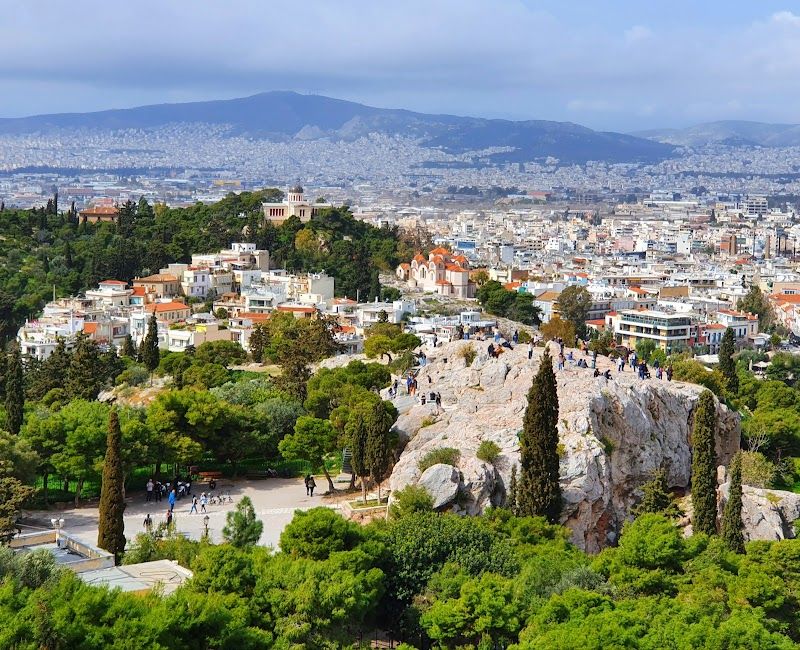
Areopagus
This slippery marble outcrop sits just northwest of the Acropolis and served as Athens' supreme court for centuries. You'll climb ancient carved steps to reach the flat summit where Apostle Paul delivered his famous sermon about the "Unknown God" in 50 AD, recorded in Acts 17. The real draw today is the unobstructed view of the Acropolis' western face, especially magical during golden hour when the Parthenon glows against the darkening sky. Climbing feels precarious because the marble has been polished smooth by millions of feet over decades. The carved steps are shallow and slick, requiring careful placement of each step. Once you reach the top, you're standing on the same rock where ancient Athenians decided matters of life and death. The space is surprisingly small, maybe 20 people maximum, and photographers jostle for position as sunset approaches. A bronze plaque at the base tells Paul's story in multiple languages. Most guides oversell this as a historical experience when it's really about that killer Acropolis view. Skip it during midday heat when the marble becomes scorching and the light is harsh. The bronze plaque is interesting for 30 seconds, then it's all about positioning yourself for photos. Come for sunset or skip entirely, there's no middle ground worth your time.
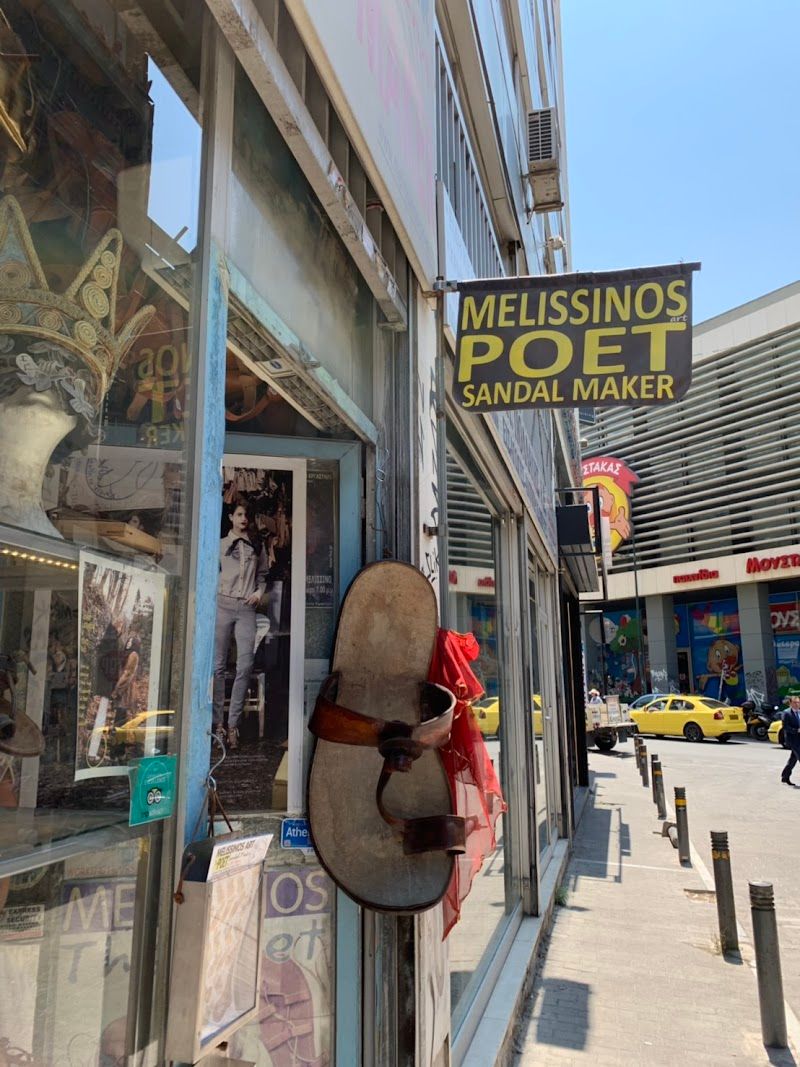
Melissinos Art - The Poet Sandal Maker
This third-generation workshop has been handcrafting leather sandals using identical techniques since 1920, when poet Stavros Melissinos first opened the shop. You'll watch skilled craftsmen cut, stitch, and shape your sandals from scratch using traditional Greek methods that haven't changed in over a century. The walls display photos of famous customers like John Lennon, Jackie Kennedy, and Sophia Loren, all wearing Melissinos creations. Each pair is custom-fitted to your feet and made while you wait. The experience feels like stepping into a working museum where time stopped decades ago. Leather hides hang from the ceiling, hand tools cover wooden workbenches, and the rhythmic hammering of craftsmen fills the small space. You'll sit on wooden stools while Pantelis Melissinos or his team traces your feet on paper, then cuts leather pieces by hand. The smell of leather and glue permeates everything, and you can chat with the makers as they work on your sandals. Expect to pay around €50-80 for basic sandals, with fancier designs reaching €100+. Most guides don't mention the 30-45 minute wait time, so bring a book or explore nearby shops. The quality justifies the price, but don't expect modern comfort features like arch support. Skip the tourist rush by avoiding cruise ship days (Tuesdays and Wednesdays are usually calmer).
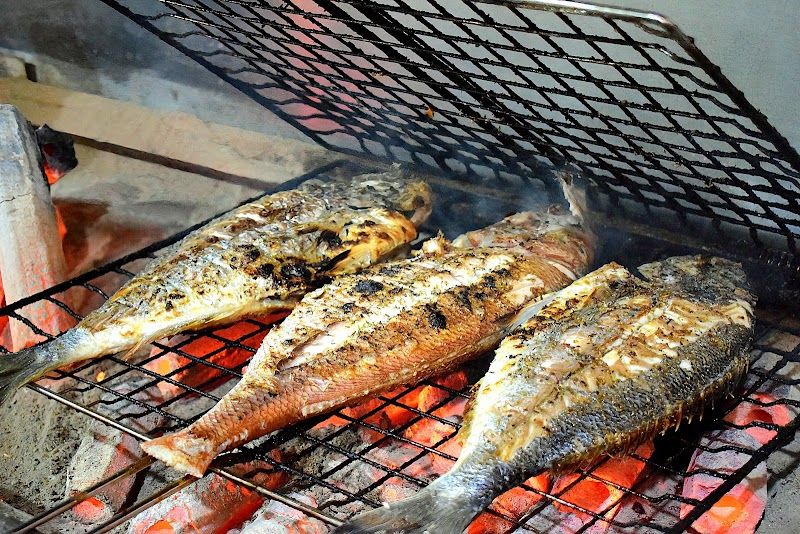
Stoa Athanaton
Stoa Athanaton is Athens' most authentic rebetiko club, housed in a cavernous former warehouse near the central market since 1930. This isn't tourist entertainment: it's where Greeks come to hear the raw, emotional music that emerged from hashish dens and refugee neighborhoods in the early 20th century. Musicians perform Thursday through Saturday starting at 11 PM, playing traditional instruments like the bouzouki and baglama while singers deliver heartbreaking ballads about love, loss, and street life. The industrial space feels deliberately unchanged, with concrete floors, exposed beams, and simple wooden tables that could seat dock workers or intellectuals equally well. You'll find elderly Greeks who lived through rebetiko's underground years sitting next to young Athenians discovering their musical heritage. The atmosphere builds slowly as ouzo flows and cigarette smoke fills the air (yes, people still smoke here). When a particularly moving song hits, the crowd goes silent except for occasional shouts of appreciation. Most music venues in Athens cater to tourists, but Stoa Athanaton operates for locals who take this music seriously. Shows often run past 2 AM, so don't expect a quick cultural sampling. Wine costs around €15-20 per bottle, ouzo about €25. The acoustics aren't perfect and the seating is basic, but that's entirely the point: this is rebetiko as it was meant to be experienced, rough around the edges and emotionally direct.
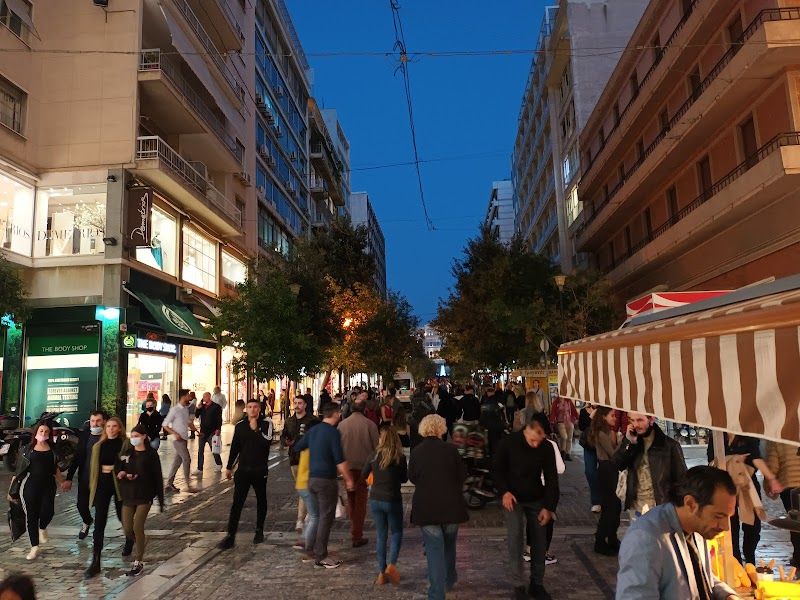
Ermou Street
Ermou Street is Athens' main shopping pedestrian zone, a 1.5km stretch connecting Syntagma Square to Monastiraki that's part runway, part social theater. You'll find the usual suspects (Zara, H&M, Nike) mixed with Greek chains like Fokas and Attica department store, plus street musicians who range from exceptional to painfully amateur. The real surprise is the 11th century Panagia Kapnikarea church sitting right in the middle of the street, forcing shoppers to flow around this tiny Byzantine survivor like water around a stone. The experience varies wildly by timing. Weekday mornings feel almost civilized with locals grabbing coffee and window shopping. Weekend evenings turn into a proper Greek promenade where families dress up just to walk and see friends. You'll hear more English than Greek during peak tourist hours, but the energy stays distinctly Athenian. The church creates a natural gathering spot where people pause for photos or just to appreciate the architectural time warp. Most guides oversell this as a cultural experience when it's really just pleasant urban shopping. Prices here run 10-20% higher than elsewhere in Athens, so browse but buy elsewhere unless you need something specific. The real action happens in the side streets, particularly north toward Psyrri where independent designers sell clothes you won't find anywhere else. Skip the weekend afternoons when it's shoulder to shoulder crowds moving at glacial pace.
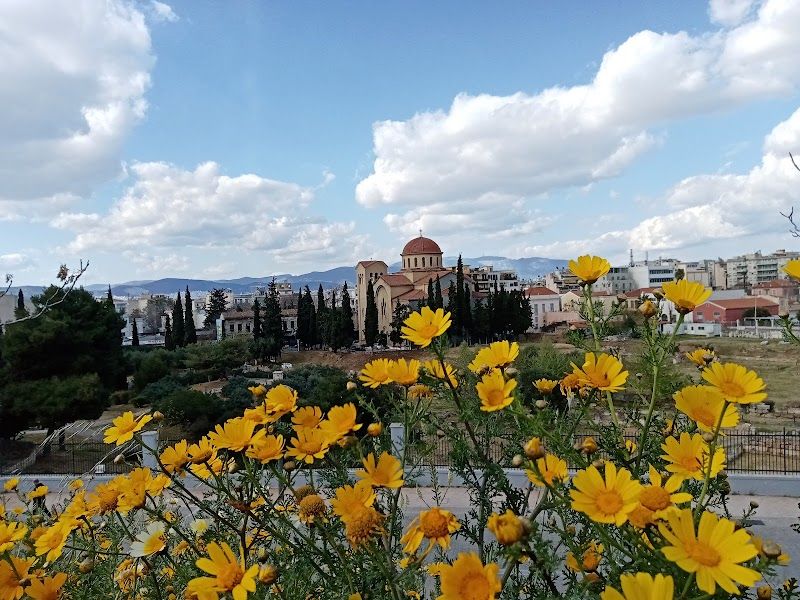
Thissio
Open-air café-restaurant directly facing the Ancient Agora with unobstructed views of the Acropolis. Popular for morning coffee, lunch, or evening drinks, it's a classic Thissio gathering spot for locals and visitors alike.
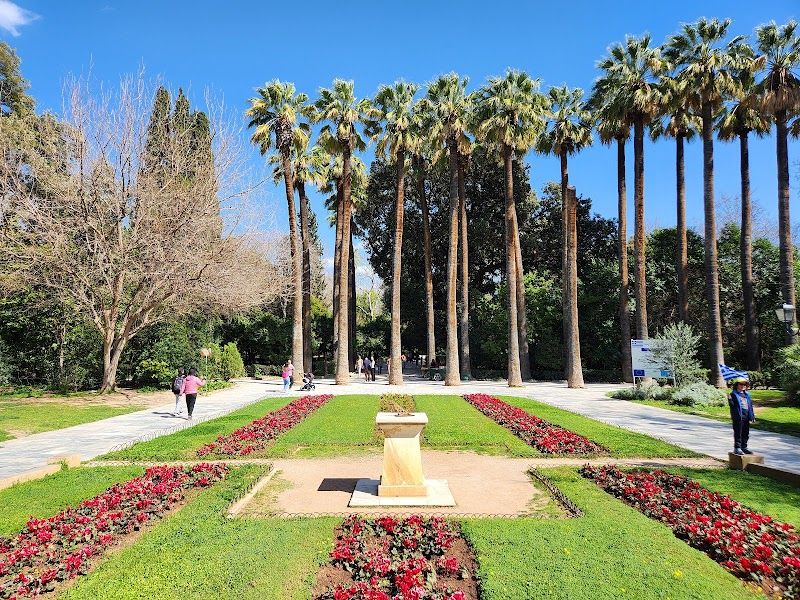
National Garden
National Garden covers 38 acres in the heart of Athens, providing a chance to escape the city's concrete and car fumes. This green space is home to over 500 plant species, including tall palms and dense bamboo groves, alongside ancient ruins like Roman mosaics, marble column fragments, and parts of old aqueducts. The small zoo features peacocks, goats, and tortoises, while the duck pond consistently attracts local families with bread. Walking through the paths feels like discovering Athens' own private outdoor space. Shade is plentiful during summer months, thanks to thick canopies that create a natural shelter from the Mediterranean city surroundings. Children enjoy chasing peacocks, while elderly locals play backgammon on benches. The botanical sections are filled with the sweet scent of jasmine and orange blossoms, and the sound of water trickling from small fountains can be heard throughout. The children's library is located in a stone building that resembles a fairy tale, albeit with a more practical purpose. Most people visit the garden in 30 minutes, but seeing its true value requires a more leisurely pace. The café near the duck pond charges €3.50 for a decent cup of coffee and has a prime seating area. To make the most of your visit, consider skipping the zoo section entirely, as it feels cramped and lacking. Instead, explore the quieter eastern areas, where you'll find some of the garden's best-preserved Roman ruins and fewer crowds.
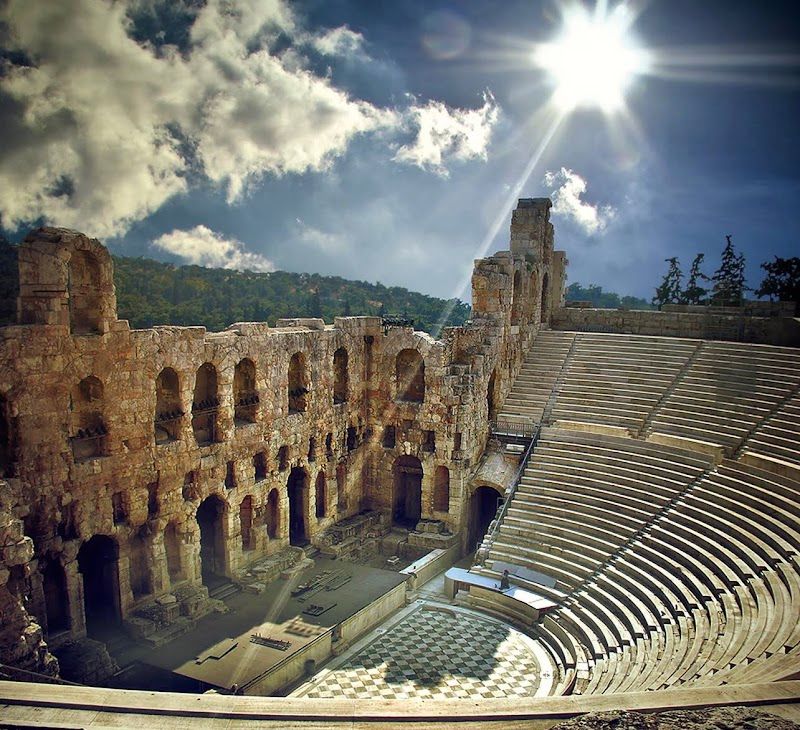
Odeon of Herodes Atticus
The Odeon of Herodes Atticus is a perfectly preserved Roman theater from 161 AD that still functions exactly as intended nearly 2,000 years later. Built by wealthy Roman Herodes Atticus as a memorial to his wife Aspasia, the semicircular stone amphitheater originally seated 5,000 spectators in its steep marble tiers. The three story arched facade looms impressively behind the orchestra, while the acoustics remain flawless: whispers from the stage carry clearly to the top rows. During summer performances, you'll climb ancient stone steps to your seat as musicians tune instruments on the same stage where Roman audiences once gathered. The atmosphere is electric when filled with concertgoers, candles flickering in the arched windows of the backdrop. The venue transforms completely when empty versus during shows: by day it's a quiet archaeological site viewed from above, but evening performances bring the space alive with perfect acoustics bouncing off 2,000 year old marble. Here's what most guides don't mention: you can't actually enter the theater unless you buy tickets to a performance, typically ranging from 15 to 80 EUR depending on the show and seating. The best free views are from the Acropolis pedestrian walkway above, where you can photograph the entire structure. Skip trying to peek through the entrance gates, security is tight and there's nothing to see from ground level outside performance times.
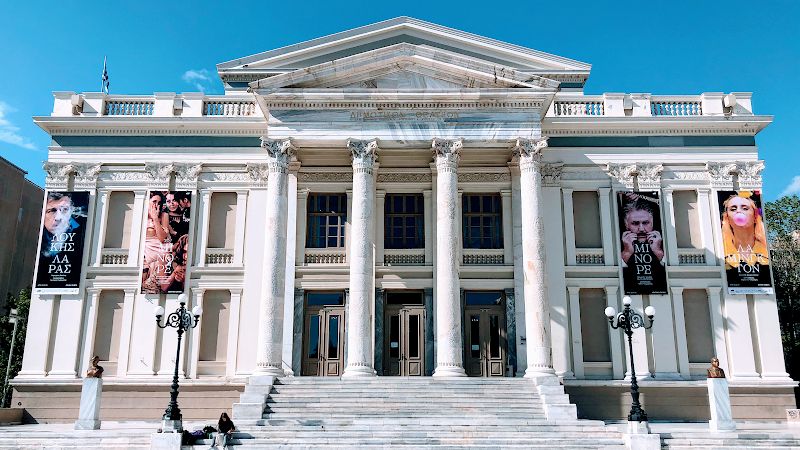
Piraeus Municipal Theatre
The Piraeus Municipal Theatre is Greece's second oldest municipal theatre, built in 1885 when Piraeus was booming as the country's main port. You'll find an authentic neoclassical theatre that locals regularly attend, hosting Greek National Opera productions, contemporary theatre, and ballet performances in a horseshoe auditorium. The interior showcases original frescoed ceilings, red velvet seating, and ornate balconies that evoke 19th century European theatre culture. Attending a performance here feels both intimate and grand simultaneously. The 600 seat auditorium creates perfect acoustics where every whisper carries, while the beautifully restored interior makes even mediocre productions seem special. You'll sit alongside Piraeus locals who've been coming for decades, creating an authentic Greek cultural experience that's different from tourist-focused venues. The lobby buzzes with animated Greek conversations during intermissions. Most visitors never attend this theatre because it's not in central Athens, which is exactly why it's worth taking the metro. Opera tickets start around 15 EUR compared to 40 EUR at Athens' main venues, and the quality is often superior. Skip the expensive Athens Concert Hall and book here instead. The theatre only performs October through May, so summer visitors miss out entirely.
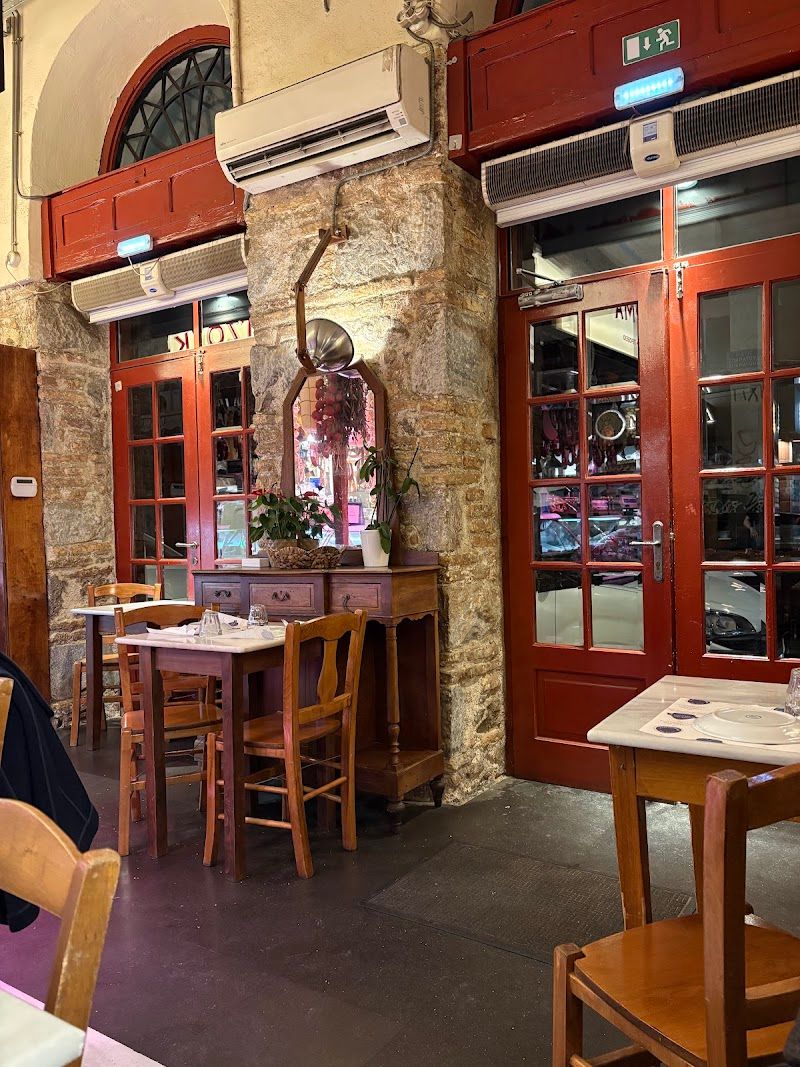
Ta Karamanlidika Tou Fani
Order the mixed board to sample everything, including the rare soutzouki (spiced sausage). Book ahead for dinner, the six tables fill immediately.
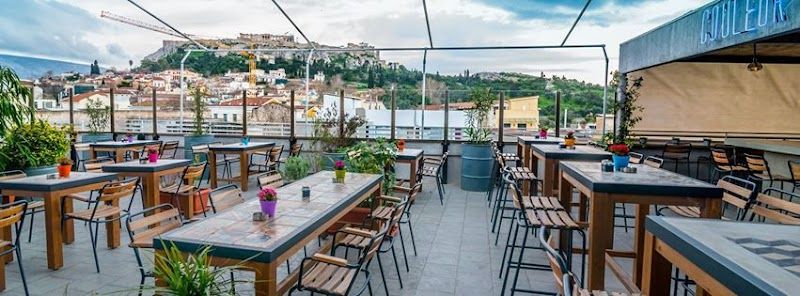
Couleur Locale
Arrive for Sunday brunch early to snag a terrace table, it gets packed by 11 AM
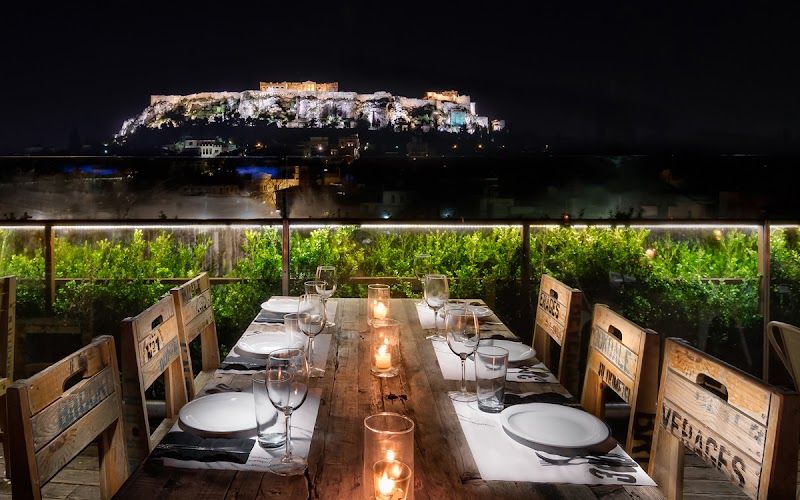
360 Cocktail Bar
Circular rooftop bar on Monastiraki Square with 360-degree views spanning the Acropolis, Lycabettus Hill, and Aegean Sea on clear days. The DJ plays lounge music after 10 PM as the cocktail crowd arrives. Best visited on weeknights when it is less packed than weekends.
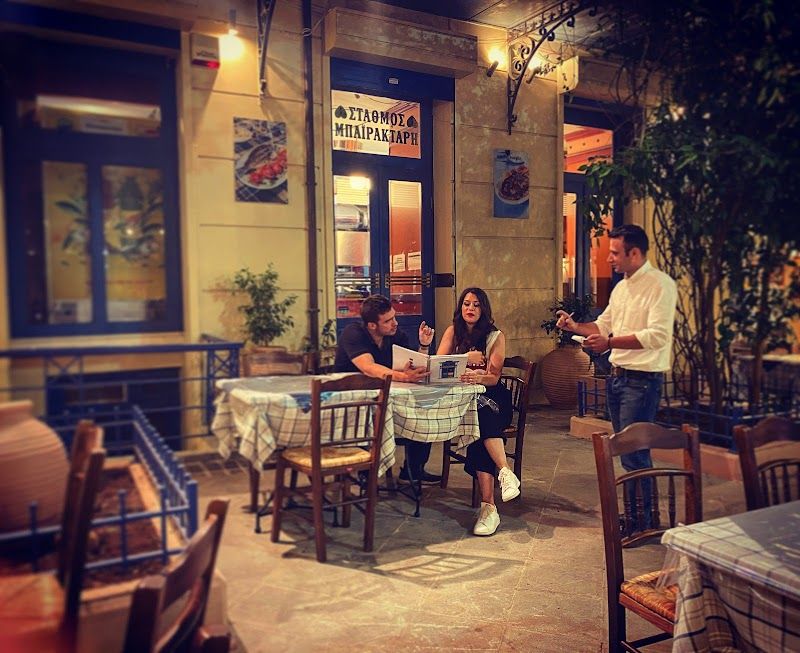
Bairaktaris
Family-run taverna since 1879 on Monastiraki Square, known for traditional Greek dishes served in generous portions at tourist-friendly prices. The multi-level dining rooms feature barrel-vaulted ceilings and walls covered in old photographs.
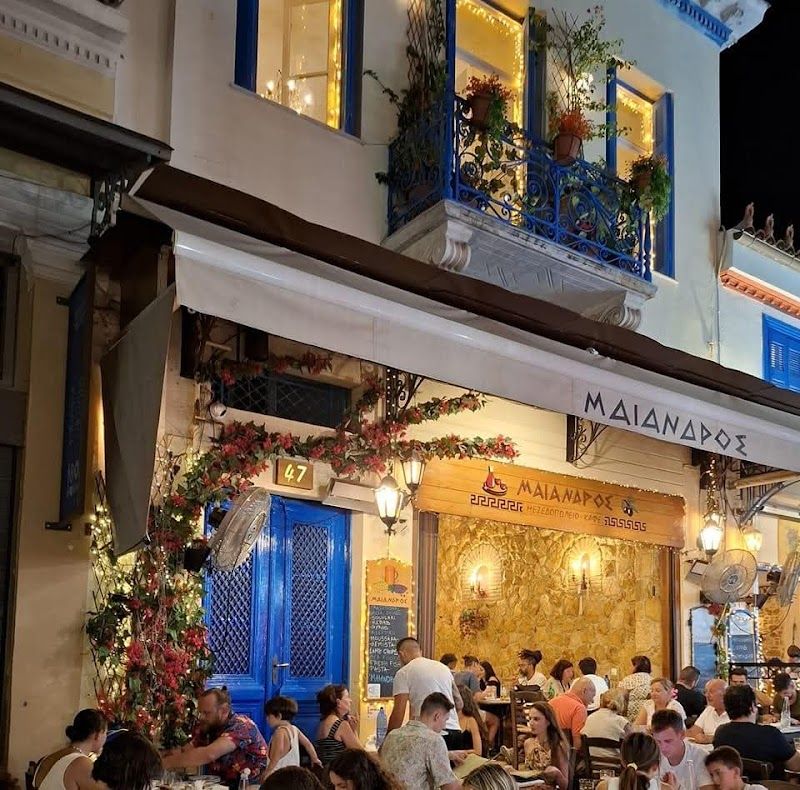
Maiandros
Order the daily baked dishes (mageirefta) rather than grilled items, they're made fresh each day. A full meal with wine costs under EUR 12.
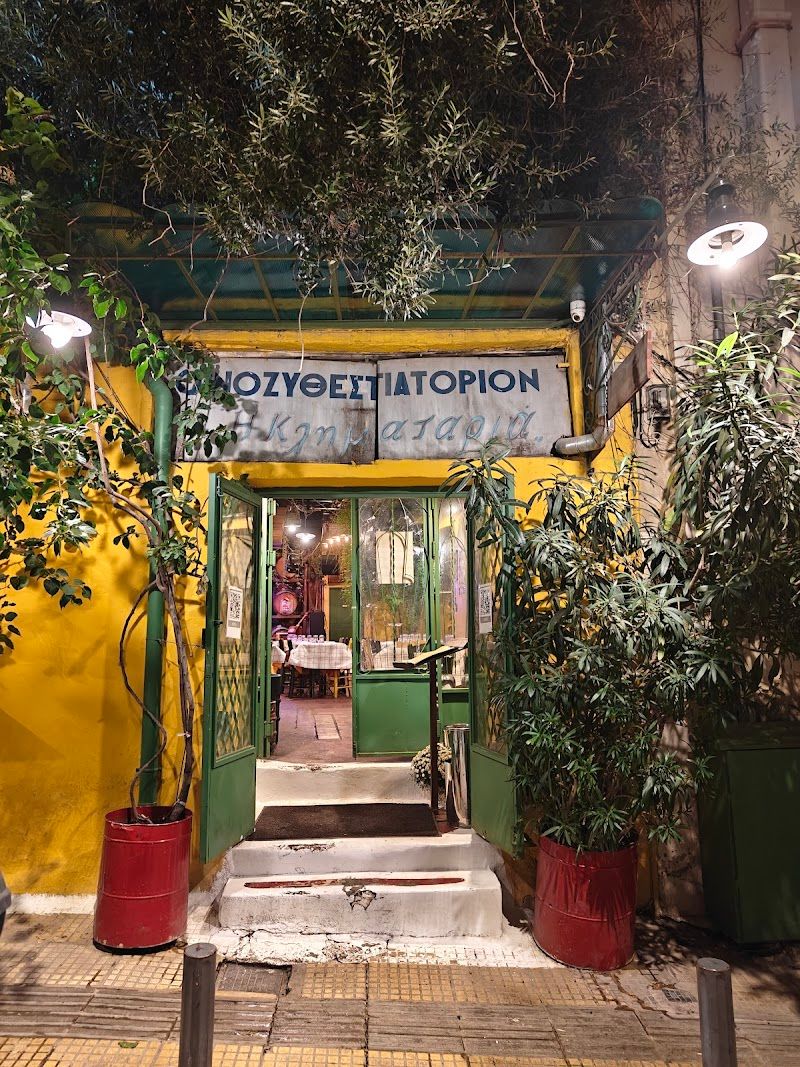
Klimataria
Request a table near the musicians (usually playing after 10 PM on weekends). Order house wine by the carafe, it comes from the family vineyard.
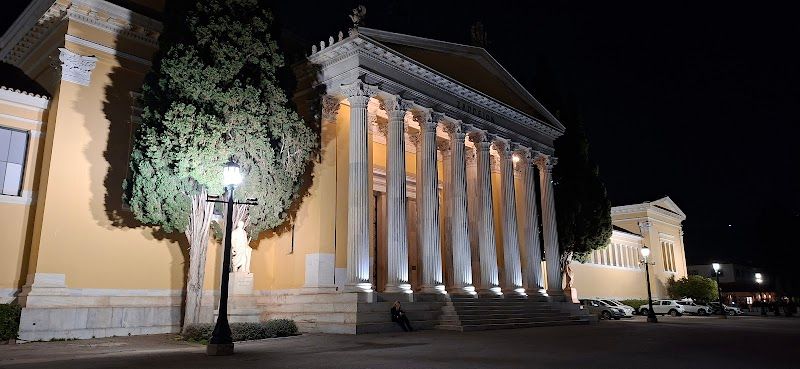
Zappeion Hall
Zappeion Hall is one of Athens' most elegant neoclassical buildings, its circular design housing a glass-domed courtyard surrounded by towering Corinthian columns. You're looking at genuine Olympic history here: this building hosted fencing during the 1896 Games and served as the media center in 2004. The real draw isn't the exhibitions, but the architectural beauty of that central atrium, where natural light filters through the dome onto marble floors. Walking around the exterior gives you the full scope of its perfect proportions, but getting inside when exhibitions are running transforms your visit completely. The circular courtyard feels almost cathedral-like, with those columns creating dramatic shadows throughout the day. The building sits within the National Gardens, so you'll often have the peaceful sounds of birds and fountains as your soundtrack. Most visitors snap photos from the entrance hall, but if you can access the courtyard itself, the perspective looking up at the dome is exceptional. Here's what most guides might not mention: the exhibitions can be underwhelming and can cost 5-8 EUR for content. Your best bet is checking if there's free access to view the courtyard during setup periods between shows. The building looks appealing from the garden paths outside, so don't feel pressured to pay for entry unless you're certain the courtyard is accessible. Early morning visits offer the best light for photography and fewer crowds blocking your shots.
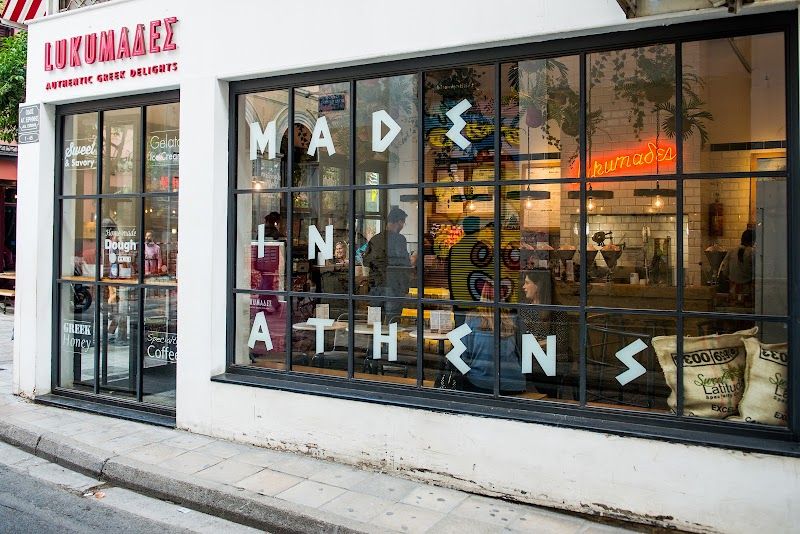
Lukumades
Modern take on the traditional loukoumades (Greek honey doughnuts) shop in Psyrri, serving the fried dough balls with toppings from classic honey-walnut to Nutella and ice cream. Each portion (EUR 4-6) comes hot and crispy, best eaten immediately at the marble counter. The shop stays open until 2am on weekends.
The Clumsies
Award-winning cocktail bar ranked among the world's best, located in a neoclassical mansion with cocktails that incorporate Greek ingredients like mastic, mastiha, and mountain tea. The ground floor bar gets crowded after midnight while the upstairs lounge stays more relaxed. Reservations recommended on weekends.
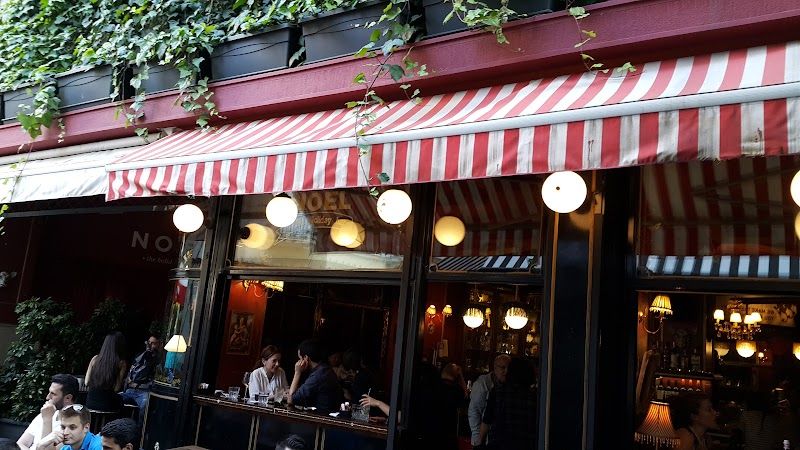
Noel
Wine bar in Koukaki serving natural and biodynamic Greek wines by the glass with small plates of Greek charcuterie and cheese. The knowledgeable owner guides tastings of lesser-known regional varieties from small producers. Space is tiny with just eight tables, creating an intimate neighborhood atmosphere.
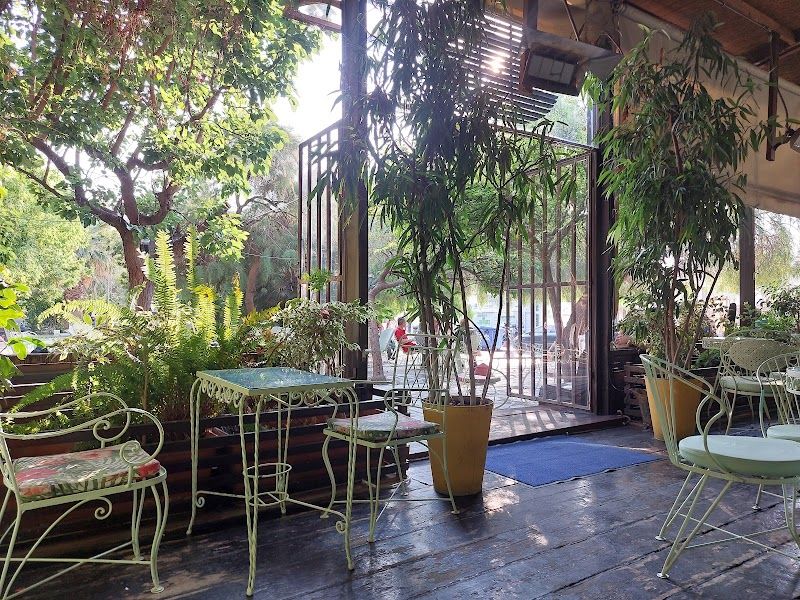
Blue Parrot
Neighborhood cafe in Pangrati with vintage furniture, local regulars, and a shaded courtyard for escaping summer heat. Serves Greek coffee, freddo cappuccino (EUR 2.50), homemade lemonade, and simple sandwiches in an unhurried atmosphere. The owner is often behind the bar chatting with customers who've been coming for years.
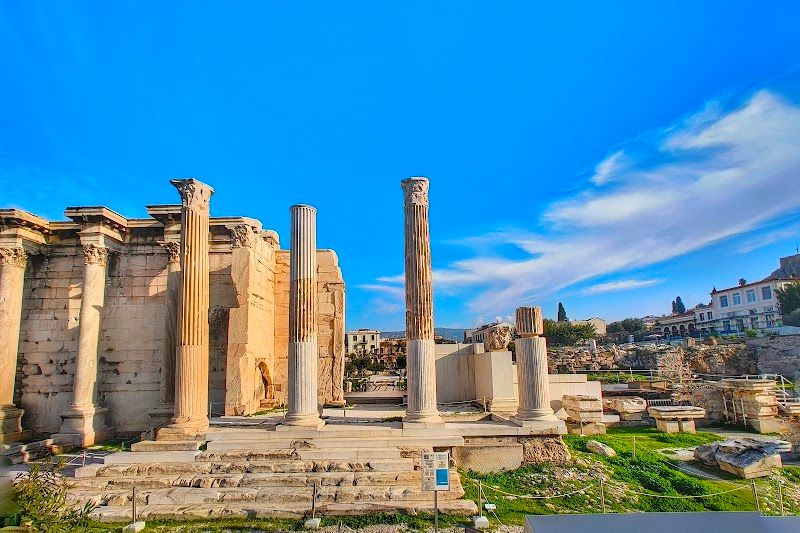
Hadrian's Library
Hadrian's Library isn't your typical ancient ruin: it's a surprisingly intact glimpse into Roman intellectual life from 132 AD. You'll walk among towering Corinthian columns that once framed a massive courtyard where scholars debated philosophy and citizens browsed thousands of scrolls. The western facade still stands impressively tall, while beautiful floor mosaics peek through protective glass coverings. Inside the Roman foundations, you'll find the remains of a Byzantine church, creating this fascinating archaeological sandwich of civilizations. The site feels intimate compared to the Acropolis crowds just blocks away. You enter through a small gate and immediately face those magnificent columns, their capitals still sharp after nearly 2,000 years. The layout becomes clear quickly: imagine the central courtyard filled with reading rooms, lecture halls, and gardens. The church ruins sit awkwardly in the southeast corner, its Christian stones repurposing pagan foundations. You can trace the original library's footprint along marked foundation stones. Most guidebooks exaggerate the importance of visiting, but it's really best suited for archaeology enthusiasts and Roman history buffs. The €4 entry fee may seem steep for 30 minutes of wandering, especially since you get decent views through the fence. Skip it if you're rushed, but if you love imagining ancient daily life, those columns and mosaics deliver a genuine experience. The combination ticket with other Roman sites (€15) makes more sense than solo entry.
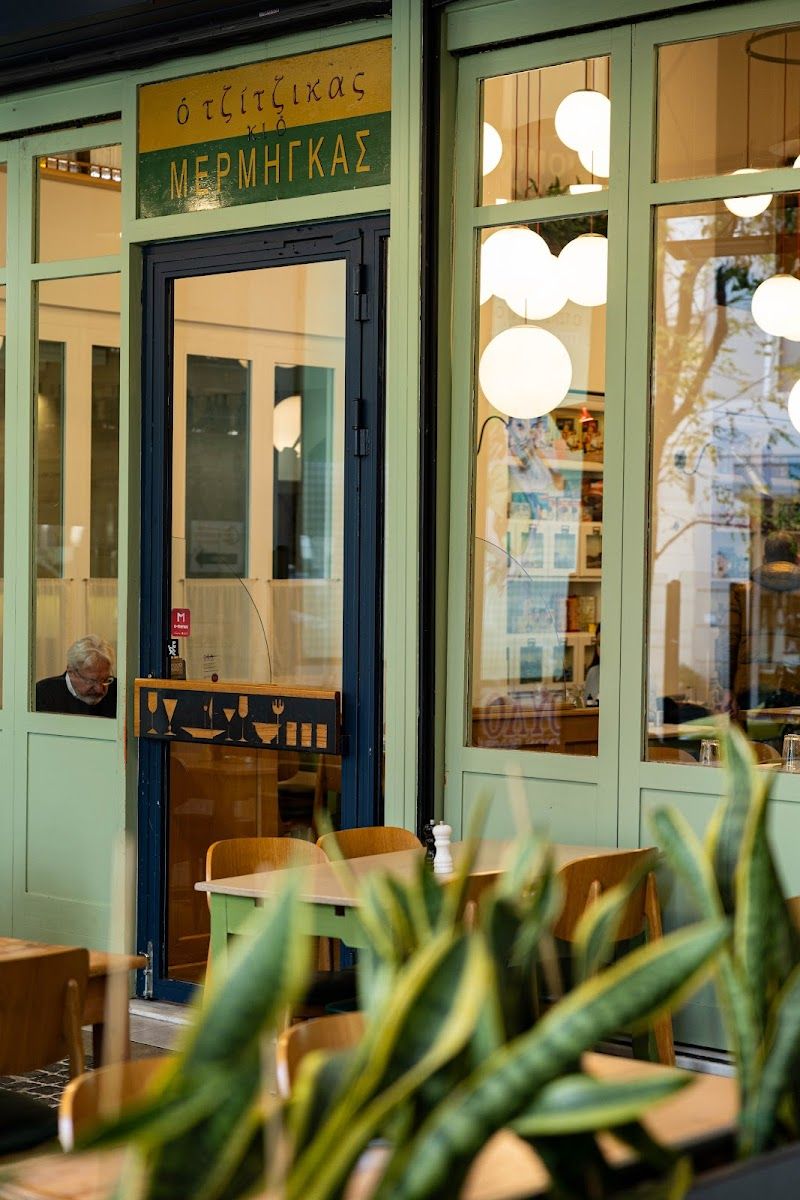
Tzitzikas kai Mermigas
Modern take on the traditional Greek mezedopoleio with a menu organized like a grocery store (greens, proteins, pantry items). The Mitropoleos location features an open kitchen, marble counters, and updated versions of taverna classics.
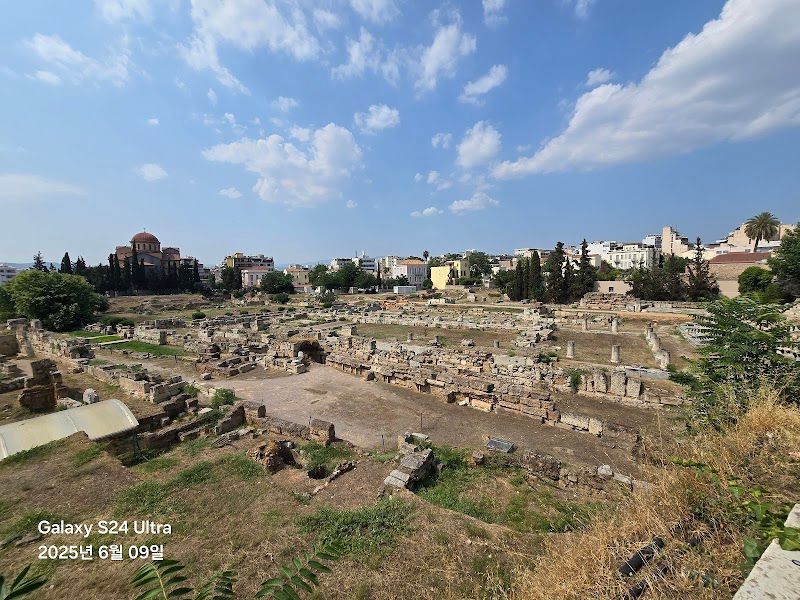
Kerameikos Archaeological Site
Kerameikos is Athens' ancient cemetery and pottery district where the city's elite were buried for over 1,500 years, from the 12th century BC through Roman times. You'll walk along the Sacred Way where pilgrims began their journey to Eleusis, see remarkably preserved grave stelae and sculptures, and explore sections of the ancient city walls including the Sacred Gate and Dipylon Gate. The small but excellent museum houses extraordinary finds including painted pottery, marble sculptures, and grave goods that reveal how ancient Athenians honored their dead. The site feels refreshingly peaceful compared to the Acropolis crowds. You'll follow ancient stone paths between excavated grave plots, some still containing original marble monuments and carved reliefs. The Sacred Way stretches into the distance, lined with foundations of ancient monuments, while cypress trees and wild herbs grow between the ruins. The museum occupies a modern building at the entrance, with climate controlled galleries displaying delicate painted vases and haunting funerary sculptures. This is Athens' most underrated major site, and frankly, most visitors skip it entirely for their loss. Entry costs €8 (€4 reduced), and the combo ticket with other sites is worth it if you're doing a archaeological tour. Skip the audio guide and focus your time on the Street of Tombs and the museum's painted pottery collection. The site closes early in winter (3pm), so don't leave it for late afternoon.
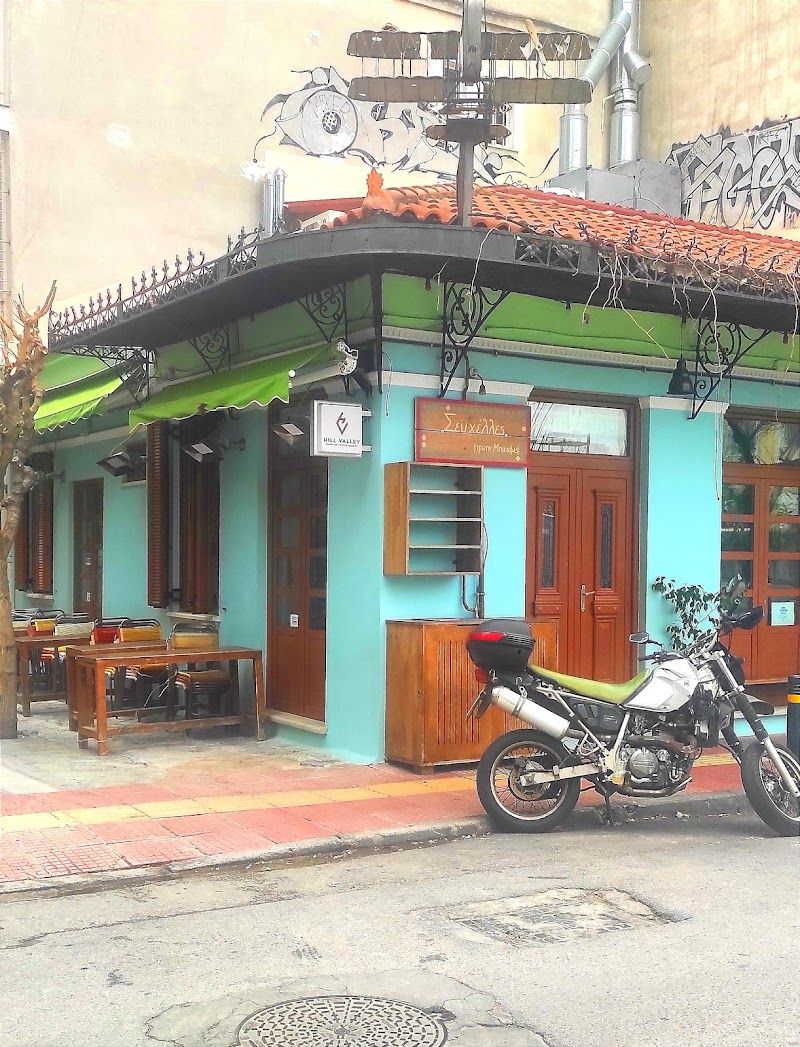
Seychelles
The lunch menu offers exceptional value with similar quality to dinner. Ask about the daily raw fish preparations, they're not always on the printed menu.
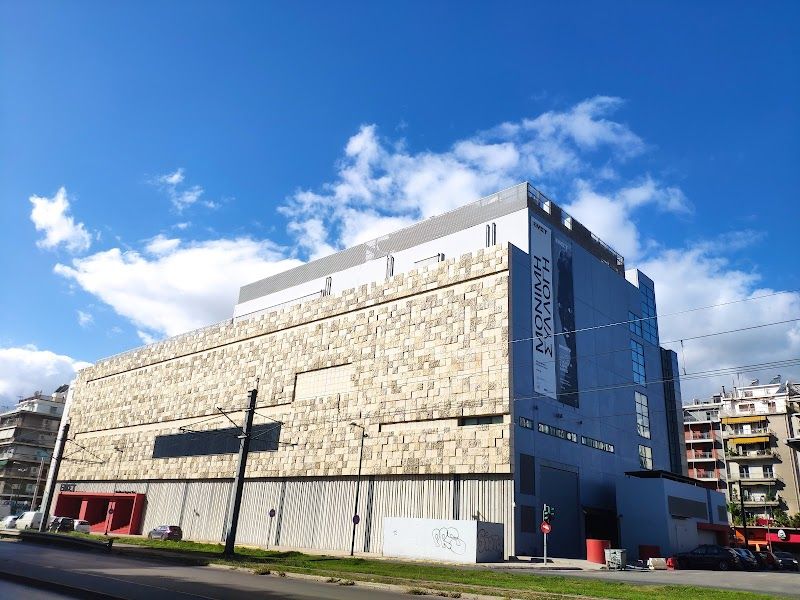
National Museum of Contemporary Art
EMST occupies the massive former Fix brewery, a brutalist concrete behemoth that's as much a draw as the art inside. You'll find works by Greek heavyweights like Jannis Kounellis alongside international names, with a strong focus on conceptual and video art from the 1960s onward. The permanent collection rotates regularly, so you might encounter anything from political installations to experimental photography spread across multiple floors of raw industrial space. The experience feels like exploring a concrete cathedral of contemporary art. Those soaring brewery halls create an almost overwhelming sense of scale, especially when filled with large installations or video projections. The building's industrial bones are left exposed: concrete pillars, metal fixtures, and original brewery infrastructure frame the artwork. It's deliberately stark, which works brilliantly for some pieces but can make others feel lost in the vastness. Most guides won't tell you that half the museum is often closed for exhibition changes or installations in progress. The signage can be confusing, and you'll waste time wandering empty corridors if you don't ask at reception which sections are actually open. Skip the ground floor shop (overpriced art books) and head straight to the upper levels where the best pieces usually live. Entry costs €8 but remember those free Thursday evenings from 6pm to 10pm.
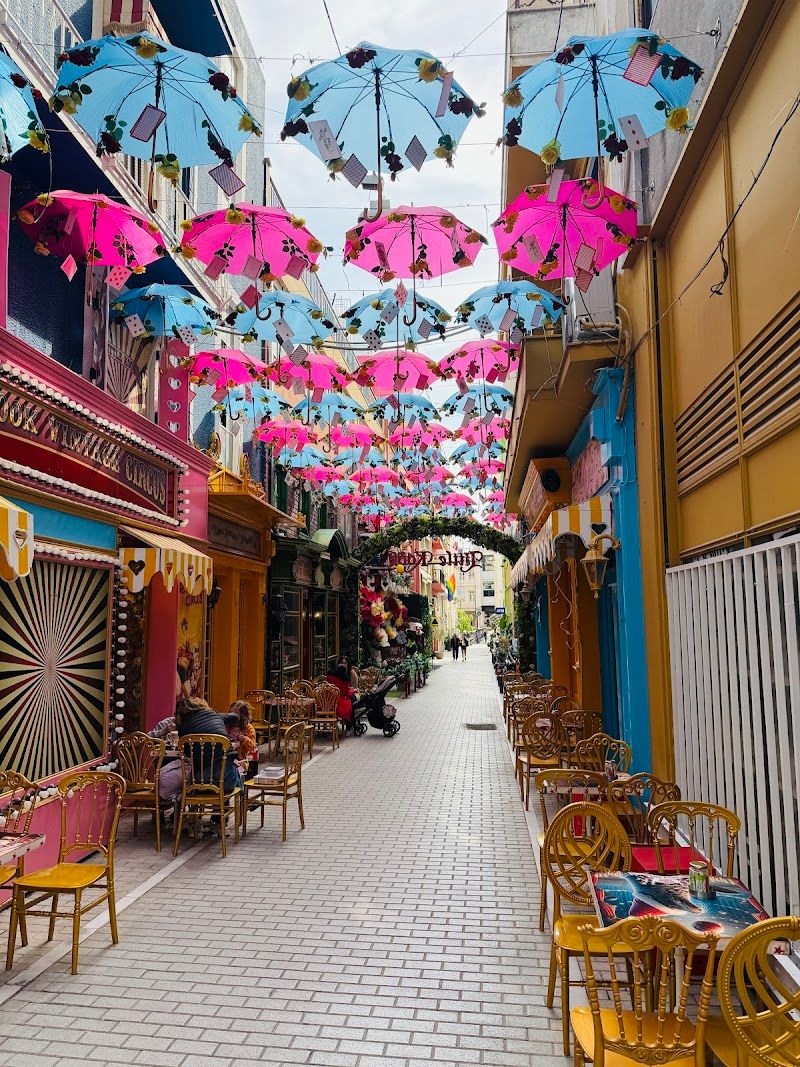
Key Tours Greece
Key Tours Greece runs full-day Delphi excursions that combine Greece's most significant archaeological site with spectacular mountain scenery. You'll visit the Temple of Apollo where the famous Oracle delivered prophecies, explore the ancient theater carved into Mount Parnassus, and walk among treasury buildings that once held offerings from across the Greek world. The archaeological museum houses the original Charioteer statue and other masterpieces that bring the site's 1,000-year history to life. The experience starts with a comfortable coach ride through olive groves and mountain villages, with your guide explaining the mythology before you arrive. At Delphi itself, you'll climb ancient stone paths with sweeping views over the valley below. The site feels genuinely mystical, especially early in the day when morning light hits the temple columns. The museum provides welcome air conditioning and context, while the outdoor ruins let you imagine pilgrims climbing these same paths 2,500 years ago. Most day trips rush through both the site and museum in under two hours, which isn't nearly enough time. The full-day tours give you proper time to absorb everything, though they cost around 85-95 EUR per person depending on group size. Skip the overpriced cafeteria food at the site, the coffee is terrible and sandwiches cost 8 EUR. The guides vary in quality, some focus too heavily on mythology while glossing over the actual history.
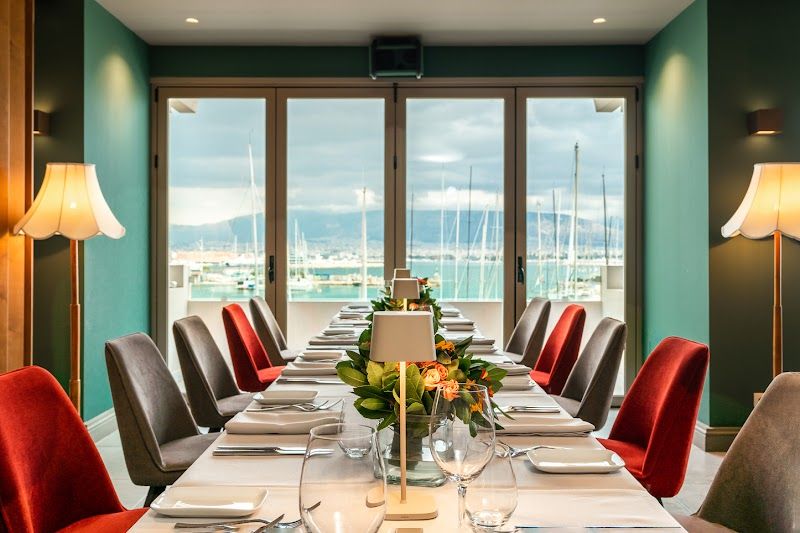
Varoulko Seaside
Michelin-starred seafood restaurant by chef Lefteris Lazarou located in Mikrolimano marina with tables directly on the water. The menu showcases creative fish preparations using traditional Greek flavors in unexpected combinations.
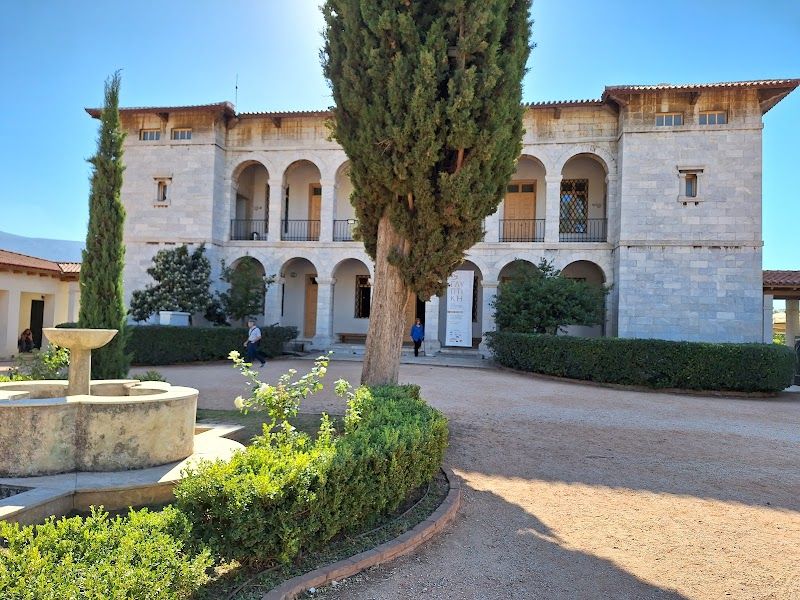
Byzantine and Christian Museum
This mansion turned museum houses Greece's finest collection of Byzantine religious art, spanning from early Christian times through the Ottoman period. You'll see breathtaking 6th century mosaics from Thessaloniki, medieval icons with gold backgrounds that seem to glow, and intricate church treasures like jeweled chalices and embroidered vestments. The collection includes rare manuscripts, carved marble church screens, and frescoes carefully removed from demolished churches across Greece. The museum flows through elegant rooms where each gallery focuses on a different period or art form. You'll start with early Christian artifacts in dim lighting that creates an almost sacred atmosphere, then move through increasingly ornate Byzantine pieces. The highlight rooms showcase post Byzantine icons where you can see individual brushstrokes on 500 year old faces. Between galleries, step into the peaceful courtyard where ancient column fragments sit beside a trickling fountain. Most visitors rush through without reading labels, but the English descriptions are excellent and explain techniques like egg tempera painting. Skip the ground floor shop (overpriced postcards) but don't miss the recreated church interior on the first floor. Entry costs 8 EUR, and Tuesday evenings after 6pm feel particularly atmospheric when crowds thin out. The audio guide adds 3 EUR but isn't necessary if you read the wall texts.
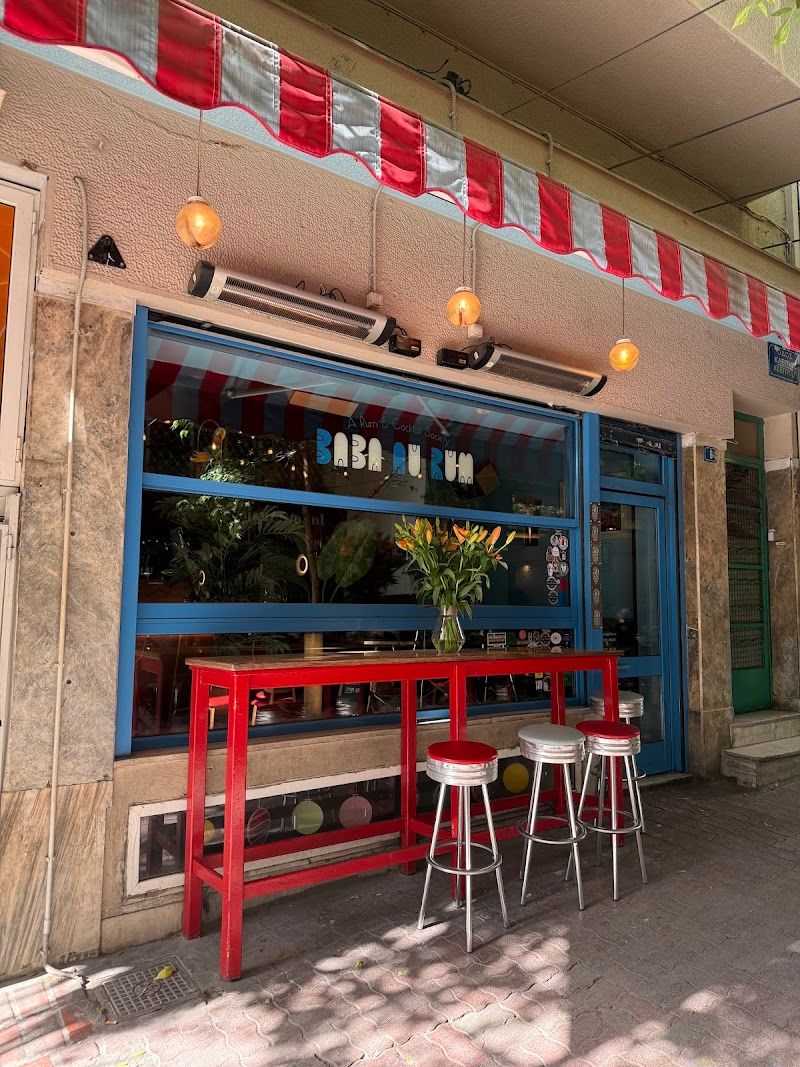
Baba Au Rum
Award-winning rum bar in Psyrri with over 100 varieties and expert bartenders who craft cocktails with house-made syrups and bitters. The intimate space fills up after 11 PM with a mix of locals and cocktail enthusiasts. The bartenders will recommend rum flights if you want to explore different styles.
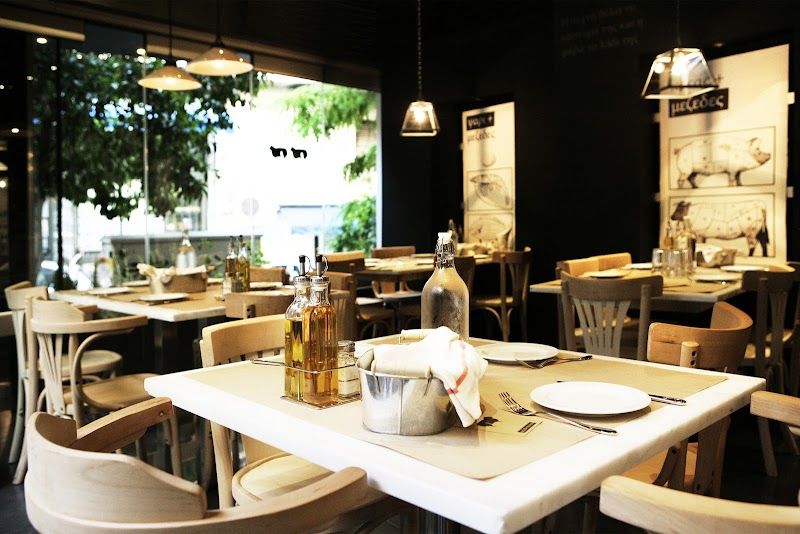
Mavro Provato
Ask the owner for wine recommendations, he'll pair Greek natural wines with your meal choices. The lamb shank is slow-cooked for six hours.
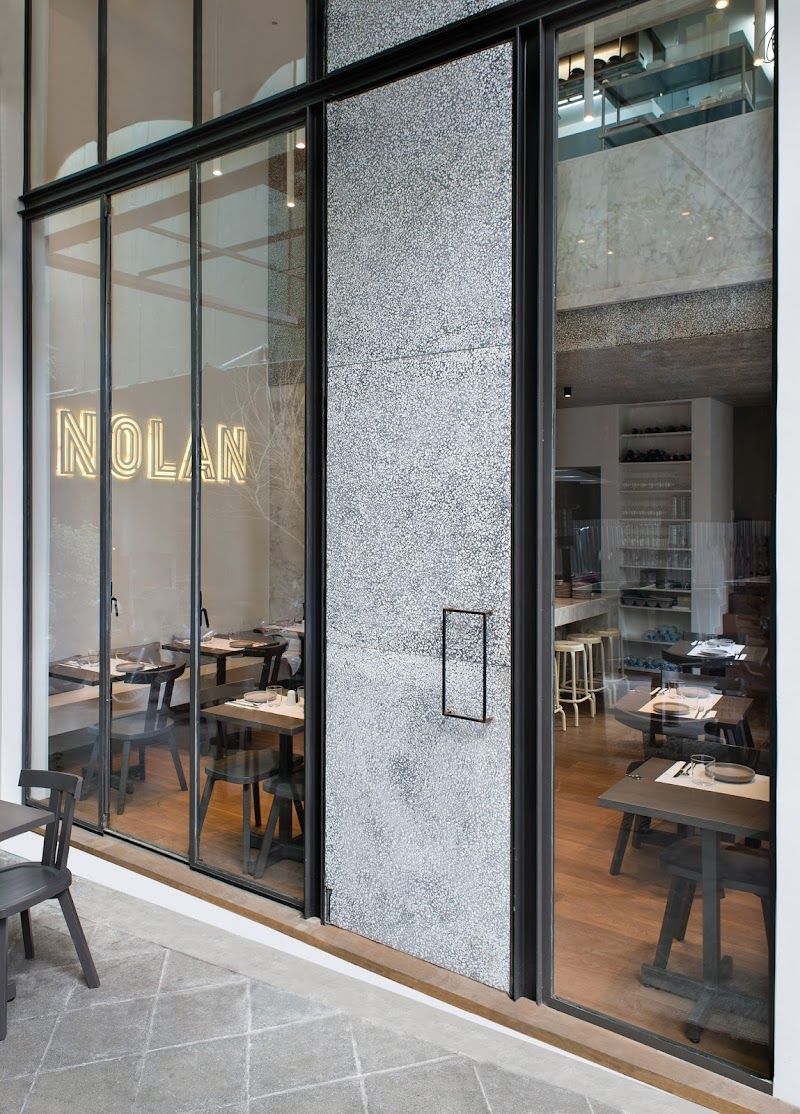
Nolan
Book a courtyard table in summer for the romantic garden setting. The cocktail program is excellent, arrive early for a drink at the bar.
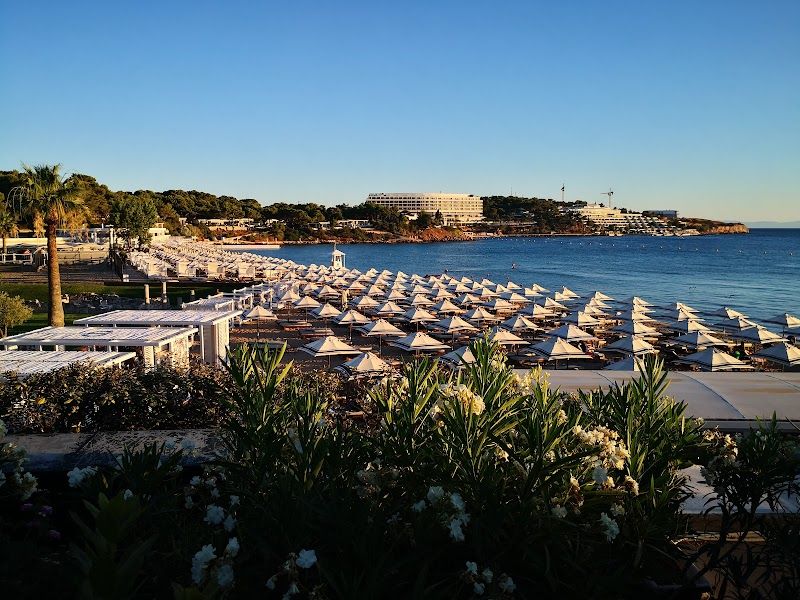
Astir Beach
Astir Beach sits in a protected bay on the Athens Riviera, offering the kind of manicured beach experience you'd expect from a private club. You're paying EUR 8-15 for entry (weekends cost more), but you get pristine sand, quality sunbeds, attentive umbrella service, and water that stays remarkably calm thanks to the natural breakwater. The beach bar serves decent cocktails and overpriced salads, while the changing rooms and showers actually work properly. The atmosphere feels more Mykonos than mainland Greece, with well-heeled Athenians treating this as their summer living room. You'll find families with young kids in the morning, couples claiming prime spots by noon, and a younger crowd rolling in after work. The sand gets raked daily, the staff replaces towels without being asked, and the water stays clean because there's actual crowd control. Everything runs smoothly in that effortless way that only happens when you're paying for it. Most beach guides won't mention that Astir gets painfully crowded between 11am and 4pm on weekends, when the entry fee jumps to EUR 15 and you're still fighting for space. The smart play is arriving early or coming after 5pm when prices drop to EUR 8 and half the crowd disappears. Skip the overpriced food and bring snacks, but do try their freddo espresso. The free beaches nearby (Kavouri, Vouliagmeni Beach) offer similar water quality without the cost if you don't mind bringing your own chair.
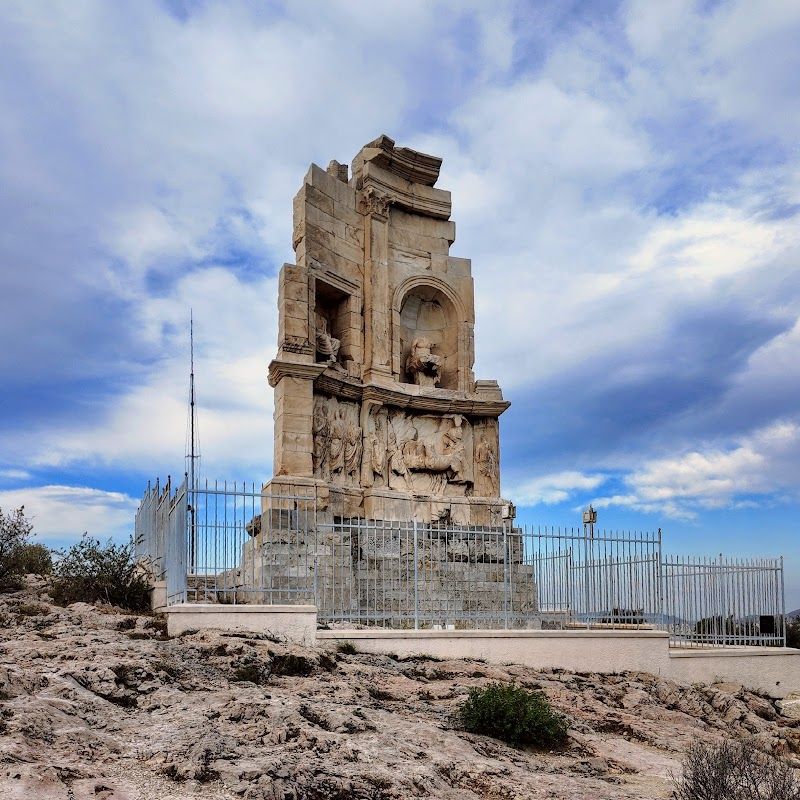
Filopappou Monument
This 2,000-year-old marble monument crowns Philopappos Hill and gives you one of Athens' best vantage points for photographing the Acropolis without crowds blocking your shot. The two-tiered structure honors a Roman prince who bankrolled public works in ancient Athens, and you can still make out detailed relief carvings showing him in his consul robes. The monument sits 147 meters above sea level, making it higher than the Acropolis itself. The walk up takes about 10 minutes through pine-scented paths, and once you're there, you'll have the whole western panorama of Athens spread below. The monument itself is partially ruined but atmospheric, with small cave chambers cut into the rock underneath that locals still use for informal ceremonies. The marble glows beautifully in morning light, and you'll often have the place to yourself except for the occasional jogger or photographer setting up elaborate shots. Most people rush here for sunset photos and miss the better morning light that makes the Acropolis glow golden. The monument is free to visit and genuinely uncrowded compared to every other ancient site in Athens. Skip it if you're short on time and already doing Areopagus Hill for Acropolis views, but if you want breathing room and fewer selfie sticks, this beats the more famous viewpoints hands down.
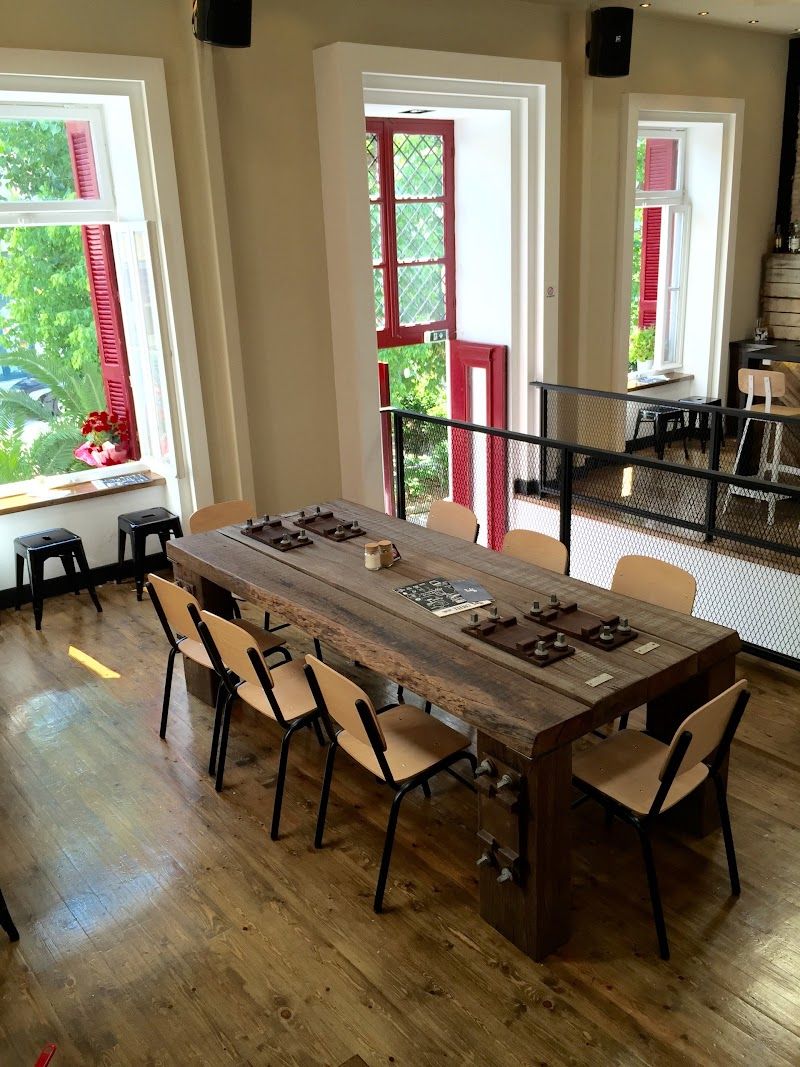
Underdog
Industrial-chic all-day café and bar known for exceptional coffee, creative cocktails, and contemporary Greek cuisine. The minimalist space with exposed concrete and large windows attracts a creative crowd of locals and digital nomads. Seamlessly transitions from morning coffee spot to evening cocktail bar.
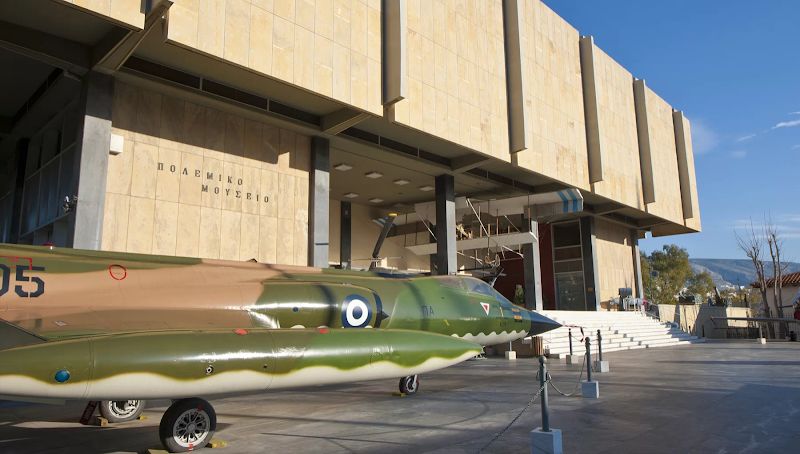
War Museum of Athens
The War Museum of Athens houses Greece's most comprehensive military collection, spanning 3,000 years from ancient hoplite warfare to modern conflicts. You'll walk through chronologically arranged galleries displaying everything from Byzantine chainmail to WWII resistance artifacts, plus an impressive outdoor park filled with tanks, fighter jets, and artillery pieces. The museum does an excellent job connecting military history to Greece's broader story of survival and independence, making it genuinely engaging even if you're not typically into war museums. Your visit flows naturally through spacious, well-lit galleries where ancient Greek shields sit near Ottoman sabres and Nazi occupation documents. The atmosphere is respectful rather than glorifying, with detailed English explanations throughout. The outdoor section feels like a military playground where kids climb around decommissioned aircraft while adults examine Cold War era tanks. The WWII resistance section is particularly moving, featuring personal letters and photographs that bring the occupation period to life. Most guides don't mention that the outdoor exhibition alone justifies the trip and it's completely free to explore without buying a museum ticket. The indoor collection is solid but not revolutionary, skip the upper floor's repetitive weapon displays and focus on the ground floor's thematic exhibitions. Entry costs 6 EUR for adults, 3 EUR for students, and the whole experience takes about 90 minutes if you see everything.
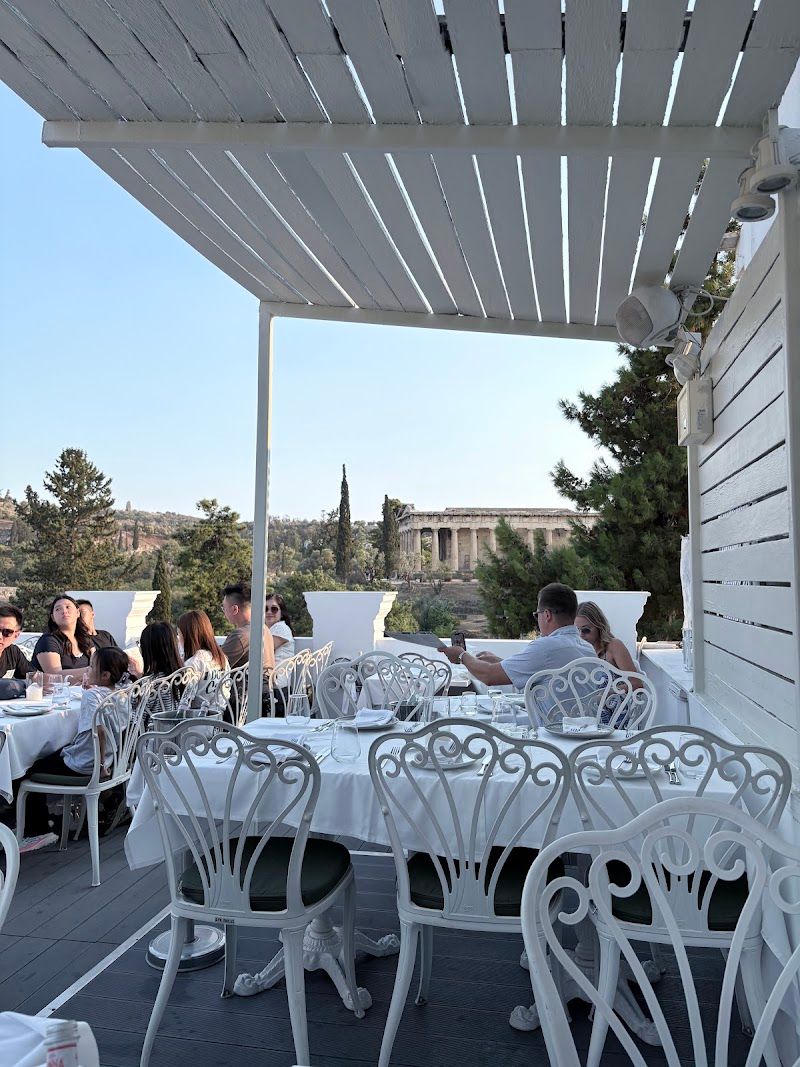
Kuzina
Modern Mediterranean restaurant with a rooftop terrace offering Acropolis views and contemporary Greek cuisine. The menu emphasizes seasonal ingredients and creative presentations while honoring traditional flavors.
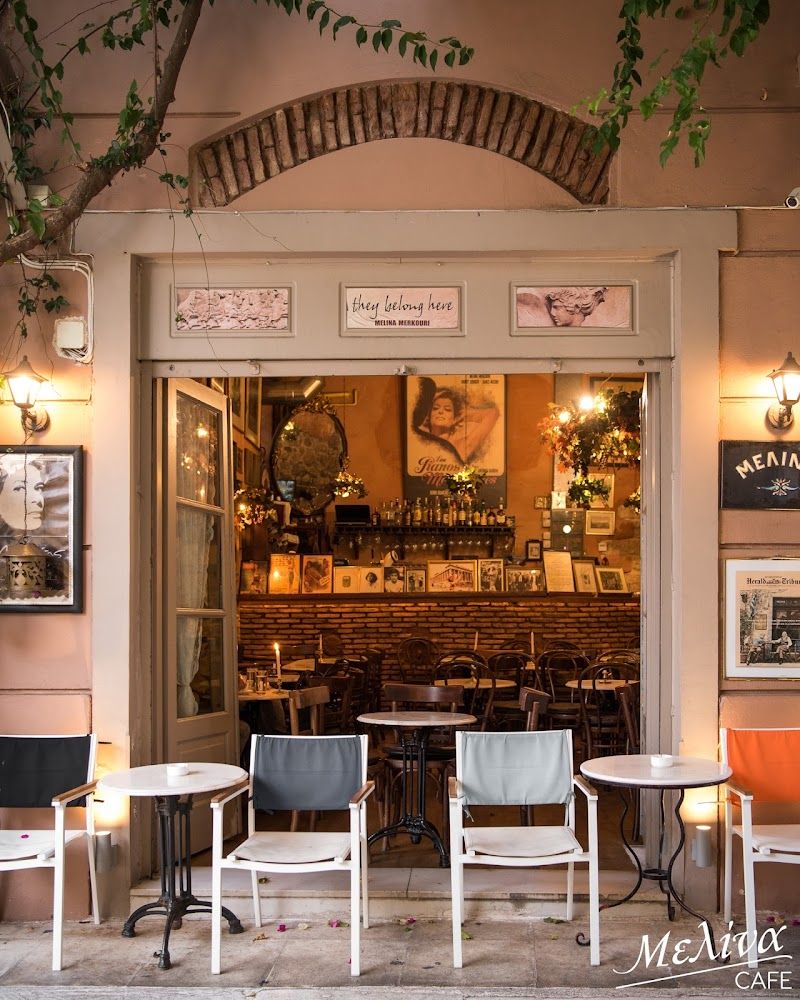
Café Melina
This neighborhood café is named after actress Melina Mercouri, featuring vintage decor and walls covered with photographs and memorabilia. The menu includes excellent Greek coffee, homemade desserts, and light meals offered in a nostalgic setting.
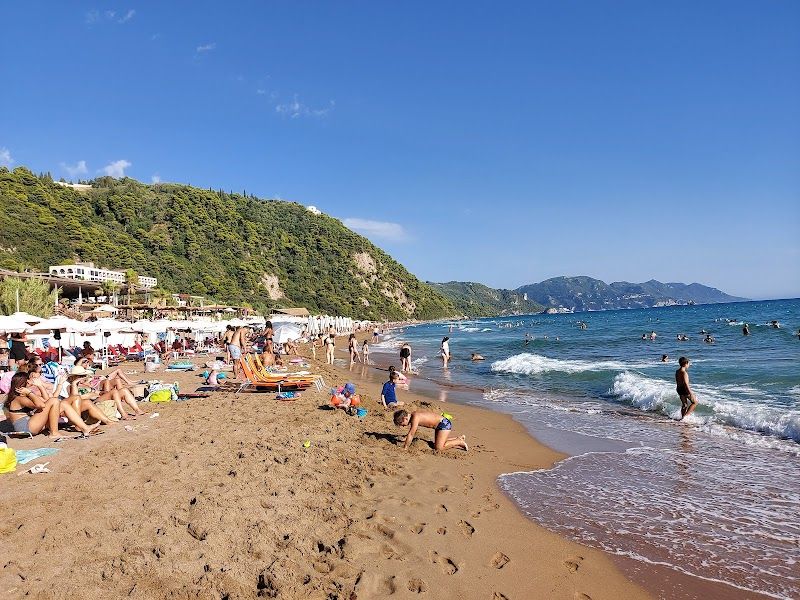
Glyfada Beach
Glyfada Beach stretches for over a kilometer along Athens' southern coast, combining organized beach clubs with generous free public sections. You'll find everything from upscale establishments like Asteria Beach (EUR 15-20 for sunbed and umbrella) to completely free zones with public showers, changing rooms, and beach volleyball courts. The Blue Flag waters stay reliably clean, and the wide sandy beach accommodates both loungers and active beachgoers without feeling cramped. The atmosphere shifts noticeably throughout the day. Mornings bring families and swimmers enjoying calm waters, while afternoons see the wind pick up, drawing paddleboarders and kitesurfers. The promenade behind the beach buzzes with activity: gelato shops, traditional tavernas serving grilled octopus, and modern beach bars pumping music. Tram T3 drops you right at the beach entrance, making this one of Athens' most accessible coastal escapes. Most visitors pay unnecessarily for organized sections when the free public areas offer nearly identical amenities. The stretch between Asteria and Balux clubs gives you the best of both worlds: wide beach space, clean facilities, and proximity to cafes without the EUR 8-12 daily fees. Skip the overpriced beach club food and walk two blocks inland where tavernas charge half the price for better souvlaki.
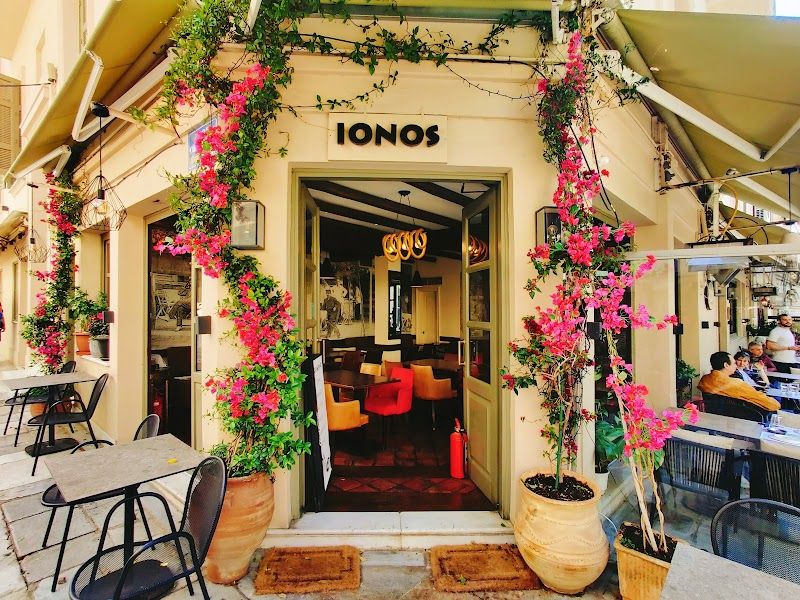
Oineas Restaurant
Traditional taverna in Psyrri's theater district serving home-style Greek cooking in a plant-filled courtyard. The daily specials board features slow-cooked stews and casseroles made by the owner's mother using her original recipes.
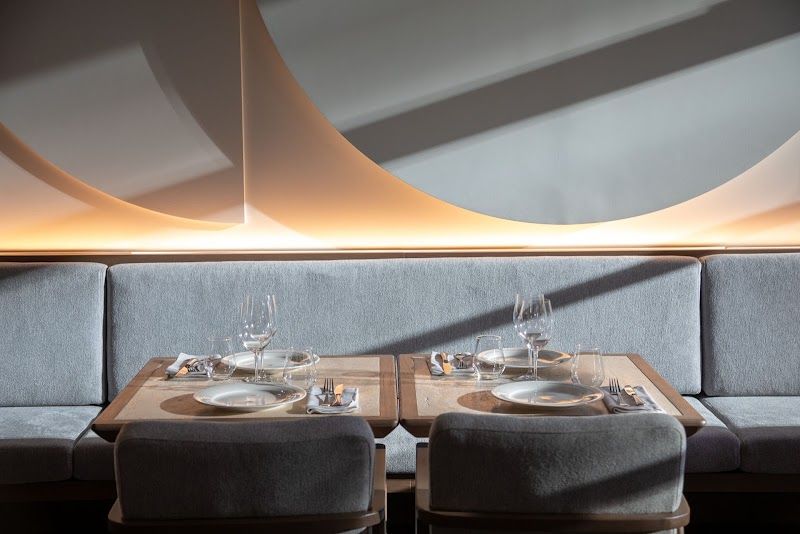
Cookoovaya
Contemporary Greek restaurant in Thissio focusing on regional recipes and seasonal ingredients, with an emphasis on vegetables and seafood. The minimalist interior features exposed concrete and an open kitchen with a wood-fired oven.
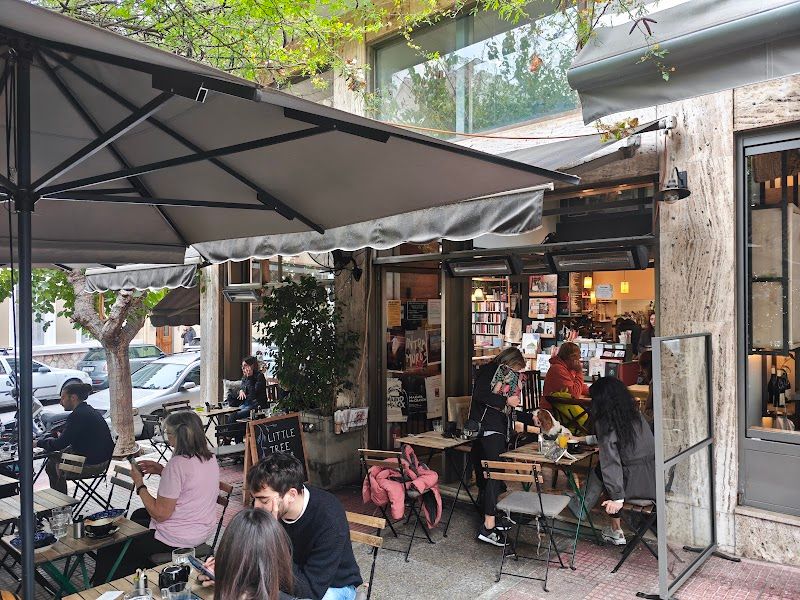
Little Tree Books & Coffee
Cozy independent bookshop and café specializing in English-language literature, travel guides, and Greek culture books. The intimate space serves quality coffee and hosts occasional poetry readings and book clubs. A quiet refuge in the bustling Psyrri neighborhood.
Mani Mani
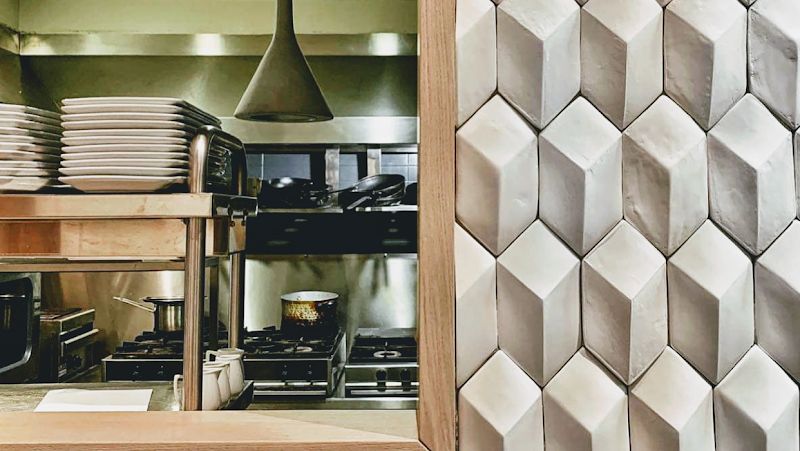
Upscale taverna near the Acropolis Museum specializing in cuisine from the Mani region of the Peloponnese. The menu features rare ingredients like sun-dried pork syglino and unique preparations of traditional dishes in a modern setting.
Orizontes Lycabettus
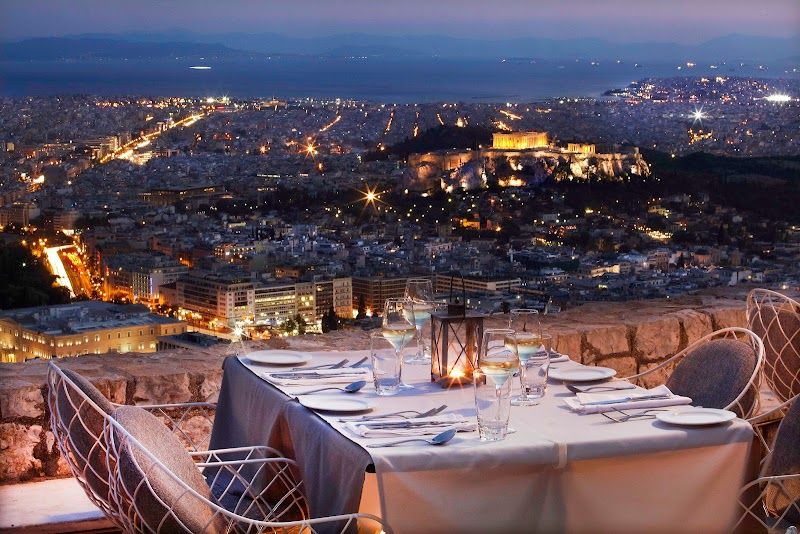
Upscale restaurant atop Lycabettus Hill with 360-degree views of Athens and the Saronic Gulf. The Mediterranean menu takes a backseat to the spectacular sunset panoramas from the terrace tables.
Athens by Bike
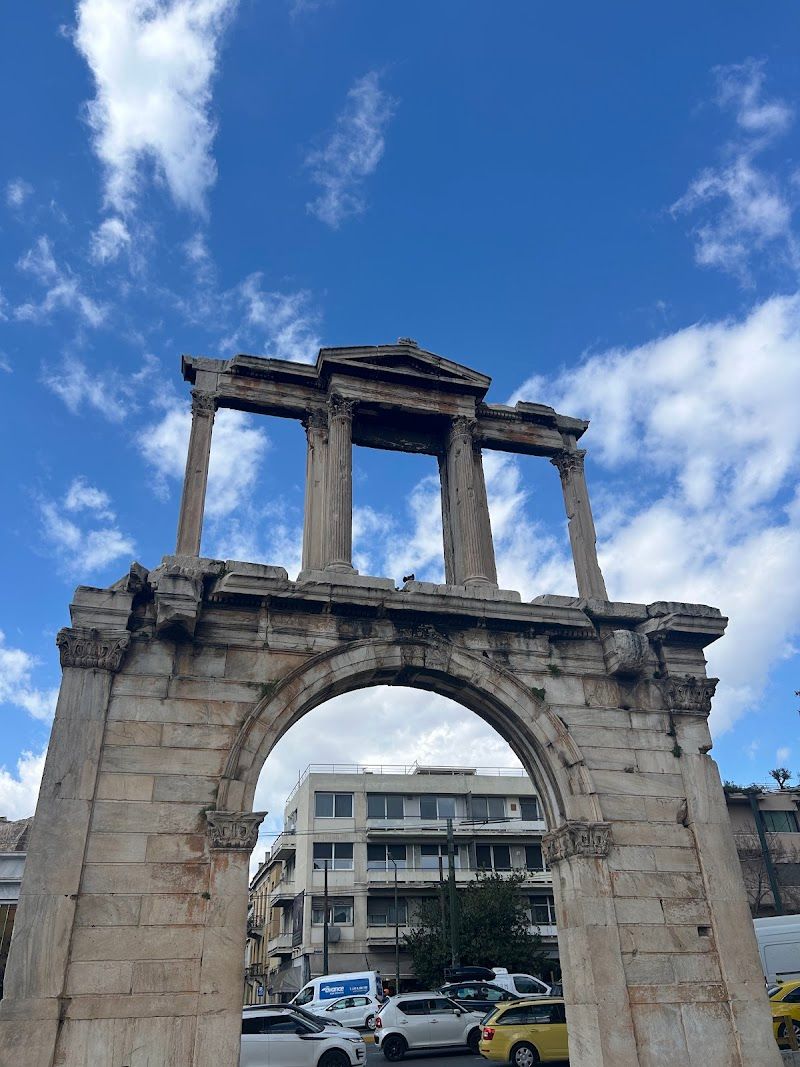
Athens by Bike covers serious ground in 3.5 hours, hitting the Panathenaic Stadium where the first modern Olympics happened, the sprawling National Gardens, and the colossal Temple of Olympian Zeus that took 700 years to finish. You'll cycle through Plaka's narrow streets, past the changing of the guard at Syntagma Square, and into neighborhoods like Psyrri that you'd never walk to from the Acropolis. The route smartly uses bike lanes and park paths to avoid Athens' chaotic traffic. Your guide stops every 15 minutes for photos and explanations, so it never feels rushed despite covering 12 kilometers. The bikes are comfortable hybrids with baskets, and you'll appreciate the helmets when navigating marble-slick streets near ancient sites. The best moments happen between major stops: cruising through the shaded National Gardens feels like escaping the city entirely, while the ride along Dionysiou Areopagitou gives you perfect Acropolis views without the crowds. At 45 EUR it's solid value for covering this much ground, though morning tours fill up fast in summer. Skip this if you're confident cycling in traffic or only care about ancient sites, since walking tours cover those better. The route works year-round, but avoid July afternoons when the sun reflects brutally off marble and concrete.
Ta Vlachika
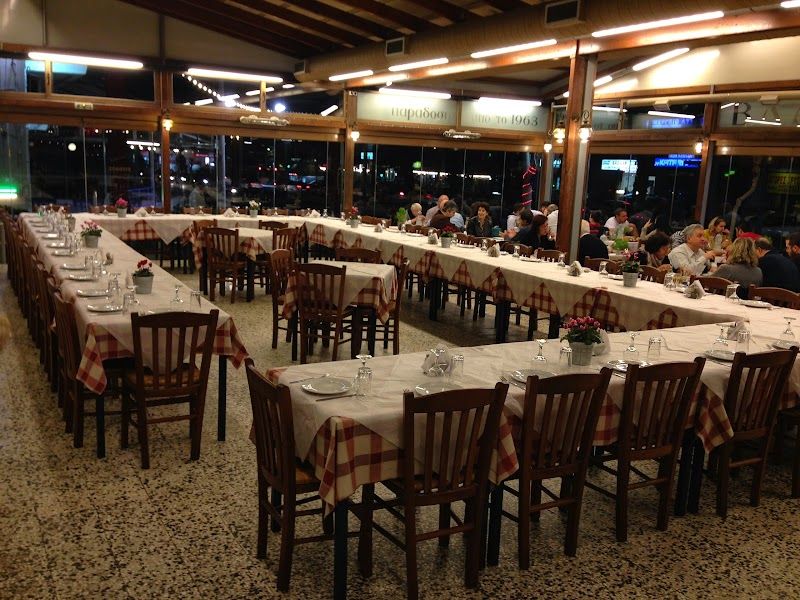
Traditional taverna in Exarchia specializing in mountain cuisine from Metsovo, featuring game meats, wild greens, and aged cheeses. The rustic interior evokes a village taverna with wooden furnishings and stone walls.
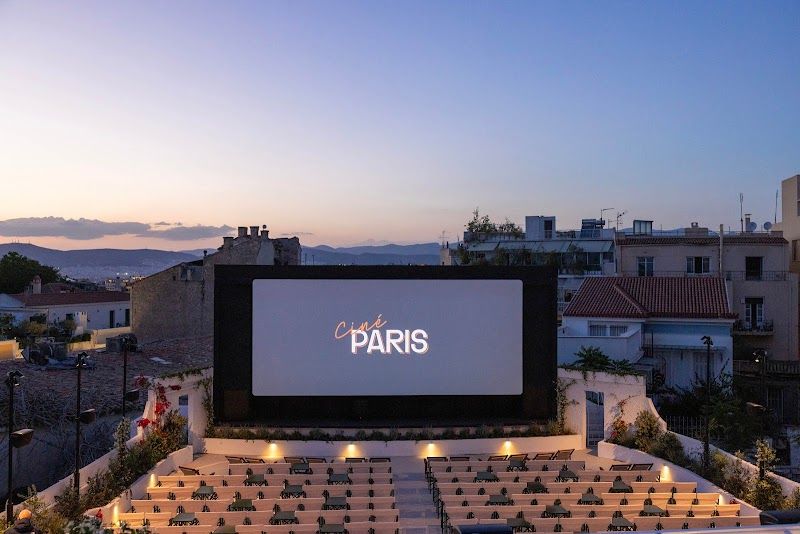
Cine Paris
Open-air cinema on a Plaka rooftop terrace operating since 1920, showing films in their original language with Greek subtitles. The screen is positioned so you can see the illuminated Acropolis rising behind it during the opening credits. Movies start at 9 PM in summer with a second screening at 11 PM.
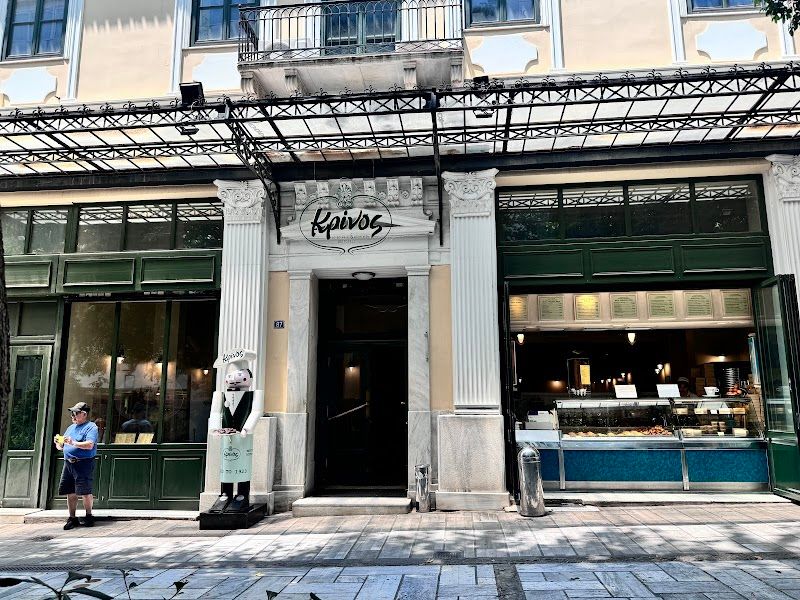
Krinos
Historic sweet shop in Monastiraki operating since 1923, famous for koulouri (sesame bread rings, EUR 0.70), loukoumades, and bougatsa served at a marble counter. Locals stop by on their way to work for a quick breakfast standing at the bar. The recipes and serving style haven't changed in decades, making it a time capsule of old Athens.
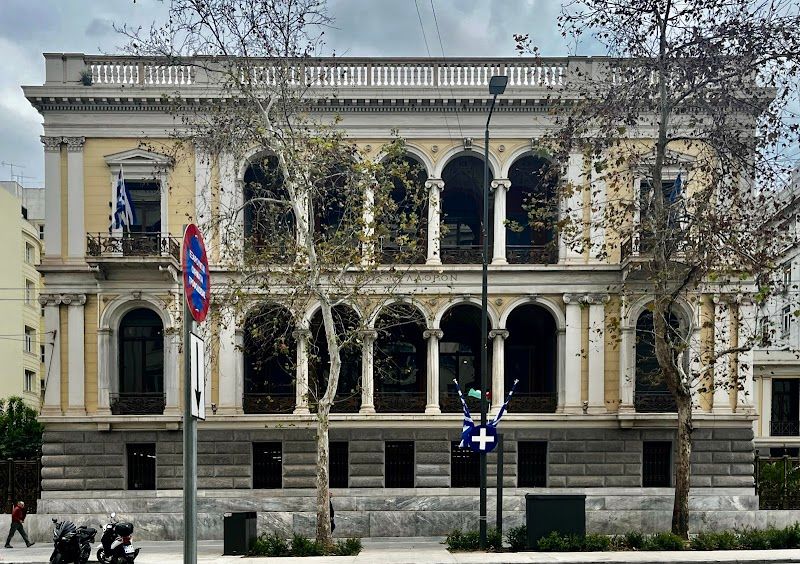
Numismatic Museum
The Numismatic Museum houses one of the world's largest and most comprehensive coin collections inside Heinrich Schliemann's former mansion, the Iliou Melathron. You'll see 600,000 coins spanning from 1400 BC to today, including ancient Greek pieces that depict Alexander the Great and Byzantine emperors. The mansion itself is worth admiring: Pompeian style frescoes cover the ceilings, intricate mosaics cover the floors, and every room reflects Schliemann's obsession with Troy and classical antiquity. You start in the ground floor galleries where ancient Greek coins are displayed chronologically, then move upstairs through Roman, Byzantine, and modern European sections. The mansion's rooms feel like walking through a wealthy 19th century archaeologist's private study, complete with original furniture and decorative elements. The coin displays are engaging, with detailed explanations of how ancient economies worked and what different symbols meant on various currencies. Most guidebooks suggest visiting this attraction as a must-see in Athens, but it's really for serious history buffs and architecture enthusiasts. The mansion is worth seeing regardless of your interest in coins, making it worth the entry cost of around 4 EUR, which alone gets you a unique insight into the building's historic architecture.
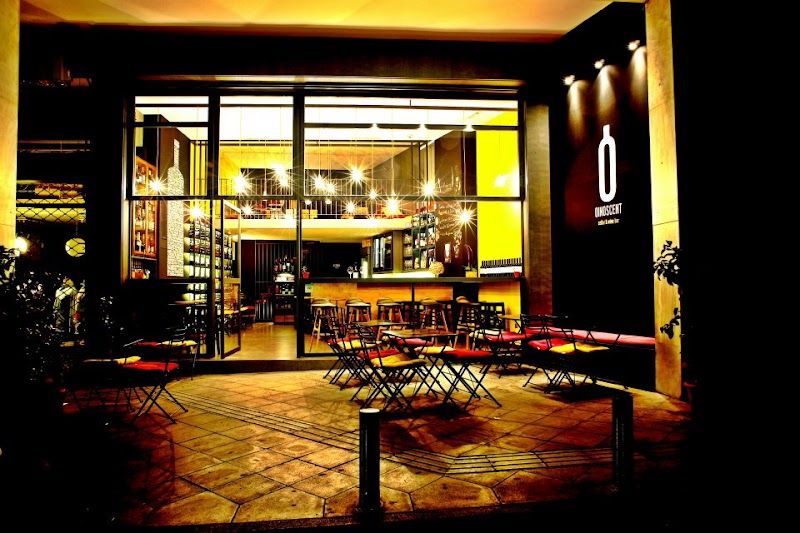
Oinoscent
Modern wine bar in Pangrati specializing in small-production Greek wineries with over 200 labels. The sommelier-owner provides guided tastings and pairs wines with creative mezze plates featuring regional products. The space has floor-to-ceiling windows and gets lively after 9:30 PM.
Athens Cooking Day Tours
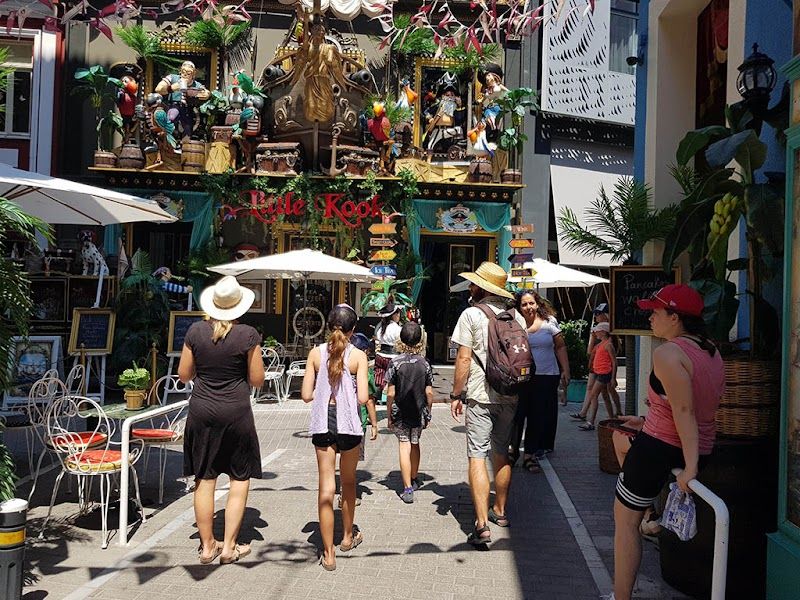
This isn't your typical tourist cooking class where you follow along robotically. Maria's kitchen in Exarchia puts you to work properly: you'll roll phyllo paper-thin for spanakopita, layer aubergine for moussaka that actually tastes like your Greek grandmother made it, and whisk tzatziki from scratch using cucumbers you picked at the morning market. The four-hour experience starts at Varvakios Central Market where Maria teaches you to spot the ripest tomatoes and freshest herbs before heading to her apartment kitchen. The magic happens in Maria's compact kitchen where six students max work alongside her preparing a proper Greek feast. You'll burn your fingers on hot oil, get flour everywhere, and learn why Greek home cooking takes patience. The apartment feels lived-in and real, not sterile like hotel cooking studios. After three hours of prep, you'll sit around Maria's dining table with local wine, eating food that tastes exponentially better because you made it yourself. Most cooking classes in Athens are overpriced tourist traps charging 80-120 EUR for basic instruction. This runs 65 EUR and delivers authentic technique plus generous wine pours. Skip the Plaka options entirely, they're formulaic. The only downside: Maria's strict about her phyllo method and won't let you take shortcuts, which some impatient visitors find frustrating. Book directly through her website to avoid markup fees.
Nice n Easy
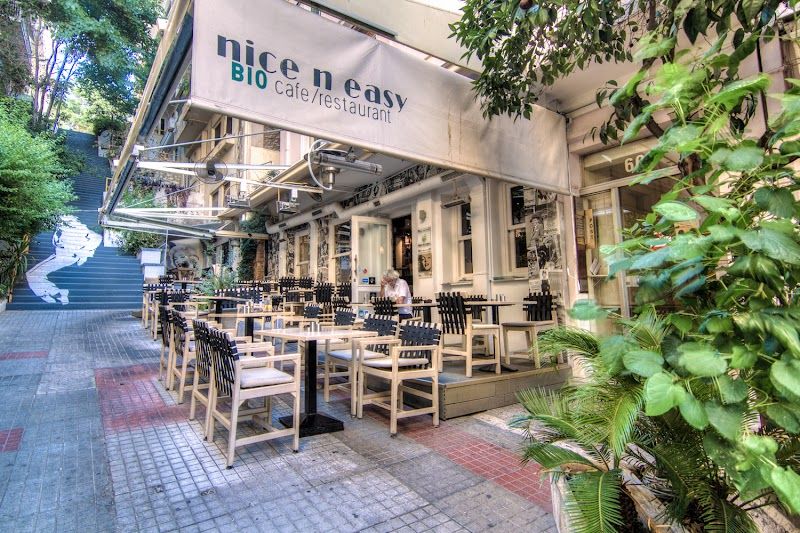
Upscale organic restaurant focusing on farm-to-table Mediterranean cuisine with a modern twist. The menu changes seasonally and features organic ingredients sourced from local producers. Popular with health-conscious Kolonaki residents for its fresh salads, grilled fish, and natural wines.
BeerTime
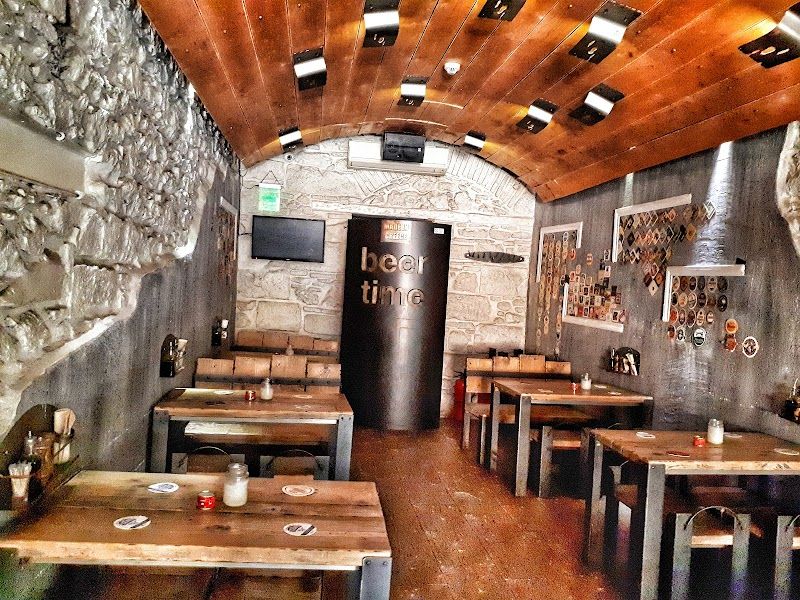
Craft beer haven offering an impressive selection of Greek microbrewery beers and international imports on tap and in bottles. The casual, pub-style atmosphere makes it a favorite gathering spot for beer enthusiasts and locals. Knowledgeable staff can guide you through the extensive beer menu and recommend food pairings.
Strefi Hill
Strefi Hill is Exarchia's scrappy neighborhood park where locals come to escape without leaving the city. You'll find graffiti-covered rocks, a concrete basketball court that's seen better days, and scraggly pine trees that somehow survive Athens' heat. The real draw is the sunset view over the entire Attica basin, with the Acropolis, Lycabettus Hill, and the sprawl of Athens spreading out below. It's completely uncommercialized: no cafes, no toilets, no manicured paths. Climbing up feels like entering a different Athens altogether. Young Greeks gather on the rocky outcrops with cheap beers from the neighborhood minimarkets, while kids shoot hoops on the cracked court below. The atmosphere is relaxed and genuinely local, with university students, artists, and longtime Exarchia residents treating this as their unofficial backyard. As the sun drops behind Lycabettus, the city lights start twinkling and conversations get quieter. Most travel guides ignore this place entirely, which keeps it authentic but means you won't find it on tourist maps. The climb is steeper than it looks, and there's absolutely nothing to buy once you're up there, so bring water. Skip it if you want Instagram-perfect scenery: this is raw Athens, complete with litter and anarchist graffiti. The basketball court gets busy after school hours if you prefer solitude.
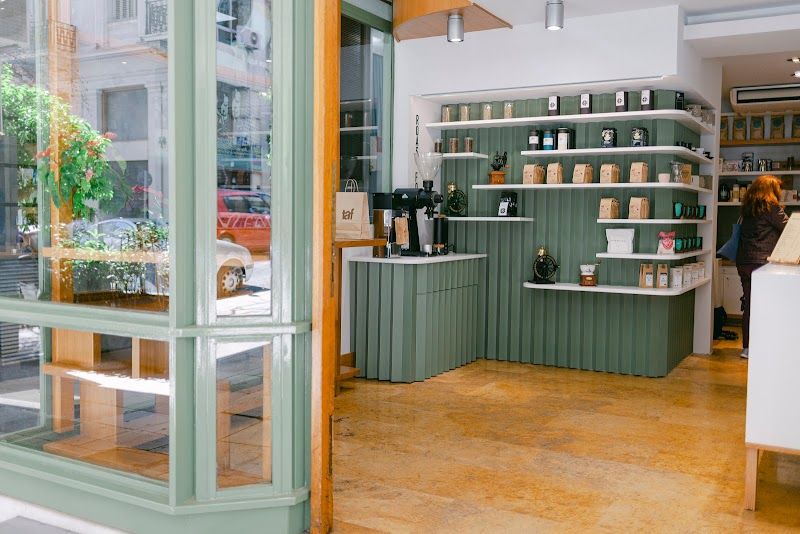
Taf Coffee
Pioneering specialty coffee roastery in a Monastiraki arcade with exposed brick walls and a La Marzocco espresso machine as centerpiece. They roast their own beans on-site and serve single-origin espressos, filters, and expertly made freddo drinks (EUR 3-4.50). The baristas are Athens' most knowledgeable about coffee processing and brewing science.
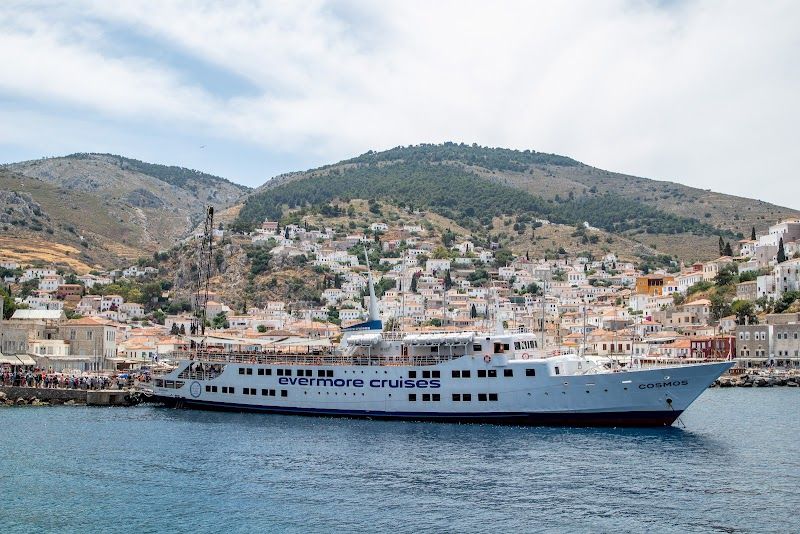
Aegina Island Day Cruise
This full-day cruise takes you to Aegina, Greece's pistachio capital, just 40 minutes by ferry from Piraeus port. You'll visit the remarkably preserved Temple of Aphaia, one of Greece's best Doric temples with sweeping views over the Saronic Gulf, plus have time to explore Aegina Town's neoclassical harbor lined with horse-drawn carriages and waterfront cafes. The tour includes swimming stops at secluded bays where the water stays crystal clear even in summer. The day starts early at Piraeus marina where you'll board a traditional Greek boat with around 30-40 other travelers. The ride over feels like a mini-adventure as Athens fades behind you and pine-covered islands emerge ahead. At the Temple of Aphaia, you get about an hour to climb around the ancient columns (bring good shoes, the marble is slippery), then it's back to town for lunch and shopping. The swimming stop usually happens at a small cove near Perdika village where you can jump straight off the boat. Most day cruises charge 45-55 EUR but honestly, you can do this cheaper and better independently. Take the regular ferry for 8 EUR each way, rent a scooter for 15 EUR, and you'll have more time plus freedom to skip the crowded group lunch spots. The organized tours rush you through the temple in exactly 60 minutes, barely enough time to appreciate it properly.
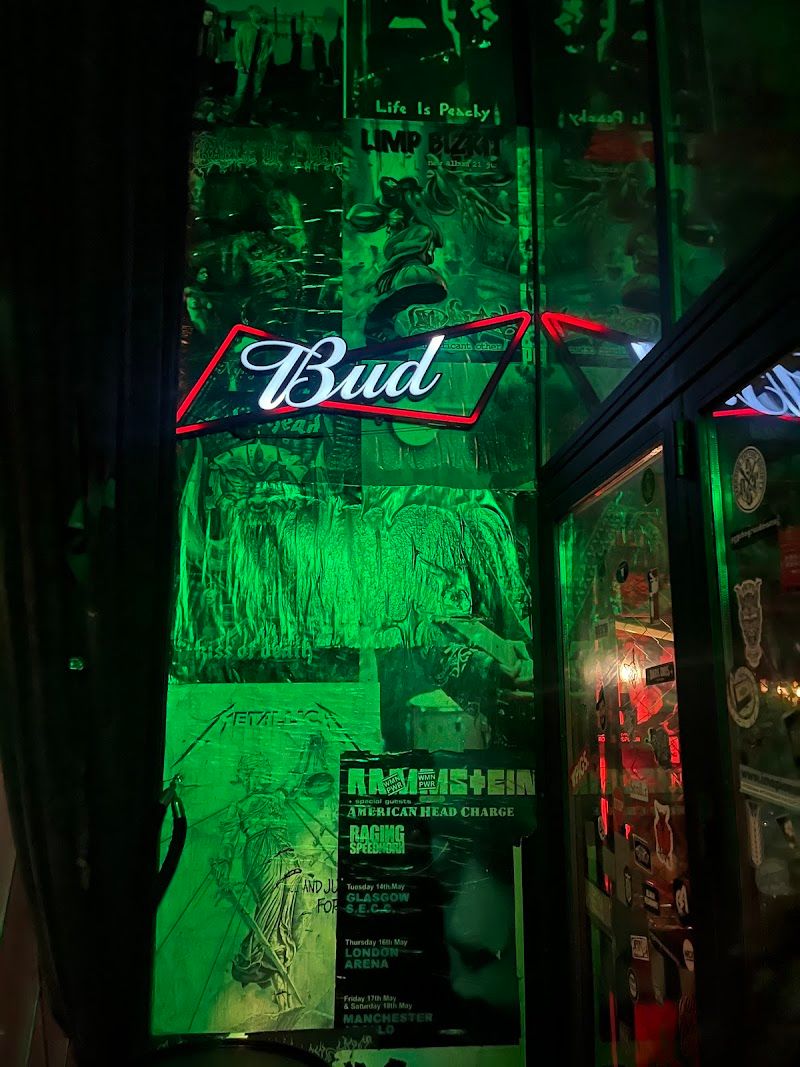
Intrepid Fox
Rock and alternative music bar in Gazi with craft beers, vinyl on the turntables, and a crowd of music enthusiasts. The interior is decorated with band posters and vintage guitars on the walls. Live rock and punk shows happen on weekends in the back room starting around midnight.
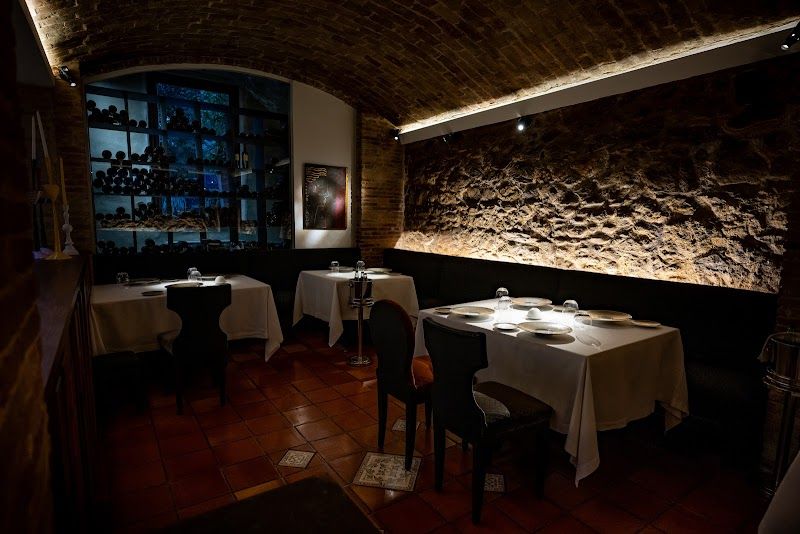
Spondi
Two-Michelin-star fine dining restaurant in Pangrati with a neoclassical mansion setting and enchanting courtyard garden. Chef Arnaud Bignon creates contemporary French-Mediterranean cuisine using premium Greek ingredients.
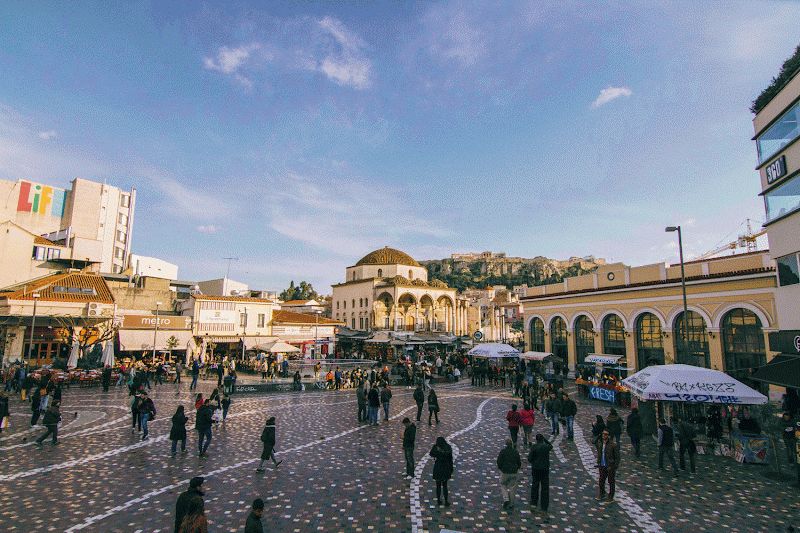
Alternative Athens
Alternative Athens takes you through the graffiti-covered streets of Psyrri, Exarchia, and Metaxourgeio with local guides who actually know the artists behind the work. You'll see politically charged murals commenting on Greece's economic crisis, stencils by internationally recognized street artists, and massive pieces covering entire building facades. The tours include stops at active gallery spaces in converted warehouses and introductions to artists working on new pieces. The experience feels like getting access to Athens' underground art world rather than following tourist routes. Your guide stops frequently to explain the social context behind specific murals, pointing out layers of work where new pieces cover old ones. You'll walk through narrow alleys in Exarchia where anarchist slogans mix with intricate artwork, then move to Metaxourgeio's industrial spaces where massive murals cover factory walls. The atmosphere shifts from neighborhood to neighborhood, each with distinct artistic styles and political messages. Most street art tours in Athens are overpriced tourist traps, but Alternative Athens keeps groups small and guides genuinely connected to the scene. Skip the weekend tours when groups get larger and guides rush through explanations. The afternoon timing works perfectly since many pieces look best in natural light, and you'll often catch artists working on new projects. Tours cost around 25 EUR per person, reasonable considering you get three hours and real insider access to spaces most visitors never see.
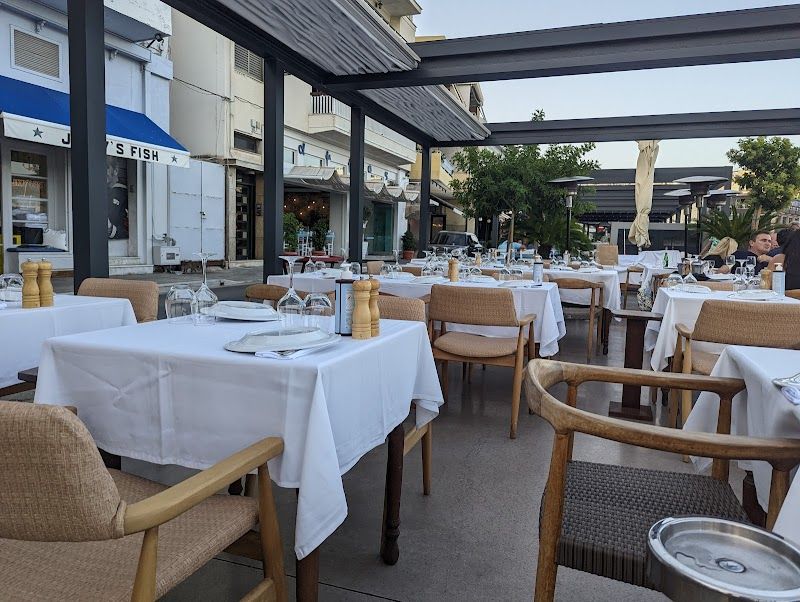
Jimmy & The Fish
Choose your fish from the display case and specify grilled or oven-baked with oil and lemon. Confirm the total price before ordering, fish can be expensive.
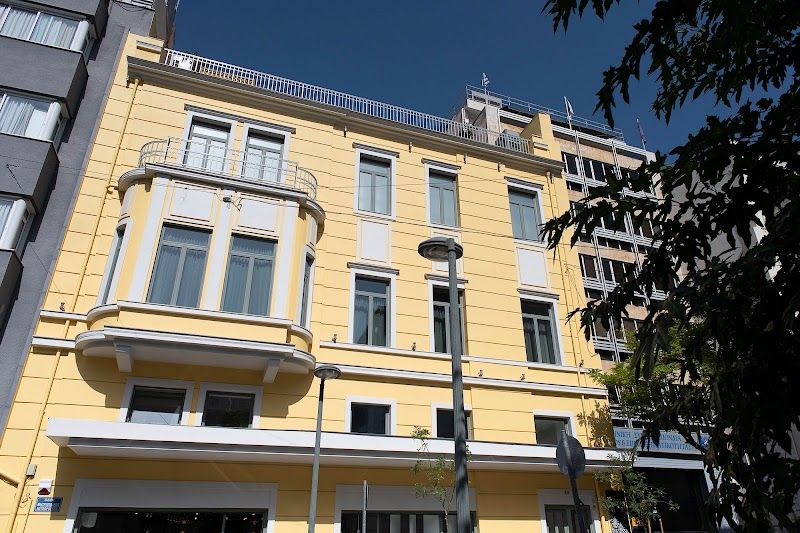
Athenaeum Maria Callas
The Athenaeum Maria Callas occupies an 19th century neoclassical mansion in the heart of Plaka, featuring experimental contemporary art that challenges you. You'll find three floors of rotating exhibitions with emerging Greek artists and international names, installations often interacting with the building's original architectural features. The foundation takes risks with conceptual pieces and multimedia works that bigger Athens galleries don't touch, making each visit genuinely unpredictable. Walking through is like exploring a wealthy collector's private home where art has taken over every room. The original marble staircases and painted ceilings create striking contrasts with video installations and sculptural pieces. Staff know the artists personally and love discussing the work, which transforms browsing into actual conversations about contemporary Greek culture. The building's acoustics make any live performances feel intimate, even with 50 people in the main hall. Most travel guides lump this with other small galleries, but it operates at a completely different level of curation and ambition. Skip the gift shop, which sells overpriced postcards, and focus on the second floor where they rotate exhibitions every six weeks. Entry is free, but they appreciate donations of 3 to 5 EUR. The website rarely updates, so it's best to call ahead if you're planning around a specific exhibition.
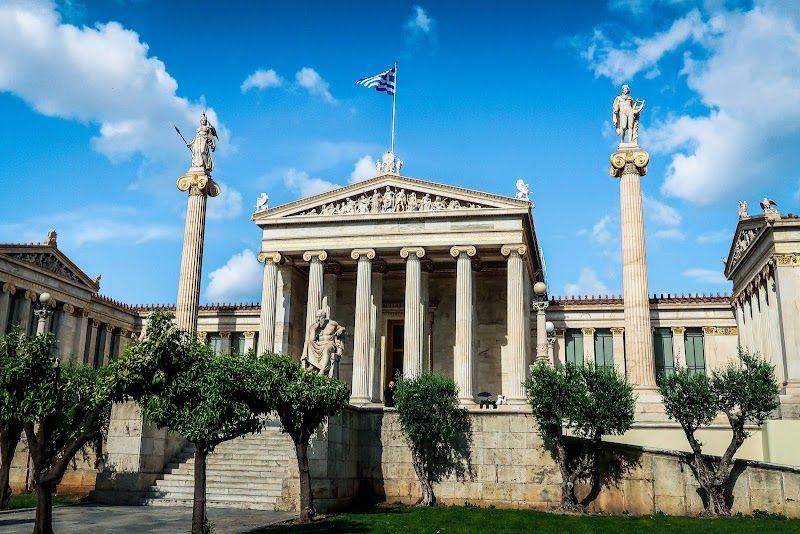
Academy of Athens
The Academy of Athens is the crown jewel of Panepistimiou Avenue's architectural trilogy, a neoclassical masterpiece that will stop you in your tracks. Danish architect Theophil Hansen designed this building in the 1880s with towering Ionic columns, marble statues of Athena and Apollo perched on 30-foot columns, and seated bronze figures of Plato and Socrates flanking the main entrance. You cannot go inside (it is still a working academy for arts and sciences), but the exterior is the main attraction. Standing in front of this building feels like stepping into ancient Athens reimagined through 19th-century European eyes. The morning light hits the eastern facade perfectly, making the cream-colored Pentelic marble glow against the blue Athens sky. Tour groups cluster around the base of the columns for photos, but the building is so grand it never feels crowded. The detail work is exceptional: every frieze, every sculptural element was crafted by the period's best artists. Most people snap a quick photo and move on, which is a mistake. Spend 15 minutes walking around the entire building to appreciate Hansen's design from different angles. The side views reveal architectural details you might miss from the front, and the western facade photographs beautifully in late afternoon light. Do not try to peek inside, the security guards are polite but firm about keeping tourists out.
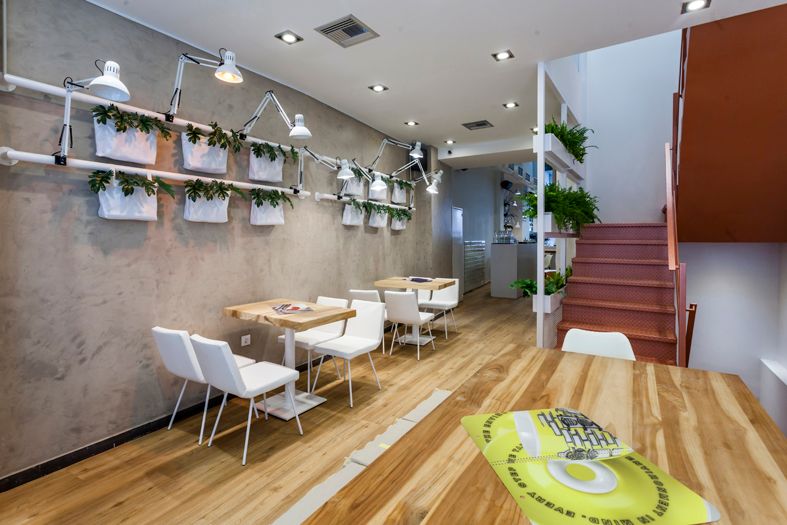
Telaro Restaurant
Order the lamb kleftiko if available, it's slow-cooked in parchment paper for four hours. The wine list features small Greek producers.
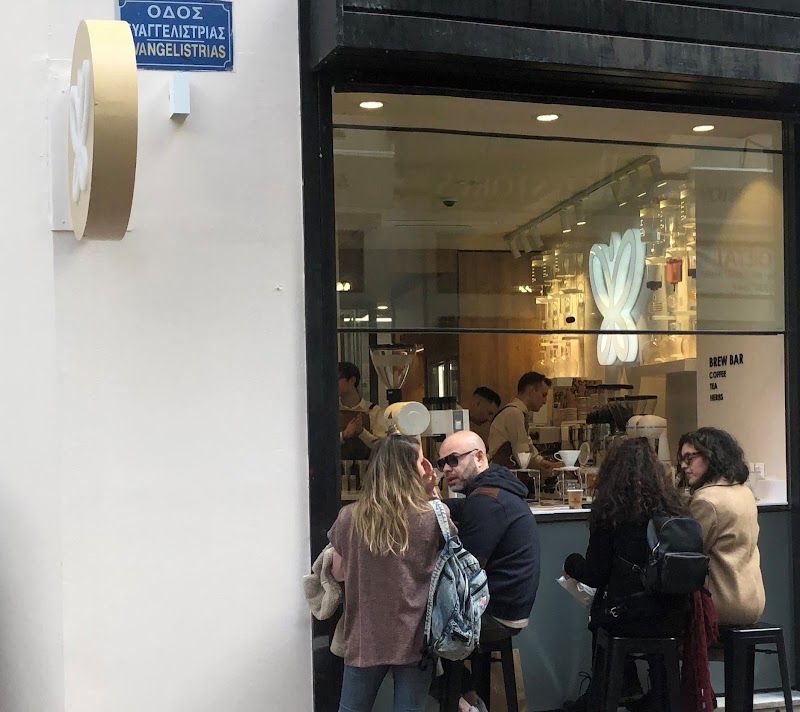
Tailor Made
Third-wave coffee shop in Koukaki with Scandinavian-minimal design and meticulous brew methods including V60, AeroPress, and cold drips. The owners source single-origin beans from rotating roasters and train baristas competition-style. Their freddo cappuccino (EUR 3.50) uses specialty-grade espresso instead of the typical commercial blends.
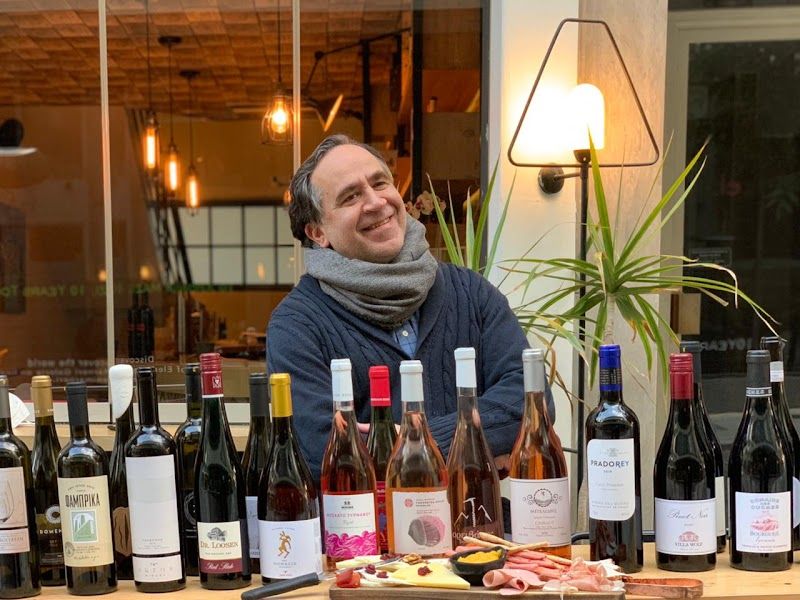
Wine O'Clock Athens
Wine O'Clock Athens runs proper Greek wine tastings in a restored neoclassical house near the Acropolis, focusing entirely on indigenous Greek varietals you won't find anywhere else. You'll taste six wines including Assyrtiko from Santorini's volcanic soils, earthy Xinomavro from Macedonia, and smooth Agiorgitiko from the Peloponnese, paired with carefully chosen mezze like aged graviera and Kalamata olives. The sommelier actually knows these wine regions personally and explains how Greece's microclimates create flavors completely different from French or Italian wines. The tasting happens in their ground floor salon with original frescoed ceilings, then moves to a small courtyard garden for the final two wines. Groups stay small (maximum 12 people), and the sommelier encourages questions about everything from ancient winemaking techniques to modern organic producers. You'll sit at a communal table that encourages conversation, and the pace feels relaxed rather than rushed. The mezze portions are generous enough that you won't leave hungry. Most wine bars in Athens serve international wines with a few Greek bottles thrown in, but this place goes deep on local producers you'd never discover otherwise. Skip the expensive wine shops in Plaka and buy bottles here instead, prices run about 30% less than retail. The €45 tasting fee includes everything and represents genuine value compared to similar experiences in other European capitals that charge €70 plus.
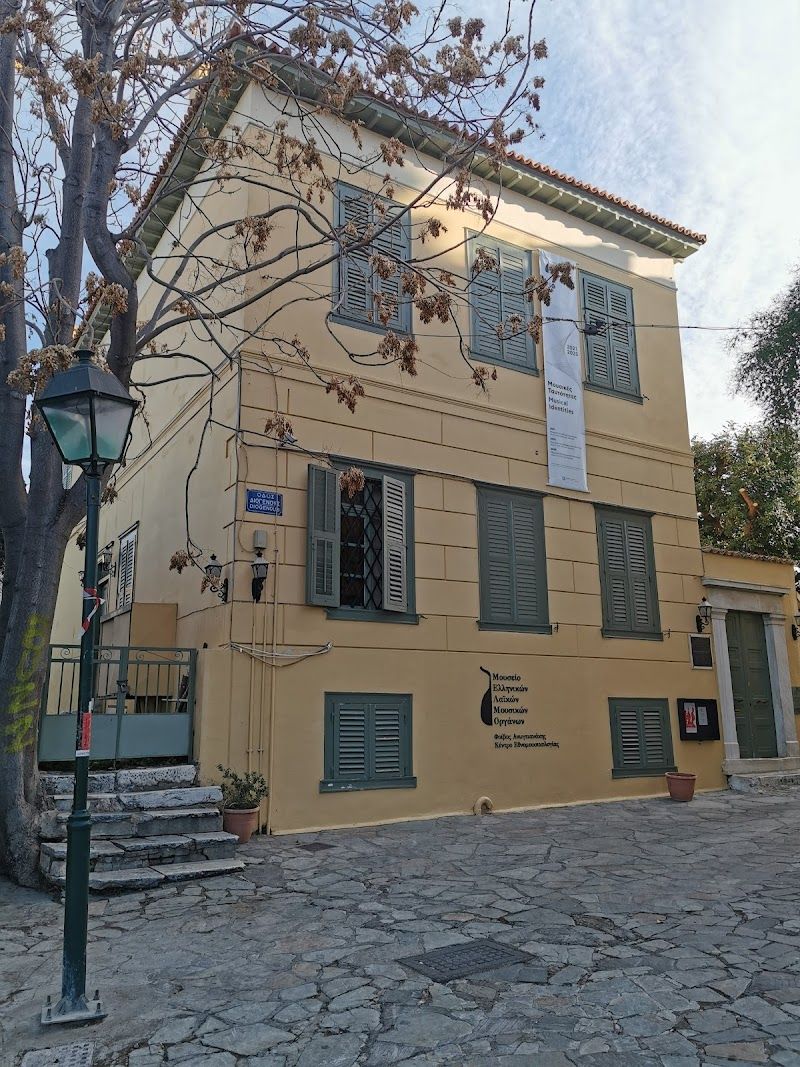
Museum of Greek Folk Musical Instruments
This specialized museum houses 1,200 traditional Greek musical instruments collected by musicologist Fivos Anoyanakis, spanning from the 18th century to today. You'll see everything from Cretan lyres and island bagpipes to shepherd's flutes and Byzantine bells, each with individual audio stations so you can hear exactly how they sound. The collection occupies a restored 1842 neoclassical mansion in Plaka's quieter streets, with instruments displayed in intimate rooms around peaceful courtyards. The experience feels like browsing through someone's private collection rather than a formal museum. You move at your own pace through small rooms, picking up headphones to listen to haunting melodies from santouri dulcimers or rhythmic beats from traditional drums. The audio quality is excellent, and hearing these ancient sounds in the mansion's original rooms creates an almost meditative atmosphere. Most visitors spend about an hour, though music lovers can easily linger longer. Admission is completely free, which most Athens guides don't emphasize enough. The museum gets overlooked because it's not flashy, but it's genuinely one of the city's most unique cultural experiences. Skip it if you're rushing through Plaka's tourist sites, but prioritize it if you want something authentically Greek that doesn't cost anything. The Wednesday evening summer concerts in the courtyard are spectacular but fill up quickly.
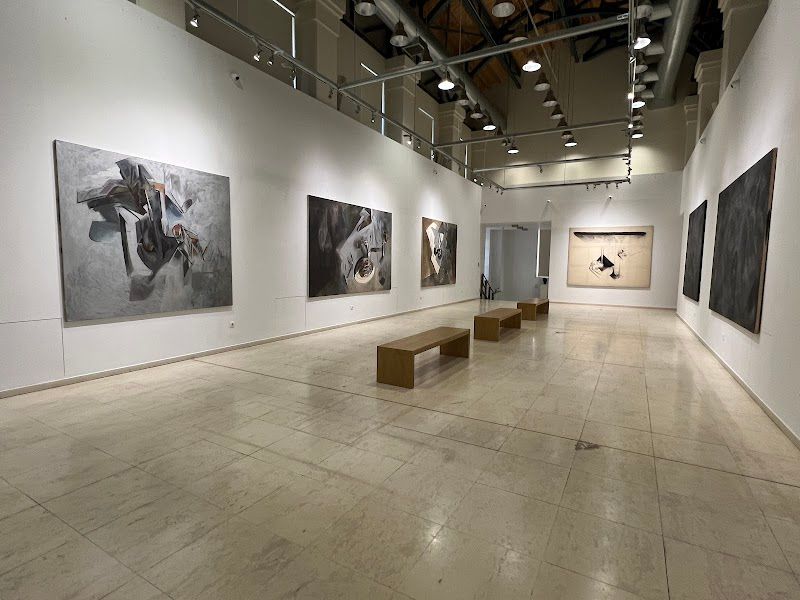
Athens Municipal Art Gallery
This museum showcases 19th and 20th-century Greek art in a restored neoclassical building in the Metaxourgeio area of Athens. The permanent collection features works by major Greek painters such as Parthenis and Maleas. This collection provides a glimpse into how Greek artists adapted and interpreted European modernism. The museum's small size and limited crowds create an atmosphere reminiscent of a private collection.
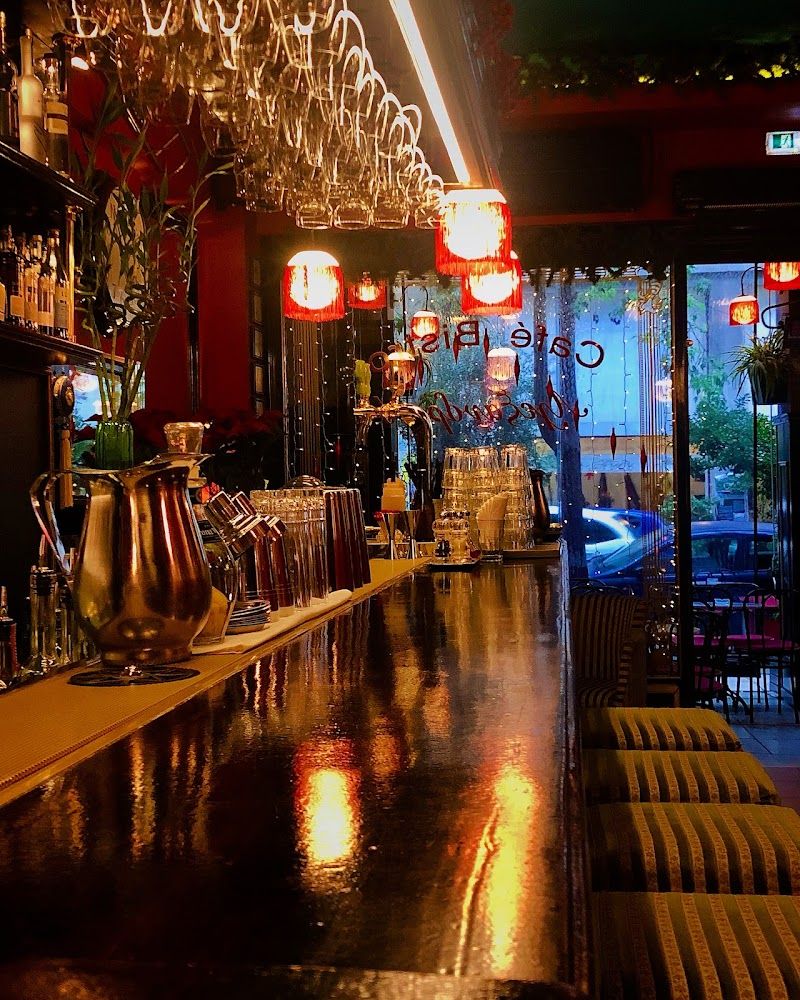
Alexandrino
Grab one of the outdoor tables in the evening to experience the neighborhood's street life and watch locals playing backgammon.
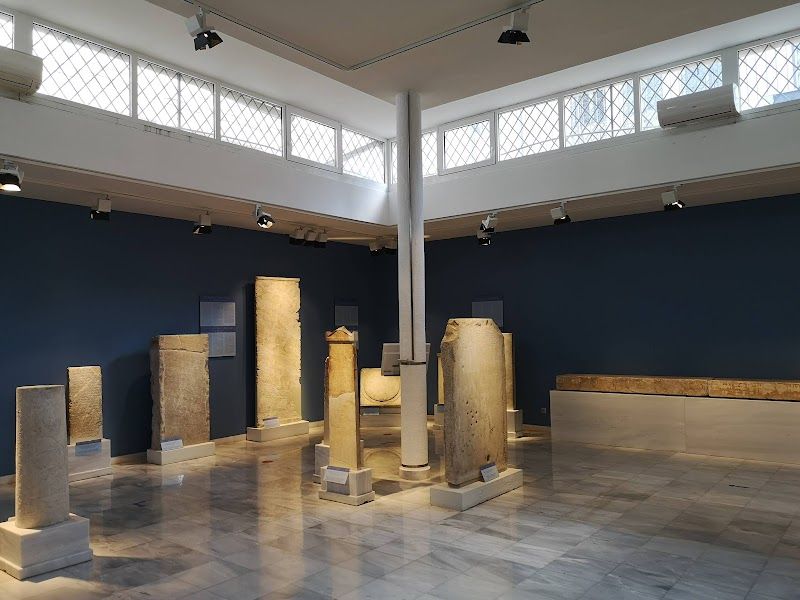
Epigraphic Museum
The Epigraphic Museum houses the world's largest collection of ancient Greek inscriptions, over 14,000 stone tablets and marble slabs carved with everything from democratic laws to shopping lists. You're literally reading the original words of Pericles, Athenian court verdicts, and treaty negotiations that shaped Western civilization. These aren't reproductions or translations: they're the actual stones that ancient Greeks carved 2,500 years ago, making this the most direct connection to antiquity you'll find in Athens. The experience feels like browsing through history's filing cabinet. Most inscriptions are displayed chronologically in glass cases with Greek text, English translations, and historical context. The courtyard holds massive stones too heavy for indoor display, including boundary markers and public announcements that once stood in the ancient Agora. You'll find yourself squinting at weathered letters, trying to make out words while imagining the stonemason who carved them. Most people skip this completely, which is their loss if you have any interest in ancient history or linguistics. The museum is free with your Acropolis ticket but hardly anyone realizes it. Skip the basement level unless you're fascinated by Roman inscriptions. The real treasures are the 5th century BC Athenian democracy documents on the ground floor, especially the ostrakismos (exile voting) records that show actual citizen participation in ancient politics.
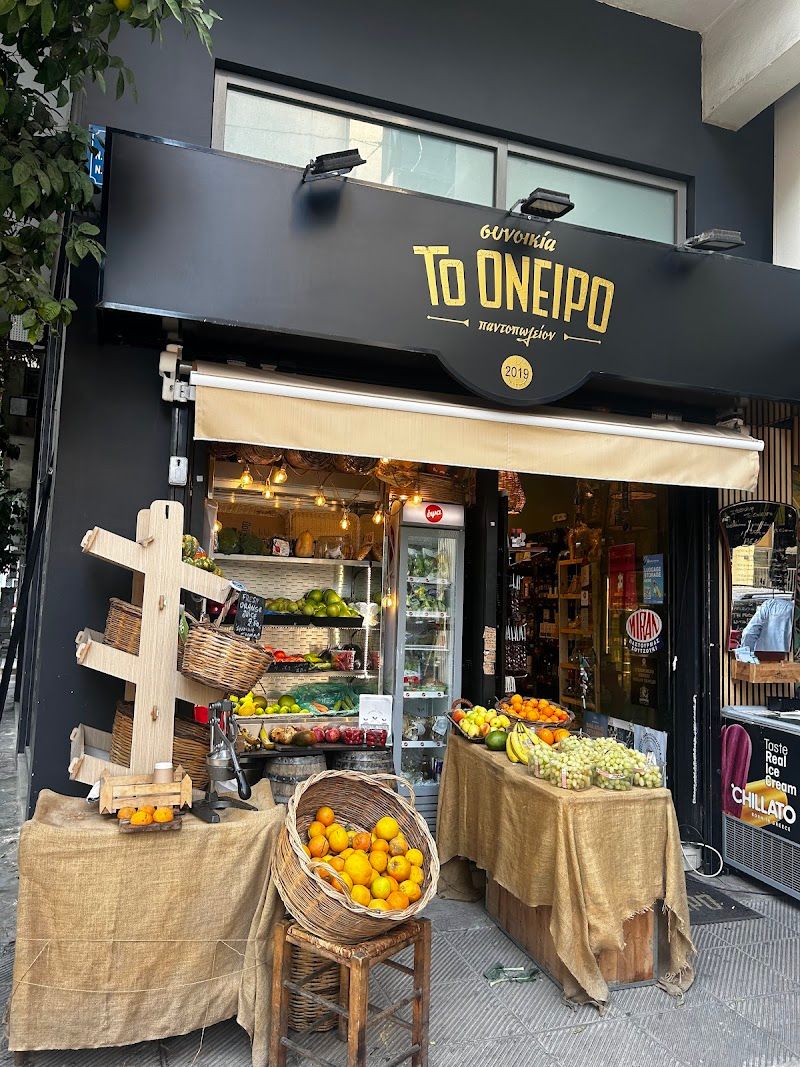
Pantopoleion
Pantopoleion stocks the kind of olive oil that makes you understand why Greeks are so passionate about the stuff. This isn't your average grocery store: owner Yannis sources directly from small family producers across Greece, creating what feels more like a curated olive oil library than a shop. You'll find over 30 varieties of extra virgin olive oil, from peppery Koroneiki from Laconia to buttery Manaki from Kalamata, plus mountain herbs, wild honey, and other artisanal products that most tourists never discover. The shop occupies a narrow storefront in Koukaki where bottles line wooden shelves from floor to ceiling, each labeled with detailed provenance information. Yannis or his staff will walk you through tastings, explaining how volcanic soil affects flavor or why harvest timing matters. The atmosphere feels intimate and educational rather than commercial: you're learning about terroir, not just buying condiments. The selection changes seasonally as new harvests arrive, making each visit slightly different. Most food shops in Athens cater to tourists with overpriced mediocrity, but Pantopoleion's prices are surprisingly fair for the quality: decent oils start around EUR 8, while exceptional single estate bottles top out at EUR 40. Skip the packaged herb mixes (you can find those anywhere) and focus on the oils and raw mountain honey. The staff genuinely wants to educate you, so don't rush: plan 30 minutes minimum if you want the full experience.
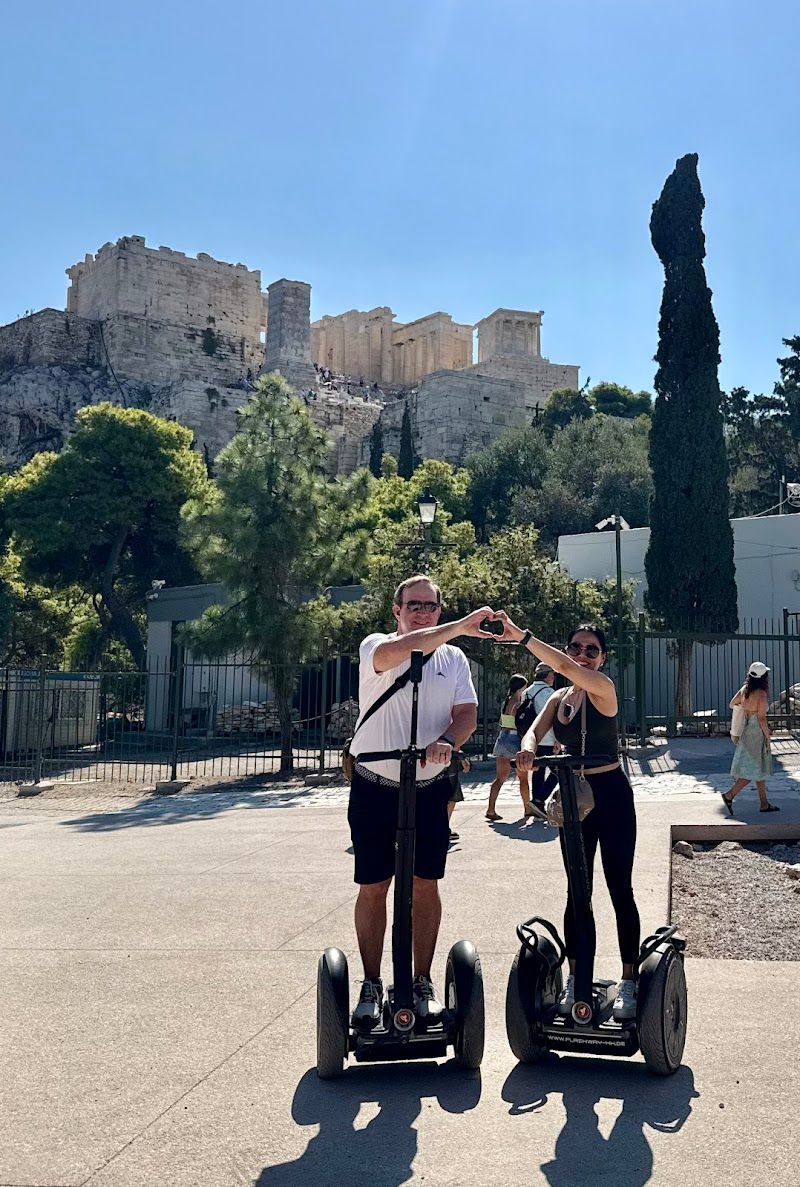
Athens Segway Tours
Athens Segway Tours gives you a surprisingly efficient way to cover serious ground in the historic center, gliding through the National Garden's shaded paths, past the marble Panathenaic Stadium where the first modern Olympics happened, and around the neoclassical Zappeion building. You'll cruise through pedestrian zones most walking tours skip, reaching viewpoints of the Ancient Agora that feel genuinely removed from the tourist crowds. The wireless headset system means you catch every historical detail without straining to hear over traffic. The experience flows smoothly after a thorough 15 minute training session that gets even nervous riders comfortable. You'll find yourself effortlessly gliding along tree lined paths in the National Garden, then emerging onto broader pedestrian areas with clear sightlines to ancient ruins. The Segway handles Athens' uneven marble surfaces better than you'd expect, and the small group size (usually 6-8 people) keeps things personal. Your guide pauses frequently at strategic spots where the modern city frames ancient monuments perfectly. Most Segway tours feel gimmicky, but Athens' layout actually suits this format since key sites cluster around walkable zones. The National Garden section justifies the whole experience, offering peaceful tree canopy riding you'd never get on foot tours. Skip this if you're confident covering the same ground walking, but it's genuinely useful for visitors with mobility concerns or limited time. Groups rarely exceed 8 people, making it feel less touristy than the big bus tours.
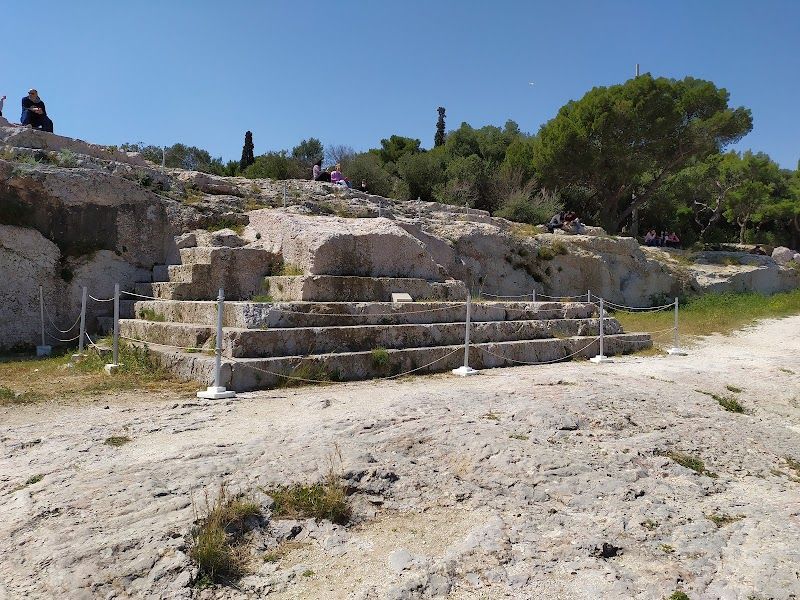
Pnyx
The Pnyx is where democracy was born, period. This semicircular amphitheater carved into the hillside hosted the Athenian assembly where up to 6,000 male citizens gathered to debate laws from the 5th century BC. You'll see the original bema (speaker's platform) cut directly from bedrock where Pericles and Demosthenes delivered speeches that shaped Western civilization. The stone seating terraces remain clearly visible, and the views across Athens toward the Acropolis are spectacular. Walking the site feels surprisingly intimate for such a historically significant place. You can climb onto the actual bema where ancient orators stood, and the acoustics still work perfectly when you speak from the platform. The amphitheater faces away from the Acropolis, which was intentional: citizens needed to focus on debates without distraction. On clear days you'll see all the way to the sea, the same horizon ancient Athenians gazed toward while deciding matters of war and peace. Most guidebooks oversell this as a major attraction, but honestly, there's not much to see beyond the stone platform and terraces. You'll cover everything in 20 minutes unless you're a serious history buff. The site has no entrance fee, no facilities, and minimal signage. Come early morning for the best light and fewer people, then combine it with nearby Philopappos Hill for a proper walk.
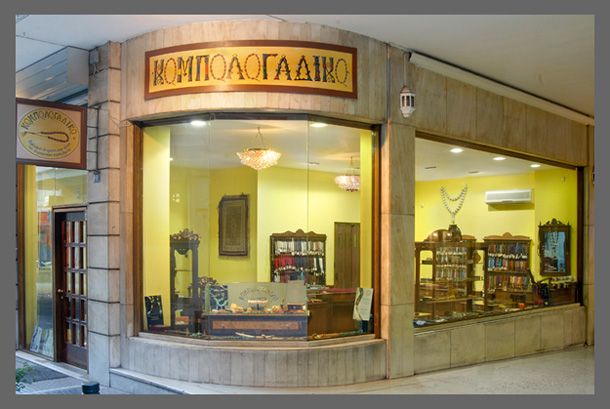
Kombologadiko
Kombologadiko is Athens' most specialized komboloi workshop, where a master craftsman creates and sells Greek worry beads in a tiny shop that feels more like an artist's studio. You'll find over 300 handmade sets displayed on every available surface, from simple olive wood pieces at EUR 15 to museum-quality amber komboloi reaching EUR 500. The owner speaks passionately about each set's materials and construction, often demonstrating traditional techniques right at his workbench. The moment you step inside, you're surrounded by the gentle clicking of beads and the scent of polished wood. The owner treats every visitor like a potential student, explaining how komboloi differ from prayer beads and demonstrating proper handling techniques. He'll let you feel the weight and texture of different materials: cool amber, smooth bone, warm olive wood, and various semiprecious stones. The space feels intimate and focused, with barely room for three customers at once. Most tourists rush through looking for quick souvenirs, but this place rewards patience. The real treasures are the vintage sets he keeps in a back cabinet, some over 100 years old, which he'll show to anyone genuinely interested. Skip the mass-produced sets sold elsewhere in Plaka for half the price, they're machine-made imports. Here, you're paying for authentic craftsmanship and the stories behind each piece.
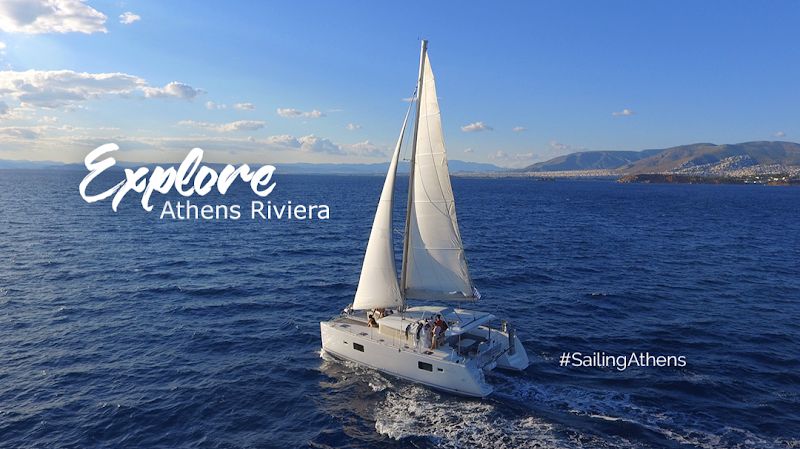
Sailing Greece
The Saronic Gulf sailing trips from Athens offer genuine Greek island hopping without the ferry hassle. You'll cruise past uninhabited islets, swim in crystal clear waters near Aegina, and watch the sunset frame the Temple of Poseidon at Cape Sounion. The wooden caiques feel authentically Greek while the catamarans give you more deck space and stability for families. Once you clear Piraeus port, the Athenian sprawl disappears behind you and suddenly you're in proper Greek island territory. The water shifts from murky harbor green to that postcard blue, and swimming stops happen at secluded coves where the only sounds are waves lapping against the hull. As evening approaches, everyone gathers on deck with wine and mezze platters while Sounion's clifftop temple creates a dramatic silhouette. Most operators charge 45 to 65 EUR for sunset cruises, but the cheaper ones pack 40 people onto boats meant for 25. Skip the budget options and go with smaller group operators who limit numbers to 20 passengers maximum. The morning departures get better swimming weather but you'll miss the sunset spectacle, which honestly makes the whole experience worthwhile.
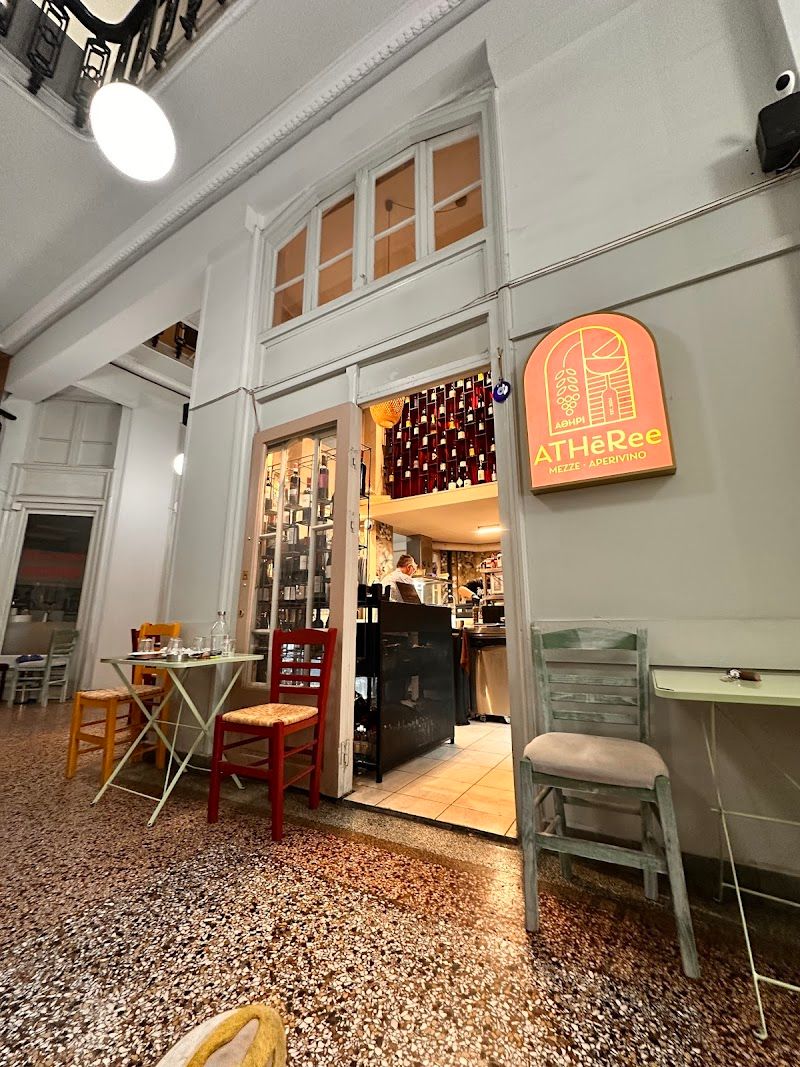
Athiri
Request a table on the terrace around sunset for Acropolis views while dining.
Zoumboulakis Galleries
Zoumboulakis occupies two distinct spaces in upscale Kolonaki, and you'll get a genuine feel for how contemporary Greek art has evolved since the 1960s. The main gallery at Kriezotou 6 focuses on established artists, while their second space nearby rotates emerging talent. You'll see everything from bold abstract paintings to intricate sculptures, with most pieces priced between 800 and 15,000 EUR. The curation is thoughtful: each exhibition tells a story rather than just filling wall space. Walking through feels intimate and unhurried, exactly what a serious gallery should be. The staff knows every piece and artist personally, and they're happy to explain the Greek art scene's evolution without being pushy about sales. The lighting is excellent, and the white walls let the artwork breathe. You'll often have entire rooms to yourself, especially mid morning when the space feels calm and contemplative. Most visitors rush through in 15 minutes, but that's missing the point entirely. The real value here is understanding how Greek artists responded to political upheaval and cultural change. Skip the prints unless you're buying, they're overpriced tourist fare. Focus on the paintings and sculptures in the main room, where you'll find the gallery's strongest pieces. Opening nights get packed and lose the intimate atmosphere that makes this place special.
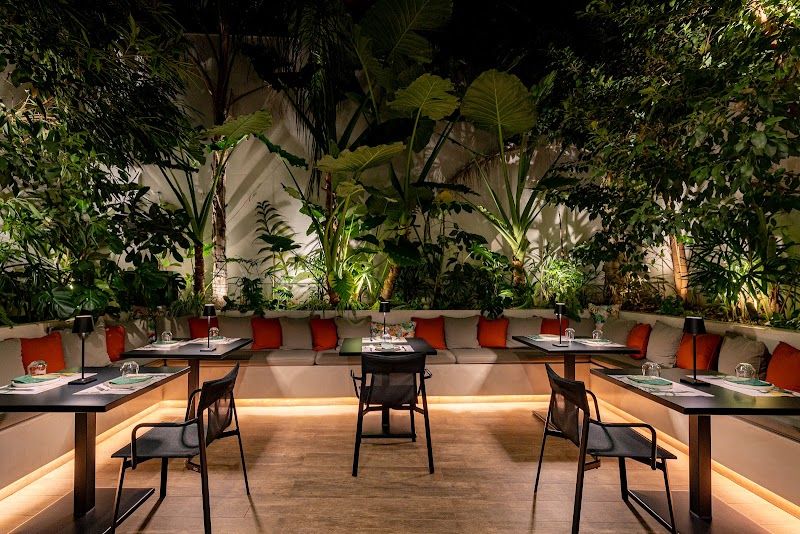
Ivis 4 Outdoor Restaurant
The restaurant is easy to miss, look for the small sign on Ivis Street and walk into the courtyard
Zolotas
Zolotas is Greece's most prestigious jewelry house, crafting museum-quality reproductions of ancient Greek and Byzantine pieces since 1895. You'll find intricate gold work inspired by Mycenaean death masks, Minoan snake goddesses, and Byzantine imperial crowns, all created using traditional techniques passed down through generations. The Kolonaki flagship displays pieces that Greek royalty and international collectors have worn for over a century, with simple earrings starting around EUR 300 and elaborate necklaces reaching several thousand. Walking into the showroom feels like entering a private museum where everything is for sale. Glass cases display delicate gold olive wreaths, chunky Mycenaean-style bracelets, and Byzantine-inspired crosses, each piece accompanied by information about its historical origins. The staff knows the provenance of every design and can explain how ancient goldsmithing techniques create the distinctive textures and patinas. The atmosphere is hushed and reverent, befitting jewelry that museums would gladly acquire. Most jewelry stores in Plaka sell tourist trinkets, but Zolotas delivers authentic craftsmanship at prices that reflect the work involved. Skip the simpler pieces you can find elsewhere and focus on the complex archaeological reproductions that showcase their expertise. The historical catalog showing original sketches from commissions for Greek nobility is fascinating, but you need to specifically request it. Be prepared for serious prices: anything truly special starts at EUR 1,000.
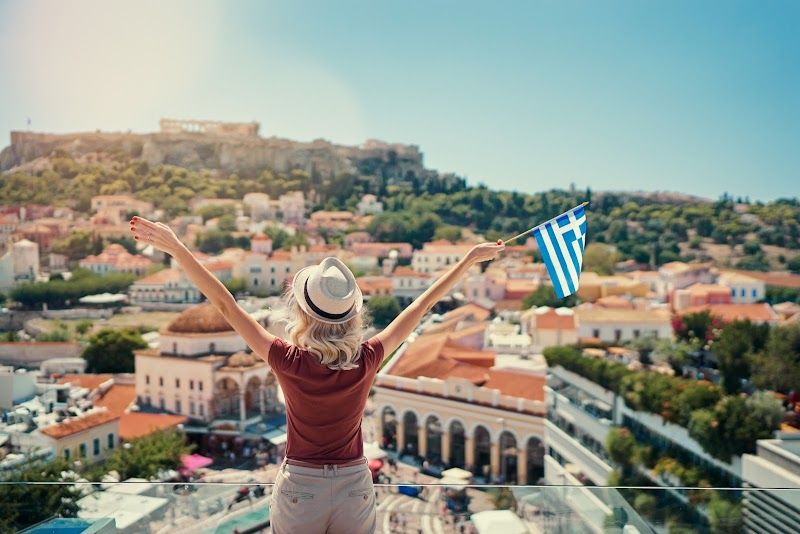
Athens Adventures
Athens Adventures connects you with local guides who actually live in neighborhoods like Exarchia, not tour company employees reading scripts. Your guide tailors the four-hour experience to what you're genuinely curious about: Byzantine churches most tourists walk past, street art explaining Greece's economic crisis, or family-run tavernas serving dishes you won't find in guidebooks. They'll adjust transportation on the fly, switching from luxury van to metro to walking based on what makes sense for each stop. The experience feels like exploring with a well-connected friend who happens to know the city's secrets. In Exarchia, you might decode political graffiti while sipping coffee at anarchist collectives, then shift to tracing ancient walls that predate the Acropolis. Your guide reads your energy level and interests, pivoting from heavy history to contemporary culture when you need a mental break. The pace stays conversational, not rushed. Most customizable tour companies give you generic flexibility with inexperienced guides. Athens Adventures costs more (expect 80-120 EUR per person depending on group size) but delivers guides who actually specialize in your interests rather than generalists. Skip their archaeology-focused tours if you're already doing the Acropolis separately. Book the contemporary culture angle instead, which reveals a side of Athens most visitors completely miss.
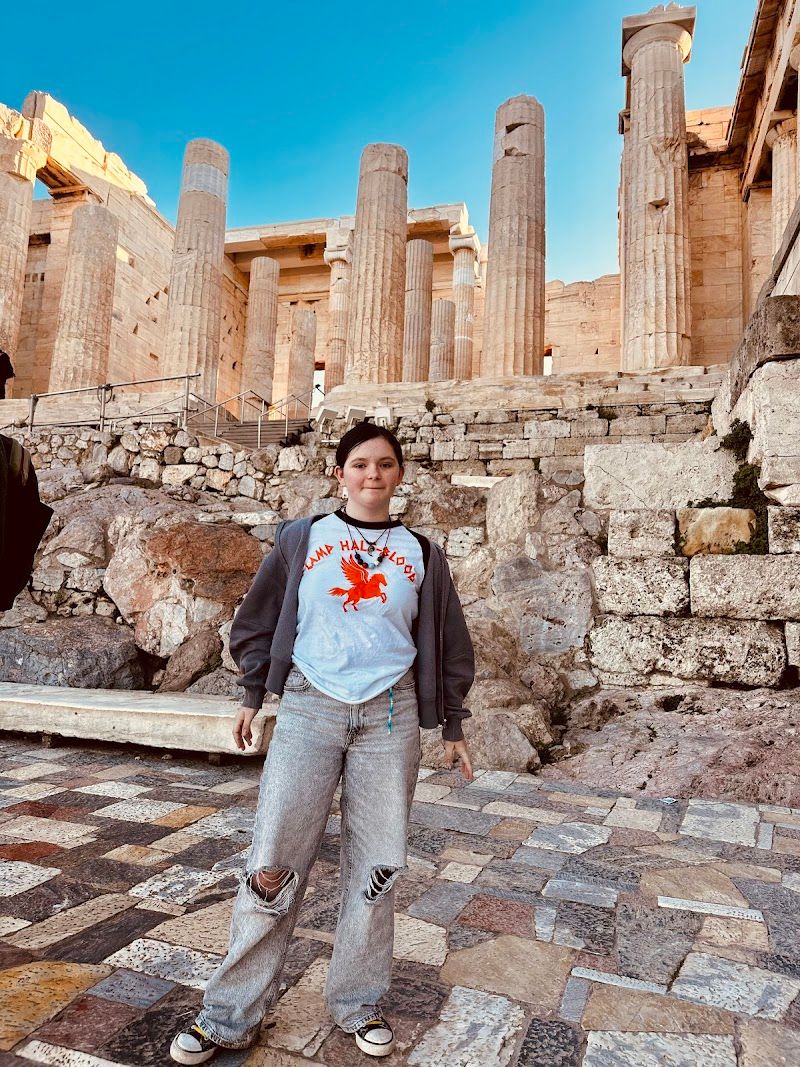
Mythology Tours
These mythology tours turn Athens' ancient sites into interactive storytelling experiences where costumed guides weave Greek myths directly into the archaeological locations where they supposedly happened. You'll visit spots like the Acropolis, Ancient Agora, and Temple of Olympian Zeus while actors dressed as gods, heroes, and mythical creatures act out the stories of Athena, Perseus, and Theseus. Kids solve riddles about the myths, craft laurel wreaths like Olympic victors, and learn how constellations got their names from Greek legends. The experience feels like stepping into a live history book where every marble column has a story. Your guide might transform into Athena at the Parthenon, explaining how she won Athens in a contest with Poseidon, then lead you to the exact spot where it allegedly happened. The energy stays high with constant audience participation: children shout answers to mythology questions, act out scenes as Greek heroes, and compete in mini challenges based on ancient tales. The mix of outdoor archaeological sites and indoor museum spaces keeps everyone engaged regardless of weather. Most family tours in Athens are either too academic or too dumbed down, but this one strikes the right balance. The 2.5 hour duration works perfectly since kids start losing interest around the 3 hour mark that most comprehensive tours demand. Skip the afternoon slots in summer since the archaeological sites become uncomfortably hot and the storytellers lose their energy. The morning tours have fresher guides and fewer crowds competing for attention at each site.
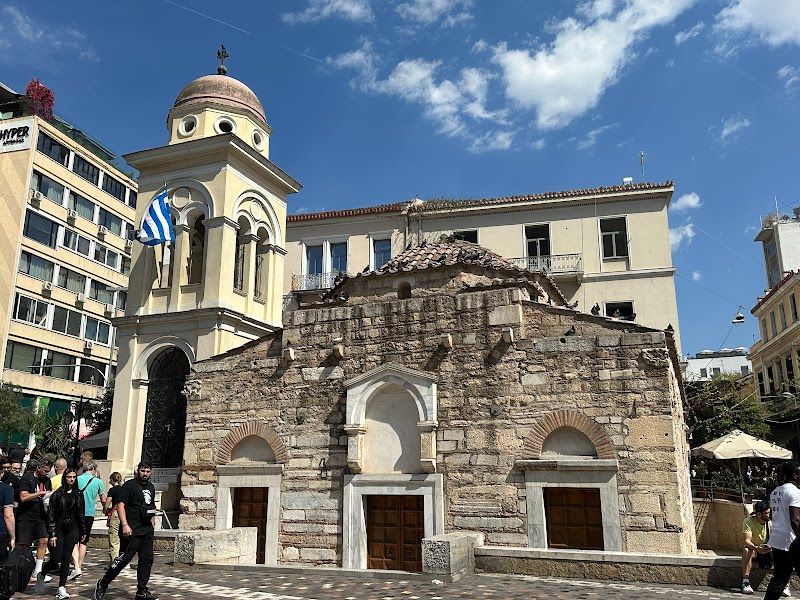
Athens Food Market Tour
The Athens Food Market Tour takes you through Varvakios Central Market, Greece's largest food market, where third-generation vendors sell everything from barrels of Kalamata olives to wheels of graviera cheese. You'll taste at least 15 different items including wild honey from Hymettus mountain, loukoumades drizzled with syrup, and paper-thin phyllo made fresh that morning. The guides know which stall owners speak English and have the best stories about their products. The experience flows between the covered market halls and surrounding streets, starting with the spice vendors whose saffron and mastiha create an aromatic cloud you smell before you see the stalls. You'll watch halloumi being grilled on tiny burners, sample three types of feta (the differences are obvious once explained), and learn why Greek olive oil tastes different from Italian varieties. The meat section can be intense with whole animals hanging from hooks, but the cheese and produce areas feel welcoming and warm. Most tour companies charge 45-55 EUR for similar routes, but this one delivers better vendor relationships and smaller groups of 8-10 people maximum. Skip the afternoon tours completely since half the meat vendors close by 2pm and the morning energy dissipates. The guides sometimes oversell the historical context, just focus on the food itself which speaks for the culture better than any lecture about ancient trading routes.
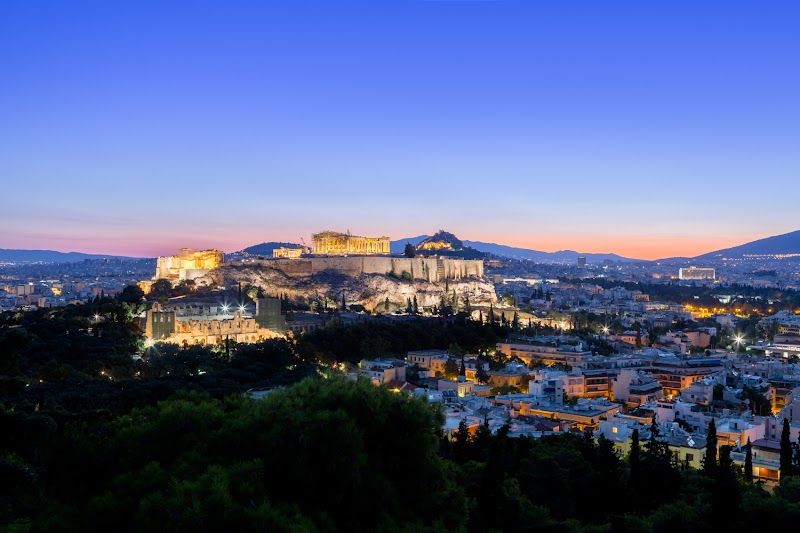
Athens Photo Tours
Athens Photo Tours pairs you with professional photographers who'll transform your snapshots into compelling images while exploring the city's most photogenic corners. You'll master composition rules, natural lighting techniques, and visual storytelling as you move between neighborhoods like ancient Plaka with its neoclassical facades, gritty Exarchia covered in street art, or the flea market chaos of Monastiraki. The workshops focus heavily on street photography, teaching you to capture candid moments and architectural details that actually tell Athens' story. Your group stays small (usually 4-6 people) as the instructor demonstrates camera settings, then watches you practice on real subjects: vendors arranging produce, elderly men playing backgammon, or dramatic shadows falling across marble steps. You'll spend about 30 minutes in each location, with the photographer reviewing your shots on the spot and suggesting immediate improvements. The pace feels intensive but never rushed, and you'll notice your eye developing as compositions become more natural and deliberate. Most photography tours in Athens stick to obvious spots like the Acropolis views, but these guides know where morning light hits perfectly on a whitewashed wall in Anafiotika or which Psyrri alleyway has the best graffiti without tourist crowds. The 180-minute duration works perfectly since your concentration peaks around the two-hour mark anyway. At €75 per person, it's excellent value considering you're getting personalized instruction that would cost €200+ in a formal photography class back home.