Duration
45 minutes
Best Time
Any time
Price
€
Setting
Indoor
About Roman Agora
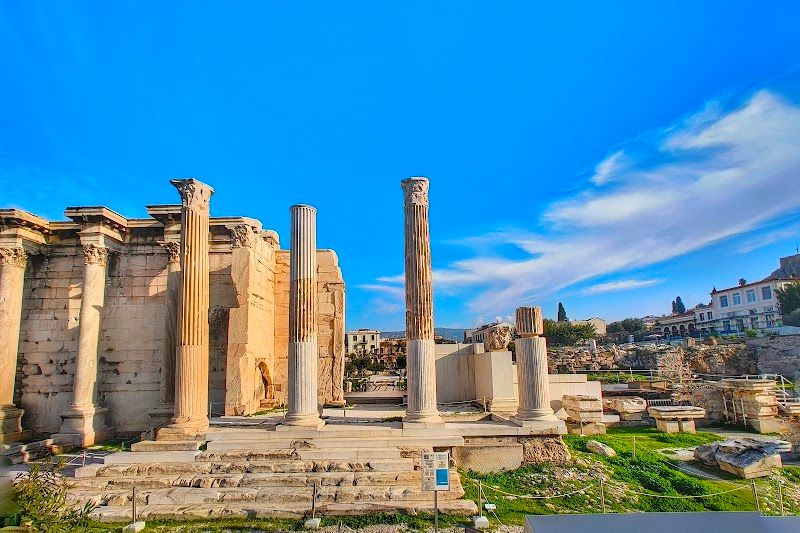
The Roman Agora sits like a forgotten theater set in modern Athens, where you can walk through the actual marketplace where Romans bought grain, oil, and gossip 2,000 years ago. The star here is the Tower of the Winds, an octagonal marble clocktower that's basically the world's first weather station. Each face shows a different wind god carved in relief, and if you look closely, you can still see the channels where water flowed through the ancient hydraulic clock mechanism.
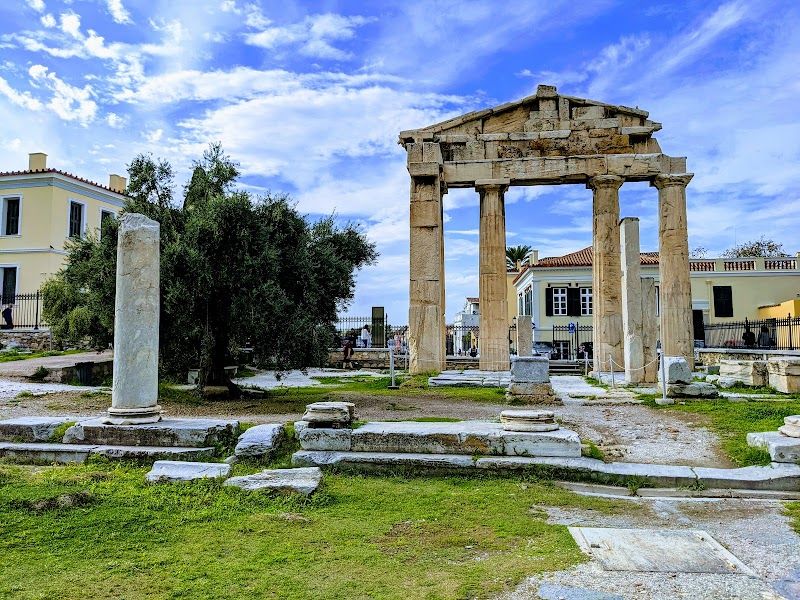
You'll enter through the impressive Gate of Athena Archegetis, its four Doric columns still standing proud after two millennia. The site feels intimate compared to the chaos of the nearby Ancient Agora. You can walk right up to the Tower of the Winds and circle it completely, studying each wind god's personality carved into the marble. The morning light hits the sundial markings perfectly, making the ancient timekeeping system suddenly clear.
Most guides bundle this with other sites, but it deserves focused time. Skip the audio guide (€5) and just observe the tower's details yourself. The site connects to the Ancient Agora if you have a combo ticket, but honestly, seeing this first makes the larger agora feel overwhelming afterward. Entry costs €8, or it's included in the €30 multi-site ticket.
Insider Tips
Enter from the Plaka side gate on Polignotou Street rather than the main entrance, you'll avoid tour groups and get better photos of the Gate of Athena
Most visitors rush past the carved reliefs without realizing each wind god holds objects showing their seasonal gifts, Zephyrus carries flowers while Boreas has a conch shell
Visit between 9-10am when morning shadows make the sundial lines on the Tower of the Winds most visible and the marble hasn't heated up yet
Practical Details
Getting There
Skip the queue: Book tickets online to avoid the ticket line.
Frequently Asked Questions
Plan for about 45 minutes.
Roman Agora is in the Plaka & Monastiraki neighborhood of Athens. The address is Polignotou 3, Athina 105 55, Greece. The area is well-served by metro.
This works well at any time of day, though mornings tend to be quieter. Weekdays are less crowded than weekends.