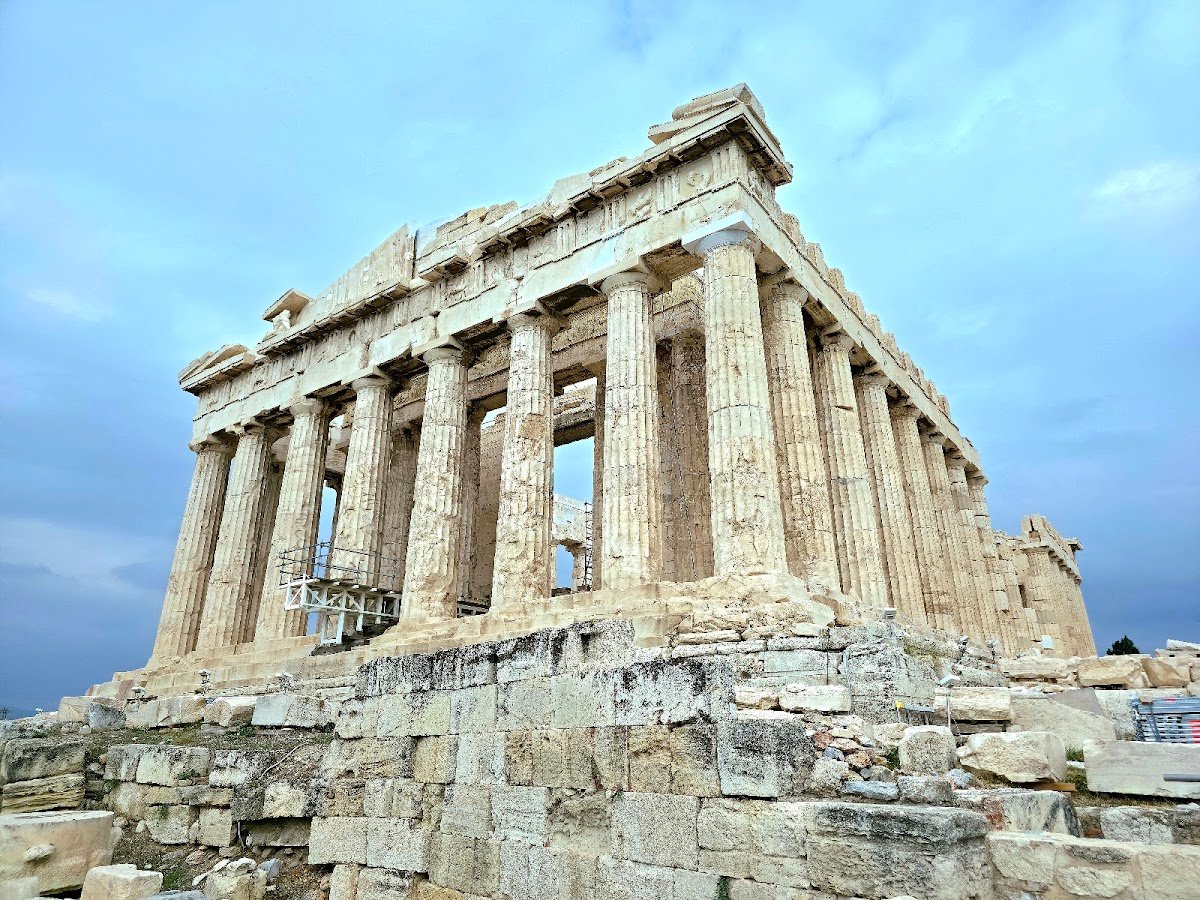
Greece
Athens
Ancient ruins, EUR 4 souvlaki, rooftop bars with Acropolis views, and the best food you have never been warned about
Best Time
April-June and September-November
Ideal Trip
3-4 days
Language
Greek, English widely spoken in tourist areas and by younger Athenians
Currency
EUR
Budget
EUR 32-71/day (excl. hotel)
About Athens
Athens is the city where you eat dinner at 10 PM, the ruins are older than most countries, and the street art is better than most galleries. The Acropolis dominates the skyline from almost everywhere in the city, and the first time you see the Parthenon lit up at night from a rooftop bar in Monastiraki, you understand why people have been making pilgrimages here for 2,500 years. The new Acropolis Museum (EUR 15, free on certain winter Sundays) is the rare museum that actually lives up to the building it was designed for, with a glass floor over an active excavation and a top-floor gallery aligned precisely with the Parthenon so you see the sculptures in the same light the original architects intended.
The food is the thing nobody warns you about. Greek food in Athens bears almost no resemblance to the Greek food you have eaten anywhere else. A proper taverna lunch in Psyrri or Pangrati costs EUR 12-18 per person for dishes that are cooked in olive oil that tastes like the olives were pressed that morning, because they might have been. Souvlaki from a good shop (Kostas in Syntagma, Kosta Tou Psyrri, O Thanasis in Monastiraki) costs EUR 3-4 and is a complete meal wrapped in pita with tomato, onion, tzatziki, and fries stuffed inside. The mezze culture means you order six small plates, share everything, argue about which dish is best, and then order three more. Wine is cheap (EUR 4-6 a glass for something genuinely good), and the Greek varietals (Assyrtiko, Xinomavro, Agiorgitiko) are finally getting the international recognition they deserve.
The neighbourhoods are where Athens reveals itself. Plaka and Monastiraki are the tourist centre, beautiful and crowded and worth seeing once, but the city that Athenians actually live in starts one block further out. Exarchia is the anarchist quarter, covered in political graffiti and murals, with the best independent bookshops, vinyl record stores, and EUR 8 dinner plates in the city. Pangrati is residential and calm, with the Panathenaic Stadium (where the first modern Olympics were held in 1896, free to see from outside, EUR 10 to walk the track) and neighbourhood tavernas where the waiter does not speak English and the food is better for it. Koukaki sits below the Acropolis and has the best balance of location, restaurants, and actual Athenian life.
Athens is also the gateway. Ferries to the Saronic Islands leave from Piraeus (Hydra is 90 minutes, no cars allowed, the most photogenic Greek island that is not Santorini). Cape Sounion and the Temple of Poseidon (70 km south, sunset here is legendary, EUR 10) make a half-day trip. The Athenian Riviera coastline south of the city has beaches, seaside restaurants, and the Stavros Niarchos Foundation Cultural Centre (Renzo Piano building, free park, free library, free events most evenings). Give the city itself at least three full days before you start island-hopping, because the Athens that opens up after the Acropolis and Plaka is the one that makes people rebook their flights.
Neighborhoods
Each district has its own personality
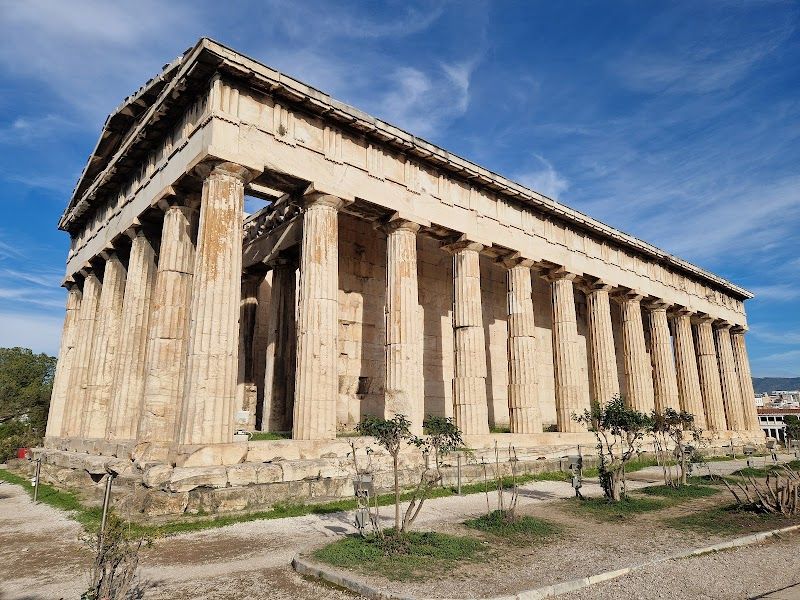
Plaka & Monastiraki
The tourist heart below the Acropolis: neoclassical houses, pedestrian streets, the flea market, rooftop bars with the most direct Acropolis views in the city, and souvlaki shops on every corner
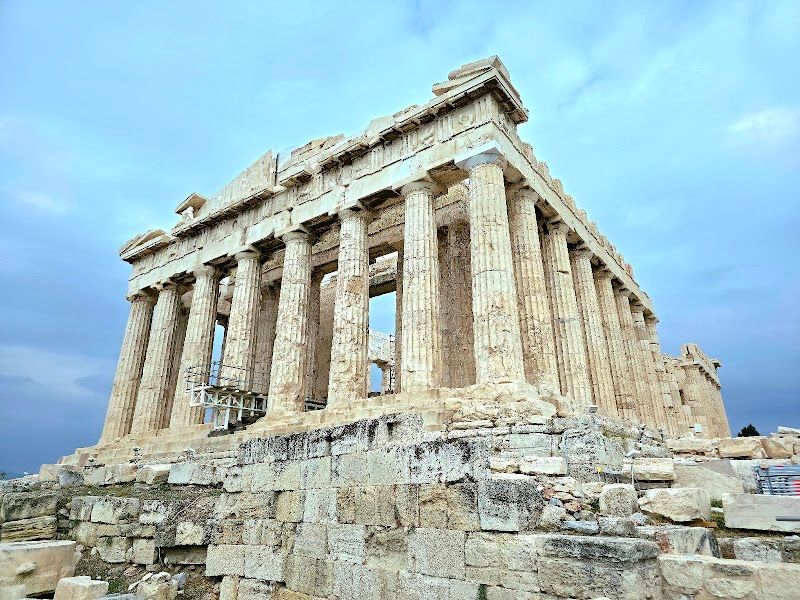
Acropolis & Makrigianni
The ancient core: the Acropolis, the museum, the theatre where drama was invented, and the pedestrianised promenade along the south slope, with quiet Makrigianni tavernas one block down
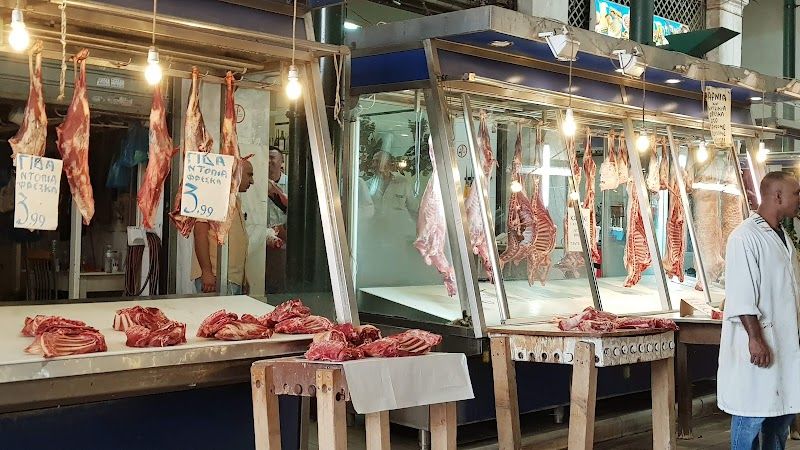
Psyrri
Reclaimed warehouses turned into murals, mezedopolia, and rebetiko bars: the neighbourhood where Athens eats, drinks, and stays out until 3 AM
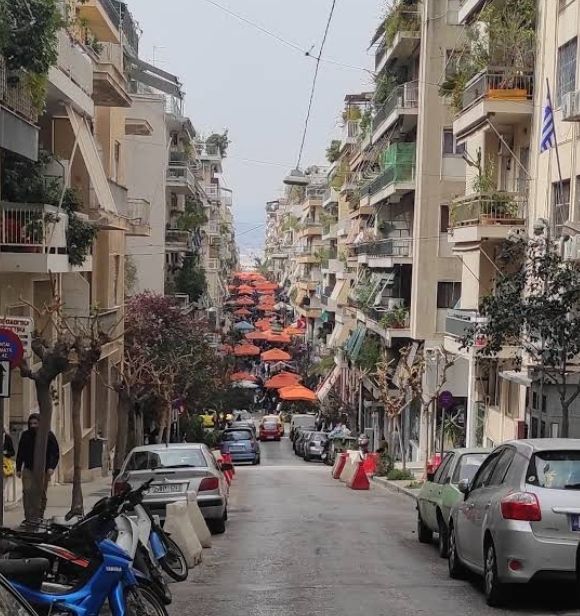
Exarchia
The anarchist quarter: political graffiti covering every surface, the National Archaeological Museum, independent bookshops, vinyl stores, EUR 8 dinners, and a different energy from the rest of Athens
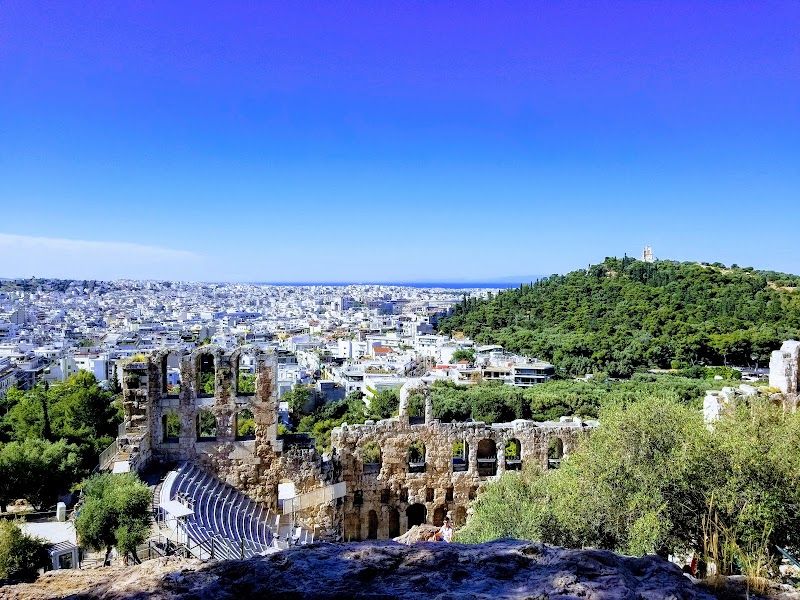
Koukaki
The neighbourhood below the Acropolis that guidebooks recently discovered: tavernas on Veikou street, wine bars, residential calm, and the best balance of location and actual Athenian life
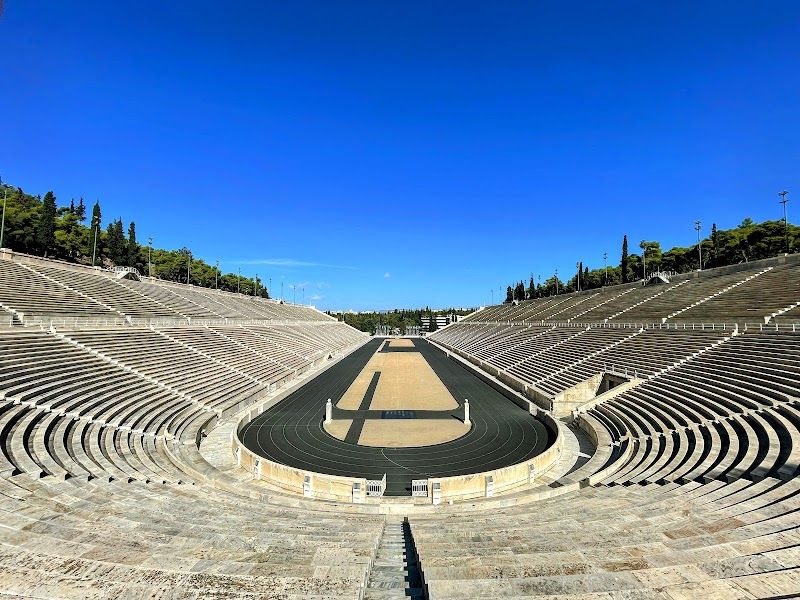
Pangrati
Residential and leafy: the marble Olympic stadium, the National Garden, neighbourhood squares with morning coffee, and tavernas where the menu is handwritten and the waiter recommends
Things to Do
Top experiences in Athens
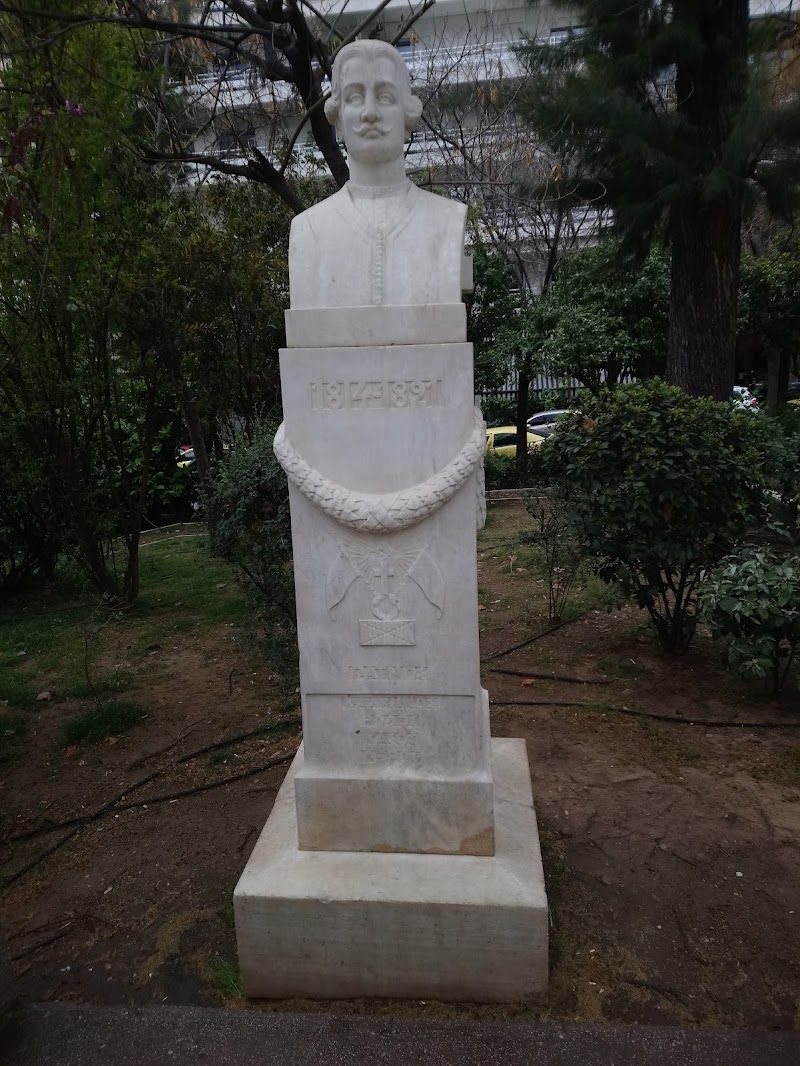
Plateia Kolonakiou
Plateia Kolonakiou (officially Plateia Filikis Etaireias) is the circular nerve center of Athens' poshest neighborhood, where you'll find some of the city's best people-watching alongside serious shopping. The square's ring of sidewalk cafés serves as outdoor theater seating for observing well-dressed Athenians sipping freddo espressos and discussing everything from politics to fashion. Designer boutiques line the surrounding streets, making this your gateway to brands like Hermès, Louis Vuitton, and high-end Greek designers. The square operates like an elegant living room where locals treat café tables as extensions of their homes. You'll see business deals conducted over coffee, mothers with designer strollers meeting for morning gossip, and stylish twenty-somethings checking their phones between shopping trips. The circular layout means you can walk the perimeter in two minutes, but most people settle into a café chair and stay for hours. The energy shifts throughout the day, from morning coffee rituals to evening aperitivo culture. Honestly, the coffee here costs nearly double what you'll pay elsewhere (expect 4-6 EUR for a freddo cappuccino), and you're paying for the location more than quality. Skip the touristy café terraces facing directly onto the square, they're overpriced even by Kolonaki standards. Instead, grab a seat at one of the side street cafés where you can still see the action but pay 2 EUR less per drink.
Kallidromiou Street
Kallidromiou Street forms the pedestrian spine of Exarchia, Athens' intellectual and anarchist quarter. You'll walk past radical bookshops selling Marxist theory next to vinyl stores spinning punk records, while street art covers nearly every surface with political slogans and colorful murals. The 400-meter stretch between Stournari and Themistokleous streets concentrates the neighborhood's counterculture spirit into one walkable corridor. The street moves at its own pace, slower than commercial Athens but charged with political energy. Students cluster outside cafés debating politics over freddo cappuccinos (2-3 EUR), while older intellectuals browse philosophy sections in cramped bookshops. You'll hear Greek folk music drifting from record stores, smell incense from alternative shops, and see impromptu political discussions forming around café tables. The atmosphere shifts from laid-back morning browsing to animated evening gatherings. Most guides romanticize Exarchia's rebel reputation, but Kallidromiou delivers the real thing without trying too hard. Skip the touristy souvenir hunting and focus on the genuine cultural spaces: Politeia bookstore has Athens' best literature selection, while Ear Candy record shop stocks rare Greek pressings. Avoid Saturday evenings when crowds dilute the authentic neighborhood vibe.
Acropolis of Athens
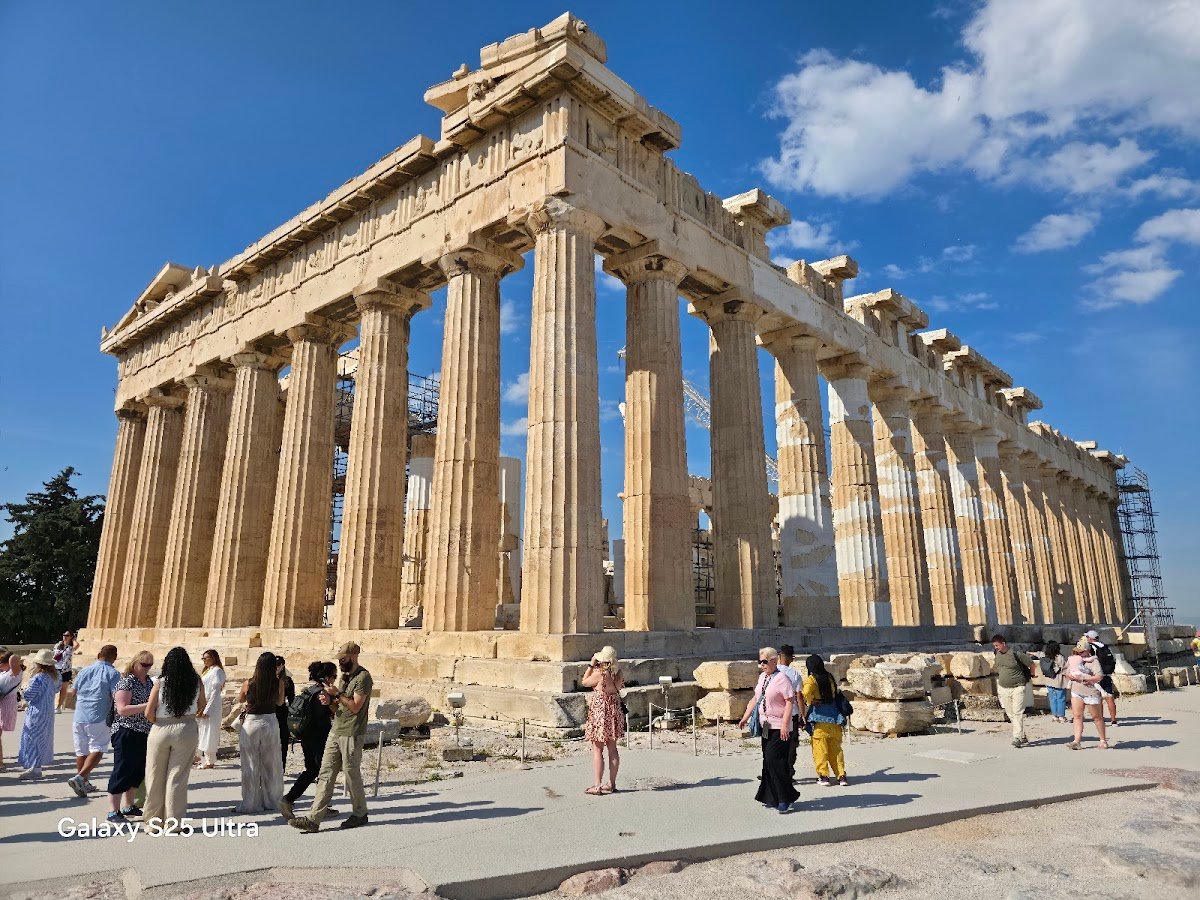
The Acropolis isn't just ancient ruins, it's the birthplace of democracy and Western civilization sitting 150 meters above modern Athens. You're walking where Pericles planned the golden age of Greece, where the Parthenon has dominated the skyline for 2,500 years. The scale hits you immediately: those columns are 10 meters tall and the whole temple is bigger than most city blocks. The Erechtheion with its famous Caryatid maidens and the tiny Temple of Athena Nike complete the complex. The approach up the marble steps builds anticipation perfectly, then you emerge through the Propylaea gateway and there's the Parthenon in full view. Even with scaffolding (there's always scaffolding), the precision of the architecture is breathtaking. The views over Athens stretch to the sea on clear days. Crowds gather around the main monuments, but you can find quieter spots along the perimeter walls where the perspective is actually better. Most guides won't tell you the €30 combined ticket is essential, it covers the Acropolis Museum plus six other major sites for five days. Skip the south slope attractions unless you're seriously into theater history, they're underwhelming compared to the main event. The marble is genuinely treacherous when wet, and there's zero shade up top. Come at 8am or after 6pm, midday visits are miserable with crowds and heat.
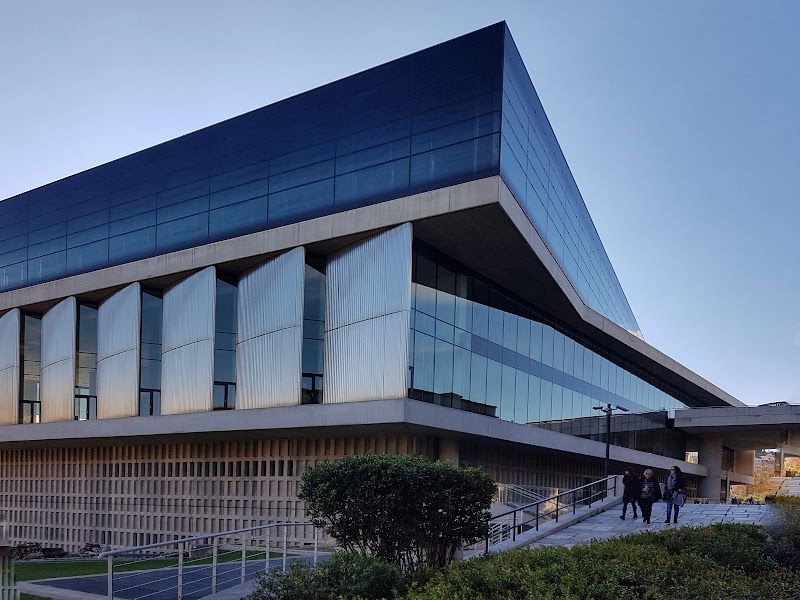
Acropolis Museum
The Acropolis Museum holds the original sculptures from the Parthenon, displayed exactly as they appeared on the temple itself. You'll walk on glass floors over active archaeological digs, see the original Caryatids from the Erechtheion, and experience the top floor Parthenon Gallery where surviving marbles sit at the precise angle and height they occupied for 2,500 years. The building is a masterpiece, designed by Bernard Tschumi to create perfect sightlines between ancient artifacts and the Acropolis above. Your visit starts with a glass floor moment, peering down at 2,000-year-old ruins beneath your feet. The Caryatids gallery feels intimate and powerful, these six marble women are impossibly graceful after millennia. But the Parthenon Gallery is what you came for: massive pediment sculptures and frieze panels arranged exactly as they sat on the temple, with dramatic gaps where the Elgin Marbles belong. Natural light floods the space just as it hit the originals. Entry costs €15, it's free on winter Sundays from November through March. Most guides don't mention the excellent restaurant on the second floor, which has proper Acropolis views and reasonable prices compared to tourist traps below. Skip the crowded weekend mornings and go on a Friday evening when it's open until 8pm. The gift shop is overpriced, except for the quality reproduction jewelry.
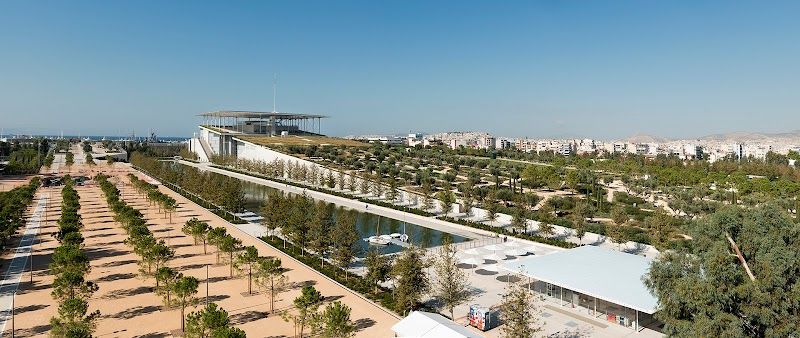
Stavros Niarchos Park
This 21-hectare park wraps around the Stavros Niarchos Foundation Cultural Center, complete with 1,500 olive trees, cypress groves, and sprawling lavender fields that are particularly fragrant in spring. You're walking on the world's largest green roof, which rises up from sea level to 32 meters high. The canal running through the center attracts families with ducks and turtles, while the Great Lawn hosts a range of activities, including yoga classes and outdoor movie screenings. The experience feels like stepping into a countryside just 4km from central Athens. You'll climb wooden boardwalks through aromatic herb gardens, pass joggers on the canal path, and find families picnicking under olive trees. The Lighthouse at the summit offers genuine panoramic views to the sea and Acropolis. The playground areas are a hit with kids, while the amphitheater hosts free concerts most evenings. The underground spaces provide welcome air conditioning during summer heat. Most guides don't mention that this place gets busy on weekends, especially the canal area where parking can be chaotic. Avoid the crowded lower sections and head straight up the slope for better views and fewer tourists. The free events are of good quality, but arrive 30 minutes early for popular concerts. Parking costs €2 per hour in the underground garage, but street parking nearby is free if you're willing to walk 10 minutes.
Panathenaic Stadium
The Panathenaic Stadium is the world's only all-marble stadium, rebuilt from ancient foundations where athletes competed 2,000 years ago. You'll walk on the same track where the first modern Olympics happened in 1896, climb marble steps to 50,000 seats, and get sweeping views over Athens from the top rows. The €10 entry includes a decent audio guide that covers everything from ancient Panathenaic Games to Pierre de Coubertin's Olympic revival. The experience feels more like exploring a monument than visiting a sports venue. The white Pentelic marble gleams in sunlight, and the horseshoe shape creates perfect acoustics where your footsteps echo. You can jog the track, pose on the podium, and sit in seats that feel impossibly steep. The tunnel entrance adds drama, opening suddenly onto the brilliant white marble bowl. Most guides oversell this as a major attraction, but it's worth exactly one hour. The audio guide drags on about Olympic history you probably already know. Skip it if you're tight on time and just peek through the entrance gates for free. The morning light makes the marble glow beautifully for photos, and combining it with the adjacent National Garden makes perfect sense.
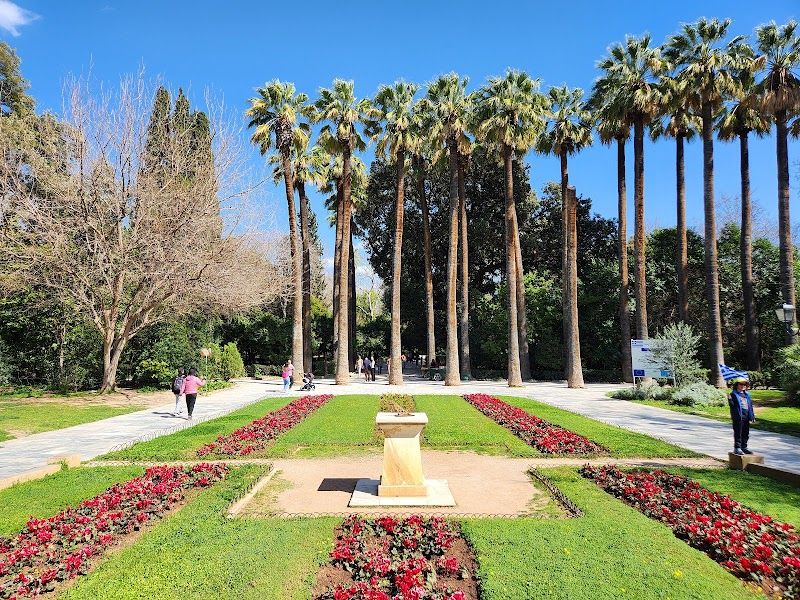
National Garden
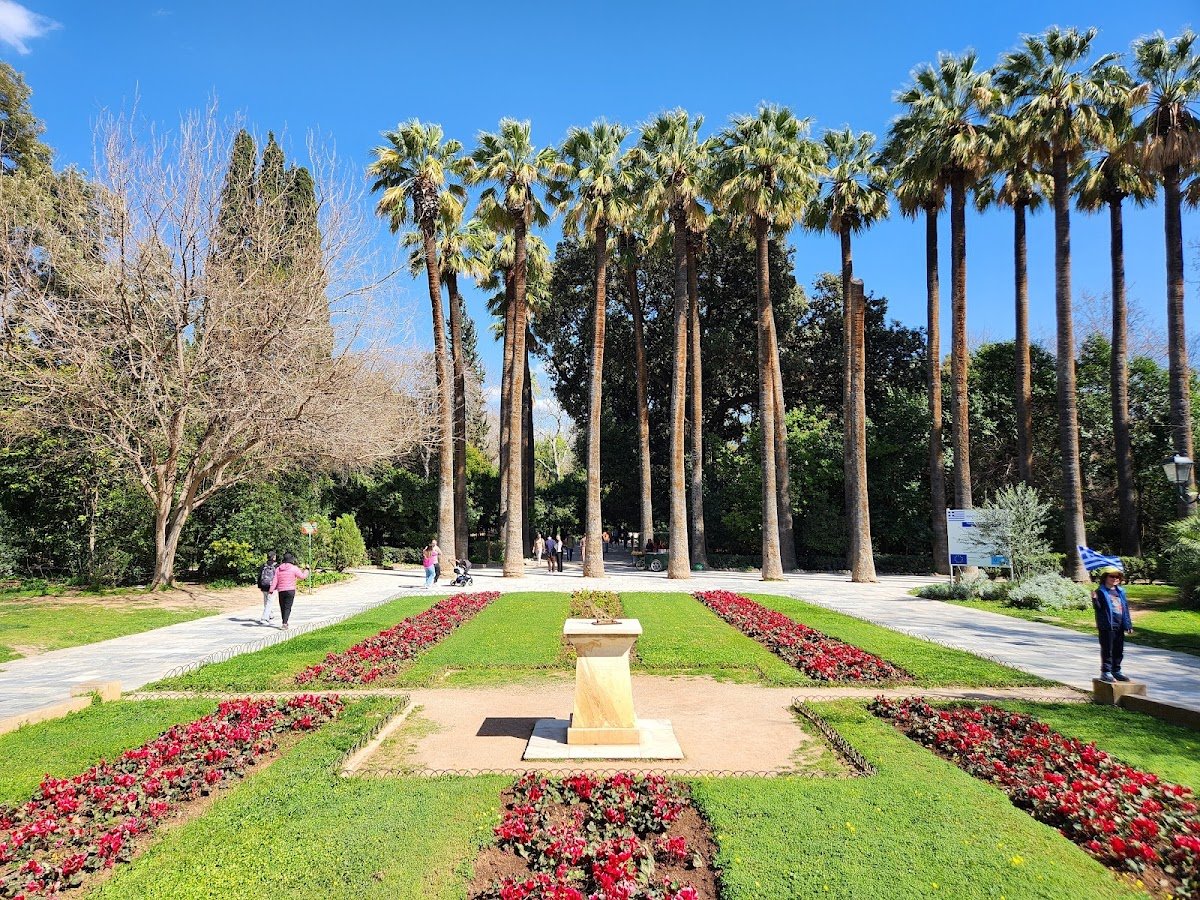
National Garden covers 38 acres in the heart of Athens, providing a chance to escape the city's concrete and car fumes. This green space is home to over 500 plant species, including tall palms and dense bamboo groves, alongside ancient ruins like Roman mosaics, marble column fragments, and parts of old aqueducts. The small zoo features peacocks, goats, and tortoises, while the duck pond consistently attracts local families with bread. Walking through the paths feels like discovering Athens' own private outdoor space. Shade is plentiful during summer months, thanks to thick canopies that create a natural shelter from the Mediterranean city surroundings. Children enjoy chasing peacocks, while elderly locals play backgammon on benches. The botanical sections are filled with the sweet scent of jasmine and orange blossoms, and the sound of water trickling from small fountains can be heard throughout. The children's library is located in a stone building that resembles a fairy tale, albeit with a more practical purpose. Most people visit the garden in 30 minutes, but seeing its true value requires a more leisurely pace. The café near the duck pond charges €3.50 for a decent cup of coffee and has a prime seating area. To make the most of your visit, consider skipping the zoo section entirely, as it feels cramped and lacking. Instead, explore the quieter eastern areas, where you'll find some of the garden's best-preserved Roman ruins and fewer crowds.
Ancient Agora of Athens
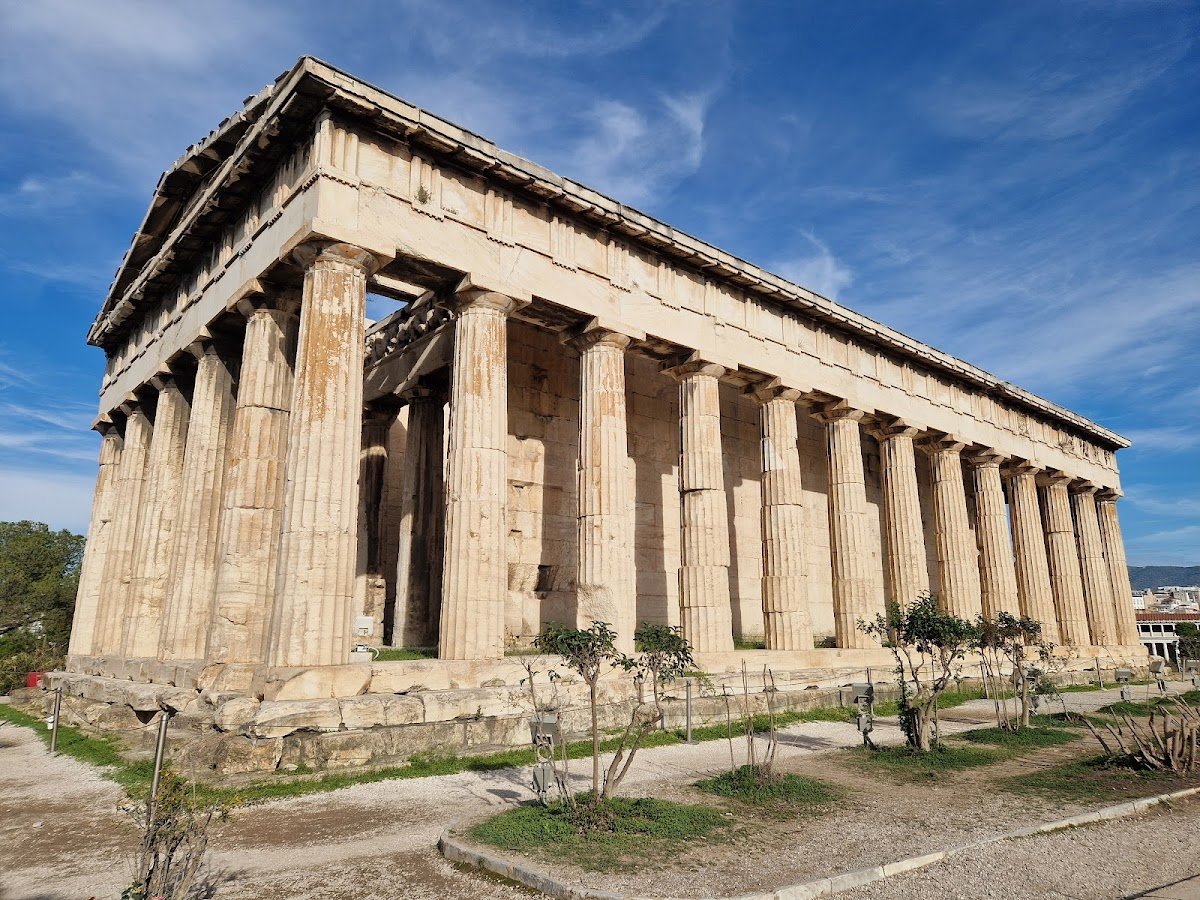
The Ancient Agora is where democracy was born and where Socrates taught his students. You'll find the best-preserved Greek temple anywhere (the Temple of Hephaestus), a fully reconstructed ancient shopping mall turned museum (the Stoa of Attalos), and the actual stones where Athenians cast their votes to ostracize politicians. The site sprawls across a tree-shaded area that feels more like a peaceful park than a tourist attraction. You enter through ancient ruins scattered across grassy areas, then climb to the Temple of Hephaestus, which sits perfectly intact on a hill overlooking everything. The Stoa of Attalos houses fascinating everyday objects: pottery shards used as ballots, ancient coins, and surgical instruments that show how Athenians actually lived. Unlike the Acropolis crowds, you can wander here quietly and actually read the signs without being pushed along. Most guides don't mention that this place delivers more than the overcrowded Acropolis for understanding ancient Athens. The €30 combo ticket (same as Acropolis) covers both sites, so you're essentially getting this for free. Skip the audio guide and use the free site map instead. The museum closes 30 minutes before the site, so hit the Stoa first if you arrive late.
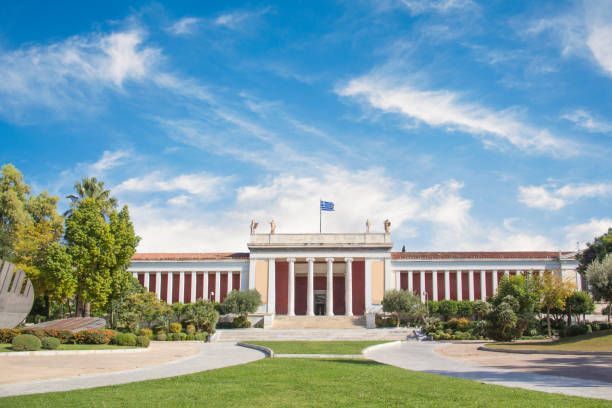
National Archaeological Museum
The National Archaeological Museum houses the world's finest collection of ancient Greek artifacts, including the legendary Mask of Agamemnon and the mind-blowing Antikythera Mechanism, a 2,000-year-old astronomical computer that'll make you question everything you thought you knew about ancient technology. The Mycenaean gold collection glitters in the first rooms, while the bronze statues of Poseidon and the Jockey of Artemision are so perfectly preserved they look like they were cast yesterday. This isn't just looking at old stuff: it's watching 3,000 years of human achievement unfold room by room. You'll start with the prehistoric collections and work chronologically through Greek civilization, but most people beeline straight to the gold and bronzes. The museum feels refreshingly uncrowded compared to the Acropolis, with actual space to contemplate each piece. The Antikythera Mechanism gets its own dramatic display case, and watching people's faces when they realize what they're looking at is half the fun. The building itself is classic 1890s neoclassical, all marble and natural light. Entry costs €12 and you need minimum three hours to do it justice, though you could easily spend a full day. Most guides oversell the pottery collections: skip rooms 49-56 unless you're genuinely into ceramics. The garden café is overpriced but the courtyard is peaceful. Monday hours are shorter (1pm to 8pm), but afternoon visits mean smaller crowds and better light for photos.
Temple of Olympian Zeus
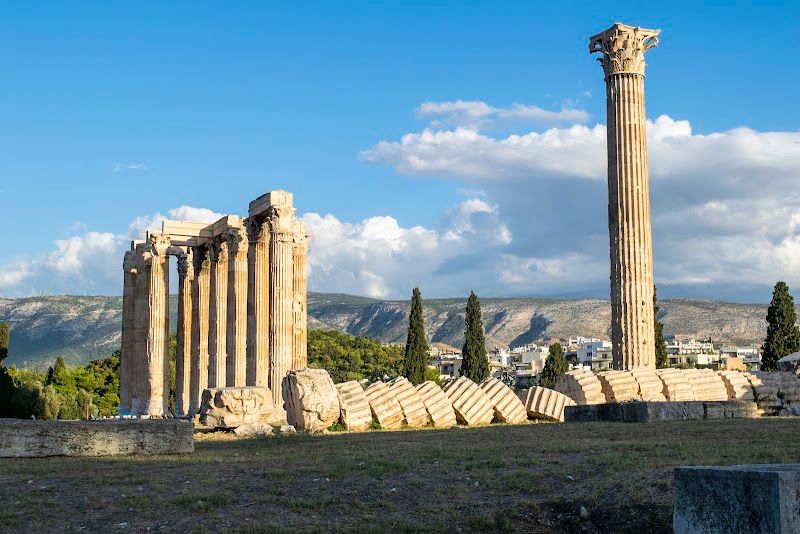
The Temple of Olympian Zeus is a colossal construction project that spans nearly seven centuries, from 6th century BC to its completion under Emperor Hadrian in 131 AD. What remains today are 15 towering Corinthian columns (out of the original 104) that reach 17 meters skyward, each one massive enough to make you feel like an ant. The scale is genuinely breathtaking: these aren't just ruins, they're monuments to ancient ambition and Roman engineering prowess. Walking among these columns feels like entering a giant's playground. The site is relatively compact, so you can circle the entire perimeter in 20 minutes, but you'll want to linger for photos with the Acropolis framed perfectly through the ancient marble. The ground is uneven ancient stone, and there's minimal shade, so wear comfortable shoes. One fallen column lies dramatically across the grass, giving you a sense of their true enormity when horizontal. Honestly, most people rush through here in 15 minutes, which is a mistake. The real magic happens when you position yourself between the columns and look toward the Acropolis: it's one of Athens' best photo opportunities. Skip the overpriced site cafe and bring water. The combined ticket (EUR 30) covering seven sites is genuinely worth it if you're doing the Acropolis too, but buying individual entry here costs EUR 6.
Varvakios Agora
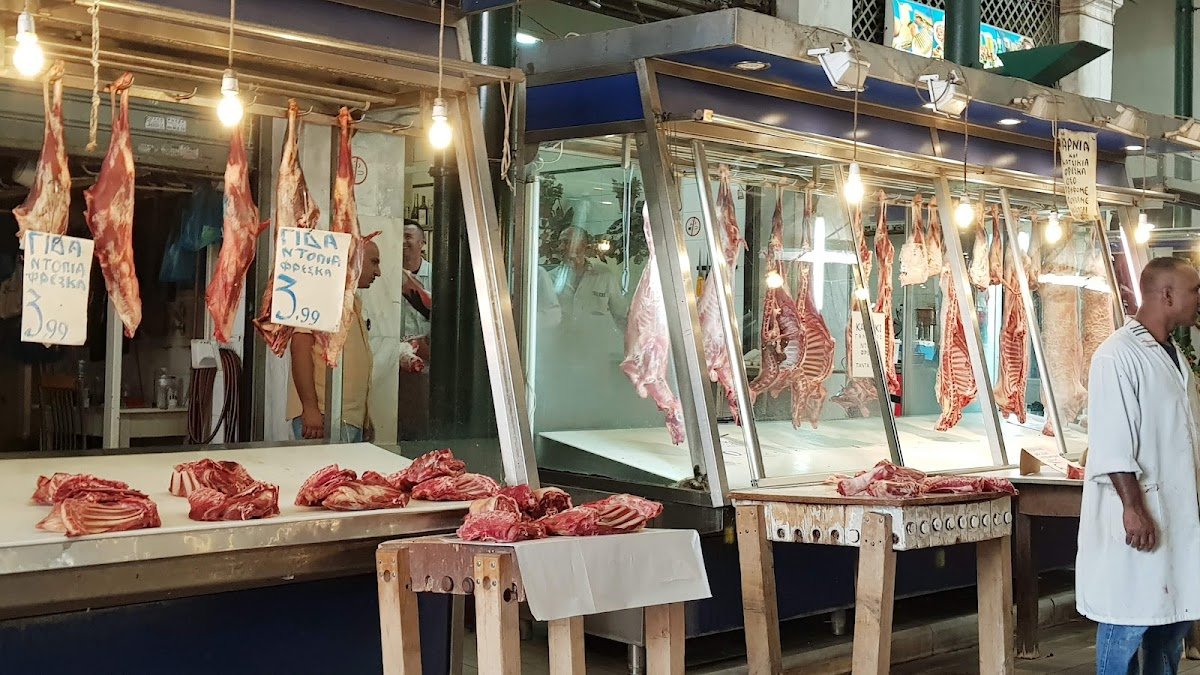
Varvakios Agora is Athens' working central market, housed in a beautiful 1886 neoclassical hall where real butchers, fishmongers, and produce vendors have been trading for over a century. You'll walk through aisles of hanging lamb carcasses, mountains of fresh octopus, and vendors shouting prices in Greek while locals inspect tomatoes and haggle over fish. The real draw isn't shopping (unless you're cooking), but the authentic tavernas tucked into corners and upper floors where market workers fuel up on grilled meat and ouzo starting at 7 AM. The atmosphere hits you immediately: the smell of fresh fish mixed with grilled lamb, vendors calling out in rapid Greek, and blood-stained aprons everywhere. Upstairs, tiny tavernas like Diporto (no sign, just follow the smoke) serve workers hunched over steaming bowls of tripe soup and plates of grilled chops. You'll sit at communal tables with butchers on their breakfast break, drinking wine from small glasses while they debate football. It's gritty, authentic Athens that most tourists never see. Most guides romanticize this place, but honestly, it's not for everyone. If you're squeamish about meat or fish, skip it entirely. The tavernas serve excellent food but expect cigarette smoke, no English menus, and sometimes surly service. Prices are incredibly cheap: grilled lamb chops cost around €8, tripe soup €5, and wine €3 per glass. Go between 8-10 AM when it's liveliest, or after 2 PM when vendors start packing up and prices drop.
Philopappos Hill
Enter from the Dionysiou Areopagitou pedestrian street rather than the Koukaki neighborhood side: the path is paved and much easier, plus you'll pass interesting cave churches carved into the rock. Most visitors cluster right at the monument for photos, but walk 50 meters southeast along the ridge for views of the Acropolis with nobody in your shots. Bring a small flashlight or use your phone's torch for the descent after sunset: the pine canopy blocks streetlight and the rocky paths become tricky in darkness.
Travel Guides
Expert guides for every travel style
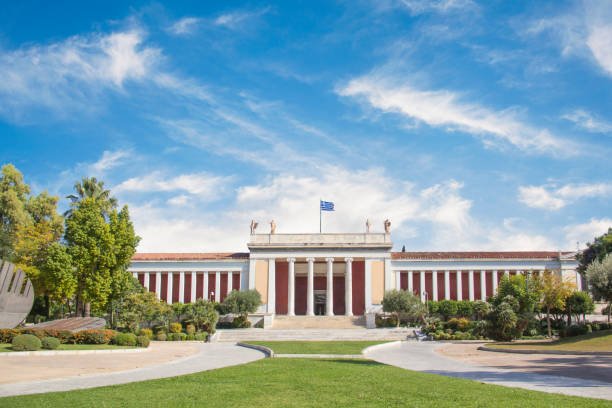
Best of Exarchia: Street Art, Tavernas & the National Museum
A walking guide to Exarchia: the National Archaeological Museum, the street art that tells Athens' political story, the cheapest good tavernas in the city, and Strefi Hill for sunset without a single tourist.
12 min
Where to Eat in Athens: A Neighbourhood Food Guide
The food guide to Athens by neighbourhood: souvlaki in Monastiraki, mezze in Psyrri, cheap tavernas in Exarchia, neighbourhood spots in Pangrati, and the restaurants Athenians guard from tourists.
16 min
First Time in Athens: Everything You Need to Know
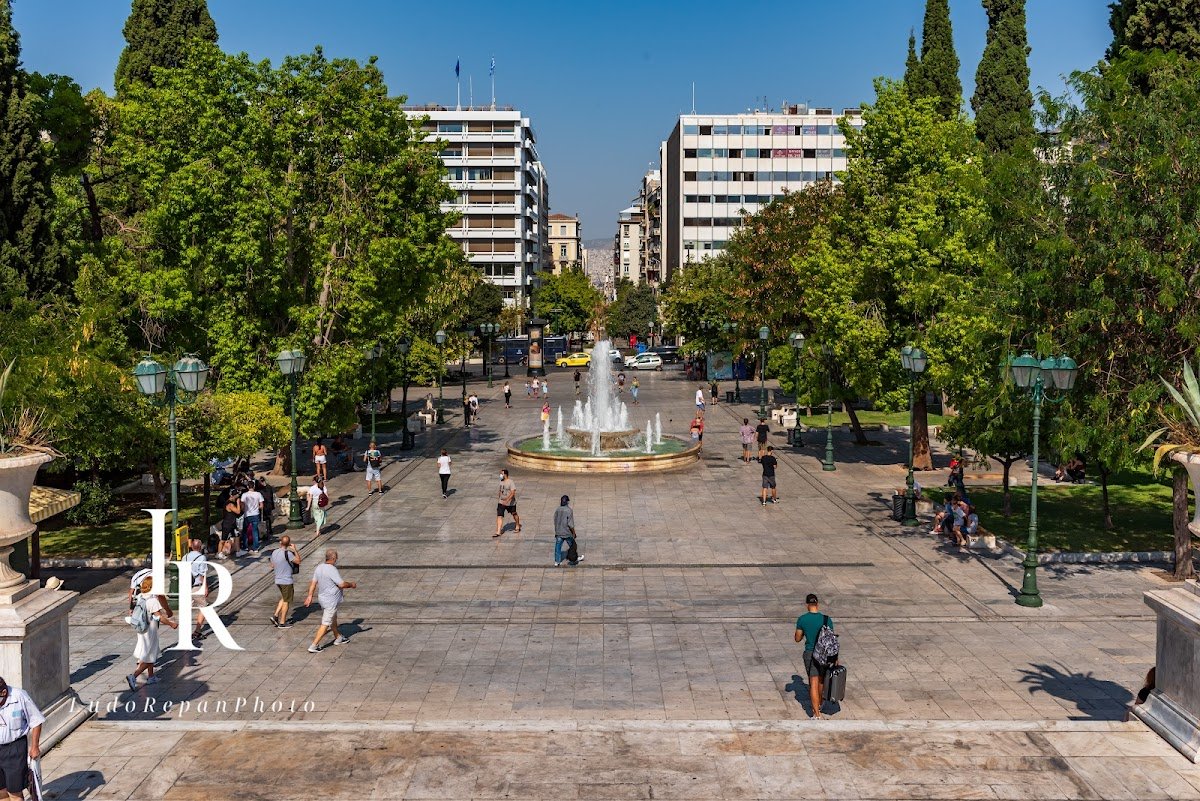
The practical guide to Athens: the Acropolis combined ticket, how to survive the summer heat, airport to city centre, which neighbourhood to stay in, and the food rules that change everything.
14 min
Athens with Kids: Family-Friendly Guide
Athens with children is better than you expect. Kids climb the Acropolis, run the track at the original Olympic stadium, eat souvlaki at 10 PM like Greek kids do, and take a ferry to an island for swimming.
12 min
5 Days: The Complete Athens Experience
Five days covering ancient Athens, the neighbourhoods, a day trip to car-free Hydra island, Cape Sounion at sunset, and coastal Athens. The complete first visit with time to actually slow down.
18 min
3 Days in Athens: First-Timer's Itinerary
Three days covering the Acropolis and ancient sites, the neighbourhoods that most visitors skip, and the food that nobody warns you about. With EUR prices, opening times, and the timing that makes everything work.
14 min
Frequently Asked Questions
Three full days is the sweet spot: one for the Acropolis and ancient sites (Acropolis at 8 AM, Acropolis Museum, Ancient Agora, walk Dionysiou Areopagitou), one for the neighbourhoods (Psyrri street art, National Archaeological Museum in Exarchia, dinner in Koukaki), and one for the hills and day trip prep (Panathenaic Stadium, Lycabettus sunset, Pangrati tavernas). Five days lets you add a day trip (Hydra island or Cape Sounion) and coastal Athens. A long weekend works if you focus on the Acropolis area and one or two neighbourhoods.
Yes. Athens is safe by European city standards. Pickpockets operate on the metro and at Monastiraki flea market, so keep valuables secure. Exarchia looks edgy (graffiti, political posters) but is not dangerous for visitors. The area around Omonia Square can feel rough after dark, best avoided at night. Syntagma, Plaka, Koukaki, Kolonaki, and Pangrati are all comfortable day and night. Use the BEAT app (Greek ride-hailing) instead of hailing taxis if you prefer.
Yes, if you plan to visit 3 or more archaeological sites. The EUR 30 combined ticket covers the Acropolis, Ancient Agora, Roman Agora, Kerameikos, Temple of Olympian Zeus, Hadrian's Library, and Aristotle's Lyceum. It is valid for 5 days. The Acropolis alone costs EUR 20, so the combined ticket pays for itself with just one additional site. Buy it online before you go to skip the Acropolis ticket queue, which can be 30-60 minutes in summer.
Very hot. July and August regularly hit 35-40C (95-104F) with little shade on archaeological sites. If you visit in summer: do the Acropolis at 8 AM opening, spend the afternoon in air-conditioned museums or at the beach, and sightsee again after 5 PM. September and October are ideal (25-30C, fewer crowds, warm sea for swimming). April to June is the best overall: comfortable temperatures, wildflowers, longer daylight hours, and pre-peak prices.
No. English is widely spoken in the tourist centre, restaurants, hotels, and by most younger Athenians. In neighbourhood tavernas in Pangrati or Exarchia, staff may speak limited English but menus usually have translations, and pointing at other tables' food is an accepted ordering technique. Learn "efcharisto" (thank you), "yassas" (hello/goodbye), and "poso kanei" (how much). Greeks appreciate the effort even if they reply in English.
The metro (Line 3, blue line) runs from Athens International Airport to Syntagma Square in the city centre. It takes 40 minutes and costs EUR 9 (EUR 18 return if bought together). Trains run every 30 minutes from 6:30 AM to 11:30 PM. The X95 express bus runs 24 hours, costs EUR 5.50, and takes 60-90 minutes depending on traffic. Taxis cost EUR 40 flat rate to the centre (EUR 55 between midnight and 5 AM). The metro is the best option for most visitors.