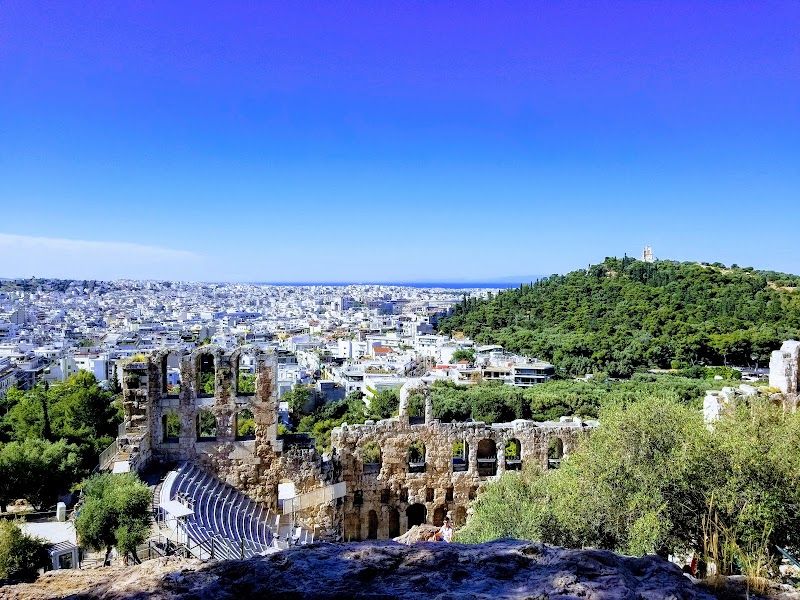
Athens
Koukaki
The neighbourhood below the Acropolis that guidebooks recently discovered: tavernas on Veikou street, wine bars, residential calm, and the best balance of location and actual Athenian life.
About Koukaki
Koukaki is the neighbourhood below the Acropolis that guidebooks have only recently discovered, and it is the best base for a first visit to Athens. Veikou Street is the main strip: tavernas, wine bars, and small restaurants serving Athenians, not tourists. The neighbourhood is walkable to the Acropolis (10 minutes uphill), Plaka (10 minutes), and the Acropolis Museum (5 minutes), but it feels nothing like any of them. The streets are residential and calm, the cafes have regulars who read newspapers, and the prices are 20-30% lower than Plaka for better food. The Filopappou Hill entrance (the path to Philopappos monument and the Pnyx, where Athenian democracy was practiced) is at the west end of the neighbourhood.
Things to Do
Top experiences in Koukaki
Philopappos Hill
Enter from the Dionysiou Areopagitou pedestrian street rather than the Koukaki neighborhood side: the path is paved and much easier, plus you'll pass interesting cave churches carved into the rock. Most visitors cluster right at the monument for photos, but walk 50 meters southeast along the ridge for views of the Acropolis with nobody in your shots. Bring a small flashlight or use your phone's torch for the descent after sunset: the pine canopy blocks streetlight and the rocky paths become tricky in darkness.
National Museum of Contemporary Art
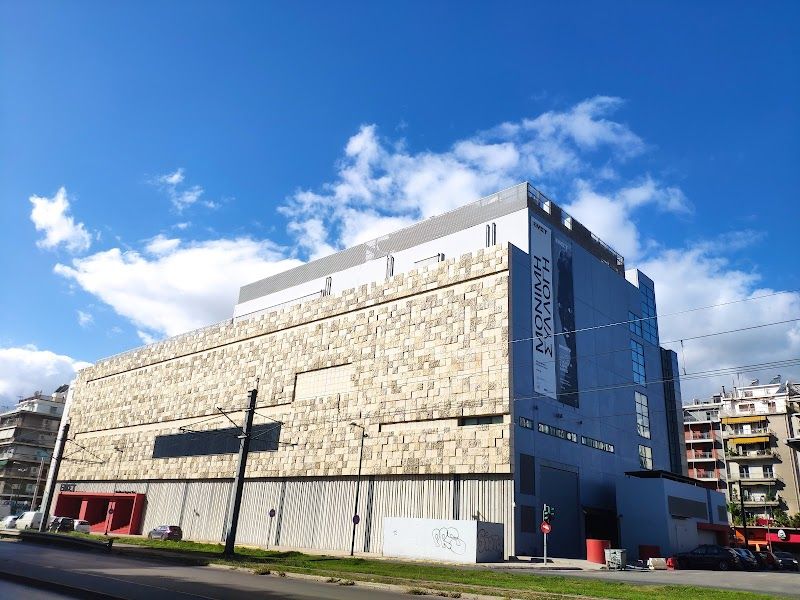
EMST occupies the massive former Fix brewery, a brutalist concrete behemoth that's as much a draw as the art inside. You'll find works by Greek heavyweights like Jannis Kounellis alongside international names, with a strong focus on conceptual and video art from the 1960s onward. The permanent collection rotates regularly, so you might encounter anything from political installations to experimental photography spread across multiple floors of raw industrial space. The experience feels like exploring a concrete cathedral of contemporary art. Those soaring brewery halls create an almost overwhelming sense of scale, especially when filled with large installations or video projections. The building's industrial bones are left exposed: concrete pillars, metal fixtures, and original brewery infrastructure frame the artwork. It's deliberately stark, which works brilliantly for some pieces but can make others feel lost in the vastness. Most guides won't tell you that half the museum is often closed for exhibition changes or installations in progress. The signage can be confusing, and you'll waste time wandering empty corridors if you don't ask at reception which sections are actually open. Skip the ground floor shop (overpriced art books) and head straight to the upper levels where the best pieces usually live. Entry costs €8 but remember those free Thursday evenings from 6pm to 10pm.
Pantopoleion
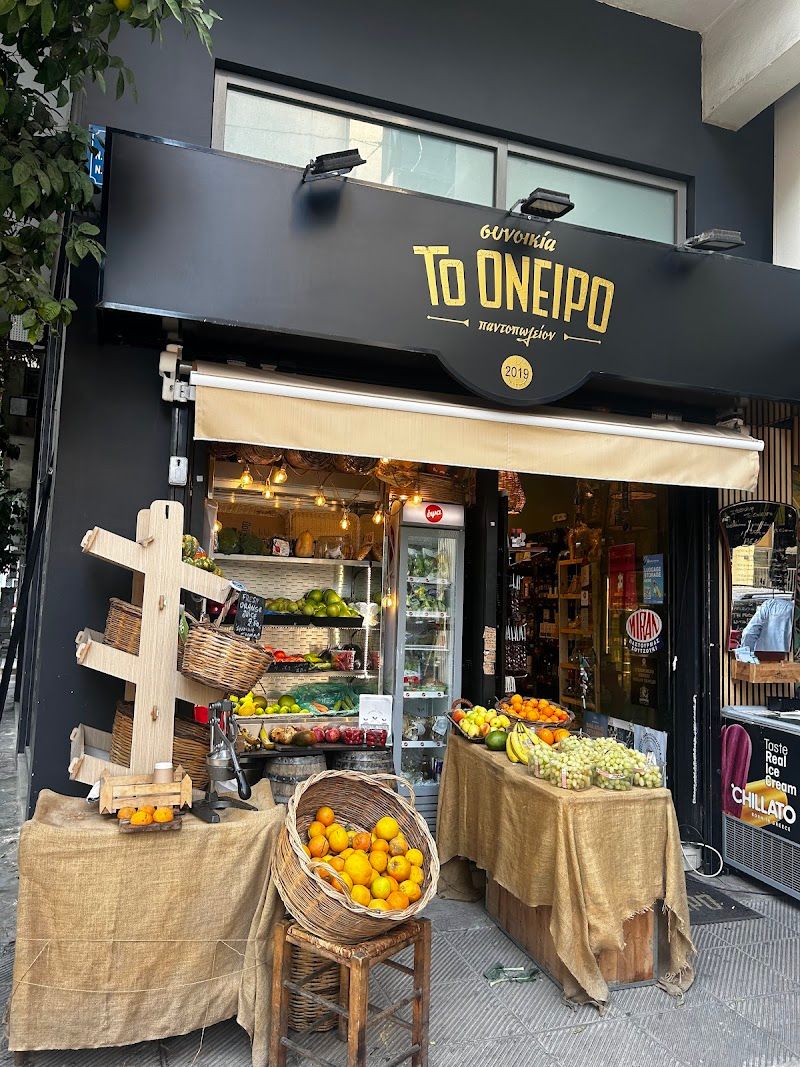
Pantopoleion stocks the kind of olive oil that makes you understand why Greeks are so passionate about the stuff. This isn't your average grocery store: owner Yannis sources directly from small family producers across Greece, creating what feels more like a curated olive oil library than a shop. You'll find over 30 varieties of extra virgin olive oil, from peppery Koroneiki from Laconia to buttery Manaki from Kalamata, plus mountain herbs, wild honey, and other artisanal products that most tourists never discover. The shop occupies a narrow storefront in Koukaki where bottles line wooden shelves from floor to ceiling, each labeled with detailed provenance information. Yannis or his staff will walk you through tastings, explaining how volcanic soil affects flavor or why harvest timing matters. The atmosphere feels intimate and educational rather than commercial: you're learning about terroir, not just buying condiments. The selection changes seasonally as new harvests arrive, making each visit slightly different. Most food shops in Athens cater to tourists with overpriced mediocrity, but Pantopoleion's prices are surprisingly fair for the quality: decent oils start around EUR 8, while exceptional single estate bottles top out at EUR 40. Skip the packaged herb mixes (you can find those anywhere) and focus on the oils and raw mountain honey. The staff genuinely wants to educate you, so don't rush: plan 30 minutes minimum if you want the full experience.
Mythology Tours
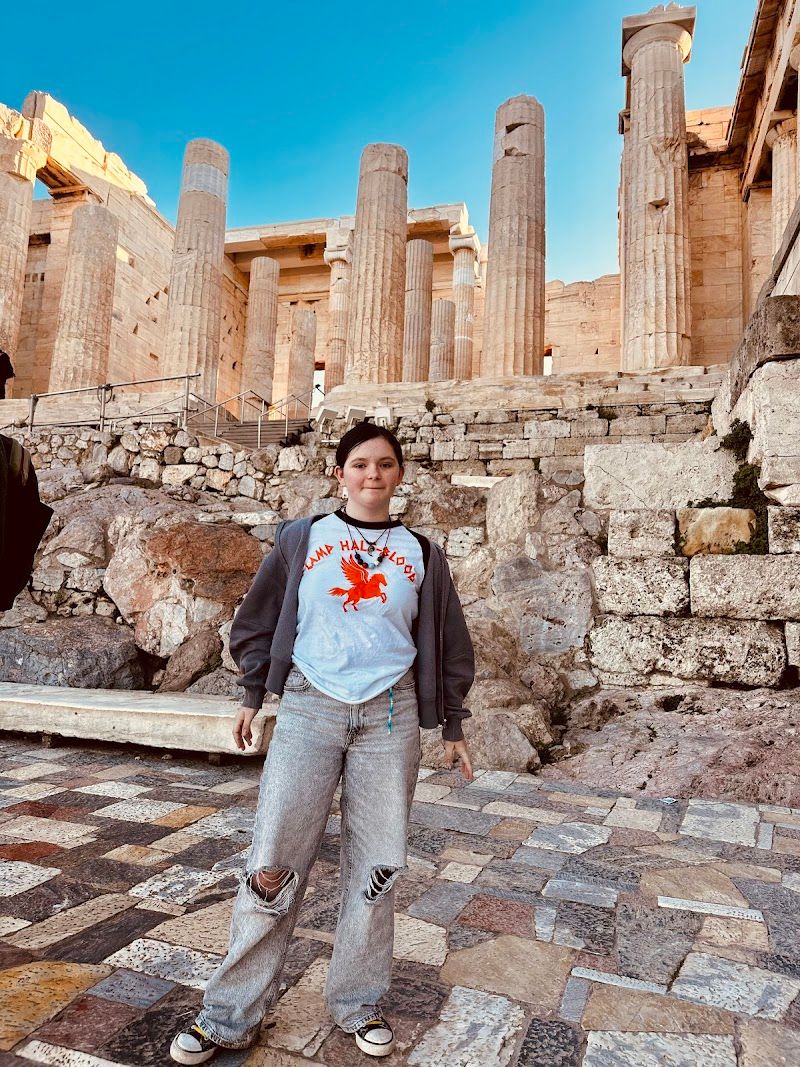
These mythology tours turn Athens' ancient sites into interactive storytelling experiences where costumed guides weave Greek myths directly into the archaeological locations where they supposedly happened. You'll visit spots like the Acropolis, Ancient Agora, and Temple of Olympian Zeus while actors dressed as gods, heroes, and mythical creatures act out the stories of Athena, Perseus, and Theseus. Kids solve riddles about the myths, craft laurel wreaths like Olympic victors, and learn how constellations got their names from Greek legends. The experience feels like stepping into a live history book where every marble column has a story. Your guide might transform into Athena at the Parthenon, explaining how she won Athens in a contest with Poseidon, then lead you to the exact spot where it allegedly happened. The energy stays high with constant audience participation: children shout answers to mythology questions, act out scenes as Greek heroes, and compete in mini challenges based on ancient tales. The mix of outdoor archaeological sites and indoor museum spaces keeps everyone engaged regardless of weather. Most family tours in Athens are either too academic or too dumbed down, but this one strikes the right balance. The 2.5 hour duration works perfectly since kids start losing interest around the 3 hour mark that most comprehensive tours demand. Skip the afternoon slots in summer since the archaeological sites become uncomfortably hot and the storytellers lose their energy. The morning tours have fresher guides and fewer crowds competing for attention at each site.
Where to Eat
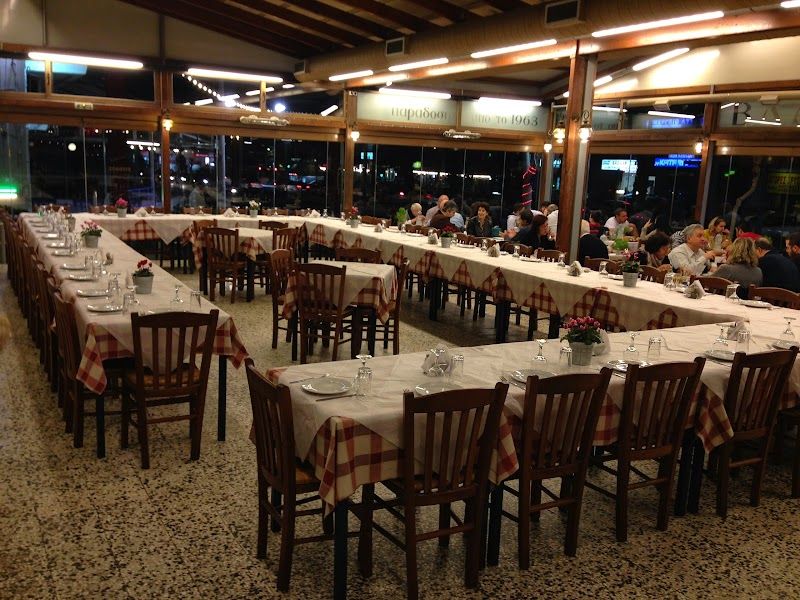
Restaurants and cafes in Koukaki
Getting Here
Insider Tips
Veikou Street dining
Walk the length of Veikou Street and pick the taverna that looks busiest with locals. Prices are EUR 12-20 per person for a full meal with wine. The restaurants here do not need to advertise because word of mouth fills them every night. Book for Saturday dinner or arrive before 8:30 PM.
Best Acropolis base
Koukaki is the best neighbourhood to stay in Athens for a first visit. You are 10 minutes walk from the Acropolis, 5 from the museum, and surrounded by restaurants that serve actual Greeks. The Acropolis metro station is on the edge of the neighbourhood. Hotels and Airbnbs are cheaper than Plaka or Syntagma.
Filopappou Hill path
The path up Filopappou Hill starts at the west end of Koukaki and leads to the Pnyx (where Athenian citizens voted on laws), the Philopappos monument, and some of the best Acropolis views in the city. Free, uncrowded, and particularly good at sunset. The path is shaded by pine trees.
Nearby Neighborhoods
Continue exploring
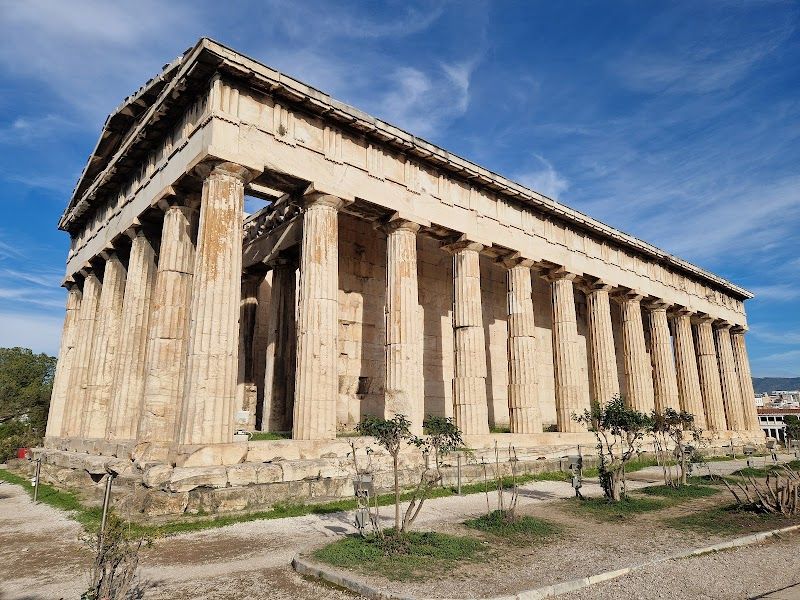
Plaka & Monastiraki
The tourist heart below the Acropolis: neoclassical houses, pedestrian streets, the flea market, rooftop bars with the most direct Acropolis views in the city, and souvlaki shops on every corner.
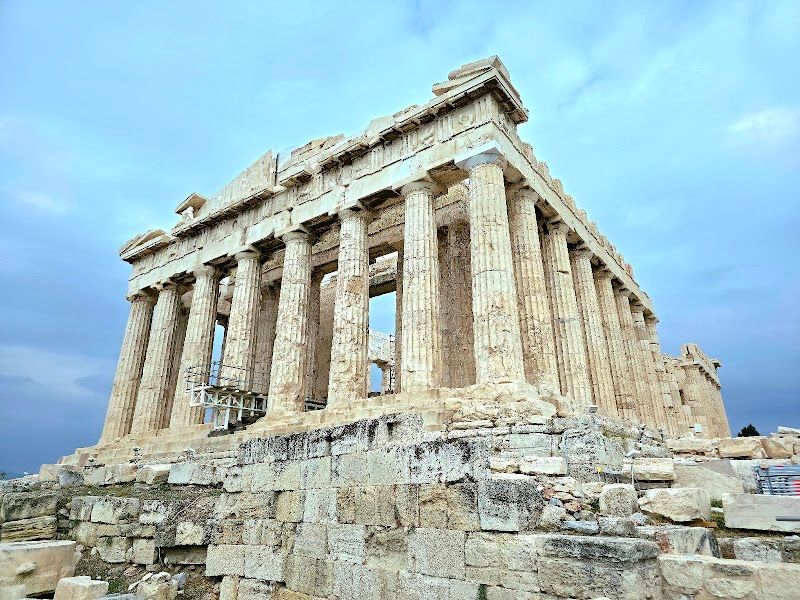
Acropolis & Makrigianni
The ancient core: the Acropolis, the museum, the theatre where drama was invented, and the pedestrianised promenade along the south slope, with quiet Makrigianni tavernas one block down.
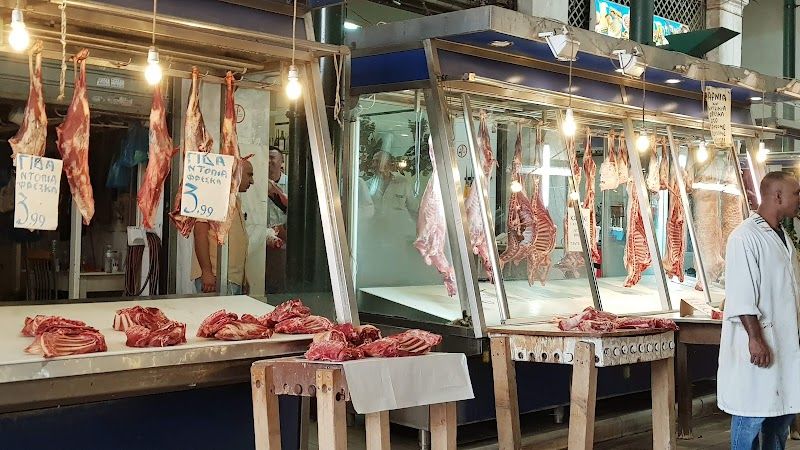
Psyrri
Reclaimed warehouses turned into murals, mezedopolia, and rebetiko bars: the neighbourhood where Athens eats, drinks, and stays out until 3 AM.
Plan a trip featuring Koukaki
Get a personalized Athens itinerary with Koukaki built in.
Start Planning