Athens
Plaka & Monastiraki
The tourist heart below the Acropolis: neoclassical houses, pedestrian streets, the flea market, rooftop bars with the most direct Acropolis views in the city, and souvlaki shops on every corner.
About Plaka & Monastiraki
Plaka and Monastiraki sit directly below the Acropolis and are where most visitors spend their first hours in Athens. Plaka is the older neighbourhood: narrow pedestrian streets, neoclassical houses with bougainvillea, small churches, and the feeling of a village inside a city. Anafiotika, at the top of Plaka, is a cluster of whitewashed houses built by stonemasons from the island of Anafi in the 19th century, and it looks more like a Cycladic island than a city neighbourhood. Monastiraki is louder and more commercial: the flea market (Sunday is the big day), Hadrian's Library (visible through the fence or EUR 6 with combined ticket), the Roman Agora (EUR 8 or combined ticket), and the rooftop bars on Mitropoleos and around the square that have the most direct Acropolis views in the city. A for Athens (cocktails EUR 10-12) is the most famous rooftop, and the sunset from there is the photo you came for. The area is touristy but architecturally beautiful, and most first-time visitors want at least an evening here.
Things to Do
Top experiences in Plaka & Monastiraki
Ancient Agora of Athens
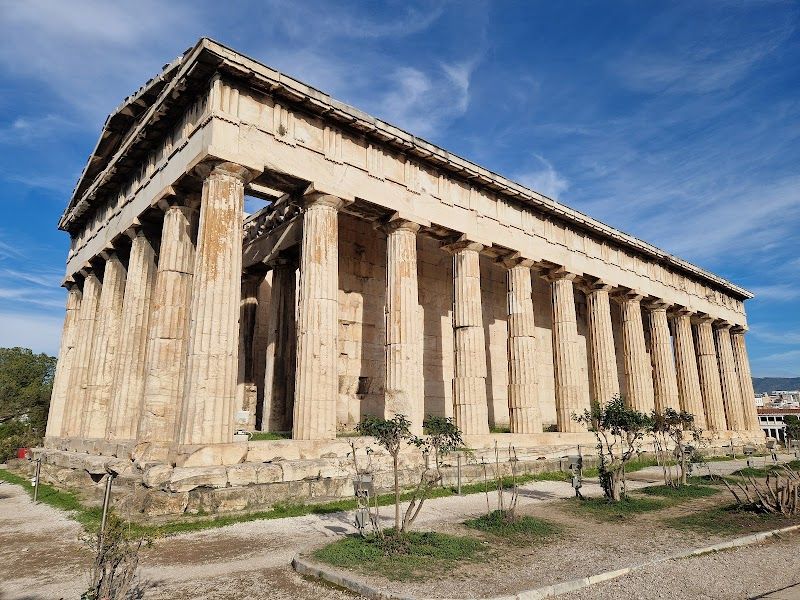
The Ancient Agora is where democracy was born and where Socrates taught his students. You'll find the best-preserved Greek temple anywhere (the Temple of Hephaestus), a fully reconstructed ancient shopping mall turned museum (the Stoa of Attalos), and the actual stones where Athenians cast their votes to ostracize politicians. The site sprawls across a tree-shaded area that feels more like a peaceful park than a tourist attraction. You enter through ancient ruins scattered across grassy areas, then climb to the Temple of Hephaestus, which sits perfectly intact on a hill overlooking everything. The Stoa of Attalos houses fascinating everyday objects: pottery shards used as ballots, ancient coins, and surgical instruments that show how Athenians actually lived. Unlike the Acropolis crowds, you can wander here quietly and actually read the signs without being pushed along. Most guides don't mention that this place delivers more than the overcrowded Acropolis for understanding ancient Athens. The €30 combo ticket (same as Acropolis) covers both sites, so you're essentially getting this for free. Skip the audio guide and use the free site map instead. The museum closes 30 minutes before the site, so hit the Stoa first if you arrive late.
Roman Agora
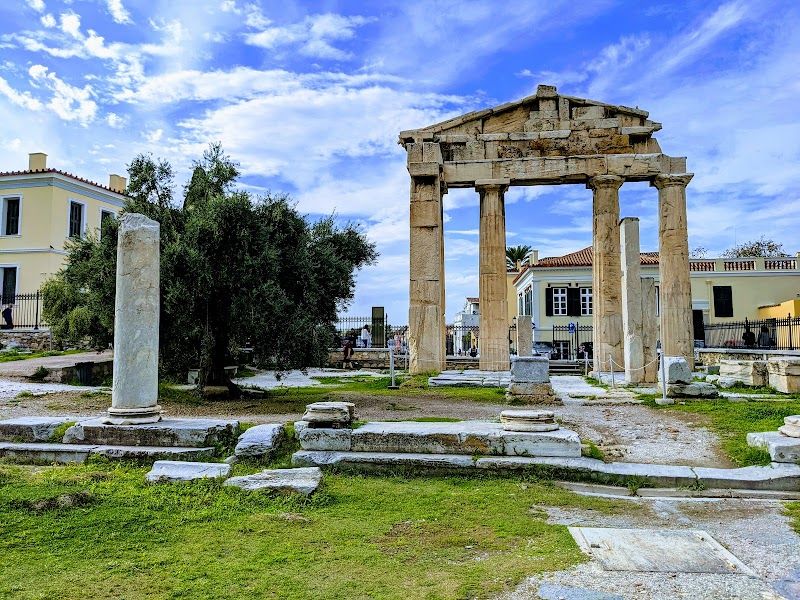
The Roman Agora sits like a forgotten theater set in modern Athens, where you can walk through the actual marketplace where Romans bought grain, oil, and gossip 2,000 years ago. The star here is the Tower of the Winds, an octagonal marble clocktower that's basically the world's first weather station. Each face shows a different wind god carved in relief, and if you look closely, you can still see the channels where water flowed through the ancient hydraulic clock mechanism. You'll enter through the impressive Gate of Athena Archegetis, its four Doric columns still standing proud after two millennia. The site feels intimate compared to the chaos of the nearby Ancient Agora. You can walk right up to the Tower of the Winds and circle it completely, studying each wind god's personality carved into the marble. The morning light hits the sundial markings perfectly, making the ancient timekeeping system suddenly clear. Most guides bundle this with other sites, but it deserves focused time. Skip the audio guide (€5) and just observe the tower's details yourself. The site connects to the Ancient Agora if you have a combo ticket, but honestly, seeing this first makes the larger agora feel overwhelming afterward. Entry costs €8, or it's included in the €30 multi-site ticket.
Monastiraki Flea Market
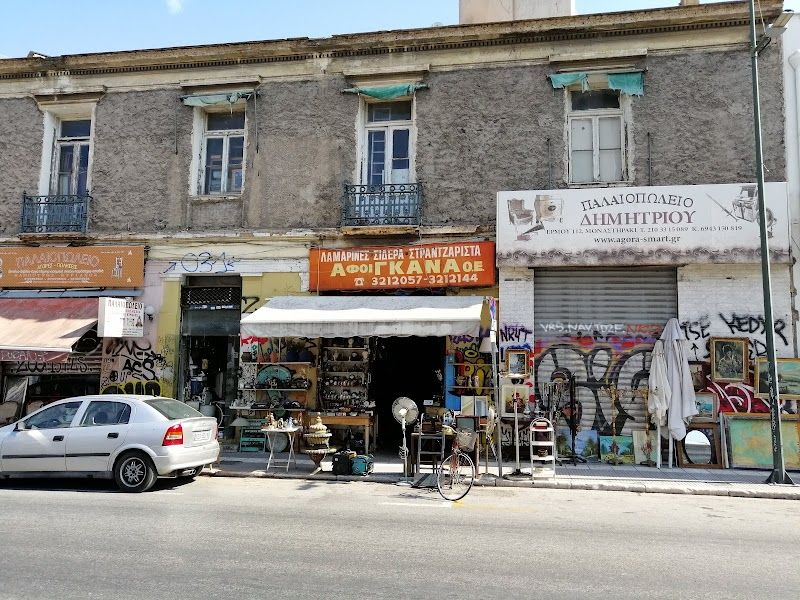
This sprawling open-air market has operated continuously since Ottoman times, spreading across Ifestou Street and the surrounding narrow alleys near Monastiraki Square. You'll find everything from genuine Byzantine icons (starting around EUR 30) to Soviet-era military medals, vintage vinyl records, and old Greek postcards. The real draws are the antique dealers who've been here for decades, selling authentic pieces like traditional Greek worry beads, old copper coffee pots, and hand-painted ceramics alongside plenty of tourist trinkets. Sunday mornings transform the area completely when dozens of additional vendors set up temporary stalls on every available corner. The atmosphere gets properly chaotic as locals and tourists squeeze through narrow passages between tables piled high with everything from old cameras to handmade jewelry. You'll hear rapid-fire Greek negotiations, the clink of coins, and vendors calling out prices. The permanent shops stay open most days, but Sunday brings the real energy and the widest selection. Most guidebooks oversell this as some treasure trove, but honestly, 70% is junk aimed at tourists. The genuine antiques are there, but you need patience and a good eye. Skip the obviously mass-produced "ancient" coins and focus on the established dealers who can tell you real stories about their pieces. Bring cash for negotiating, expect to pay around EUR 50-150 for quality vintage items, and don't bother coming on weekdays when half the stalls are closed.
Temple of Hephaestus
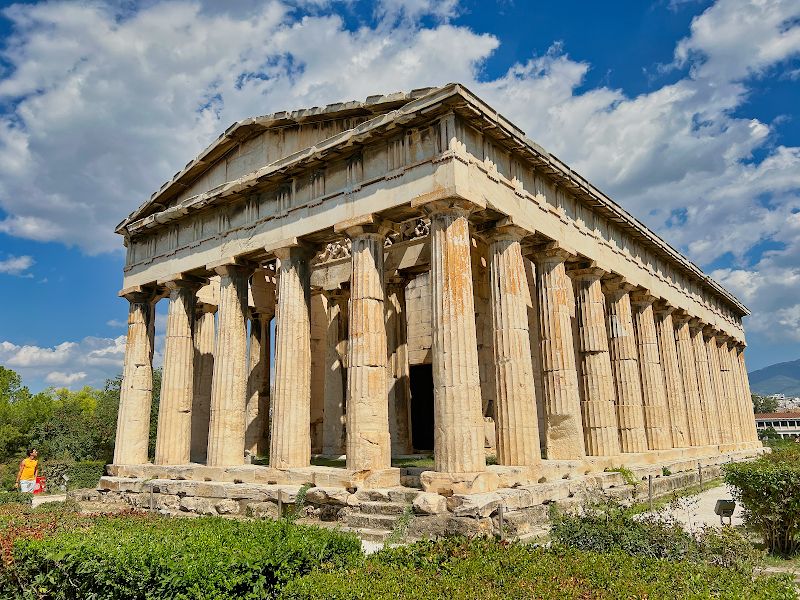
The Temple of Hephaestus is genuinely the best preserved ancient Greek temple you'll find anywhere, and that's not tourism hype. Built around 450 BC, it still has its original roof, all 34 Doric columns intact, and detailed sculptural friezes showing Heracles' labors that you can actually make out. The temple survived because early Christians converted it to a church in the 7th century, accidentally preserving what would have otherwise crumbled like most ancient buildings. You'll climb a gentle hill through the Ancient Agora to reach it, passing olive trees and excavated ruins below. The temple sits in a peaceful garden setting with pomegranate trees providing shade, and the views over the sprawling agora excavations are spectacular. Inside, the proportions feel surprisingly intimate rather than overwhelming, and you can walk completely around the exterior to examine the different sculptural scenes. The afternoon light hits the honey colored marble beautifully. Most people rush through in 10 minutes, but you're missing the point if you don't sit and absorb the setting for at least 20 minutes. Entry costs 10 EUR as part of the Ancient Agora ticket (no separate fee), making it excellent value. Skip the crowded Parthenon afternoon visits and come here instead, you'll have a more authentic ancient Greek experience with a fraction of the tourists.

Athens Walking Tours
These walking tours pair licensed archaeologists with small groups (max 20 people) for intimate explorations of the Acropolis and surrounding ancient sites. You'll cover the Parthenon, Erechtheion, Propylaea, and Theater of Dionysus while your guide explains construction techniques, mythology, and political intrigue that shaped classical Athens. The archaeologists bring artifacts to life with stories about Pericles' building program and the daily rituals that happened on this sacred rock. The experience starts at the south slope entrance where you'll skip the main ticket lines and begin climbing the marble steps worn smooth by millions of ancient pilgrims. Your guide uses visual aids and points out details most visitors miss: original paint traces on marble columns, ancient graffiti from Roman tourists, and precise engineering that keeps the Parthenon standing after 2,500 years. The pace is leisurely with plenty of photo stops, and the small group size means you can ask questions without shouting over crowds. Most tour companies use generic guides reading scripts, but these archaeologists actually worked on Acropolis restoration projects. Skip the afternoon tours (blazing hot, packed with cruise groups) and avoid the cheapest options at €25 that cram 40 people together. The €45 morning tours with licensed archaeologists are worth the premium. Book directly through their website to avoid €5 booking fees from third party sites.
Ermou Street
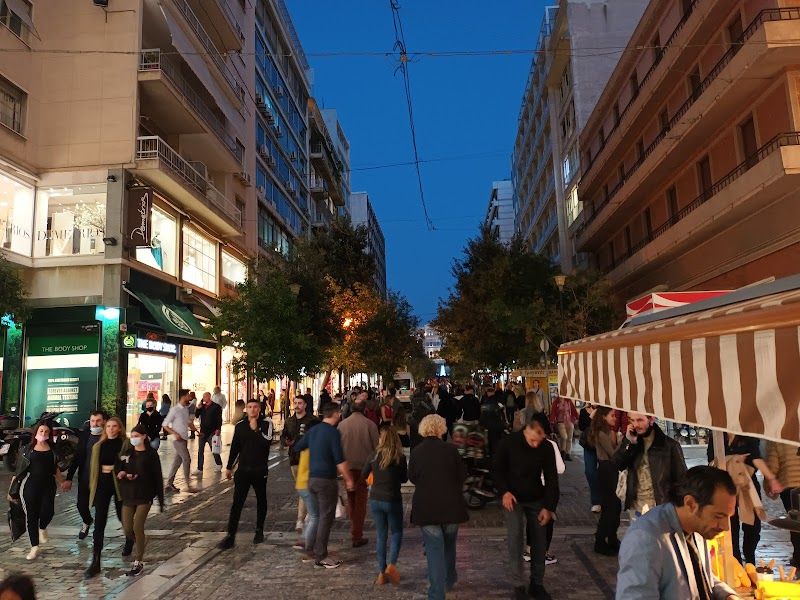
Ermou Street is Athens' main shopping pedestrian zone, a 1.5km stretch connecting Syntagma Square to Monastiraki that's part runway, part social theater. You'll find the usual suspects (Zara, H&M, Nike) mixed with Greek chains like Fokas and Attica department store, plus street musicians who range from exceptional to painfully amateur. The real surprise is the 11th century Panagia Kapnikarea church sitting right in the middle of the street, forcing shoppers to flow around this tiny Byzantine survivor like water around a stone. The experience varies wildly by timing. Weekday mornings feel almost civilized with locals grabbing coffee and window shopping. Weekend evenings turn into a proper Greek promenade where families dress up just to walk and see friends. You'll hear more English than Greek during peak tourist hours, but the energy stays distinctly Athenian. The church creates a natural gathering spot where people pause for photos or just to appreciate the architectural time warp. Most guides oversell this as a cultural experience when it's really just pleasant urban shopping. Prices here run 10-20% higher than elsewhere in Athens, so browse but buy elsewhere unless you need something specific. The real action happens in the side streets, particularly north toward Psyrri where independent designers sell clothes you won't find anywhere else. Skip the weekend afternoons when it's shoulder to shoulder crowds moving at glacial pace.
Hadrian's Library
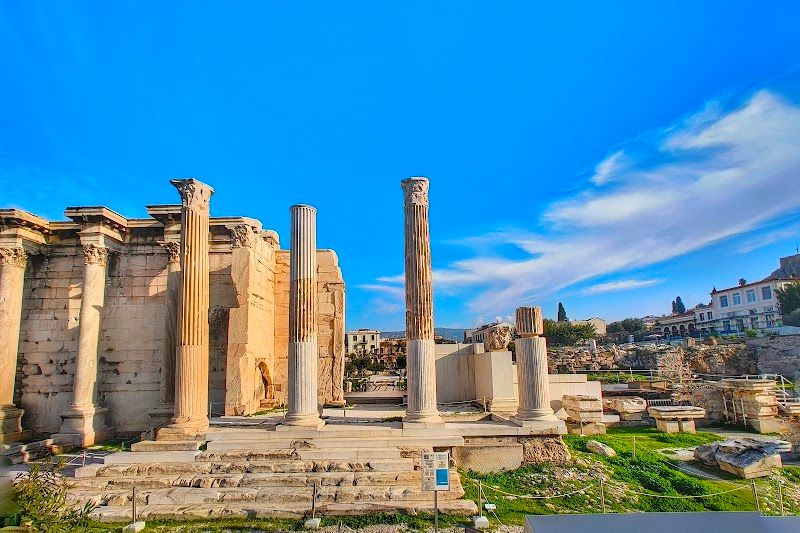
Hadrian's Library isn't your typical ancient ruin: it's a surprisingly intact glimpse into Roman intellectual life from 132 AD. You'll walk among towering Corinthian columns that once framed a massive courtyard where scholars debated philosophy and citizens browsed thousands of scrolls. The western facade still stands impressively tall, while beautiful floor mosaics peek through protective glass coverings. Inside the Roman foundations, you'll find the remains of a Byzantine church, creating this fascinating archaeological sandwich of civilizations. The site feels intimate compared to the Acropolis crowds just blocks away. You enter through a small gate and immediately face those magnificent columns, their capitals still sharp after nearly 2,000 years. The layout becomes clear quickly: imagine the central courtyard filled with reading rooms, lecture halls, and gardens. The church ruins sit awkwardly in the southeast corner, its Christian stones repurposing pagan foundations. You can trace the original library's footprint along marked foundation stones. Most guidebooks exaggerate the importance of visiting, but it's really best suited for archaeology enthusiasts and Roman history buffs. The €4 entry fee may seem steep for 30 minutes of wandering, especially since you get decent views through the fence. Skip it if you're rushed, but if you love imagining ancient daily life, those columns and mosaics deliver a genuine experience. The combination ticket with other Roman sites (€15) makes more sense than solo entry.
Athenaeum Maria Callas
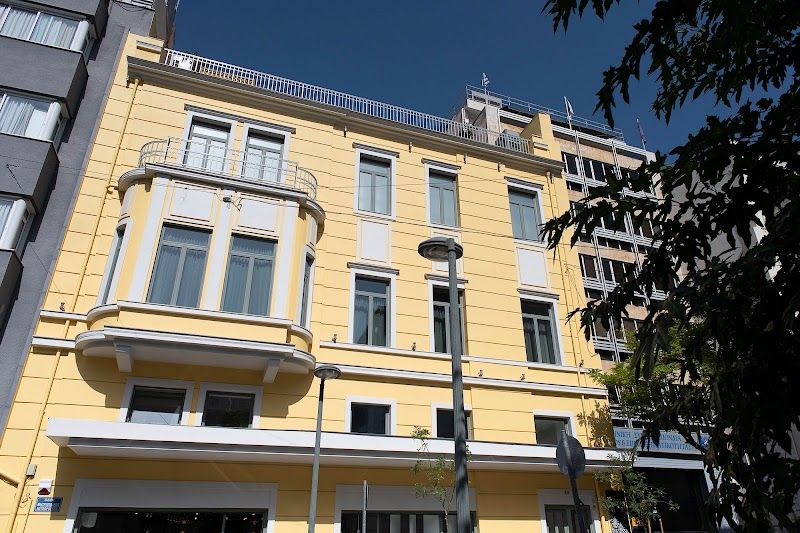
The Athenaeum Maria Callas occupies an 19th century neoclassical mansion in the heart of Plaka, featuring experimental contemporary art that challenges you. You'll find three floors of rotating exhibitions with emerging Greek artists and international names, installations often interacting with the building's original architectural features. The foundation takes risks with conceptual pieces and multimedia works that bigger Athens galleries don't touch, making each visit genuinely unpredictable. Walking through is like exploring a wealthy collector's private home where art has taken over every room. The original marble staircases and painted ceilings create striking contrasts with video installations and sculptural pieces. Staff know the artists personally and love discussing the work, which transforms browsing into actual conversations about contemporary Greek culture. The building's acoustics make any live performances feel intimate, even with 50 people in the main hall. Most travel guides lump this with other small galleries, but it operates at a completely different level of curation and ambition. Skip the gift shop, which sells overpriced postcards, and focus on the second floor where they rotate exhibitions every six weeks. Entry is free, but they appreciate donations of 3 to 5 EUR. The website rarely updates, so it's best to call ahead if you're planning around a specific exhibition.
Museum of Greek Folk Musical Instruments
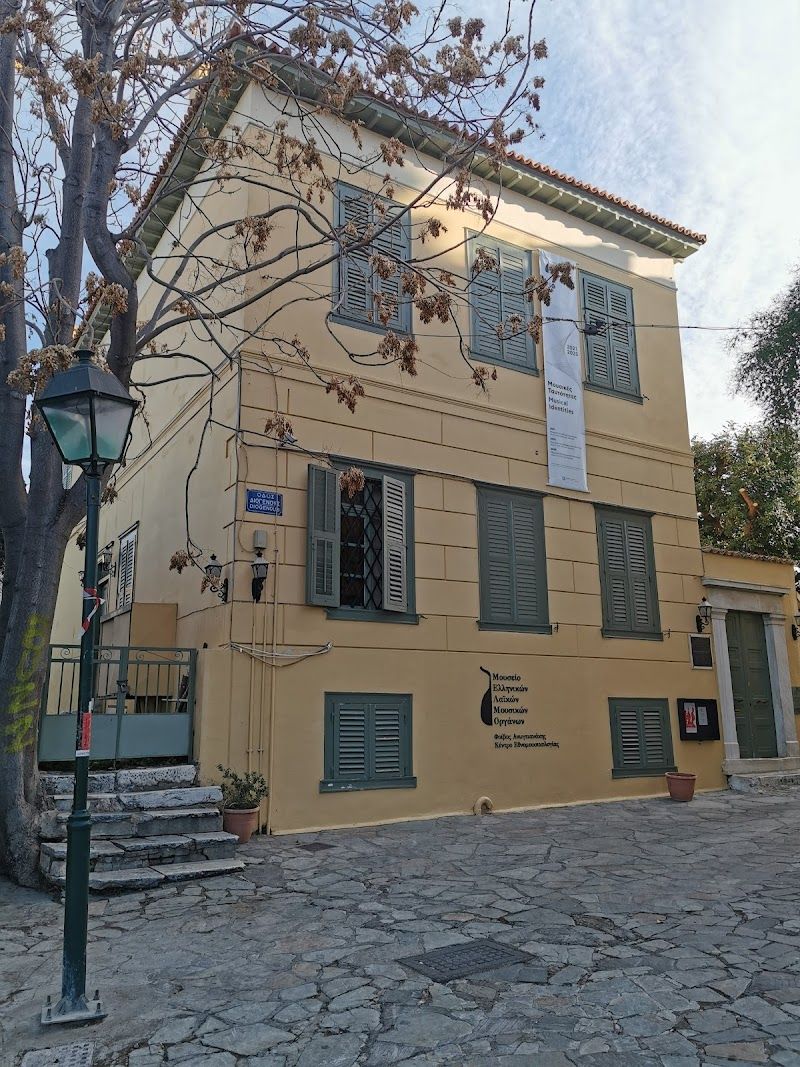
This specialized museum houses 1,200 traditional Greek musical instruments collected by musicologist Fivos Anoyanakis, spanning from the 18th century to today. You'll see everything from Cretan lyres and island bagpipes to shepherd's flutes and Byzantine bells, each with individual audio stations so you can hear exactly how they sound. The collection occupies a restored 1842 neoclassical mansion in Plaka's quieter streets, with instruments displayed in intimate rooms around peaceful courtyards. The experience feels like browsing through someone's private collection rather than a formal museum. You move at your own pace through small rooms, picking up headphones to listen to haunting melodies from santouri dulcimers or rhythmic beats from traditional drums. The audio quality is excellent, and hearing these ancient sounds in the mansion's original rooms creates an almost meditative atmosphere. Most visitors spend about an hour, though music lovers can easily linger longer. Admission is completely free, which most Athens guides don't emphasize enough. The museum gets overlooked because it's not flashy, but it's genuinely one of the city's most unique cultural experiences. Skip it if you're rushing through Plaka's tourist sites, but prioritize it if you want something authentically Greek that doesn't cost anything. The Wednesday evening summer concerts in the courtyard are spectacular but fill up quickly.
Where to Eat
Restaurants and cafes in Plaka & Monastiraki
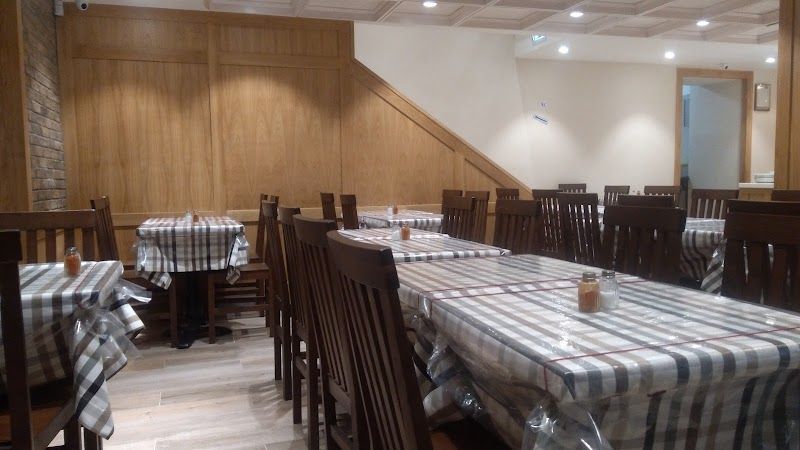
O Thanasis
RestaurantO Thanasis has been grilling lamb kebabs over charcoal in the same spot since 1964, and they've perfected the art. You'll get proper souvlaki: chunks of marinated lamb cooked over glowing coals, served with warm pita, thick-cut tomatoes, sharp red onions, and tangy tzatziki. The open kitchen lets you watch the grill masters work their magic just meters from your table, and yes, you can see the Acropolis through the windows. The moment you walk in, the smoky aroma hits you. The dining room is simple: white walls, basic wooden chairs, and the constant sizzle of meat hitting the grill. Servers move fast between tightly packed tables, balancing plates of steaming kebabs. The atmosphere is purely local, with Greek families sharing platters and construction workers grabbing quick lunches. You'll hear more Greek than English, which is always a good sign. Most tourists order the pita wrap thinking it's cheaper, but the lamb kebab plate (around €12) gives you double the meat plus proper sides. The portions are generous, the lamb is tender with a perfect char, and the pita bread comes warm from their oven. Skip the chicken, it's fine but unremarkable. The real star is that smoky lamb, and at these prices in this location, it's genuinely excellent value.
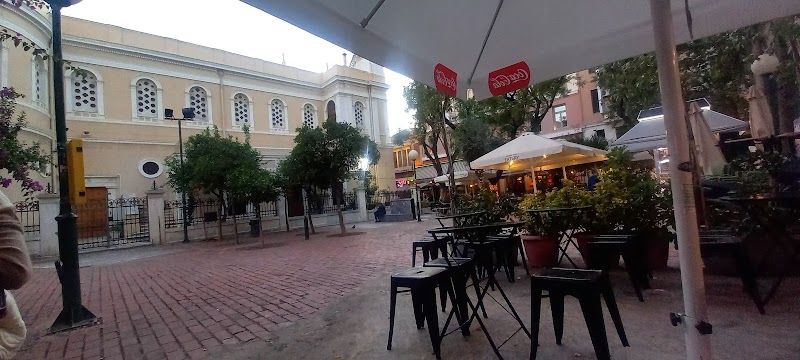
Kostas
RestaurantKostas is Athens' most famous souvlaki joint, a small storefront that's been serving exactly one thing since 1950: pork souvlaki in pita for €2.50. The place has no tables, no frills, and no menu variations, just a window where you order and a small interior where three guys work the grill non-stop. You'll find it on a small square near Syntagma, usually with a line of locals who've been coming here for decades. The experience is like a well-oiled machine: you order at the window, get a number, then wait with everyone else crowded around the tiny space. The pork sizzles constantly on the grill while the pita bread gets warmed to perfection. When your number gets called, you grab your souvlaki wrapped in paper and join the crowd eating standing up on the street or nearby steps. The meat is perfectly seasoned, the pita is crispy outside and soft inside, and the whole thing disappears in about five minutes. Most food guides put this place on a pedestal, but here's the truth: it's genuinely excellent souvlaki, but the hype can create unrealistic expectations. The €2.50 price hasn't changed much in years, making it a great value. Don't come expecting a meal, this is a snack. Skip the weekend crowds when possible, and don't bother looking for seating anywhere nearby during lunch rush.
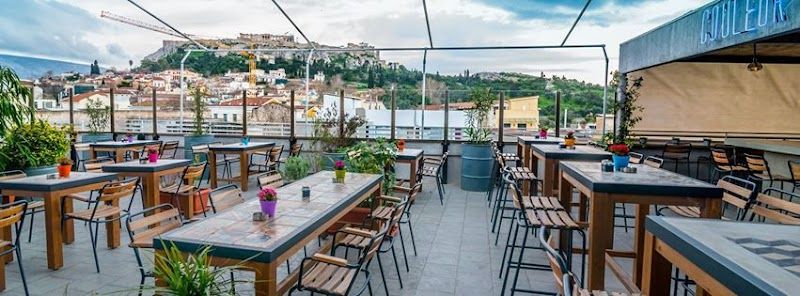
Couleur Locale
RestaurantArrive for Sunday brunch early to snag a terrace table, it gets packed by 11 AM
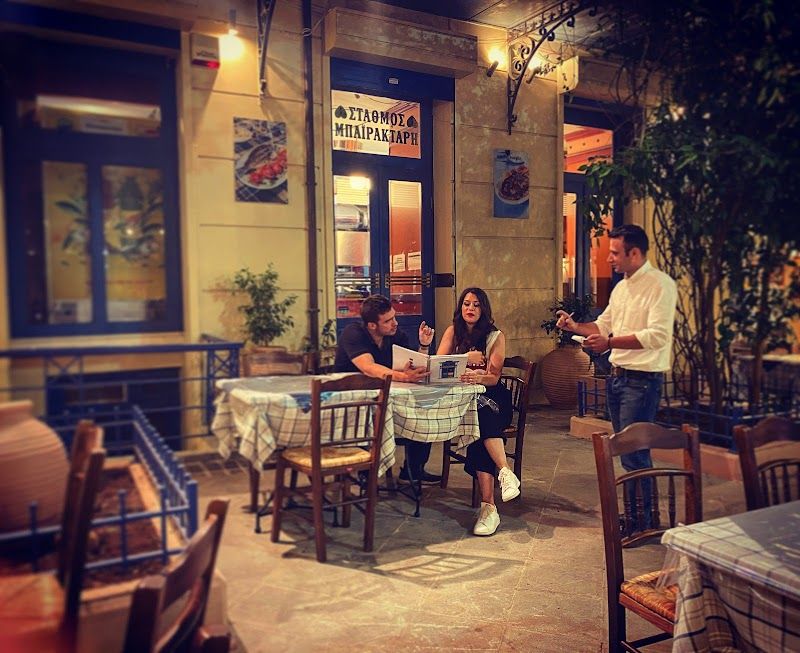
Bairaktaris
RestaurantFamily-run taverna since 1879 on Monastiraki Square, known for traditional Greek dishes served in generous portions at tourist-friendly prices. The multi-level dining rooms feature barrel-vaulted ceilings and walls covered in old photographs.
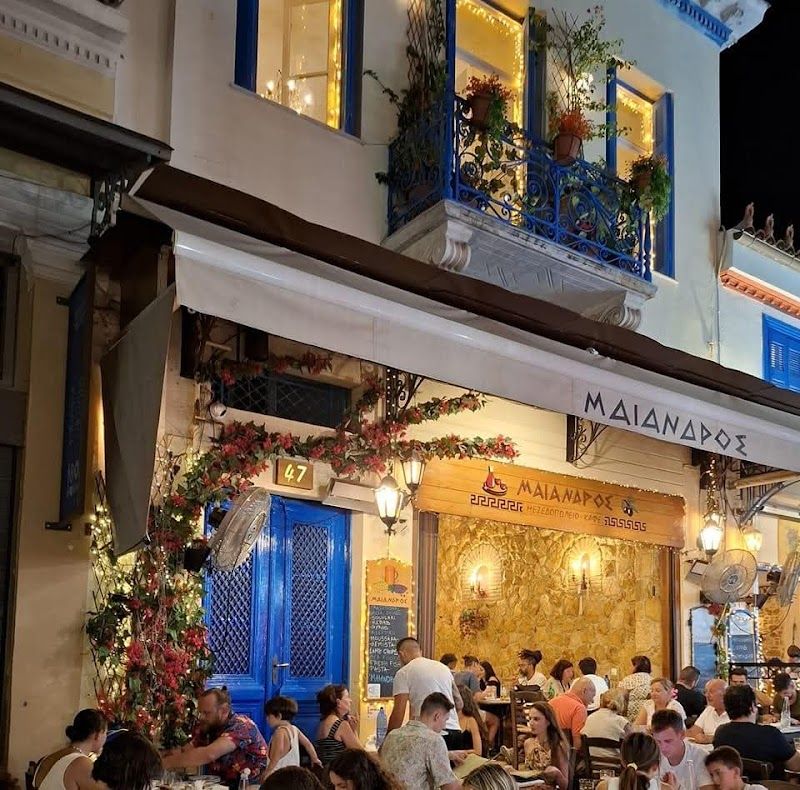
Maiandros
RestaurantOrder the daily baked dishes (mageirefta) rather than grilled items, they're made fresh each day. A full meal with wine costs under EUR 12.
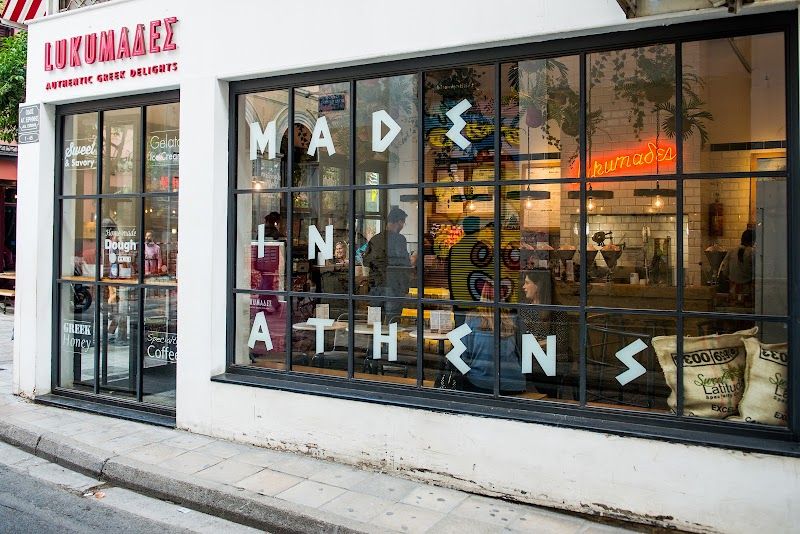
Lukumades
CafeModern take on the traditional loukoumades (Greek honey doughnuts) shop in Psyrri, serving the fried dough balls with toppings from classic honey-walnut to Nutella and ice cream. Each portion (EUR 4-6) comes hot and crispy, best eaten immediately at the marble counter. The shop stays open until 2am on weekends.
Nightlife
Bars and nightlife in Plaka & Monastiraki
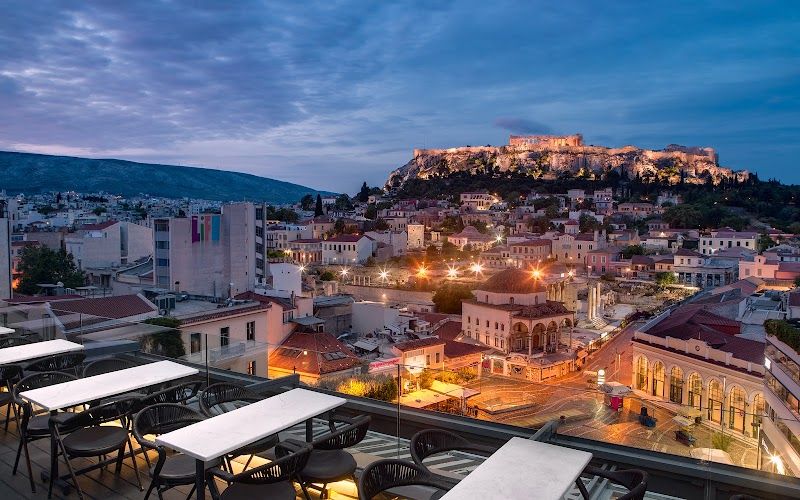
A for Athens Cocktail Bar
NightlifeA for Athens sits atop a boutique hotel in Monastiraki, giving you two distinct rooftop experiences with direct Acropolis views. The 6th floor operates as a casual bar with first-come seating where you can nurse a cocktail while the sun sets behind the Parthenon. The 8th floor opens after dark as a proper cocktail lounge with table service and the city's most dramatic nighttime perspective of the illuminated ancient site. The 6th floor feels relaxed and photo-friendly, packed with travelers clutching phones during golden hour. You'll stand at high tables or perch on bar stools, sharing the space with couples on dates and groups celebrating. The 8th floor transforms the energy completely: sleek furniture, professional bartenders, and a soundtrack that builds as Athens comes alive below. Both levels offer unfiltered views, but the extra height makes the 8th floor feel more exclusive. Most guides don't mention that cocktails run 12-16€, which is steep for Athens but standard for rooftop bars with this view. Skip the overpriced food and focus on the drinks and atmosphere. The 6th floor gets mobbed at sunset, so arrive by 7 PM or wait until after 9 PM when crowds thin out. Book the 8th floor in advance during summer, it fills up fast and walk-ins often get turned away.
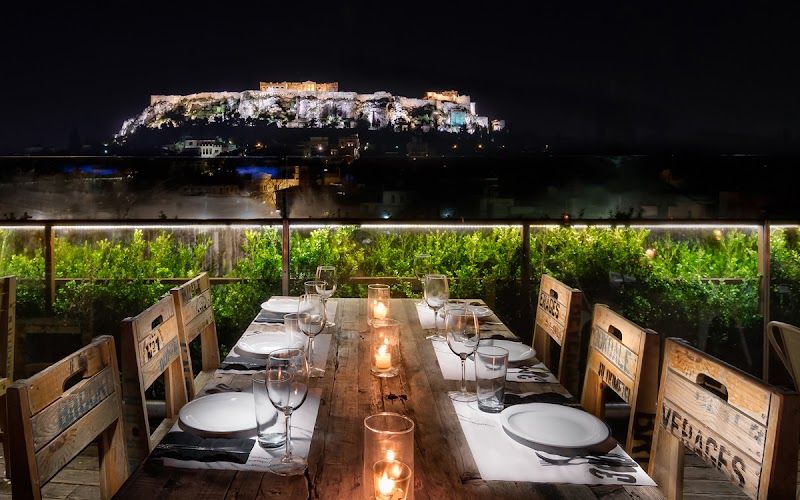
360 Cocktail Bar
NightlifeCircular rooftop bar on Monastiraki Square with 360-degree views spanning the Acropolis, Lycabettus Hill, and Aegean Sea on clear days. The DJ plays lounge music after 10 PM as the cocktail crowd arrives. Best visited on weeknights when it is less packed than weekends.
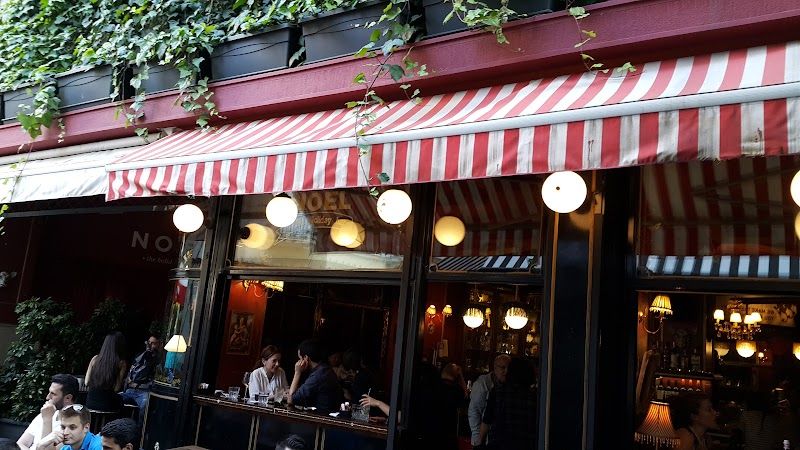
Noel
NightlifeWine bar in Koukaki serving natural and biodynamic Greek wines by the glass with small plates of Greek charcuterie and cheese. The knowledgeable owner guides tastings of lesser-known regional varieties from small producers. Space is tiny with just eight tables, creating an intimate neighborhood atmosphere.
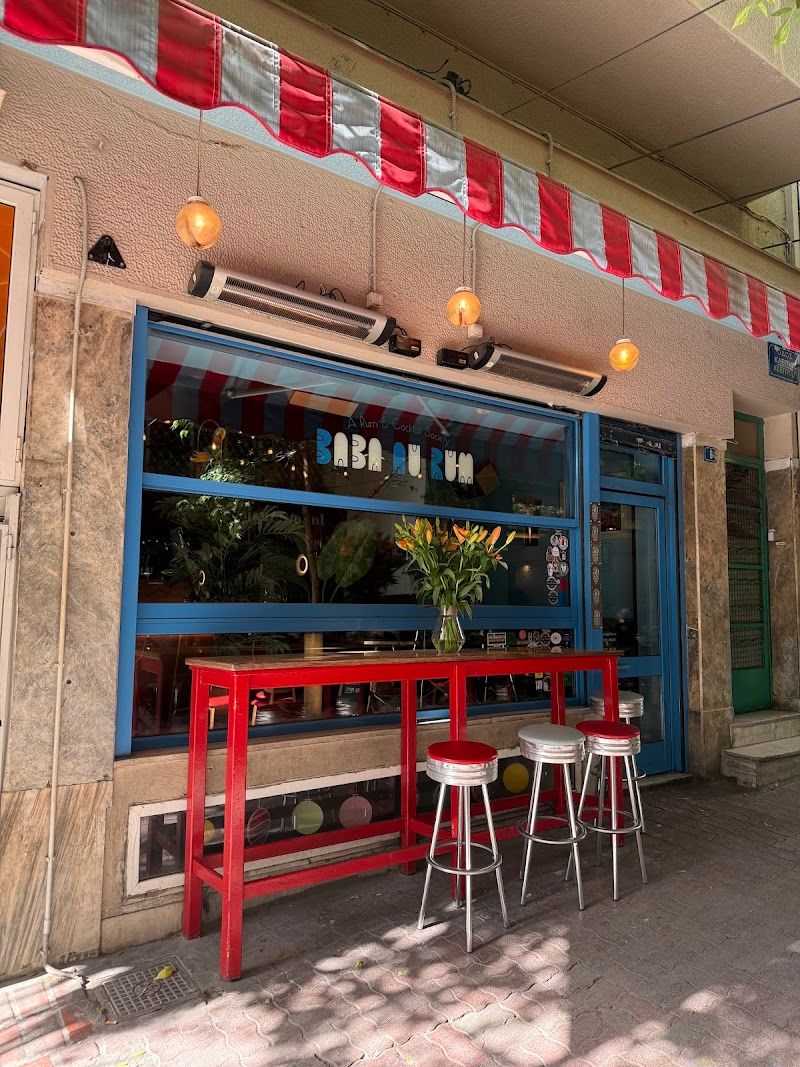
Baba Au Rum
NightlifeAward-winning rum bar in Psyrri with over 100 varieties and expert bartenders who craft cocktails with house-made syrups and bitters. The intimate space fills up after 11 PM with a mix of locals and cocktail enthusiasts. The bartenders will recommend rum flights if you want to explore different styles.
Getting Here
Insider Tips
Anafiotika hidden village
Walk up through Plaka toward the Acropolis and you will find Anafiotika: whitewashed houses, blue doors, cats on steps, and silence. It looks like Santorini but it is in the middle of Athens. Most tourists miss it because the streets are narrow and unsigned. Enter from Stratonos Street.
Monastiraki rooftop bars
A for Athens and 360 Cocktail Bar are the most famous rooftop bars. Both have direct Acropolis views and cocktails for EUR 10-12. Go 30 minutes before sunset to get a good table. Weeknights are less crowded than weekends. The view after dark, when the Parthenon is lit up, is worth a second visit.
Souvlaki strip
The souvlaki shops on Mitropoleos Street between Syntagma and Monastiraki are tourist-priced but decent. For better souvlaki, go to Kostas on Plateia Agia Irini (near Monastiraki, cash only, closes when the meat runs out, usually by 3 PM) or O Thanasis on Monastiraki Square (EUR 3-4 per pita, the classic choice).
Nearby Neighborhoods
Continue exploring
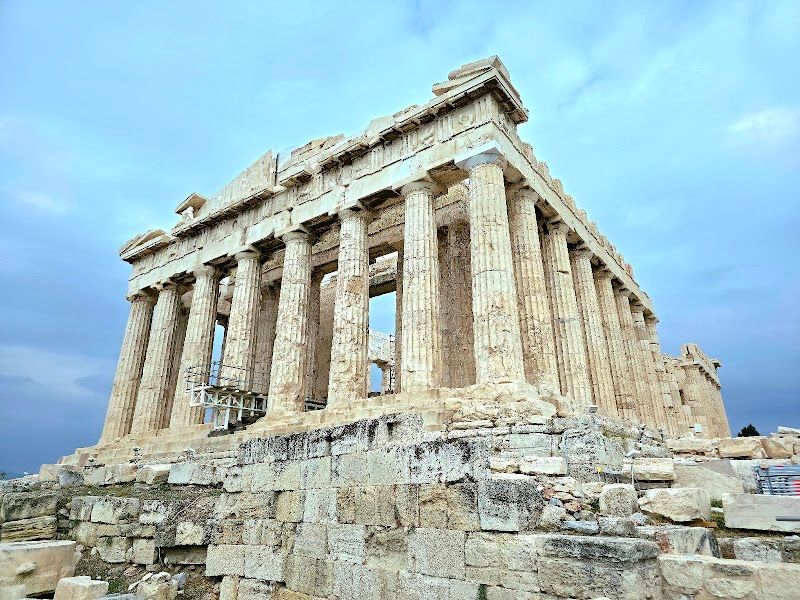
Acropolis & Makrigianni
The ancient core: the Acropolis, the museum, the theatre where drama was invented, and the pedestrianised promenade along the south slope, with quiet Makrigianni tavernas one block down.
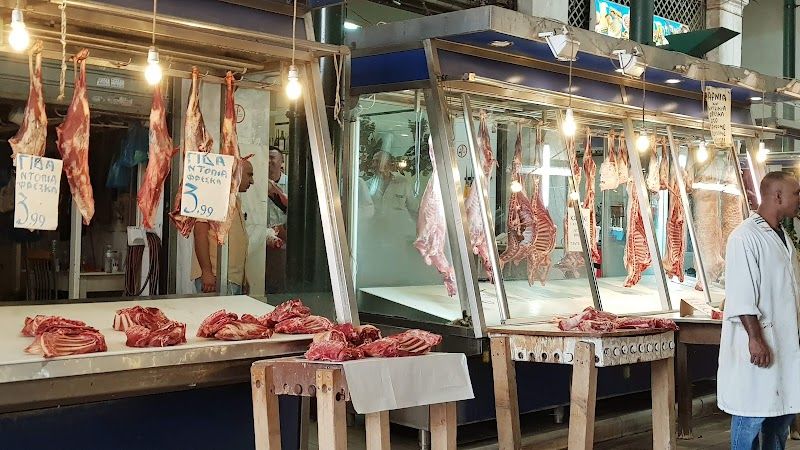
Psyrri
Reclaimed warehouses turned into murals, mezedopolia, and rebetiko bars: the neighbourhood where Athens eats, drinks, and stays out until 3 AM.
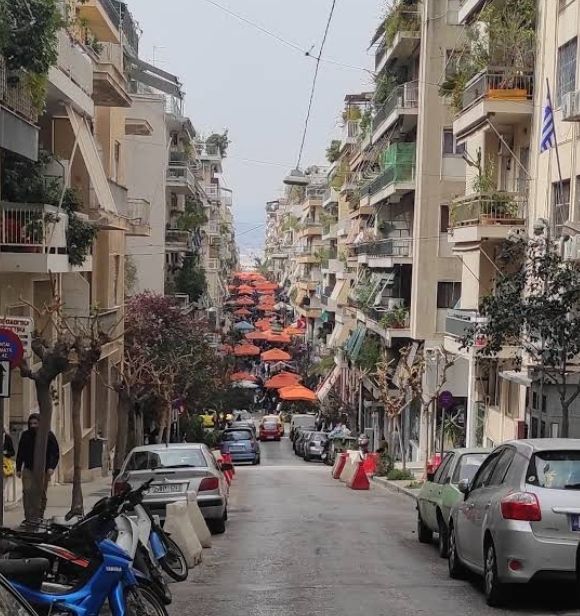
Exarchia
The anarchist quarter: political graffiti covering every surface, the National Archaeological Museum, independent bookshops, vinyl stores, EUR 8 dinners, and a different energy from the rest of Athens.
Plan a trip featuring Plaka & Monastiraki
Get a personalized Athens itinerary with Plaka & Monastiraki built in.
Start Planning