Athens
Psyrri
Reclaimed warehouses turned into murals, mezedopolia, and rebetiko bars: the neighbourhood where Athens eats, drinks, and stays out until 3 AM.
About Psyrri
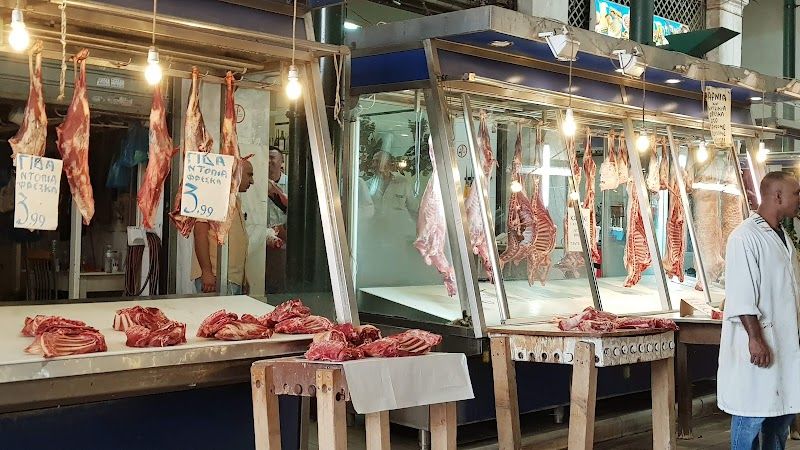
Psyrri is the neighbourhood that Athenians reclaimed from warehouses in the 2000s, and it is now the city's nightlife and street art district. Murals cover entire building facades (the best are on Sarri, Pallados, and Agion Anargiron streets). The mezedopolia (mezze restaurants) are where you order 8 plates and share everything: grilled octopus, fava, saganaki, dolmades, taramosalata, and whatever the waiter recommends. Rebetiko music bars host live performances of rebetiko (the Greek blues, born in the 1920s, raw and emotional) on Thursday to Saturday evenings. The area's energy does not start until 10 PM on weekends, and peaks around midnight. Weekday lunchtimes are quieter and the food is just as good. The Varvakios Central Market (Athens' main meat and fish market, operating since 1886) is on the edge of Psyrri and is worth a walk-through before noon.
Things to Do
Top experiences in Psyrri
Where to Eat
Restaurants and cafes in Psyrri
Varvakios Agora
RestaurantVarvakios Agora is Athens' working central market, housed in a beautiful 1886 neoclassical hall where real butchers, fishmongers, and produce vendors have been trading for over a century. You'll walk through aisles of hanging lamb carcasses, mountains of fresh octopus, and vendors shouting prices in Greek while locals inspect tomatoes and haggle over fish. The real draw isn't shopping (unless you're cooking), but the authentic tavernas tucked into corners and upper floors where market workers fuel up on grilled meat and ouzo starting at 7 AM. The atmosphere hits you immediately: the smell of fresh fish mixed with grilled lamb, vendors calling out in rapid Greek, and blood-stained aprons everywhere. Upstairs, tiny tavernas like Diporto (no sign, just follow the smoke) serve workers hunched over steaming bowls of tripe soup and plates of grilled chops. You'll sit at communal tables with butchers on their breakfast break, drinking wine from small glasses while they debate football. It's gritty, authentic Athens that most tourists never see. Most guides romanticize this place, but honestly, it's not for everyone. If you're squeamish about meat or fish, skip it entirely. The tavernas serve excellent food but expect cigarette smoke, no English menus, and sometimes surly service. Prices are incredibly cheap: grilled lamb chops cost around €8, tripe soup €5, and wine €3 per glass. Go between 8-10 AM when it's liveliest, or after 2 PM when vendors start packing up and prices drop.
Diporto
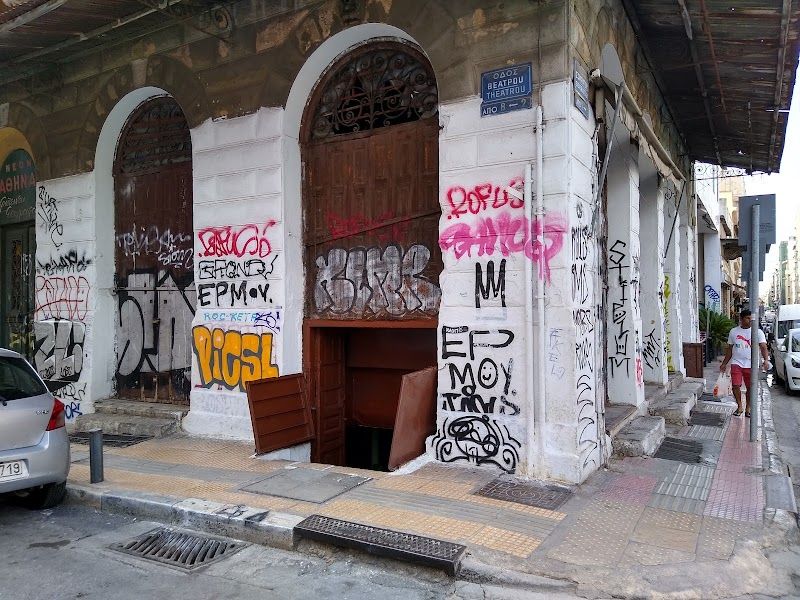
RestaurantDiporto is Athens' most authentic taverna experience: a basement restaurant with no sign, no menu, and no pretense that's been serving the same three daily dishes since 1887. You'll find whatever was fresh at Varvakios Market that morning, typically a meat dish, vegetable option, and soup, served with house wine straight from barrels. Expect to pay around €8-12 for a full meal with wine, making it one of the city's best value authentic experiences. Descending the unmarked stairs feels like entering a time capsule. The low-ceilinged basement fills with a mix of market workers, locals, and savvy travelers sharing long wooden tables under harsh fluorescent lighting. There's no ordering process: you point at what looks good on other tables or let the staff decide for you. The atmosphere is purely functional, conversations echo off tile walls, and wine flows from plastic pitchers that never seem to empty. Most food guides romanticize this place, but here's reality: the food is simple taverna fare, not fine dining. Friday's revithada (chickpea stew) justifies the reputation, but other days can be hit or miss. The real draw is the unchanged experience and rock-bottom prices. Skip it if you need English menus or Instagram-worthy presentation, but if you want to eat exactly where Athenians have for over a century, nowhere else compares.
Ta Karamanlidika Tou Fani
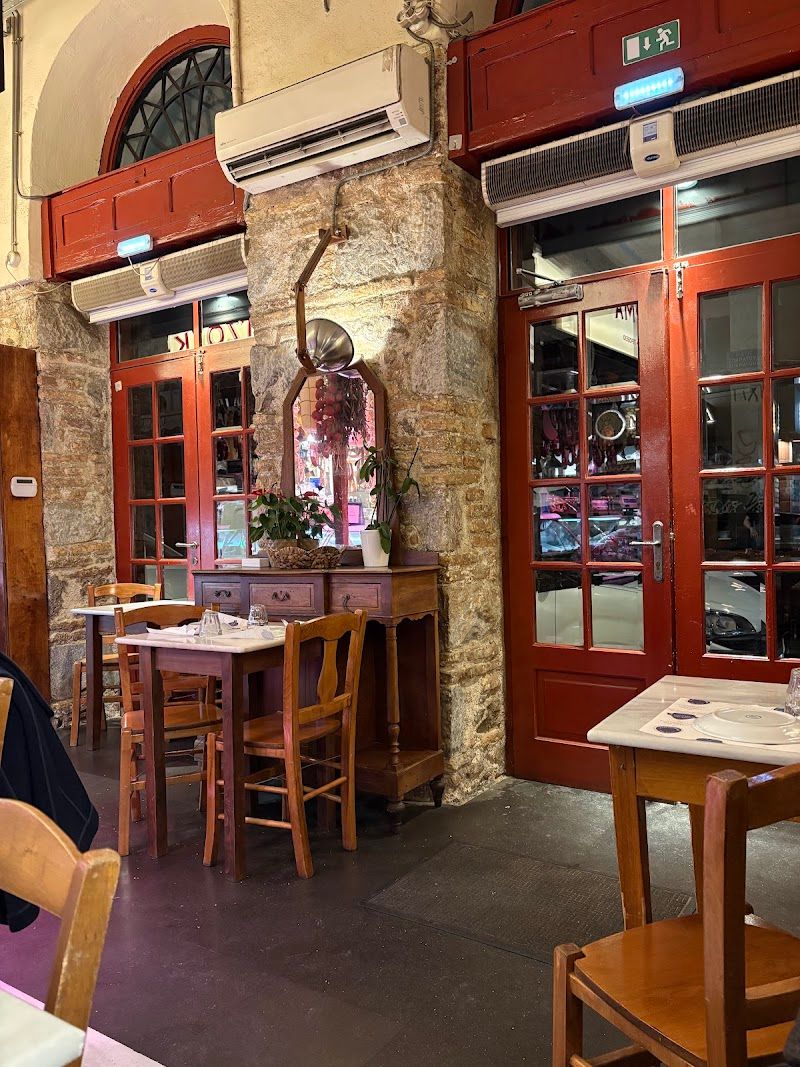
RestaurantOrder the mixed board to sample everything, including the rare soutzouki (spiced sausage). Book ahead for dinner, the six tables fill immediately.
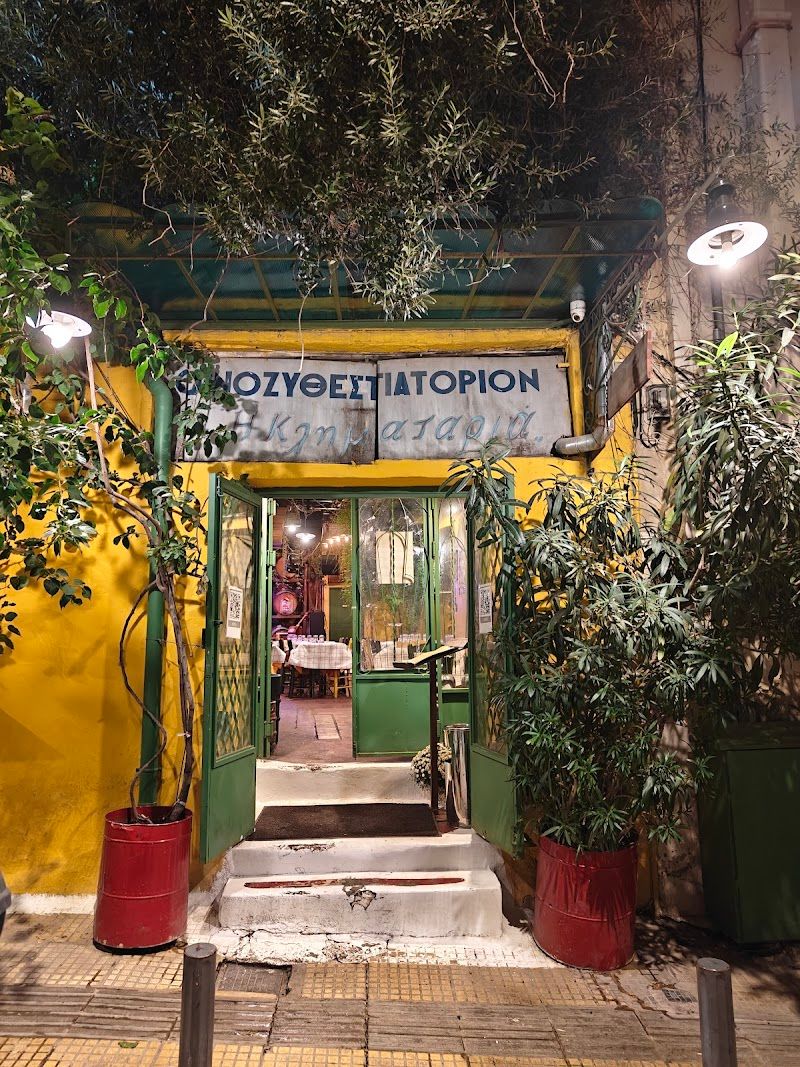
Klimataria
RestaurantRequest a table near the musicians (usually playing after 10 PM on weekends). Order house wine by the carafe, it comes from the family vineyard.
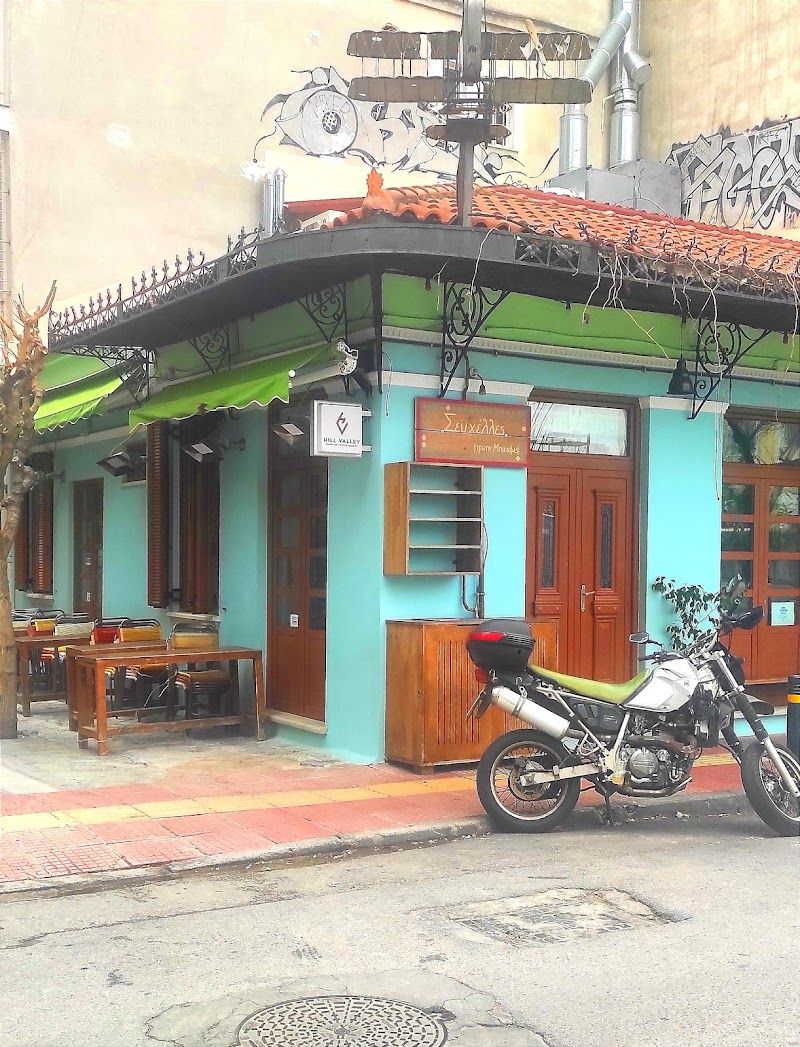
Seychelles
RestaurantThe lunch menu offers exceptional value with similar quality to dinner. Ask about the daily raw fish preparations, they're not always on the printed menu.
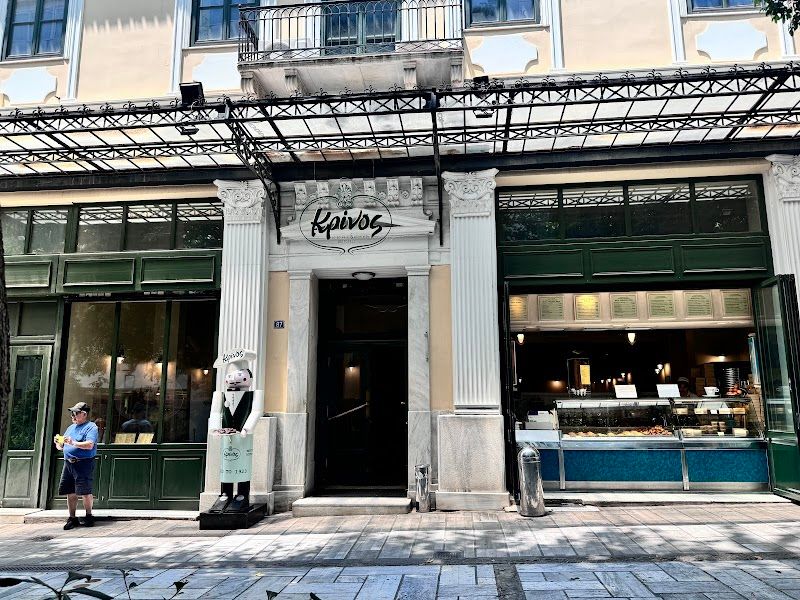
Krinos
CafeHistoric sweet shop in Monastiraki operating since 1923, famous for koulouri (sesame bread rings, EUR 0.70), loukoumades, and bougatsa served at a marble counter. Locals stop by on their way to work for a quick breakfast standing at the bar. The recipes and serving style haven't changed in decades, making it a time capsule of old Athens.
Nightlife
Bars and nightlife in Psyrri
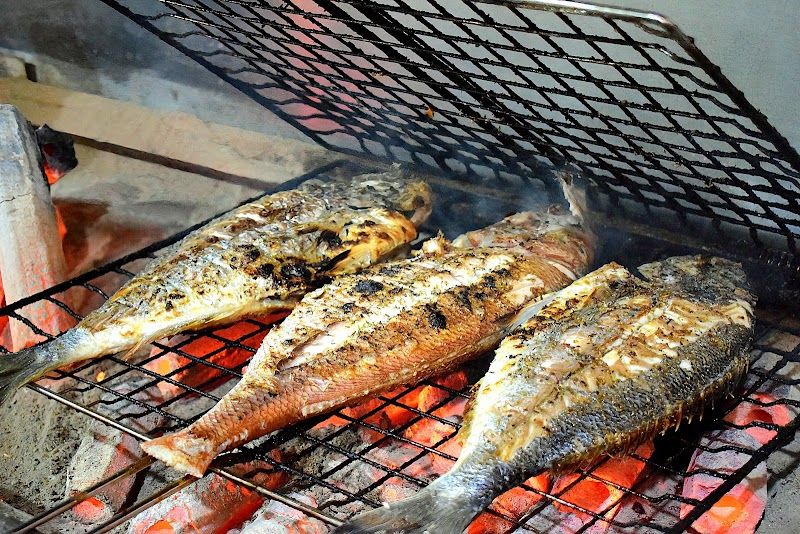
Stoa Athanaton
NightlifeStoa Athanaton is Athens' most authentic rebetiko club, housed in a cavernous former warehouse near the central market since 1930. This isn't tourist entertainment: it's where Greeks come to hear the raw, emotional music that emerged from hashish dens and refugee neighborhoods in the early 20th century. Musicians perform Thursday through Saturday starting at 11 PM, playing traditional instruments like the bouzouki and baglama while singers deliver heartbreaking ballads about love, loss, and street life. The industrial space feels deliberately unchanged, with concrete floors, exposed beams, and simple wooden tables that could seat dock workers or intellectuals equally well. You'll find elderly Greeks who lived through rebetiko's underground years sitting next to young Athenians discovering their musical heritage. The atmosphere builds slowly as ouzo flows and cigarette smoke fills the air (yes, people still smoke here). When a particularly moving song hits, the crowd goes silent except for occasional shouts of appreciation. Most music venues in Athens cater to tourists, but Stoa Athanaton operates for locals who take this music seriously. Shows often run past 2 AM, so don't expect a quick cultural sampling. Wine costs around €15-20 per bottle, ouzo about €25. The acoustics aren't perfect and the seating is basic, but that's entirely the point: this is rebetiko as it was meant to be experienced, rough around the edges and emotionally direct.
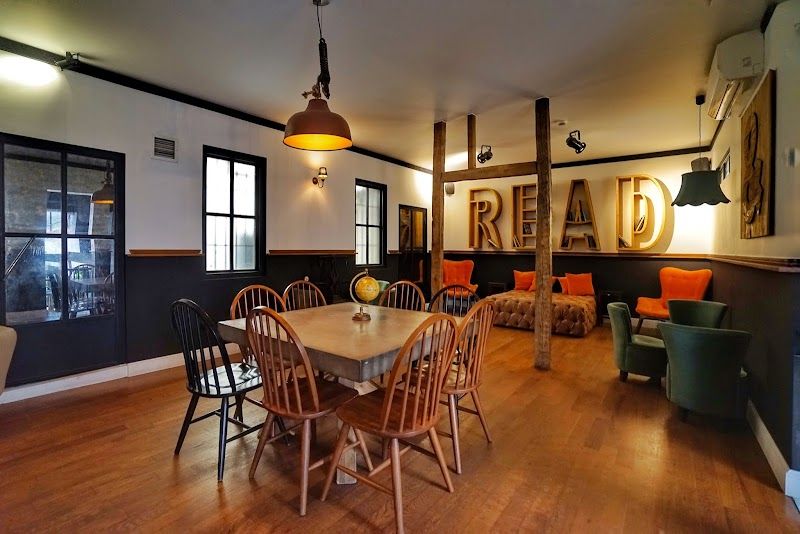
The Clumsies
NightlifeAward-winning cocktail bar ranked among the world's best, located in a neoclassical mansion with cocktails that incorporate Greek ingredients like mastic, mastiha, and mountain tea. The ground floor bar gets crowded after midnight while the upstairs lounge stays more relaxed. Reservations recommended on weekends.
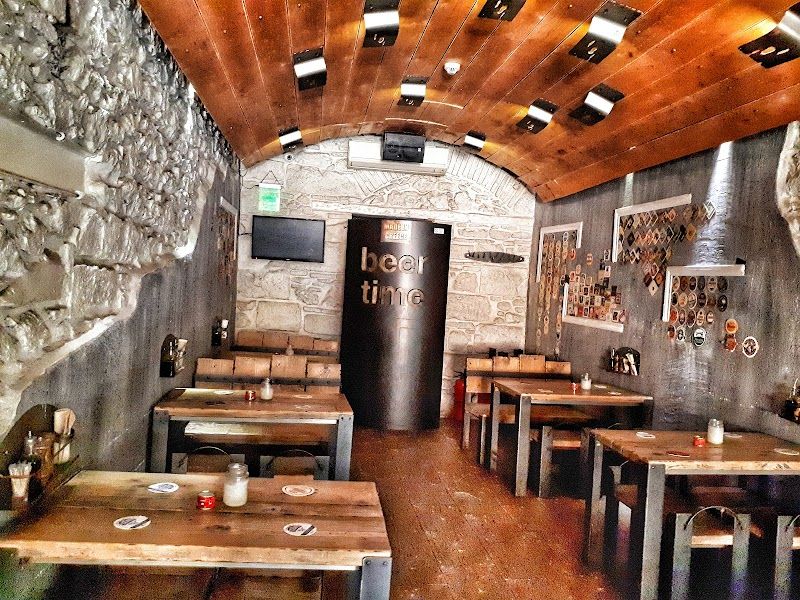
BeerTime
NightlifeCraft beer haven offering an impressive selection of Greek microbrewery beers and international imports on tap and in bottles. The casual, pub-style atmosphere makes it a favorite gathering spot for beer enthusiasts and locals. Knowledgeable staff can guide you through the extensive beer menu and recommend food pairings.
Getting Here
Insider Tips
Mezze ordering
At a mezedopolio, order 3-4 dishes per person and share everything. Start with cold dishes (tzatziki, fava, taramosalata), then hot (saganaki, grilled octopus, meatballs). The waiter will pace the food. Order house wine by the carafe (EUR 5-8 for 500ml). A full mezze dinner costs EUR 15-25 per person.
Rebetiko live music
Rebetiko is the essential Athens music experience: live musicians playing bouzouki, guitar, and singing in a taverna setting. Kavouras (Protogenous 10) and Stoa Athanaton (Sofokleous 19, inside the Central Market) are the most authentic venues. Usually Thursday to Saturday evenings, starting around 9-10 PM. Some include dinner. No cover charge at most.
Street art walk
The best murals in Psyrri are on Sarri Street, Pallados Street, and around Agion Anargiron. The art changes regularly. Walk with your camera in the morning when the light is better and the streets are quiet. The neighbourhood bleeds into Monastiraki at the south end and Gazi at the west.
Nearby Neighborhoods
Continue exploring
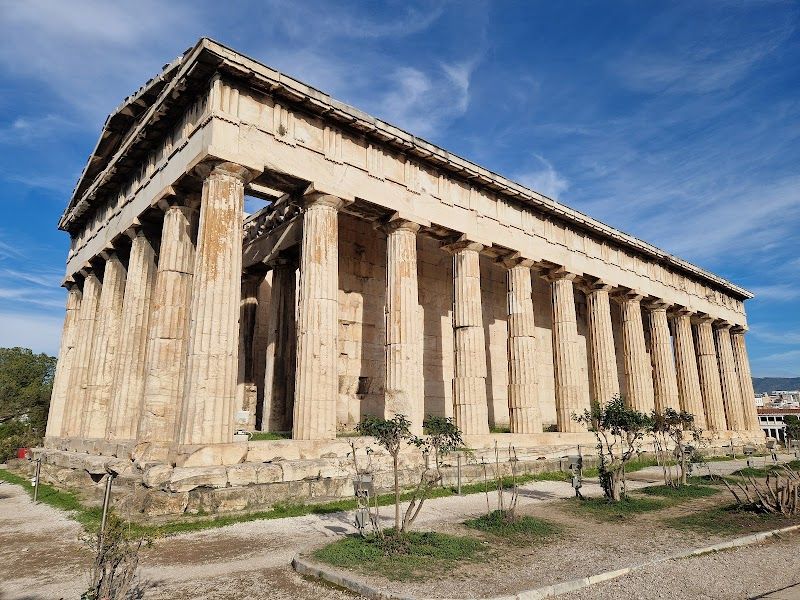
Plaka & Monastiraki
The tourist heart below the Acropolis: neoclassical houses, pedestrian streets, the flea market, rooftop bars with the most direct Acropolis views in the city, and souvlaki shops on every corner.
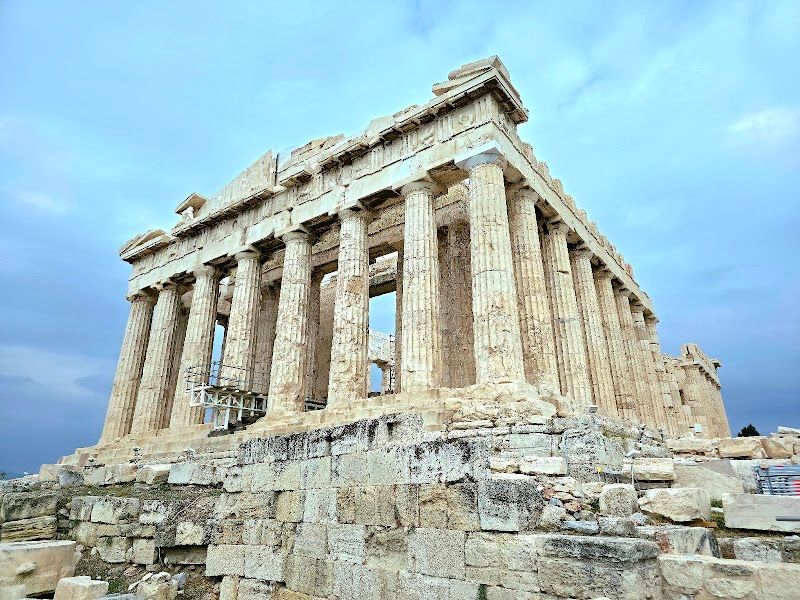
Acropolis & Makrigianni
The ancient core: the Acropolis, the museum, the theatre where drama was invented, and the pedestrianised promenade along the south slope, with quiet Makrigianni tavernas one block down.
Exarchia
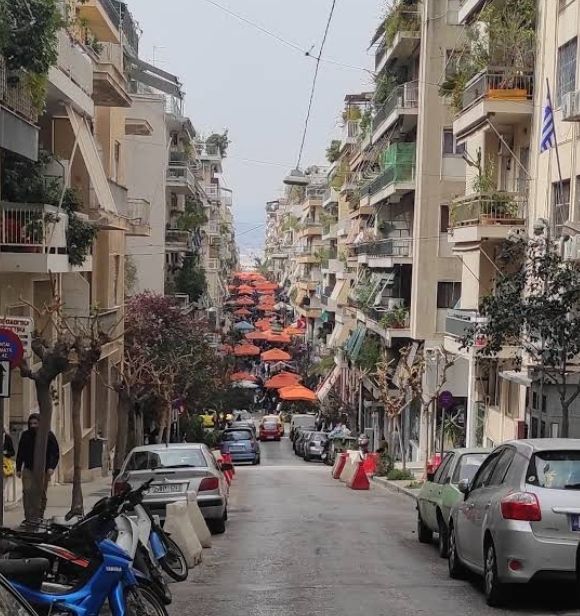
The anarchist quarter: political graffiti covering every surface, the National Archaeological Museum, independent bookshops, vinyl stores, EUR 8 dinners, and a different energy from the rest of Athens.