Athens
Acropolis & Makrigianni
The ancient core: the Acropolis, the museum, the theatre where drama was invented, and the pedestrianised promenade along the south slope, with quiet Makrigianni tavernas one block down.
About Acropolis & Makrigianni
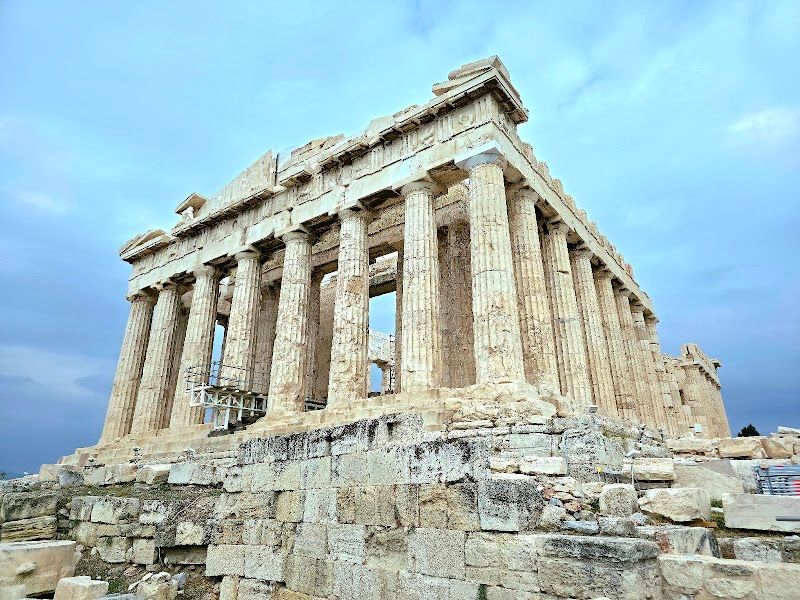
This is where you start. The Acropolis (EUR 20, or EUR 30 combined ticket covering 7 sites valid for 5 days) is the defining monument of Athens and Western civilisation. Go at 8 AM opening in summer or you are queuing in full sun with thousands of others. The south slope has the Theatre of Dionysus (where Greek tragedy and comedy were first performed, included in the combined ticket) and the Odeon of Herodes Atticus (a Roman theatre that still hosts concerts and performances in summer, you can see it from the Acropolis but entry is only during events). The Acropolis Museum (EUR 15) is directly below and is one of the best museums in Europe: glass floors over excavations, the Caryatids, and the Parthenon Gallery aligned with the real thing. Dionysiou Areopagitou, the pedestrianised street along the south slope, is the nicest walk in Athens. Makrigianni, the quiet residential neighbourhood below, has excellent tavernas that tourists walk past on their way to Plaka.
Things to Do
Top experiences in Acropolis & Makrigianni
Acropolis of Athens
The Acropolis isn't just ancient ruins, it's the birthplace of democracy and Western civilization sitting 150 meters above modern Athens. You're walking where Pericles planned the golden age of Greece, where the Parthenon has dominated the skyline for 2,500 years. The scale hits you immediately: those columns are 10 meters tall and the whole temple is bigger than most city blocks. The Erechtheion with its famous Caryatid maidens and the tiny Temple of Athena Nike complete the complex. The approach up the marble steps builds anticipation perfectly, then you emerge through the Propylaea gateway and there's the Parthenon in full view. Even with scaffolding (there's always scaffolding), the precision of the architecture is breathtaking. The views over Athens stretch to the sea on clear days. Crowds gather around the main monuments, but you can find quieter spots along the perimeter walls where the perspective is actually better. Most guides won't tell you the €30 combined ticket is essential, it covers the Acropolis Museum plus six other major sites for five days. Skip the south slope attractions unless you're seriously into theater history, they're underwhelming compared to the main event. The marble is genuinely treacherous when wet, and there's zero shade up top. Come at 8am or after 6pm, midday visits are miserable with crowds and heat.
Acropolis Museum
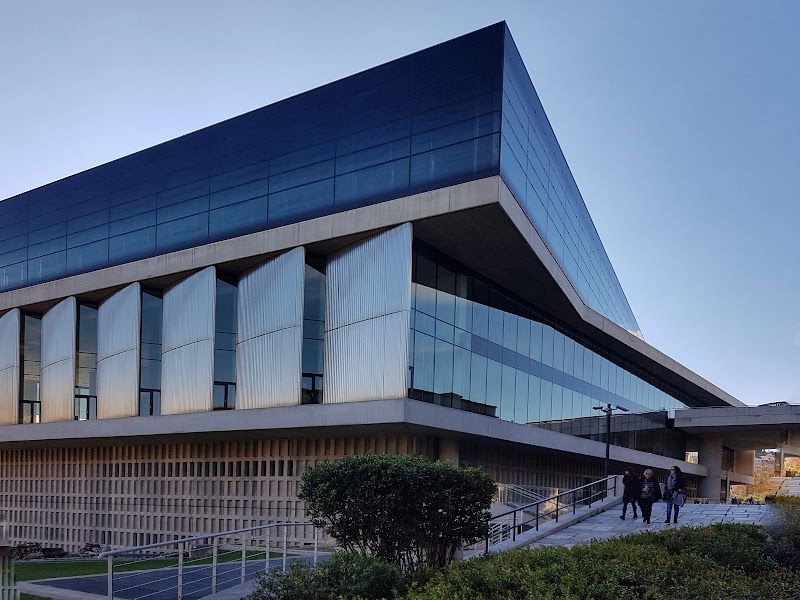
The Acropolis Museum holds the original sculptures from the Parthenon, displayed exactly as they appeared on the temple itself. You'll walk on glass floors over active archaeological digs, see the original Caryatids from the Erechtheion, and experience the top floor Parthenon Gallery where surviving marbles sit at the precise angle and height they occupied for 2,500 years. The building is a masterpiece, designed by Bernard Tschumi to create perfect sightlines between ancient artifacts and the Acropolis above. Your visit starts with a glass floor moment, peering down at 2,000-year-old ruins beneath your feet. The Caryatids gallery feels intimate and powerful, these six marble women are impossibly graceful after millennia. But the Parthenon Gallery is what you came for: massive pediment sculptures and frieze panels arranged exactly as they sat on the temple, with dramatic gaps where the Elgin Marbles belong. Natural light floods the space just as it hit the originals. Entry costs €15, it's free on winter Sundays from November through March. Most guides don't mention the excellent restaurant on the second floor, which has proper Acropolis views and reasonable prices compared to tourist traps below. Skip the crowded weekend mornings and go on a Friday evening when it's open until 8pm. The gift shop is overpriced, except for the quality reproduction jewelry.
Temple of Olympian Zeus
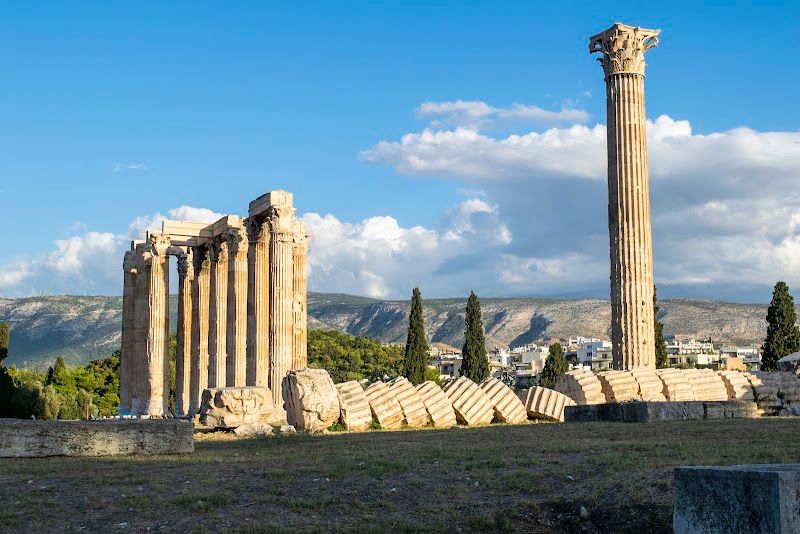
The Temple of Olympian Zeus is a colossal construction project that spans nearly seven centuries, from 6th century BC to its completion under Emperor Hadrian in 131 AD. What remains today are 15 towering Corinthian columns (out of the original 104) that reach 17 meters skyward, each one massive enough to make you feel like an ant. The scale is genuinely breathtaking: these aren't just ruins, they're monuments to ancient ambition and Roman engineering prowess. Walking among these columns feels like entering a giant's playground. The site is relatively compact, so you can circle the entire perimeter in 20 minutes, but you'll want to linger for photos with the Acropolis framed perfectly through the ancient marble. The ground is uneven ancient stone, and there's minimal shade, so wear comfortable shoes. One fallen column lies dramatically across the grass, giving you a sense of their true enormity when horizontal. Honestly, most people rush through here in 15 minutes, which is a mistake. The real magic happens when you position yourself between the columns and look toward the Acropolis: it's one of Athens' best photo opportunities. Skip the overpriced site cafe and bring water. The combined ticket (EUR 30) covering seven sites is genuinely worth it if you're doing the Acropolis too, but buying individual entry here costs EUR 6.
Areopagus
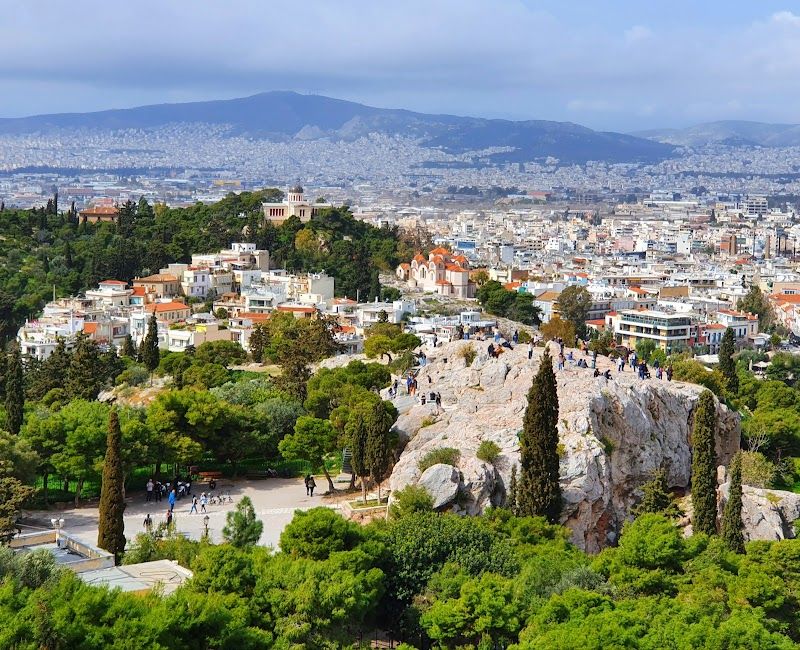
This slippery marble outcrop sits just northwest of the Acropolis and served as Athens' supreme court for centuries. You'll climb ancient carved steps to reach the flat summit where Apostle Paul delivered his famous sermon about the "Unknown God" in 50 AD, recorded in Acts 17. The real draw today is the unobstructed view of the Acropolis' western face, especially magical during golden hour when the Parthenon glows against the darkening sky. Climbing feels precarious because the marble has been polished smooth by millions of feet over decades. The carved steps are shallow and slick, requiring careful placement of each step. Once you reach the top, you're standing on the same rock where ancient Athenians decided matters of life and death. The space is surprisingly small, maybe 20 people maximum, and photographers jostle for position as sunset approaches. A bronze plaque at the base tells Paul's story in multiple languages. Most guides oversell this as a historical experience when it's really about that killer Acropolis view. Skip it during midday heat when the marble becomes scorching and the light is harsh. The bronze plaque is interesting for 30 seconds, then it's all about positioning yourself for photos. Come for sunset or skip entirely, there's no middle ground worth your time.
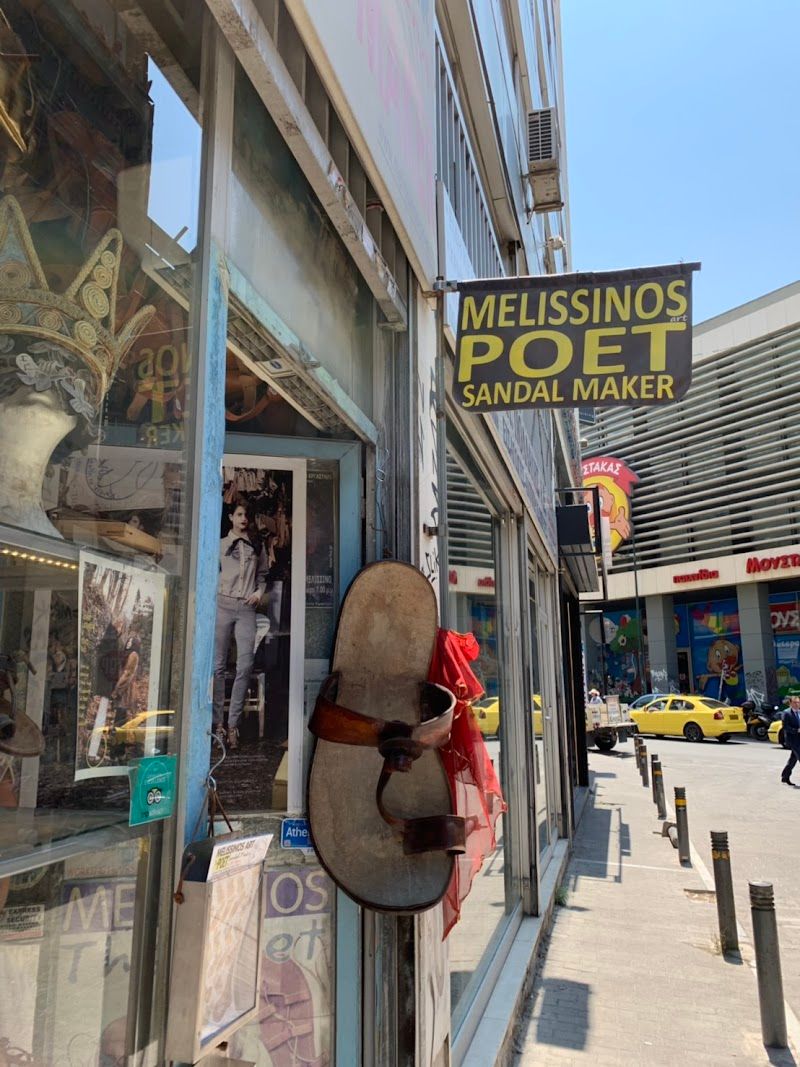
Melissinos Art - The Poet Sandal Maker
This third-generation workshop has been handcrafting leather sandals using identical techniques since 1920, when poet Stavros Melissinos first opened the shop. You'll watch skilled craftsmen cut, stitch, and shape your sandals from scratch using traditional Greek methods that haven't changed in over a century. The walls display photos of famous customers like John Lennon, Jackie Kennedy, and Sophia Loren, all wearing Melissinos creations. Each pair is custom-fitted to your feet and made while you wait. The experience feels like stepping into a working museum where time stopped decades ago. Leather hides hang from the ceiling, hand tools cover wooden workbenches, and the rhythmic hammering of craftsmen fills the small space. You'll sit on wooden stools while Pantelis Melissinos or his team traces your feet on paper, then cuts leather pieces by hand. The smell of leather and glue permeates everything, and you can chat with the makers as they work on your sandals. Expect to pay around €50-80 for basic sandals, with fancier designs reaching €100+. Most guides don't mention the 30-45 minute wait time, so bring a book or explore nearby shops. The quality justifies the price, but don't expect modern comfort features like arch support. Skip the tourist rush by avoiding cruise ship days (Tuesdays and Wednesdays are usually calmer).
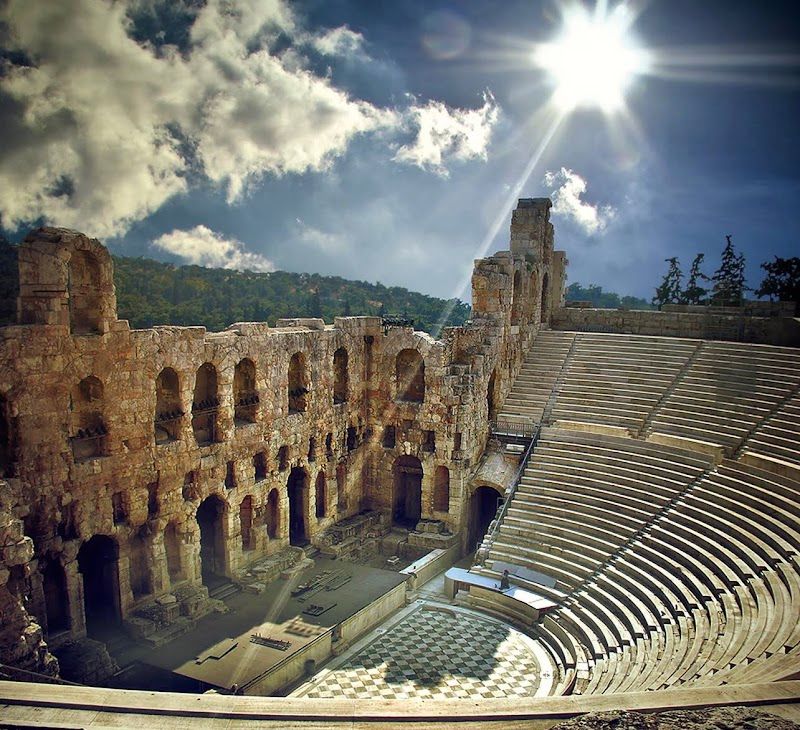
Odeon of Herodes Atticus
The Odeon of Herodes Atticus is a perfectly preserved Roman theater from 161 AD that still functions exactly as intended nearly 2,000 years later. Built by wealthy Roman Herodes Atticus as a memorial to his wife Aspasia, the semicircular stone amphitheater originally seated 5,000 spectators in its steep marble tiers. The three story arched facade looms impressively behind the orchestra, while the acoustics remain flawless: whispers from the stage carry clearly to the top rows. During summer performances, you'll climb ancient stone steps to your seat as musicians tune instruments on the same stage where Roman audiences once gathered. The atmosphere is electric when filled with concertgoers, candles flickering in the arched windows of the backdrop. The venue transforms completely when empty versus during shows: by day it's a quiet archaeological site viewed from above, but evening performances bring the space alive with perfect acoustics bouncing off 2,000 year old marble. Here's what most guides don't mention: you can't actually enter the theater unless you buy tickets to a performance, typically ranging from 15 to 80 EUR depending on the show and seating. The best free views are from the Acropolis pedestrian walkway above, where you can photograph the entire structure. Skip trying to peek through the entrance gates, security is tight and there's nothing to see from ground level outside performance times.
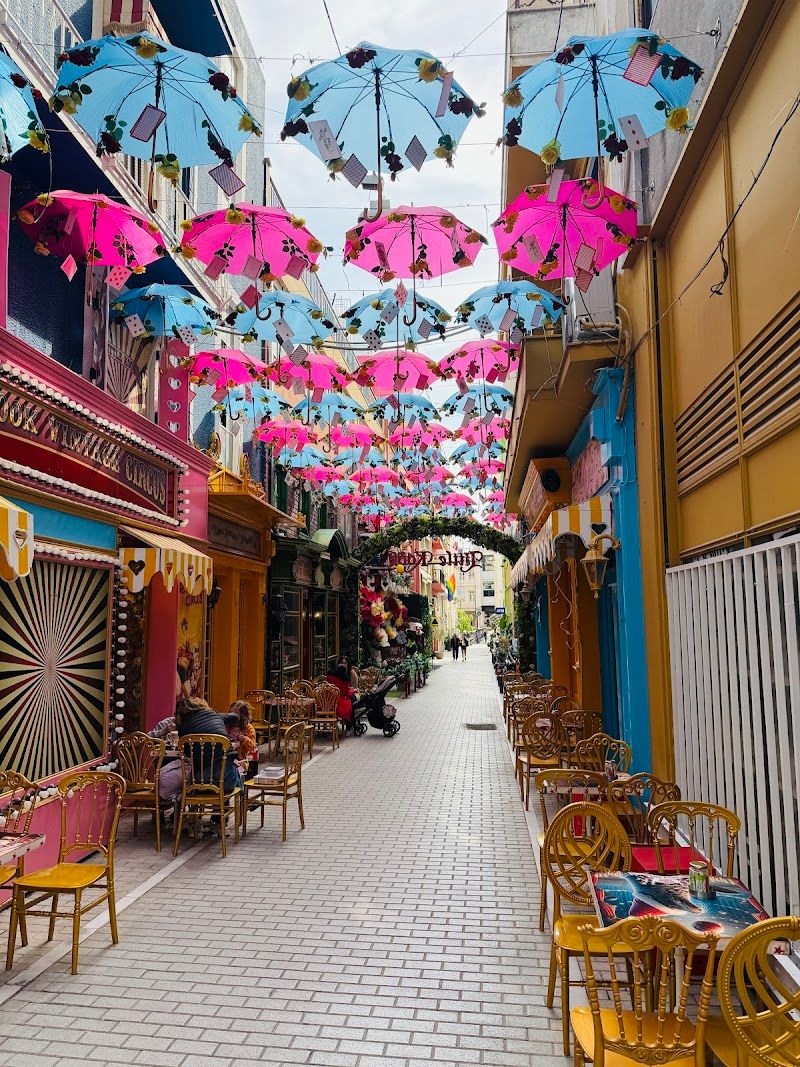
Key Tours Greece
Key Tours Greece runs full-day Delphi excursions that combine Greece's most significant archaeological site with spectacular mountain scenery. You'll visit the Temple of Apollo where the famous Oracle delivered prophecies, explore the ancient theater carved into Mount Parnassus, and walk among treasury buildings that once held offerings from across the Greek world. The archaeological museum houses the original Charioteer statue and other masterpieces that bring the site's 1,000-year history to life. The experience starts with a comfortable coach ride through olive groves and mountain villages, with your guide explaining the mythology before you arrive. At Delphi itself, you'll climb ancient stone paths with sweeping views over the valley below. The site feels genuinely mystical, especially early in the day when morning light hits the temple columns. The museum provides welcome air conditioning and context, while the outdoor ruins let you imagine pilgrims climbing these same paths 2,500 years ago. Most day trips rush through both the site and museum in under two hours, which isn't nearly enough time. The full-day tours give you proper time to absorb everything, though they cost around 85-95 EUR per person depending on group size. Skip the overpriced cafeteria food at the site, the coffee is terrible and sandwiches cost 8 EUR. The guides vary in quality, some focus too heavily on mythology while glossing over the actual history.
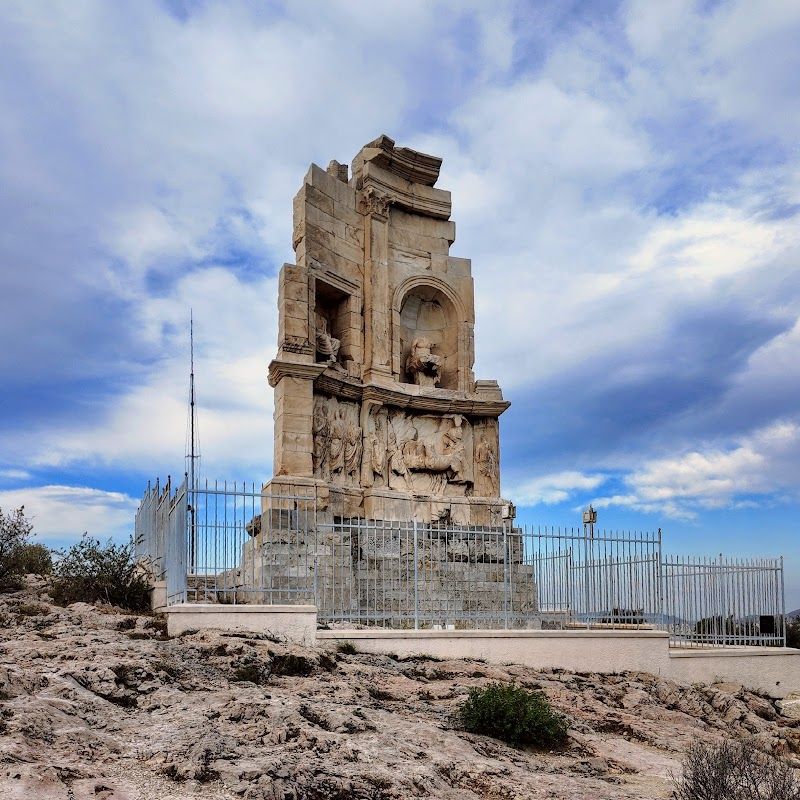
Filopappou Monument
This 2,000-year-old marble monument crowns Philopappos Hill and gives you one of Athens' best vantage points for photographing the Acropolis without crowds blocking your shot. The two-tiered structure honors a Roman prince who bankrolled public works in ancient Athens, and you can still make out detailed relief carvings showing him in his consul robes. The monument sits 147 meters above sea level, making it higher than the Acropolis itself. The walk up takes about 10 minutes through pine-scented paths, and once you're there, you'll have the whole western panorama of Athens spread below. The monument itself is partially ruined but atmospheric, with small cave chambers cut into the rock underneath that locals still use for informal ceremonies. The marble glows beautifully in morning light, and you'll often have the place to yourself except for the occasional jogger or photographer setting up elaborate shots. Most people rush here for sunset photos and miss the better morning light that makes the Acropolis glow golden. The monument is free to visit and genuinely uncrowded compared to every other ancient site in Athens. Skip it if you're short on time and already doing Areopagus Hill for Acropolis views, but if you want breathing room and fewer selfie sticks, this beats the more famous viewpoints hands down.
Athens by Bike
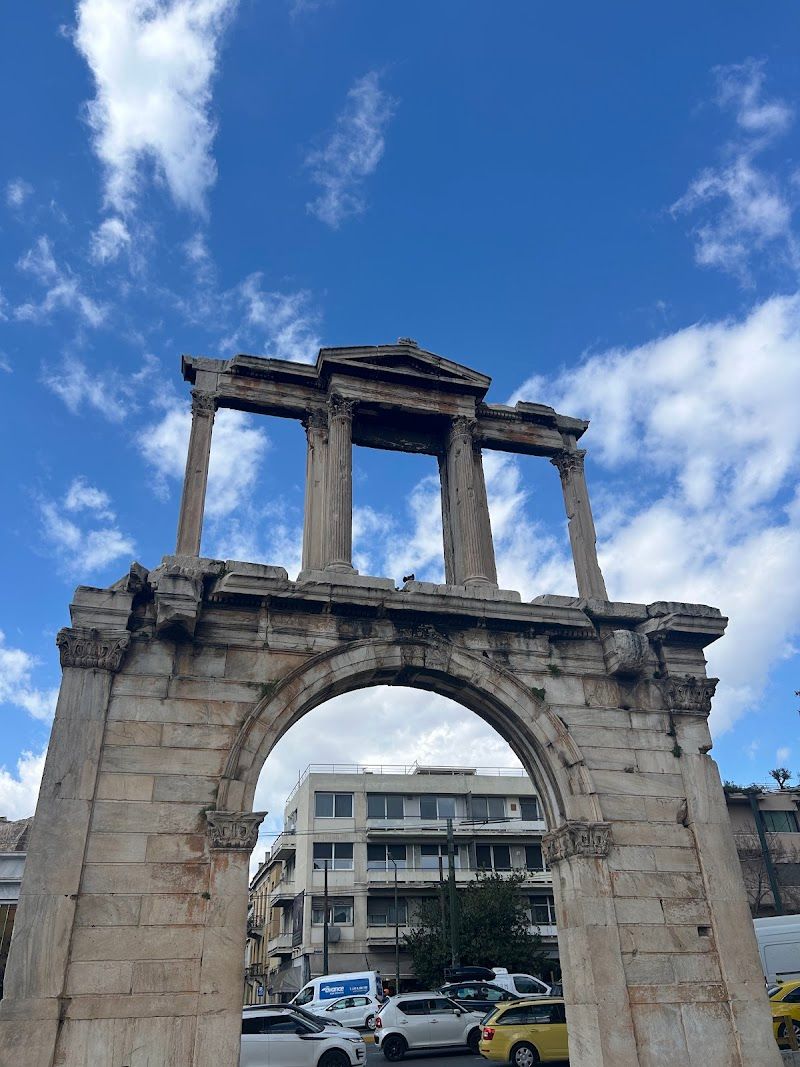
Athens by Bike covers serious ground in 3.5 hours, hitting the Panathenaic Stadium where the first modern Olympics happened, the sprawling National Gardens, and the colossal Temple of Olympian Zeus that took 700 years to finish. You'll cycle through Plaka's narrow streets, past the changing of the guard at Syntagma Square, and into neighborhoods like Psyrri that you'd never walk to from the Acropolis. The route smartly uses bike lanes and park paths to avoid Athens' chaotic traffic. Your guide stops every 15 minutes for photos and explanations, so it never feels rushed despite covering 12 kilometers. The bikes are comfortable hybrids with baskets, and you'll appreciate the helmets when navigating marble-slick streets near ancient sites. The best moments happen between major stops: cruising through the shaded National Gardens feels like escaping the city entirely, while the ride along Dionysiou Areopagitou gives you perfect Acropolis views without the crowds. At 45 EUR it's solid value for covering this much ground, though morning tours fill up fast in summer. Skip this if you're confident cycling in traffic or only care about ancient sites, since walking tours cover those better. The route works year-round, but avoid July afternoons when the sun reflects brutally off marble and concrete.
Where to Eat
Restaurants and cafes in Acropolis & Makrigianni
Little Tree Books & Coffee
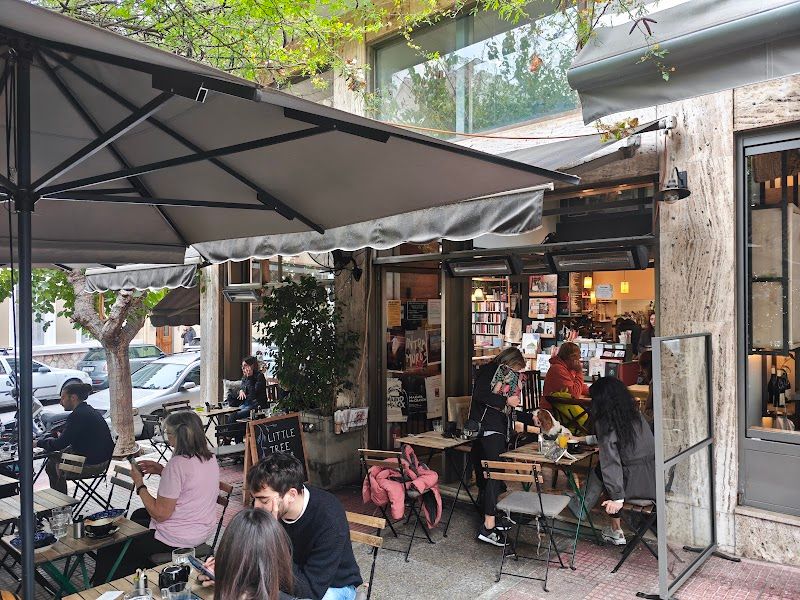
CafeCozy independent bookshop and café specializing in English-language literature, travel guides, and Greek culture books. The intimate space serves quality coffee and hosts occasional poetry readings and book clubs. A quiet refuge in the bustling Psyrri neighborhood.
Mani Mani
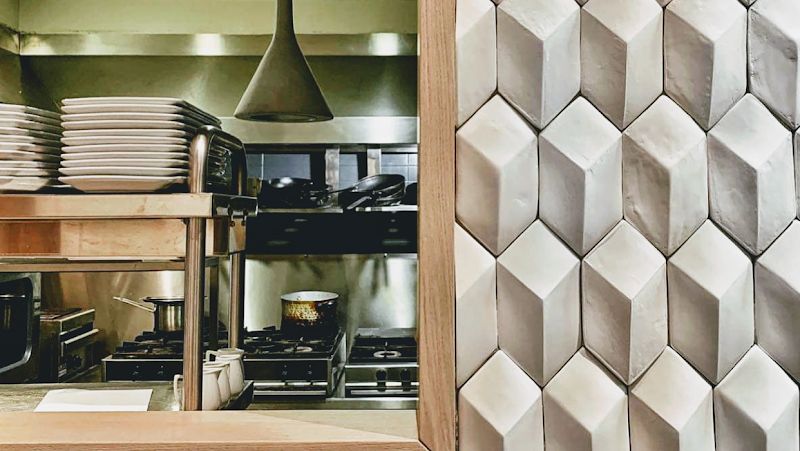
RestaurantUpscale taverna near the Acropolis Museum specializing in cuisine from the Mani region of the Peloponnese. The menu features rare ingredients like sun-dried pork syglino and unique preparations of traditional dishes in a modern setting.
Nightlife
Bars and nightlife in Acropolis & Makrigianni
Brettos
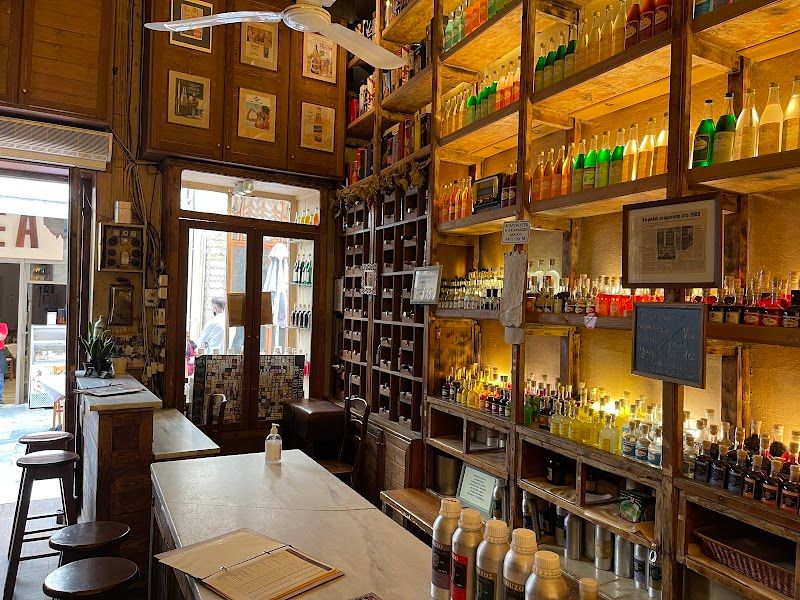
NightlifeBrettos is Athens' oldest distillery, operating since 1909 in the same narrow Plaka building where three generations of the Brettos family have crafted ouzo, brandy, and traditional Greek liqueurs. The real spectacle is the floor-to-ceiling wall of backlit bottles that bathes the entire space in amber light, creating one of the most photogenic bar interiors in Europe. You'll taste spirits made in the basement below your feet while surrounded by hundreds of bottles glowing like stained glass windows. The bar feels more like a working distillery than a tourist trap, with locals dropping by for shots of house ouzo paired with olives and cheese. The narrow space fills up quickly after 7pm, and you'll find yourself squeezed between Greek regulars and curious travelers, all sampling small glasses of potent spirits. The family members behind the bar pour generous tastings and explain their production process, which hasn't changed much since 1909. Most bars in Plaka are tourist-focused, but Brettos maintains its authenticity despite the crowds. Shots range from €3-6, and you can buy bottles to take home for €15-25. Skip the wine and stick to their house spirits, the ouzo is particularly excellent. Come before 8pm to avoid the worst crowds, or after 10pm when day tourists have cleared out.
Herodion Hotel Rooftop Bar
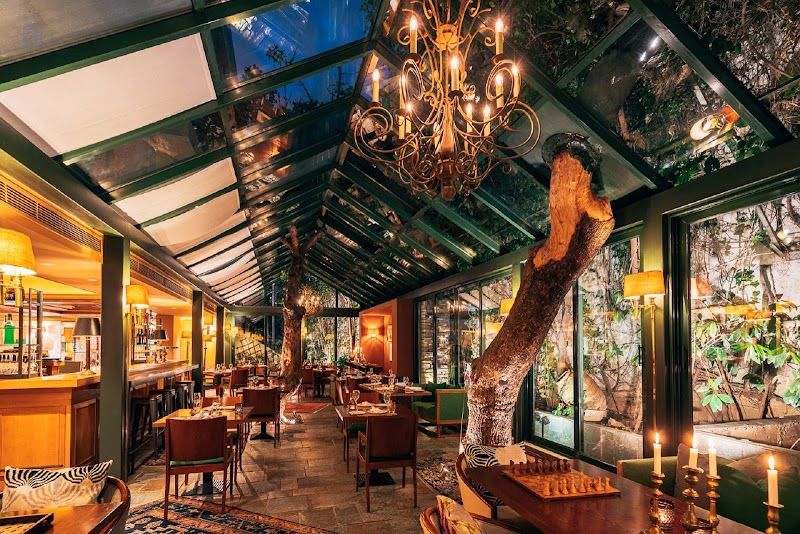
NightlifeThe Herodion's rooftop bar sits just 200 meters from the Acropolis Museum, offering unobstructed views of the Parthenon's southern face that change dramatically as the sun moves across the sky. You'll sip expertly crafted cocktails (€12-16 each) while looking directly at the same marble columns that Pericles commissioned 2,500 years ago. The bar occupies the hotel's entire sixth floor, with both covered and open-air seating that wraps around the building's perimeter. The space feels more like a sophisticated living room than a tourist trap, with comfortable lounge furniture and ambient lighting that doesn't compete with the ancient monument glowing above you. Locals in business attire mix with hotel guests and savvy travelers, creating a relaxed energy that peaks around sunset when conversations pause as everyone turns to watch the Parthenon turn golden. The cocktail menu changes seasonally, but the signature drinks incorporate Greek ingredients like mastiha and local honey without feeling gimmicky. Most rooftop bars in Athens are either overpriced tourist magnets or locals-only spots that feel unwelcoming to visitors, but Herodion strikes the right balance. Skip the wine list (overpriced at €8-12 per glass) and stick to their cocktails, which justify the premium pricing. The front terrace tables fill up fast after 6 PM, but honestly, the view is spectacular from anywhere on the rooftop. Weekends get packed with groups celebrating, so visit Tuesday through Thursday for the best atmosphere.
Getting Here
Insider Tips
Acropolis timing
Go at 8 AM opening, especially June to September. The marble heats up fast and there is zero shade. Buy the EUR 30 combined ticket online before you go to skip the ticket queue. The north slope entrance (from Plaka side) is less crowded than the main entrance. Allow 2 hours on the hill. Bring water.
Acropolis Museum Friday nights
The museum is open until 8 PM on Fridays and is much less crowded in the evening. The top-floor Parthenon Gallery with the Acropolis visible through the windows is particularly atmospheric at golden hour. EUR 15 entry. The museum restaurant has good food at reasonable prices with Acropolis views.
Makrigianni dining
One block south of the Acropolis Museum, Makrigianni has tavernas that serve Athenians, not tourists. Mani Mani (modern Greek, EUR 15-20 per person) and Fresko Yogurt Bar (Greek yogurt with toppings, EUR 4-6) are on Falirou Street. Prices are 20-30% lower than Plaka for better food.
Nearby Neighborhoods
Continue exploring
Plaka & Monastiraki
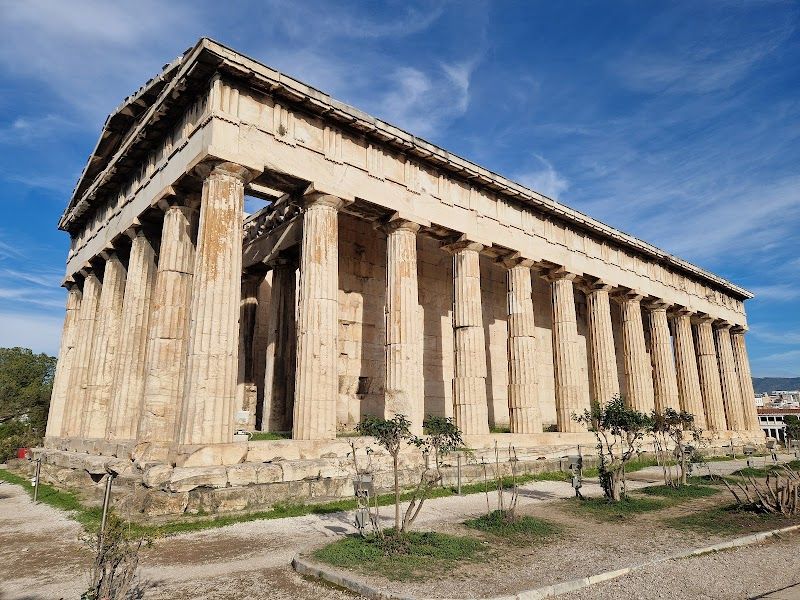
The tourist heart below the Acropolis: neoclassical houses, pedestrian streets, the flea market, rooftop bars with the most direct Acropolis views in the city, and souvlaki shops on every corner.
Psyrri
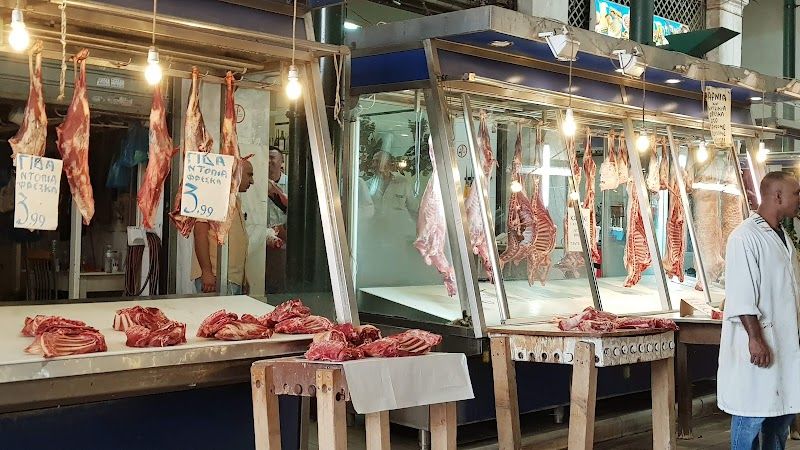
Reclaimed warehouses turned into murals, mezedopolia, and rebetiko bars: the neighbourhood where Athens eats, drinks, and stays out until 3 AM.
Exarchia
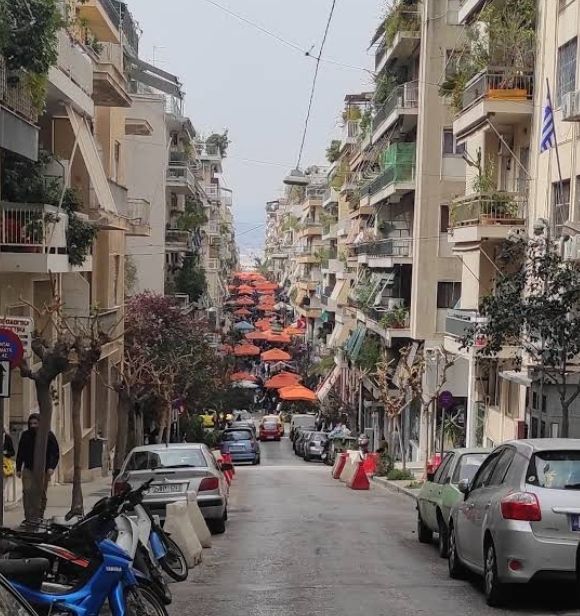
The anarchist quarter: political graffiti covering every surface, the National Archaeological Museum, independent bookshops, vinyl stores, EUR 8 dinners, and a different energy from the rest of Athens.
Plan a trip featuring Acropolis & Makrigianni
Get a personalized Athens itinerary with Acropolis & Makrigianni built in.
Start Planning