5 Days: The Complete Athens Experience
Three days in the city plus Hydra island and the Temple of Poseidon at sunset
Five days covering ancient Athens, the neighbourhoods, a day trip to car-free Hydra island, Cape Sounion at sunset, and coastal Athens. The complete first visit with time to actually slow down.
5 Days: The Complete Athens Experience
Five days gives you the perfect amount of time to really understand Athens without rushing through the highlights or sitting around wondering what to do next. You'll cover all the ancient sites properly, explore neighborhoods beyond the tourist zone, escape to a proper Greek island, and see the coastal side of the city that most visitors completely miss. This isn't about checking boxes, it's about actually experiencing how this city works, from the marble ruins to the beach clubs to the tavernas where locals argue about politics over grilled octopus.
Ancient Athens: Acropolis and the Agora
Your first day is all marble and mythology, but done right. You'll start early to beat the crowds at the Acropolis, spend serious time understanding what you're looking at, and then explore the Ancient Agora where Socrates actually walked around annoying people with questions. By evening, you'll be ready for wine and people-watching in Plaka.
- Acropolis Museum and Parthenon
- Ancient Agora exploration
- Plaka evening walk
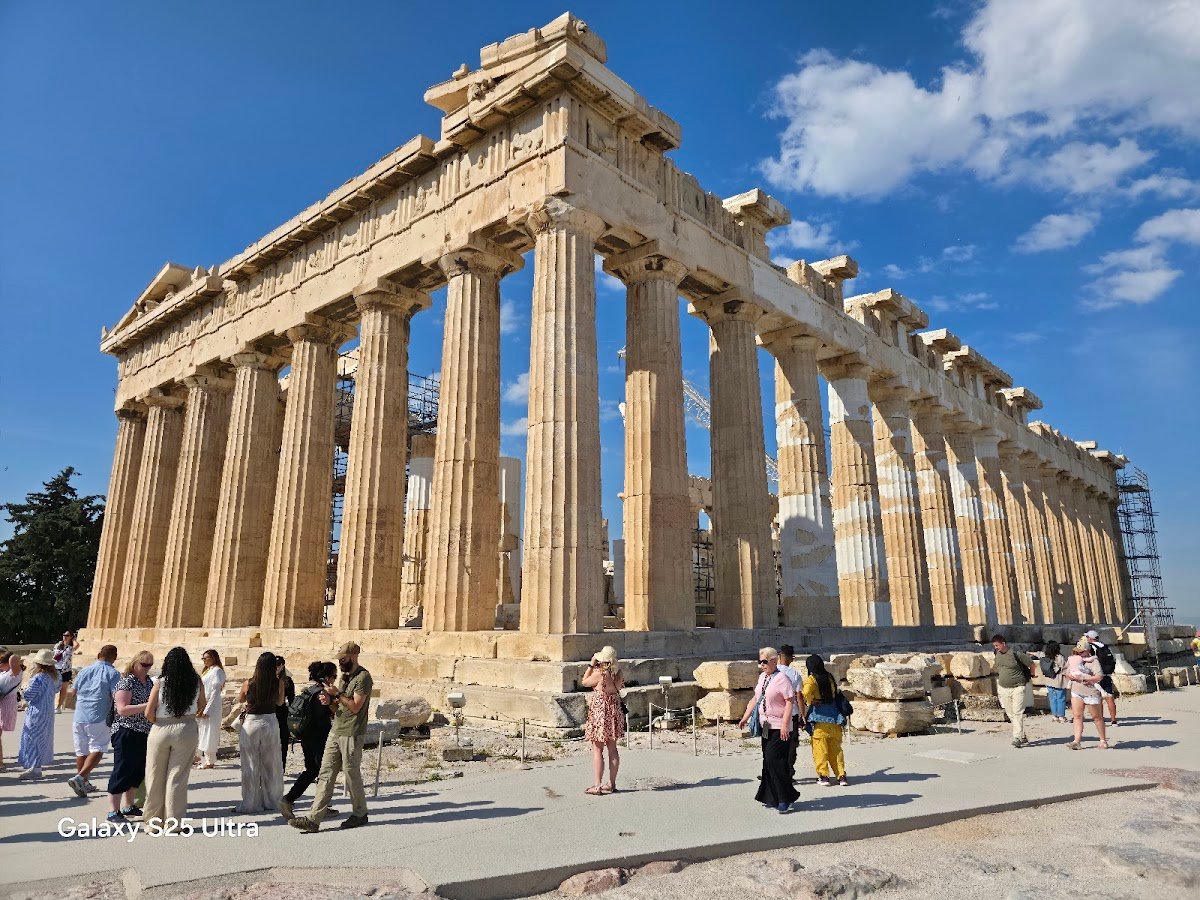
Get to the Acropolis Museum (Metro: Akropoli, Line 2) by 8 AM when it opens. Yes, 8 AM. The museum is completely empty at this hour, and you need to understand what the Parthenon looked like before you climb up to see what's left of it. Head straight to the third floor where the Parthenon Gallery is arranged exactly like the real temple. The original sculptures here will make the reconstructed pieces up on the hill make sense. The museum costs EUR 5, which is the best EUR 5 you'll spend in Athens because it transforms the Acropolis from a pile of old rocks into something you actually understand.
Walk from the museum to the Acropolis entrance (5 minutes uphill, follow the obvious crowds). The combined ticket costs EUR 30 and covers six sites including the Ancient Agora, which you'll visit later. Skip the audio guide and get a real guide instead, they cost EUR 50 for a group and will tell you stories the audio tour doesn't mention. The walk up is steep and the marble is slippery when wet. Once you're up there, ignore the Parthenon for a moment and walk to the edge for the view over the city. This is why they built up here, you can see for miles in every direction and spot any approaching armies. The Parthenon itself is smaller than you expect but more perfect. Notice how the columns bulge slightly in the middle and lean inward, optical illusions that make the building look straight from a distance.
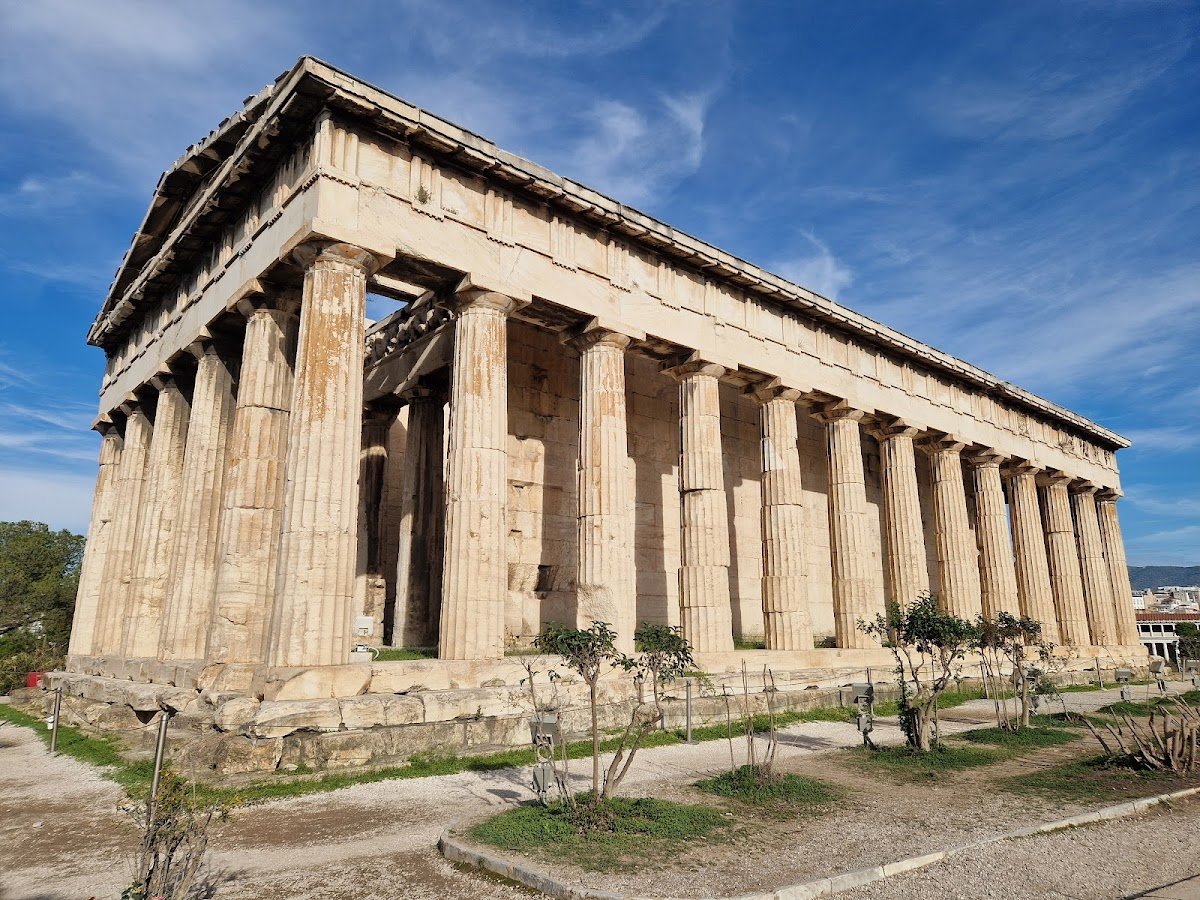
Come down via the south slope and walk through the Ancient Agora (15 minutes from the Acropolis exit, follow signs). This is where democracy was actually invented, not in some abstract sense but literally in the building remains you're walking through. The Stoa of Attalos is a perfect reconstruction that houses the museum, but the real magic is wandering through the jumbled ruins where the original marketplace and law courts operated. Sit on the steps of the Hephaisteion, the best-preserved Greek temple anywhere, and try to imagine this space filled with 30,000 people arguing about politics. The temple is beautiful precisely because it's not famous, so tour groups rush past it.
Walk down into Plaka as the afternoon light starts to golden everything up. Plaka is touristy, yes, but it's also genuinely old and genuinely pretty, and the narrow streets follow the same patterns they did 2,000 years ago. Duck into the Church of Kapnikarea (right on Ermou Street), which has been holding services since 1050 AD and smells like centuries of incense. The frescoes are worth five minutes of your time.
End your day at Dionysos Restaurant (43 Rovertou Galli Street, near the Acropolis Museum). It's expensive by Athens standards (EUR 35-45 per person) and completely touristy, but the terrace has a direct view of the lit-up Parthenon and the food is actually good. Order the lamb kleftiko, which arrives in a clay pot sealed with dough that they crack open at your table. The meat falls off the bone and the whole thing is theatrical in the best possible way.
Neighborhoods: Psyrri, Monastiraki, and National Gallery
Today you'll see how modern Atheners actually live, work, and create. Start in Psyrri where the street art tells the story of Greece's recent economic crisis, hunt for actual treasures in the flea market, and end at the reopened National Gallery where you'll discover Greek artists you've never heard of but should have.
- Morning coffee in Psyrri's street art scene
- Monastiraki Flea Market browsing
- New National Gallery visit
Take Metro Line 2 to Monastiraki and walk into Psyrri, the neighborhood that transformed from sketchy to artistic over the past decade. Start with coffee at Taf Coffee (Emmanouil Benaki 7), where they roast their own beans and the baristas know the difference between a cortado and a macchiato. The coffee costs EUR 3.50 and is legitimately excellent, not just good for Greece. Sit outside and watch the neighborhood wake up around you.
Spend an hour walking the streets of Psyrri looking at the murals and graffiti that cover nearly every surface. This isn't random tagging, it's political art responding to Greece's economic crisis, migration issues, and social changes. The piece on Sarri Street showing politicians as puppets is obvious but effective. The more subtle work is on Karaiskaki Street, where local artists have painted portraits of neighborhood residents on their own building walls. None of this is marked or explained, which makes it feel more authentic than the street art tours in other cities.
Walk to Monastiraki Flea Market (5 minutes south through Psyrri). The market runs every day but is biggest on Sundays. Most of the shops sell tourist junk, but there are real antique dealers mixed in with the fake ancient coins and machine-made worry beads. Look for shop owners who speak quietly and don't have goods spilling onto the street, they usually have the interesting pieces. Expect to find genuine 1920s Greek pottery (EUR 50-150), old copper pots (EUR 30-80), and occasionally a real Byzantine coin (EUR 200-500, get a certificate of authenticity). The shop at Normanou 3 has authentic textiles and knows the provenance of what they're selling.
Take Metro Line 3 from Monastiraki to Evangelismos, then walk 10 minutes to the National Gallery (Vasileos Konstantinou 50). The building reopened in 2021 after a complete renovation and most tourists haven't discovered it yet. The Greek collection on the second floor will change how you think about Greek art, which you probably assumed stopped being important around 400 BC. Nikos Hadjikyriakos-Ghikas painted Greek landscapes that look like Cubist dreams, and Yannis Tsarouchis made homoerotic paintings of soldiers and sailors decades before it was acceptable anywhere else in Europe. Entry costs EUR 12 and you'll need two hours to see it properly.
Walk through the Kolonaki neighborhood on your way back (15 minutes downhill from the gallery). This is where wealthy Athenians shop and drink EUR 8 cappuccinos while complaining about taxes. The boutiques are genuinely high-end if you're interested in Greek designers like Zeus+Dione or Ancient Greek Sandals, but mostly you're here to observe the most polished version of Greek society. Stop at Floral (24 Themistokleous Street) for a drink on their terrace, which has views over the whole city and costs EUR 12 for a cocktail that would cost EUR 18 in London.
Dinner tonight is at Funky Gourmet (13 Paramythias Street, Keramikos). Yes, it's a Michelin-starred restaurant, yes it costs EUR 120 per person for the tasting menu, and yes it's worth it because chef Georgianna Hiliadaki is doing things with Greek ingredients that will surprise you. The deconstructed moussaka served as three perfect spoonfuls is playful without being silly, and the dessert made from Greek mountain tea tastes like drinking a forest. Book ahead, this isn't a walk-in kind of place.
Heights and Views: Stadium, Lykavittos, and Golden Hour
Your legs will get a workout today, but the payoff is seeing Athens from above and understanding how the ancient and modern cities connect. You'll start where the first modern Olympics happened, escape the heat in the National Gardens, and end the day watching the sunset turn the whole city golden from the highest hill in town.
- Panathenaic Stadium and National Gardens
- Cable car up Lykavittos Hill
- Sunset drinks with city views
Take Metro Line 2 to Akropoli and walk to the Panathenaic Stadium (10 minutes east). This is where the first modern Olympics were held in 1896, and it's the only stadium in the world made entirely of marble. The marble comes from the same quarries that supplied the Parthenon, and on a sunny day it's almost blindingly white. Entry costs EUR 5 and includes an audio guide that's actually worth listening to. Walk up to the top rows for the best photos, and notice how the acoustics work, you can hear a whisper from the track when you're sitting in the cheap seats.
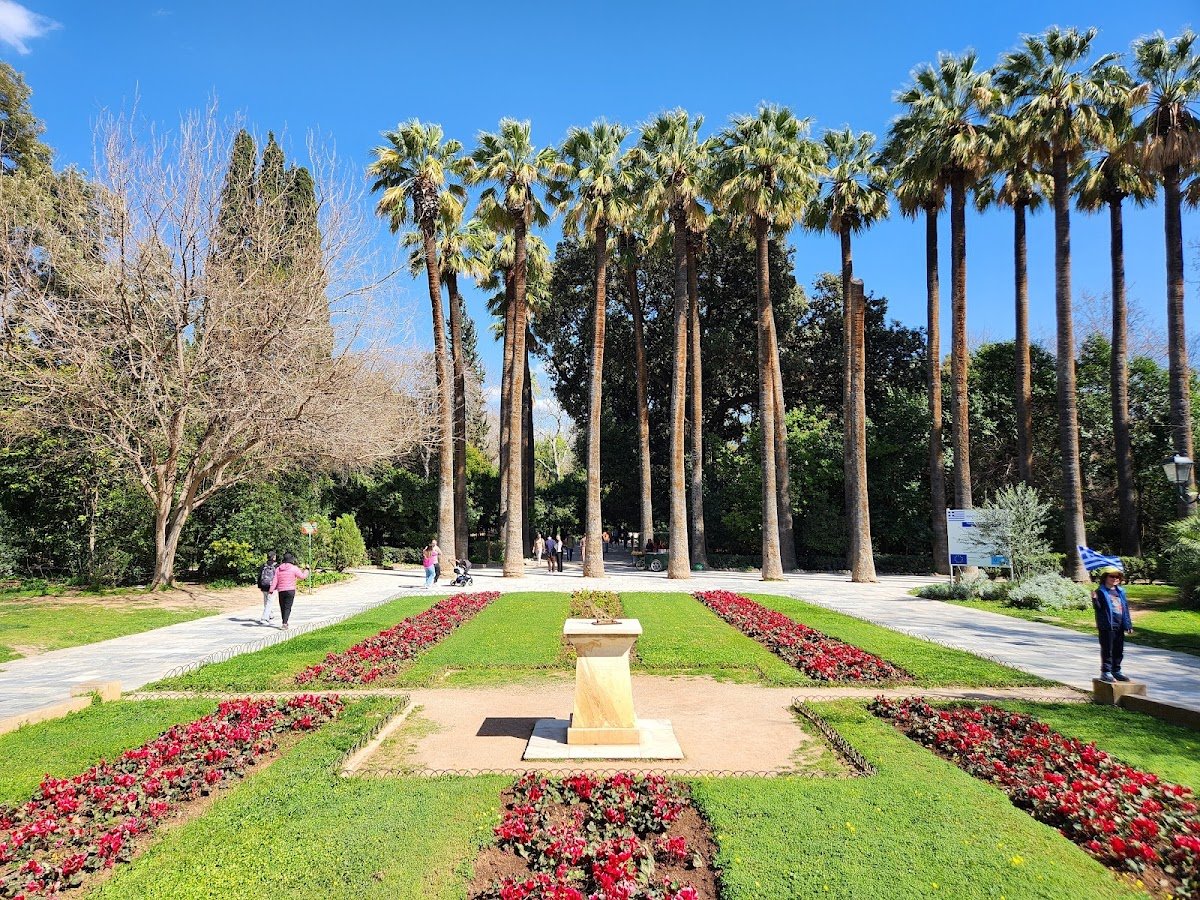
Cross directly into the National Gardens from the stadium area (entrance on Vasilissis Sofias Avenue). These gardens were planted for Queen Amalia in 1840, and they're still the best escape from Athens heat and noise. The paths wind past duck ponds, Roman ruins, and a small zoo that's sad enough that you should skip it. What you're really here for is the shade and the quiet. Find the café in the center (Aigli) and order a Greek coffee (EUR 2.50) and watch office workers on their lunch breaks feeding cats and reading newspapers.
Walk north through Kolonaki toward Lykavittos Hill, the highest point in central Athens. You can hike up if you're feeling ambitious (30 minutes of steep paths), but the cable car is EUR 7 each way and saves your energy for more important things. The cable car runs every 10 minutes and the view from the top covers the entire Attica basin from the sea to the mountains. The little Chapel of St. George at the summit is pretty but not essential. What is essential is timing this for late afternoon when the light starts to change and the city below begins to glow.
Stay on Lykavittos for sunset, which happens around 7:30 PM in summer and 5:30 PM in winter. The café at the top serves overpriced drinks (EUR 8 for a beer, EUR 12 for wine), but you're paying for the location and it's worth it. As the sun sets behind the mountains west of the city, the light turns everything below golden, then pink, then purple. The Parthenon catches the light and glows like a beacon, and you can see why ancient Greeks thought gods lived on mountaintops.
Take the cable car down and walk into Exarchia for dinner, Athens' anarchist neighborhood that somehow also has some of the best restaurants. The streets are covered with political graffiti and filled with bookshops, record stores, and bars that stay open until 4 AM. It feels edgy but is actually quite safe, just loud and opinionated.
Eat at Seychelles (49 Kefallinias Street, Exarchia). It doesn't look like much from the street, just a small taverna with paper tablecloths and fluorescent lights, but Nikos the owner sources everything from small producers and changes the menu based on what's good that day. The grilled sardines (EUR 12) come from a specific fisherman in Kavala, the cheese is from his cousin's goats in Crete, and the wine is from a natural producer who makes maybe 2,000 bottles per year. It's EUR 25-30 per person for a meal that tastes like what Greek food was before tourism changed everything.
Island Escape: Hydra Day Trip
Today you escape Athens completely for the most beautiful island within day-trip distance. Hydra banned cars and motorbikes decades ago, so the only sounds are waves, donkey bells, and conversations in waterfront cafés. You'll walk coastal paths, swim in clear water, and understand why Leonard Cohen lived here for years.
- Early ferry to car-free Hydra
- Coastal walks and swimming
- Fresh seafood by the harbor
Catch Metro Line 1 to Piraeus by 7 AM to make the 7:30 or 8 AM Flying Dolphin ferry to Hydra. The metro takes 20 minutes from central Athens, and the port is a 5-minute walk from Piraeus station (follow signs for 'Flying Dolphins'). Buy your return ticket now (EUR 30-40 return, depending on season) because the last ferry back leaves at 5:30 or 6 PM and you don't want to miss it unless you're planning to sleep on the beach. The ferry takes 90 minutes and sits low in the water, so you'll feel every wave, but the speed is exhilarating.
Hydra's harbor is perfect in a way that seems almost artificial until you realize it's been exactly like this for 200 years. Stone houses climb the hillsides in tiers, painted shutters frame windows, and the only vehicles are donkeys carrying supplies up steep paths. The absence of engine noise is startling at first, then deeply relaxing. Walk the harbor front to get oriented, then head up any of the stone staircases that lead into the town's upper levels. The views get better with every step you climb.
Walk to Vlychos Beach, about 20 minutes west of the harbor along a coastal path that's clearly marked. The path winds around rocky headlands with views back toward the town, and you'll pass several smaller coves where you could stop for a swim if they're not too crowded. Vlychos itself is a proper sandy beach (rare in the Greek islands) with clear water and a small taverna. The water is cold even in summer but incredibly clear, and after the heat and noise of Athens it feels like diving into pure silence.
Lunch back in the harbor at Taverna Gitoniko (right on the waterfront, you can't miss it). Order the grilled fish of the day (EUR 15-25, depending on the fish and your negotiating skills) and a small salad with the best tomatoes you've had since arriving in Greece. The fish is grilled over charcoal and arrives whole with lemon and olive oil. Eat slowly, drink the house white wine (EUR 4 per glass), and watch the donkeys navigate the narrow streets carrying everything from bottled water to furniture.
Spend your remaining time before the return ferry exploring the town's upper levels and side streets. Many of the stone houses are second homes for wealthy Athenians and foreigners, but others are still lived in by families who have been here for generations. The older residents sit in small cafés playing backgammon and watching tourists struggle up the steep streets. Duck into the Cathedral of Hydra if it's open, the iconostasis is beautiful and the building stays cool even on the hottest days.
Get to the ferry at least 15 minutes early for the return trip. The evening ferry is often more crowded than the morning one, and if you're prone to seasickness the front seats are smoother. As you pull away from Hydra's harbor, you'll understand why artists and writers have been coming here for decades to work, and why so many never leave.
Coastal Athens and Temple of Poseidon
Your final day shows you the side of Athens that faces the sea. You'll start at one of Europe's most impressive modern cultural centers, spend time at proper beaches, and end at a clifftop temple where the sunset over the Aegean will remind you why ancient Greeks believed in gods.
- Modern architecture at Stavros Niarchos Foundation
- Athenian Riviera beaches
- Sunset at Cape Sounion's ancient temple
Take the tram from Syntagma to the Stavros Niarchos Foundation Cultural Center (20 minutes, EUR 1.20, get off at the final stop). This Renzo Piano building opened in 2016 and houses the National Opera and National Library, but you're here for the architecture and the park, not the books. The building seems to float above a artificial hill that's actually a 5-story parking garage covered in Mediterranean plants. Walk to the rooftop for 360-degree views that include the Acropolis, the sea, and the mountains. Entry to the park and building is free, which seems impossible given how expensive everything else in Athens has become.
Head to the coast for a proper beach experience. Take the tram to Glyfada (30 minutes from the cultural center, EUR 1.20) for organized beaches with umbrellas and overpriced cocktails, or continue to Vouliagmeni (bus 122 from Glyfada, 15 minutes) for the famous thermal lake where warm springs mix with seawater. Vouliagmeni Lake costs EUR 12 to enter and is worth it for the weird experience of swimming in naturally heated water that's supposed to be good for your skin. The temperature stays around 24°C year-round, so you can swim here even in winter.
For the afternoon trip to Cape Sounion, return to central Athens and catch the KTEL bus from Pedion Areos Park (Metro: Victoria, Line 1, then 10-minute walk). The bus costs EUR 7 each way and takes 90 minutes, running every hour until mid-afternoon. The route follows the coast south and the views get better as you get further from the city. Get off at the final stop, which is right at the Temple of Poseidon entrance.
The Temple of Poseidon sits on a cliff 60 meters above the sea, and the setting is more dramatic than the Parthenon even though the building is much smaller. Entry costs EUR 10 and the site closes at sunset, which is exactly when you want to be here. The temple was built around 440 BC and has fewer columns than it once did (thanks to Lord Byron, who carved his name into one of them like a 19th-century graffiti artist). What makes this place special is the combination of ancient marble, impossible blue sea, and the sense that you're at the edge of the known world.
Stay for sunset, which is why you came this far. As the sun drops toward the horizon, the marble columns glow orange and pink, and the sea turns silver. On clear days you can see several islands, and occasionally dolphins pass by below the cliffs. The temple was positioned exactly here so that sailors could see it from far out at sea and know they were approaching Athens. It worked as a lighthouse and a symbol of home, and standing here at sunset you'll understand both functions perfectly.
The last bus back to Athens leaves around 8:30 PM in summer (check the schedule when you arrive), so you'll need to leave the temple before full dark. On the ride back, you'll see Athens spread out below as the bus winds down from the mountains, millions of lights stretching from the sea to the hills, with the Acropolis floodlit in the center of it all.
For your final Athens dinner, go to Hytra (107-109 Syngrou Avenue), the rooftop restaurant that overlooks the city from the top of the Onassis Cultural Centre. It's expensive (EUR 80-100 per person) but chef Tassos Mantis creates modern versions of Greek classics that will change how you think about this cuisine. The lamb with wild greens tastes like the hillsides of Greece concentrated into a single bite, and the view from your table includes both the Acropolis and the sea. It's the perfect way to end five days of understanding how ancient and modern Athens connect.
Five-Day Athens Essentials
Buy the EUR 30 combined ticket on day 1, it covers all major ancient sites and saves money if you're visiting more than just the Acropolis
Download the Athens Metro app for real-time schedules, the system is reliable but construction delays happen frequently
Pack swimming gear for days 4 and 5, the water at both Hydra and the Athens beaches is clean and refreshing
Book Hydra ferry tickets online in summer, the boats sell out on weekends and holidays
Keep restaurant receipts, many places offer taxi vouchers for rides back to your hotel after EUR 40+ meals
Bring a power bank for long days out, especially the Hydra and Cape Sounion trips where charging options are limited
Ready to Visit Athens?
Get a personalized itinerary tailored to your travel style and interests.
Plan Your Athens TripMore Athens Guides
3 Days in Athens: First-Timer's Itinerary
Three days covering the Acropolis and ancient sites, the neighbourhoods that most visitors skip, and the food that nobody warns you about. With EUR prices, opening times, and the timing that makes everything work.
14 min
Athens with Kids: Family-Friendly Guide
Athens with children is better than you expect. Kids climb the Acropolis, run the track at the original Olympic stadium, eat souvlaki at 10 PM like Greek kids do, and take a ferry to an island for swimming.
12 min
First Time in Athens: Everything You Need to Know
The practical guide to Athens: the Acropolis combined ticket, how to survive the summer heat, airport to city centre, which neighbourhood to stay in, and the food rules that change everything.
14 min