First Time in Athens: Everything You Need to Know
The heat strategy, the combined ticket, the metro, and why you should eat dinner at 10 PM
The practical guide to Athens: the Acropolis combined ticket, how to survive the summer heat, airport to city centre, which neighbourhood to stay in, and the food rules that change everything.
Getting to Athens
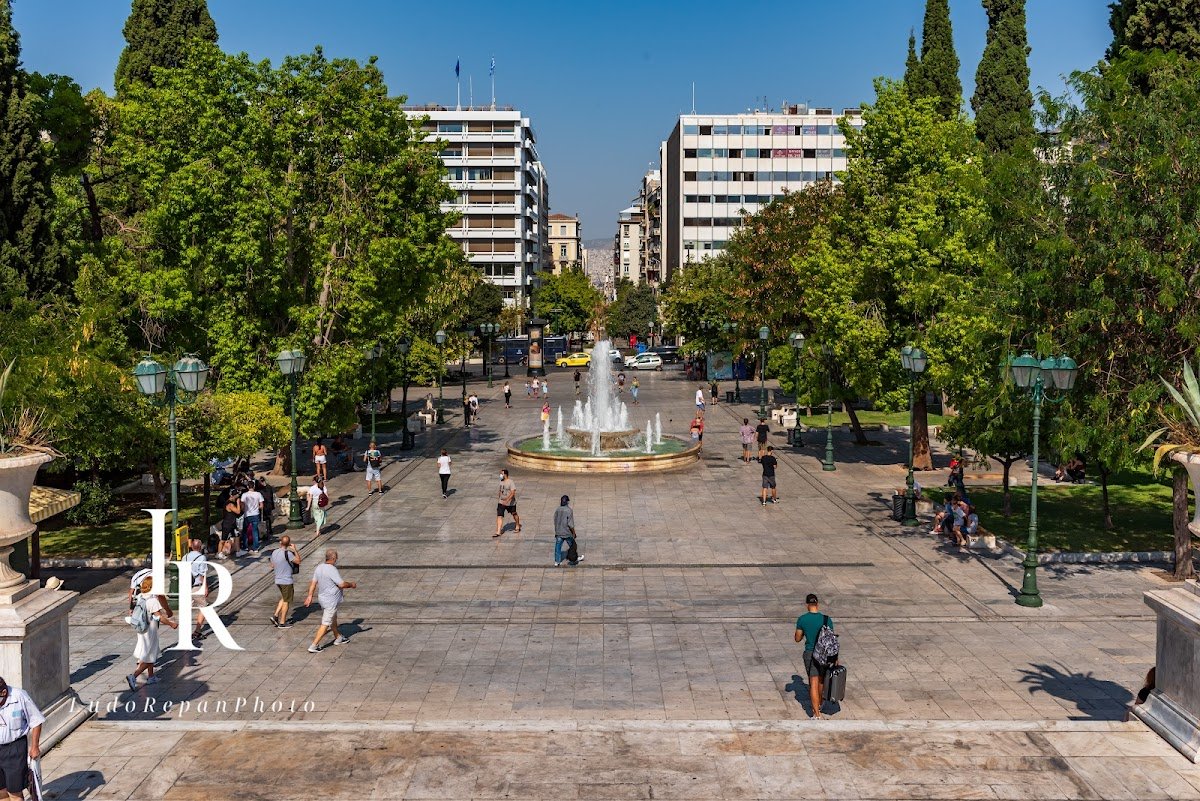
Athens International Airport (ATH) is your gateway, sitting about 40 minutes from the city center. Most European cities are just 3-4 hours away, making it perfect for a quick escape. Once you land, you have three solid options to get into town. The X95 bus is your cheapest bet at EUR 5.50 and runs 24 hours, but it takes 60-90 minutes depending on traffic and makes multiple stops. The metro Line 3 (blue line) costs EUR 9, takes 40 minutes, and drops you right at Syntagma Square in the heart of everything. Taxis have a flat rate of EUR 40 from the airport, which is actually reasonable if you're traveling with luggage or in a group. Skip the airport shuttle services, they're overpriced tourist traps that cost nearly as much as a taxi but take twice as long.
When to Visit (This Actually Matters)
Let me be blunt: Athens in summer is miserable for sightseeing. June through August brings 35-40C heat that will knock you flat by noon. If you're stuck visiting in summer, start your day at 7 AM and finish outdoor sightseeing by 10 AM, then retreat to air-conditioned museums or head to the beaches. Resume exploring after 5 PM when the sun starts to soften. September and October are ideal, with temperatures around 25-30C, fewer tour groups, and the sea still warm enough for swimming. April and May offer the best sightseeing weather, perfect for climbing the Acropolis without melting. Winter is mild but rainy, and many outdoor restaurants close their terraces, which kills half the fun of eating in Athens.
The Combined Ticket (Buy This)
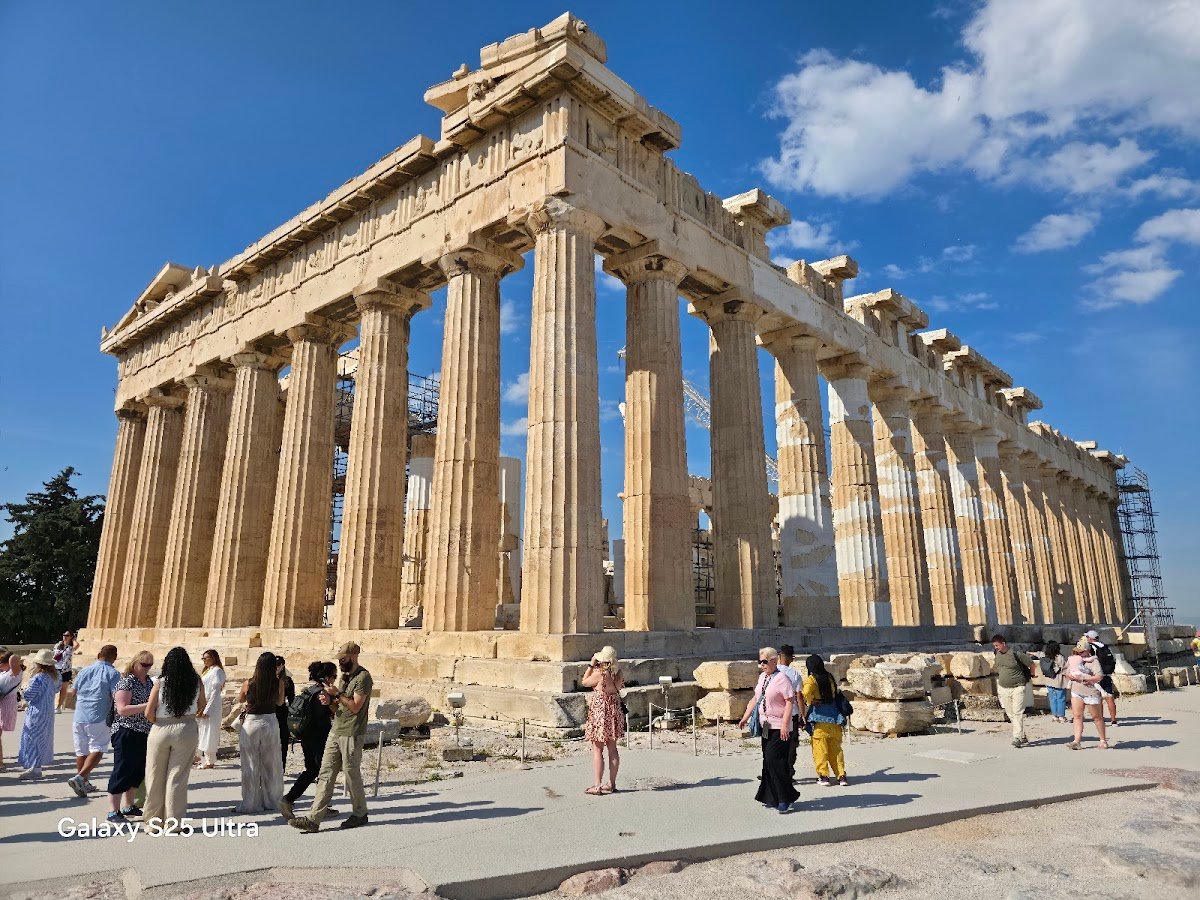
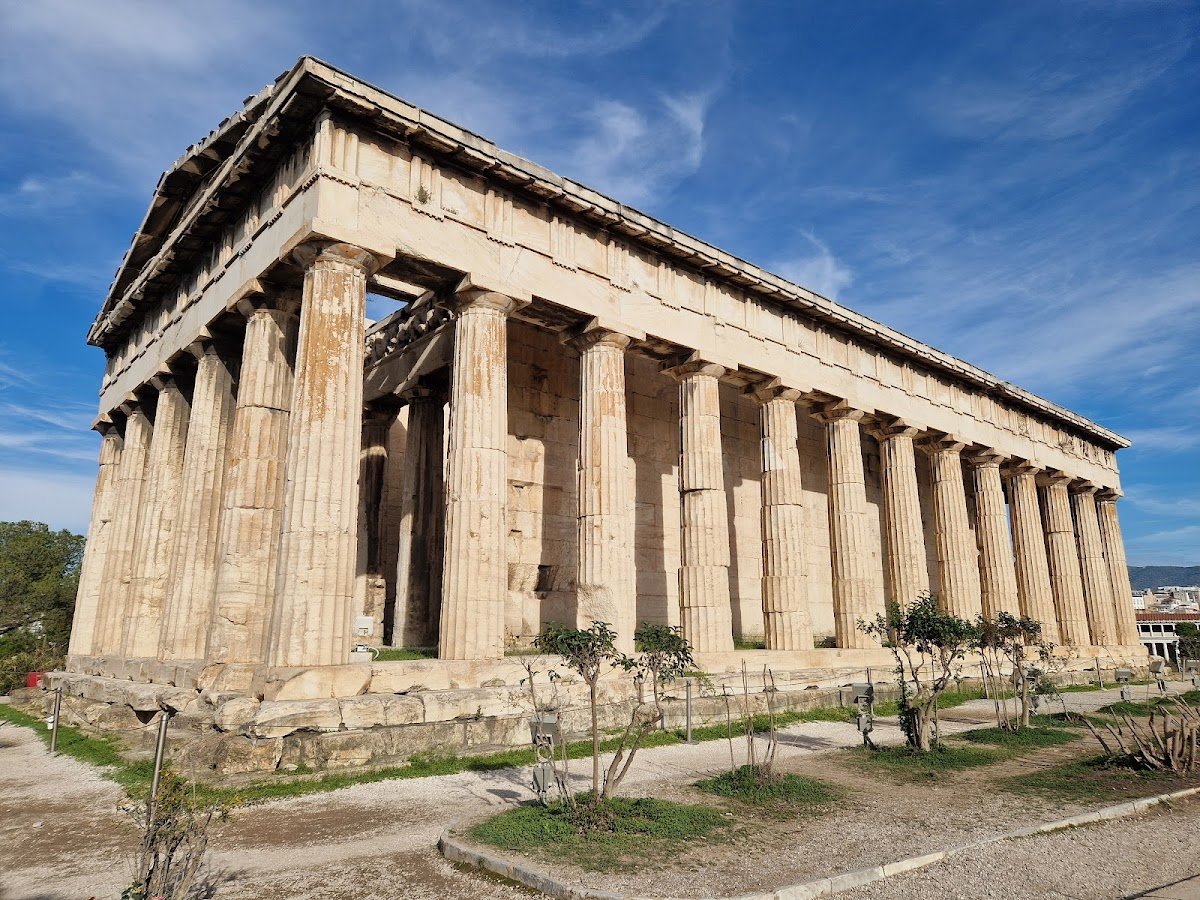
The EUR 30 combined ticket is the smartest EUR 30 you'll spend in Athens. It covers seven major archaeological sites including the Acropolis, Ancient Agora, Roman Agora, Hadrian's Library, Kerameikos, Temple of Olympian Zeus, and Aristotle's Lykeion. The ticket is valid for five consecutive days, and you can enter each site once. Buy it online before you arrive to skip the ticket queues, especially at the Acropolis where lines can stretch for an hour in peak season. Your first site visit activates the ticket, so plan accordingly. Without this ticket, you'd pay EUR 20 just for the Acropolis alone, making the other six sites essentially EUR 10 total. The math is obvious.
Where to Stay (Neighborhood Breakdown)
Koukaki
This is where you should stay. Ten minutes walk to the Acropolis, packed with local restaurants and coffee shops, but not overrun with tourists. You'll find proper Greek life here, with families running corner groceries and old men playing backgammon at kafeneia. Airbnb options are plentiful and reasonably priced.
Plaka/Monastiraki
The most central option, putting you within walking distance of everything major. Yes, it's touristy, but the convenience is real. Expect restaurant touts, souvenir shops, and inflated prices for everything. Choose this if you want to stumble home from dinner without thinking about transport.
Pangrati
Quiet and residential, popular with young professionals. Great local tavernas and markets, but you'll need to take the metro or walk 20 minutes to reach major sites. Perfect if you want to experience Athens like a local but still stay central.
Exarchia
The alternative neighborhood, full of street art, anarchist bookshops, and cheap souvlaki joints. Budget-friendly with a gritty, authentic vibe. Can feel rough around the edges, especially late at night, but it's generally safe and loved by students and artists.
Getting Around
Athens has three metro lines that will cover most of your sightseeing needs. A single ride costs EUR 1.20, or get a day pass for EUR 4.10 if you're making more than three trips. The metro is clean, efficient, and connects all the major areas you'll want to visit. Taxis are surprisingly cheap with a EUR 4 minimum fare, and most rides around the center cost EUR 5-8. Download the BEAT app (Greece's version of Uber) for hassle-free rides with upfront pricing. Walking is often your best option in the compact historic center, where most sites are within 15 minutes of each other. Avoid buses unless you enjoy being confused and overheated.
Food Rules (Follow These or Eat Alone)
Dinner starts at 9 PM, sometimes 10 PM on weekends. Show up at 7 PM and you'll be eating in an empty restaurant with confused waiters. Greeks eat late, and restaurants don't hit their stride until after 9. Souvlaki is a complete meal for EUR 3-4, not a snack, and comes with pita, tomatoes, onions, and tzatziki. When ordering at tavernas, get several mezze plates and share everything, this is how Greeks eat and how the food is designed to be enjoyed. House wine comes in small carafes (250ml) for EUR 5-8 and is perfectly drinkable. Tipping isn't expected, just round up EUR 1-2 if the service was good. Don't overthink it.
Safety and Practical Tips
Athens is a safe city overall, but watch for pickpockets on metro Line 1 and around Monastiraki Flea Market
Avoid walking alone in Omonia area after dark, it attracts drug users and can feel sketchy
Most shops close on Sundays, but museums and restaurants stay open
Pharmacies (marked with green crosses) are everywhere and pharmacists can help with minor health issues
Public toilets are rare, duck into a cafe and buy a coffee if needed
Greeks smoke everywhere, including restaurant terraces, so be prepared if you're sensitive to smoke
Ready to Visit Athens?
Get a personalized itinerary tailored to your travel style and interests.
Plan Your Athens TripMore Athens Guides
3 Days in Athens: First-Timer's Itinerary
Three days covering the Acropolis and ancient sites, the neighbourhoods that most visitors skip, and the food that nobody warns you about. With EUR prices, opening times, and the timing that makes everything work.
14 min
5 Days: The Complete Athens Experience
Five days covering ancient Athens, the neighbourhoods, a day trip to car-free Hydra island, Cape Sounion at sunset, and coastal Athens. The complete first visit with time to actually slow down.
18 min
Athens with Kids: Family-Friendly Guide
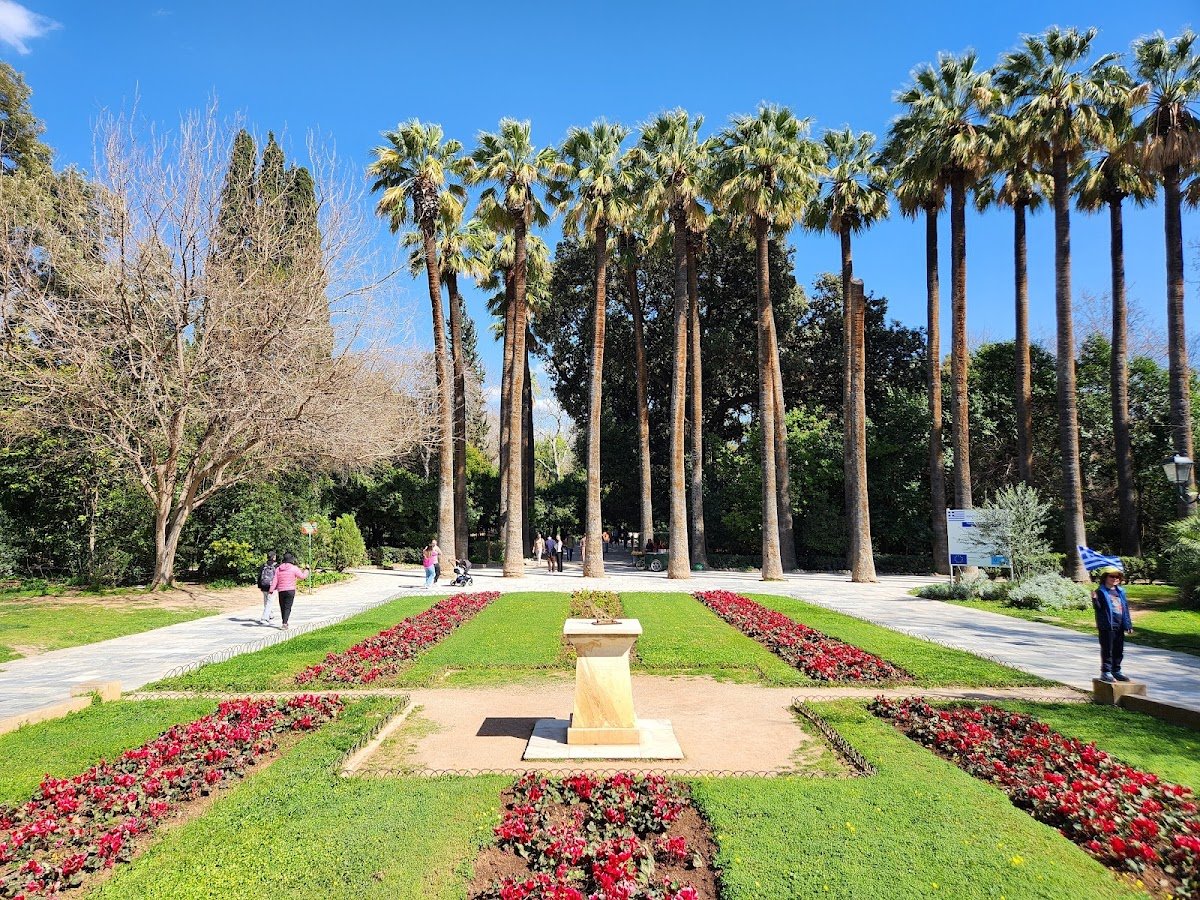
Athens with children is better than you expect. Kids climb the Acropolis, run the track at the original Olympic stadium, eat souvlaki at 10 PM like Greek kids do, and take a ferry to an island for swimming.
12 min