Athens with Kids: Family-Friendly Guide
Run the Olympic track, climb the Acropolis, eat souvlaki at midnight, and take the ferry to an island
Athens with children is better than you expect. Kids climb the Acropolis, run the track at the original Olympic stadium, eat souvlaki at 10 PM like Greek kids do, and take a ferry to an island for swimming.
Athens with Kids: The Reality Check
Look, Athens with kids isn't going to be the leisurely café-hopping adventure you had in mind. But here's what nobody tells you: Greek families do this city incredibly well, and once you learn their rhythm, you'll actually have a better time than the childless tourists melting on the Acropolis at 2 PM. The secret is simple: start early, hide from the afternoon heat, eat late, and remember that souvlaki solves most problems. Your kids will climb ancient rocks, run on Olympic marble, and stay up past their bedtime watching movies under the stars with the Parthenon glowing behind the screen. Four days is perfect for getting the real Athens experience without anyone having a meltdown.
Before You Start: The Athens Parent Survival Guide
Buy metro day passes (EUR 4.10) and use them religiously. Athens is hilly and hot, and dragging tired kids up marble steps is nobody's idea of fun.
Pack serious sun protection. The Acropolis has zero shade and the marble reflects heat like a mirror. Hats, sunscreen, and water bottles are non-negotiable.
Embrace the Greek schedule: early morning for ruins, afternoon for air conditioning or swimming, dinner at 8-9 PM like local families do.
Souvlaki is your friend. At EUR 3-4, it's basically a Greek burrito that most kids will actually eat without complaining.
Download the metro map. The Athens Metro is clean, air-conditioned, and connects everything you actually want to see.
Ancient Rocks and Modern Myths
Today is about getting the big one out of the way while everyone still has energy. You'll climb the most famous rock in Greece before it turns into a furnace, then retreat to the air-conditioned museum where kids can actually touch screens instead of just staring at more stones. By afternoon, you'll be eating like locals and wondering why every vacation doesn't start with ancient Greek mythology.
- Acropolis at sunrise
- Acropolis Museum discoveries
- Souvlaki lunch in Plaka
Morning: Acropolis (8:00 AM - The Only Time to Go)
Set your alarm for 7 AM and get to the Acropolis entrance by 8 AM, before the tour groups arrive and the marble starts radiating heat like a pizza oven. The south slope entrance is less crowded than the main one, and you'll avoid most of the cruise ship hordes. As you climb, tell the kids they're walking the same path as ancient Greeks 2,500 years ago, but skip the long historical lectures. Instead, focus on the fun stuff: the Erechtheion has a story about a sacred snake that lived underneath it, and the Parthenon was painted in bright blues and reds, not the white marble they see now. Let them explore the rocks and find the best views, but keep it to 1.5 hours maximum. Any longer and someone will start complaining about their feet, and you'll still have three more days to go. The exit through the north slope takes you straight toward the museum, which is perfect timing.
Late Morning: Acropolis Museum (Air Conditioning Salvation)
Walk five minutes from the Acropolis exit and you'll hit the museum, which is worth the EUR 10 entry just for the air conditioning. But it's actually brilliant for kids. Head straight to the ground floor where there's a glass walkway over active excavations. Kids can look down and see archaeologists still digging up ancient Athens underneath their feet. The touch-screen stations let them virtually reconstruct the Parthenon and zoom in on details, which beats staring at marble fragments any day. Don't miss the Caryatids on the first floor: these are the original statues that held up the Erechtheion roof, and kids love the story that they're magical maidens turned to stone. The top floor has a full-scale replica of the Parthenon's interior, and you can see the real thing through the windows for comparison. Skip the basement unless your kids are serious history nerds; it's mostly pottery shards that look exactly like what you'd expect pottery shards to look like.
Lunch: Souvlaki in Plaka (The Great Equalizer)
Walk down into Plaka and find any taverna with locals eating outside (avoid the ones with photos on the menu and waiters speaking perfect English). Order souvlaki pita for the kids at EUR 3-4 each. It's grilled meat, tomatoes, onions, and tzatziki wrapped in warm pita bread, essentially a Greek burrito that even picky eaters usually accept. The portions are generous, the ingredients are simple, and it's filling enough to fuel afternoon adventures. Grab a table in the shade, order a Greek coffee for yourself (you'll need the caffeine), and watch your kids actually eat something without negotiating. This is also when you'll realize that Greek restaurant service moves at a completely different pace than you're used to, so don't be in a rush.
Afternoon: National Garden (Free Entertainment and Shade)
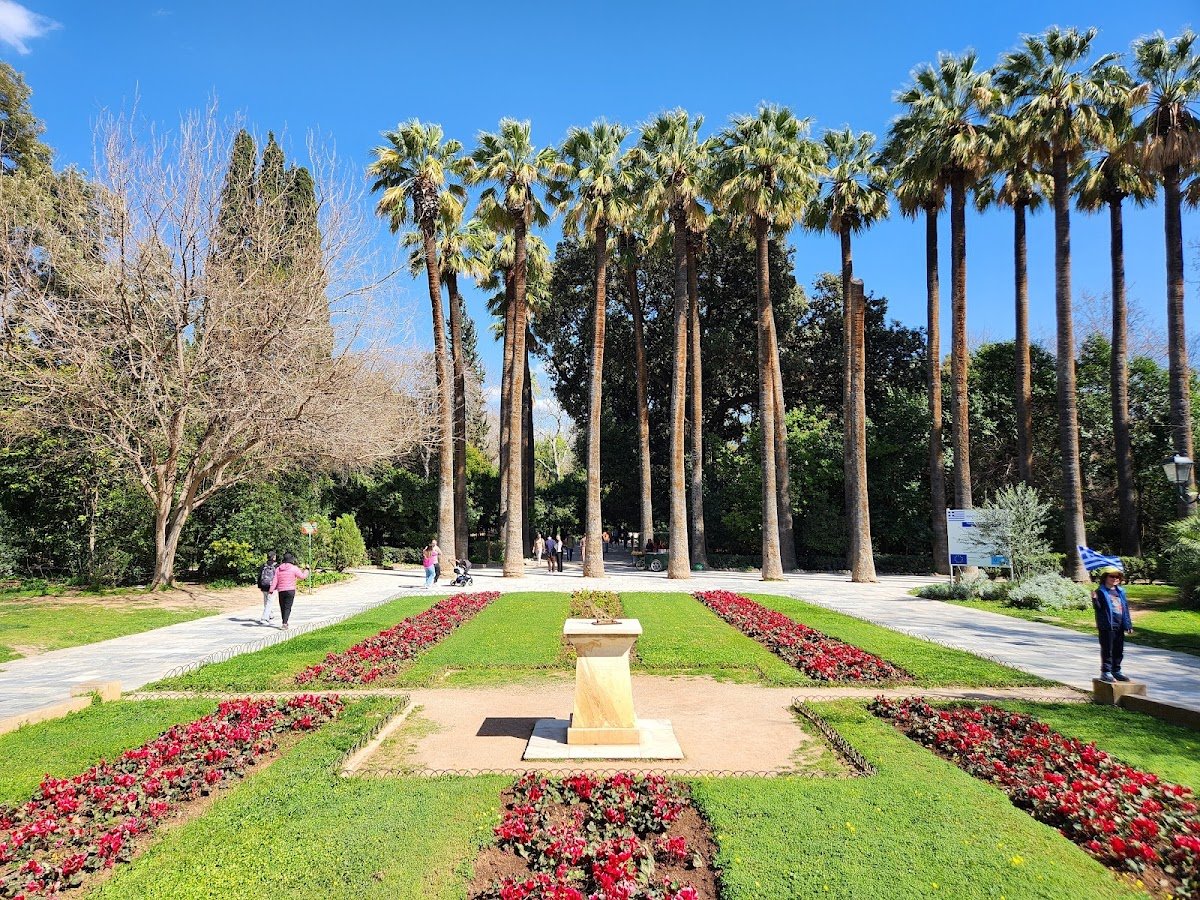
Metro to Syntagma and walk into the National Garden, which is Athens' green lung and your afternoon sanctuary. The playground near the entrance is free and well-maintained, with equipment that doesn't look like it was installed in 1987. Follow the paths to the duck pond where kids can feed the ducks (bring bread from lunch), then continue to the small zoo with peacocks, goats, and a few bored-looking animals that are perfectly adequate for entertaining children who've been looking at ancient stones all morning. The shady paths are a relief from the heat, and there are benches everywhere for when parents need to sit down. The garden connects to the Zappeion building, which has clean bathrooms and a café if you need supplies. This is genuinely one of Athens' best free attractions, and locals use it exactly like you are: as an escape from the heat and chaos of the city.
Evening: Dinner at Dionysos
End your first day at Dionysos in Plaka (43 Shelley Street), a family taverna where Greek parents bring their kids for exactly the same reasons you're here: good food, reasonable prices, and tables outside where children can move around without dirty looks. Order the lamb chops (EUR 18), Greek salad (EUR 8), and more souvlaki for the kids. The lamb is grilled perfectly and not too fancy, the salad is actually fresh vegetables and real feta, and the staff expects families with children. Dinner at 8 PM is perfectly normal here, so don't worry about keeping the kids up late. This is how Greek families eat, and your children will be surrounded by local kids doing exactly the same thing.
Olympic Dreams and Island Escapes
Today you're trading ancient Athens for Olympic history and island life. Your kids will run on the same marble track where the modern Olympics were reborn, then you'll escape the city entirely for an island that's close enough for a day trip but far enough to feel like a real Greek getaway. Expect sandy feet, pistachio-stained fingers, and the satisfied exhaustion that comes from a day spent mostly outdoors.
- Run like an Olympian at Panathenaic Stadium
- Ferry to Aegina island
- Beach time and pistachios
Morning: Panathenaic Stadium (Living Olympic History)
Metro to Acropoli station and walk 10 minutes to the Panathenaic Stadium, the marble arena where the first modern Olympics were held in 1896. The EUR 10 entry fee includes an audio guide, but honestly, just let the kids loose on the track. They can run the same marble lanes where the first Olympic marathoner collapsed (he finished, don't worry), climb to the top of the marble seats for photos, and pretend they're winning gold medals. The audio guide has some interesting stories about the 1896 games, but most kids will be more interested in racing each other around the track. The marble is slippery when wet and brutally hot in summer sun, so morning visits work best. There's a small museum underneath the seats with Olympic torches and medals, but the real attraction is the track itself. Let them run it out; you'll need them tired for the ferry ride.
Mid-Morning: Ferry to Aegina (Island Escape Strategy)
Take the metro to Piraeus port and catch the Aegina ferry (EUR 9 for adults, kids under 5 free). The 40-minute journey is perfect for families: long enough to feel like an adventure, short enough that nobody gets seasick or bored. Buy tickets at the port; boats leave every hour or two depending on the season. Sit outside on deck if possible and watch Athens shrink behind you. The kids will love spotting other islands and fishing boats, and you'll get that instant vacation feeling that only comes from being on the water. Aegina is much less touristy than Hydra or Mykonos, which means real Greek island life without the Instagram crowds. The ferry arrives at Aegina port, where you'll immediately smell grilling fish and see locals selling pistachios from trucks.
Aegina Afternoon: Beaches and Pistachios
From Aegina port, take the local bus (EUR 2) to Agia Marina beach, the island's best family spot with calm water, decent sand, and tavernas right on the beach. The water is cleaner than most mainland beaches, and shallow enough for kids to play safely. Rent umbrellas and loungers (EUR 15 for the set) or find free space under the trees. The beach tavernas serve grilled fish, Greek salad, and yes, more souvlaki, with prices about 20% higher than Athens but still reasonable. After swimming, walk back to the port via the pistachio shops. Aegina produces Greece's best pistachios, and the shops let kids taste before buying. A bag costs EUR 8-12 and makes a perfect souvenir that you'll actually use. If you have extra time, the Temple of Aphaia is a 15-minute taxi ride away and worth seeing if your kids haven't hit their ancient ruins limit, but honestly, the beach and pistachios are probably enough for one day.
Evening Return: Ferry Back to Reality
Catch the evening ferry back to Piraeus (check the schedule; they usually run until 8 PM). The return journey feels different: kids tired from swimming, everyone a bit sun-kissed, with that satisfied feeling of having discovered something together. From Piraeus, metro back to your hotel, but stop for dinner at Thanasis in Monastiraki (69 Mitropoleos Street). This is where Athenians go for the best souvlaki in the city. The lamb souvlaki (EUR 4) is perfectly spiced, the pork is juicy, and they serve it with proper Greek fries, not frozen ones. It's crowded, noisy, and exactly the kind of local place that makes you feel like you're eating where you should be eating. Order at the counter, grab a table outside, and watch the organized chaos of Athens evening life.
Movies Under Stars and Museum Discoveries
Today is about balancing culture with relaxation, ending with one of Athens' most magical experiences: watching a movie outdoors with the Acropolis glowing behind the screen. You'll start with some serious air-conditioned culture time, spend the afternoon cooling off, then join Greek families for a cinema experience your kids will remember long after they've forgotten which ancient temple was which.
- Morning museum exploration
- Afternoon pool or beach
- Open-air cinema with Acropolis views
Morning: National Archaeological Museum (The Good Stuff)
Metro to Victoria station and walk to the National Archaeological Museum, which sounds deadly boring but actually has some genuinely cool stuff that will impress kids. The Antikythera Mechanism is a 2,000-year-old computer that predicted eclipses, and the interactive displays let kids understand how it worked. The golden Mask of Agamemnon looks exactly like something from a pirate movie, and the story behind it (Heinrich Schliemann probably faked it) is more interesting than most Hollywood plots. The bronze statues of Zeus and Poseidon are massive and impressive, and kids can see how Greeks imagined their gods: powerful, angry, and ready to throw lightning bolts. Skip most of the pottery rooms unless your children have unusual patience for ancient ceramics. The museum is well air-conditioned, has clean bathrooms, and takes about 2 hours if you focus on the highlights. Entry is EUR 12 for adults, free for kids under 18.
Afternoon: Pool Time or Vouliagmeni Beach
If your hotel has a pool, use it. Athens afternoons in summer are brutal, and fighting the heat with sightseeing is a losing battle. If you need a beach fix, take the tram from Syntagma to Vouliagmeni Beach (EUR 1.20, 45 minutes). It's organized, clean, and has all the facilities families need: changing rooms, showers, beach bars, and lifeguards. Entry is EUR 5 on weekdays, EUR 8 weekends, plus umbrella and lounger rental (EUR 12). The water is clean enough that locals swim here, which is saying something. There's a decent taverna on site, but prices are resort-level expensive. Better to bring snacks and drinks, or eat before you arrive. The tram ride itself is entertaining for kids: it runs along the coast and you can see the beaches and marinas as you approach.
Evening: Open-Air Cinema Magic
This is the experience that makes Athens special for families. Head to Cine Paris in Plaka (22 Kydathinaion Street) or Thission Cinema (7 Apostolou Pavlou) around 8:30 PM for the 9 PM screening. Both have the Acropolis as a backdrop, but Cine Paris is more intimate while Thission has better views. Tickets are EUR 8 for everyone, kids welcome. They show current movies in English with Greek subtitles, so your children can follow along. The seats are basic but comfortable, there's a small bar selling snacks and drinks, and the atmosphere is pure magic: watching a movie under the stars with ancient ruins glowing behind the screen. Dress warmly; even summer nights can get cool. Most importantly, this is how Greek families spend summer evenings, so you're not just doing a tourist activity, you're living like locals. The movies start late by kid standards, but this is one night to bend the bedtime rules.
Final Flavors and Neighborhood Life
Your last day is about experiencing Athens as Athenians do: wandering residential neighborhoods, shopping for ingredients you'll never use, and eating one final meal that reminds you why Greek food works so well for families. This is the slower, more intimate side of the city, where you'll find the rhythms that make this place livable rather than just visitable.
- Explore Koukaki neighborhood
- Central Market adventure
- Farewell dinner done right
Morning: Koukaki Neighborhood Walk
Take the metro to Syngrou-Fix and explore Koukaki, the residential neighborhood where young Athenians actually live. This isn't on most tourist itineraries, which is exactly why it's worth your time. The streets are lined with 1960s apartment buildings, small cafés, and the kind of local shops that serve neighborhoods rather than tourists. Stop at Café Mokka (19 Falirou Street) for proper Greek coffee and pastries while the kids play in the small playground at Veikou Square. Walk along Olympiou and Falirou streets to see how regular Athenian families live: laundry hanging from balconies, elderly Greeks playing backgammon at café tables, and corner shops selling everything from newspapers to lottery tickets. It's not spectacular, but it's real, and after three days of ancient sites, real feels refreshing.
Late Morning: Central Market (Sensory Overload)
Metro to Monastiraki and walk to Varvakios Agora, Athens' central market. This is not a sanitized tourist market; it's where Athenian restaurants and families buy their ingredients. The meat section is intense (hanging carcasses, blood on the floors) and might upset sensitive kids, but the fish section is fascinating: octopi, sea bream, and fish you've never seen, all on ice and smelling like the Mediterranean. The vendors speak minimal English but love showing off their products. The spice shops around the market's edges sell everything from Greek mountain tea to saffron, and most let you smell before buying. Buy some Greek honey (EUR 8) or olive oil (EUR 12) as souvenirs that you'll actually use. The whole experience takes about an hour and gives kids a reality check about where food actually comes from.
Afternoon: Final Pool/Rest Time
Head back to your hotel or find a café with air conditioning. This is Athens in real time: the afternoon heat sends everyone indoors or to swimming pools. Use this time to pack, rest, and let the kids decompress from four days of new experiences. If you need last-minute souvenirs, the shops in Plaka and Monastiraki are overpriced but convenient. Better buys: honey, olive oil, or pistachios from regular supermarkets. Skip the 'ancient Greek' souvenirs made in China; they're not fooling anyone and your money is better spent on food.
Farewell Dinner: Funky Gourmet vs. Reality
For your last meal, skip the fancy places and go to Scholario in Koukaki (14 Triptolemou Street), a neighborhood taverna where three generations of the same family have been serving the same dishes since 1968. Order the moussaka (EUR 12), lamb youvetsi (EUR 15), and Greek salad (EUR 8). The moussaka is properly made with thick béchamel and real meat, not the tourist version you get in Plaka. The lamb comes in a clay pot with orzo pasta, tender enough to cut with a fork. The Greek salad has actual Greek tomatoes, which taste like what tomatoes used to taste like everywhere else. Service is friendly but not polished, the wine is decent house red (EUR 18 per bottle), and the kids can run around between courses while Greek families at other tables do exactly the same thing. This is the Athens meal you'll remember: not perfect, not fancy, but real in a way that makes you understand why people love this city despite its chaos, heat, and traffic.
What We Learned About Athens with Kids
The 8 AM Acropolis rule is non-negotiable. By 11 AM it's too hot and too crowded to enjoy with children.
Souvlaki really does solve most meal problems. It's cheap, familiar enough for picky eaters, and available everywhere.
Open-air cinema is worth staying up late for. Kids will talk about watching movies under the stars long after they've forgotten the museums.
The metro system is your best friend. It's clean, air-conditioned, and connects everything worth seeing.
Greek family schedules work better than tourist schedules: early mornings, afternoon rest, late dinners.
Don't over-schedule. Athens is overwhelming enough without trying to see everything. Better to experience less and enjoy it more.
Ready to Visit Athens?
Get a personalized itinerary tailored to your travel style and interests.
Plan Your Athens TripMore Athens Guides
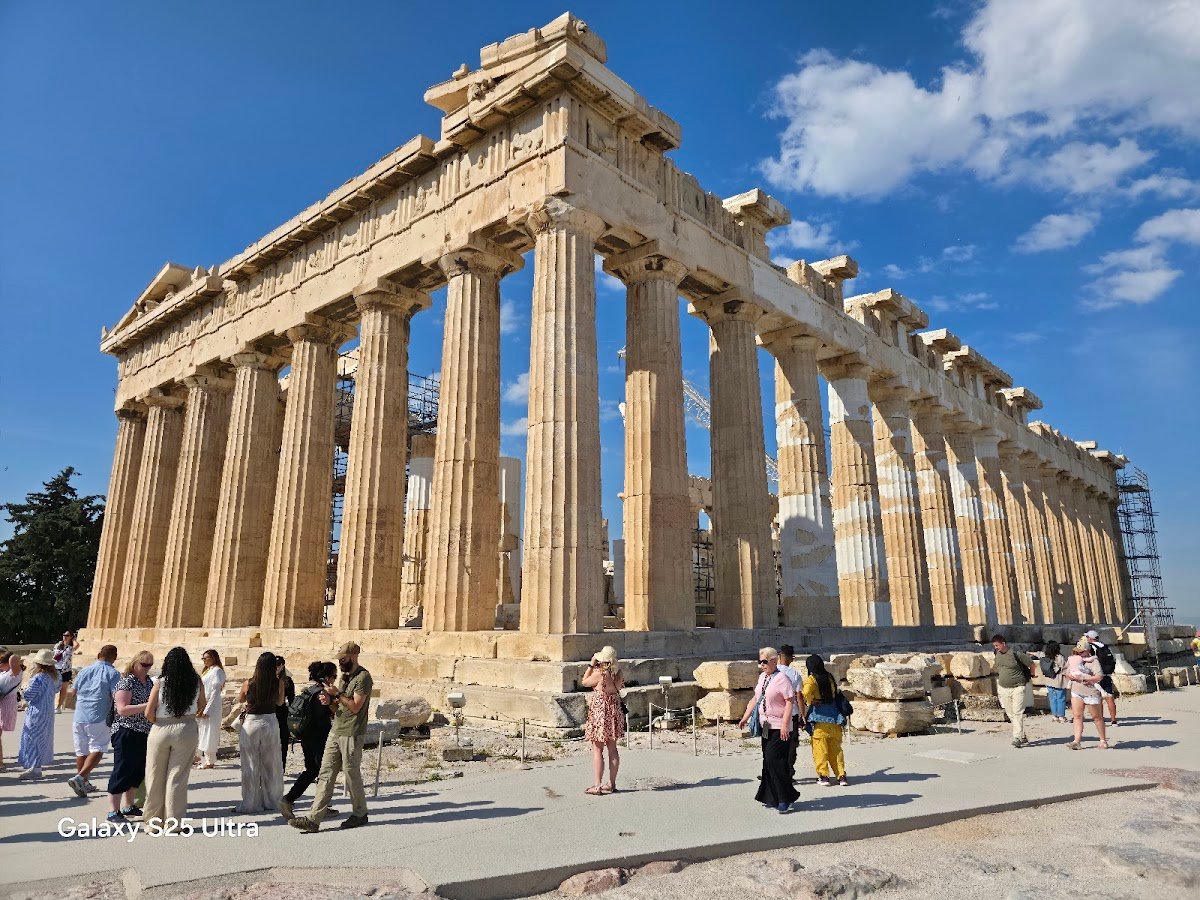
3 Days in Athens: First-Timer's Itinerary
Three days covering the Acropolis and ancient sites, the neighbourhoods that most visitors skip, and the food that nobody warns you about. With EUR prices, opening times, and the timing that makes everything work.
14 min
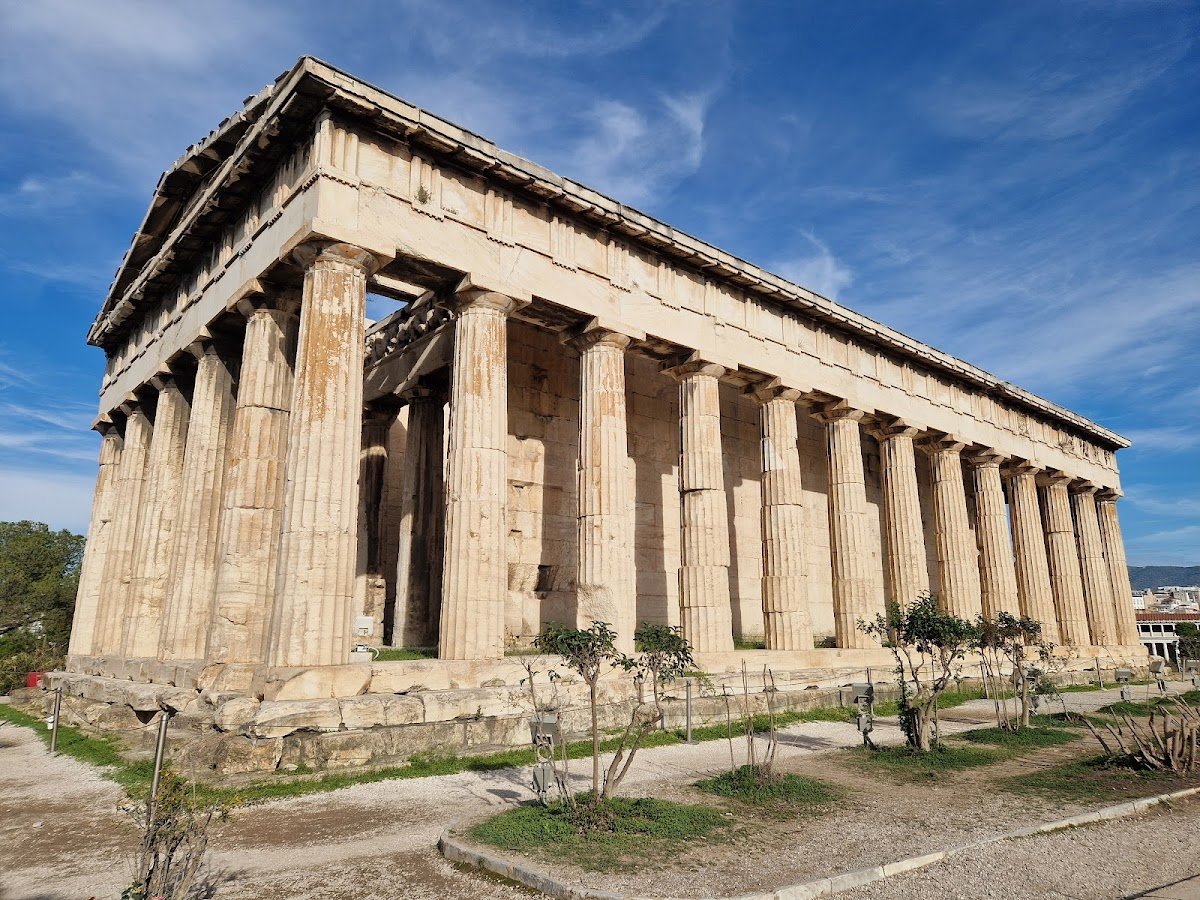
5 Days: The Complete Athens Experience
Five days covering ancient Athens, the neighbourhoods, a day trip to car-free Hydra island, Cape Sounion at sunset, and coastal Athens. The complete first visit with time to actually slow down.
18 min
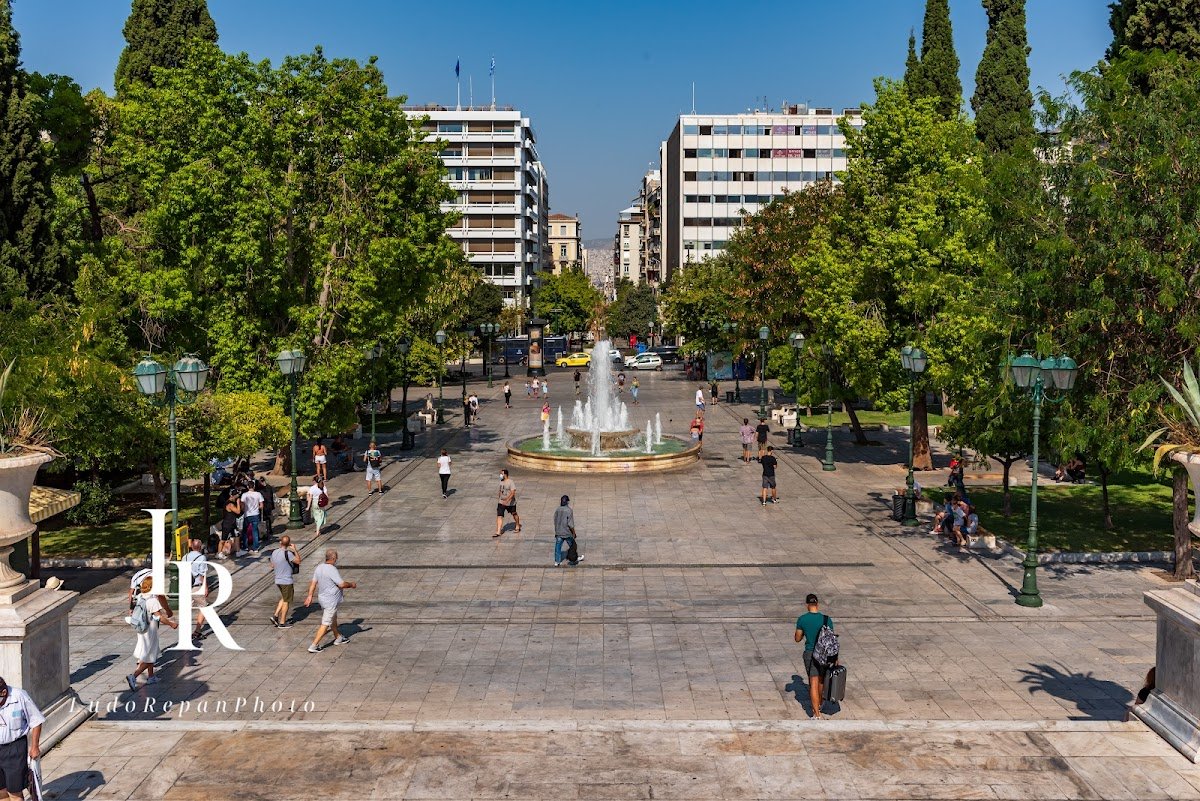
First Time in Athens: Everything You Need to Know
The practical guide to Athens: the Acropolis combined ticket, how to survive the summer heat, airport to city centre, which neighbourhood to stay in, and the food rules that change everything.
14 min