Athens
Pangrati
Residential and leafy: the marble Olympic stadium, the National Garden, neighbourhood squares with morning coffee, and tavernas where the menu is handwritten and the waiter recommends.
About Pangrati
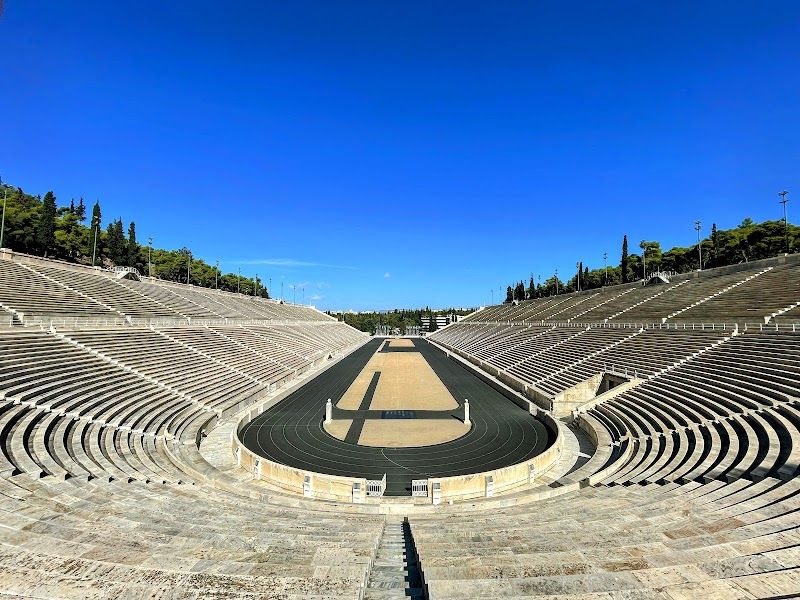
Pangrati sits east of the centre and feels like a different city from Monastiraki. The Panathenaic Stadium (EUR 10 with audio guide, or free from outside) is the only marble stadium in the world and hosted the first modern Olympics in 1896. You can walk the track and sit in the stands where 50,000 spectators watched. The National Garden (free, shady, duck pond, small zoo, playground) is the green escape from Athens' summer heat. Plateia Proskopon is the neighbourhood square where locals drink morning coffee and read newspapers. The tavernas in Pangrati have handwritten menus, the waiter often does not speak much English, and the food is better for it. This is where you eat if you want to eat like an Athenian.
Things to Do
Top experiences in Pangrati
Panathenaic Stadium
The Panathenaic Stadium is the world's only all-marble stadium, rebuilt from ancient foundations where athletes competed 2,000 years ago. You'll walk on the same track where the first modern Olympics happened in 1896, climb marble steps to 50,000 seats, and get sweeping views over Athens from the top rows. The €10 entry includes a decent audio guide that covers everything from ancient Panathenaic Games to Pierre de Coubertin's Olympic revival. The experience feels more like exploring a monument than visiting a sports venue. The white Pentelic marble gleams in sunlight, and the horseshoe shape creates perfect acoustics where your footsteps echo. You can jog the track, pose on the podium, and sit in seats that feel impossibly steep. The tunnel entrance adds drama, opening suddenly onto the brilliant white marble bowl. Most guides oversell this as a major attraction, but it's worth exactly one hour. The audio guide drags on about Olympic history you probably already know. Skip it if you're tight on time and just peek through the entrance gates for free. The morning light makes the marble glow beautifully for photos, and combining it with the adjacent National Garden makes perfect sense.
Museum of Cycladic Art
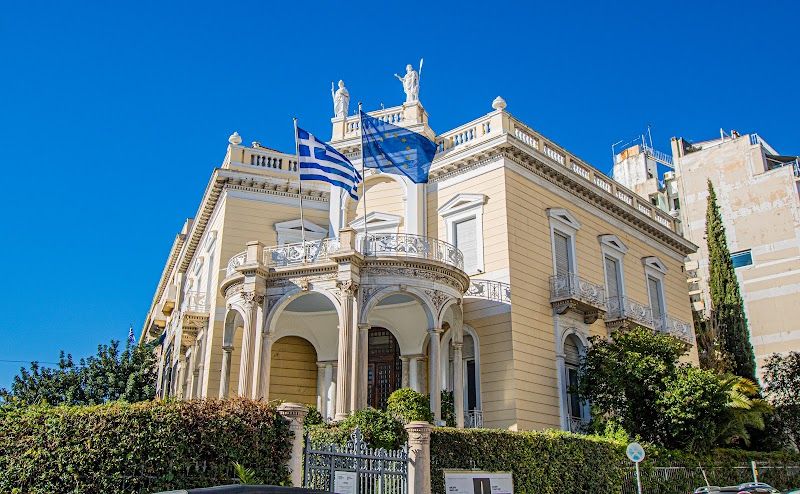
The Museum of Cycladic Art houses the world's finest collection of those hauntingly simple marble figurines that predate Stonehenge by a millennium. These 5,000-year-old sculptures from the Greek islands look so modern that Picasso and Brancusi studied them obsessively. You'll see over 3,000 artifacts spanning Bronze Age civilizations, plus a complete 4th-century BC Athenian house with original frescoes discovered during the museum's construction. Admission costs 7 EUR, which is excellent value for what you get. The museum feels intimate and contemplative, nothing like the crowded Acropolis Museum. You start with the famous figurines on the ground floor: those crossed-arm marble women with tilted heads that seem almost alive under the lighting. The upper floors house Cycladic pottery, weapons, and jewelry, while the basement reveals the ancient townhouse with intact rooms and a courtyard. The whole place stays refreshingly cool even in summer heat. Most people rush through in 30 minutes, but you should spend at least an hour to appreciate the subtleties. Skip the temporary exhibitions unless they specifically interest you: the permanent collection is the real draw. The audio guide costs 3 EUR extra and adds genuine insight into how these sculptures influenced modern art. Come on weekday mornings when tour groups haven't arrived yet, and you'll often have entire galleries to yourself.
National Garden
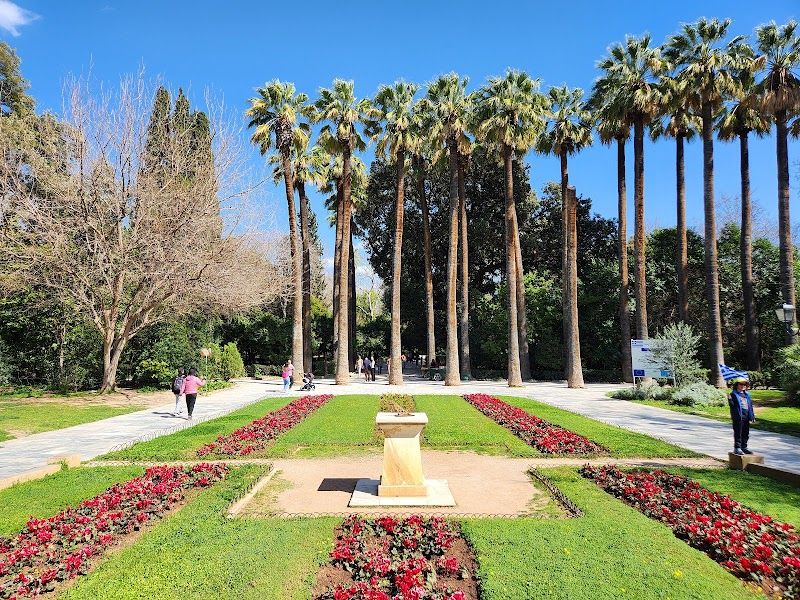
National Garden covers 38 acres in the heart of Athens, providing a chance to escape the city's concrete and car fumes. This green space is home to over 500 plant species, including tall palms and dense bamboo groves, alongside ancient ruins like Roman mosaics, marble column fragments, and parts of old aqueducts. The small zoo features peacocks, goats, and tortoises, while the duck pond consistently attracts local families with bread. Walking through the paths feels like discovering Athens' own private outdoor space. Shade is plentiful during summer months, thanks to thick canopies that create a natural shelter from the Mediterranean city surroundings. Children enjoy chasing peacocks, while elderly locals play backgammon on benches. The botanical sections are filled with the sweet scent of jasmine and orange blossoms, and the sound of water trickling from small fountains can be heard throughout. The children's library is located in a stone building that resembles a fairy tale, albeit with a more practical purpose. Most people visit the garden in 30 minutes, but seeing its true value requires a more leisurely pace. The café near the duck pond charges €3.50 for a decent cup of coffee and has a prime seating area. To make the most of your visit, consider skipping the zoo section entirely, as it feels cramped and lacking. Instead, explore the quieter eastern areas, where you'll find some of the garden's best-preserved Roman ruins and fewer crowds.
Zappeion Hall
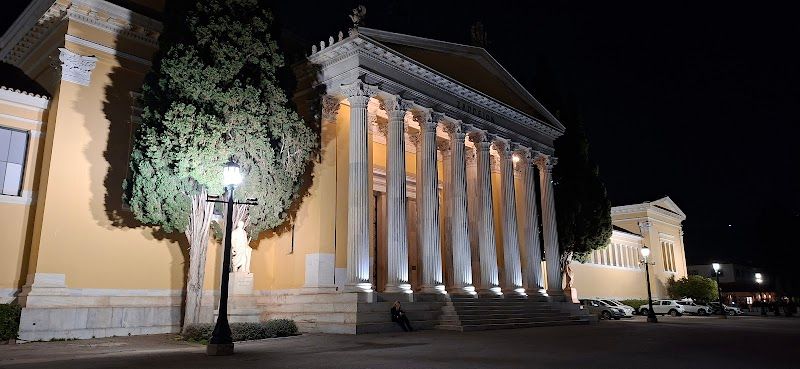
Zappeion Hall is one of Athens' most elegant neoclassical buildings, its circular design housing a glass-domed courtyard surrounded by towering Corinthian columns. You're looking at genuine Olympic history here: this building hosted fencing during the 1896 Games and served as the media center in 2004. The real draw isn't the exhibitions, but the architectural beauty of that central atrium, where natural light filters through the dome onto marble floors. Walking around the exterior gives you the full scope of its perfect proportions, but getting inside when exhibitions are running transforms your visit completely. The circular courtyard feels almost cathedral-like, with those columns creating dramatic shadows throughout the day. The building sits within the National Gardens, so you'll often have the peaceful sounds of birds and fountains as your soundtrack. Most visitors snap photos from the entrance hall, but if you can access the courtyard itself, the perspective looking up at the dome is exceptional. Here's what most guides might not mention: the exhibitions can be underwhelming and can cost 5-8 EUR for content. Your best bet is checking if there's free access to view the courtyard during setup periods between shows. The building looks appealing from the garden paths outside, so don't feel pressured to pay for entry unless you're certain the courtyard is accessible. Early morning visits offer the best light for photography and fewer crowds blocking your shots.
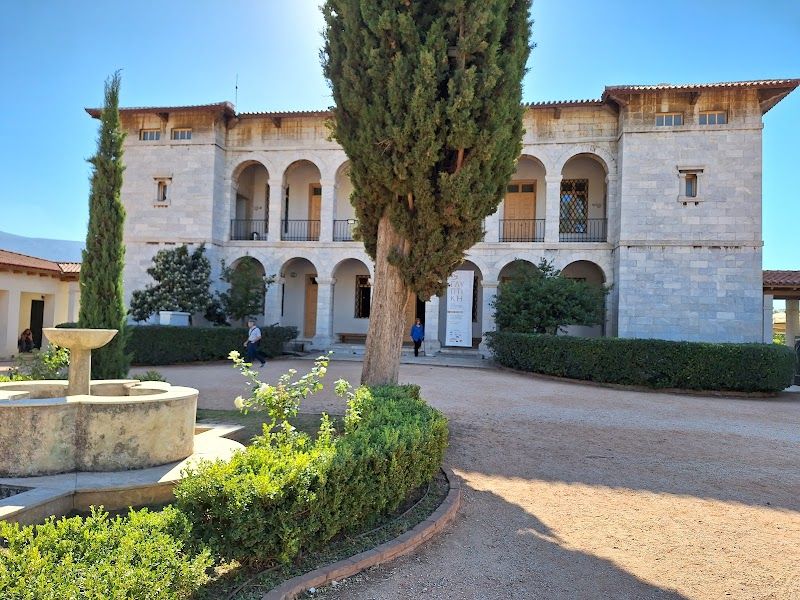
Byzantine and Christian Museum
This mansion turned museum houses Greece's finest collection of Byzantine religious art, spanning from early Christian times through the Ottoman period. You'll see breathtaking 6th century mosaics from Thessaloniki, medieval icons with gold backgrounds that seem to glow, and intricate church treasures like jeweled chalices and embroidered vestments. The collection includes rare manuscripts, carved marble church screens, and frescoes carefully removed from demolished churches across Greece. The museum flows through elegant rooms where each gallery focuses on a different period or art form. You'll start with early Christian artifacts in dim lighting that creates an almost sacred atmosphere, then move through increasingly ornate Byzantine pieces. The highlight rooms showcase post Byzantine icons where you can see individual brushstrokes on 500 year old faces. Between galleries, step into the peaceful courtyard where ancient column fragments sit beside a trickling fountain. Most visitors rush through without reading labels, but the English descriptions are excellent and explain techniques like egg tempera painting. Skip the ground floor shop (overpriced postcards) but don't miss the recreated church interior on the first floor. Entry costs 8 EUR, and Tuesday evenings after 6pm feel particularly atmospheric when crowds thin out. The audio guide adds 3 EUR but isn't necessary if you read the wall texts.
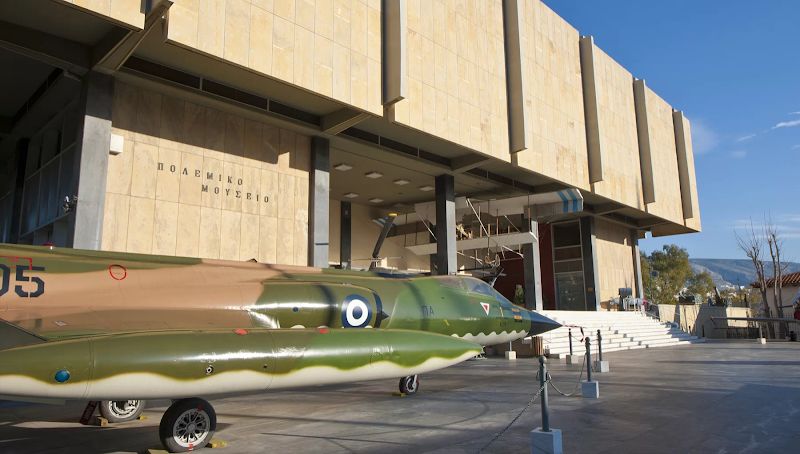
War Museum of Athens
The War Museum of Athens houses Greece's most comprehensive military collection, spanning 3,000 years from ancient hoplite warfare to modern conflicts. You'll walk through chronologically arranged galleries displaying everything from Byzantine chainmail to WWII resistance artifacts, plus an impressive outdoor park filled with tanks, fighter jets, and artillery pieces. The museum does an excellent job connecting military history to Greece's broader story of survival and independence, making it genuinely engaging even if you're not typically into war museums. Your visit flows naturally through spacious, well-lit galleries where ancient Greek shields sit near Ottoman sabres and Nazi occupation documents. The atmosphere is respectful rather than glorifying, with detailed English explanations throughout. The outdoor section feels like a military playground where kids climb around decommissioned aircraft while adults examine Cold War era tanks. The WWII resistance section is particularly moving, featuring personal letters and photographs that bring the occupation period to life. Most guides don't mention that the outdoor exhibition alone justifies the trip and it's completely free to explore without buying a museum ticket. The indoor collection is solid but not revolutionary, skip the upper floor's repetitive weapon displays and focus on the ground floor's thematic exhibitions. Entry costs 6 EUR for adults, 3 EUR for students, and the whole experience takes about 90 minutes if you see everything.
Where to Eat
Restaurants and cafes in Pangrati
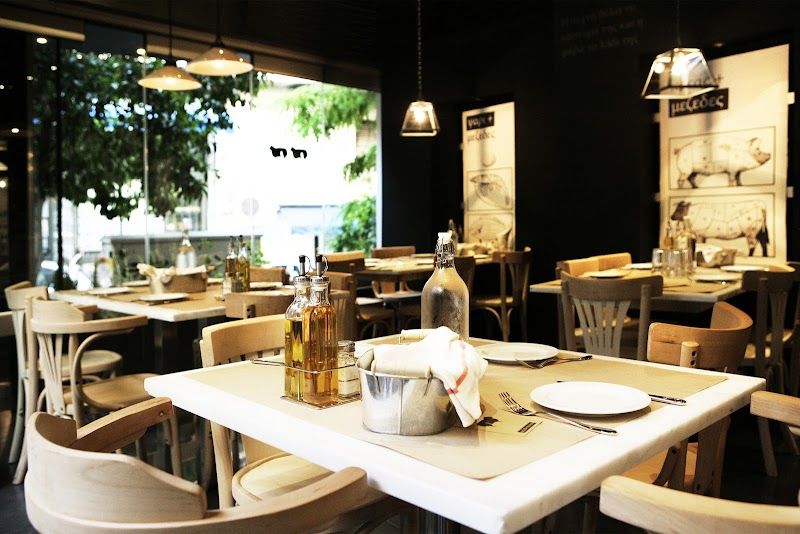
Mavro Provato
RestaurantAsk the owner for wine recommendations, he'll pair Greek natural wines with your meal choices. The lamb shank is slow-cooked for six hours.
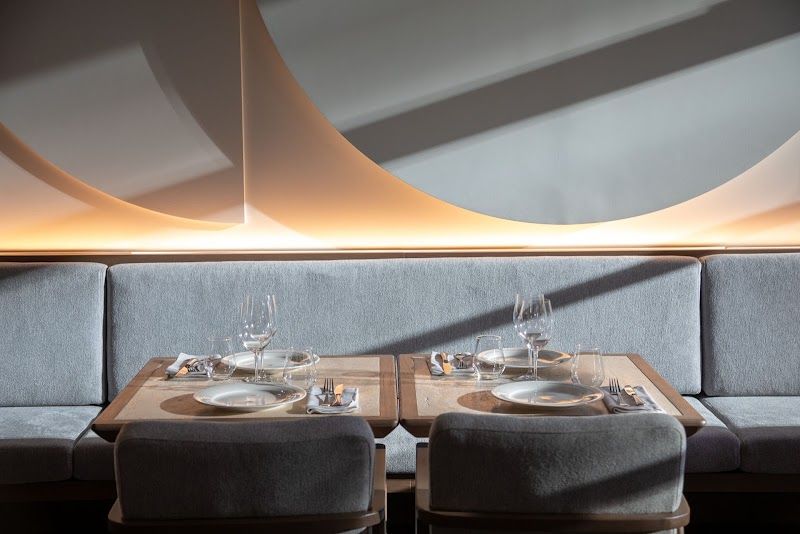
Cookoovaya
RestaurantContemporary Greek restaurant in Thissio focusing on regional recipes and seasonal ingredients, with an emphasis on vegetables and seafood. The minimalist interior features exposed concrete and an open kitchen with a wood-fired oven.
Spondi
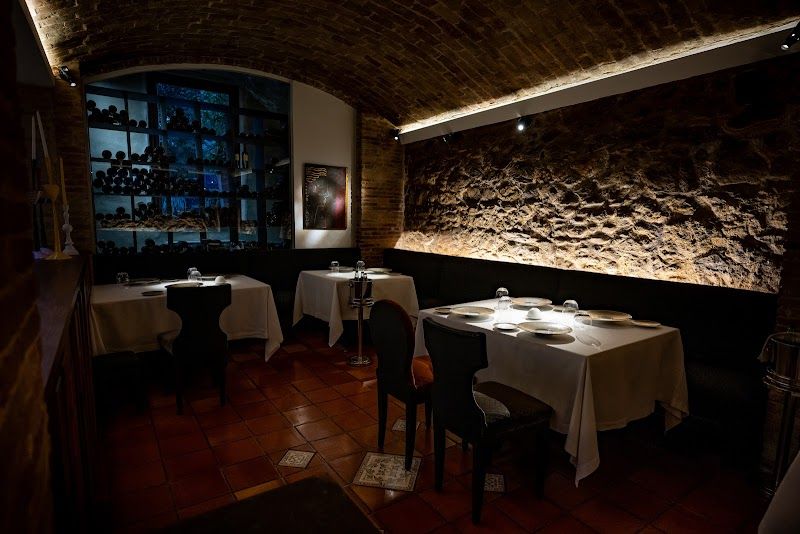
RestaurantTwo-Michelin-star fine dining restaurant in Pangrati with a neoclassical mansion setting and enchanting courtyard garden. Chef Arnaud Bignon creates contemporary French-Mediterranean cuisine using premium Greek ingredients.
Getting Here
Insider Tips
Panathenaic Stadium
EUR 10 entry with audio guide. Walk the track where the 1896 Olympians ran. Climb to the top rows for the panoramic view of the Acropolis, Lycabettus Hill, and the National Garden. Best photographed in the morning. Free to see from the outside if you do not want to enter. The audio guide is worth using.
Neighbourhood tavernas
Pangrati tavernas are where Athenians eat: Mavro Provato, Colibri, and the unnamed places on the side streets. Menus are often handwritten in Greek with limited English translations. Point at what other tables are eating. Full meal with wine: EUR 15-20. These restaurants do not appear on tourist maps and that is the point.
National Garden
Free entry, open from dawn to dusk. The paths are shaded (critical in summer), there is a small zoo, a duck pond, a botanical museum, and a playground. Enter from Vasilissis Sofias (near Syntagma) or from the Zappeion side. The Zappeion Hall gardens have a cafe with outdoor tables.
Nearby Neighborhoods
Continue exploring
Plaka & Monastiraki
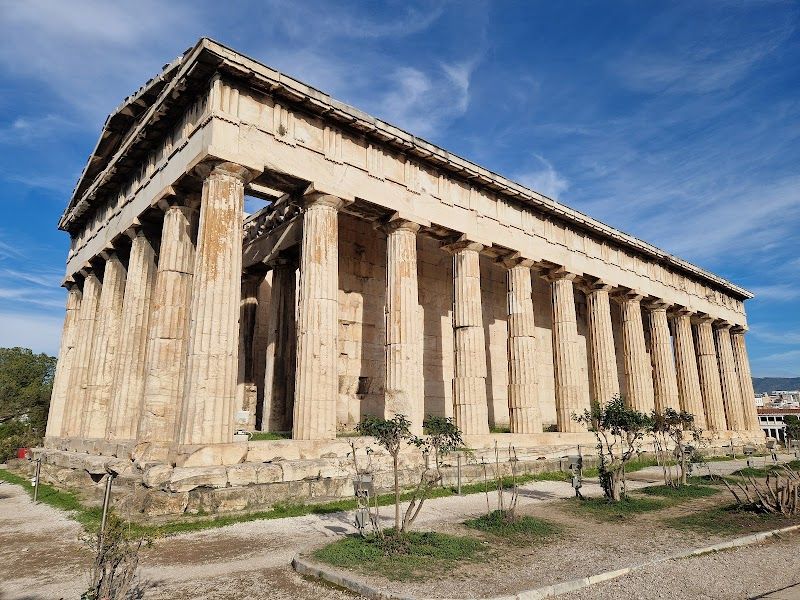
The tourist heart below the Acropolis: neoclassical houses, pedestrian streets, the flea market, rooftop bars with the most direct Acropolis views in the city, and souvlaki shops on every corner.
Acropolis & Makrigianni
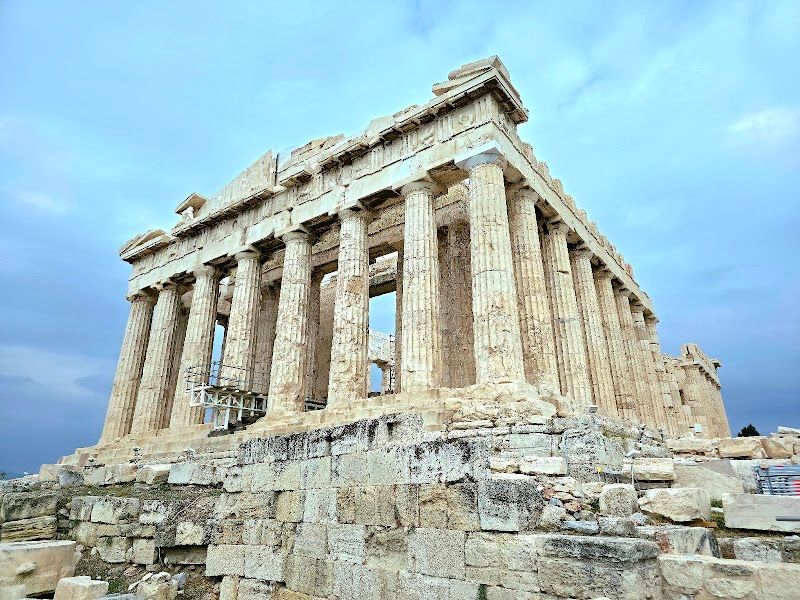
The ancient core: the Acropolis, the museum, the theatre where drama was invented, and the pedestrianised promenade along the south slope, with quiet Makrigianni tavernas one block down.
Psyrri
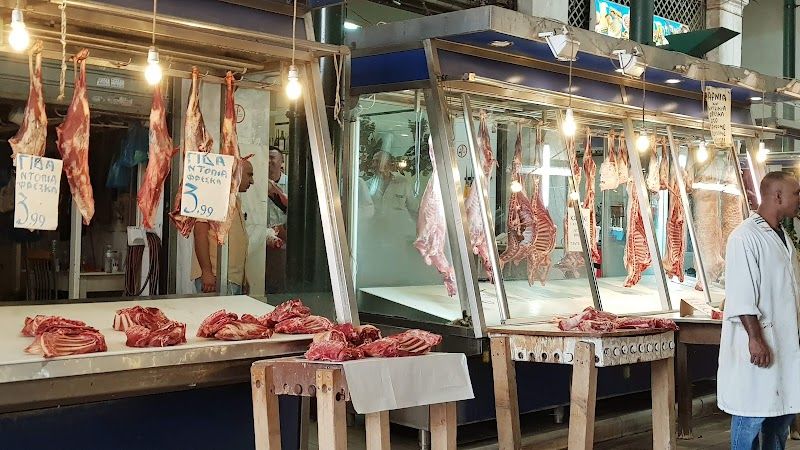
Reclaimed warehouses turned into murals, mezedopolia, and rebetiko bars: the neighbourhood where Athens eats, drinks, and stays out until 3 AM.
Plan a trip featuring Pangrati
Get a personalized Athens itinerary with Pangrati built in.
Start Planning