Italy
Bologna
Italy's food capital: tortellini in brodo, 40 km of porticoes, the oldest university in the West, and two towers that lean more than Pisa's
Best Time
April-June and September-October
Ideal Trip
2-3 days
Language
Italian, some English in tourist areas
Currency
EUR
Budget
EUR 33-65/day (excl. hotel)
About Bologna
Bologna is Italy's best-kept secret, which Italians find hilarious because they have known for centuries. The city has three nicknames: La Grassa (the fat one, for the food), La Dotta (the learned one, for the university, the oldest in the Western world, founded 1088), and La Rossa (the red one, for both the terracotta buildings and the politics). The food nickname is the one that matters to visitors, because Bologna is where ragù (the real one, not the jar), tortellini in brodo (tiny filled pasta in clear broth, the dish that defines the city), mortadella (the original, sliced thin and eaten on bread), and tagliatelle al ragù (never spaghetti, never) were invented.
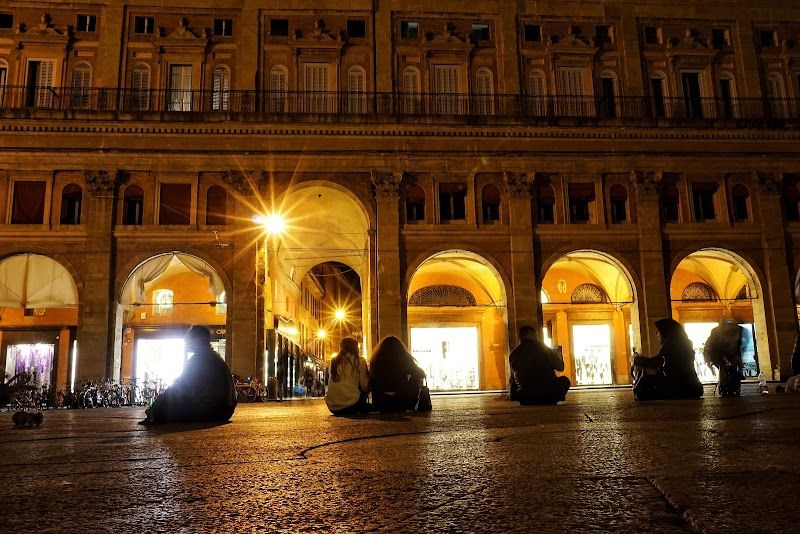
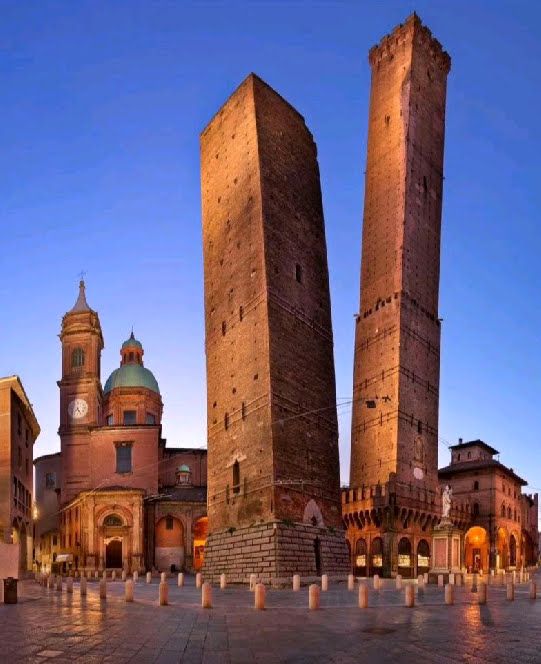
The city is built under porticoes. 40 kilometres of covered walkways run through the centre, UNESCO-listed since 2021, which means you can walk from one end of Bologna to the other without getting wet, sunburned, or bored. The Two Towers (Asinelli and Garisenda) define the skyline, and climbing the Asinelli (498 steps, EUR 5) gives you a terracotta rooftop view that explains the "red" nickname. Piazza Maggiore is the main square, with the Basilica di San Petronio (free, the fifth-largest church in the world, never finished because the Pope redirected the funds to St Peter's in Rome), and the Archiginnasio (the old university building, the Anatomical Theatre with carved wooden seating is extraordinary and creepy).
The Quadrilatero is the medieval market quarter behind Piazza Maggiore: specialty shops selling aged Parmigiano-Reggiano, fresh pasta drying on racks, mortadella sliced to order. A proper tortellini in brodo at a traditional trattoria costs EUR 12-15 and tastes like someone's grandmother made it, because someone's grandmother taught the cook who made it.
Neighborhoods
Each district has its own personality
Centro Storico & Piazza Maggiore
The medieval heart: Piazza Maggiore flanked by Gothic palaces, the unfinished Basilica di San Petronio, the Archiginnasio Anatomical Theatre, and the Two Towers defining the skyline
Quadrilatero
The medieval food market: specialty shops with Parmigiano wheels in windows, mortadella sliced to order, fresh pasta drying on racks, balsamic vinegar, and the Mercato di Mezzo for lunch
University Quarter & Santo Stefano
The oldest university in the Western world (founded 1088) and its surrounding neighbourhood: Via Zamboni student bars, the Complesso di Santo Stefano (seven churches, the best piazza in Bologna), and Pinacoteca Nazionale
Things to Do
Top experiences in Bologna
Quadrilatero
Bologna's Quadrilatero is the city's ancient food quarter, where narrow medieval streets follow the same paths as Roman roads from 2,000 years ago. You'll walk past third-generation butchers slicing mortadella, pasta shops with golden egg tagliatelle hanging in windows, and cheese vendors offering tastes of aged Parmigiano-Reggiano. The covered porticoes shelter small wine bars, traditional osterie, and produce stalls that have operated here since the Middle Ages. The experience feels like wandering through a working museum where daily life continues as it has for centuries. Via Pescherie Vecchie smells of aged salami and fresh herbs, while Via Drapperie echoes with the chatter of vendors and locals doing their daily shopping. The medieval atmosphere intensifies in the evening when warm light spills from wine bar doorways onto the cobblestones, and you can hear conversations drifting from the porticoes. During the day, it's crowded but authentic, locals elbowing through tourists to reach their favorite vendors. Most food tours bring groups here during peak hours (11am-2pm), making it almost impossible to move or properly browse. Skip the expensive tourist restaurants along the main streets, they're overpriced and mediocre. Instead, grab supplies from the vendors for an impromptu picnic, mortadella costs about 3-4 EUR per 100g, excellent bread runs 1-2 EUR. The real magic happens after 7pm when the day vendors close but the wine bars open, giving you space to appreciate the architecture without fighting crowds.
Villa Aldini
Villa Aldini sits atop Colle dell'Osservanza like Bologna's best kept secret, a neoclassical beauty from 1811 that frames the entire city below. You'll climb about 15 minutes from the base of the hill to reach this elegant villa where Napoleon's stepson once lived. The panoramic terrace wraps around the building, giving you sweeping views over Bologna's red rooftops, medieval towers, and the distant Apennine mountains. The experience feels like discovering a private estate that happens to welcome visitors. You can wander the surrounding parkland with its ancient oak trees and manicured paths, then settle onto the terrace where local families picnic and couples share aperitivos. The villa's café serves decent coffee (€1.50) and light meals, though you're really here for the setting. The atmosphere shifts beautifully throughout the day, from morning joggers to sunset crowds. Most travel guides barely mention this place, which works in your favor. The terrace café charges €4 for a spritz, fair for the location. Skip the villa's interior unless there's a specific exhibition, the real draw is outside. Come in late afternoon when the light turns golden and Bologna glows below you. It's infinitely more peaceful than the crowded San Luca climb.
Torre degli Asinelli (Asinelli Tower)
The Torre degli Asinelli is medieval Bologna's tallest survivor at 97.2 meters, leaning a dramatic 2.2 degrees from vertical. Built by the wealthy Asinelli family between 1109 and 1119, it's one of only 24 remaining towers from Bologna's original forest of hundreds. You'll climb 498 wooden steps inside the narrow stone walls to reach what's genuinely one of Italy's best panoramic views: terracotta rooftops stretching to the hills, porticoes snaking along every street like ribbons, and on clear days, both the Alps and Apennines visible in opposite directions. The climb is no joke, it's a proper workout in a claustrophobic medieval staircase that winds up with minimal lighting and no handrails on many sections. The final flights are nearly vertical ladders. Your legs will burn, you'll get sweaty, and the stone walls close in around you. But stepping onto the top platform is genuinely breathtaking, especially when you realize you're standing on a 900 year old structure that's been defying gravity and earthquakes for centuries. The shorter Garisenda tower beside it leans even more than Pisa's famous tower. Most guides don't mention that 5 EUR is actually excellent value for this experience, unlike many Italian attractions that disappoint. Skip it in bad weather when it closes, and don't attempt it in summer heat unless you go early morning. The crowds thin out significantly after 4pm. Honestly, this beats climbing the Duomo in Florence, the view is better and the experience more authentic.
Osteria dell'Orsa
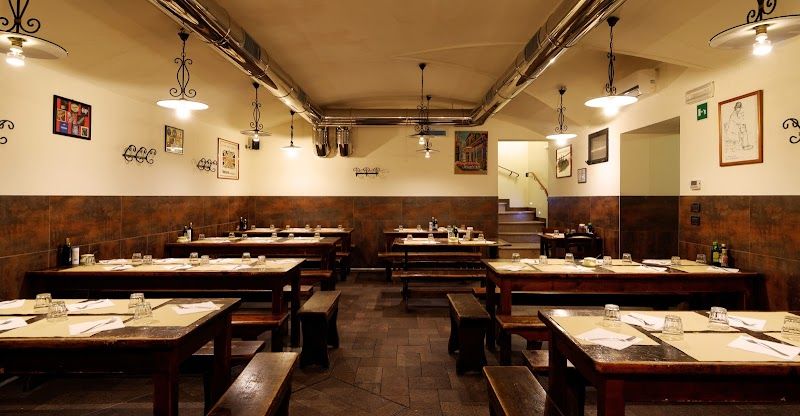
University district institution where students and professors share wooden tables and order half-portions to sample more dishes. The crescentine fritte (fried dough pillows) served with mortadella and stracchino cheese are a local specialty not found in tourist areas.
Giardini Margherita
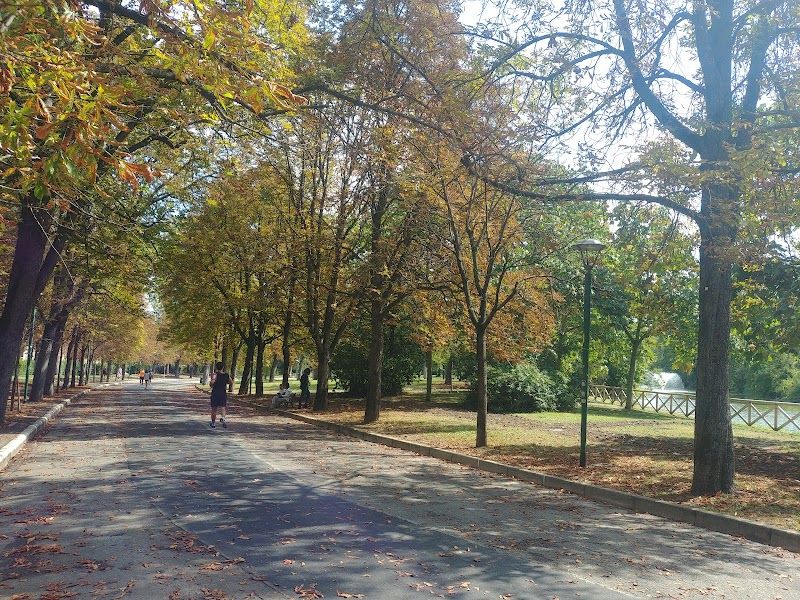
Giardini Margherita is Bologna's green lung, a 26-hectare park that opened in 1879 and remains the city's most popular outdoor escape. You'll find tree-lined gravel paths perfect for jogging, a central lake with ducks and occasional swans, outdoor fitness equipment that actually gets used, and food trucks serving everything from piadina to craft beer. The park doubles as Bologna's unofficial social center, where university students sprawl on grass between lectures and families claim picnic spots on weekends. Walking through feels like joining Bologna's daily rhythm rather than playing tourist. Early morning brings serious joggers and dog walkers, while afternoons fill with students reading under century-old trees and kids feeding ducks at the lake. The small wooden chalet by the water serves decent aperitivo from 6pm, and you'll hear multiple languages as international students mix with local families. Evening transforms the space into an outdoor living room where locals gather with takeaway drinks and impromptu picnics. Most guides oversell this as a sightseeing destination, but it's really about experiencing local life. The fitness area gets busy after 5pm, so morning workouts work better. Food trucks cluster near the main entrance and charge reasonable prices: expect 4-6 EUR for panini, 3-4 EUR for gelato. Skip the playground area unless you have kids, it's nothing special. The real value is people-watching and joining Bologna's outdoor culture.
San Luca Portico Walk
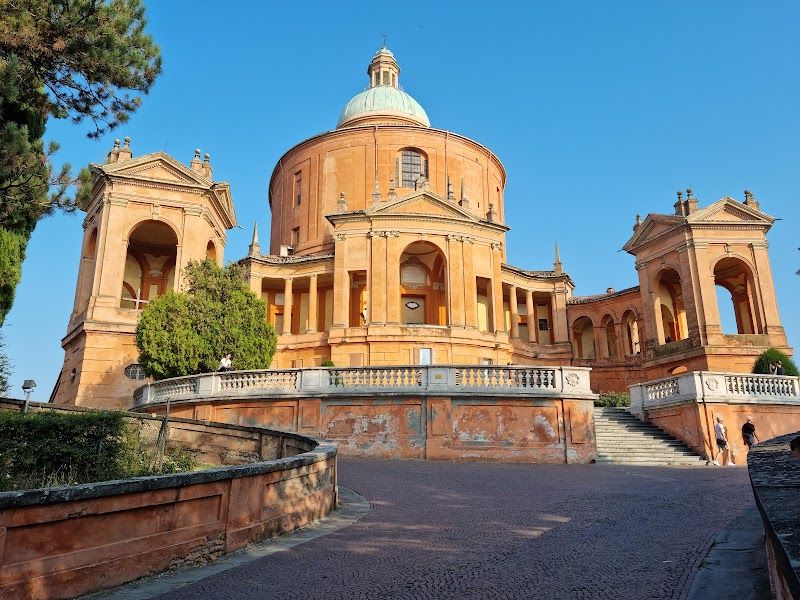
The Portico di San Luca is the longest portico in the world: 3.796 km from the Saragozza gate to the Sanctuary of the Madonna di San Luca on the hilltop, covered by 666 arches (the number of the beast was chosen deliberately to protect pilgrims from the Devil for the duration of the walk). The portico was built between 1674 and 1793 by subscription: each arch was funded by a Bolognese family or institution, and their coats of arms are on the keystones. The walk uphill takes 45-60 minutes at a moderate pace. The sanctuary at the top (free, open daily) has the Byzantine icon of the Virgin said to have been painted by Luke the Evangelist, which is of course impossible but which has been in Bologna since the 12th century. The view from the sanctuary terrace covers the city, the Po Valley, and on clear days the Alps. The descent is easier than the ascent: allow 30-40 minutes back down. The tourist San Luca Express train (EUR 10 return) is an alternative if you prefer not to walk.
Sfoglia Rina
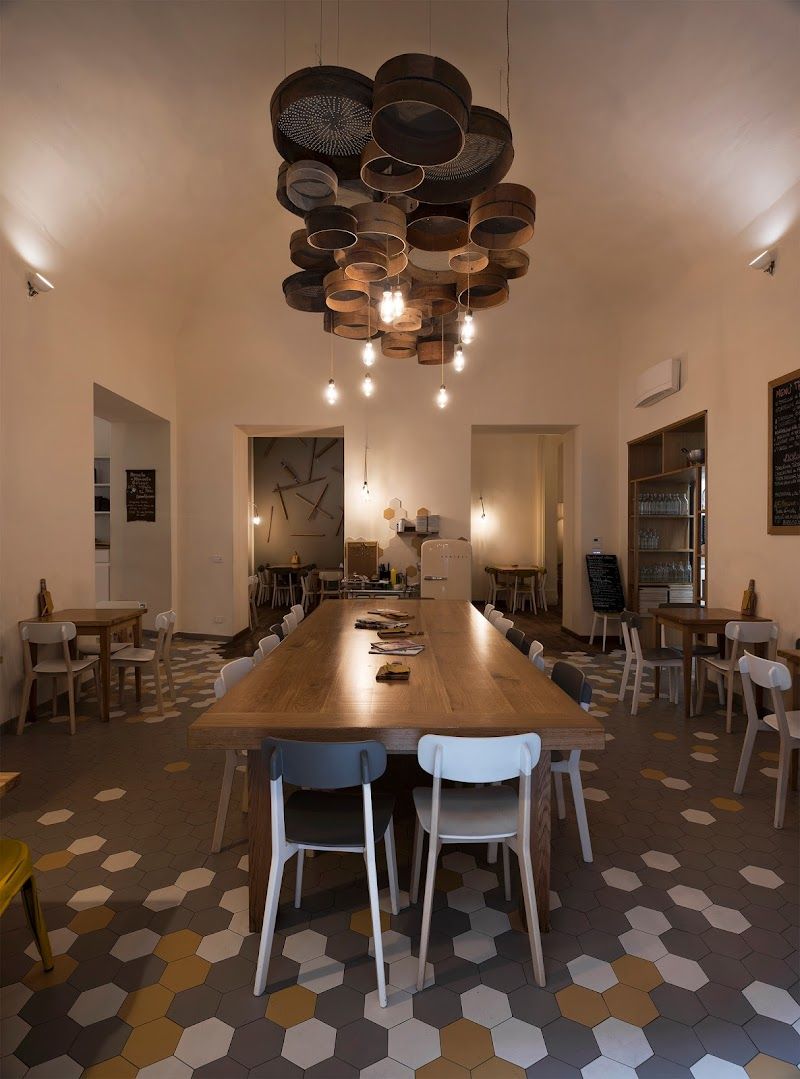
Sfoglia Rina teaches you the real deal: how Bologna's grandmothers have made pasta for centuries using nothing but eggs, flour, and a wooden rolling pin called a mattarello. You'll work in a restored 16th-century kitchen where professional sfogline guide you through hand-rolling tortellini, tagliatelle, and tortelloni from scratch. The workshop covers proper dough consistency, rolling technique, and the intricate folding methods that make Bolognese pasta legendary. The experience feels authentically Italian rather than touristy. Your sfoglina instructor speaks passable English but communicates mostly through demonstration, rolling paper-thin sheets of pasta with practiced ease. The kitchen smells like semolina and anticipation as eight students max work at marble counters using traditional tools. You'll struggle initially with the mattarello (everyone does), but by the end you're folding tortellini with surprising confidence. The meal afterward pairs your creations with local Sangiovese. Most cooking classes in Bologna are overpriced tourist traps, but Sfoglia Rina justifies its 75 EUR cost with genuine technique and intimate group size. Skip the afternoon sessions which feel rushed. The morning classes let you see dough preparation from the very beginning, and your instructor has more energy for individual guidance. Book directly through their website to avoid booking fees that third-party sites add.
Quadrilatero Food Market
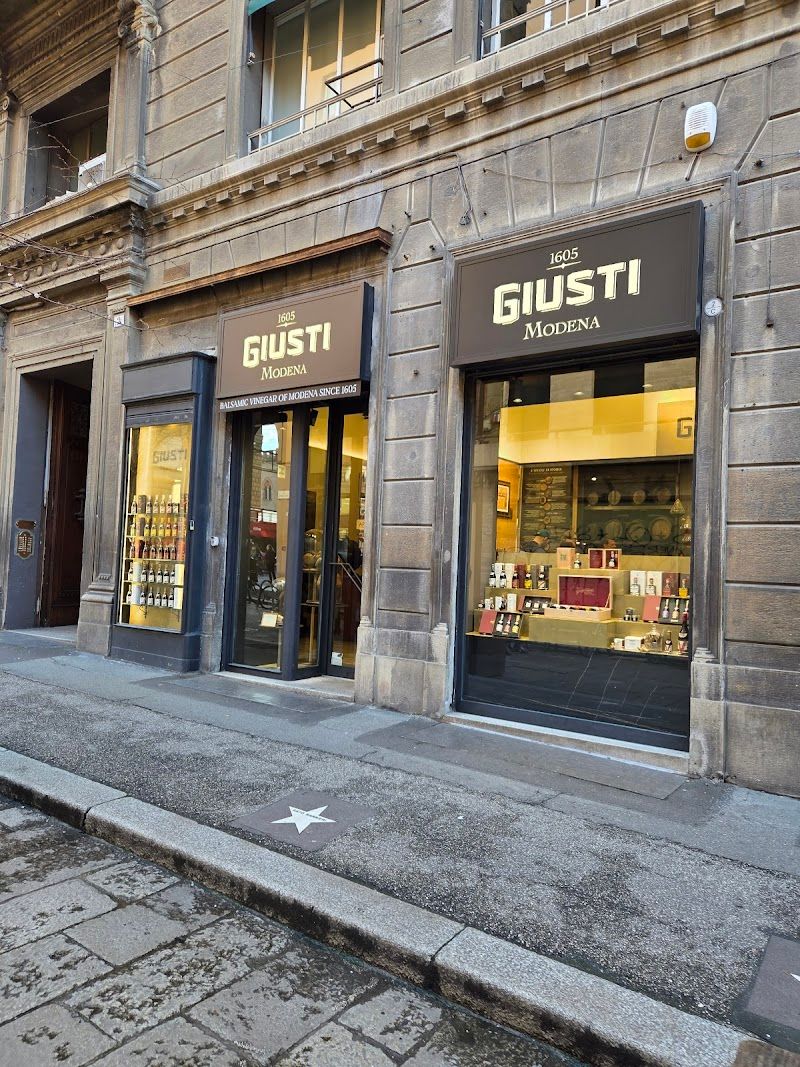
The Quadrilatero is Bologna's thousand-year-old food market district, a tight grid of medieval streets where each road was named for its trade: Via Pescherie Vecchie for fishmongers, Via Drapperie for cloth merchants. Today you'll find Bologna's best specialty food shops here, with wheels of 36-month Parmigiano-Reggiano stacked in windows (EUR 4-6 for 100g tastings), paper-thin mortadella sliced to order, and fresh tortellini counted out by the hundred-gram. The streets connect Piazza Maggiore to the Two Towers in about four blocks. Walking through feels like browsing an outdoor food museum where everything's for sale. Shop windows display hanging culatello, bottles of aged balsamic vinegar (EUR 15-100 depending on years), and pasta makers rolling tagliatelle behind glass. The narrow cobblestone alleys get crowded by 11 AM as locals queue at their favorite spots. You'll hear vendors calling out prices and shoppers debating cheese ages in rapid Italian. Most shops let you taste before buying, especially the cheese counters. Most guides oversell the renovated Mercato di Mezzo food hall, it's fine for lunch but lacks character compared to the street shops. Focus your time on Via Pescherie Vecchie and Via Caprarie for the real deals. Skip the tourist-priced balsamic at EUR 50+ bottles, local supermarkets sell decent versions for EUR 8-12. The best mortadella is at Tamburini (Via Caprarie 1), where 100g costs EUR 3-4 and tastes nothing like grocery store versions.
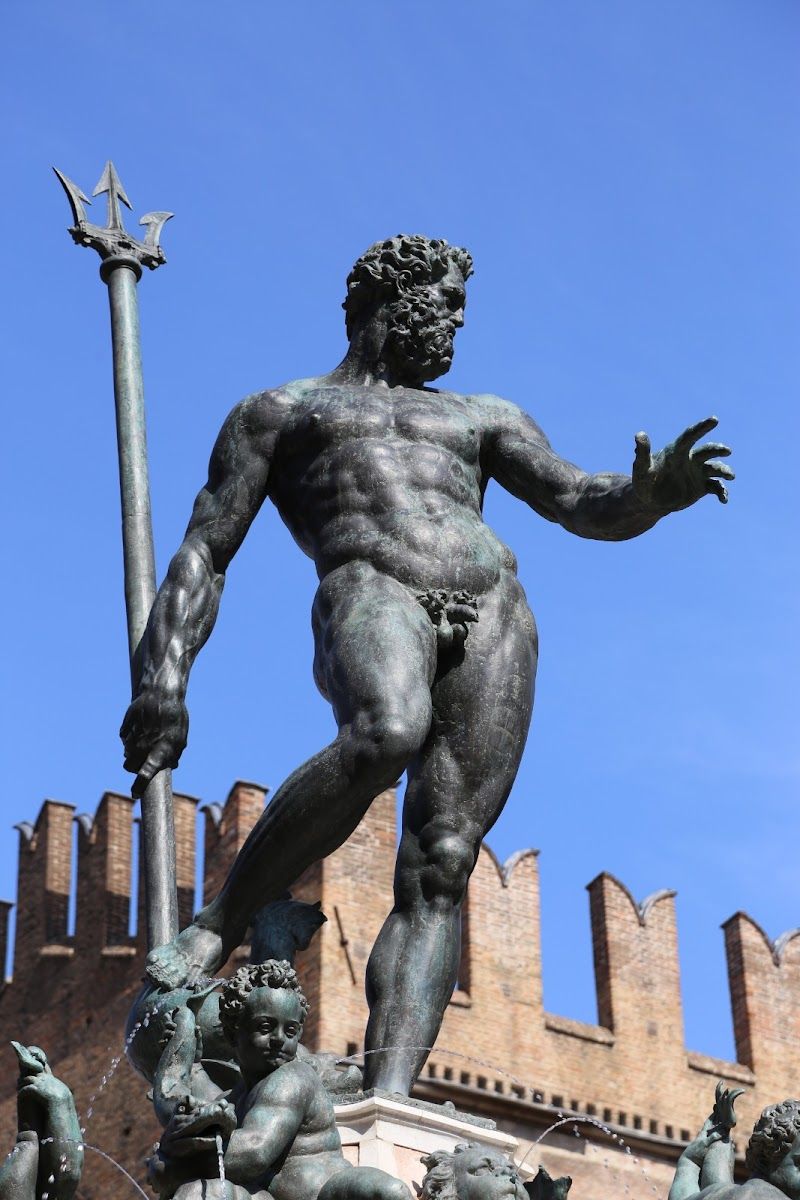
Fontana del Nettuno
Neptune towers over Bologna's second most important piazza, his bronze muscles gleaming after 450 years of weather and admiring crowds. Giambologna's masterpiece shows the sea god commanding four cherubs who ride dolphins around an elaborate marble base, water cascading from multiple levels. You're looking at Renaissance hydraulic engineering disguised as art: this fountain celebrated the papal government's new aqueduct system in 1566. The piazza feels like Piazza Maggiore's quieter sibling, with Neptune as the undisputed star drawing constant photo sessions. Tourists circle the fountain hunting angles while locals cut through on their way to the covered markets nearby. The contrast between Neptune's imposing presence and the everyday Bologna life swirling around him creates an oddly intimate atmosphere for such a grand monument. Most guides oversell the artistic significance when honestly, you'll spend 10 minutes max here unless you're a serious Renaissance sculpture fan. The fountain's main value is as a meeting point and photo opportunity, not a destination itself. Combine it with Piazza Maggiore literally 30 seconds away rather than making a special trip, and don't bother climbing the steps for photos since the best views are from street level.
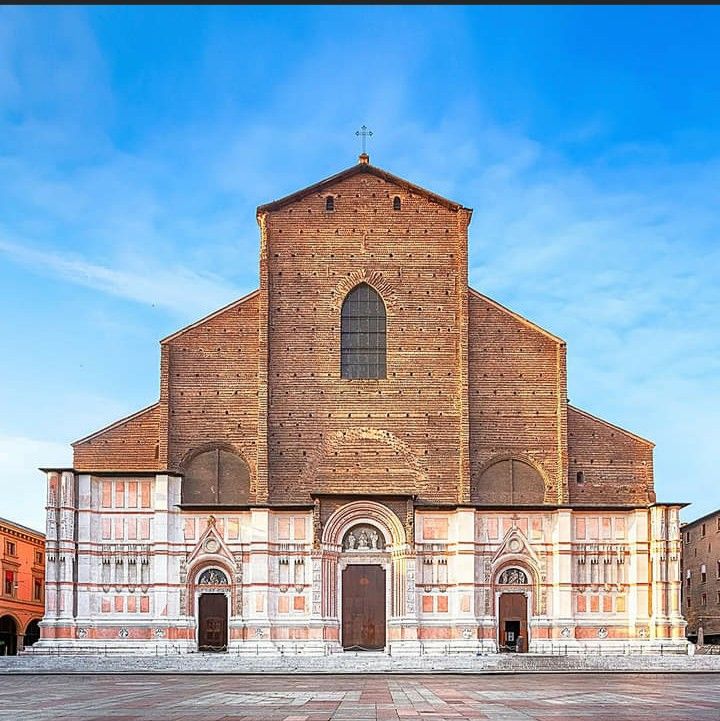
Piazza Maggiore and Basilica di San Petronio
Piazza Maggiore is the main square of Bologna and one of the finest medieval piazzas in Italy. On the north side is the Palazzo del Podesta and the Palazzo Re Enzo (where King Enzo of Sardinia was imprisoned for 23 years after the 1249 Battle of Fossalta). On the east side is the Palazzo Comunale. In the centre is the Fontana del Nettuno (Neptune Fountain, 1566, by Giambologna, the bronze Neptune with bronze mermaids, moved to the adjacent piazza for restoration but returning). The Basilica di San Petronio occupies the entire south side. It was begun in 1390 and intended to be the largest church in the world: larger than St Peter's in Rome. The Pope got nervous and redirected the funding to Rome. The basilica was never completed (the facade is still partially brick at the top, the marble cladding runs out about halfway up). It is the fifth-largest church in the world by volume as it stands, free to enter, with a floor plan that would have been the largest in Christendom. Inside: the meridian line on the floor (the longest sundial in the world, 67 metres, built in 1655 by astronomer Giovanni Cassini, used to determine the exact date of Easter) and the Chapel of the Magi with a fresco by Giovanni da Modena depicting Mohammed in Hell (controversial, has been a target of terrorist threats).
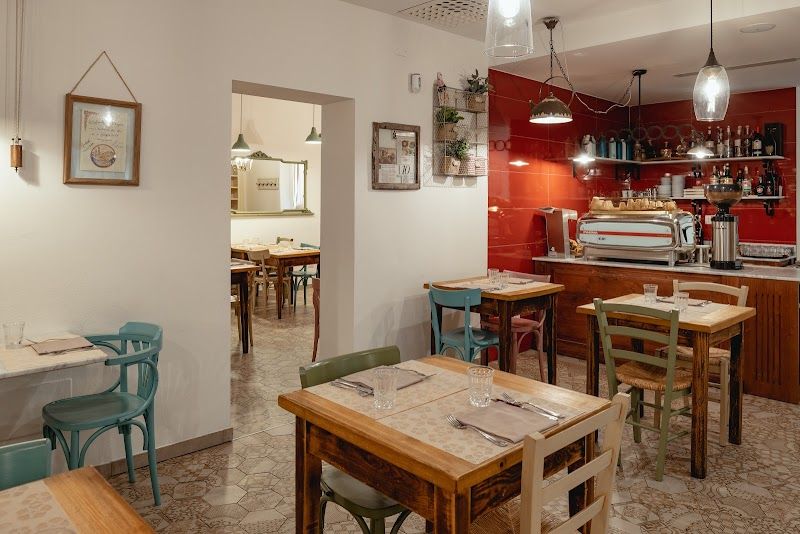
Trattoria da Me
Third-generation trattoria in the Quadrilatero where the pasta is made by hand each morning and the menu changes daily based on market availability. The lasagne verde (spinach pasta layered with ragu and bechamel) is prepared in the traditional 15-layer style.
Pinacoteca Nazionale di Bologna
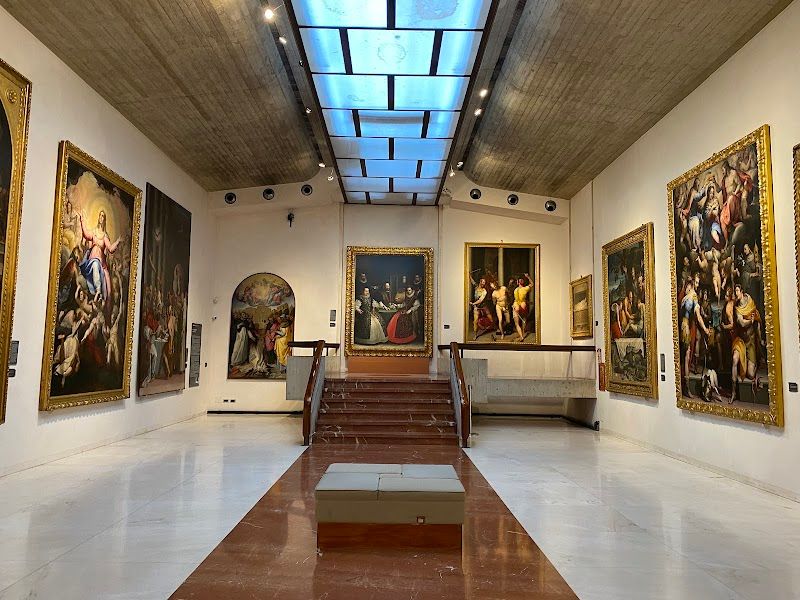
Bologna's top art museum houses the world's finest collection of Bolognese School paintings, spanning five centuries in a beautifully converted 17th-century Jesuit building. You'll find Raphael's Ecstasy of Saint Cecilia, multiple masterpieces by Guido Reni, and works by the Carracci family who revolutionized Italian art. The collection moves chronologically from medieval altarpieces to baroque drama, showing how Bologna became Italy's second most important art center after Florence. The galleries flow logically through elegant rooms with high ceilings and excellent lighting that showcases the paintings well. You'll spend most of your time in the main halls where the big names hang, but the atmosphere stays intimate since crowds are manageable. The Raphael draws a small gathering, but you can usually get close enough for detailed viewing. Each room builds on the last, creating a genuine sense of artistic evolution. Most guides suggest focusing on rooms 15-23, which contain the heavyweight pieces. You may want to skip the early medieval section, unless you're genuinely interested in 13th-century religious art – it's repetitive. Entry costs €6 and there's rarely a wait, although you might encounter crowds during university exam periods when art students visit in large numbers. The audio guide adds €4, but it's not essential as the wall texts are provided in decent English.
Travel Guides
Expert guides for every travel style
First Time in Bologna: What You Need to Know
Bologna in plain terms: what it is, why the food matters, what the three nicknames mean, how to navigate the porticoes, and what not to do on your first visit.
6 min
First Time in Bologna: Food Rules and What You Need to Know
Bologna's food rules: tortellini is never with cream, tagliatelle al ragù is not spaghetti bolognese, mortadella is not baloney, and Lambrusco is not the cheap fizz you exported.
8 min
Frequently Asked Questions
Tortellini in brodo is tiny meat-filled pasta rings served in clear capon or beef broth. The filling is pork loin, prosciutto, mortadella, Parmigiano-Reggiano, and egg. It is the defining dish of Bologna, traditionally served on Christmas Day and at Sunday lunch. You eat it in the broth with a spoon. It does not come with cream sauce: that is an abomination exported abroad. It does not come with marinara sauce. It comes in brodo. A serving costs EUR 10-14 at a traditional trattoria.
Tagliatelle al ragù is the actual dish. The pasta is fresh, hand-rolled, egg-based tagliatelle (wide flat ribbons). The sauce is a slow-cooked meat ragù (beef and pork, slowly cooked with soffritto, wine, and a very small amount of tomato). Together they coat properly and eat correctly. Spaghetti bolognese does not exist in Bologna. It was invented for export. Ordering spaghetti bolognese in a good Bologna trattoria is the single reliable way to get a pitying look from the waiter.
Walk under them. They run along almost every street in the historic centre, providing cover from rain and sun. 40 km of covered walkways, all UNESCO-listed since 2021. The most beautiful sections are around Piazza Maggiore, along Via dell'Indipendenza (the main boulevard), and the famous San Luca portico (666 arches, 3.8 km, the longest in the world). You can cross the entire historic centre in any weather without getting wet.
Modena (25 min by train, EUR 3.50): the traditional balsamic vinegar acetaie (EUR 15-25 for tours), the Enzo Ferrari Museum (EUR 17), and the extraordinary Romanesque cathedral. Parma (55 min, EUR 6): Parmigiano-Reggiano dairy visits, Prosciutto di Parma producers, the Baptistery frescoes, Correggio in the cathedral dome. Ravenna (75 min, EUR 6): the 5th-6th century Byzantine mosaics (UNESCO, the best in the world outside Istanbul).