Bologna
Quadrilatero
The medieval food market: specialty shops with Parmigiano wheels in windows, mortadella sliced to order, fresh pasta drying on racks, balsamic vinegar, and the Mercato di Mezzo for lunch.
About Quadrilatero
The Quadrilatero is squeezed between Piazza Maggiore and the Two Towers: medieval streets named after ancient trades (Via Pescherie Vecchie for fish, Via dei Fusari for spindle-makers, Via degli Orefici for goldsmiths). Today the streets are lined with specialty food shops representing the best of Emilian food culture. The dairy shops stack Parmigiano wheels in their windows and let you taste the 24-month against the 36-month (the older is sharper, more crystalline, better for eating than grating). The mortadella shops sell the original (made in Bologna since the 14th century) sliced thin enough to be translucent. The pasta shops have fresh tortellini, tagliatelle nests, and handmade lasagne. The Mercato di Mezzo (the renovated food hall inside the Quadrilatero) is good for lunch at the counters. The Mercato delle Erbe (the covered produce market two streets west) is more local, more chaotic, and has better prices.
Things to Do
Top experiences in Quadrilatero
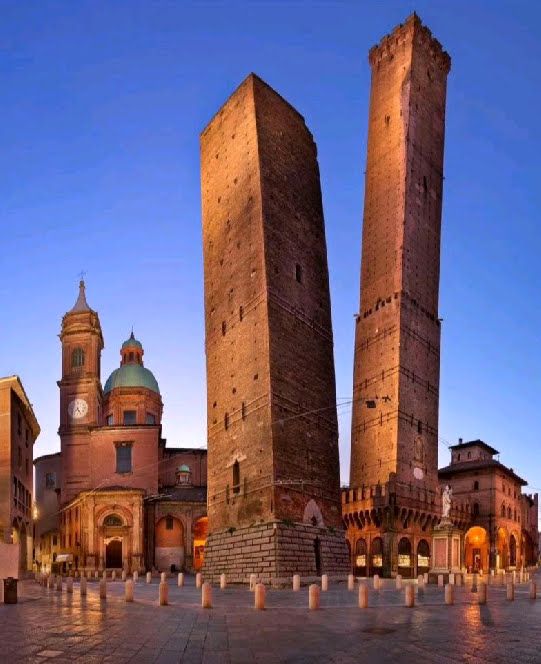
Torre degli Asinelli (Asinelli Tower)
The Torre degli Asinelli is medieval Bologna's tallest survivor at 97.2 meters, leaning a dramatic 2.2 degrees from vertical. Built by the wealthy Asinelli family between 1109 and 1119, it's one of only 24 remaining towers from Bologna's original forest of hundreds. You'll climb 498 wooden steps inside the narrow stone walls to reach what's genuinely one of Italy's best panoramic views: terracotta rooftops stretching to the hills, porticoes snaking along every street like ribbons, and on clear days, both the Alps and Apennines visible in opposite directions. The climb is no joke, it's a proper workout in a claustrophobic medieval staircase that winds up with minimal lighting and no handrails on many sections. The final flights are nearly vertical ladders. Your legs will burn, you'll get sweaty, and the stone walls close in around you. But stepping onto the top platform is genuinely breathtaking, especially when you realize you're standing on a 900 year old structure that's been defying gravity and earthquakes for centuries. The shorter Garisenda tower beside it leans even more than Pisa's famous tower. Most guides don't mention that 5 EUR is actually excellent value for this experience, unlike many Italian attractions that disappoint. Skip it in bad weather when it closes, and don't attempt it in summer heat unless you go early morning. The crowds thin out significantly after 4pm. Honestly, this beats climbing the Duomo in Florence, the view is better and the experience more authentic.
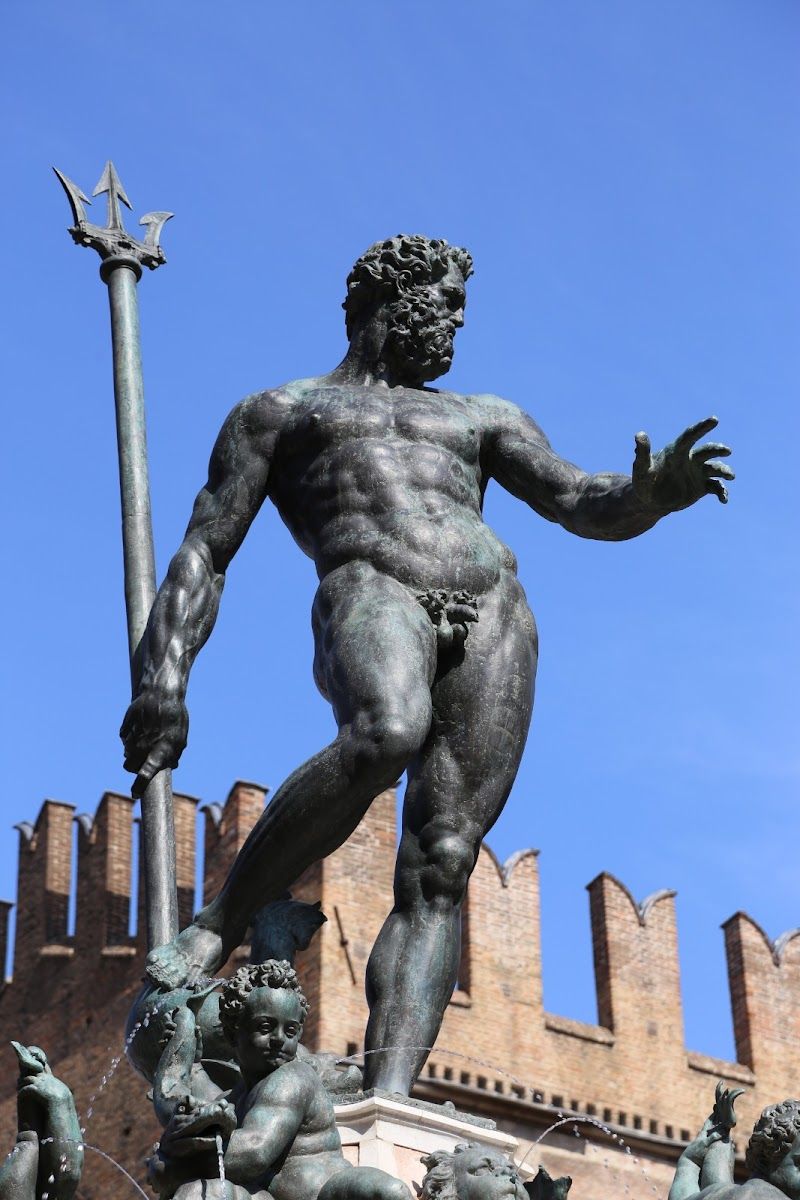
Fontana del Nettuno
Neptune towers over Bologna's second most important piazza, his bronze muscles gleaming after 450 years of weather and admiring crowds. Giambologna's masterpiece shows the sea god commanding four cherubs who ride dolphins around an elaborate marble base, water cascading from multiple levels. You're looking at Renaissance hydraulic engineering disguised as art: this fountain celebrated the papal government's new aqueduct system in 1566. The piazza feels like Piazza Maggiore's quieter sibling, with Neptune as the undisputed star drawing constant photo sessions. Tourists circle the fountain hunting angles while locals cut through on their way to the covered markets nearby. The contrast between Neptune's imposing presence and the everyday Bologna life swirling around him creates an oddly intimate atmosphere for such a grand monument. Most guides oversell the artistic significance when honestly, you'll spend 10 minutes max here unless you're a serious Renaissance sculpture fan. The fountain's main value is as a meeting point and photo opportunity, not a destination itself. Combine it with Piazza Maggiore literally 30 seconds away rather than making a special trip, and don't bother climbing the steps for photos since the best views are from street level.
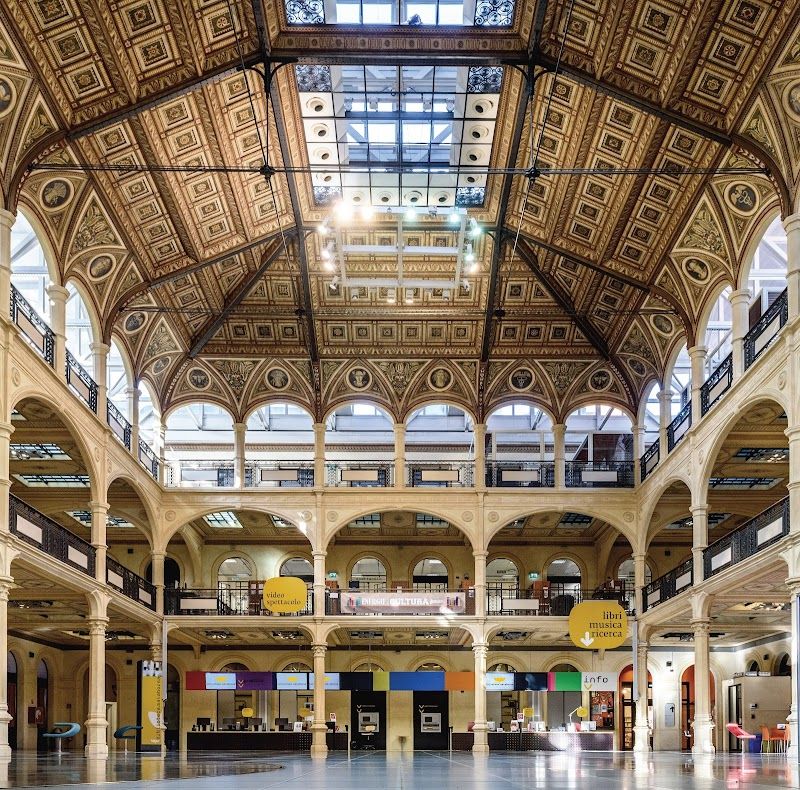
Biblioteca Salaborsa
Biblioteca Salaborsa transforms Bologna's former stock exchange into one of Europe's most striking public libraries, where Roman ruins lie beneath your feet through transparent floor panels. The central hall soars under a magnificent glass dome, while reading rooms spread across multiple levels filled with locals studying, browsing newspapers, and attending evening lectures. You'll walk directly over 2,000 year old Roman foundations, medieval walls, and ancient streets that archaeologists excavated and left permanently visible. The experience feels like browsing books in an archaeological museum. Sunlight streams through the glass ceiling onto readers below while Roman stones peek through floor cutouts around every corner. The basement level opens up into proper excavation galleries where walkways let you examine ancient drainage systems, road surfaces, and building foundations up close. It's surprisingly peaceful despite being in the city center, with that particular library hush mixing with the weight of visible history. Most travel guides oversell this as a quick photo stop, but you need at least an hour to appreciate both levels properly. The ground floor reading areas close on Sundays, but the archaeological basement stays open and costs nothing. Skip the upper floors unless you're genuinely interested in the book collections, the real magic happens at eye level with those ruins. Entry is completely free, making it Bologna's best cultural bargain.
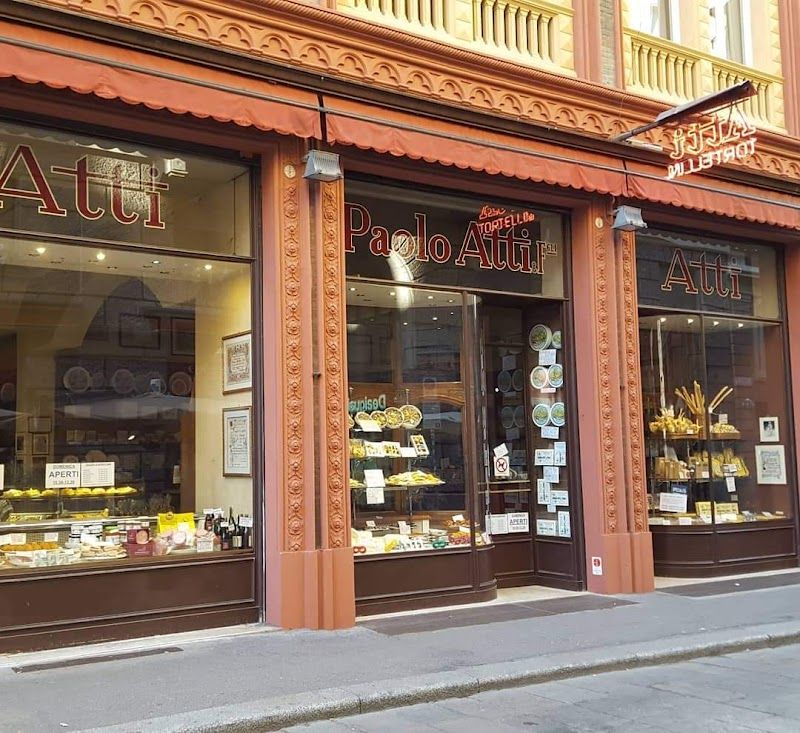
Paolo Atti & Figli
Paolo Atti & Figli represents five generations of pasta making excellence in Bologna's historic food quarter. You'll find Italy's finest handmade tortellini here, rolled by skilled sfogline who've perfected techniques passed down since 1868. The Art Nouveau storefront showcases original wooden fixtures, glass cases filled with golden pasta sheets, and traditional Bolognese specialties like pinza dolce and certosino cake. Stepping inside feels like entering a working museum where serious food craft happens daily. Local nonnas debate pasta shapes at the counter while staff slice paper thin mortadella and weigh out fresh tortellini by the hectogram. The morning queue moves quickly as regulars collect their daily sfoglia orders, and you'll hear pure Bolognese dialect mixed with appreciative tourist chatter. The narrow space fills with flour dust and the sweet scent of fresh pasta. Most food tours stop here for photos but miss the real gems. Skip the overpriced tourist pasta kits at 15 EUR and instead buy 500g of fresh tortellini for 8 EUR, enough for four generous portions. The pinza bolognese costs 3.50 EUR per slice and beats any restaurant dessert in the city. Avoid peak lunch hours when service gets brusque, and bring cash since card payments often fail during busy periods.
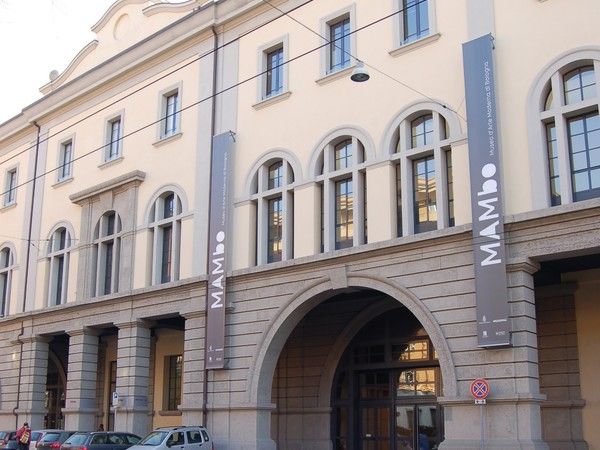
MAMbo - Museo d'Arte Moderna di Bologna
MAMbo houses Italy's finest collection of post-WWII contemporary art inside a converted industrial bakery from 1915, and the soaring brick spaces actually enhance the artwork rather than competing with it. You'll find major pieces by Giorgio Morandi alongside comprehensive displays of Arte Povera and Transavanguardia movements that most international museums only touch on. The permanent collection focuses heavily on Italian artists from the 1960s onward, with standout works by Alighiero Boetti, Jannis Kounellis, and Enzo Cucchi that you won't see anywhere else in such depth. The visit flows through interconnected industrial halls where original brick walls and high ceilings create perfect backdrops for large-scale installations and video art. You'll move between intimate gallery spaces and vast rooms that accommodate ambitious contemporary pieces, with natural light filtering through restored factory windows. The building itself tells a story: old bakery equipment sits alongside cutting-edge digital displays, and the contrast works brilliantly. Most visitors rush through in 45 minutes, but you need at least 90 minutes to appreciate the video installations properly. Skip the ground floor temporary exhibitions unless they feature major international artists, the permanent collection upstairs is where MAMbo truly shines. Regular admission costs 6 EUR, but Thursday evening openings often drop to 3 EUR and include aperitivo in the bookshop cafe, making it Bologna's best cultural bargain.
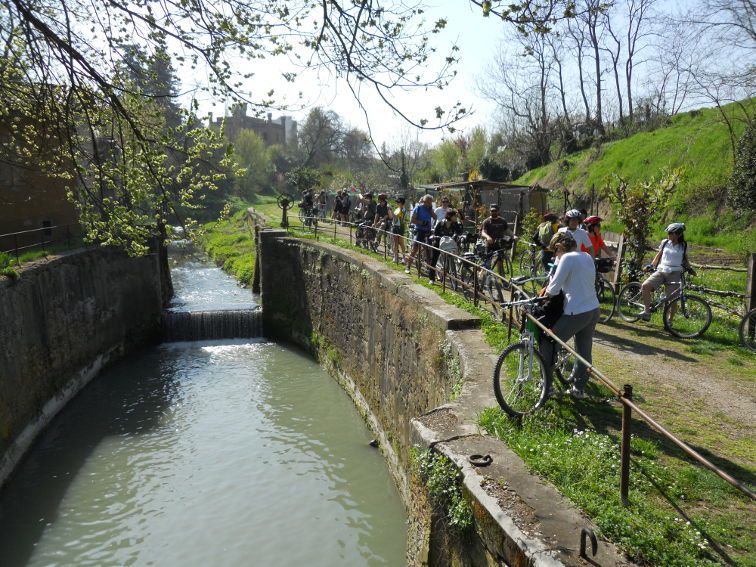
Bologna Bike Tour
This three-hour guided bike tour takes you through Bologna's flat historic center and into residential neighborhoods that most tourists never see. You'll cycle along 40 kilometers of medieval porticoes, stop at working markets in Quadrilatero where locals buy their daily groceries, and visit artisan workshops where craftspeople still make traditional goods by hand. The route covers both the compact old town and quieter areas beyond the ancient walls where real Bolognese life happens. The pace is relaxed with frequent stops for explanations and photos. Your guide leads you down narrow streets under covered walkways, past university buildings where students gather, and through piazzas where neighbors chat over morning coffee. The bike handling is easy since Bologna is famously flat, but you'll cover serious ground while avoiding the tourist crowds on foot. Markets come alive with vendors calling out prices and locals selecting ingredients for lunch. Most bike tours stick to obvious monuments, but this one actually shows you how the city works today. Skip the afternoon departure since you'll miss the morning market energy and deal with more heat despite the portico shade. The tour works any season, but spring and fall offer the most comfortable riding weather. At around 35 EUR per person, it's solid value for three hours with a knowledgeable local guide who speaks excellent English.
Where to Eat
Restaurants and cafes in Quadrilatero
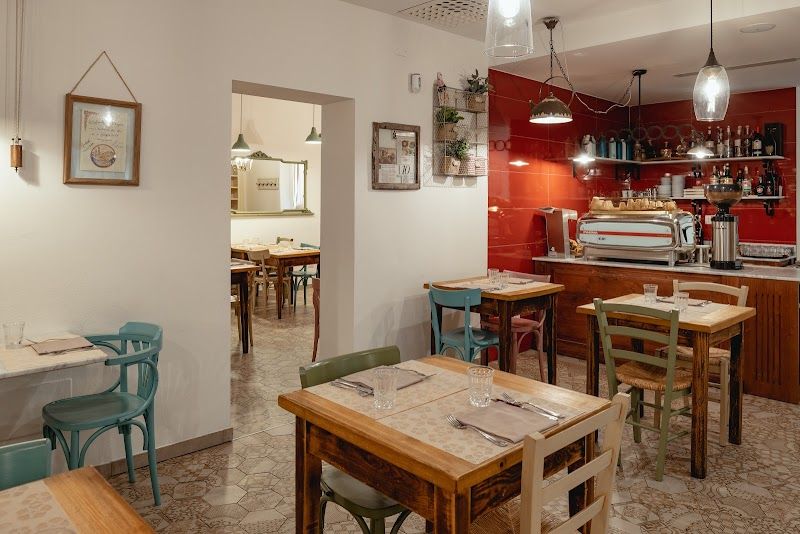
Trattoria da Me
RestaurantThird-generation trattoria in the Quadrilatero where the pasta is made by hand each morning and the menu changes daily based on market availability. The lasagne verde (spinach pasta layered with ragu and bechamel) is prepared in the traditional 15-layer style.
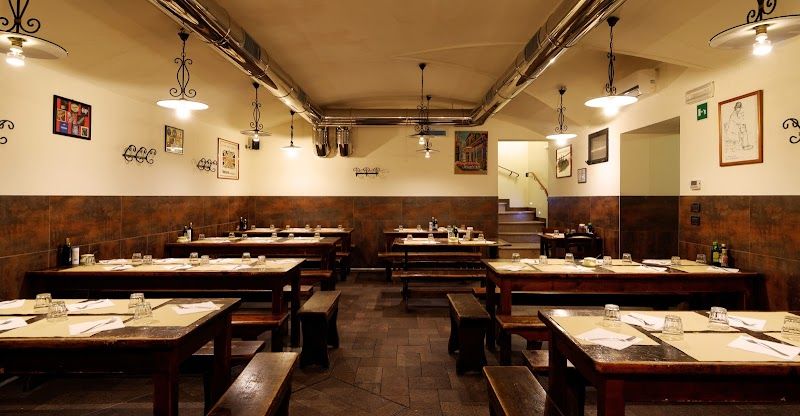
Osteria dell'Orsa
RestaurantUniversity district institution where students and professors share wooden tables and order half-portions to sample more dishes. The crescentine fritte (fried dough pillows) served with mortadella and stracchino cheese are a local specialty not found in tourist areas.
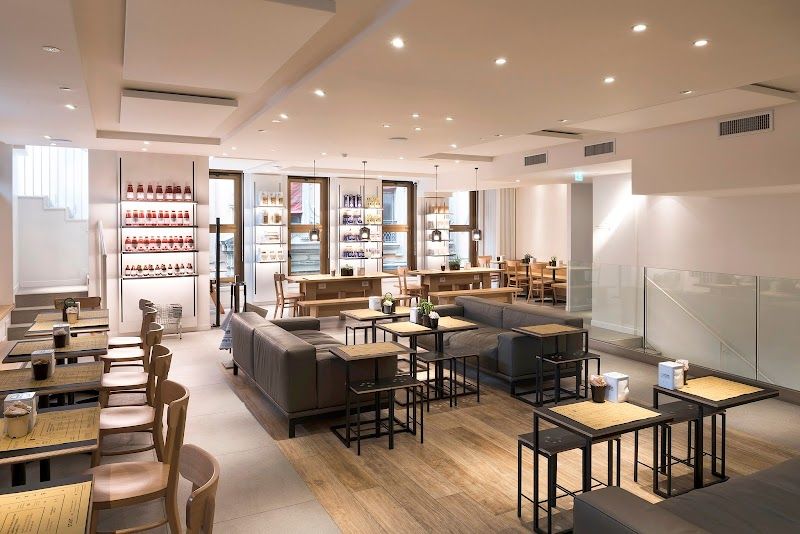
Bottega Portici
RestaurantIntimate wine bar and restaurant tucked under Bologna's historic porticos, specializing in natural wines and creative small plates. The cozy space features an excellent selection of Italian and international natural wines paired with seasonal dishes. Popular with university professors and wine enthusiasts.
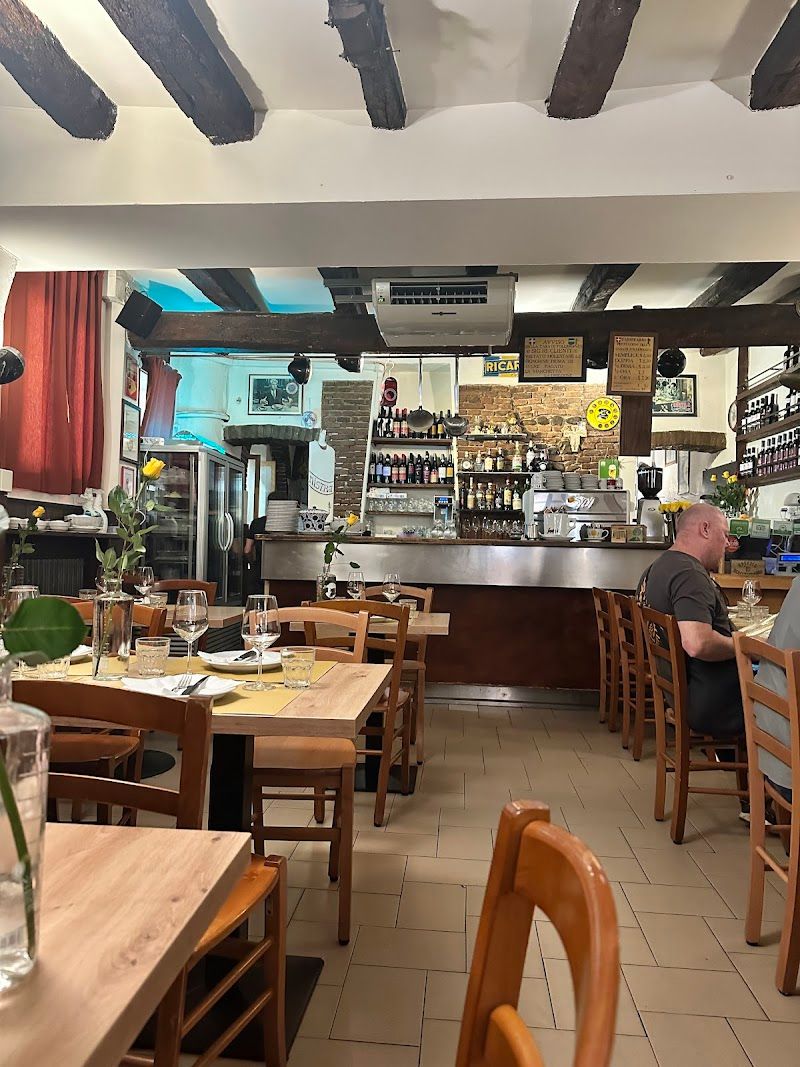
Osteria Broccaindosso
RestaurantSmall neighborhood osteria known for its seasonal approach to traditional recipes. The tagliatelle al ragu uses beef from Romagna cattle and the pasta is cut to the regulation 6mm width when fresh.
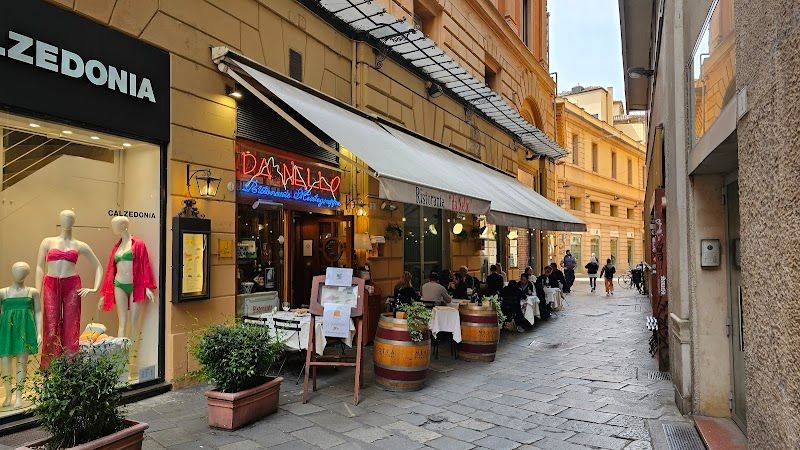
Ristorante Da Nello
RestaurantSince 1927, this white-tablecloth establishment has served Bologna's business and political elite. The tortellini are rolled to the exact 8mm diameter specified in the traditional recipe, and the bollito misto (mixed boiled meats) is wheeled out on a cart every Thursday.
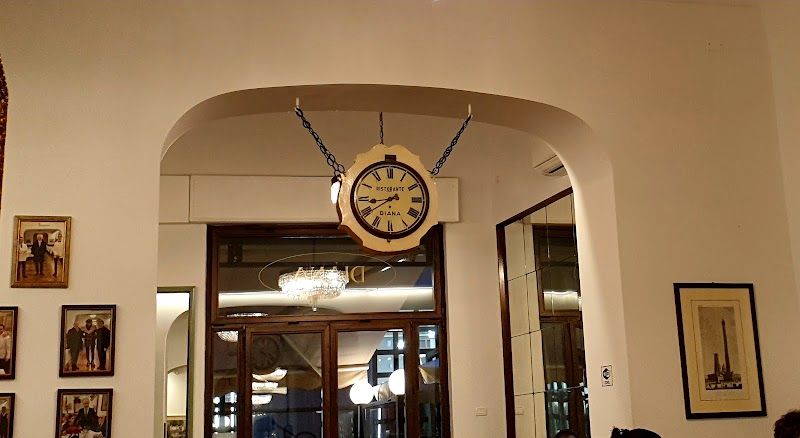
Ristorante Diana
RestaurantOperating since 1909, this restaurant near the central market maintains recipes from Bologna's bourgeois tradition. The tortelloni di ricotta e spinaci (larger than tortellini, filled with ricotta and spinach) are served with just butter and Parmigiano, nothing else.
Nightlife
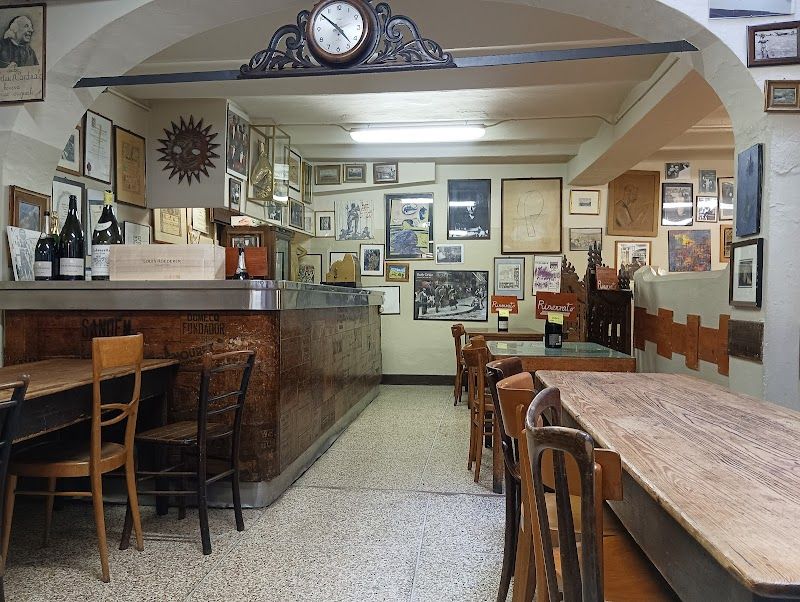
Bars and nightlife in Quadrilatero
Getting Here
On Foot
The Quadrilatero is a 5-minute walk from the train station direction. The streets are pedestrian.
Insider Tips
Shop hours in the Quadrilatero
Most specialty food shops open 8 AM to 1 PM and 3:30 PM to 7:30 PM, Monday to Saturday. Sunday the market is mostly closed. The morning session is the better time to visit: the shops are stocked and the vendors are less busy. Ask to taste before buying at any cheese or charcuterie counter.
What to buy
The best value souvenirs from the Quadrilatero: a small wedge of Parmigiano-Reggiano (EUR 8-15 per 200g for quality 36-month), a piece of mortadella to eat immediately (EUR 3-5 sliced thin in a rosetta roll), a small bottle of traditional balsamic vinegar (EUR 15-40 for certified IGP, not the supermarket version). The pasta (fresh tortellini, tagliatelle nests) is excellent if you are eating it that day.
Nearby Neighborhoods
Continue exploring
Centro Storico & Piazza Maggiore
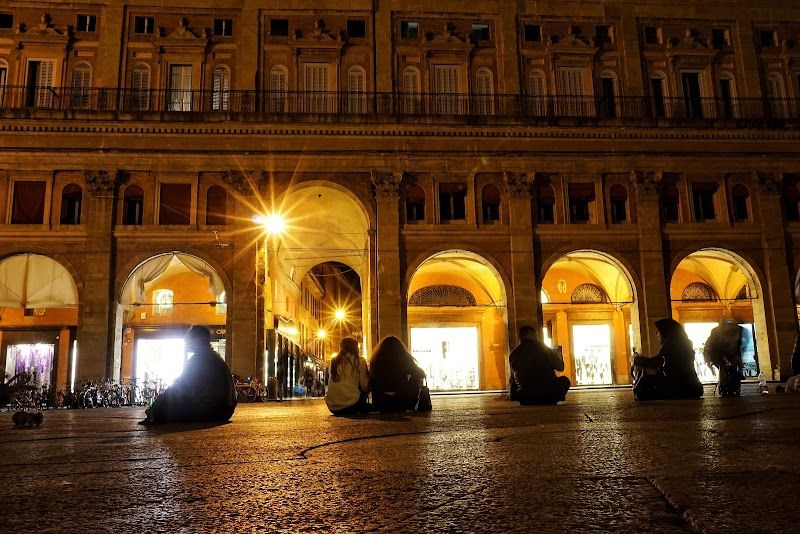
The medieval heart: Piazza Maggiore flanked by Gothic palaces, the unfinished Basilica di San Petronio, the Archiginnasio Anatomical Theatre, and the Two Towers defining the skyline.
University Quarter & Santo Stefano
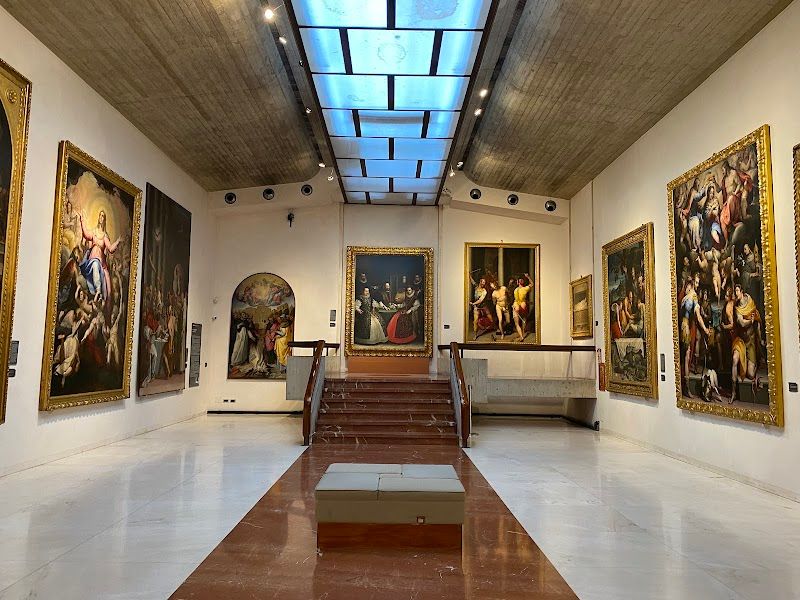
The oldest university in the Western world (founded 1088) and its surrounding neighbourhood: Via Zamboni student bars, the Complesso di Santo Stefano (seven churches, the best piazza in Bologna), and Pinacoteca Nazionale.
San Luca & the Hills
The 666-arch portico climb to the Sanctuary of the Madonna di San Luca on the hilltop: the longest covered walkway in the world and the best view over Bologna and the Po Valley.
Plan a trip featuring Quadrilatero
Get a personalized Bologna itinerary with Quadrilatero built in.
Start Planning