Bologna
Centro Storico & Piazza Maggiore
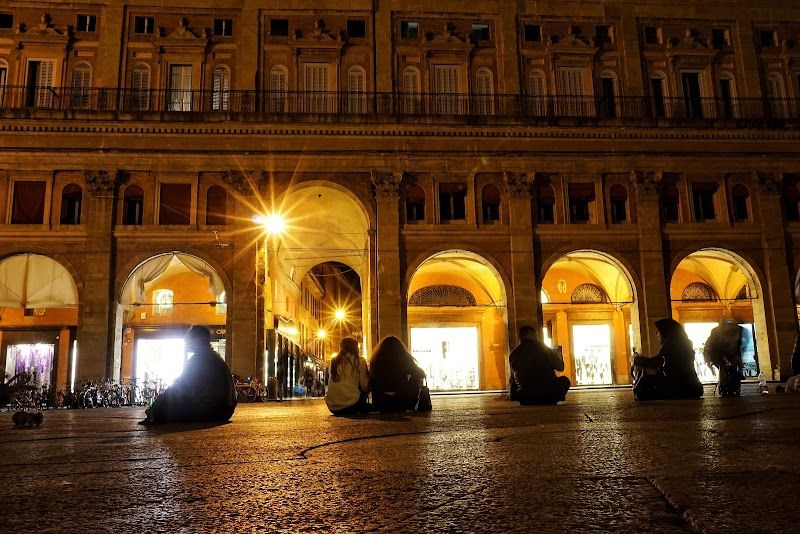
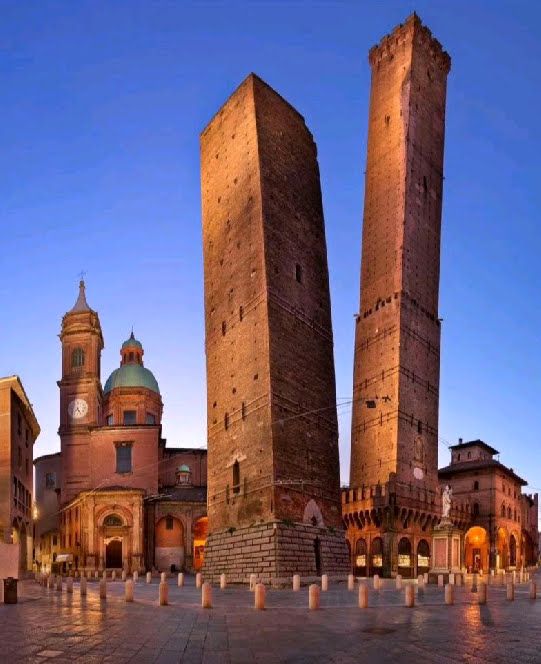
The medieval heart: Piazza Maggiore flanked by Gothic palaces, the unfinished Basilica di San Petronio, the Archiginnasio Anatomical Theatre, and the Two Towers defining the skyline.
About Centro Storico & Piazza Maggiore
Bologna's historic centre is built around Piazza Maggiore, one of the finest medieval squares in Italy. The Basilica di San Petronio (free) was meant to be the largest church in the world: the Pope intervened and the facade is still partially brick where the marble cladding runs out. The floor inside has the longest sundial in the world (67 metres, built by Cassini in 1655). The Archiginnasio (free courtyard, EUR 3 for the Anatomical Theatre) is the original University of Bologna building, its walls covered in 6,000 coats of arms of former students. The Anatomical Theatre (1637) has tiered wooden seating around a marble dissecting table, with carved wooden Spellati (flayed men) holding the professor's canopy. The Two Towers are 5 minutes east at Piazza di Porta Ravegnana: the Asinelli (EUR 5, 498 steps) has the best terracotta rooftop view in Bologna.
Things to Do
Top experiences in Centro Storico & Piazza Maggiore
Giardini Margherita
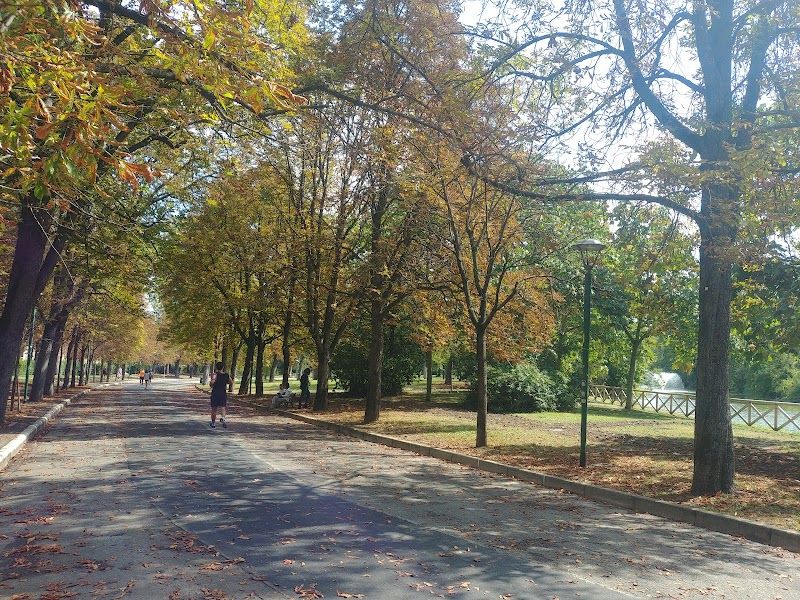
Giardini Margherita is Bologna's green lung, a 26-hectare park that opened in 1879 and remains the city's most popular outdoor escape. You'll find tree-lined gravel paths perfect for jogging, a central lake with ducks and occasional swans, outdoor fitness equipment that actually gets used, and food trucks serving everything from piadina to craft beer. The park doubles as Bologna's unofficial social center, where university students sprawl on grass between lectures and families claim picnic spots on weekends. Walking through feels like joining Bologna's daily rhythm rather than playing tourist. Early morning brings serious joggers and dog walkers, while afternoons fill with students reading under century-old trees and kids feeding ducks at the lake. The small wooden chalet by the water serves decent aperitivo from 6pm, and you'll hear multiple languages as international students mix with local families. Evening transforms the space into an outdoor living room where locals gather with takeaway drinks and impromptu picnics. Most guides oversell this as a sightseeing destination, but it's really about experiencing local life. The fitness area gets busy after 5pm, so morning workouts work better. Food trucks cluster near the main entrance and charge reasonable prices: expect 4-6 EUR for panini, 3-4 EUR for gelato. Skip the playground area unless you have kids, it's nothing special. The real value is people-watching and joining Bologna's outdoor culture.
Quadrilatero Food Market
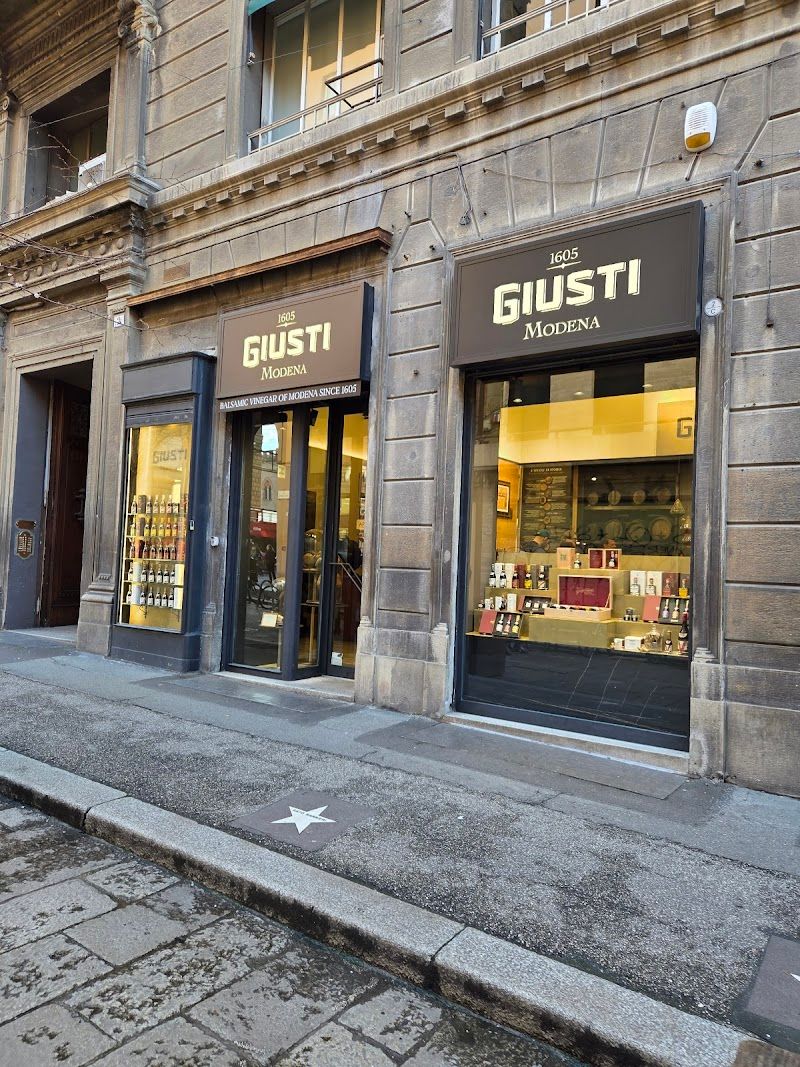
The Quadrilatero is Bologna's thousand-year-old food market district, a tight grid of medieval streets where each road was named for its trade: Via Pescherie Vecchie for fishmongers, Via Drapperie for cloth merchants. Today you'll find Bologna's best specialty food shops here, with wheels of 36-month Parmigiano-Reggiano stacked in windows (EUR 4-6 for 100g tastings), paper-thin mortadella sliced to order, and fresh tortellini counted out by the hundred-gram. The streets connect Piazza Maggiore to the Two Towers in about four blocks. Walking through feels like browsing an outdoor food museum where everything's for sale. Shop windows display hanging culatello, bottles of aged balsamic vinegar (EUR 15-100 depending on years), and pasta makers rolling tagliatelle behind glass. The narrow cobblestone alleys get crowded by 11 AM as locals queue at their favorite spots. You'll hear vendors calling out prices and shoppers debating cheese ages in rapid Italian. Most shops let you taste before buying, especially the cheese counters. Most guides oversell the renovated Mercato di Mezzo food hall, it's fine for lunch but lacks character compared to the street shops. Focus your time on Via Pescherie Vecchie and Via Caprarie for the real deals. Skip the tourist-priced balsamic at EUR 50+ bottles, local supermarkets sell decent versions for EUR 8-12. The best mortadella is at Tamburini (Via Caprarie 1), where 100g costs EUR 3-4 and tastes nothing like grocery store versions.
Piazza Maggiore and Basilica di San Petronio
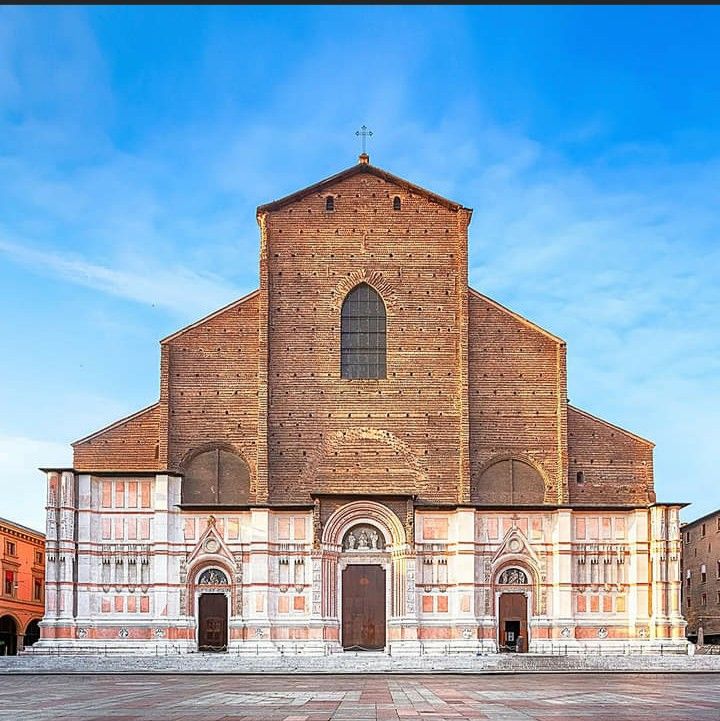
Piazza Maggiore is the main square of Bologna and one of the finest medieval piazzas in Italy. On the north side is the Palazzo del Podesta and the Palazzo Re Enzo (where King Enzo of Sardinia was imprisoned for 23 years after the 1249 Battle of Fossalta). On the east side is the Palazzo Comunale. In the centre is the Fontana del Nettuno (Neptune Fountain, 1566, by Giambologna, the bronze Neptune with bronze mermaids, moved to the adjacent piazza for restoration but returning). The Basilica di San Petronio occupies the entire south side. It was begun in 1390 and intended to be the largest church in the world: larger than St Peter's in Rome. The Pope got nervous and redirected the funding to Rome. The basilica was never completed (the facade is still partially brick at the top, the marble cladding runs out about halfway up). It is the fifth-largest church in the world by volume as it stands, free to enter, with a floor plan that would have been the largest in Christendom. Inside: the meridian line on the floor (the longest sundial in the world, 67 metres, built in 1655 by astronomer Giovanni Cassini, used to determine the exact date of Easter) and the Chapel of the Magi with a fresco by Giovanni da Modena depicting Mohammed in Hell (controversial, has been a target of terrorist threats).
Complesso di Santo Stefano (Seven Churches)
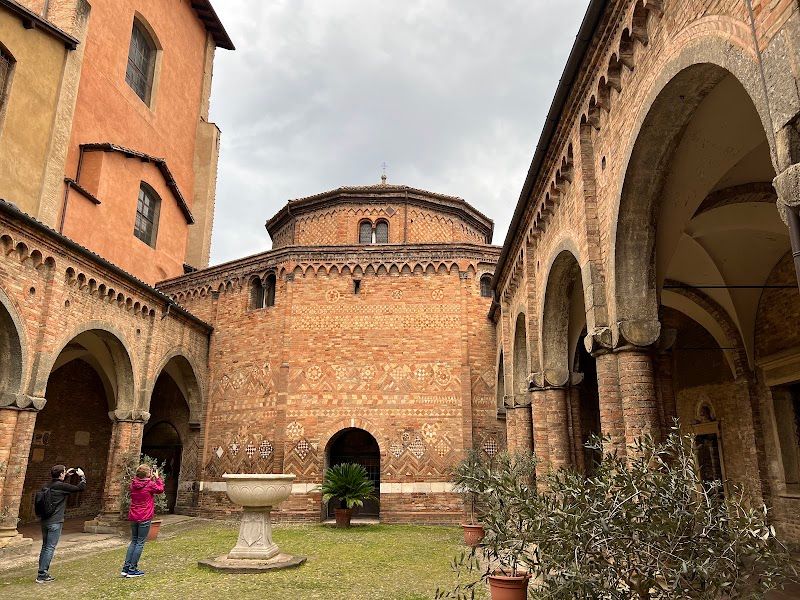
The Complesso di Santo Stefano is actually four surviving churches (not seven as traditionally claimed) connected by internal passages and courtyards, creating Bologna's most atmospheric religious site. You'll walk through genuine 4th-century foundations in San Vitale e Agricola, see Roman columns repurposed by early Christians, and stand in the octagonal San Sepolcro modeled after Jerusalem's Holy Sepulchre. The medieval Cortile di Pilato contains a fascinating stone basin with runic inscriptions that predates most of Bologna's famous towers. Moving between the churches feels like time traveling through a millennium of architectural history. The spaces flow naturally from ancient stone foundations to Romanesque arches to a peaceful 12th-century cloister where you can sit quietly. Unlike Bologna's crowded main attractions, this place maintains an authentic devotional atmosphere. The varying ceiling heights and natural lighting create intimate spaces that feel genuinely sacred rather than touristy. Most guides oversell this as a major attraction when it's really a beautiful 45-minute interlude. The €5 entrance fee is fair, but skip it if you're short on time and not particularly interested in religious architecture. The real payoff is Piazza Santo Stefano itself, Bologna's most elegant square and genuinely the best spot in the city center for lunch. The trattorias here serve proper Bolognese cuisine without the tourist markup you'll find near Piazza Maggiore.
Cortile dell'Archiginnasio
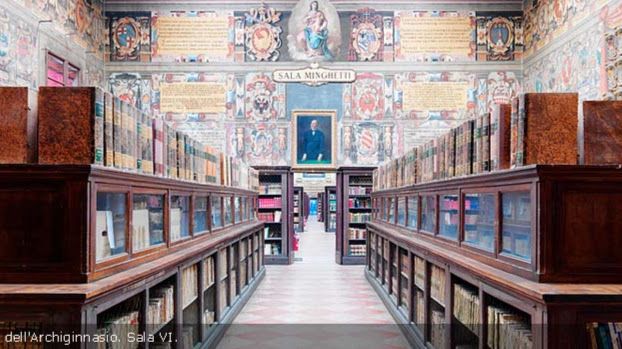
The Cortile dell'Archiginnasio is Bologna's most popular courtyard, where over 6,000 colorful coats of arms plaster every inch of the walls like an enormous outdoor heraldic library. These aren't decorative reproductions: they're actual memorials to students and professors from the 16th to 18th centuries when this palace housed Europe's most important university. You'll walk through archways surrounded by shields, crests, and marble tablets that tell 300 years of academic history in vivid reds, blues, and golds. Stepping into the courtyard feels like entering a Renaissance time capsule where every surface tells a story. The two-story loggia creates perfect acoustics, so even whispered conversations echo off the heraldic walls. Morning light illuminates the intricate details of each coat of arms, while shadows play across the different marble textures and painted surfaces. Students still gather here between classes, combining medieval grandeur with modern university life. Most tourists rush through to reach the famous Anatomical Theatre upstairs (€3 entry), but you'll miss out on the true experience if you don't spend time reading the wall inscriptions. The courtyard is completely free and often empty early morning before 10am. Leave the guided tours that focus on the building's architecture and instead bring your phone to translate the Latin inscriptions, which reveal surprising details about student life centuries ago.
Parma Day Trip
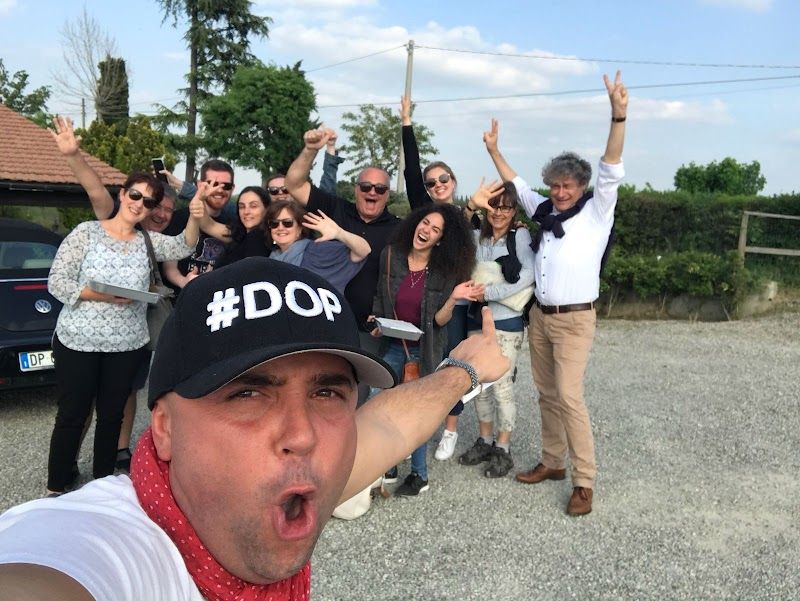
The 55-minute train from Bologna to Parma provides access to Italy's culinary heartland, where you can visit actual Parmigiano-Reggiano dairies and Prosciutto di Parma producers in the surrounding hills. You'll watch cheese wheels aging in cathedral-like warehouses and see paper-thin prosciutto being hand-sliced by masters who've perfected the craft over decades. The city center offers Correggio's Renaissance frescoes covering the cathedral dome and the pink marble Baptistery, considered one of Italy's finest Romanesque buildings. The day flows between countryside visits where the smell of aging cheese fills ancient stone buildings and city walking where every corner reveals another architectural surprise. At the dairies, you'll taste Parmigiano at different ages (12, 24, and 36 months) while workers explain why each wheel sounds different when tapped. The prosciutto facilities feel almost reverent, with hundreds of legs hanging in precise rows while mountain air flows through specially positioned windows. Most guides push too many stops, but you can comfortably fit one dairy, one prosciutto producer, and the city center in a day. Skip the expensive guided food tours (they charge 80-120 EUR for what you can arrange yourself for 30 EUR) and book directly with producers like Caseificio Sociale della Valtidone. The train ticket costs about 18 EUR return, and many producers offer free tastings if you buy a small wedge of cheese or pack of prosciutto.
Where to Eat
Restaurants and cafes in Centro Storico & Piazza Maggiore
Trattoria del Rosso
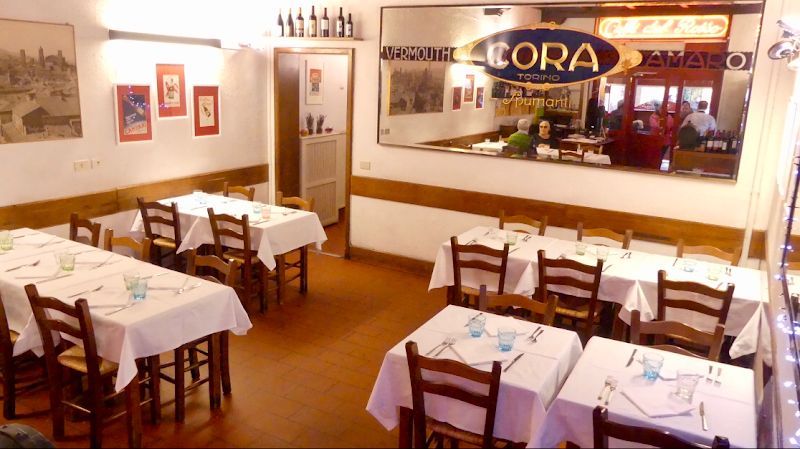
RestaurantSmall trattoria in the hills below San Luca known for serving pasta with ragu made from multiple meats including veal, pork, and pancetta. The outdoor terrace offers views over the city while you eat traditional preparations in a quieter setting than the centro.
Zanarini
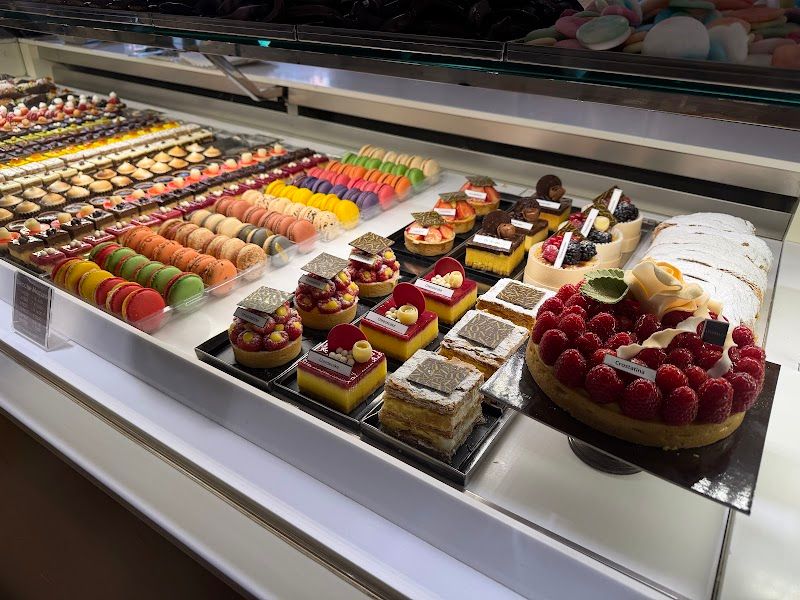
CafeAn elegant 1960s cafe on Piazza Maggiore with white marble tables and a prime terrace for watching the city's main square. The espresso is expertly pulled and the pasticceria includes exceptional sfogliatelle and cannoli. Locals come for morning cappuccino and the newspapers.
Trattoria da Gianni
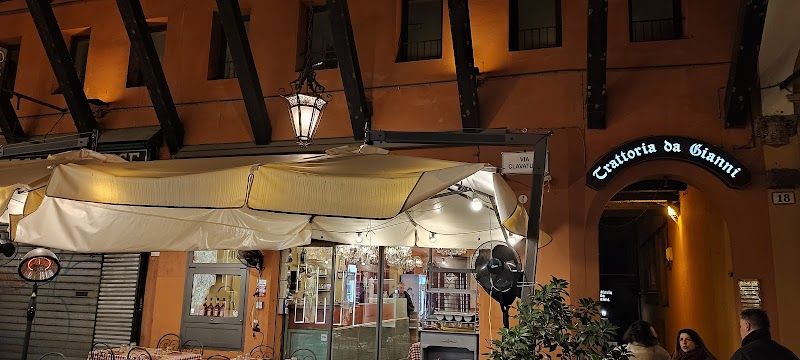
RestaurantWorking-class trattoria where locals order the EUR 15 fixed menu that includes primo, secondo, side, and wine. The gramigna con salsiccia here uses a recipe from Modena with pork sausage and a touch of cream that creates perfect emulsification with the ridged pasta.
Trattoria Battibecco
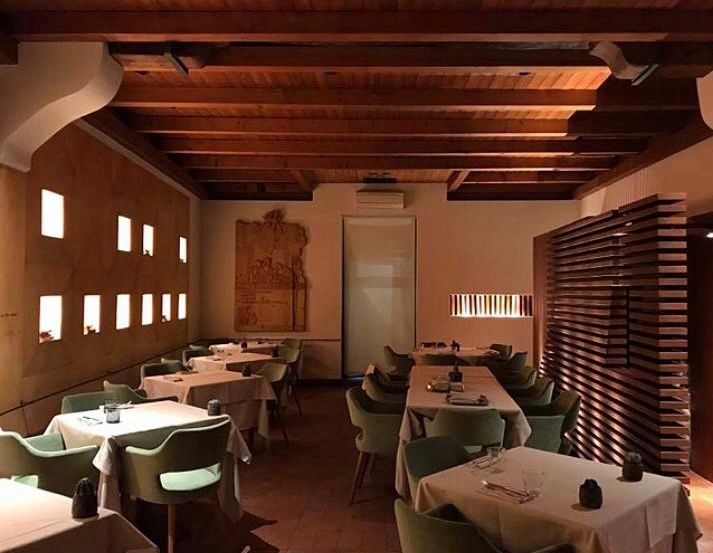
RestaurantTraditional trattoria serving classic Bolognese dishes with an extensive collection of Sangiovese wines from Romagna. The passatelli in brodo (breadcrumb and Parmigiano dumplings in broth) is a winter specialty that few restaurants still make properly.
Nightlife
Bars and nightlife in Centro Storico & Piazza Maggiore
Cantina Bentivoglio
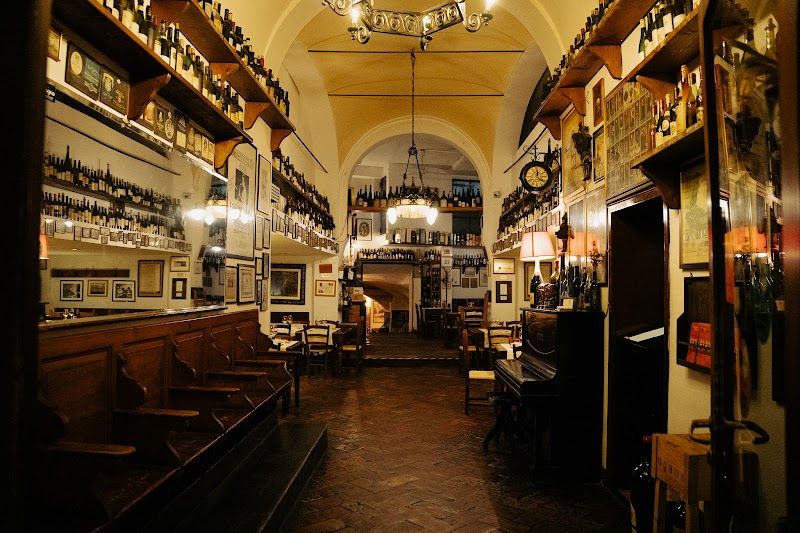
NightlifeA cavernous wine cellar and jazz club where live music plays nightly among brick vaults and thousands of bottles lining the walls. The Lambrusco di Sorbara flows at EUR 5 per glass and the aperitivo spread includes generous portions of tigelle and cold cuts. Book ahead for weekend jazz sessions.
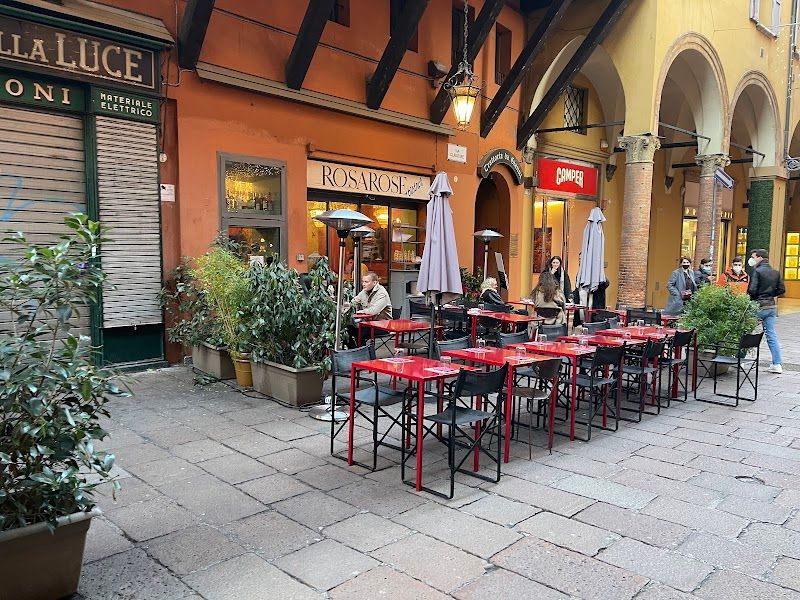
Rosa Rose
NightlifeA student favorite on Via del Pratello where EUR 6 gets you a Negroni and a table full of aperitivo snacks including bruschetta, crescentine, and local cheeses. The sidewalk tables fill up by 19:00 with university students and the atmosphere stays lively until late. Cash only.
Getting Here
On Foot
Flat and very walkable. All major sights are within 10 minutes of each other.
Insider Tips
Basilica di San Petronio: the meridian line
The church is free. The meridian line is the 67-metre brass strip running diagonally across the nave floor, built by astronomer Giovanni Cassini in 1655 to determine the exact date of Easter. At noon on sunny days, the light through a hole in the roof casts a spot on the line. The unfinished facade (brick at the top, marble only halfway up) is visible from Piazza Maggiore: the plan to make this larger than St Peter's was stopped by Pope Paul III in 1543.
Anatomical Theatre timing
EUR 3 for the theatre, free courtyard. The Archiginnasio opens at 9 AM. The Anatomical Theatre is on the first floor, through the corridor of coats of arms. Guided tours are available but not required. The Spellati (carved wooden flayed men supporting the canopy above the professor's chair) are the most striking objects in the room: two figures holding their own skin, carved in 1734.
Asinelli Tower early morning
EUR 5. Buy tickets at the booth at the base. Go at opening or late afternoon to avoid the heat inside (the staircase is enclosed and airless). 498 wooden steps, no railing on some sections, not suitable for those with vertigo. The view is 360 degrees over the terracotta rooftops, the hills south of the city, and the Po Valley north.
Nearby Neighborhoods
Continue exploring
Quadrilatero
The medieval food market: specialty shops with Parmigiano wheels in windows, mortadella sliced to order, fresh pasta drying on racks, balsamic vinegar, and the Mercato di Mezzo for lunch.
University Quarter & Santo Stefano
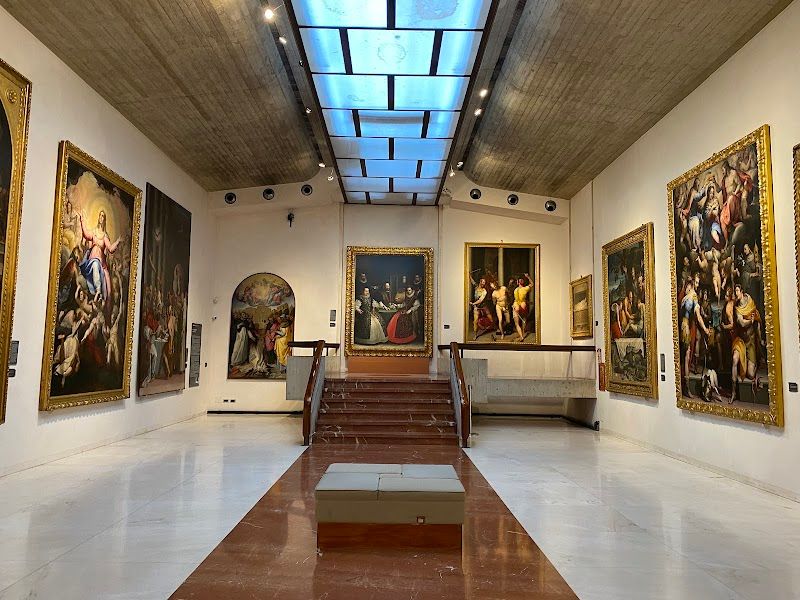
The oldest university in the Western world (founded 1088) and its surrounding neighbourhood: Via Zamboni student bars, the Complesso di Santo Stefano (seven churches, the best piazza in Bologna), and Pinacoteca Nazionale.
San Luca & the Hills
The 666-arch portico climb to the Sanctuary of the Madonna di San Luca on the hilltop: the longest covered walkway in the world and the best view over Bologna and the Po Valley.
Plan a trip featuring Centro Storico & Piazza Maggiore
Get a personalized Bologna itinerary with Centro Storico & Piazza Maggiore built in.
Start Planning