Bordeaux
Chartrons
The former wine merchants' quarter: antique shops and galleries in converted cellars, the best Sunday market in Bordeaux on the quayside, serious wine bars, and a neighbourhood that feels genuinely local.
About Chartrons
Chartrons sits immediately north of the old town along the Garonne, and for three centuries it was the nerve centre of the Bordeaux wine trade. Dutch, Irish, and German merchants established their warehouses (chais) and trading houses here, shipping Bordeaux wines to northern Europe. The neighbourhood still has the bones of that era: wide 18th-century townhouses, cobblestone warehouse lanes (Rue Notre-Dame is the best), and a concentration of antique dealers, galleries, and wine merchants in the converted cellars.
The Sunday market on the Quai des Chartrons runs from 9 AM to 1 PM and is one of the best in France: antiques, vintage furniture, local artisans, food producers, and a long row of wine and cheese stalls. The Jardin Public (the city's main formal garden, free) is at the northern edge of the neighbourhood. The CAPC Musee d'Art Contemporain (EUR 7, free first Sundays) occupies a 19th-century warehouse and is the best contemporary art museum in southwest France.
Things to Do
Top experiences in Chartrons
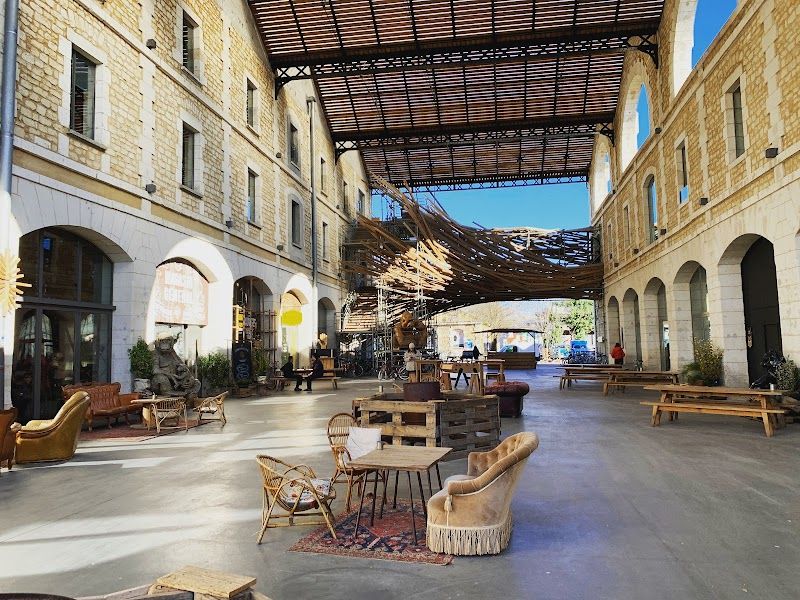
Darwin Ecosystème
Darwin Ecosystème transforms a former military barracks into Bordeaux's most experimental cultural space, where street artists cover massive concrete walls with constantly changing murals. You'll find coworking spaces, organic cafés, a skate park, and weekend markets all operating inside repurposed military buildings. The 20,000 square meter site operates as a cooperative where artists, entrepreneurs, and activists share space while testing sustainable living concepts. The visit feels like exploring a small alternative city within Bordeaux. Graffiti artists work on walls throughout the day, skaters practice tricks beside food trucks, and families browse organic produce while techno music drifts from the Magasin Général restaurant. The raw concrete architecture creates an industrial backdrop that somehow feels welcoming rather than harsh. Weekend evenings bring concerts and events that draw crowds from across the city. Most guides oversell the artistic significance, but undersell how genuinely relaxing this place is. Skip the overpriced coffee at Darwin Café (4 EUR for basic espresso) and head straight to Magasin Général where lunch costs 12-16 EUR with river views. The graffiti walls are impressive but change constantly, so don't expect to see specific pieces from photos. Sunday's organic market runs 10am-2pm and offers the best energy, but weekday afternoons let you actually watch artists work without crowds.
CAPC Musée d'Art Contemporain de Bordeaux
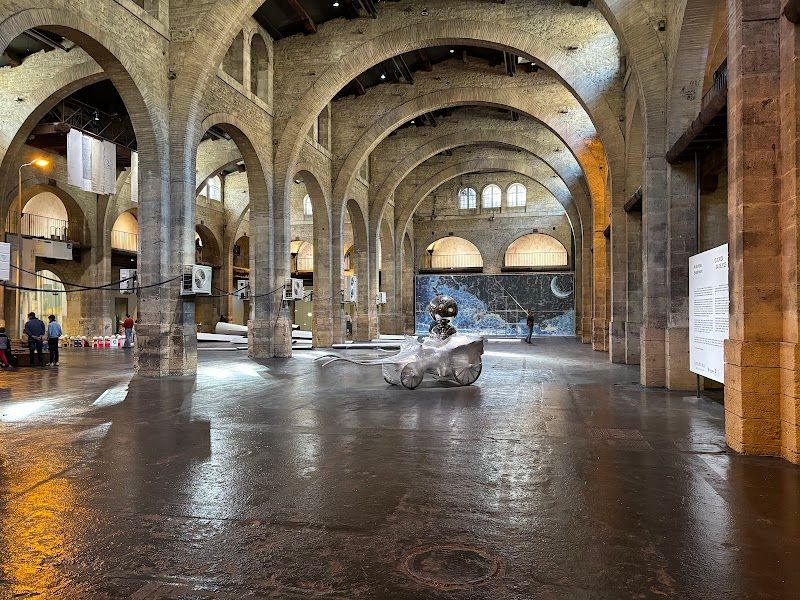
CAPC transforms a massive 19th-century warehouse into one of France's most compelling contemporary art spaces. The soaring main hall feels cathedral-like, dominated by Richard Long's permanent stone circle installation that anchors the mezzanine gallery. You'll encounter challenging video art, large-scale sculptures, and rotating exhibitions that actually push boundaries rather than play it safe. The building itself is half the experience: exposed brick, industrial beams, and raw concrete create the perfect backdrop for cutting-edge work. The visit flows naturally from the dramatic entrance hall upward through interconnected gallery spaces. The mezzanine wraps around Long's stone circle, offering different perspectives as you move through temporary exhibitions. Sound bleeds between video installations, creating an immersive atmosphere that feels more like exploring an artist's studio than a sterile museum. The scale surprises you: rooms open into unexpected spaces, and the interplay between historic architecture and contemporary art creates genuine moments of discovery. Most guides oversell this as essential Bordeaux culture, but honestly, it depends on your tolerance for experimental art. Regular admission runs €7, students €4, and that first Sunday freebie attracts crowds worth avoiding. Skip the ground floor shop displays and head straight upstairs where the real exhibitions live. The basement archives rotate interesting smaller pieces, but only venture down if the main floors have genuinely grabbed you. Two hours is plenty unless you're a serious contemporary art enthusiast.
Marche des Chartrons
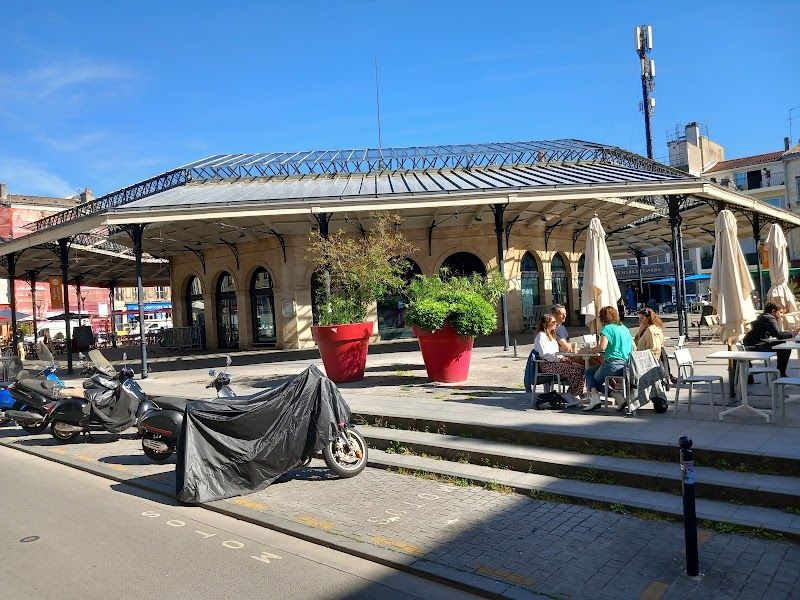
Marche des Chartrons transforms half a mile of riverside quay into Bordeaux's premier weekly antiques and food market every Sunday morning. You'll find genuine 18th-century furniture alongside organic vegetables, rare books next to artisanal cheeses, and vintage Hermès scarves beside locally made honey. The northern section focuses on serious antiques where dealers spread period furniture and collectibles on blankets, while the southern end buzzes with food vendors selling everything from fresh oysters (€12-15/dozen) to warm socca pancakes. The market flows along Quai des Chartrons with the Garonne River on one side and elegant 18th-century merchant houses on the other. Serious collectors arrive at 7am with flashlights, hunting through boxes before vendors finish unpacking. By 9am the atmosphere shifts as families stroll between stalls, kids clutching pain au chocolat while parents examine vintage pottery. The food section gets lively around 10am when locals queue for the best produce and prepared foods. Most guides oversell this as a casual browsing experience, but it's really two markets in one. The antiques section is for serious buyers: dealers know their stuff and prices reflect it. A decent piece of period furniture starts around €200-300. The food section offers better value and atmosphere. Skip the touristy souvenir stalls near the middle and focus on either serious antiquing up north or quality food shopping down south.
Jardin Public
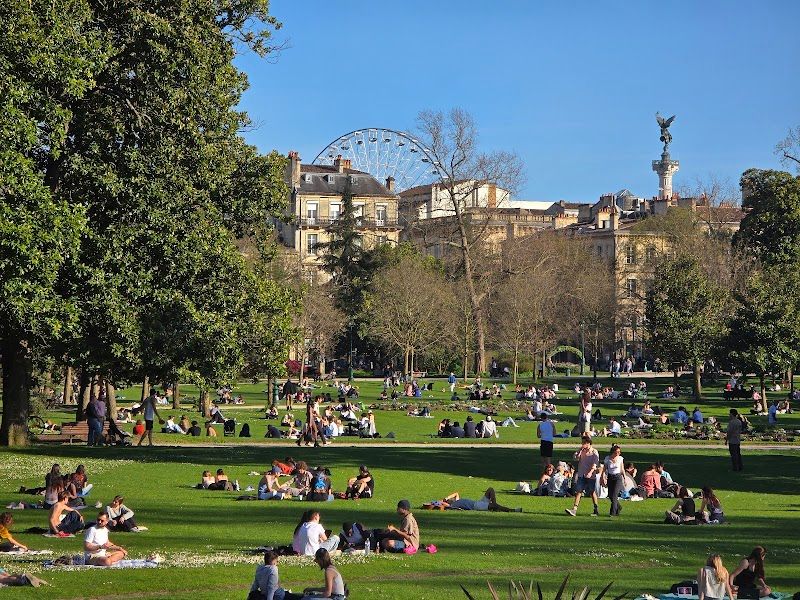
Jardin Public is Bordeaux's oldest park, a proper English-style garden that's been the city's green lung since 1755. You'll find 10 hectares of century-old trees, winding gravel paths, and a central pond with swans and ducks. The real draw is the botanical garden section in the northwest corner, home to over 3,000 plant species including impressive magnolias, towering cedars, and rare specimens most people walk right past. There's also a small natural history museum if you're into taxidermy displays. The atmosphere feels genuinely peaceful, especially on weekday mornings when it's mostly locals walking dogs and reading newspapers on benches. The main pond creates a focal point where kids feed ducks while joggers loop the perimeter paths. The botanical section has a different energy entirely, quieter and more contemplative, with labeled plants and greenhouse areas. You'll hear French conversations mixing with birdsong, and the traffic noise from surrounding streets fades surprisingly well once you're inside. Most visitors stick to the pond area and miss the best parts entirely. The botanical garden closes at 5pm while the main park stays open until 8pm in summer, so time your visit accordingly. Skip the natural history museum unless you're desperate for air conditioning. The park is free, which makes it perfect for a picnic stop, but don't expect manicured lawns like you'd find in Paris parks.
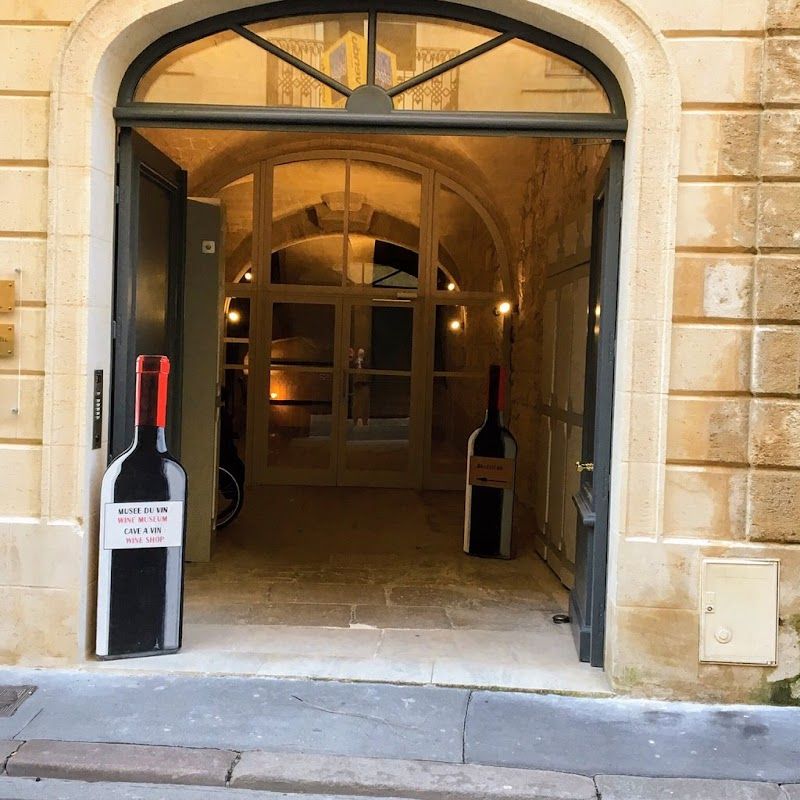
Musée du Vin et du Négoce de Bordeaux
This intimate wine museum occupies the actual 18th-century cellars where Bordeaux négociants once stored barrels before shipping them worldwide. You'll walk through three floors of authentic stone vaults, seeing original cooper's tools, vintage bottles from legendary châteaux, and trading documents that reveal how Bordeaux wine conquered global markets. The €10 admission includes a proper tasting in the atmospheric cellar where temperature stays constant year-round. The self-guided tour flows naturally from the ground floor's trading history up to the cellar's barrel room, where massive oak casks still line the walls. The stone architecture does most of the storytelling here: you're literally standing where merchants evaluated wines destined for London, Amsterdam, and colonial America. The tasting happens in the deepest vault, where staff pour generous samples while explaining why Bordeaux's geography created the perfect wine trading hub. Most museum guides oversell this as a comprehensive wine education, but it's really about commerce and history. Skip the top floor displays if you're short on time and head straight to the cellar level where the real atmosphere lives. The €10 entry feels reasonable given the included tasting, though wine enthusiasts might find the selection predictable. Come with realistic expectations: this isn't Cité du Vin's high-tech experience, but rather an authentic glimpse into old Bordeaux.
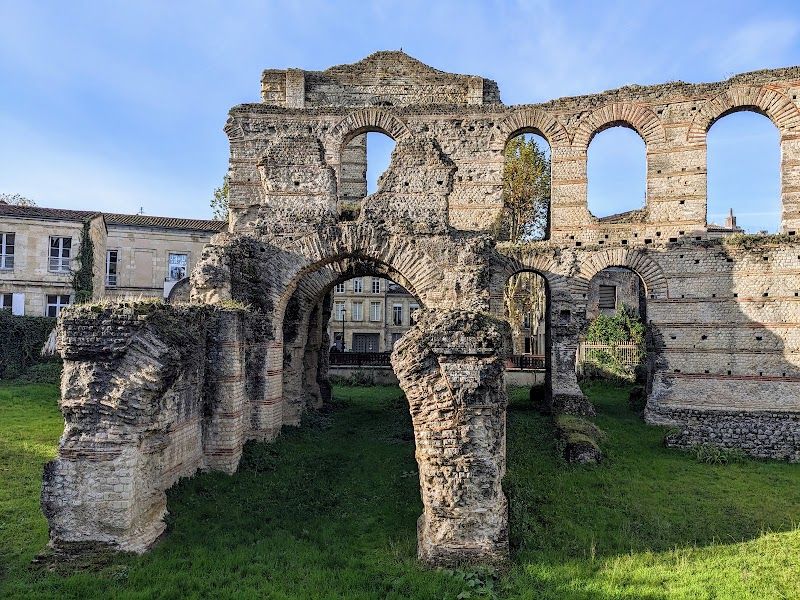
Palais Gallien
Palais Gallien is what's left of Bordeaux's massive Roman amphitheatre, built around 200 AD to seat 15,000 spectators for gladiator fights and wild animal hunts. You'll find a handful of weathered stone arches rising from a small park, plus scattered foundation walls that hint at the arena's original oval shape. It's one of France's most significant Roman ruins outside the south, though you need imagination to picture the roaring crowds and blood-soaked sand. The site sits quietly in a residential neighborhood, feeling more like a neighborhood park than a major archaeological monument. You can walk freely around the surviving arches, which reach about 20 feet high and show clear Roman construction techniques with their alternating stone and brick layers. The eastern side preserves the best sections, including two nearly complete archways that frame the modern apartment buildings beyond. It's peaceful here, with locals walking dogs and kids playing between the ancient stones. Most guidebooks oversell this as a major attraction, but it's really a 15-minute stop for history buffs or a pleasant detour if you're exploring Chartrons. The free entry makes it worth the walk, but don't expect Colosseum-level drama. The informational panels are only in French, so brush up on your Roman history beforehand. Skip it if you're pressed for time, but it's perfect for a quiet moment away from Bordeaux's wine-focused tourism.
Where to Eat
Restaurants and cafes in Chartrons
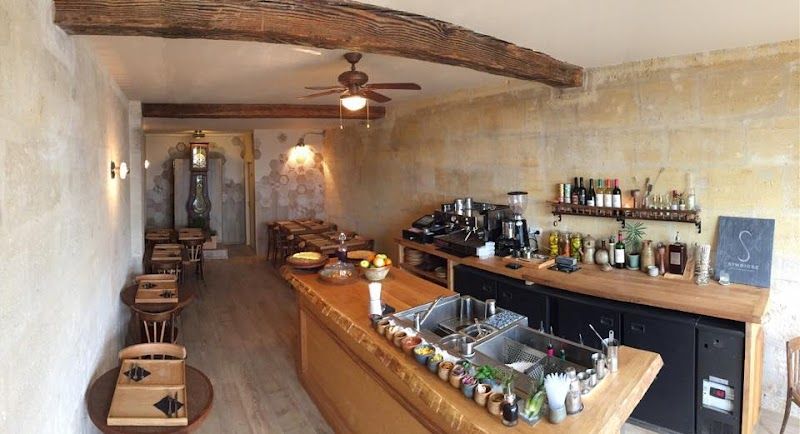
Symbiose
RestaurantA natural wine bar in the Chartrons neighborhood run by two young sommeliers passionate about biodynamic producers. The rotating selection features 200+ bottles with 20 available by the glass, paired with seasonal small plates and charcuterie boards. The exposed stone walls and candlelit atmosphere draw a knowledgeable local crowd.
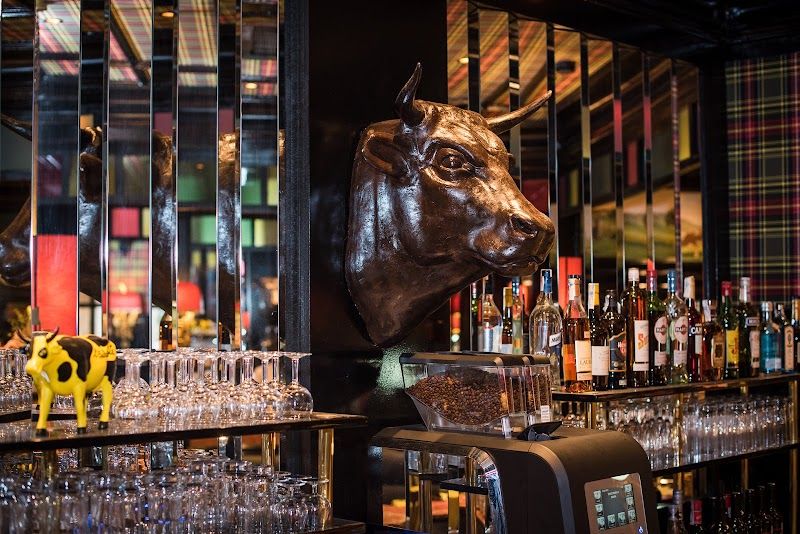
L'Entrecôte
RestaurantA no-menu institution serving only one dish: entrecôte steak with their secret 'sauce maison' and unlimited frites, preceded by a simple green salad with walnuts. The formula has remained unchanged since opening, with steak served in two rounds to keep it hot. Desserts include profiteroles and chocolate mousse.
Chez Alriq
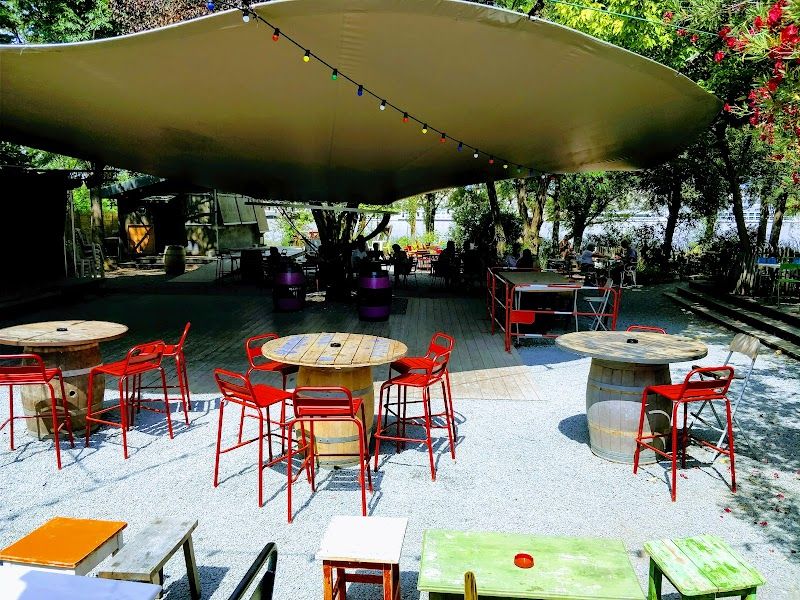
RestaurantA bustling neighborhood bouchon near the Capucins market, serving Southwest French classics like cassoulet, duck confit, and foie gras in generous portions. The handwritten daily specials board features market-driven dishes, and the wine list focuses on affordable Cahors and Bergerac bottles. The zinc bar fills with market vendors at lunch.
Magasin Général
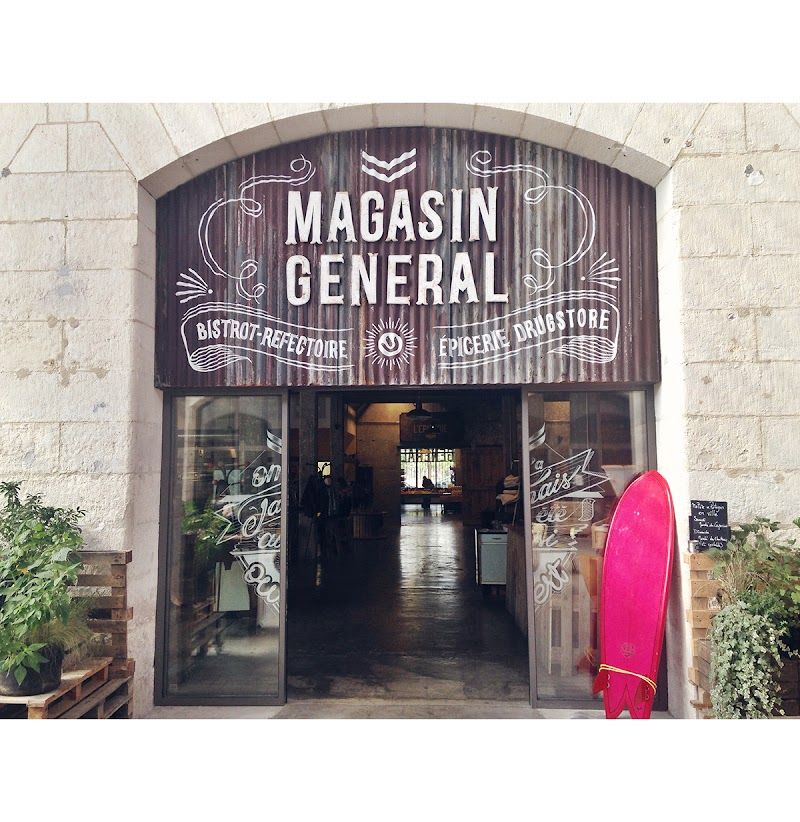
RestaurantA sprawling contemporary food hall in a converted warehouse at Bassins à Flot, with multiple independent vendors serving everything from natural wines to Korean street food. The industrial-chic space features communal tables, a rooftop terrace with basin views, and rotating pop-up kitchens. The venue hosts live music and DJ sets on weekends.
La Tentation des Anges
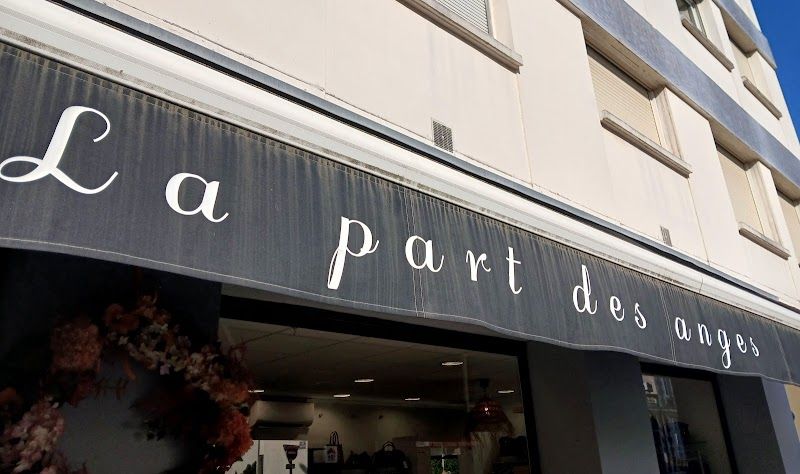
RestaurantCozy neighborhood bistro serving traditional French cuisine with a focus on fresh, seasonal ingredients. Known for its warm atmosphere and excellent value lunch menus that draw locals from across the Saint-Michel area. The chef's daily specials reflect true Bordelais home cooking.
Getting Here
Insider Tips
Sunday market logistics
The Chartrons Sunday market runs 9 AM to 1 PM on the Quai des Chartrons. Arrive by 9:30 AM for the best antique selection. The food stalls (local producers, wine sellers) are at the northern end near the Jardin Public. Combine with the CAPC for a full Sunday morning: the museum opens at 11 AM.
Rue Notre-Dame
Rue Notre-Dame is the main antique and gallery street, lined with former wine merchant warehouses converted to shops and ateliers. Most are open Tuesday to Saturday, 10 AM to 7 PM. The density of interesting shops is higher here than anywhere else in the city.
Wine bars in Chartrons
Chartrons has the most concentrated wine bar scene in Bordeaux. Several bars on and around Rue Notre-Dame open at noon and serve glasses from across the appellation range with plates of cheese and charcuterie. Ask for a glass of something from Pomerol or Pessac-Leognan and the staff will walk you through it.
Nearby Neighborhoods
Continue exploring
Vieux Bordeaux & Saint-Pierre
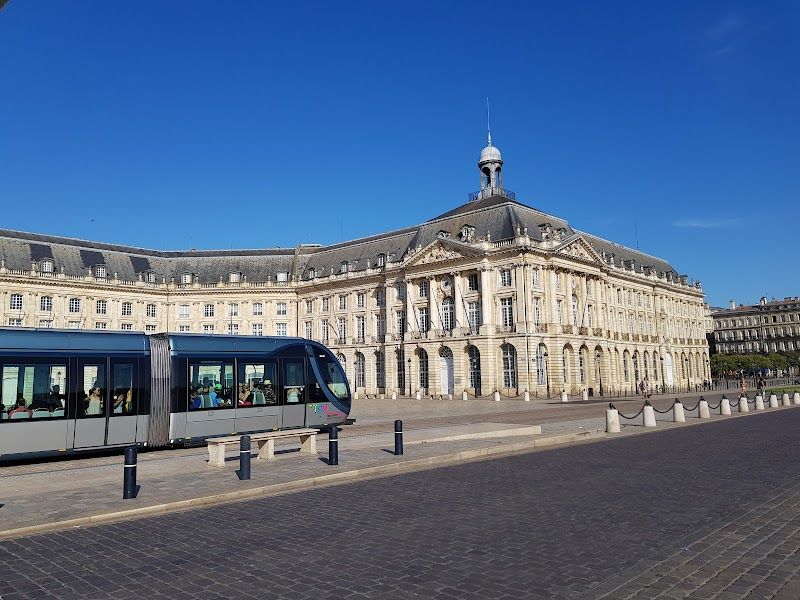
The UNESCO core: 18th-century limestone facades, the Place de la Bourse and its reflecting pool, medieval Saint-Pierre streets, and the cathedral square that has been the civic heart of Bordeaux for nine centuries.
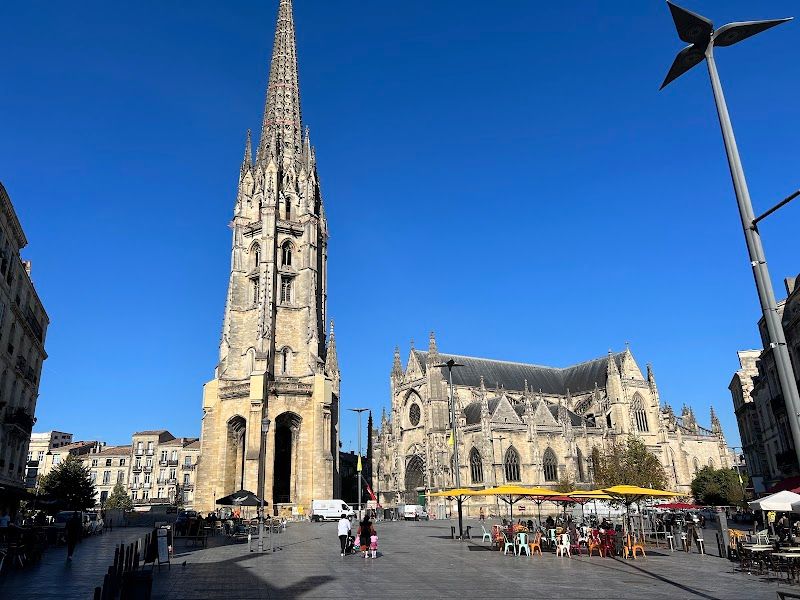
Saint-Michel & Capucins
The multicultural counterweight to the polished old town: the Marche des Capucins (the city's main food market), the Basilique Saint-Michel, and a neighbourhood that has been working-class, diverse, and itself for a very long time.
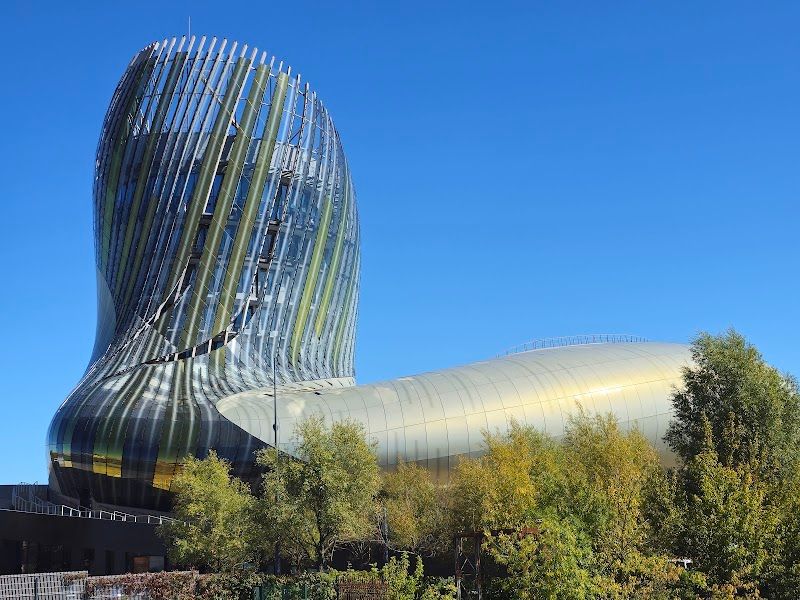
La Cite du Vin & Bassins a Flot
The former industrial docks being reinvented: La Cite du Vin and its panoramic bar, the submarine bunker turned arts space, new restaurants, and the contemporary Bordeaux that exists alongside the UNESCO old town.
Plan a trip featuring Chartrons
Get a personalized Bordeaux itinerary with Chartrons built in.
Start Planning