France
Bordeaux
Where Wine Meets History
Best Time
May to October
Ideal Trip
3 days
Language
French
Currency
EUR
Budget
EUR 42-89/day (excl. hotel)
About Bordeaux
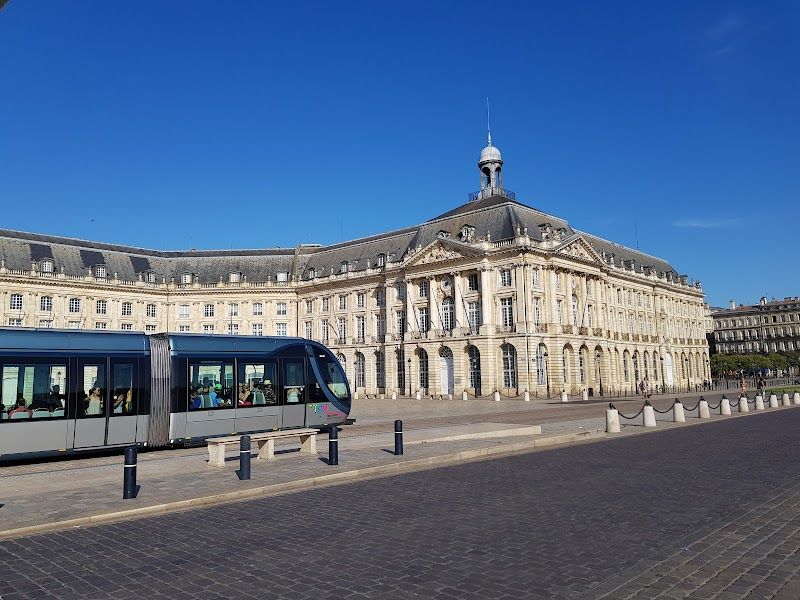
Bordeaux earned its UNESCO listing for the right reasons. The 18th-century city centre is one of the largest preserved urban ensembles in Europe: limestone facades, wrought-iron balconies, and wide avenues built on the wealth of the wine trade. The Place de la Bourse and its reflecting pool (the Miroir d'Eau, the world's largest, alternating between a mirror and a mist cloud every 23 minutes) is the image you came for, and it earns it.
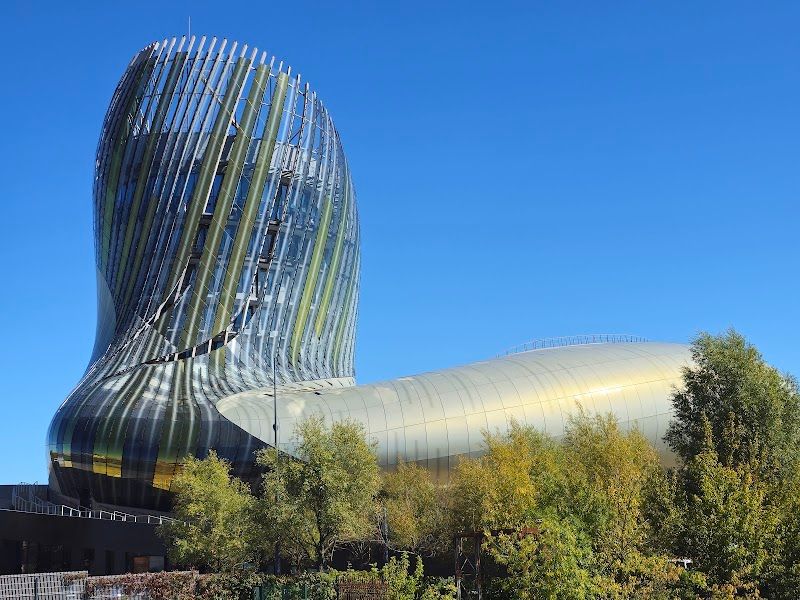
The wine is everywhere, starting with the Bar a Vin du CIVB on the Cours du 30 Juillet, where you can work through the appellation map by the glass. La Cite du Vin, the wine culture museum in a swirling gold building on the waterfront, is a genuinely ambitious institution with a panoramic tasting bar on the 8th floor. Saint-Emilion is 35 minutes by train: a medieval village in the vineyards, a monolithic church carved from a single rock, and classified chateaux that open for visits.
The neighbourhoods are what make Bordeaux worth more than a day. Chartrons was the wine merchants' district for three centuries: today it has antique shops, galleries, a serious wine bar scene, and the best Sunday market on the Quai des Chartrons. Saint-Michel is the multicultural neighbourhood around the Marche des Capucins (the city's main food market, best before 9 AM, oysters by the dozen from Arcachon fishermen). The Bassins a Flot docklands, where La Cite du Vin sits, are being reshaped by new restaurants, a submarine bunker turned arts venue, and a contemporary neighbourhood that feels genuinely different from the polished old town.
The food follows the wine. Canele bordelais (caramelised rum-and-vanilla pastry, the city's signature) are EUR 1.50-2.50 at every bakery. Entrecote bordelaise (steak in a bone marrow sauce) is the dinner order. Oysters from the Arcachon Basin, 45 minutes down the coast, are the lunch order at any market. Bordeaux is a city that rewards taking it seriously.
Neighborhoods
Each district has its own personality
Vieux Bordeaux & Saint-Pierre
The UNESCO core: 18th-century limestone facades, the Place de la Bourse and its reflecting pool, medieval Saint-Pierre streets, and the cathedral square that has been the civic heart of Bordeaux for nine centuries
Chartrons
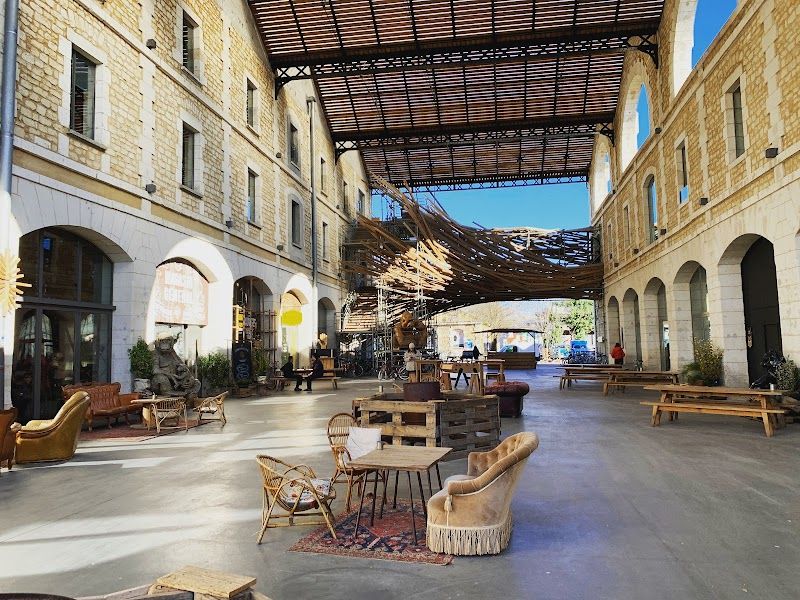
The former wine merchants' quarter: antique shops and galleries in converted cellars, the best Sunday market in Bordeaux on the quayside, serious wine bars, and a neighbourhood that feels genuinely local
Saint-Michel & Capucins
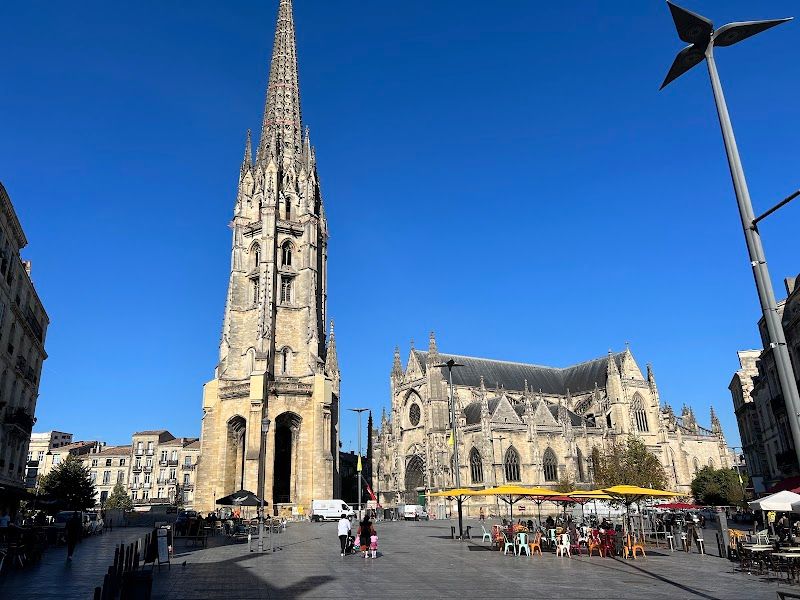
The multicultural counterweight to the polished old town: the Marche des Capucins (the city's main food market), the Basilique Saint-Michel, and a neighbourhood that has been working-class, diverse, and itself for a very long time
Things to Do
Top experiences in Bordeaux
Place de la Bourse Bordeaux
Place de la Bourse is Bordeaux's postcard view: an 18th-century masterpiece designed by Jacques-Ange Gabriel that opens directly onto the Garonne river. The symmetrical Royal Exchange building houses the Musée du Vin et du Négoce (€10 entry), while the real star is the massive Miroir d'Eau across the street that creates perfect reflections of the honey-colored facade. The Three Graces fountain anchors the square's center, and trams from the T1 line glide through regularly, creating an oddly satisfying contrast with the classical architecture. Visiting feels like stepping into an 18th-century painting, especially when the morning light hits the limestone facade directly. The Miroir d'Eau operates in cycles: it fills with 2cm of water for perfect reflections, then empties and releases mist that kids (and adults) love running through. You'll hear multiple languages as photographers position themselves for the classic shot, while the surrounding Saint-Pierre medieval streets offer a completely different atmosphere just steps away. Most people snap their photos and leave, missing the surrounding Saint-Pierre district which has France's best-preserved medieval streetscapes. The museum inside is decent but not essential unless you're seriously into Bordeaux wine history. Skip the crowds by arriving before 9 AM when you'll have the reflection shots mostly to yourself, and the light is infinitely better than harsh midday sun.
La Cite du Vin
La Cité du Vin is Bordeaux's interactive wine museum housed in a striking golden tower that curves like a wine decanter. You'll journey through 20 wine civilizations via touchscreen exhibits, smell stations with 54 different wine aromas, and immersive rooms that project vineyard landscapes around you. The €22 ticket includes access to the 8th floor Belvedere with panoramic city views and one complimentary glass of wine. The experience flows chronologically through wine history, starting with ancient civilizations and ending in modern winemaking regions. The building itself steals the show: its fluid architecture creates surprisingly intimate spaces despite the grand scale. Interactive stations let you virtually harvest grapes, blend wines on touchscreens, and test your nose against professional sommeliers. The Belvedere finale feels earned after winding through three floors of exhibits. Most visitors rush through the permanent collection to reach the wine tasting, but you'll miss the best parts this way. The aroma station on level 2 is genuinely educational, while the projection rooms are beautiful but skippable if you're short on time. The ground floor Wine Bar offers superior wines by the glass (€8 to €15) compared to the basic selection upstairs. Book online to skip queues, especially during summer weekends when wait times exceed 45 minutes.
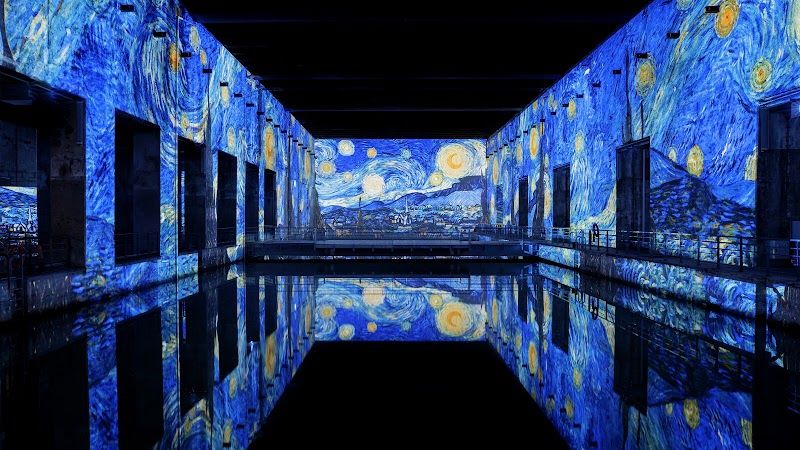
Bassin des Lumières
This converted WWII submarine bunker hosts some of Europe's most impressive digital art installations, with floor to ceiling projections that transform the massive concrete space into immersive worlds. You'll walk through different chambers where famous artworks by Van Gogh, Monet, or Klimt cover every surface while classical music fills the cavernous space. The highlight is watching these giant projections reflect in shallow pools of water that cover parts of the floor, creating doubled imagery that shifts as you move around. The experience flows like a slow, meditative journey through art history reimagined on an enormous scale. You enter through the bunker's original steel doors into darkness, then emerge into rooms where Starry Night swirls across 30-foot walls or Water Lilies ripple around you in 360 degrees. The concrete brutality of the wartime structure creates an unexpected contrast with the flowing, organic art projections. Other visitors move quietly through the space, silhouetted against the moving colors, adding to the dreamlike atmosphere. Tickets cost around 16 EUR for adults, but honestly, many visitors expect more interactivity and leave feeling it's overpriced for what's essentially a very fancy slideshow. The exhibitions change every few months, so check what's currently showing before booking. Skip the expensive audio guide, the music and visuals tell the story perfectly well on their own. The gift shop is predictably overpriced, but the cafe has decent coffee if you need to decompress after the sensory overload.
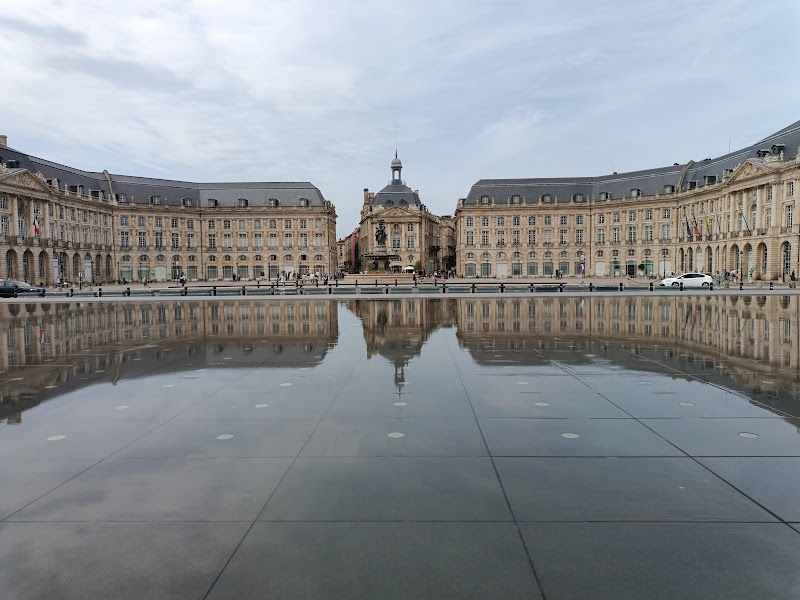
Miroir d'Eau Bordeaux
The Miroir d'Eau is Europe's largest reflecting pool, a 3,450 square meter granite plaza with a unique hydrologic system that cycles between still water and theatrical mist every 23 minutes. When filled, it creates a perfect reflection of the 18th-century Place de la Bourse facades across the street. During the mist phase, jets shoot fog two meters high, creating a dreamlike atmosphere where kids (and plenty of adults) run around getting soaked. The experience changes completely depending on which phase you catch. The water phase feels calm and contemplative, perfect for photography with the Bourse's classical architecture doubled in the reflection. Then the drama begins: the water drains through barely visible slots, followed by billowing clouds of mist that transform the entire square into something cinematic. People emerge from the fog like ghosts, laughing and drenched, while the Bourse appears and disappears behind the vapor. Most visitors show up randomly and leave after five minutes, missing the full cycle. The timing matters enormously: sunrise offers empty space and golden light hitting the Bourse facade, while summer evenings (around 8 PM) give you the most crowded atmosphere and warm light. Skip midday visits when the light is harsh and tour groups dominate. It's completely free, which explains why it can feel like a public swimming pool on hot summer afternoons.
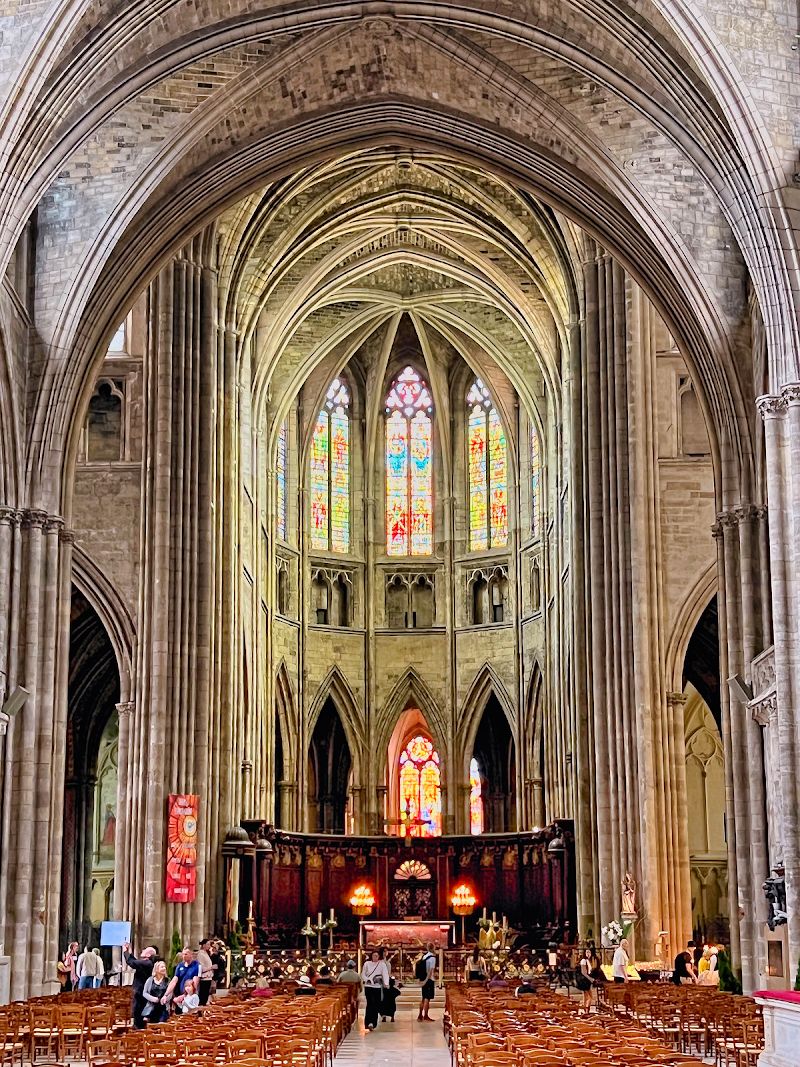
Cathédrale Saint-André de Bordeaux
Cathédrale Saint-André is one of Bordeaux's most significant Gothic monuments, where Eleanor of Aquitaine married the future Louis VII in 1137. You'll find the Royal Gate's 13th-century sculptures in the north porch, depicting the Last Judgment with intricate detail. The nave stretches 124 meters with soaring Gothic vaults, and the original 11th-century consecration stone is still near the entrance. Walking inside feels like stepping into 800 years of French royal history. Light filters through massive stained glass windows, illuminating stone columns that seem to disappear into darkness above. The north porch sculptures are finely detailed, each apostle carved with individual expressions that feel remarkably alive. Free organ concerts on Sundays fill the space with good acoustics that make the stone walls seem to sing. Most guidebooks recommend visiting this cathedral, but if you've seen major Gothic cathedrals elsewhere, the interior shouldn't surprise you. The real treasures are the north porch sculptures and the historical significance. Entry is free, which makes it worth 20 minutes of your time. You can skip the audio guide at 5 EUR, as the English information plaques cover everything important.
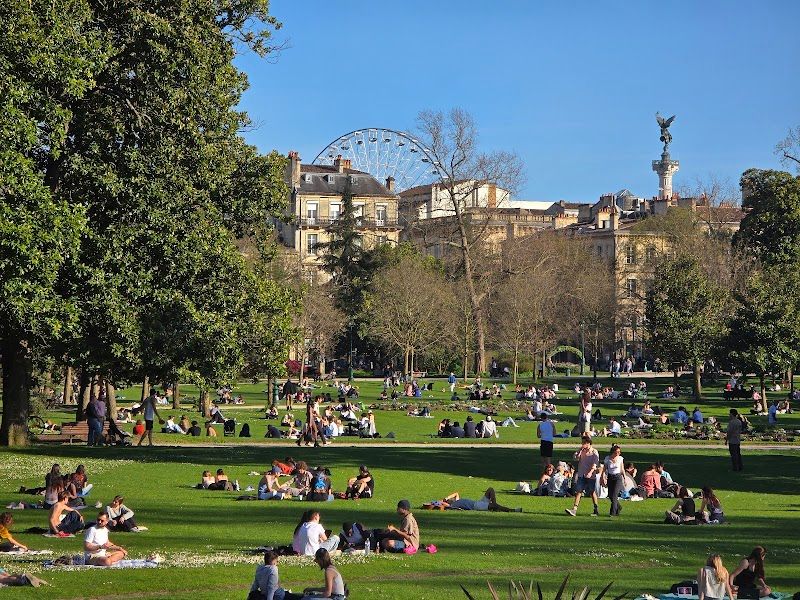
Jardin Public
Jardin Public is Bordeaux's oldest park, a proper English-style garden that's been the city's green lung since 1755. You'll find 10 hectares of century-old trees, winding gravel paths, and a central pond with swans and ducks. The real draw is the botanical garden section in the northwest corner, home to over 3,000 plant species including impressive magnolias, towering cedars, and rare specimens most people walk right past. There's also a small natural history museum if you're into taxidermy displays. The atmosphere feels genuinely peaceful, especially on weekday mornings when it's mostly locals walking dogs and reading newspapers on benches. The main pond creates a focal point where kids feed ducks while joggers loop the perimeter paths. The botanical section has a different energy entirely, quieter and more contemplative, with labeled plants and greenhouse areas. You'll hear French conversations mixing with birdsong, and the traffic noise from surrounding streets fades surprisingly well once you're inside. Most visitors stick to the pond area and miss the best parts entirely. The botanical garden closes at 5pm while the main park stays open until 8pm in summer, so time your visit accordingly. Skip the natural history museum unless you're desperate for air conditioning. The park is free, which makes it perfect for a picnic stop, but don't expect manicured lawns like you'd find in Paris parks.
Darwin Ecosystème
Darwin Ecosystème transforms a former military barracks into Bordeaux's most experimental cultural space, where street artists cover massive concrete walls with constantly changing murals. You'll find coworking spaces, organic cafés, a skate park, and weekend markets all operating inside repurposed military buildings. The 20,000 square meter site operates as a cooperative where artists, entrepreneurs, and activists share space while testing sustainable living concepts. The visit feels like exploring a small alternative city within Bordeaux. Graffiti artists work on walls throughout the day, skaters practice tricks beside food trucks, and families browse organic produce while techno music drifts from the Magasin Général restaurant. The raw concrete architecture creates an industrial backdrop that somehow feels welcoming rather than harsh. Weekend evenings bring concerts and events that draw crowds from across the city. Most guides oversell the artistic significance, but undersell how genuinely relaxing this place is. Skip the overpriced coffee at Darwin Café (4 EUR for basic espresso) and head straight to Magasin Général where lunch costs 12-16 EUR with river views. The graffiti walls are impressive but change constantly, so don't expect to see specific pieces from photos. Sunday's organic market runs 10am-2pm and offers the best energy, but weekday afternoons let you actually watch artists work without crowds.
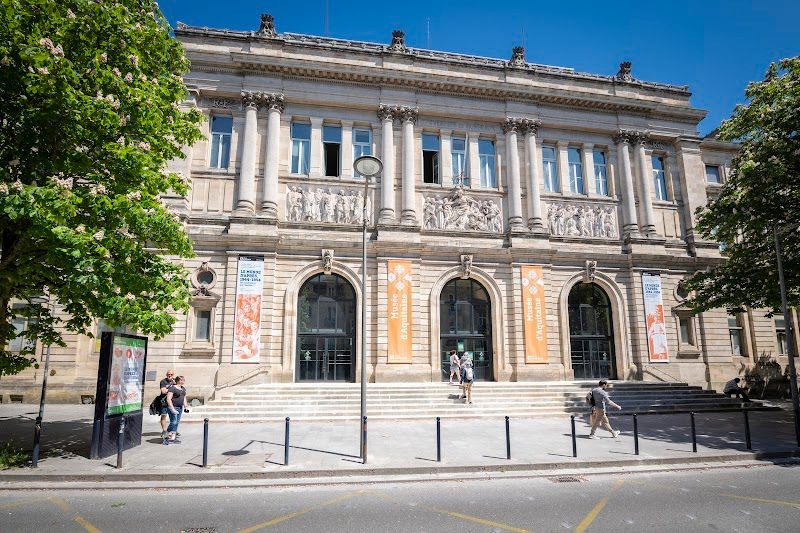
Musée d'Aquitaine
The Musée d'Aquitaine tells Bordeaux's complete story from cave dwellers to colonial merchants, housed in a former university building near the cathedral. You'll see genuine Paleolithic artifacts, medieval stone carvings, and detailed exhibits about the Atlantic slave trade that funded those elegant 18th-century mansions. The highlight is the cast of the Venus of Laussel, a 25,000-year-old carving that's mesmerizing up close, plus rooms full of Gallo-Roman mosaics and medieval sculptures. The museum flows chronologically across three floors, starting with prehistory in the basement and working up to modern Bordeaux. The medieval galleries feel almost cathedral-like with their vaulted ceilings and religious stonework, while the colonial trade section doesn't sugarcoat how Bordeaux's golden age was built on human suffering. You'll spend most of your time reading detailed placards, some in English, others requiring the free audio guide. Most visitors rush through the prehistoric section, but those early galleries contain the best pieces. The colonial rooms are essential for understanding why Bordeaux looks so grand, though they're heavy going. Regular admission costs 5 EUR, students pay 3 EUR, and under 18s enter free. Skip the temporary exhibitions unless they specifically interest you, they're usually academic and dry.
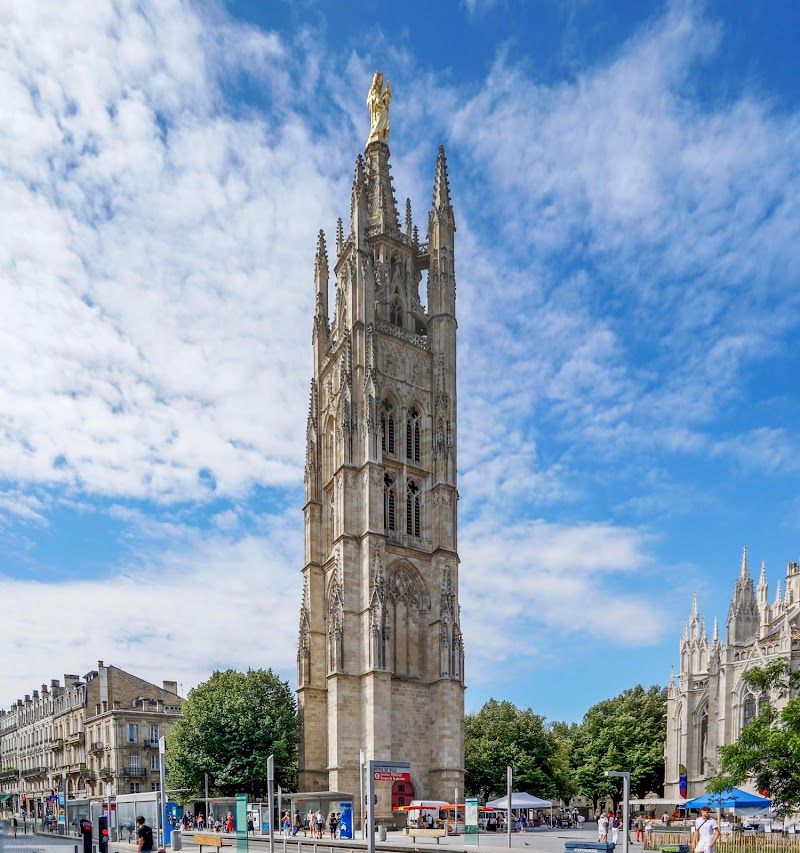
Tour Pey-Berland
Tour Pey-Berland is Bordeaux's best vantage point, a 66-meter Gothic bell tower that stands oddly separate from Cathédrale Saint-André because it was built on marshy ground. You'll climb 232 stone steps to reach panoramic views over the entire city, plus the rare perspective of looking down into the cathedral's nave from above. The tower was commissioned by Archbishop Pey Berland in the 15th century when the cathedral needed a bell tower but couldn't support the weight. The climb starts narrow and gets narrower, with small windows offering teaser views as you spiral upward. Your legs will burn by step 150, but the final platform delivers views that stretch to the Garonne River and beyond. The most striking sight is peering down into the cathedral itself, where you can see the full Gothic layout from a perspective impossible anywhere else. Wind whips around the top, so hold onto anything loose. Most guides don't mention that the €6 entrance fee isn't worth it on cloudy days since visibility drops to almost nothing. Skip this entirely if you're afraid of tight spaces or have knee problems. The views are genuinely spectacular on clear days, but the climb is genuinely punishing. Go in late afternoon when the light hits the red rooftops perfectly, and you'll understand why locals consider this their secret weapon for impressing visitors.
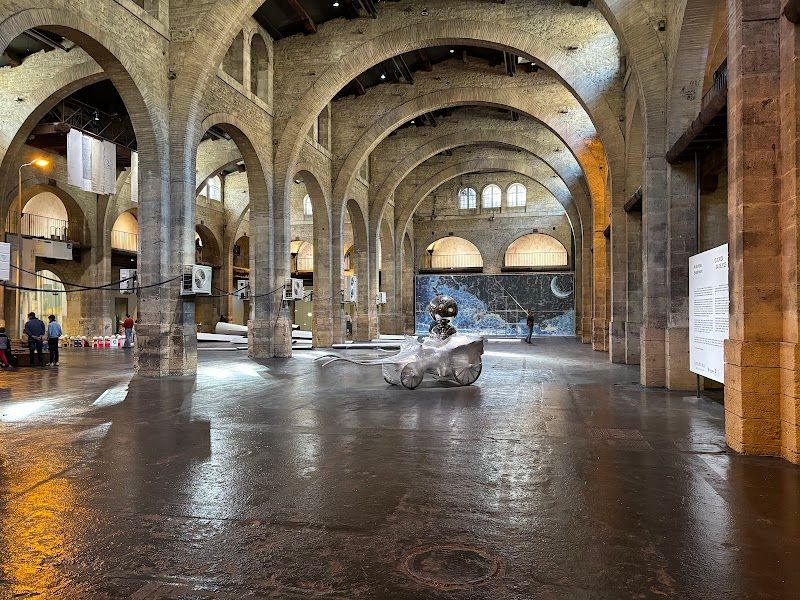
CAPC Musée d'Art Contemporain de Bordeaux
CAPC transforms a massive 19th-century warehouse into one of France's most compelling contemporary art spaces. The soaring main hall feels cathedral-like, dominated by Richard Long's permanent stone circle installation that anchors the mezzanine gallery. You'll encounter challenging video art, large-scale sculptures, and rotating exhibitions that actually push boundaries rather than play it safe. The building itself is half the experience: exposed brick, industrial beams, and raw concrete create the perfect backdrop for cutting-edge work. The visit flows naturally from the dramatic entrance hall upward through interconnected gallery spaces. The mezzanine wraps around Long's stone circle, offering different perspectives as you move through temporary exhibitions. Sound bleeds between video installations, creating an immersive atmosphere that feels more like exploring an artist's studio than a sterile museum. The scale surprises you: rooms open into unexpected spaces, and the interplay between historic architecture and contemporary art creates genuine moments of discovery. Most guides oversell this as essential Bordeaux culture, but honestly, it depends on your tolerance for experimental art. Regular admission runs €7, students €4, and that first Sunday freebie attracts crowds worth avoiding. Skip the ground floor shop displays and head straight upstairs where the real exhibitions live. The basement archives rotate interesting smaller pieces, but only venture down if the main floors have genuinely grabbed you. Two hours is plenty unless you're a serious contemporary art enthusiast.
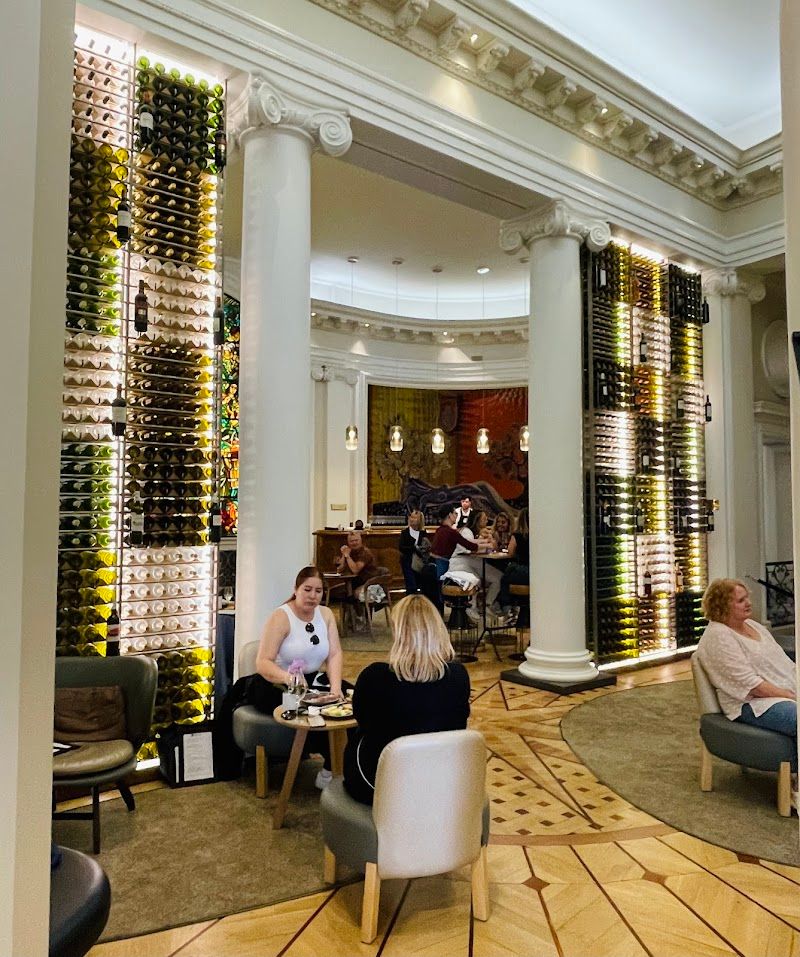
Bar à Vin - Ecole du Vin - CIVB
This is the official tasting room of Bordeaux's wine council, making it the most credible place in the city to learn about local wines without the tourist markup. You'll find over 30 wines by the glass from EUR 4 to EUR 25, spanning everything from basic Bordeaux Rouge to prestigious classified growths like Pichon Baron or Cos d'Estournel. The sommeliers here aren't salespeople, they're educators who genuinely want you to understand what makes Bordeaux special. The space feels more like a wine school than a bar, with educational displays explaining appellations and vintage charts covering the walls. You'll taste at standing height tables while sommeliers explain the differences between Médoc and Saint-Émilion, or why 2010 was exceptional for Right Bank wines. The selection changes every few weeks, so you might sample a Pauillac one visit and a Pessac-Léognan the next. It's structured learning disguised as casual drinking. Most wine bars in Bordeaux either oversimplify for tourists or intimidate with pretentious service. This place gets the balance right, though it can feel academic if you just want to drink casually. The EUR 15 to EUR 20 range offers the best value, featuring solid château wines that would cost EUR 35 elsewhere. Skip the basic Bordeaux Rouge and go straight to the appellations, that's where the education really begins.
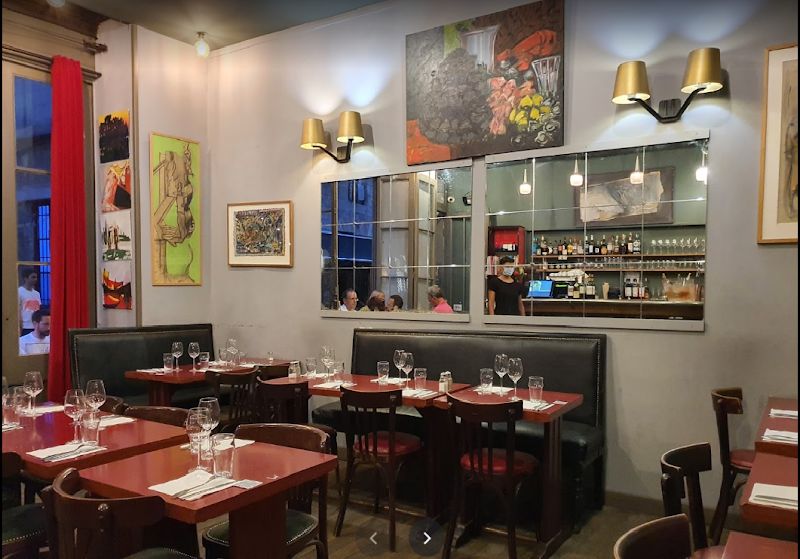
Le Petit Commerce
A legendary Bordeaux seafood institution near Place de la Bourse, serving oysters from Arcachon Basin and grilled fish since 1970. The bustling dining room fills with locals who come for the daily catch displayed on ice at the entrance. The lamproie à la bordelaise appears on the menu during spring season.
Travel Guides
Expert guides for every travel style
Bordeaux Wine & Food Guide
The food and wine guide to Bordeaux: the appellation map for non-experts, the best wine bars in the city, the Capucins market, Gascon cooking traditions, and the canele question answered.
14 min
First Time in Bordeaux: Everything You Need to Know
The practical first-timer's guide to Bordeaux: how to navigate the appellations, where to stay, how to reach Saint-Emilion, what to eat beyond wine, and the things that first-time visitors get wrong.
10 min
Frequently Asked Questions
May to June and September to October are the best months: warm (20-25C), the vineyards are active, and the city is busy but not overwhelmed. July and August are hot (30-35C) and busy, but the Miroir d'Eau is at its most photogenic in summer evenings. Harvest season (September) is the most atmospheric time in the wine country: the Bans des Vendanges festival marks the start of picking, and the Grosse Cloche bell rings across the city. Winter (November to February) is mild by French standards, quieter, and cheaper, though some smaller restaurants close for holidays.
The city centre is compact and walkable. The tram network (lines A, B, C, D) covers the key areas and runs to the suburbs and the train station (Bordeaux-Saint-Jean, which connects to Paris in 2 hours by TGV). The Vcub public bike system (EUR 1.70 per 30 minutes) is excellent for the waterfront and Chartrons. For the wine regions (Medoc, Saint-Emilion, Pessac-Leognan), you need a rental car or a guided tour. Saint-Emilion is the exception: a direct train runs from Bordeaux-Saint-Jean in 35 minutes, EUR 9 each way.
Saint-Emilion is the essential day trip: 35 minutes by train, a medieval hilltop village surrounded by classified vineyards, the Monolithic Church carved from a single rock, and the Saturday morning market. The Arcachon Bay is 45 minutes by train: the Dune du Pilat (the tallest sand dune in Europe, EUR 4 to access in peak season), oyster villages on the bay's southern shore (Cap Ferret, Gujan-Mestras), and a swim in the Atlantic. The Medoc wine road (D2 north of Bordeaux) passes through Margaux, Pauillac, and Saint-Estephe: a self-drive through the most famous wine communes in France, with chateau visits available at many properties (book ahead).
Saint-Emilion and Pomerol (Right Bank, Merlot-dominant, 35 minutes east by train or car) are the most visitor-friendly: the village of Saint-Emilion is beautiful and has a tourist infrastructure for chateau visits. The Medoc (Left Bank, Cabernet Sauvignon-dominant, north of Bordeaux on the D2) passes the famous names: Chateau Margaux, Leoville-Barton, Pichon Baron, Mouton Rothschild, Chateau Latour. Most require advance booking. Pessac-Leognan (immediately south of the city, Graves appellation) has Chateau Haut-Brion and several other classified properties close enough for a half-day visit. For a single day trip, Saint-Emilion is the most rewarding for visitors without a specific chateau agenda.
Bordeaux food is rooted in the Gascon and Gironde traditions: foie gras, entrecote bordelaise (steak with a bone marrow and shallot sauce), oysters from the Arcachon Basin, lamproie a la bordelaise (lamprey in red wine, seasonal, an acquired taste), and canele bordelais (the caramelised rum-and-vanilla pastry that is the city's most recognisable product). The restaurant scene has improved significantly in recent years: Chartrons has the most interesting current openings. The Marche des Capucins (Tuesday to Sunday mornings, Place des Capucins in Saint-Michel) is the best place to eat like a local: oysters by the dozen with bread and shallot vinegar, charcuterie from Gascon producers, and seasonal produce at prices well below restaurant levels.