Bordeaux
Vieux Bordeaux & Saint-Pierre
The UNESCO core: 18th-century limestone facades, the Place de la Bourse and its reflecting pool, medieval Saint-Pierre streets, and the cathedral square that has been the civic heart of Bordeaux for nine centuries.
About Vieux Bordeaux & Saint-Pierre
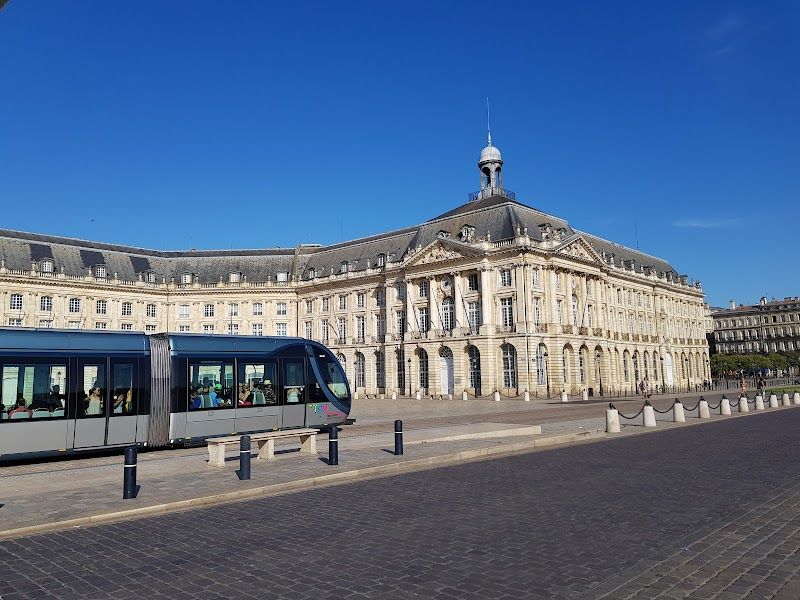
Vieux Bordeaux and Saint-Pierre form the historic core of the city and account for the bulk of the UNESCO World Heritage designation. The waterfront sequence from the Bourse south is the reason for the listing: a continuous 18th-century facade designed when Bordeaux was the second city of France and the first port of the Atlantic. The Place de la Bourse (the Royal Exchange, designed by Gabriel for Louis XV) is the centrepiece, and the Miroir d'Eau in front of it is the one stop that belongs on every itinerary. The reflecting pool alternates between a mirror and a mist cloud on a 23-minute cycle, and the best photographs require about 45 minutes to catch both phases.
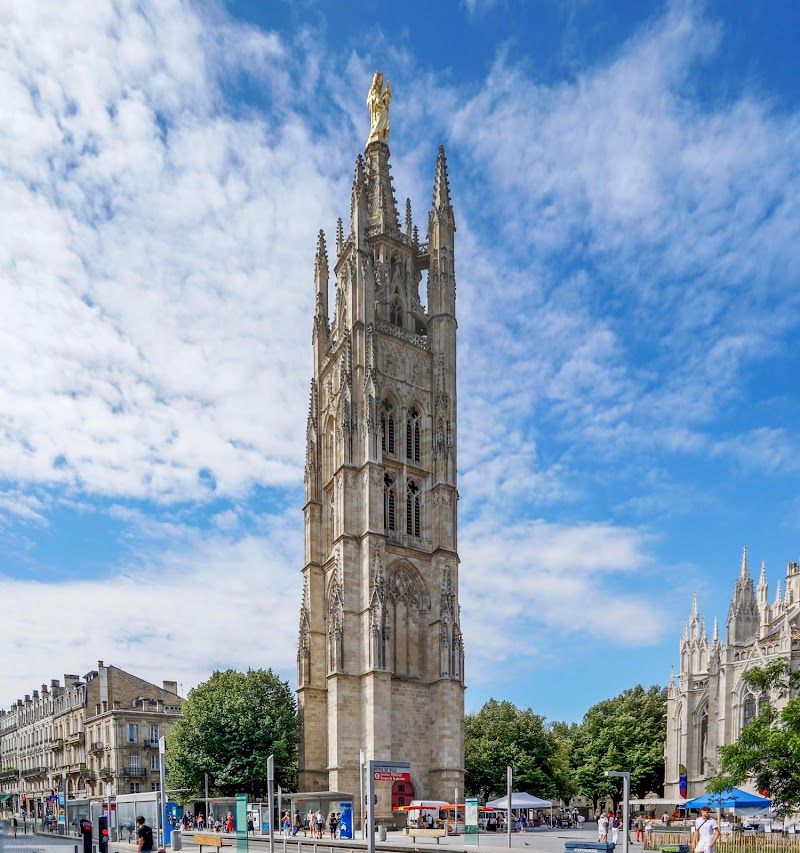
Saint-Pierre, the medieval quarter behind the waterfront, has the most atmospheric streets in the city: Rue du Parlement, Rue Fernand Philippart, Place du Parlement (an arcaded square that feels unchanged from the 18th century), and the side streets around Rue des Argentiers where independent wine bars, cheese shops, and Gascon bistros cluster. The Cathedrale Saint-Andre sits at the south edge of the district: the cathedral itself is free, the detached Tour Pey-Berland (EUR 6, 232 steps) has the best rooftop view in Bordeaux.
Things to Do
Top experiences in Vieux Bordeaux & Saint-Pierre
Place de la Bourse Bordeaux
Place de la Bourse is Bordeaux's postcard view: an 18th-century masterpiece designed by Jacques-Ange Gabriel that opens directly onto the Garonne river. The symmetrical Royal Exchange building houses the Musée du Vin et du Négoce (€10 entry), while the real star is the massive Miroir d'Eau across the street that creates perfect reflections of the honey-colored facade. The Three Graces fountain anchors the square's center, and trams from the T1 line glide through regularly, creating an oddly satisfying contrast with the classical architecture. Visiting feels like stepping into an 18th-century painting, especially when the morning light hits the limestone facade directly. The Miroir d'Eau operates in cycles: it fills with 2cm of water for perfect reflections, then empties and releases mist that kids (and adults) love running through. You'll hear multiple languages as photographers position themselves for the classic shot, while the surrounding Saint-Pierre medieval streets offer a completely different atmosphere just steps away. Most people snap their photos and leave, missing the surrounding Saint-Pierre district which has France's best-preserved medieval streetscapes. The museum inside is decent but not essential unless you're seriously into Bordeaux wine history. Skip the crowds by arriving before 9 AM when you'll have the reflection shots mostly to yourself, and the light is infinitely better than harsh midday sun.
Miroir d'Eau Bordeaux
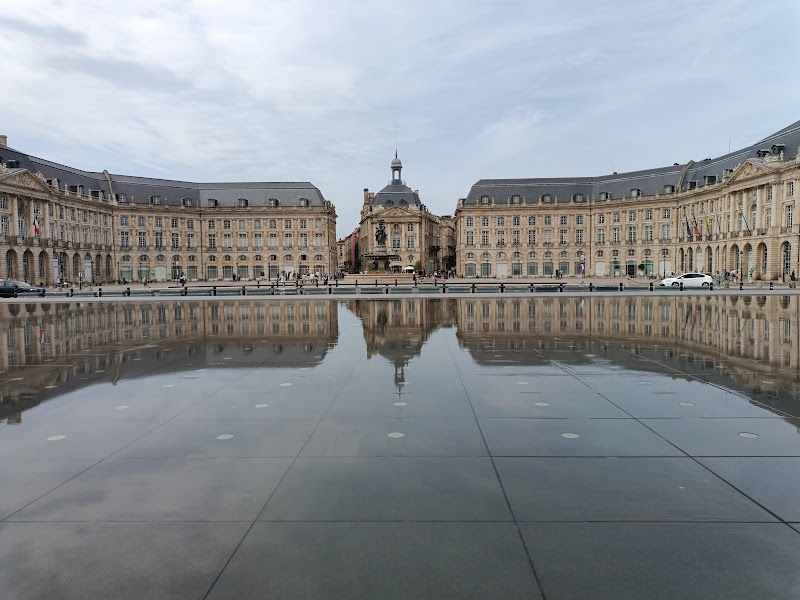
The Miroir d'Eau is Europe's largest reflecting pool, a 3,450 square meter granite plaza with a unique hydrologic system that cycles between still water and theatrical mist every 23 minutes. When filled, it creates a perfect reflection of the 18th-century Place de la Bourse facades across the street. During the mist phase, jets shoot fog two meters high, creating a dreamlike atmosphere where kids (and plenty of adults) run around getting soaked. The experience changes completely depending on which phase you catch. The water phase feels calm and contemplative, perfect for photography with the Bourse's classical architecture doubled in the reflection. Then the drama begins: the water drains through barely visible slots, followed by billowing clouds of mist that transform the entire square into something cinematic. People emerge from the fog like ghosts, laughing and drenched, while the Bourse appears and disappears behind the vapor. Most visitors show up randomly and leave after five minutes, missing the full cycle. The timing matters enormously: sunrise offers empty space and golden light hitting the Bourse facade, while summer evenings (around 8 PM) give you the most crowded atmosphere and warm light. Skip midday visits when the light is harsh and tour groups dominate. It's completely free, which explains why it can feel like a public swimming pool on hot summer afternoons.
Cathédrale Saint-André de Bordeaux
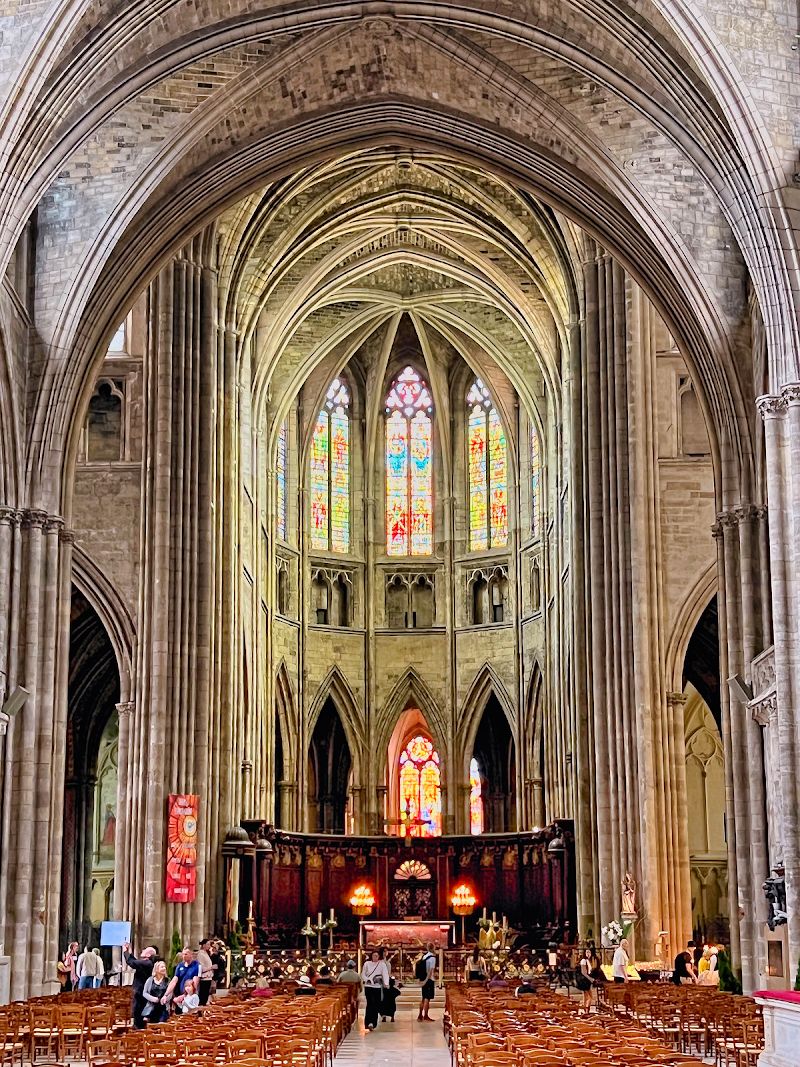
Cathédrale Saint-André is one of Bordeaux's most significant Gothic monuments, where Eleanor of Aquitaine married the future Louis VII in 1137. You'll find the Royal Gate's 13th-century sculptures in the north porch, depicting the Last Judgment with intricate detail. The nave stretches 124 meters with soaring Gothic vaults, and the original 11th-century consecration stone is still near the entrance. Walking inside feels like stepping into 800 years of French royal history. Light filters through massive stained glass windows, illuminating stone columns that seem to disappear into darkness above. The north porch sculptures are finely detailed, each apostle carved with individual expressions that feel remarkably alive. Free organ concerts on Sundays fill the space with good acoustics that make the stone walls seem to sing. Most guidebooks recommend visiting this cathedral, but if you've seen major Gothic cathedrals elsewhere, the interior shouldn't surprise you. The real treasures are the north porch sculptures and the historical significance. Entry is free, which makes it worth 20 minutes of your time. You can skip the audio guide at 5 EUR, as the English information plaques cover everything important.
Musée d'Aquitaine
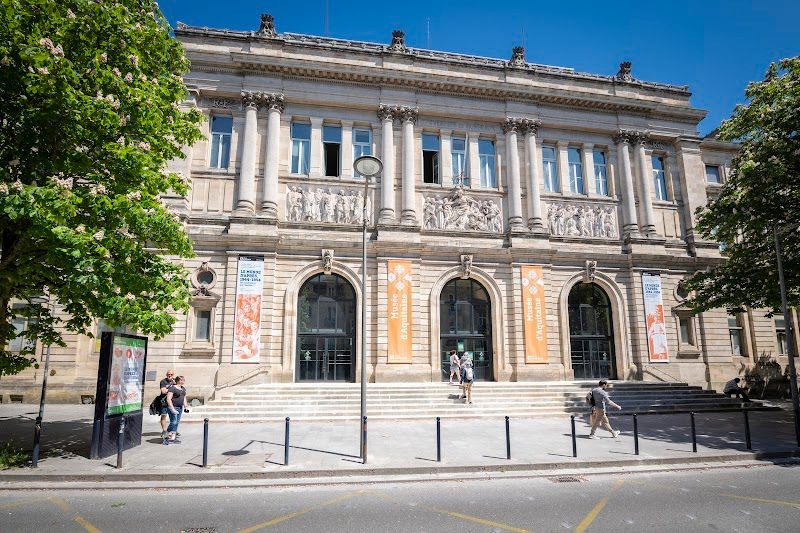
The Musée d'Aquitaine tells Bordeaux's complete story from cave dwellers to colonial merchants, housed in a former university building near the cathedral. You'll see genuine Paleolithic artifacts, medieval stone carvings, and detailed exhibits about the Atlantic slave trade that funded those elegant 18th-century mansions. The highlight is the cast of the Venus of Laussel, a 25,000-year-old carving that's mesmerizing up close, plus rooms full of Gallo-Roman mosaics and medieval sculptures. The museum flows chronologically across three floors, starting with prehistory in the basement and working up to modern Bordeaux. The medieval galleries feel almost cathedral-like with their vaulted ceilings and religious stonework, while the colonial trade section doesn't sugarcoat how Bordeaux's golden age was built on human suffering. You'll spend most of your time reading detailed placards, some in English, others requiring the free audio guide. Most visitors rush through the prehistoric section, but those early galleries contain the best pieces. The colonial rooms are essential for understanding why Bordeaux looks so grand, though they're heavy going. Regular admission costs 5 EUR, students pay 3 EUR, and under 18s enter free. Skip the temporary exhibitions unless they specifically interest you, they're usually academic and dry.
Tour Pey-Berland
Tour Pey-Berland is Bordeaux's best vantage point, a 66-meter Gothic bell tower that stands oddly separate from Cathédrale Saint-André because it was built on marshy ground. You'll climb 232 stone steps to reach panoramic views over the entire city, plus the rare perspective of looking down into the cathedral's nave from above. The tower was commissioned by Archbishop Pey Berland in the 15th century when the cathedral needed a bell tower but couldn't support the weight. The climb starts narrow and gets narrower, with small windows offering teaser views as you spiral upward. Your legs will burn by step 150, but the final platform delivers views that stretch to the Garonne River and beyond. The most striking sight is peering down into the cathedral itself, where you can see the full Gothic layout from a perspective impossible anywhere else. Wind whips around the top, so hold onto anything loose. Most guides don't mention that the €6 entrance fee isn't worth it on cloudy days since visibility drops to almost nothing. Skip this entirely if you're afraid of tight spaces or have knee problems. The views are genuinely spectacular on clear days, but the climb is genuinely punishing. Go in late afternoon when the light hits the red rooftops perfectly, and you'll understand why locals consider this their secret weapon for impressing visitors.
Place du Parlement
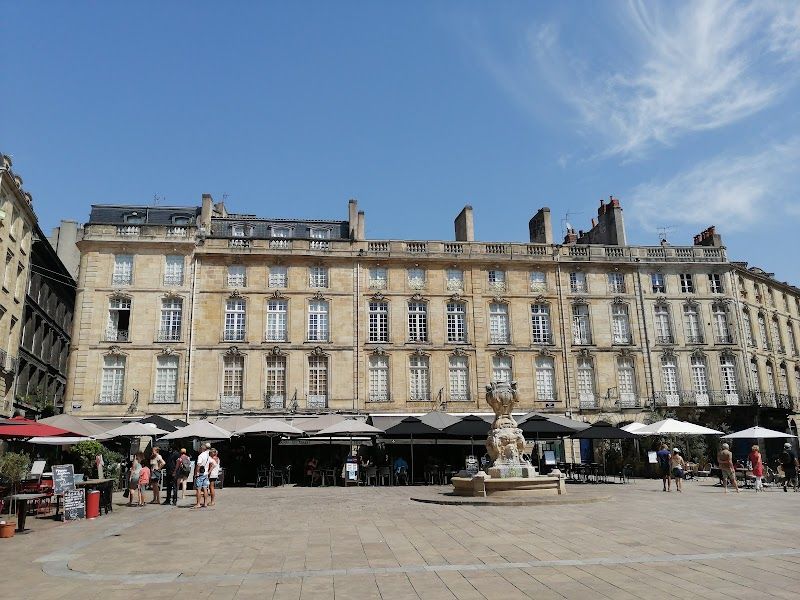
Place du Parlement is Bordeaux's most perfectly preserved 18th-century square, where André Portier's 1760s design created a textbook example of Louis XV symmetry. You'll find yourself surrounded by matching cream limestone facades with delicate wrought-iron balconies, all wrapped around ancient cobblestones with a Victorian fountain centerpiece from 1865. The arcades shelter cafés, wine bars, and boutiques in what feels like an open-air salon from the age of enlightenment. The square works as both architectural showcase and living neighborhood center. Morning light hits the eastern facades beautifully, casting geometric shadows through the arcade columns onto the cobblestones. You'll hear the gentle splash of the central fountain mixing with café conversations echoing under the stone arches. The scale feels intimate rather than grand, more like a nobleman's courtyard than a public plaza. Most visitors snap photos and move on, missing the real charm in the details. The southwest corner preserves original 18th-century shopfronts with carved wooden doors that most people walk past without noticing. Skip the overpriced tourist cafés on the north side and grab coffee from Café Parliament on the west arcade for €2.50. The square looks identical in every Instagram shot, so focus on the architectural details rather than wide-angle photos.
Grosse Cloche Bordeaux
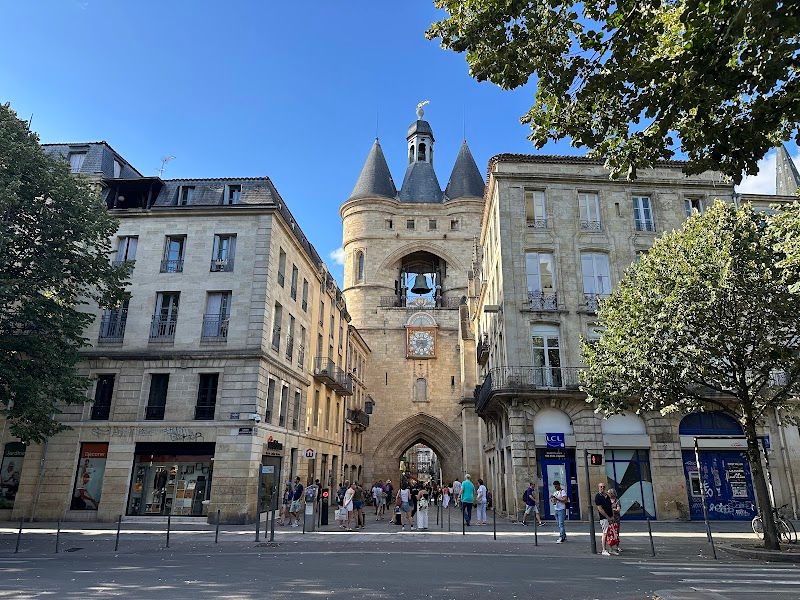
The Grosse Cloche (Big Bell) is the medieval bell tower of the old Saint-Eloi church and one of the oldest civic bell towers in France, dating to the 13th century with significant modifications in the 15th. It sits astride the old Roman road on Rue Saint-James and was the gateway to the city from the south. The bell itself, cast in 1775 and weighing 7.7 tonnes, was historically rung to announce the start of the grape harvest, a tradition that continues today. The tower is one of the few surviving gates of the medieval city. The surrounding streets, Rue Saint-James and Rue du Loup, are among the most atmospheric in the old town. The tower can be visited on guided tours only: check with the Bordeaux tourism office for current schedule and booking.
Porte Cailhau
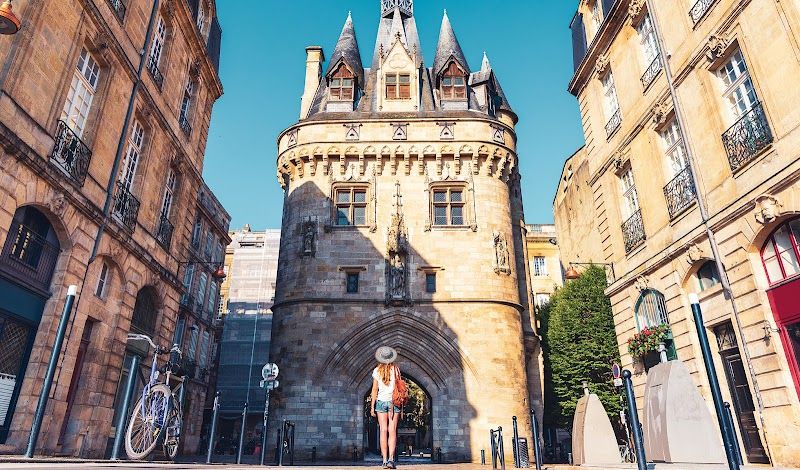
Porte Cailhau stands as Bordeaux's most photogenic medieval gate, a 35-meter Gothic tower that Charles VIII commissioned in 1495 to celebrate his Italian military victories. You'll climb five floors through narrow spiral staircases, passing exhibits about Bordeaux's medieval defenses and admiring carved stone details including the royal coat of arms. The real payoff comes at the top: panoramic views over the Garonne River and across the stone quays that define old Bordeaux. The visit feels like exploring a fairy tale castle dropped into the city center. Each floor reveals different aspects of medieval life, from defensive strategies to royal symbolism, while arrow slits frame glimpses of modern Bordeaux below. The stone staircase spirals upward in authentic medieval fashion, meaning you'll feel every one of those narrow, uneven steps. At the summit, the viewing platform offers one of the city's best vantage points, especially looking toward the opposite bank where 18th-century facades reflect in the river. Most people rush through in 15 minutes, but the small exhibition actually provides useful context about Bordeaux's medieval period that you won't get elsewhere. Entry costs 5 EUR, which feels steep for what amounts to a climb up stairs, but the views justify it on clear days. Skip it entirely if you're visiting on a rainy afternoon since the top floor viewing area becomes pointless without visibility.
Pont de Pierre
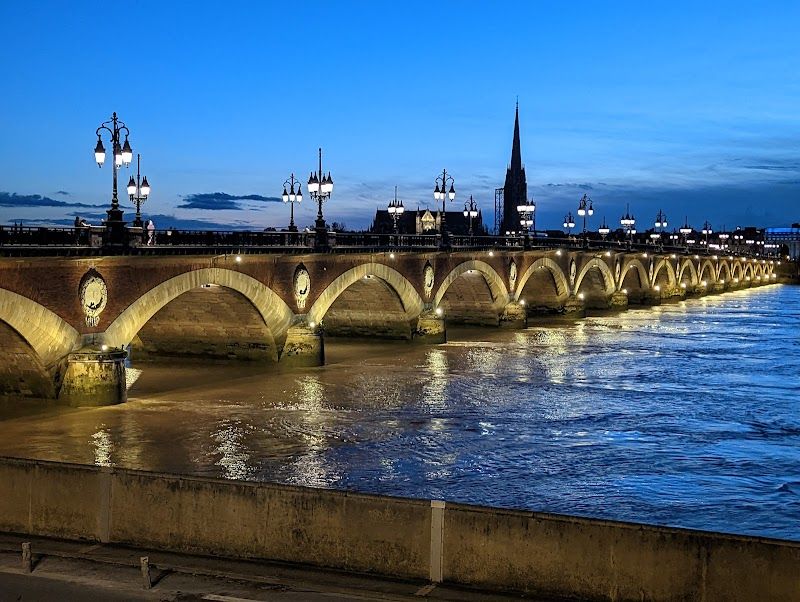
Pont de Pierre spans the Garonne with 17 elegant arches, each one representing a letter in Napoleon Bonaparte's name. You'll walk across 486 meters of honey-colored stone while spotting white medallions bearing Napoleon's profile on every pier. The bridge took 12 years to build because workers used primitive diving bells to lay foundations in the shifting riverbed, and it remained Bordeaux's only river crossing until 1965. Walking across feels like stepping through Bordeaux's timeline: the stone arches frame perfect views of the 18th-century facades along the Garonne's banks. Traffic runs alongside a pedestrian walkway, so you'll share space with cyclists and locals using it as their daily commute. The medallions are surprisingly detailed up close, and the bridge's gentle curve follows the river's natural bend, creating different perspectives of the city as you cross. Most tourists rush across without noticing the craftsmanship, but the real reward is in the details. The third arch from the left bank has the clearest Napoleon medallion, and the stone changes color dramatically between morning and evening light. Skip the crowded sunset timing that every guide recommends: early morning gives you the bridge almost to yourself, and the light on the water is just as spectacular.
Where to Eat
Restaurants and cafes in Vieux Bordeaux & Saint-Pierre
Le Petit Commerce
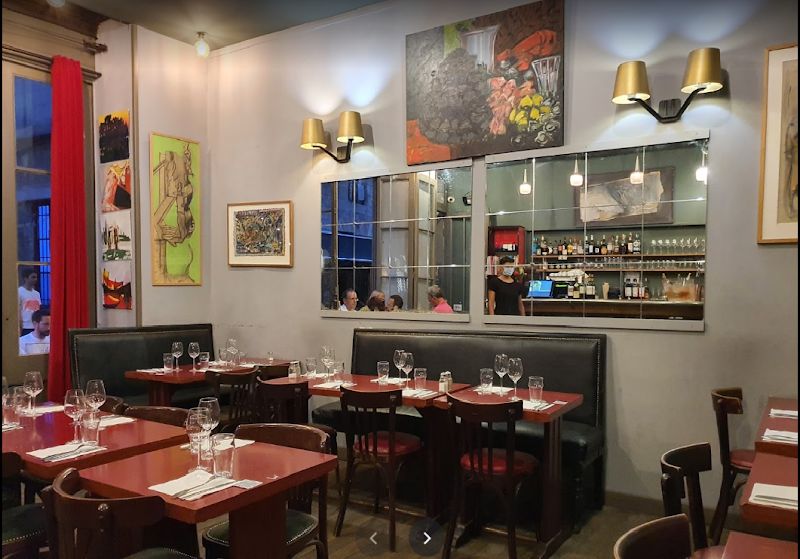
RestaurantA legendary Bordeaux seafood institution near Place de la Bourse, serving oysters from Arcachon Basin and grilled fish since 1970. The bustling dining room fills with locals who come for the daily catch displayed on ice at the entrance. The lamproie à la bordelaise appears on the menu during spring season.
Le Quatrième Mur
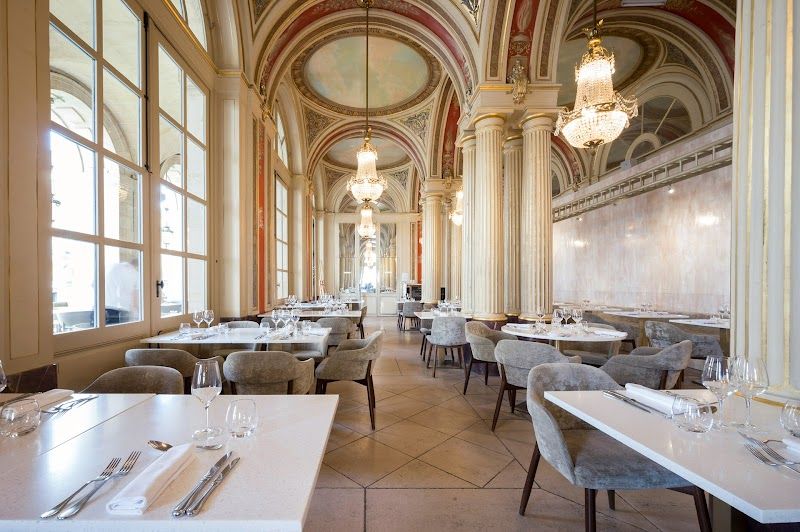
RestaurantPhilippe Etchebest's elegant brasserie inside the Grand Théâtre de Bordeaux, featuring a menu of refined French classics with Basque influences. The dining room's contemporary design contrasts with the 18th-century architecture, and large windows overlook Place de la Comédie. The pre-theatre menu (EUR 39) offers excellent value for a Michelin-level experience.
Les Brasseurs Bordelais
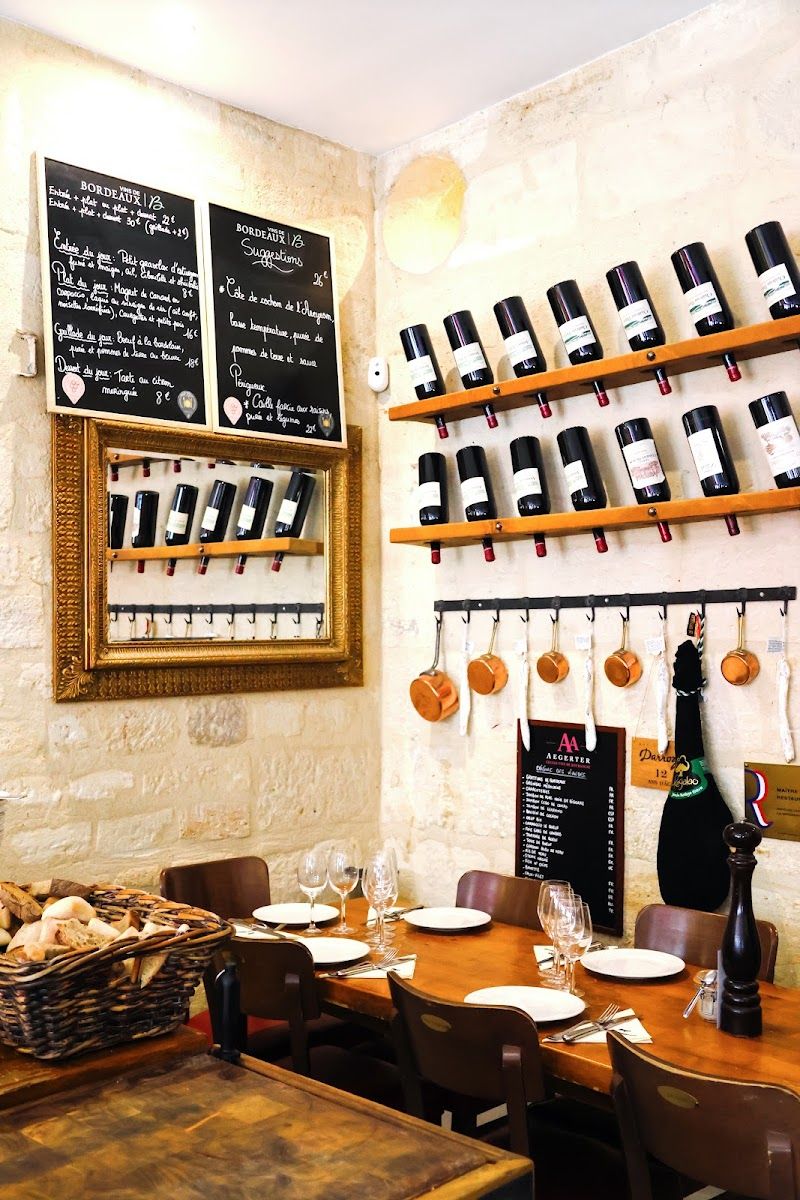
RestaurantMicrobrewery and pub serving craft beers brewed on-site alongside hearty bistro fare. Watch the brewing process through glass walls while sampling IPAs, blondes, and seasonal specials paired with burgers and regional dishes. The industrial-chic space fills with a mixed crowd of beer enthusiasts and neighborhood locals.
Nightlife
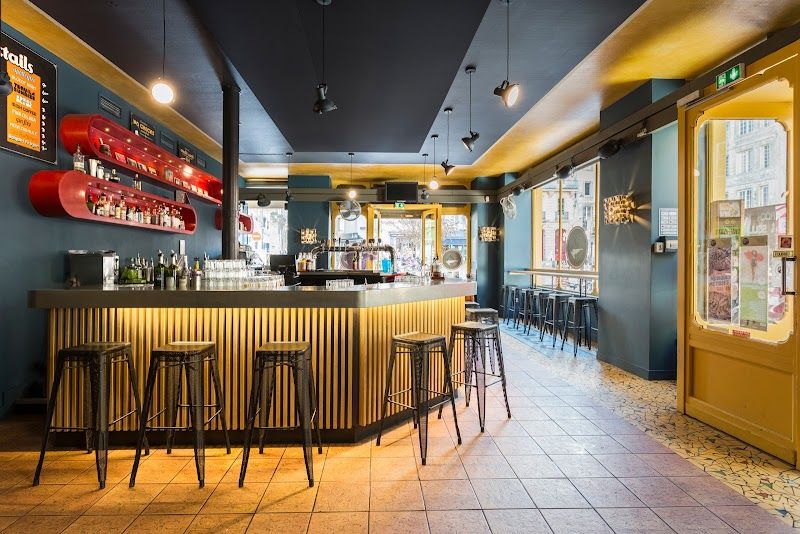
Bars and nightlife in Vieux Bordeaux & Saint-Pierre
Getting Here
Insider Tips
Miroir d'Eau timing
The 23-minute cycle runs continuously: water phase, drain phase, mist phase. Morning (7-9 AM) gives you the Bourse facade in direct sunlight with almost no people. Summer evenings (8-9 PM) have the best atmosphere but more crowds. The mist phase is the one to photograph: children always run in regardless of the temperature.
Place du Parlement
Most visitors walk along the main waterfront and miss Place du Parlement, two blocks inland. It is an 18th-century arcaded square with restaurant terraces, wine bars, and a fountain, and it looks exactly like a film set. Go on a weekday at lunch for the quietest version of it.
Tour Pey-Berland view
EUR 6 and 232 steps for the best view in the city: you look directly over the cathedral nave roof and across the old town limestone grid to the Garonne. It is significantly less crowded than any other viewpoint in the city. Open most days, check the current hours at the tourist office.
Nearby Neighborhoods
Continue exploring
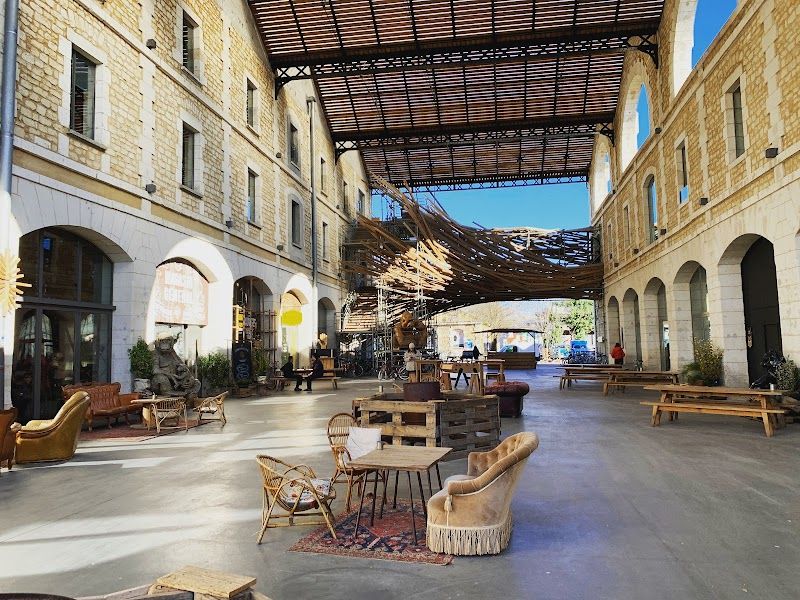
Chartrons
The former wine merchants' quarter: antique shops and galleries in converted cellars, the best Sunday market in Bordeaux on the quayside, serious wine bars, and a neighbourhood that feels genuinely local.
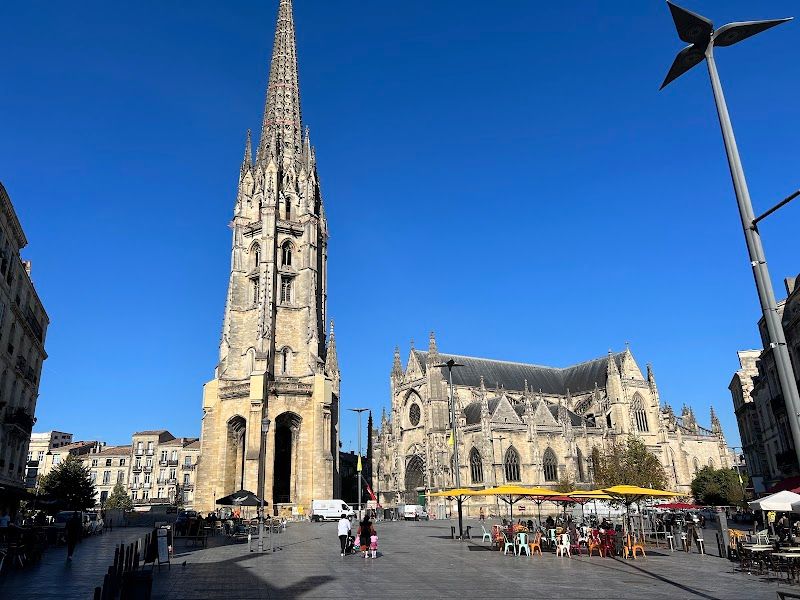
Saint-Michel & Capucins
The multicultural counterweight to the polished old town: the Marche des Capucins (the city's main food market), the Basilique Saint-Michel, and a neighbourhood that has been working-class, diverse, and itself for a very long time.
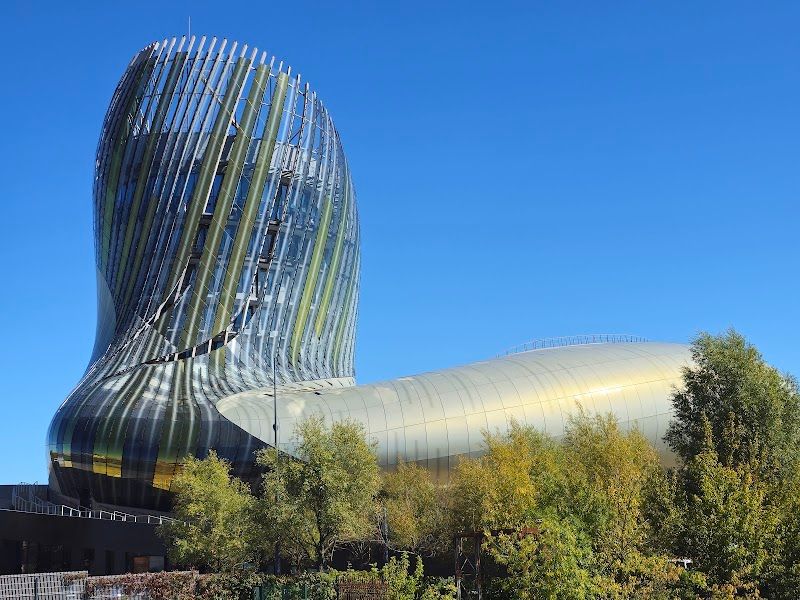
La Cite du Vin & Bassins a Flot
The former industrial docks being reinvented: La Cite du Vin and its panoramic bar, the submarine bunker turned arts space, new restaurants, and the contemporary Bordeaux that exists alongside the UNESCO old town.
Plan a trip featuring Vieux Bordeaux & Saint-Pierre
Get a personalized Bordeaux itinerary with Vieux Bordeaux & Saint-Pierre built in.
Start Planning