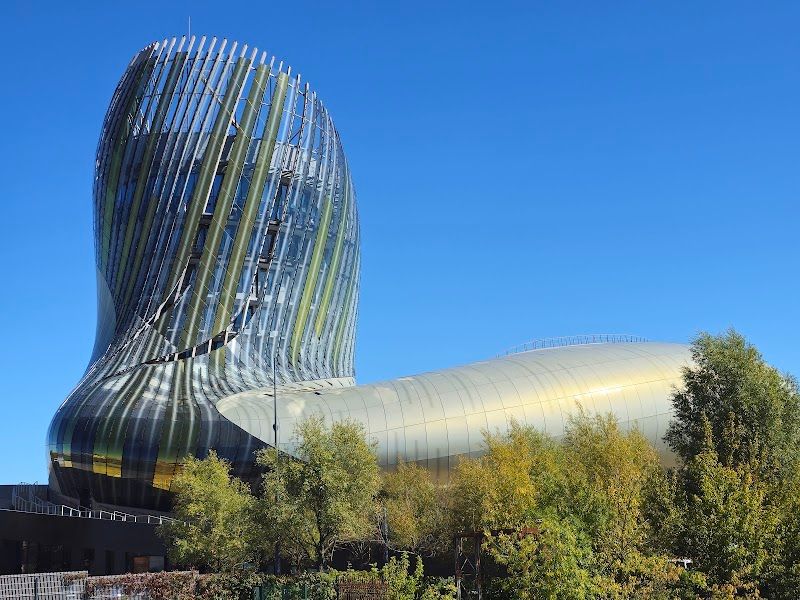
First Time in Bordeaux: Everything You Need to Know
The wine order, the canele, the tram, and how to get the most from three days in the wine capital of France
The practical first-timer's guide to Bordeaux: how to navigate the appellations, where to stay, how to reach Saint-Emilion, what to eat beyond wine, and the things that first-time visitors get wrong.
First Time in Bordeaux: Everything You Need to Know
Look, I'm going to tell you something that might surprise you: Bordeaux isn't going to hit you over the head with wine snobbery. Yes, this is the world's most famous wine region, but the city itself is refreshingly normal about it. You can walk into any bistro and get a perfectly decent glass for EUR 4, no sommelier theatrics required. The city rebuilt itself beautifully after years of neglect, and now you've got this compact, walkable place where 18th-century limestone buildings reflect in the Garonne River, excellent food that doesn't cost a fortune, and wine that ranges from everyday pleasant to life-changingly good. It's what Paris would be if Paris wasn't trying so hard.
Getting There
The TGV from Paris Montparnasse takes exactly 2 hours and costs EUR 35-80 depending on how far ahead you book. Book early, pay less, it's that simple. If you're flying in, take tram line C from Bordeaux airport directly to the central station, it connects to the city tram network and saves you the taxi hassle. The airport tram runs every 7 minutes and costs the same EUR 1.80 as any tram ride.
Getting Around
Bordeaux is compact in the best way. The old town and waterfront are completely walkable, and when your feet get tired, the tram network covers everything you actually want to see. A single ride is EUR 1.80, a day pass is EUR 5.10, and most lines accept tap-to-pay from your phone or card. The trams are clean, frequent, and they'll get you from the train station to the wine bars to the riverfront without any fuss. Honestly, you might not even need that day pass unless you're planning to tram-hop extensively.
Where to Stay
For first-timers, stick to the old town and Saint-Pierre area. You'll be walking distance from the best wine bars, the riverfront, and the Saturday market at Place des Capucins. The limestone buildings are beautiful, the streets have that perfect European narrow-but-not-claustrophobic feel, and you can stumble home from dinner without planning transportation. If you want something quieter with more of a neighborhood feel, Chartrons is your spot. It's got local bakeries, wine shops that cater to residents rather than tourists, and you're still only a 10-minute tram ride from the center.
The Wine Situation
Here's what you need to know: Bordeaux wine is not as intimidating as everyone makes it seem. Start at Bar à Vin du CIVB on Cours du 30 Juillet. It's EUR 4-8 per glass, the staff actually knows what they're talking about, and they'll explain the appellations without making you feel stupid if you don't know a Pomerol from a Pessac-Léognan. The key appellations break down like this: Saint-Émilion and Pomerol are Merlot-dominant, which means softer, more accessible, less likely to make you pucker. Médoc and Pessac-Léognan are Cabernet Sauvignon-dominant, more tannic, the wines that need a good steak. Sauternes is the sweet white dessert wine that's worth trying once, even if you think you don't like sweet wine.
What to Eat
Canelé Bordelais is the city's signature pastry: a caramelized rum-and-vanilla cylinder that costs EUR 1.50-2.50 at any decent bakery. The key is eating it within 30 minutes of purchase when the outside is still crispy and the inside is still custardy. After that, it's just expensive cake. For dinner, entrecôte Bordelaise is the classic: steak in a bone marrow and shallot sauce that pairs perfectly with those tannic reds. Oysters from the Arcachon Basin are best at the Capucins market, and foie gras shows up on bistro menus as a starter because it's not the luxury item here that it is elsewhere. It's just Tuesday night dinner.
Day Trips Worth Taking
Saint-Émilion is 35 minutes by direct train from Bordeaux-Saint-Jean, EUR 9 each way. It's a medieval hilltop town surrounded by vineyards, and yes, it's touristy, but it's touristy for good reason. The limestone buildings, the underground cellars, the views over the vineyards, it all works. Arcachon and the Dune du Pilat are 45 minutes by TER train, EUR 8 each way. The dune is Europe's tallest sand dune, and climbing it is exactly as exhausting and worth it as you'd expect.
Safety and Budget
Bordeaux is safe and walkable. The main tourist areas are the UNESCO waterfront and old town, both well-lit and well-patrolled. You'll spend EUR 15-20 for a bistro lunch with wine, EUR 35-55 for dinner at a good restaurant. Those prices include wine because this is Bordeaux and wine with meals is assumed, not extra.
Things I Wish Someone Had Told Me
The Saturday market at Place des Capucins is worth the crowds. Go early for the best oysters and cheese.
Don't book winery tours in advance unless you're set on a specific château. The tourist office has same-day options that are often better.
The waterfront looks best at sunset, but it's actually more interesting during the day when you can see the stone work up close.
If you're only buying one bottle to take home, get it from a wine shop in Chartrons, not a tourist area. Same wine, better price.
The tram stops running around midnight. Plan accordingly or embrace the night walk.
Ready to Visit Bordeaux?
Get a personalized itinerary tailored to your travel style and interests.
Plan Your Bordeaux TripMore Bordeaux Guides
2-3 Days in Bordeaux
The two-to-three day Bordeaux sequence: waterfront and old town on day one, Saint-Emilion by train on day two, Chartrons market and the Cite du Vin on day three.
12 min

Bordeaux Wine & Food Guide
The food and wine guide to Bordeaux: the appellation map for non-experts, the best wine bars in the city, the Capucins market, Gascon cooking traditions, and the canele question answered.
14 min