
Bordeaux Wine & Food Guide
Appellations explained, where to taste without a tour group, the best food market in France, and what to eat with each wine
The food and wine guide to Bordeaux: the appellation map for non-experts, the best wine bars in the city, the Capucins market, Gascon cooking traditions, and the canele question answered.
Understanding Bordeaux Wine
Bordeaux's wine structure isn't actually complicated once you understand the basic geography. The Gironde River splits the region into Left Bank and Right Bank, and this divide determines everything about what's in your glass. Left Bank means Cabernet Sauvignon-dominant blends from places like Medoc and Graves, wines that taste structured and need time to open up. Right Bank means Merlot-dominant blends from Saint-Emilion and Pomerol, softer wines you can drink younger. The 1855 classification system ranked 61 chateaux into five growths, and it still matters because these wines cost EUR 50-500 per bottle and represent Bordeaux at its most serious. For visitors, this means you can taste the difference between a EUR 15 Haut-Medoc and a EUR 100 Second Growth, and you'll understand why the expensive stuff costs what it does.
Where to Taste Wine in Bordeaux City
Bar a Vin du CIVB (Cours du 30 Juillet)
This is the official wine trade body's bar, which means it's educational without being pretentious and you can taste wines from every appellation by the glass for EUR 4-8. The staff actually knows what they're talking about and won't judge you for asking basic questions. It's your best single stop for understanding what Pauillac tastes like compared to Saint-Julien without spending EUR 200 on bottles you might not like. The space feels like a wine library, and that's exactly what it is.
La Cite du Vin
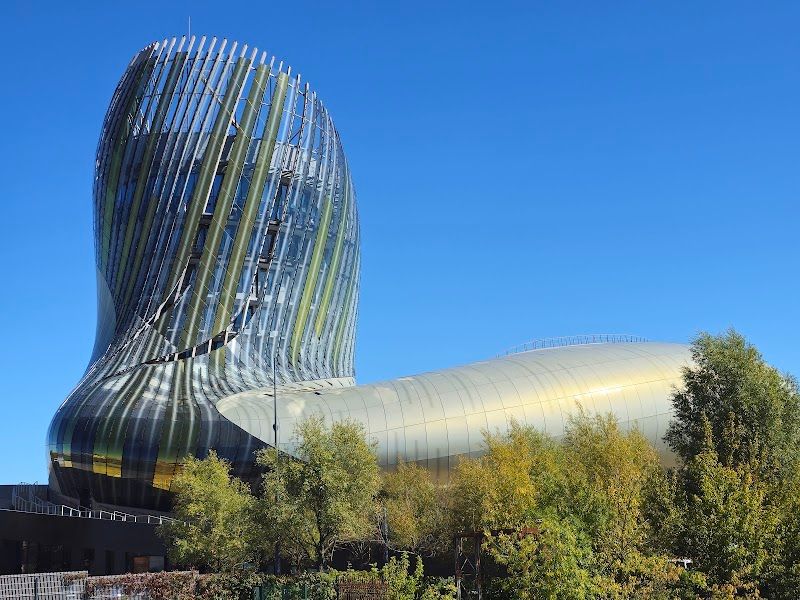
Yes, it's touristy, but the EUR 22 ticket includes access to the 8th floor tasting room with views over the Garonne, and the museum covers global wine culture, not just Bordeaux propaganda. You'll learn about Georgian qvevri and Austrian Gruner Veltliner alongside local appellations. The building looks like a wine decanter designed by aliens, which is either ridiculous or beautiful depending on your mood. Skip it if you only care about Bordeaux wine specifically, but it's worth it for context about where Bordeaux fits in the wine world.
Chartrons Wine Bars (Rue Notre-Dame Area)
This neighborhood has several wine bars with serious lists curated by people who taste wine for a living. Expect to pay EUR 12-25 per glass, but you're getting selections you won't find elsewhere, including older vintages and small-production wines. The crowd is a mix of wine trade professionals and serious enthusiasts, so conversations happen at a higher level than tourist bars. Le Bistrot du Sommelier and Wine More Time are both reliable choices if you want to taste something genuinely interesting rather than just checking appellations off a list.
Chateau Visits: The Practicalities
Most chateaux require advance booking, especially the famous names, and many charge EUR 15-50 for tastings that were free a decade ago. Saint-Emilion chateaux are the most visitor-friendly because the appellation has always marketed itself to tourists, while many Medoc properties still act like they're doing you a favor by letting you taste their wine. If you're driving yourself, take the D2 road through the Medoc, which hits Margaux, Saint-Julien, Pauillac, and Saint-Estephe in sequence. Book morning appointments because afternoon tastings get crowded with bus tours, and your palate is sharper before lunch anyway. Don't visit more than three chateaux in one day unless you want everything to taste the same by 4 PM.
Bordeaux Food Traditions
Bordeaux cooking comes from two traditions that still define local menus today. The Gascon influence brings duck, foie gras, and rich wine sauces from the inland countryside, while the Gironde river and Atlantic coast contribute oysters, lamprey, and fish dishes. This isn't refined Parisian cuisine but rather substantial regional food designed to pair with local wines. The cooking uses a lot of shallots, bone marrow, and wine reductions, and portions are sized for people who work outdoors. You'll find these dishes on bistro menus throughout the old town, and they taste exactly like what French grandmothers have been cooking for generations.
Canele Bordelais: The Real Story
Caneles were traditionally baked by nuns in the 18th century using copper molds and leftover egg yolks from wine clarification, which explains why they're so associated with Bordeaux wine culture. The copper conducts heat in a way that creates the signature caramelized exterior crust and custardy interior that's flavored with rum and vanilla. The shape comes from the fluted molds, and authentic caneles are only about 5cm tall. They should have a dark, almost burnt-looking exterior that cracks when you bite it, revealing a soft center that's barely set. Eat them within two hours of baking or don't bother, because the texture changes completely once they sit.
Where to Buy Caneles (And Where Not To)
Skip chain bakeries completely, though Baillardran is acceptable if you're desperate and they're still warm. The best caneles come from small bakeries in the market areas, particularly around Marche des Capucins and Marche Saint-Michel. Look for places that display their copper molds and can tell you when the current batch was baked. Patisserie Amandine and Patisserie des Chartrons both use traditional methods and copper molds. You'll pay EUR 2-3 each, and they should feel heavy for their size. If they're light or spongy, the bakery is using silicone molds and modern shortcuts that produce inferior results.
Entrecote Bordelaise: The Proper Version
This is ribeye steak served with a sauce made from bone marrow, chopped shallots, and Bordeaux red wine that's been reduced until it coats the back of a spoon. The sauce should taste rich and slightly metallic from the marrow, and the wine flavor should be concentrated but not acidic. Order it in a proper bistro in the old town where they make the sauce to order, not a brasserie that keeps it warm in a bain-marie. Budget EUR 20-30 for the main course, and expect the steak to arrive medium-rare unless you specify otherwise. The sauce is the point of the dish, so don't order it well-done or you'll miss why this preparation exists.
Arcachon Oysters: Eating Like a Local
Head to Marche des Capucins and order a dozen oysters with bread, butter, and shallot vinegar for EUR 8-12, then add a glass of Entre-Deux-Mers white wine from the same vendor. The oysters arrive already shucked on a bed of ice, and you eat them standing at communal tables with other shoppers and market workers. Don't add lemon unless you want to mark yourself as a tourist, the shallot vinegar is the traditional accompaniment and tastes better with the briny oysters. The Entre-Deux-Mers is crisp and mineral, designed specifically to pair with shellfish, and costs EUR 3-4 per glass. This is how Bordelaise people eat oysters, not in restaurants but in markets as a mid-morning snack.
Foie Gras in Bordeaux
On Bordeaux menus, foie gras appears as a starter, usually pan-seared and served with a sweet wine reduction or fruit compote. It's not presented as a luxury import but as a regional staple, which means portions are generous and prices are reasonable for what you're getting. Expect to pay EUR 18-25 for a proper serving, and it should arrive warm with a crispy exterior and creamy interior. The traditional pairing is Sauternes or another dessert wine, which cuts through the richness. Don't order it if you're planning to drink red wine with your main course, because foie gras will overwhelm your palate for the next hour.
Lamproie a la Bordelaise: An Acquired Taste
Lamprey in red wine sauce is available from October to April, and locals defend it fiercely despite its appearance as an eel-like creature that looks prehistoric. The sauce is similar to entrecote bordelaise but with the addition of the lamprey's blood, which gives it a darker color and metallic flavor that's definitely an acquired taste. You'll find it on traditional bistro menus for EUR 22-28, and it's worth trying once if you're adventurous, but don't expect to love it immediately. The texture is firm and slightly gelatinous, and the sauce is rich enough to overwhelm subtle flavors. Order it with a robust Bordeaux red that can match the intensity.
Restaurant Guidance by Neighborhood
Saint-Pierre (Old Town)
Traditional bistros serving entrecote bordelaise and lamproie in atmospheric stone buildings. Expect EUR 35-50 per person for three courses with wine. Le Petit Commerce specializes in seafood and serves excellent Arcachon oysters, while L'Entrecote serves the steak dish properly with hand-cut frites. These places fill up with locals at lunch, which is always a good sign.
Chartrons
Wine-focused restaurants with serious cellars and higher prices, EUR 50-80 per person. The neighborhood attracts wine professionals, so menus are designed around food and wine pairing. Garopapilles offers natural wines with modern French cuisine, while Le Chapon Fin is the old-school luxury option with classic preparations and a wine list that reads like a Bordeaux education.
Capucins Market Area
Casual spots near the market serving simple preparations of fresh ingredients, EUR 25-35 per person. This is where you go for oysters, caneles, and unpretentious bistro food. The restaurants change regularly, but look for places packed with market vendors and local workers at lunch. Quality is generally high because the ingredients are literally from next door.
Darwin/Bastide
Modern restaurants in converted industrial spaces, EUR 40-60 per person. The food tends toward contemporary French with international influences rather than traditional Bordeaux cuisine. Good for dinner if you want something different from classic preparations, but you won't learn much about local food culture. Magasin General offers decent cooking in an interesting converted warehouse space.
Ready to Visit Bordeaux?
Get a personalized itinerary tailored to your travel style and interests.
Plan Your Bordeaux TripMore Bordeaux Guides

2-3 Days in Bordeaux
The two-to-three day Bordeaux sequence: waterfront and old town on day one, Saint-Emilion by train on day two, Chartrons market and the Cite du Vin on day three.
12 min
First Time in Bordeaux: Everything You Need to Know
The practical first-timer's guide to Bordeaux: how to navigate the appellations, where to stay, how to reach Saint-Emilion, what to eat beyond wine, and the things that first-time visitors get wrong.
10 min