Budapest
Belváros (District V - Inner City)
The civic and commercial heart of Pest: the Parliament on the embankment, St Stephen's Basilica with its dome viewpoint, the Chain Bridge crossing to Buda, the grand cafés (Gerbeaud, Centrál), and the pedestrian shopping street Váci utca that's touristy but unavoidable.
About Belváros (District V - Inner City)
Belváros (literally "inner city") is Pest's downtown core and where 80% of first-time visitors stay. Its boundaries run from the Danube embankment east to Erzsébet körút, and from the Parliament building south to the Great Market Hall. Inside that rectangle: Hungary's neo-Gothic Parliament (1904, the third-largest parliament building in the world), St Stephen's Basilica (the dome viewpoint at 96 metres has the best central panorama in the city, €4 entry), Vörösmarty tér with the original Gerbeaud café (since 1858), the Chain Bridge connecting to Buda (1849, the city's symbol), and the Danube Promenade with views to Castle Hill across the river.
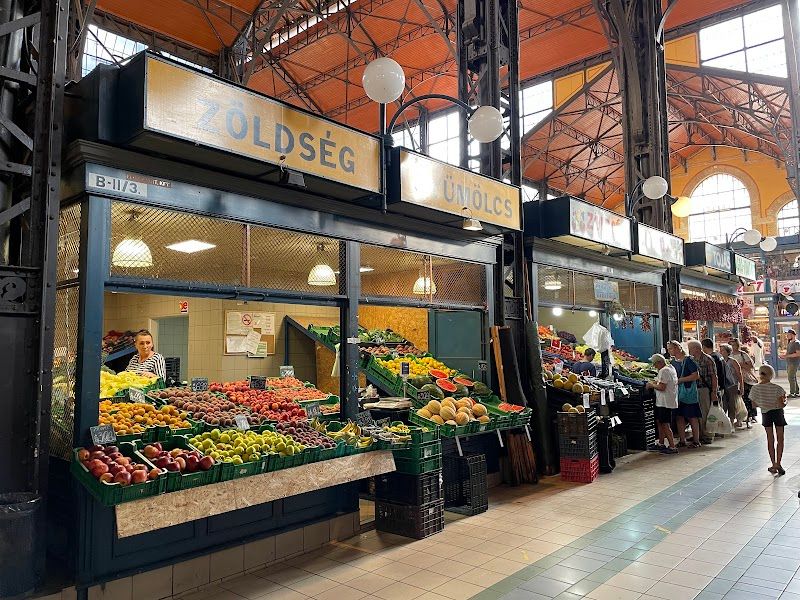
Váci utca is the main pedestrian shopping street - touristy, English-menus everywhere, prices 30-50% higher than equivalent venues two streets over. The Great Market Hall (Központi Vásárcsarnok) at the south end is the redemption: a vast 1897 iron-and-glass hall with butchers, paprika sellers, lángos stands upstairs, and fresh produce. Open Mon-Sat, closed Sundays. The October 6 utca area, just north of the basilica, is where locals actually drink - natural wine bars, cocktail spots, and bistros that don't print English menus.
Best for first-time visitors who want walkable access to everything. Trade-off: it's where prices are highest and where every river-cruise group converges 10am-4pm.
Things to Do
Top experiences in Belváros (District V - Inner City)
Great Market Hall
The Great Market Hall is Budapest's largest covered market, a magnificent iron and glass cathedral from 1897 that actually functions as a real market, not a tourist attraction pretending to be one. You'll find three floors of genuine Hungarian specialties: ground floor butchers selling Mangalica pork and kolbász, paprika vendors with authentic Kalocsa varieties, and pickle stalls that locals actually shop at. The upper floor serves proper lángos and houses souvenir stalls that beat the overpriced tourist traps on Váci utca. Walking through feels like entering a Victorian railway station filled with food instead of trains. The vaulted ceiling soars overhead while vendors call out prices in Hungarian, and the aroma shifts from fresh bread to smoked meats to paprika as you move between stalls. Upstairs, steam rises from the lángos griddles while tourists and locals queue together, and you can hear the sizzle of fresh dough hitting hot oil. The atmosphere stays authentically Hungarian despite the tour groups. Most guides don't mention that mornings are infinitely better than afternoons when tour buses arrive. The lángos stall on the right side upstairs (not the flashy ones with English signs) serves the real deal for 1,800 HUF with sour cream and cheese. Skip the lower level unless you need fish, and avoid any paprika vendor whose display screams at you in five languages. Genuine sweet rose paprika costs 1,200 to 2,400 HUF per 100g, and cash moves you faster through the meat lines.
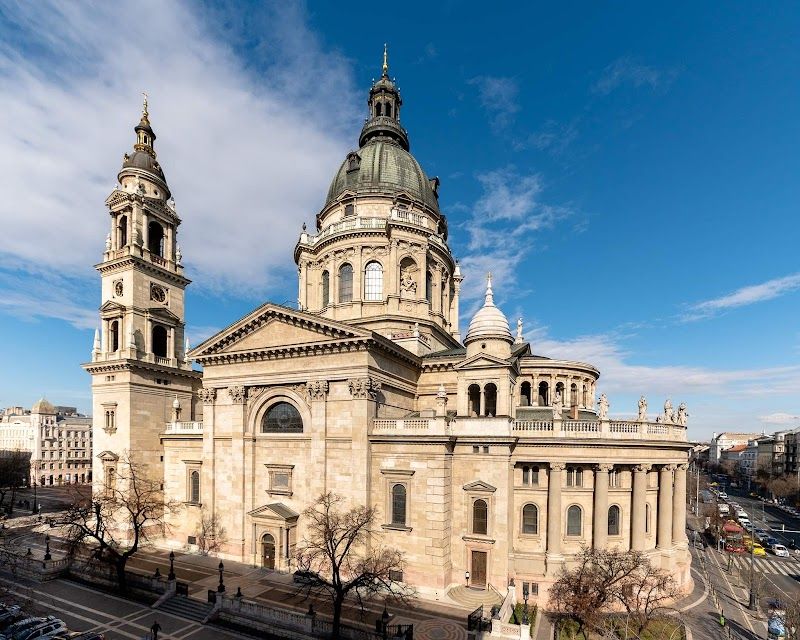
St Stephen's Basilica
St Stephen's Basilica is Budapest's largest church and Hungary's most important Catholic building, housing the mummified right hand of King Stephen I in a golden reliquary. The real draw is the 96-meter dome climb that delivers the best central panorama in Budapest, with Parliament to the north and Buda Castle across the Danube. You'll climb 137 steps from the upper landing (after taking the lift) for views that stretch across the entire city. Inside, the basilica feels surprisingly intimate despite its massive scale, with detailed mosaics and marble columns creating an almost theatrical atmosphere. The Holy Right chapel draws steady crowds of locals lighting candles, while tourists crane their necks at the ornate ceiling frescoes. The dome ascent involves a cramped spiral staircase that opens onto a narrow walkway circling the exterior, where wind whips through as you photograph the city sprawling below. Most guides oversell the interior artwork, which is impressive but not extraordinary by European cathedral standards. Skip the audio guide (overpriced at HUF 1,500) and invest that money in the dome climb instead (HUF 1,200, about EUR 3). The basilica itself is free, but they appreciate donations. Sunday morning services close tourist access until 1pm, so plan accordingly. The forecourt Christmas market from late November runs decent mulled wine at HUF 1,500 per cup.
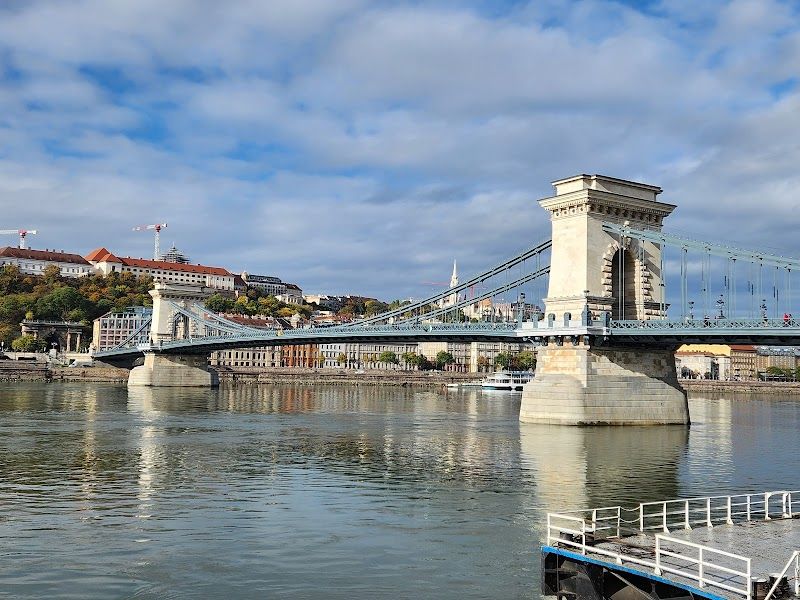
Chain Bridge
Chain Bridge spans the Danube as Budapest's first permanent connection between Buda and Pest, stretching 375 meters with nine elegant stone arches. You'll cross on dedicated pedestrian walkways alongside traffic, getting unobstructed views of Buda Castle rising dramatically to your left and Parliament's Gothic spires across the water. The four lion sculptures at each end (added in 1852) watch over the bridge, and yes, the sculptor really did forget to carve their tongues, making locals debate this oversight for over 170 years. Walking across takes about 8 minutes at a steady pace, though you'll stop constantly for photos. The bridge feels substantial under your feet, with thick stone balustrades and ornate ironwork that survived complete reconstruction after WWII bombing. Traffic flows steadily beside you, but the wide pedestrian areas keep you safely separated. The views change dramatically as you cross: Buda Castle dominates from the Pest side, while Parliament's symmetrical facade looks best from the Buda approach. Most visitors rush across during midday when harsh sunlight washes out photos and crowds clog the narrow spots near the lions. The bridge looks spectacular after dark with full illumination, but morning light (8-10am) gives you the clearest castle views without tour groups. Don't bother with the overpriced bridge merchandise sold by vendors, it's identical to what you'll find in any souvenir shop for half the price.
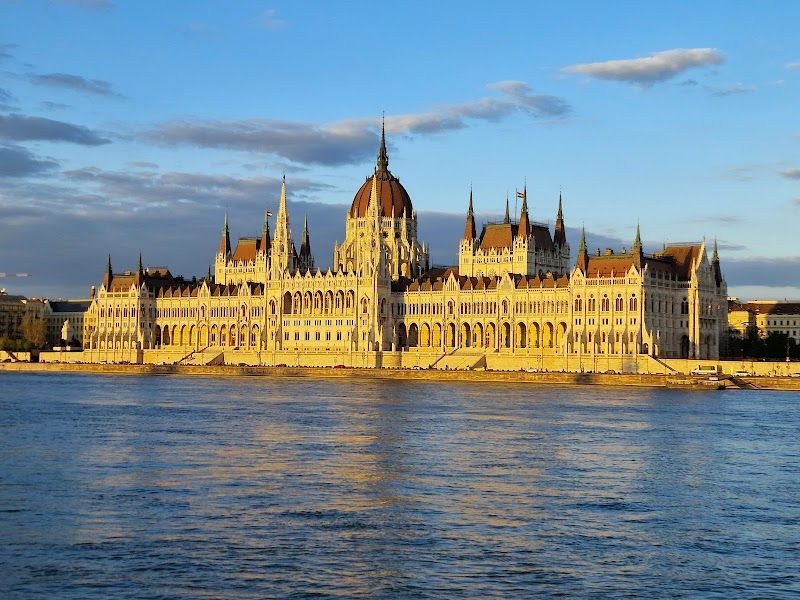
Hungarian Parliament Building
The Hungarian Parliament Building is Europe's third-largest legislative building, a Neo-Gothic masterpiece that took 17 years to complete in 1904. Your 45-minute tour covers the grand central staircase under Zsolnay ceramic decorations, the Holy Crown of St. Stephen in the dome hall (Hungary's actual crown jewels), and the ornate upper house chamber with its red leather seats and gilded ceiling. The building stretches 268 meters along the Danube, and its 96-meter dome matches St. Stephen's Basilica by deliberate design. Inside feels like walking through a palace rather than a government building. The main staircase with its red carpet and gold railings sets an imperial tone, while stained glass windows cast colorful light across marble columns. Your guide explains Hungarian history while you crane your neck at the intricate ceiling work. The crown jewels room is surprisingly intimate, and the upper chamber feels frozen in time with its original 1904 furnishings. Honestly, it's worth the 6,900 HUF for non-EU citizens (3,500 HUF for EU citizens). The exterior night photos everyone takes are better than the interior tour, but you can't see those crown jewels anywhere else. Book at jegymester.hu exactly three weeks ahead for summer visits, slots disappear fast. Skip the gift shop, it's overpriced postcards and magnets.
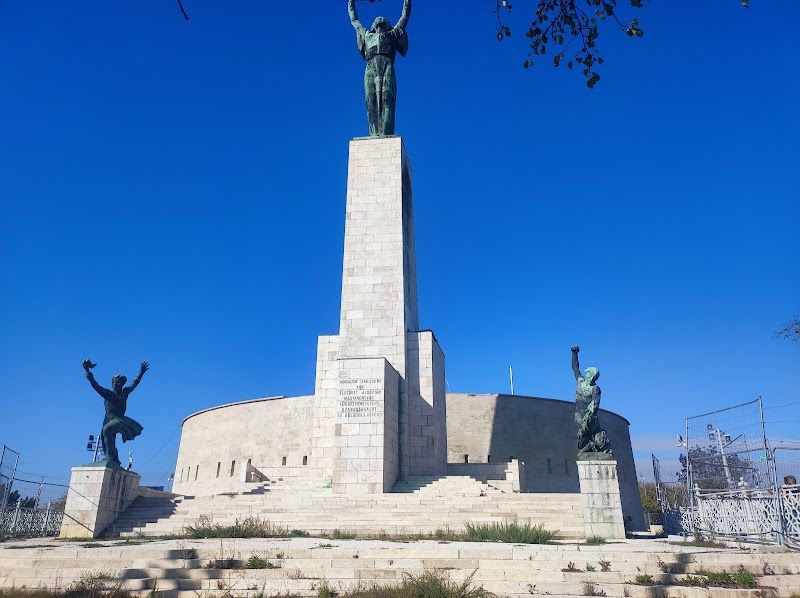
Citadella
The Citadella is a Habsburg fortress perched on Gellért Hill that the Austrians built specifically to intimidate Budapest after the failed 1848 revolution. You're climbing 235 meters above the Danube for sweeping views over both Buda and Pest, with the entire city sprawling below you. The fortress itself houses exhibition spaces (currently closed for renovation), but the real draw is walking the ramparts and soaking in those panoramic views that stretch to the Parliament building and beyond. The climb up is steep but manageable, taking about 15 minutes if you're reasonably fit. Once you reach the top, you can walk freely around the fortress walls, with the Liberty Statue towering nearby. The views change dramatically as you move around the perimeter: Parliament and the Chain Bridge from the north side, the sprawling Pest districts to the east, and Buda Castle complex to the northwest. Wind can be fierce up here, especially in winter, so dress accordingly. Most guidebooks oversell this as a historical attraction, but honestly, you're coming for the views, not the Habsburg history lesson. The interior exhibitions aren't worth waiting for when they reopen, and the fortress itself is fairly unremarkable architecture. Visit at sunset for the best light, but expect crowds then. Early morning around 8am gives you the clearest air and virtually no tourists, making it the smart choice if you want decent photos.
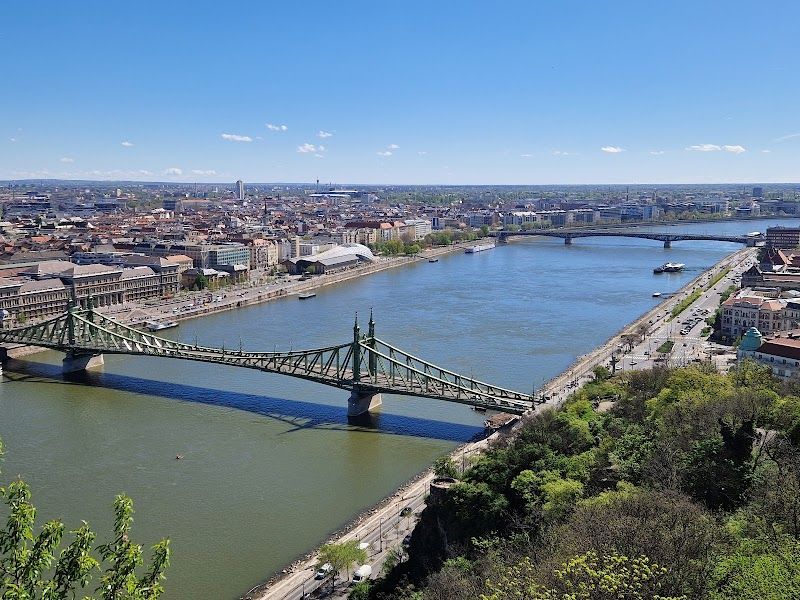
Gellért Hill
Gellért Hill rises 235 meters above the Buda side, offering Budapest's best panoramic views without paying castle prices. You'll climb through quiet forest paths to reach the Citadella fortress and Liberty Statue at the summit, where the entire city spreads below you. The view captures Parliament's Gothic spires, the Chain Bridge's graceful spans, and the geometric grid of Pest stretching to the horizon. The 30 minute climb starts gently on paved paths before switching to gravel switchbacks through oak and beech forest. You'll pass the Cave Church carved into the hillside, then emerge at the fortress walls where the city suddenly unfolds in all directions. The terrace stays busy but never feels cramped, and there's something mesmerizing about watching the Danube curve through the urban landscape below. Most guides push the Citadella museum inside the fortress, but it's genuinely terrible: dusty displays and overpriced souvenirs for 1,500 HUF. The free terrace delivers everything you came for. Skip the restaurant too, it's tourist trap pricing with mediocre food. Come for sunset when Parliament's dome glows golden and the bridges light up, that's when you'll understand why locals still climb this hill after living here for decades.
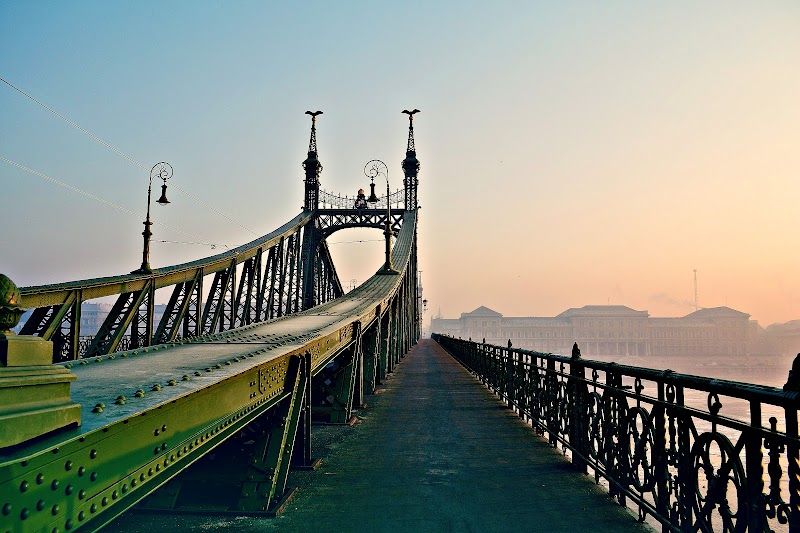
Liberty Bridge
Liberty Bridge spans the Danube in elegant Art Nouveau style, its green ironwork and bronze Turul birds making it Budapest's most photogenic river crossing. You'll walk across 333 meters of restored 1896 engineering while those four mythical Hungarian birds on golden spheres watch from their perches at each end. The bridge connects Gellért Hill's thermal baths with the Great Market Hall, so you're perfectly positioned to hit Budapest's best experiences on both sides. Walking across feels like stepping through a green metal cathedral, with the ironwork creating geometric patterns overhead and the Danube flowing 20 meters below. Trams rumble past regularly on the center tracks, their yellow cars adding movement to your photos. The pedestrian walkways offer unobstructed views up and down the river, with Parliament's dome visible upstream and the Gellért Hotel's grand facade dominating the Buda side. Most people rush across without noticing the intricate metalwork details or the small plaques explaining the bridge's reconstruction after WWII bombing. The morning light hits the green paint beautifully, while sunset creates dramatic shadows through the ironwork. Skip the crowded Chain Bridge viewpoints and use this as your Danube photo spot instead, it's far less touristy and the architecture is more interesting.
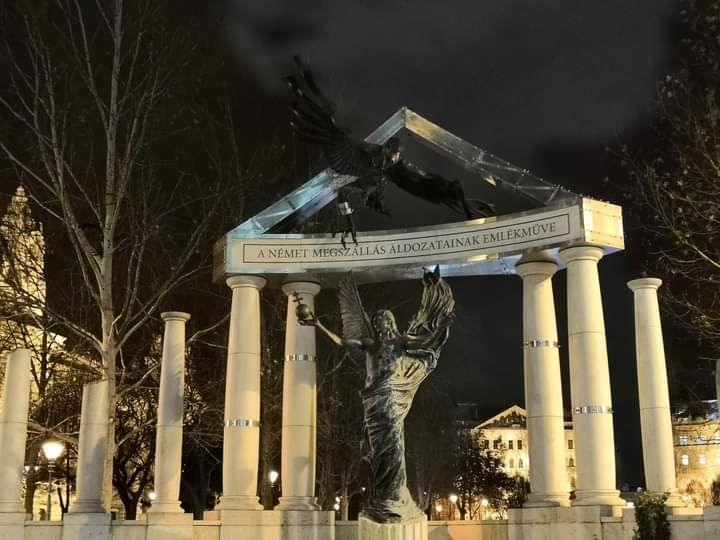
Liberty Square
Liberty Square sits at the heart of Budapest's political center, surrounded by the Hungarian National Bank's imposing facade, the US Embassy, and Hungarian Television headquarters. You'll find two starkly different monuments here: the Soviet War Memorial from 1945 (now behind protective glass after repeated vandalism) and the 2014 Memorial to Victims of German Occupation. The square's wide, tree-lined space makes it feel more like a formal government plaza than a typical European square, but that's exactly what gives it character. Walking through feels like navigating Hungary's complex 20th century history in real time. The Soviet monument dominates the southern end with its towering obelisk and relief sculptures, while protesters often leave flowers and signs nearby. The newer German occupation memorial at the north end draws its own controversies, with counter-memorials placed by locals who dispute its historical interpretation. Office workers from surrounding buildings cut through constantly, giving the space an oddly normal feeling despite the heavy historical weight. Most guides make this sound more dramatic than it actually is. The monuments are interesting for about 10 minutes each, but the real appeal is understanding how Hungarians still grapple with their past. Skip this if you're short on time and prioritizing traditional sightseeing. The area works best as a quick stop while walking between Parliament and the Danube, not as a destination itself.
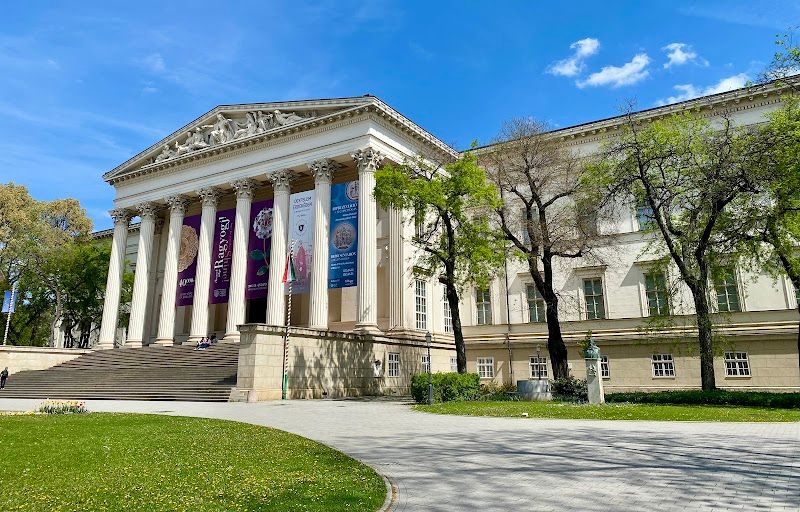
Hungarian National Museum
Hungary's largest historical museum tells the nation's complete story from Stone Age settlements through communist collapse in 1989. The star attraction is the coronation mantle of St. Stephen, a 1,000-year-old silk masterpiece with gold embroidery that's genuinely breathtaking up close. You'll also see reproductions of the Holy Crown jewels, Roman artifacts from Pannonia, and an entire floor dedicated to the Ottoman occupation period. The experience flows chronologically through grand neoclassical halls with marble columns and painted ceilings. Most visitors rush through the prehistoric sections, but the medieval galleries slow everyone down with their intricate religious artifacts and illuminated manuscripts. The communist-era exhibit on the top floor feels surprisingly raw and unfiltered, displaying propaganda posters alongside personal stories of life under Soviet rule. The building itself survived WWII bombing and still bears scars you can spot if you look carefully. At HUF 1,600, this is Budapest's best museum bargain, though most guidebooks don't mention how exhausting it becomes after 90 minutes. Skip the natural history wing entirely unless you're obsessed with stuffed animals in dusty cases. The medieval and revolution periods deliver the most impact, while the ancient Roman section feels repetitive if you've visited other European museums. Audio guides cost extra HUF 800 but they're worth it for the coronation mantle alone.
Where to Eat
Restaurants and cafes in Belváros (District V - Inner City)
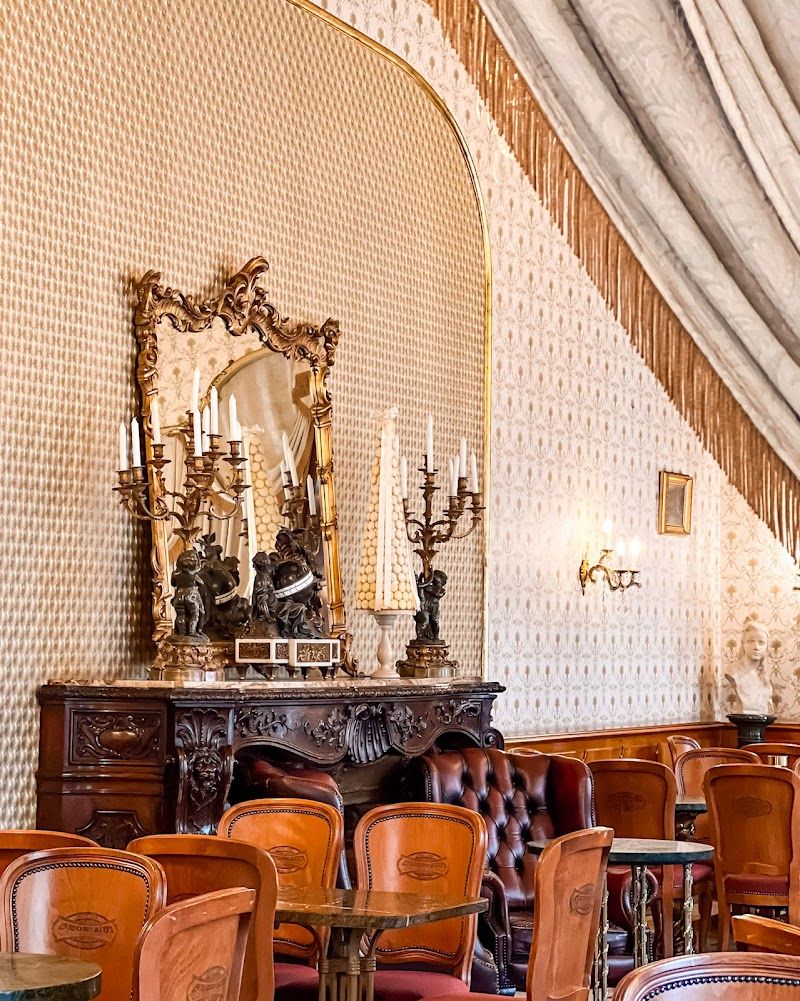
Café Gerbeaud
RestaurantGerbeaud is Budapest's grand dame of coffee houses, operating continuously since 1858 in a Habsburg-era palace on Vörösmarty Square. You'll sit beneath crystal chandeliers at marble-topped tables while waiters in traditional attire serve coffee from silver trays. The original Gerbeaud slice (layered walnut sponge with apricot jam and chocolate) was invented here and remains the signature dessert. This isn't just a café, it's a living museum of Austro-Hungarian coffee culture. The moment you step inside, the marble columns and gilt mirrors transport you to imperial Vienna. Service moves at 19th-century pace, which is entirely intentional. You're expected to linger over your melange coffee and sachertorte while reading newspapers or people-watching through tall windows. The atmosphere shifts dramatically between the bustling front rooms facing the square and the quieter back salons where locals prefer to sit. Most tourists order the famous Gerbeaud slice (2,800 HUF), but honestly, it's overly sweet and dense. The Dobos torte (2,200 HUF) is much better, and their simple apple strudel (1,900 HUF) beats the flashier options. Coffee runs 1,500-2,200 HUF. Skip the front terrace seating, it's purely for Instagram. The real experience happens in those back rooms where you can actually hear yourself think.
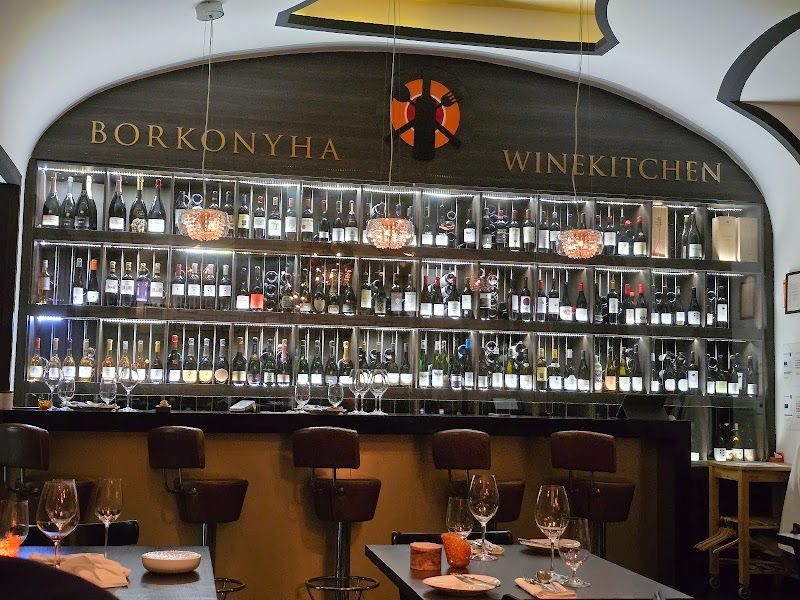
Borkonyha Winekitchen
RestaurantChef Ákos Sarkozi's Michelin-starred kitchen transforms Hungarian comfort food into something you've never tasted before. He takes dishes your Hungarian grandmother might recognize, like duck leg with cabbage or Lake Balaton pike-perch, and rebuilds them with French techniques and obsessive attention to seasonal ingredients. The wine program focuses exclusively on Hungarian producers, including natural wines from volcanic Somló and aged Tokaji that costs more per glass than most restaurant meals. You're paying for innovation that actually respects tradition rather than ignoring it. The dining room feels intimate with just 12 tables, housed in a restored townhouse with exposed brick and understated lighting. Service moves at a measured pace over 2.5 hours, with servers explaining each dish's Hungarian roots before you taste Sarkozi's interpretation. The kitchen operates like theater, visible through glass, where every plate gets assembled with tweezers and paintbrush precision. You'll watch other diners photograph every course, but the flavors demand your full attention. Most reviews overhype the creativity and undershoot the price reality. The 5-course tasting menu costs HUF 32,000 without wine pairings, which add another HUF 18,000. Skip the à la carte unless you're sharing, portions are tiny and prices climb fast. Book exactly three weeks ahead online, they release tables in monthly batches. The lunch menu offers similar quality for HUF 24,000, though you lose some evening atmosphere.
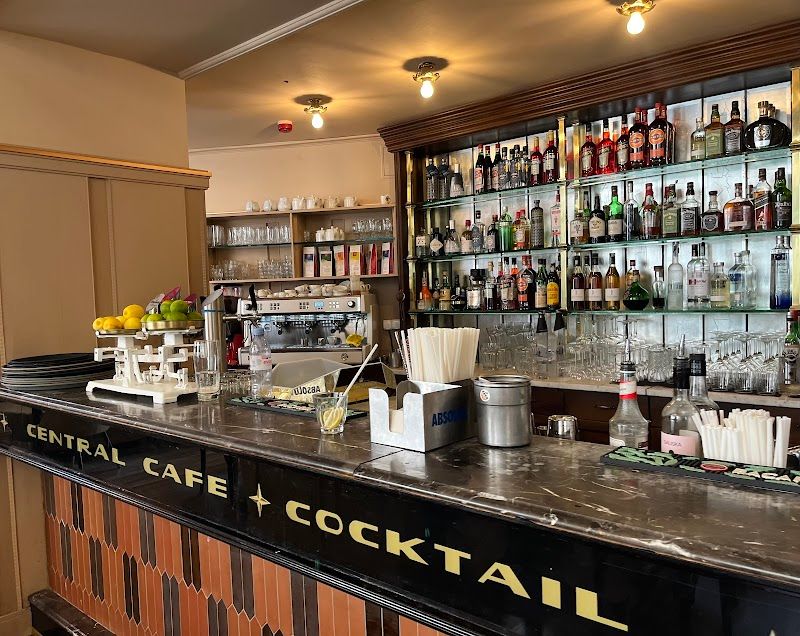
Centrál Kávéház
CafeCentrál Kávéház has been Budapest's intellectual headquarters since 1887, where writers like Endre Ady and journalists from Népszava newspaper actually worked daily. The original wooden furniture, marble-topped tables, and crystal chandeliers remain untouched, creating an authentic period atmosphere that feels lived-in rather than staged. You'll find locals typing on laptops alongside tourists snapping photos, making this one of the few historic cafés that still functions as a genuine workspace. The moment you step inside, you're surrounded by the gentle clatter of coffee cups, whispered conversations in Hungarian, and the rustle of newspapers. Unlike the tourist-focused Gerbeaud, this feels like a working café where intellectuals still gather. The waiters move efficiently between closely-spaced tables, delivering expertly pulled espressos and flaky kürtőskalács pastries. The afternoon light streams through tall windows, illuminating dust motes and creating that perfect Central European café ambiance. Most guides underestimate the food quality here, but the lunch menu (HUF 2,500-4,500) rivals many restaurants. Skip the overpriced breakfast pastries and come for their excellent goulash or schnitzel instead. Coffee runs HUF 800-1,200, reasonable for the location and quality. The Wi-Fi actually works, so don't feel guilty about settling in for hours like the regulars do.
Espresso Embassy
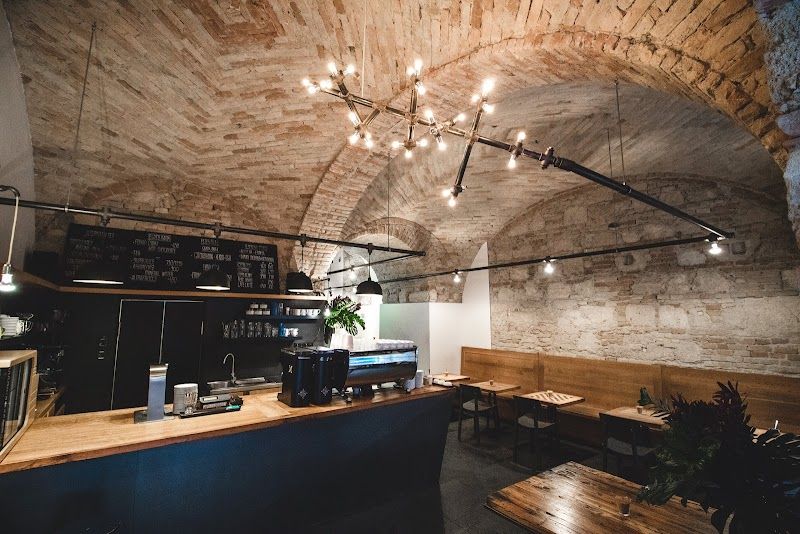
CafeEspresso Embassy occupies a sleek corner space on Arany János Street, where Budapest's most serious coffee professionals gather for their daily ritual. You'll find meticulously sourced single-origin beans from rotating farms, prepared by baristas who can explain terroir like sommeliers discuss wine. The space feels deliberately minimal: concrete floors, exposed brick, industrial lighting, and zero distractions from the coffee itself. No elaborate breakfast menu or Instagram-bait desserts, just exceptional flat whites (HUF 1,200) and pour-overs that justify the reputation. The counter dominates the narrow interior, where you'll watch baristas work with precision scales and temperature-controlled kettles. Morning regulars include local roasters, cafe owners, and developers from nearby offices, creating an atmosphere that's focused but friendly. The espresso machine hisses constantly, filling orders for cortados and cappuccinos while filter coffee drips slowly into glass vessels. You can sit at the few window seats or take your drink to the small outdoor tables when weather permits. Most coffee guides miss that this isn't a lingering spot, it's a pilgrimage site for serious caffeine devotees. Skip the weekend crowds when casual visitors slow down service, instead visit weekday mornings between 8-10am when the pros come through. The single-origin espressos change weekly and cost HUF 800-900, but they're worth trying over standard blends. Don't expect wifi or laptop-friendly vibes, this place prioritizes turnover and coffee quality above coworking convenience.
Kispiac Bisztró
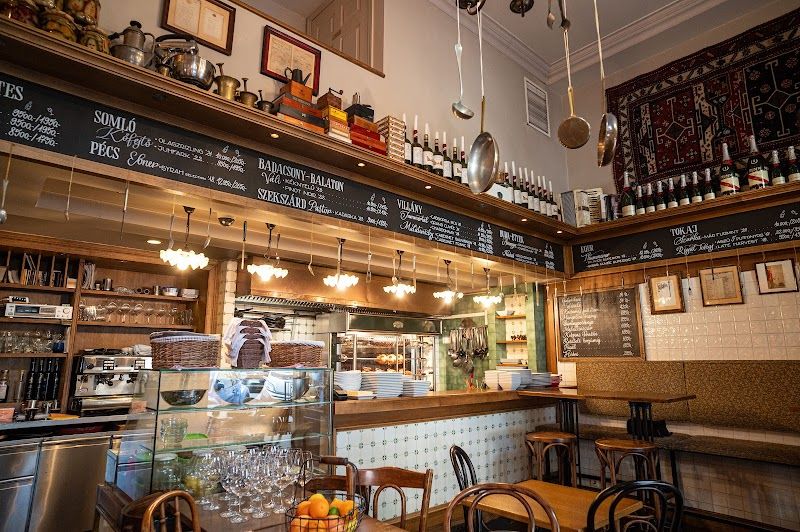
RestaurantKispiac Bisztró operates exactly like a proper neighborhood restaurant should: no English menu hanging outside, no photos of goulash in the window, just locals queuing for lunch specials under HUF 3,000. The kitchen builds its weekly menu around whatever looks best at Hold utca market that morning, so you'll find seasonal Hungarian dishes that most tourist restaurants wouldn't bother with. Chef Zoltán treats vegetables like they matter, which is refreshingly rare in Budapest's meat-heavy dining scene. The dining room feels like eating in someone's slightly cramped living room, with mismatched chairs and tables packed close enough that you'll overhear conversations in three languages. Service moves at Hungarian pace: slow, deliberate, and utterly unbothered by your schedule. The daily specials get scrawled on a small chalkboard in Hungarian only, and the server will patiently explain each dish if you ask. You'll sit elbow to elbow with office workers, university professors, and the occasional food-savvy tourist who stumbled in by accident. Most food guides miss this place entirely, which keeps prices honest and the atmosphere authentic. Skip dinner unless you speak Hungarian; lunch is when they shine with the napi menü at HUF 2,400 for soup and main. The weekend crowd shifts more international, so weekday lunch gives you the real experience.
Mák Bistro
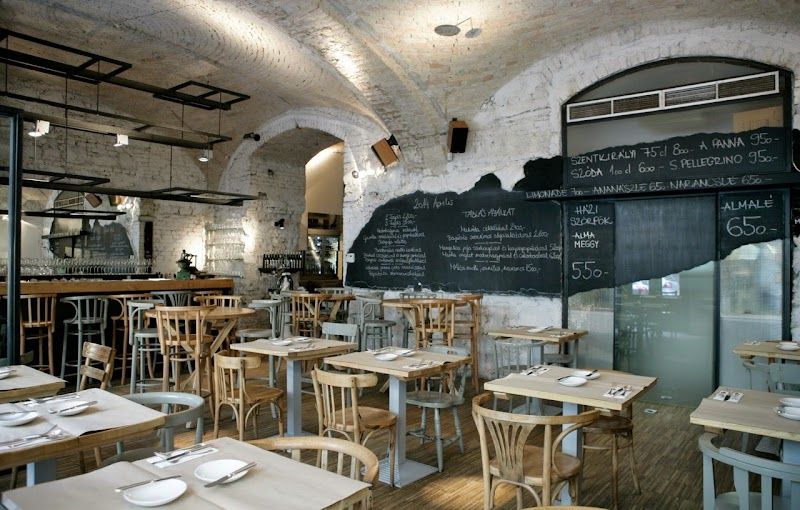
RestaurantMák Bistro occupies a sleek corner space just steps from St. Stephen's Basilica, where chef Tamás Széll applies precise French techniques to Hungary's best seasonal ingredients. You'll taste foraged mushrooms from the Bükk Mountains, heritage tomatoes from small Danube farms, and game that arrives daily from local hunters. The seven course tasting menu changes monthly, but expect dishes like wild boar with fermented elderberry or pike perch with grape must foam. Each course comes with Hungarian wine pairings that'll make you forget about international bottles. The dining room feels intimate with just 28 seats, warm lighting bouncing off exposed brick walls and copper accents. Service moves at a civilized pace over 2.5 hours, with servers explaining each ingredient's origin story. You'll watch the open kitchen team plate with tweezers while classical music plays softly. The wine pairings arrive in proper Riedel glasses, and the sommelier genuinely loves talking about obscure Hungarian producers from Somló and Tokaj regions. The tasting menu costs 32,000 HUF with wine pairings adding 18,000 HUF, making this Budapest's priciest dinner but worth every forint. Skip the à la carte options, they're underwhelming compared to the tasting menu's creativity. Book three weeks ahead for weekend slots. The lunch menu offers similar quality at 24,000 HUF if you want the experience without the full commitment.
Getting Here
Insider Tips
Parliament tour booking
Tours run in 15+ languages and sell out 2-3 weeks ahead in summer. Book at jegymester.hu - €11 EU, €22 non-EU, free for EU students. 45-minute guided visit including the central staircase and the Holy Crown of St Stephen. The exterior at night (illuminated by 250 lights) from the Buda side is the iconic Budapest photograph.
St Stephen's Basilica dome
The dome viewpoint at 96 metres ties the height of Parliament - by law, no Budapest building exceeds 96m. €4 entry, lift up + 137 steps from the upper landing. Best at sunset for the orange light on Castle Hill across the river. The basilica itself is free; you only pay for the dome.
Great Market Hall etiquette
Ground floor: butchers, produce, paprika (the genuine sweet rose paprika is what to bring home - €3-6 for 100g). Upstairs: hot food. The lángos stand to the right of the main staircase is the locals' choice - large with sour cream + cheese is HUF 1,800 (~€4.50). Avoid the stalls labeled in 5 languages with photos; they're the worst-quality. Closed Sundays. Cash speeds things up at meat counters.
Nearby Neighborhoods
Continue exploring
Castle District (District I - Várnegyed)
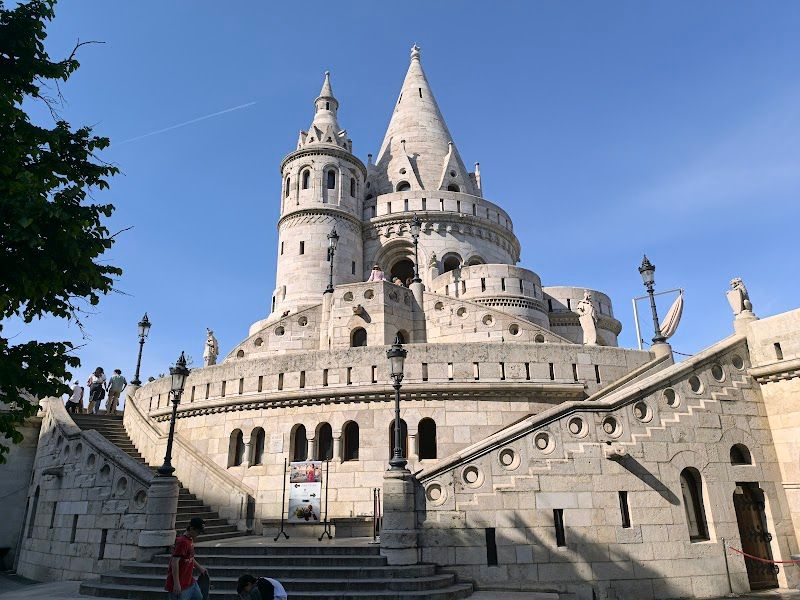
The medieval hilltop on the Buda bank: the rebuilt Royal Palace housing the National Gallery, Matthias Church's tiled roof, Fisherman's Bastion's storybook white turrets with the best Pest panorama, cobblestone backstreets where (almost) nobody lives.
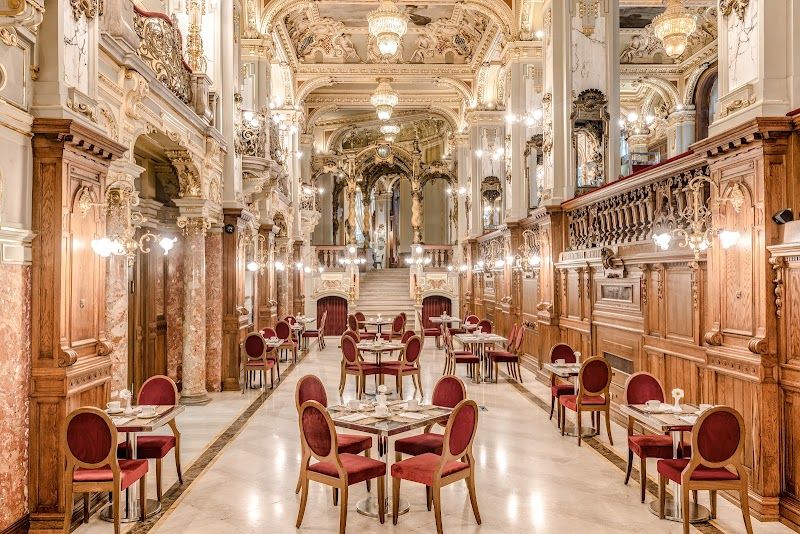
Jewish Quarter (District VII - Erzsébetváros)
The historic Jewish Quarter: the Great Synagogue (Europe's largest), kosher delis, the world's most photographed ruin bar (Szimpla Kert), street-food stalls at Karaván, and the city's densest concentration of bars and late-night eating. Quiet and somber by day, packed and loud by night.
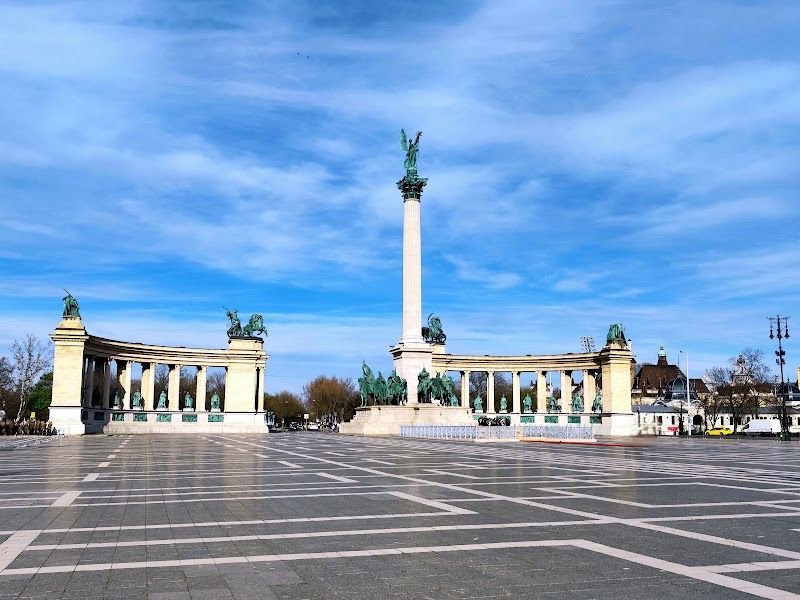
City Park (District XIV - Városliget)
The 100-hectare city park at the end of Andrássy Avenue: Heroes' Square with its bronze chieftains, the Vajdahunyad Castle on its lake, the Széchenyi thermal baths' yellow neo-Baroque palace, the renovated Museum of Fine Arts, and the new House of Music. Half a day minimum; a full day if you bath.
Related Articles

What Food is Budapest Famous For: 12 Must-Try Hungarian Dishes
Budapest food is known for hearty goulash, paprika-spiced dishes, and sweet lángos. Discover 12 essential Hungarian specialties that locals actually eat.
Central Market Hall Budapest: Complete Guide to Hungary's Most Famous Food Market
The Central Market Hall is Budapest's food shopping headquarters. Here's what to buy, when to visit, and how to navigate this 19th-century market like a local.
Plan a trip featuring Belváros (District V - Inner City)
Get a personalized Budapest itinerary with Belváros (District V - Inner City) built in.
Start Planning