Budapest
Castle District (District I - Várnegyed)
The medieval hilltop on the Buda bank: the rebuilt Royal Palace housing the National Gallery, Matthias Church's tiled roof, Fisherman's Bastion's storybook white turrets with the best Pest panorama, cobblestone backstreets where (almost) nobody lives.
About Castle District (District I - Várnegyed)
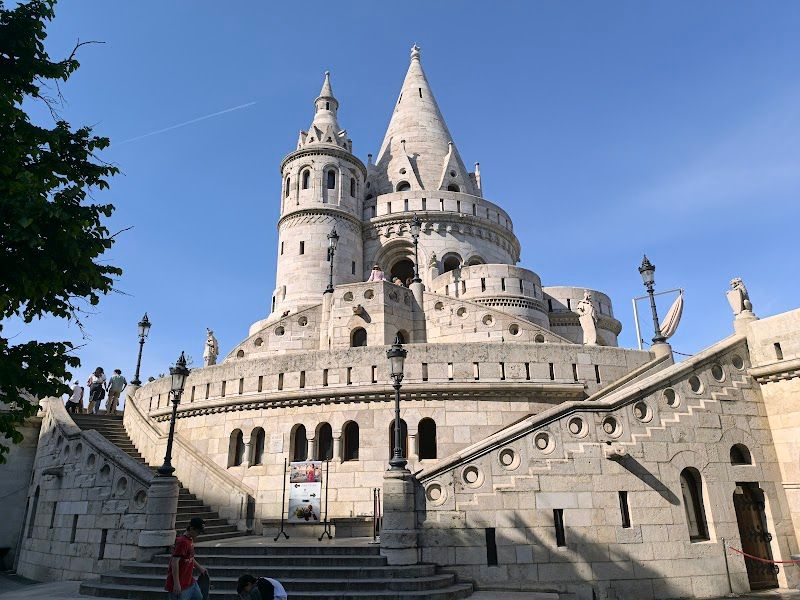
The Castle District (Várnegyed, "castle quarter") sits 170 metres above the Danube on Várhegy (Castle Hill), the limestone ridge that rises sharply from the Buda riverbank. UNESCO-listed since 1987. The district has three anchors: Buda Castle (the rebuilt Royal Palace, now housing the Hungarian National Gallery and the Budapest History Museum), Matthias Church (a 13th-century coronation church with Zsolnay-tile roof and Gothic interior), and Fisherman's Bastion (a 1902 neo-Romanesque viewing platform with seven white-stone turrets and the most photographed view of Pest across the river).
The northern half of the district is the residential medieval quarter: cobblestone lanes (Úri utca, Országház utca, Tárnok utca), painted Baroque townhouses, and surprising small museums (Museum of Music History, Hospital in the Rock, an underground hospital + bunker complex). It's remarkably empty in the morning before the tour-bus crowds arrive (~10:30 AM); arrive at 8:30 to walk the lanes alone.
Getting up: the Castle Hill Funicular from Clark Ádám tér (HUF 1,400 / €3.50 one-way), the free castle bus 16/16A from Széll Kálmán tér or Deák Ferenc tér, or the climb up the Király lépcső steps (15 minutes, free, scenic). Best as a half-day visit; the eastern Fisherman's Bastion section is the must-do, the western half rewards another half-hour for the streets and a drink at Ruszwurm (Hungary's oldest confectioner, since 1827).
Things to Do
Top experiences in Castle District (District I - Várnegyed)
Fisherman's Bastion
Fisherman's Bastion is a neo-Romanesque viewing terrace that looks like a fairytale castle but was actually built in 1902 as decorative window dressing for Castle Hill. Seven white stone turrets represent the seven Magyar tribes who founded Hungary, and the whole thing frames Matthias Church perfectly. You're here for one reason: the postcard perfect view across the Danube to Parliament, which you can get from both the free lower terraces and the paid upper section. The experience feels surprisingly theatrical, with tourists posing against the ornate stone balustrades while the Danube glitters below. Morning light hits Parliament beautifully from this angle, making the building's Gothic Revival spires glow golden. The upper terraces add maybe 10 meters of height but the view is essentially identical to what you get for free. Tour groups cluster around the central turrets, but the side sections offer the same panorama with breathing room. Here's what most guides won't tell you: the upper terraces cost HUF 1,500 but only from 9 AM to 7 PM in season, so you can access everything for free early morning or evening. The coffee at Walzer cafe costs double what you'd pay downtown, but you're paying for the turret views. Skip the souvenir stalls completely, they're overpriced tourist traps.
Buda Castle
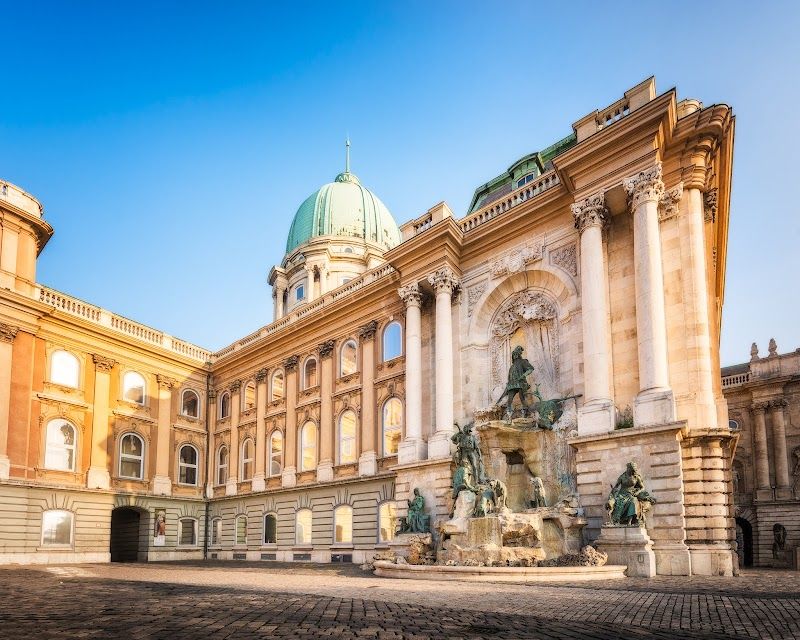
Buda Castle sits on Castle Hill like a massive Baroque wedding cake, but don't be fooled by the pretty exterior: this is a 1960s reconstruction after WWII bombing flattened the original. What makes it worthwhile are the two museums inside and the spectacular Danube views from the terraces. The Hungarian National Gallery fills the main wings with centuries of local art, while the Budapest History Museum hides genuine medieval royal chambers deep underground, complete with Gothic stone carvings and original frescoes. You'll spend most of your time wandering between museum wings and courtyards, with the castle's sheer size becoming apparent as you navigate multiple levels and staircases. The outdoor terraces offer sweeping views across the Danube to Parliament, especially gorgeous at sunset when the river turns golden. Inside, the medieval ruins feel authentically ancient compared to the rebuilt palace above, like discovering a secret basement in a modern hotel. Most visitors rush through both museums in an hour, but the underground medieval sections deserve 90 minutes alone. Skip the National Gallery unless Hungarian art genuinely interests you (HUF 3,400 feels steep for regional pieces). The courtyards and terraces are free 24/7 and honestly provide 80% of the castle experience. Take bus 16 instead of the overpriced funicular (HUF 1,400 one way) unless you're feeling romantic.
Matthias Church
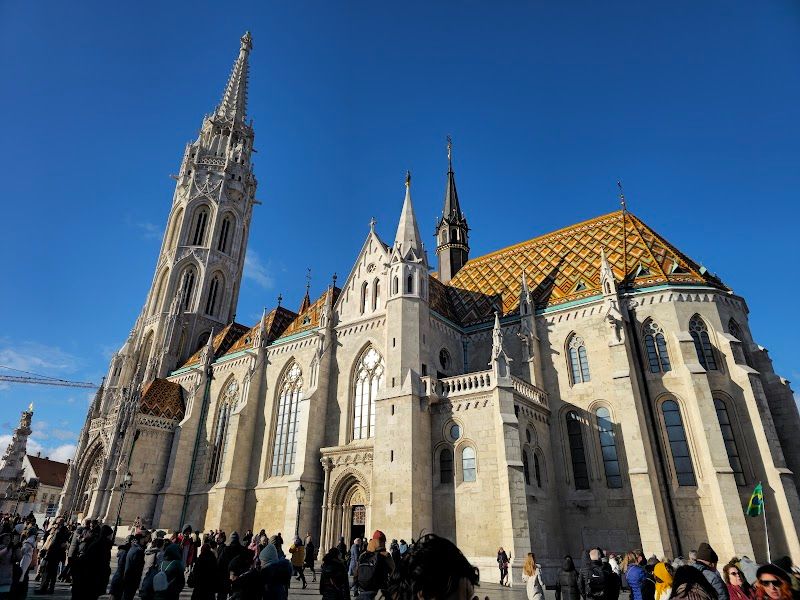
Matthias Church is where Hungarian kings got crowned for centuries, and the current Neo-Gothic building from the 1890s is genuinely spectacular. You'll see late-medieval frescoes restored in saturated reds and golds (locals call it the "Hungarian Sistine"), soaring Gothic stone arches, and a replica of the actual coronation throne. The Zsolnay-tile roof with its diamond patterns catches light beautifully from inside, and the small upstairs museum covers the church's royal history. Walking in feels like stepping into a jewel box. The colors hit you immediately: deep crimsons, rich golds, and intricate geometric patterns covering every surface. The acoustics are incredible, which you'll notice if you catch the Sunday morning Mass with full choir. Most visitors spend time photographing the ornate interior (flash photography isn't allowed), then climb to the museum level for better views of the nave and historical artifacts. Entry costs HUF 2,500 and includes the museum upstairs, which most people skip but shouldn't. The church closes for weddings, usually Saturday afternoons, so check before you go. Skip the overpriced audio guide and instead time your visit for the 10 AM Sunday Mass when the choir performs, it's free and genuinely moving. The location next to Fisherman's Bastion means you can easily combine both in one morning.
Margaret Bridge
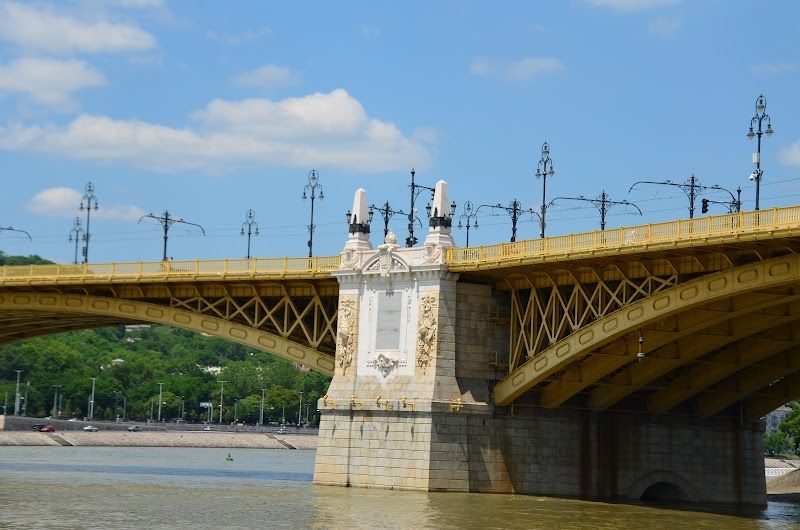
Margaret Bridge is Budapest's only Y-shaped bridge, splitting in the middle to connect both sides of the Danube with Margaret Island. Built in 1876 by French engineer Ernest Goüin, it got its distinctive third arm in 1900 when they added the island branch. You'll ride trams 4 and 6 across it, making this the only bridge in Budapest with regular public transport rumbling overhead. The views stretch from Parliament to Buda Castle, and the island access makes it a natural gateway to Budapest's best park. Walking across feels different from other Budapest bridges because of the constant tram traffic above and the unusual split structure. The iron framework creaks slightly as trams pass, and you'll hear the distinctive ding of the old Soviet-era vehicles. Halfway across, you can branch off to Margaret Island or continue straight to the other side. The pedestrian walkways run alongside the tram tracks, so you're always aware of the bridge's working nature rather than just its tourist appeal. Most people just rush across without stopping, but the middle section offers the best Parliament photos without the crowds at Chain Bridge. The tram ride costs 350 HUF and gives you the views without the walk, though you'll miss the perspective changes as you approach the island split. Skip coming here specifically for sunset, the western orientation means you're shooting into harsh light. The bridge works best as transport rather than destination.
Memento Park
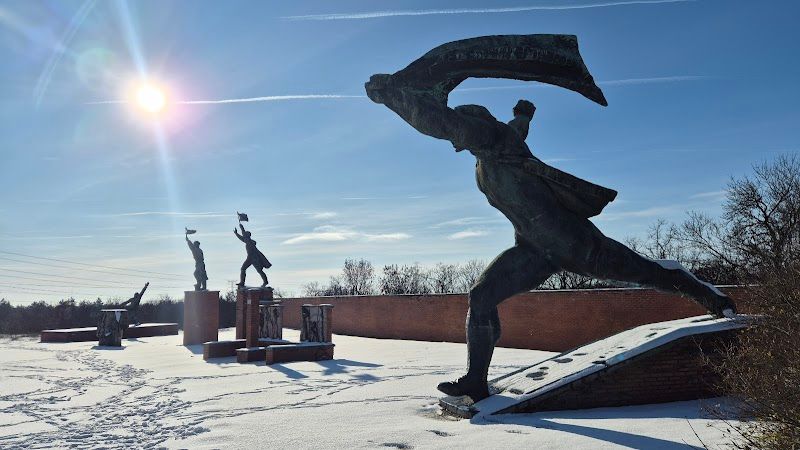
Memento Park houses 42 Communist statues that once dominated Budapest's streets and squares, removed after 1989 and relocated to this open-air graveyard of ideology. You'll walk among towering Lenin and Marx monuments, heroic Red Army soldiers frozen mid-stride, and a replica of the Stalin Grandstand where the dictator once reviewed parades. The collection reads like a greatest hits of Socialist Realist art, complete with original pedestals and plaques that take themselves very seriously. The park feels deliberately awkward, designed by architect Ákos Eleőd to showcase these monuments without glorifying them. You'll meander along curved paths past oversized bronze workers raising hammers and mothers cradling socialist children, while classical music plays from hidden speakers. The visitor center's 20-minute documentary about secret police surveillance techniques is genuinely chilling, featuring actual footage of agents training to tail suspects. There's also a bright yellow Trabant car for photos that everyone seems to love. Most guides oversell this as essential Budapest viewing, but honestly, 90 minutes is plenty unless you're deeply into Cold War history. The statues start looking repetitive after the first few giants, and the HUF 1,500 entry fee feels steep for what amounts to a sculpture garden with political context. Skip the overpriced cafe and bring water. The gift shop's Communist kitsch (HUF 500-3,000) is either hilarious or deeply tasteless, depending on your perspective.
Where to Eat
Restaurants and cafes in Castle District (District I - Várnegyed)
Getting Here
Insider Tips
Beat the crowds at Fisherman's Bastion
The upper terraces of Fisherman's Bastion are paid (HUF 1,500 / €4) from 9 AM to 7 PM. The lower terraces are always free and have an equivalent view. Visit before 9 AM (free, almost empty, golden morning light on the Parliament across the river) or after 7 PM (free, sunset). Avoid the 11 AM - 3 PM tour-bus window.
Funicular vs walk vs bus
The 1870 funicular (Sikló) up Castle Hill is the iconic option - 95 seconds, HUF 1,400 (€3.50) one-way. Bus 16/16A from Deák Ferenc tér is free with a transit pass and the easiest with kids/bags. The 15-minute climb up Király lépcső steps is free, scenic, and starts a block from the funicular base. We recommend the funicular up + walk down through the Vízivaros (water town) lanes.
Ruszwurm coffee house (since 1827)
Hungary's oldest still-operating confectioner, on Szentháromság utca two minutes from Matthias Church. Six tables. The Ruszwurm cream cake is the house pastry (HUF 950 / €2.50). Espresso HUF 600 / €1.50. Cash only. Always a small queue; usually 10-15 minutes. Worth it.
Nearby Neighborhoods
Continue exploring
Belváros (District V - Inner City)
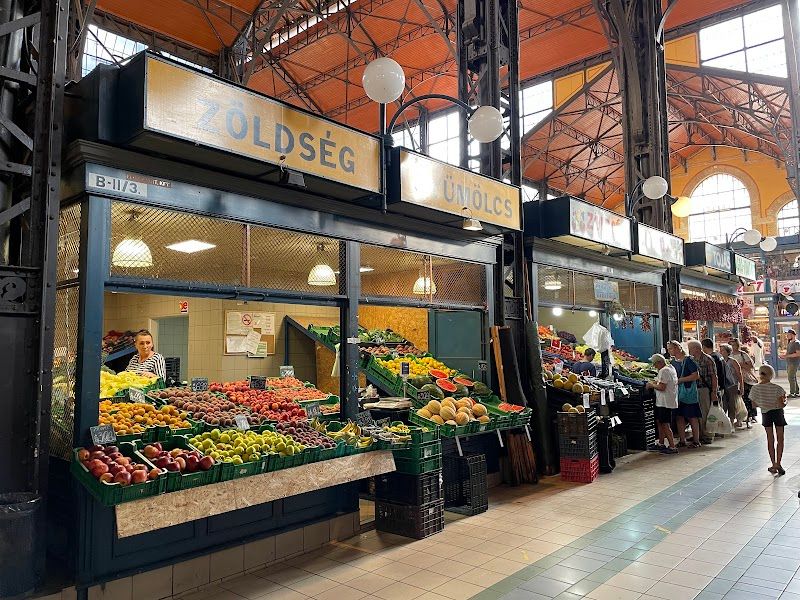
The civic and commercial heart of Pest: the Parliament on the embankment, St Stephen's Basilica with its dome viewpoint, the Chain Bridge crossing to Buda, the grand cafés (Gerbeaud, Centrál), and the pedestrian shopping street Váci utca that's touristy but unavoidable.
Jewish Quarter (District VII - Erzsébetváros)
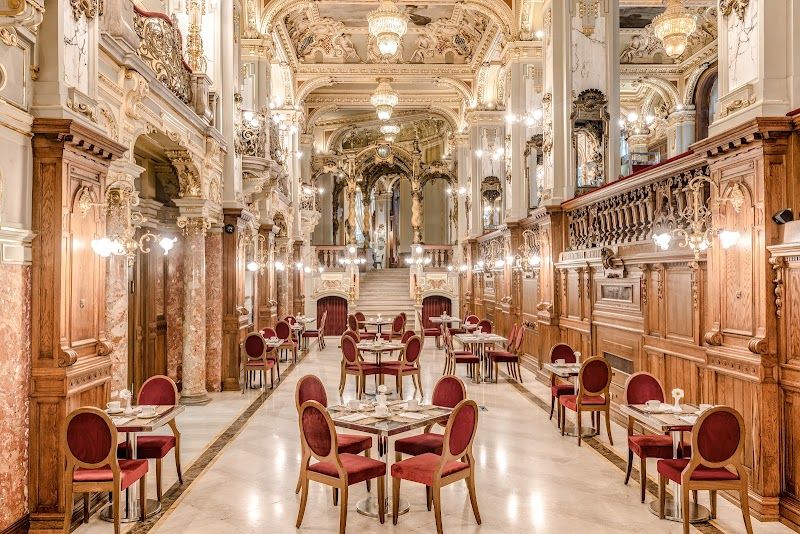
The historic Jewish Quarter: the Great Synagogue (Europe's largest), kosher delis, the world's most photographed ruin bar (Szimpla Kert), street-food stalls at Karaván, and the city's densest concentration of bars and late-night eating. Quiet and somber by day, packed and loud by night.
City Park (District XIV - Városliget)
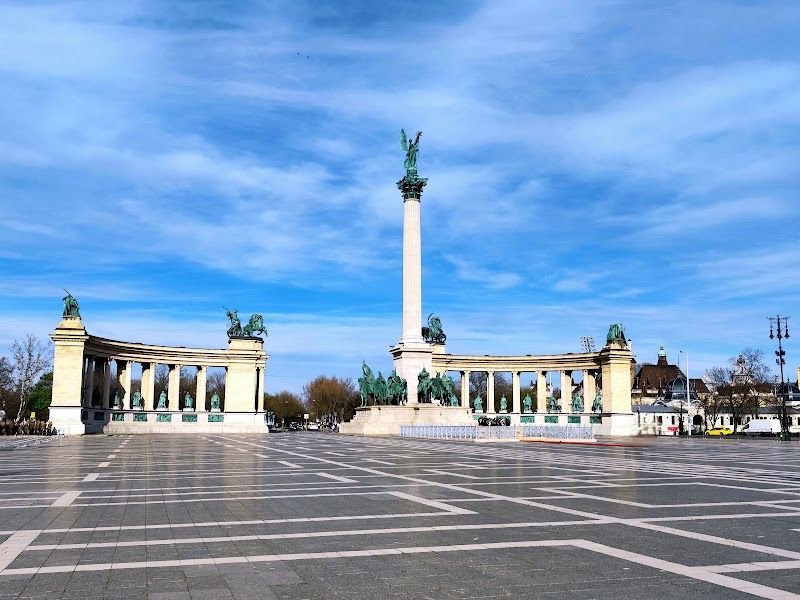
The 100-hectare city park at the end of Andrássy Avenue: Heroes' Square with its bronze chieftains, the Vajdahunyad Castle on its lake, the Széchenyi thermal baths' yellow neo-Baroque palace, the renovated Museum of Fine Arts, and the new House of Music. Half a day minimum; a full day if you bath.
Related Articles

What Food is Budapest Famous For: 12 Must-Try Hungarian Dishes
Budapest food is known for hearty goulash, paprika-spiced dishes, and sweet lángos. Discover 12 essential Hungarian specialties that locals actually eat.
Central Market Hall Budapest: Complete Guide to Hungary's Most Famous Food Market
The Central Market Hall is Budapest's food shopping headquarters. Here's what to buy, when to visit, and how to navigate this 19th-century market like a local.
Plan a trip featuring Castle District (District I - Várnegyed)
Get a personalized Budapest itinerary with Castle District (District I - Várnegyed) built in.
Start Planning