Budapest
City Park (District XIV - Városliget)
The 100-hectare city park at the end of Andrássy Avenue: Heroes' Square with its bronze chieftains, the Vajdahunyad Castle on its lake, the Széchenyi thermal baths' yellow neo-Baroque palace, the renovated Museum of Fine Arts, and the new House of Music. Half a day minimum; a full day if you bath.
About City Park (District XIV - Városliget)
Városliget (City Park) is the 100-hectare park at the eastern end of Andrássy Avenue, reachable in 8 minutes on metro line 1 (the M1 yellow line, a UNESCO heritage railway). The park concentrates a half-day's worth of museums and attractions and is the home of the Széchenyi Baths - Budapest's largest and the one most visitors prioritize.
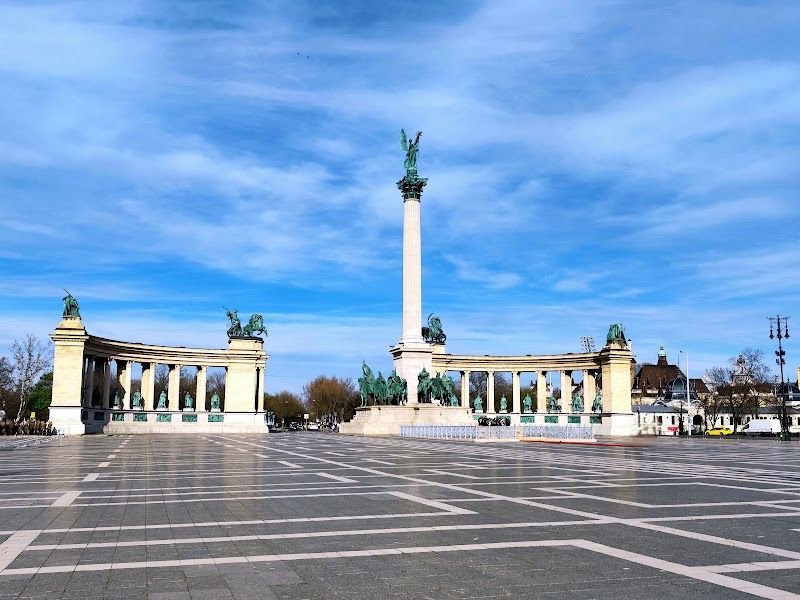
Heroes' Square (Hősök tere) at the entrance is the ceremonial centrepiece: the Millennium Memorial column with seven bronze Hungarian chieftains around its base, flanked by the Museum of Fine Arts (recently renovated, world-class collection of European old masters and modern art, €10) and the Műcsarnok contemporary art hall.
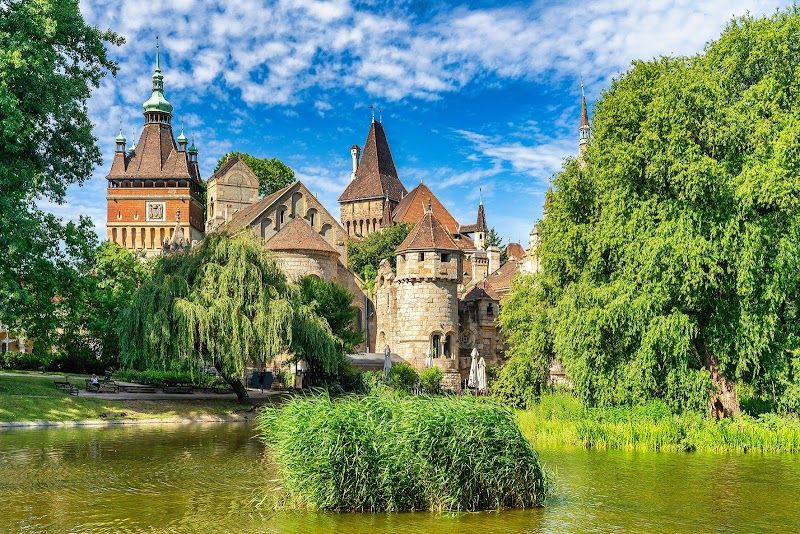
Behind the square: Vajdahunyad Castle, a quirky 1896 architectural fantasy that combines elements of 21 different historic Hungarian buildings into one castle on an island in the park's lake. Free to enter the courtyards; the Agricultural Museum inside charges separately. The lake skates in winter.
The Széchenyi Baths sit at the park's northern edge - the largest medicinal bath complex in Europe, 18 pools, the 38°C outdoor "chess pool" (where elderly men actually play chess in the water) being the iconic image. Day ticket with locker €25-29; cabin upgrade €5. Plan 4-6 hours.
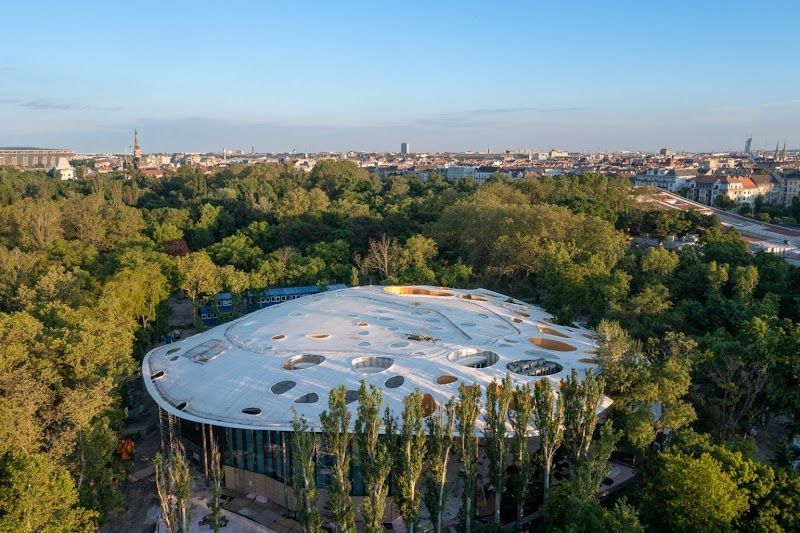
The new House of Music Hungary (opened 2022) is a stunning glass-and-perforated-roof Sou Fujimoto building with sound-art installations and a small concert hall. Free for the building; €10 for exhibitions.
Getting there: M1 metro to "Hősök tere" (Heroes' Square) or "Széchenyi fürdő" (the bath stop is 200m from the entrance).
Things to Do
Top experiences in City Park (District XIV - Városliget)
Heroes' Square
Heroes' Square is Budapest's grand ceremonial plaza, built for Hungary's 1000th anniversary in 1896. You'll see the towering Millennium Monument with Archangel Gabriel at the top and seven bronze Magyar chieftains on horseback at the base, including Árpád who led the conquest of Hungary in 895. The curved colonnades behind hold statues of 14 Hungarian kings and leaders, while the Museum of Fine Arts (3,200 HUF) and contemporary Műcsarnok (1,800 HUF) flank the square. The space feels genuinely monumental when you emerge from the M1 metro directly underneath. Tour groups cluster around the central monument for photos while locals cut straight through toward City Park. The bronze figures are impressively detailed up close, and the colonnades create dramatic shadows in morning light. State ceremonies happen here regularly, so you might catch wreath laying at the Tomb of the Unknown Soldier in front. Most people snap photos and leave, but the Museum of Fine Arts is genuinely world class with exceptional French Impressionists and Spanish masters. Skip the contemporary hall unless there's a blockbuster exhibition. The square itself is free and always open, perfect for early morning visits before the tour buses arrive around 10am. Pair it with Széchenyi Baths or Vajdahunyad Castle since you're already in City Park.
Museum of Fine Arts
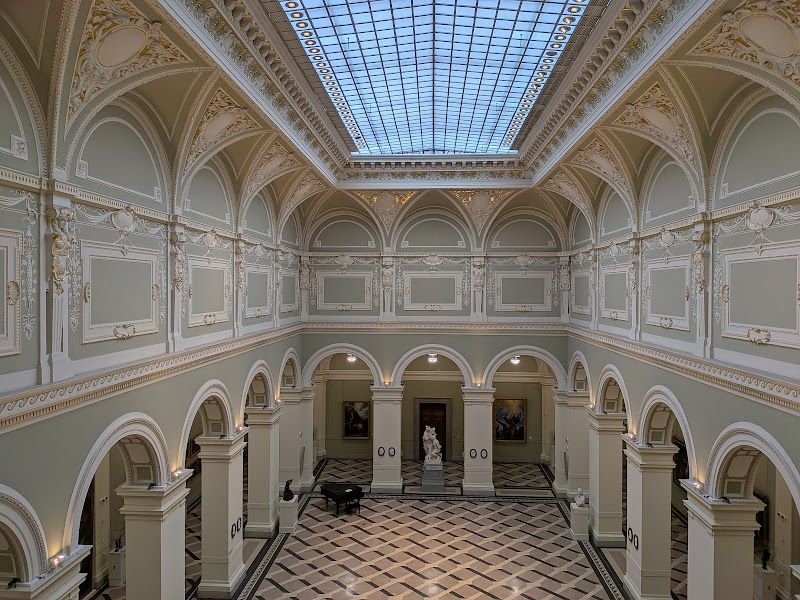
The Museum of Fine Arts holds Hungary's most impressive art collection, housed in a neo-classical palace facing Heroes' Square. You'll find genuine masterpieces here: El Greco's religious works, Goya's haunting portraits, Monet's water lilies, and Cézanne's landscapes that influenced a generation. The Spanish collection rivals Madrid's offerings, while the French Impressionist rooms contain works you've seen in art history books. The Egyptian collection downstairs surprises with authentic mummies and carved reliefs. The recently renovated galleries feel spacious and unrushed, unlike Europe's more crowded art museums. You'll move through chronologically arranged rooms that flow naturally from medieval religious art to 19th-century modernism. The Spanish masters on the second floor create genuine wow moments, especially when you turn the corner to find Goya's royal portraits staring back. The French rooms buzz with more visitors, but the lighting and spacing let you actually study brushwork up close. Entry costs 3,200 HUF for adults, with student discounts at 1,600 HUF. Most visitors rush to the French paintings and miss the exceptional Dutch Golden Age collection entirely. Skip the temporary exhibitions unless they're specifically interesting to you, they eat time better spent with the permanent masters. Start with the Spanish collection when crowds are lighter, then work down to the Impressionists. The audio guide costs extra but adds valuable context to lesser-known pieces.
Vajdahunyad Castle
Vajdahunyad Castle is the architectural fantasy at the heart of City Park, built in 1896 for the millennium exhibition out of cardboard and wood, then rebuilt in stone in 1908 because the people of Budapest refused to let it be demolished. Designer Ignác Alpár combined elements of 21 different historic Hungarian buildings into one composite castle: Romanesque chapel, Gothic tower of Vajdahunyad (Transylvania), Renaissance courtyard, Baroque palace wings. Sits on its own island in the City Park lake (winter rink, summer pedal-boats). Courtyards free to enter. The Museum of Hungarian Agriculture inside has a separate ticket (EUR 5, Europe's largest agricultural museum, surprisingly well-curated). The Anonymous statue in the courtyard (a hooded medieval scribe) is rubbed for luck by writers and students.
House of Music Hungary
Sou Fujimoto's 2022 House of Music sits like a transparent cloud in City Park, its perforated roof creating an ever-changing light show through the preserved oak canopy above. The building itself is the main attraction: glass walls dissolve the boundary between inside and outside while the undulating roof follows the tree line perfectly. You'll find three floors of Hungarian music history exhibits, an interactive sound dome, and a rooftop deck with panoramic city views. Walking through feels like being inside a living tree house where architecture and nature genuinely merge. The ground floor flows seamlessly from park to interior, with coffee drinkers sitting beneath dappled sunlight that shifts throughout the day. The sound dome on the third floor immerses you in 360-degree audio experiences, while the permanent exhibition traces Hungarian musical heritage from folk traditions to contemporary composers. The rooftop observation deck offers some of the best views over City Park and the castle district beyond. Most visitors don't realize the building entry is completely free, so you can experience Fujimoto's architecture without paying the HUF 4,000 exhibition fee. The exhibitions are well-done but skippable if you're not deeply interested in Hungarian music history. Come in the morning when the light patterns are sharpest and the rooftop less crowded. The cafe serves decent coffee with those tree-filtered views, making it worth the trip even if you skip the paid sections entirely.
Margaret Island
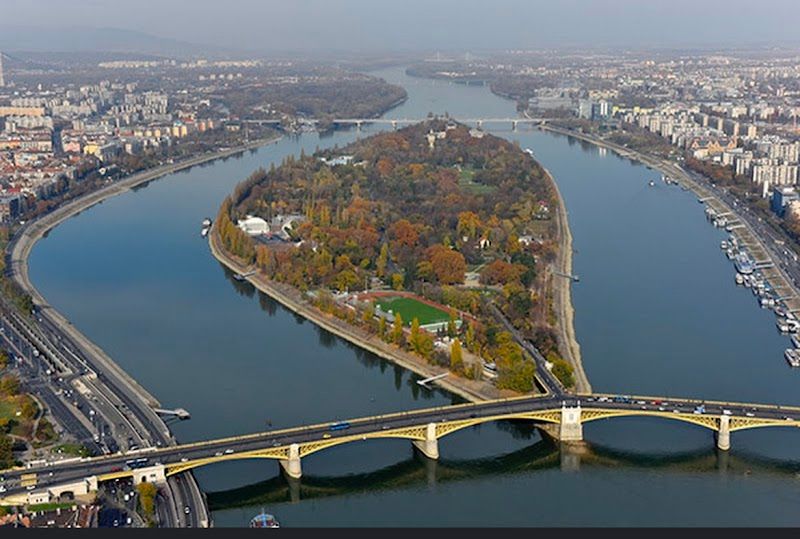
Margaret Island is Budapest's 2.5km green oasis in the Danube, completely car-free and circled by a 5.3km running track that locals use religiously. You'll find genuine thermal baths at Palatinus (not tourist-trap pools), ruins of a 13th-century Dominican convent, a musical fountain that performs hourly in summer, and surprisingly well-maintained gardens at the south end. The island works as both active recreation and lazy afternoon wandering, with pedal carts available for HUF 1,500/hour. The atmosphere shifts dramatically as you move around: the north end feels like a neighborhood park where families picnic and kids feed ducks, while the middle section around the fountain gets crowded with tour groups. The thermal baths area has that authentic Hungarian spa vibe, locals reading newspapers between soaks. Walking the full perimeter takes 90 minutes and gives you everything from medieval ruins to modern playgrounds, plus constant Danube views. Most guides oversell the Japanese Garden, it's pleasant but small and not worth a special trip. The real value is using this as your Budapest exercise spot or afternoon escape from city noise. Skip the overpriced island restaurants and bring snacks. The musical fountain shows are fun but predictable after the first one, so don't plan your whole visit around them.
Museum of Ethnography
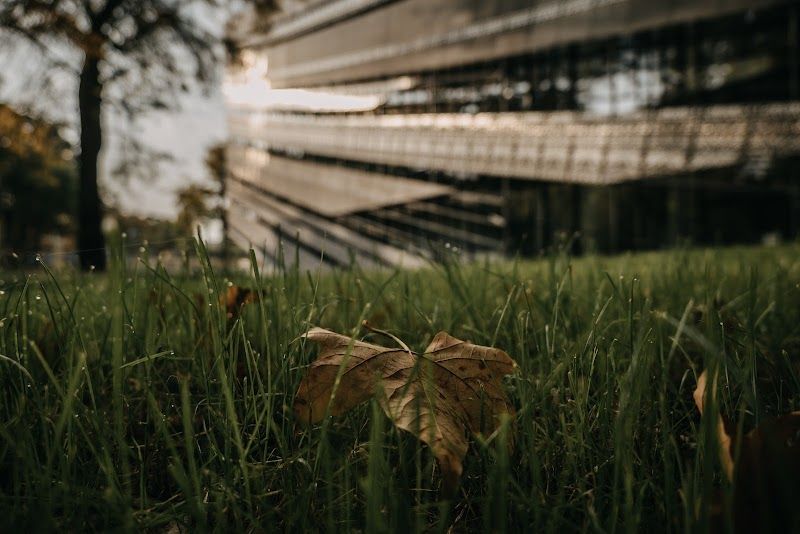
Budapest's newest major museum occupies a stunning 2022 building that looks like a spaceship landed in City Park. The curved glass facade and grass-covered roof house Hungary's extensive ethnographic collections, including traditional folk costumes, rural household items, and craftwork from every corner of the country. You'll also find rotating exhibitions comparing Hungarian culture with other European traditions, plus contemporary pieces that bridge old and new. The experience starts with the architecture itself: the central atrium spirals upward through multiple levels, creating natural viewing points as you move between galleries. The permanent collection flows logically from ancient Magyar traditions through regional variations, with excellent English signage throughout. The building's environmental design keeps everything naturally lit and surprisingly quiet, even when busy. The rooftop terrace offers panoramic views over Heroes' Square and the park below. At HUF 3,200 for adults, it's reasonably priced for what you get, but honestly, half the exhibitions feel academic rather than engaging. The contemporary ethnography section often disappoints with sparse displays. Focus your time on the traditional costume galleries and the temporary exhibitions, which are usually stronger. The building tour (free with admission) is actually more interesting than some of the permanent displays.
Where to Eat
Restaurants and cafes in City Park (District XIV - Városliget)
Getting Here
Insider Tips
Széchenyi Baths timing
Open 7 AM to 8 PM daily. Locals come early (7-9 AM) and late (5-8 PM); tourists peak 11 AM - 3 PM. Best window for photos of the iconic outdoor "chess pool": 4-6 PM in summer when light is golden and crowds thin. Day ticket with locker €25-29 weekday, €27-32 weekend. Cabin (private changing room) +€5. Bring flip-flops, towel (or rent for €3-5), swimsuit. Massages bookable at the entrance for €25-50.
M1 metro line 1 (UNESCO line)
The M1 yellow line was built for the 1896 millennium celebrations and is the second-oldest underground railway in the world (after London). Original wood-paneled stations with brass railings. UNESCO heritage. Connects all major sights along Andrássy Avenue (Opera, Octagon, Heroes' Square, Széchenyi Baths) for HUF 450 (€1.20) per ride. Ride from Vörösmarty tér to Hősök tere just for the experience.
Skating on Vajdahunyad Lake
November to early March, the lake in front of Vajdahunyad Castle becomes Europe's largest outdoor skating rink (12,000 m²). Daily 9 AM - 9 PM. Adults HUF 2,200 (€5.50), kids HUF 1,500 (€3.80). Skate rental HUF 2,000 (€5). Floodlit at night with castle backdrop - one of the city's most magical winter activities. Closed in milder Decembers when ice doesn't hold.
Nearby Neighborhoods
Continue exploring
Belváros (District V - Inner City)
The civic and commercial heart of Pest: the Parliament on the embankment, St Stephen's Basilica with its dome viewpoint, the Chain Bridge crossing to Buda, the grand cafés (Gerbeaud, Centrál), and the pedestrian shopping street Váci utca that's touristy but unavoidable.
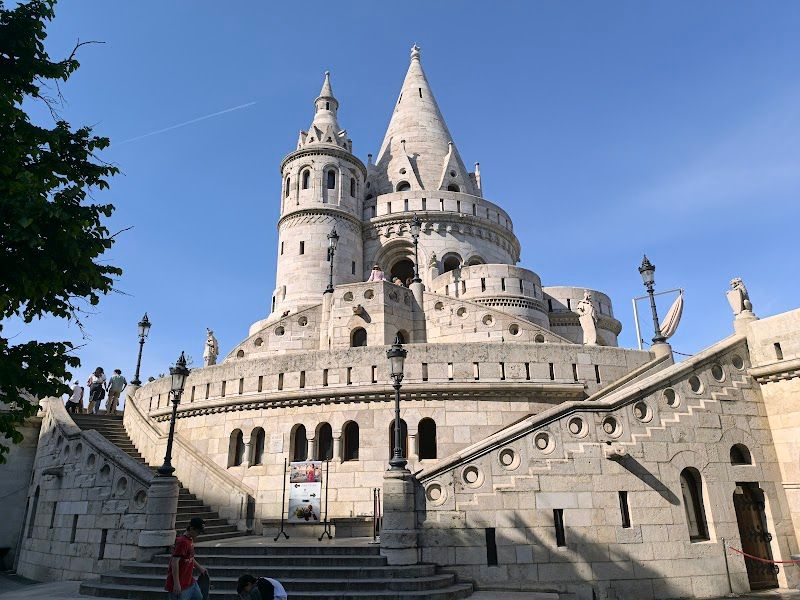
Castle District (District I - Várnegyed)
The medieval hilltop on the Buda bank: the rebuilt Royal Palace housing the National Gallery, Matthias Church's tiled roof, Fisherman's Bastion's storybook white turrets with the best Pest panorama, cobblestone backstreets where (almost) nobody lives.
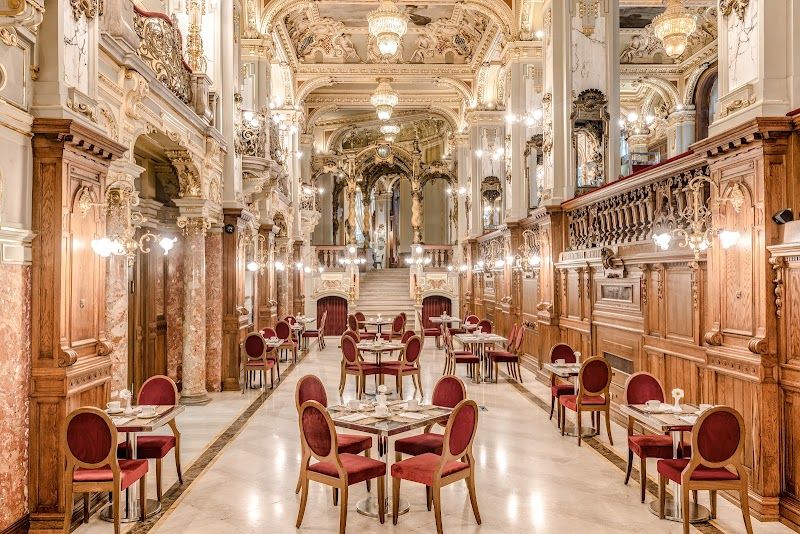
Jewish Quarter (District VII - Erzsébetváros)
The historic Jewish Quarter: the Great Synagogue (Europe's largest), kosher delis, the world's most photographed ruin bar (Szimpla Kert), street-food stalls at Karaván, and the city's densest concentration of bars and late-night eating. Quiet and somber by day, packed and loud by night.
Related Articles

What Food is Budapest Famous For: 12 Must-Try Hungarian Dishes
Budapest food is known for hearty goulash, paprika-spiced dishes, and sweet lángos. Discover 12 essential Hungarian specialties that locals actually eat.
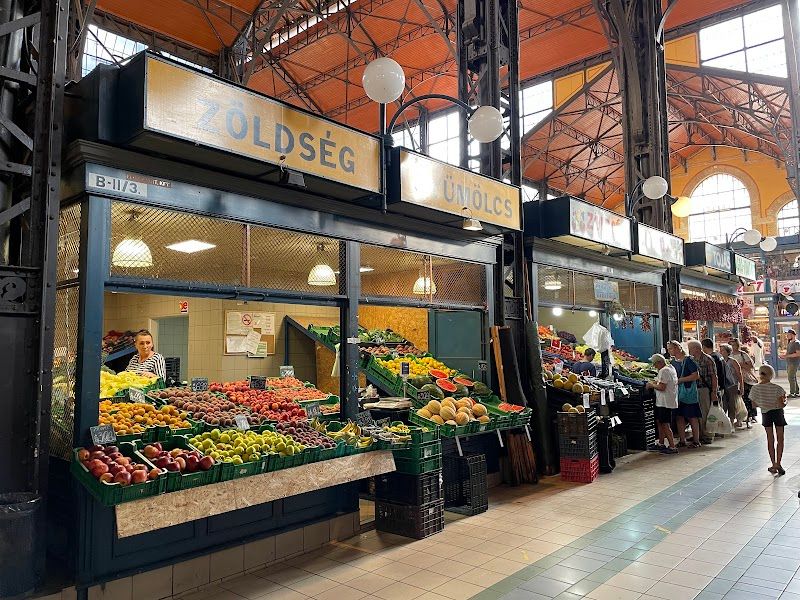
Central Market Hall Budapest: Complete Guide to Hungary's Most Famous Food Market
The Central Market Hall is Budapest's food shopping headquarters. Here's what to buy, when to visit, and how to navigate this 19th-century market like a local.
Plan a trip featuring City Park (District XIV - Városliget)
Get a personalized Budapest itinerary with City Park (District XIV - Városliget) built in.
Start Planning