Copenhagen
Vesterbro
The neighbourhood that went from red-light district to Copenhagen's most interesting area in 20 years: Meatpacking District restaurants and bars, Mikkeller craft beer, and the most diverse food street in the city.
About Vesterbro
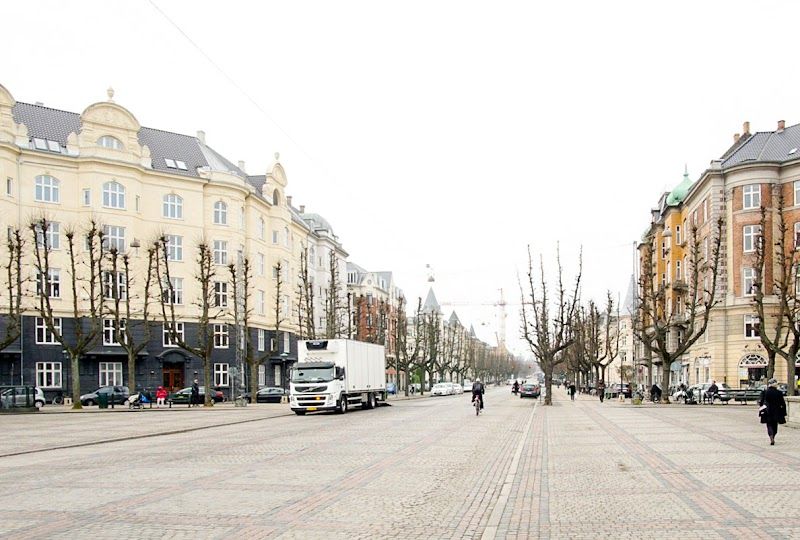
Vesterbro sits behind the central train station and underwent the most dramatic urban transformation of any Copenhagen neighbourhood in recent decades. The Meatpacking District (Kodbyens) is a cluster of white-tiled former slaughterhouses from the 1930s that now house some of the most interesting restaurants and bars in the city. Istedgade is the main commercial street: long, diverse, and containing the cheapest and most varied food options outside of the city centre. Halmtorvet square has weekend brunch crowds from neighbouring apartments. Mikkeller Bar on Viktoriagade is the original outpost of the brewery that made Copenhagen craft beer internationally famous: 20 taps, constantly rotating, and still worth visiting even now that Mikkeller bars exist worldwide.
Things to Do
Top experiences in Vesterbro
Værnedamsvej
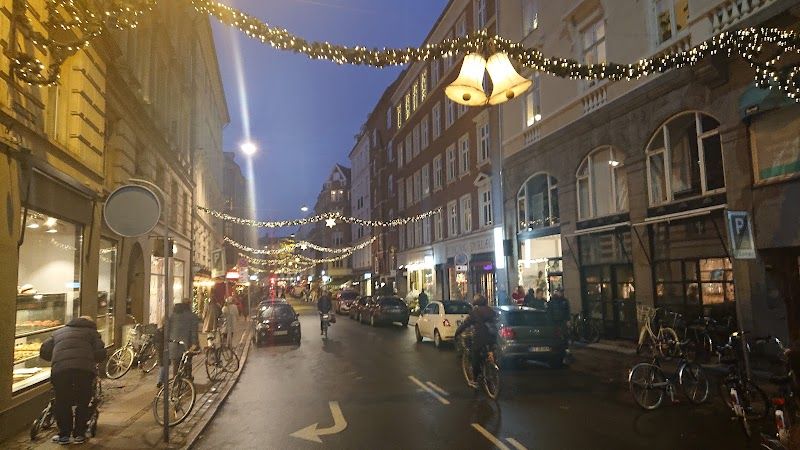
Værnedamsvej stretches just three blocks but packs in more character than Copenhagen's main shopping strips. This pedestrianized street feels like a village high street that wandered into Vesterbro by mistake. You'll find independent cheese shops where locals argue about aged Comté, wine merchants with natural bottles under 200 DKK, and design stores selling ceramics that actually make sense in normal homes. The bakeries smell like cardamom and butter, while vintage shops offer genuine finds rather than overpriced tourist bait. Walking Værnedamsvej moves at neighborhood pace, not tourist speed. Shop owners chat with regulars about weekend plans while you browse hand-selected books or sniff artisanal soaps. The street curves slightly, creating intimate pockets where you can duck into a café without feeling like you're performing for passersby. Mid-afternoon brings the best energy: office workers grabbing coffee, parents with strollers examining organic produce, and design students sketching storefronts. Even on busy days, it never feels rushed. Most guides oversell this as some secret discovery, but locals have shopped here for decades. Skip the overpriced home goods stores at the Gammel Kongevej end and focus on the food shops and bookstores in the middle section. Granola's cinnamon buns cost 35 DKK but justify the hype, while Ost & Vin's cheese plates start around 180 DKK. Come hungry rather than hunting for souvenirs.
Enghave Park
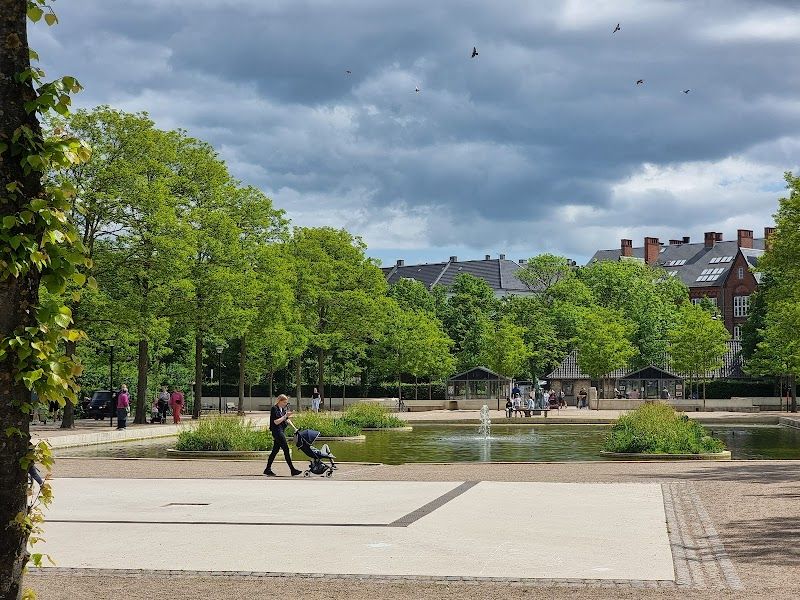
Spacious green park popular with Vesterbro families and locals seeking quiet away from tourist crowds. Features large lawns, walking paths, a pond, and plenty of space for picnics and sports. The park has a more residential, authentic Copenhagen feel than the city center gardens.
Where to Eat
Restaurants and cafes in Vesterbro
Kødbyens Fiskebar
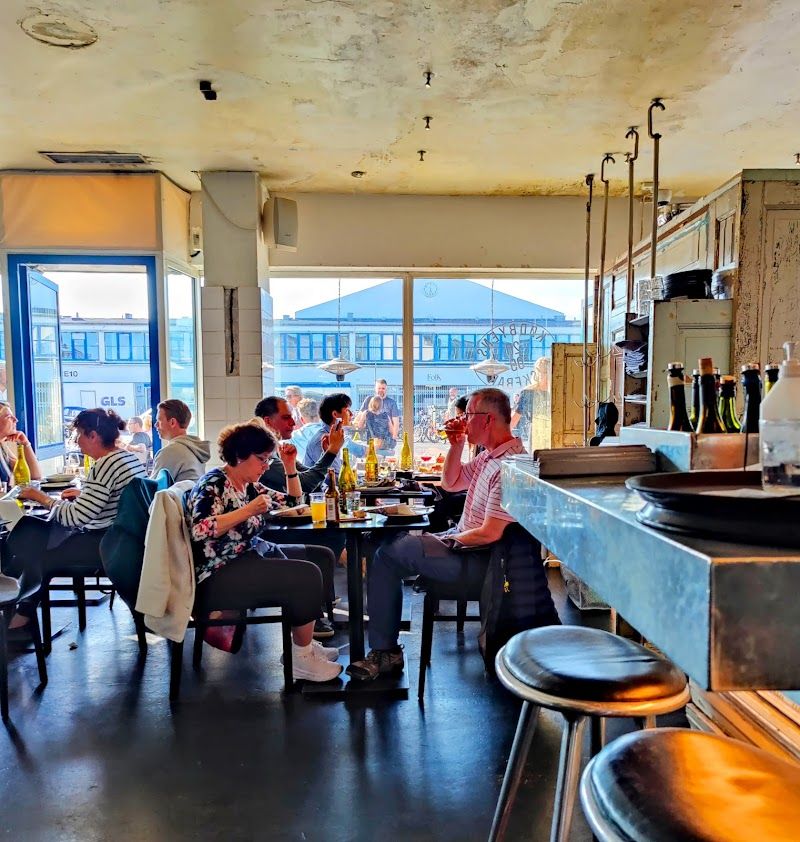
RestaurantSeafood specialist in a converted meat warehouse with communal tables and an open kitchen. The daily catch board changes based on what fishing boats bring in, and the shellfish platters are outstanding. Raw bar seats at the counter are first-come, first-served.
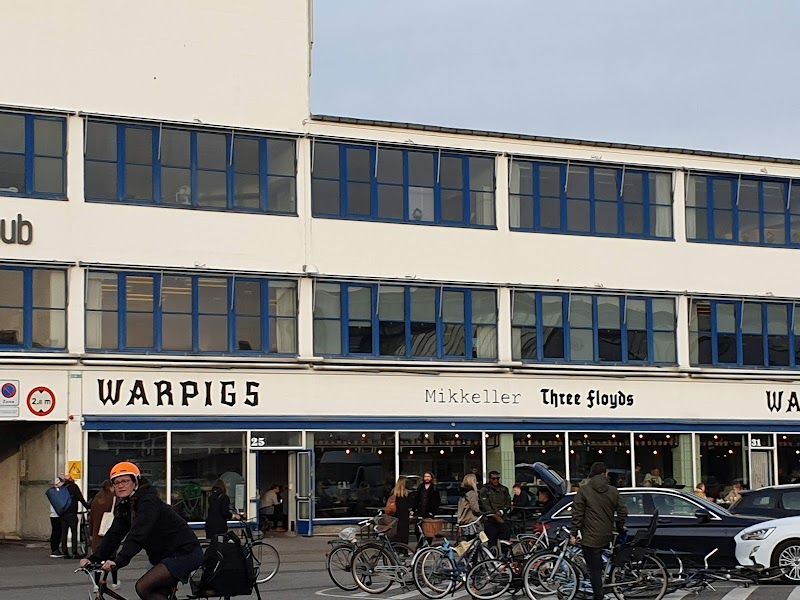
Pâté Pâté
RestaurantIntimate wine bar and restaurant serving natural wines and French-inspired small plates in a candlelit space. The ever-changing menu focuses on seasonal ingredients and unconventional wine pairings. Known for knowledgeable staff who help navigate their extensive natural wine selection.
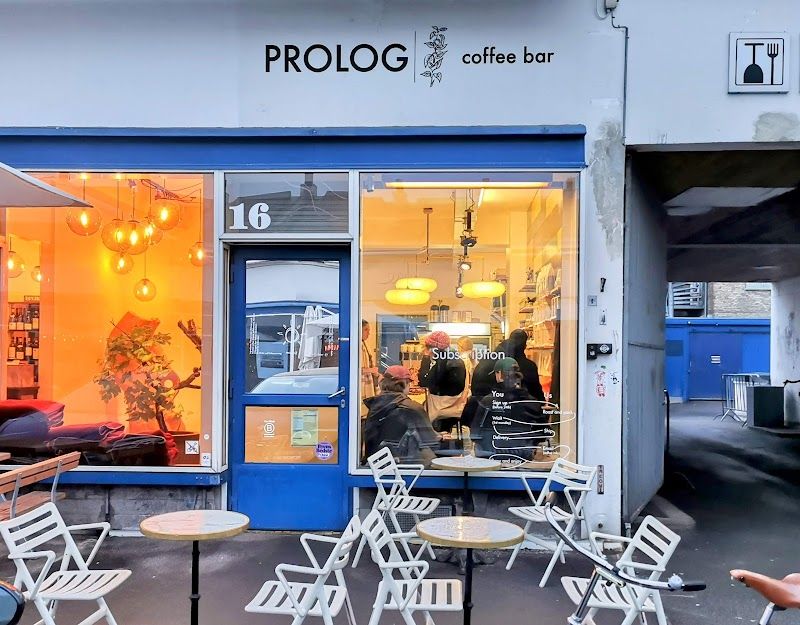
Prolog Coffee Bar
CafeA micro-roastery and espresso bar on Høkerboderne in the Latin Quarter, occupying a former butcher shop with original white tiles and meat hooks now repurposed as coat hangers. Owner-roaster Lasse Steffensen works with a tiny 1kg Probat roaster visible behind the bar, creating small-batch experimental roasts and serving meticulously prepared espresso drinks. The space holds maybe 12 people, creating an intimate atmosphere where serious coffee conversations happen naturally.
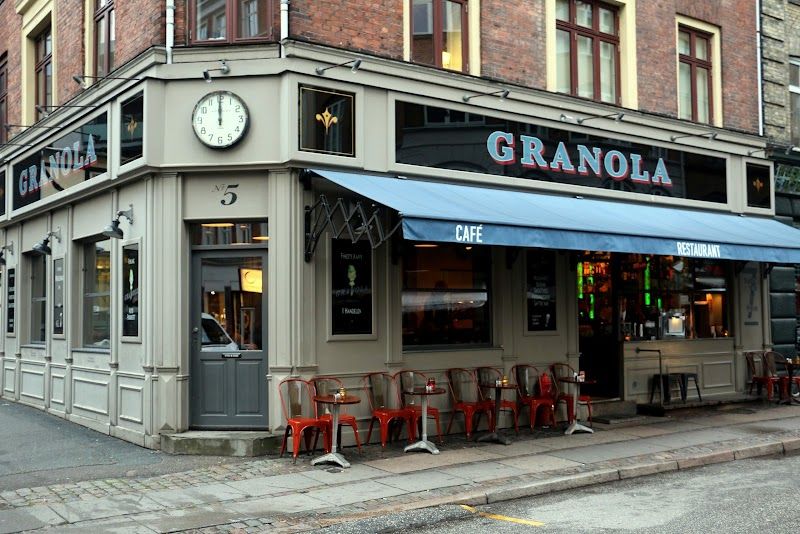
Granola
RestaurantAll-day breakfast and brunch spot in Vesterbro with a loyal neighborhood following. The pancakes are legendary, and the weekend brunch menu includes proper Danish breakfast items alongside international options. Mismatched vintage furniture adds charm to the cozy space.
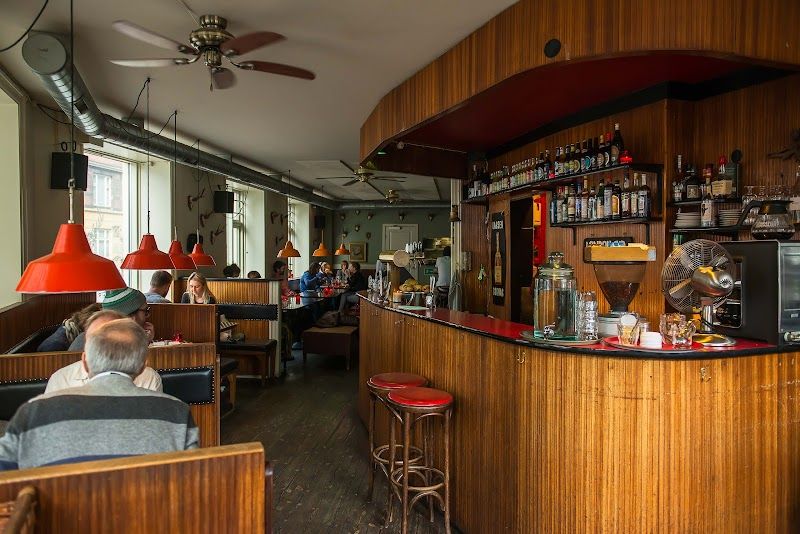
Café Dyrehaven
CafeClassic Copenhagen corner café with original 1970s wood paneling and a warm neighborhood vibe. Known for generous brunch plates, quality coffee, and stellar people-watching from their sidewalk tables. The unpretentious atmosphere attracts a mix of creatives, students, and longtime locals.
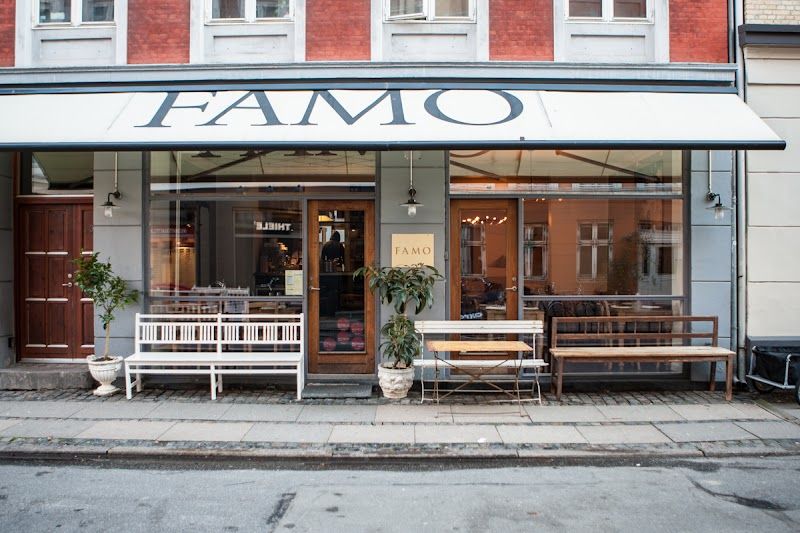
Famo
RestaurantFrederiksberg's neighborhood Italian restaurant with house-made pasta and wood-fired focaccia. The menu changes seasonally but the cacio e pepe and tiramisu are constants. The corner location has floor-to-ceiling windows perfect for people-watching.
Nightlife
Bars and nightlife in Vesterbro
Getting Here
On Foot
Flat and walkable. The Meatpacking District is 15 minutes walk from Radhuspladsen (City Hall). The train station (Copenhagen H) is at the eastern edge of Vesterbro.
Insider Tips
Kodbyens for dinner, not the city centre
The restaurants in the Meatpacking District (Kodbyens) represent better value and more interesting cooking than the tourist-facing restaurants near Nyhavn. The district has three main areas: the White Meat City (Hvide Kodby, the most active for restaurants), the Brown Meat City (Brune Kodby), and the Grey Meat City (Gra Kodby, mostly wholesale). On Friday and Saturday evenings the outdoor areas between the buildings fill with people moving between venues. Most restaurants here require reservations for dinner (1-2 weeks in advance in summer).
Mikkeller Bar on a Wednesday afternoon
Mikkeller Bar on Viktoriagade is most atmospheric on a mid-week afternoon before the evening rush. The 20 taps rotate regularly and include both classic Mikkeller recipes and collaborations with other craft brewers. A 330ml glass costs DKK 60-90. The bar staff can talk you through the current selection. The bar is small (30 people at capacity) and fills after 6 PM on weekends.
Nearby Neighborhoods
Continue exploring
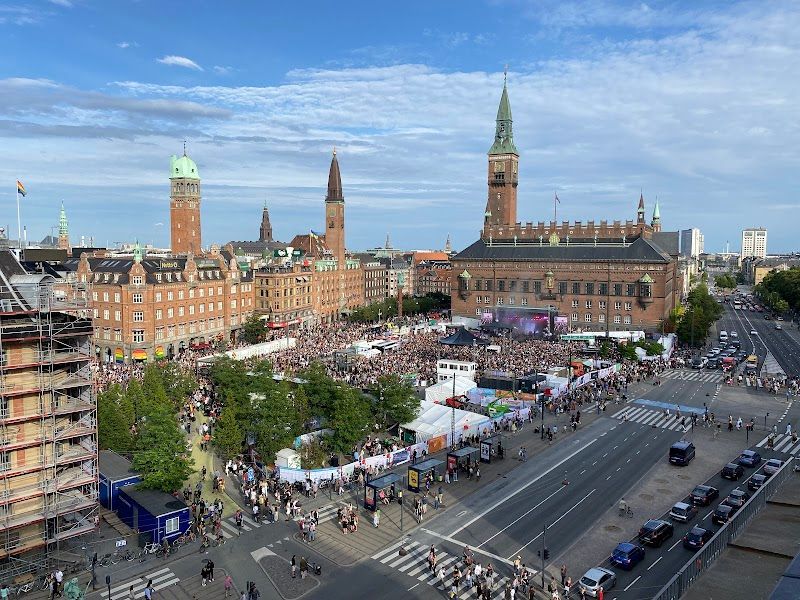
Nyhavn & Indre By
The city centre and its famous canal: coloured townhouses on the water, the pedestrian shopping spine, the round tower, the royal palace, and the square where everything converges.
Norrebro
The multicultural neighbourhood north of the centre where Copenhageners actually live: the cemetery-as-park, ceramics and coffee on Jagersborggade, the colourful Superkilen park, and food prices that make sense.
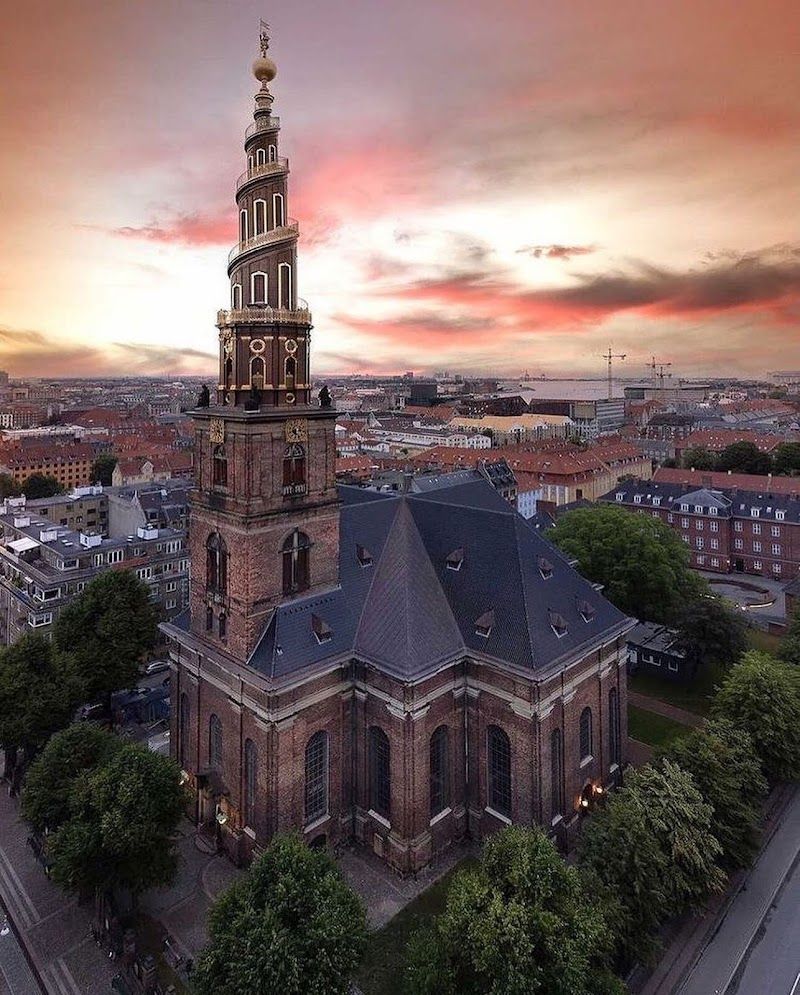
Christianshavn & Christiania
The canal district and the freetown: houseboat living along the canals, the Church of Our Saviour's terrifying external staircase, and the 1971 self-proclaimed autonomous community that is still operating.
Related Articles
Plan a trip featuring Vesterbro
Get a personalized Copenhagen itinerary with Vesterbro built in.
Start Planning