1-2 Days in Cordoba: First-Timer's Itinerary
The Mezquita at 8:30 AM, salmorejo for lunch, 12 courtyards at Viana, and the Roman Bridge at sunset
How to spend 1-2 days in Cordoba: the Mezquita at opening (EUR 13, the column forest in morning light is extraordinary), the Juderia walk, salmorejo at a neighbourhood bar, Palacio de Viana courtyards, and sunset from the Roman Bridge.
1-2 Days in Cordoba: First-Timer's Itinerary
Cordoba is Spain's most underrated Andalusian city, and that's exactly why you should go. While tourists mob Seville and Granada, Cordoba gives you the same architectural knockout punch without the crowds. The Mezquita is one of Europe's most extraordinary buildings, a mosque-cathedral hybrid that shouldn't work but absolutely does. The historic center is compact enough to cover in a day, but interesting enough to reward a second. Two days here feels perfect: enough time to see everything that matters without getting bored.
The Mezquita, Juderia, and Roman Bridge
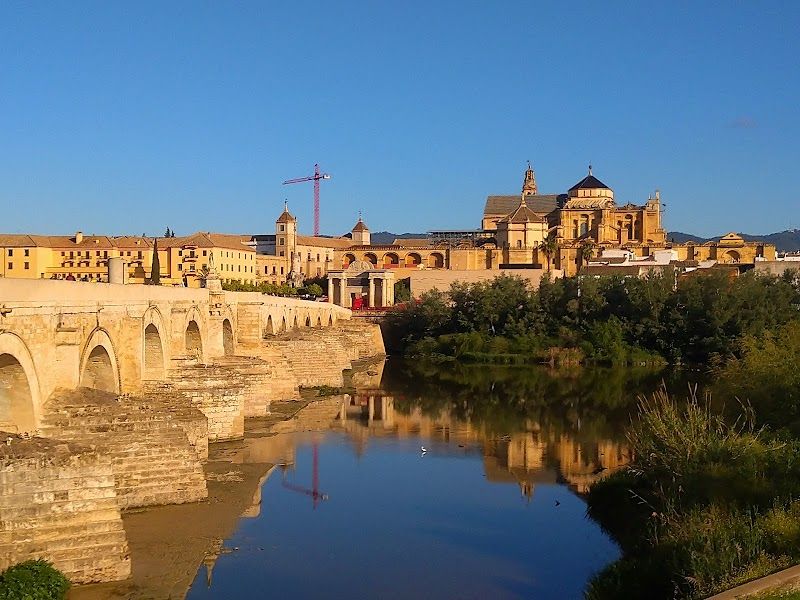
Your first day in Cordoba revolves around the Mezquita, but not just the building itself. You're walking through 1,300 years of Spanish history compressed into a few city blocks. The morning belongs to the mosque-cathedral when the light streams through those famous arches. The afternoon is for wandering the Jewish quarter and understanding how three religions shaped this city. The day ends where it should: on the Roman bridge watching the Mezquita reflect in the Guadalquivir River.
- Mezquita at opening time
- Roman Bridge at sunset
- Juderia neighborhood exploration
Morning: The Mezquita (8:30 AM)
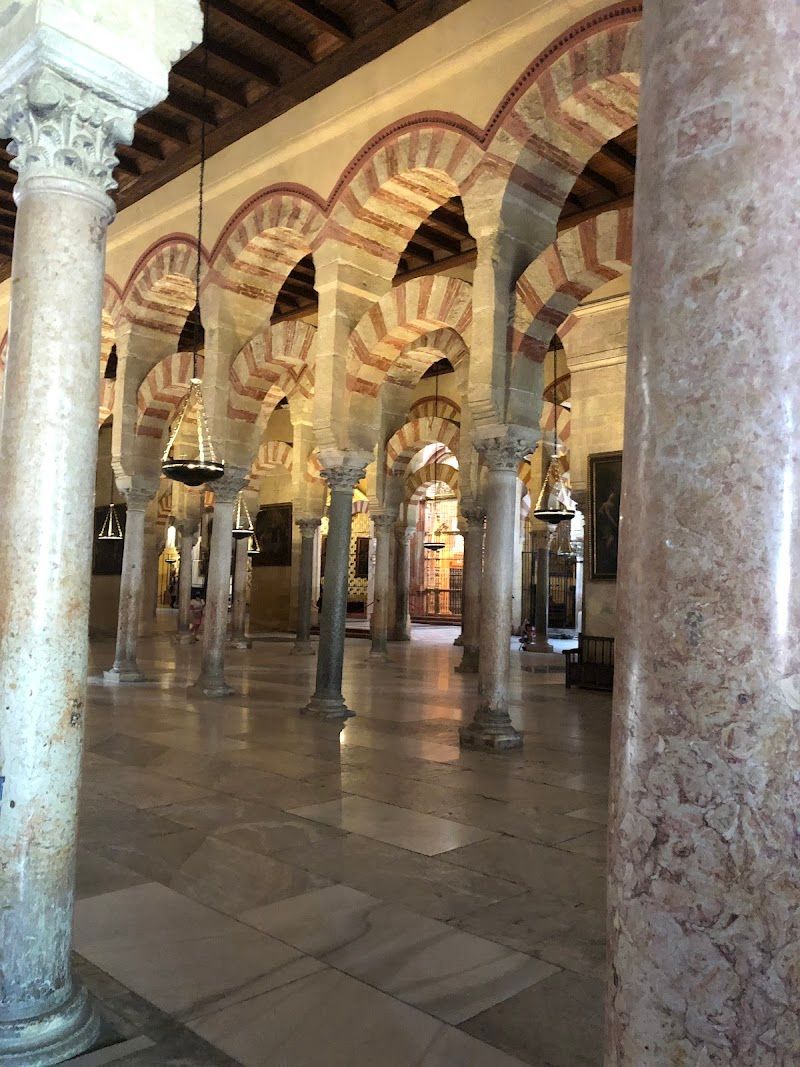
Get to the Mezquita at 8:30 AM sharp when it opens. This isn't just about avoiding crowds, though you will. The morning light hitting those red and white horseshoe arches is completely different from afternoon light. Buy your ticket online for EUR 13 to skip the line. Start in the Patio de los Naranjos, the courtyard of orange trees. This was the original mosque's ablution courtyard, and it's free to enter even if you don't tour the interior. Walk through and notice how the rows of orange trees align perfectly with the columns inside. That's intentional Islamic design. Once inside the prayer hall, walk straight to the mihrab first. This is the Byzantine mosaic prayer niche pointing toward Mecca, and it's the most beautiful part of the building. The gold tesserae catch the light like water. Then turn around and look at the Renaissance cathedral they built right in the middle of the mosque. It's jarring and it's supposed to be. This collision of Islamic geometry and Catholic baroque is what makes Cordoba different from anywhere else in Europe. Give yourself 1.5 hours minimum, but don't rush the forest of 856 columns. Walk different routes through them and notice how the perspective changes.
Late Morning: The Juderia
Exit the Mezquita and walk into the Juderia, the old Jewish quarter. Head straight to Calleja de las Flores, the narrow alley with flower pots climbing white walls and the Mezquita tower framed at the end. Yes, it's touristy, but it's touristy for good reason. Go now while the light is still soft. Next, find the Synagogue on Calle Judios. It's one of only three surviving medieval synagogues in Spain, and entry is free for EU citizens. The Hebrew inscriptions and mudéjar plasterwork are worth ten minutes. The Souk shops nearby sell decent ceramics and leather if you need gifts, but don't feel obligated. The real pleasure of the Juderia is getting lost in streets barely wide enough for a car.
Lunch: Salmorejo, Not Gazpacho
For lunch, duck into any bar in the Juderia or walk to Mercado Victoria if you want more options. Order salmorejo, not gazpacho. Salmorejo is Cordoba's signature cold soup: thicker, richer, made with bread, tomatoes, olive oil, and garlic, topped with hard-boiled egg and jamón. It costs EUR 3-5 and tastes like summer in Andalusia. Gazpacho is fine, but salmorejo is what locals eat. If you're at a traditional bar, order it with a glass of Montilla-Moriles wine, the local answer to sherry.
Afternoon: Alcazar and Palacio de Viana
Walk to the Alcazar de los Reyes Cristianos, the fortress where Ferdinand and Isabella planned the conquest of Granada and met with Columbus. The building itself is unremarkable, but the gardens are worth the EUR 6 entry. They're terraced, geometric, and influenced by Roman design. The best part is the view back toward the Mezquita from the tower. After the Alcazar, walk to Palacio de Viana for the real architectural treat of the afternoon. This 15th-century palace has 12 courtyards, each designed in a different style. The ticket costs EUR 8 and gets you into both the courtyards and the interior. Skip the interior unless you love decorative arts. The courtyards are the point: Renaissance, baroque, Arabic, each with different plants, fountains, and proportions. Allow 1 to 1.5 hours and don't rush. Sit on the benches and notice how the sound changes in each space.
Sunset: Roman Bridge
Arrive at the Roman Bridge 30 minutes before sunset. Walk to the middle of the bridge and wait. The Mezquita skyline reflected in the Guadalquivir River is the defining image of Cordoba, and it's free. The bridge itself is mostly medieval reconstruction, but the view is authentic. This is where every travel poster photo is taken, and for once the travel poster isn't lying.
Dinner: Regadera
For dinner, walk to Regadera on Calle Conde y Luque. It's modern Cordoban cooking without the tourist markup. Order the rabo de toro (oxtail stew, EUR 18), which is the city's signature dish, slow-cooked until it falls apart. The salmorejo here is excellent too (EUR 6). Skip the tourist restaurants around the Mezquita. They're twice the price for half the quality.
Deeper Cordoba (Optional)
If you're staying a second day, you get to see the Cordoba that most visitors miss. This is about neighborhoods where locals actually live, Roman ruins sitting in the middle of modern intersections, and bars where no one speaks English. The pace is slower, the discoveries are smaller, and the experience feels more authentic. You could also use this day as a jumping-off point to Seville or Granada, both 45 minutes away by high-speed train.
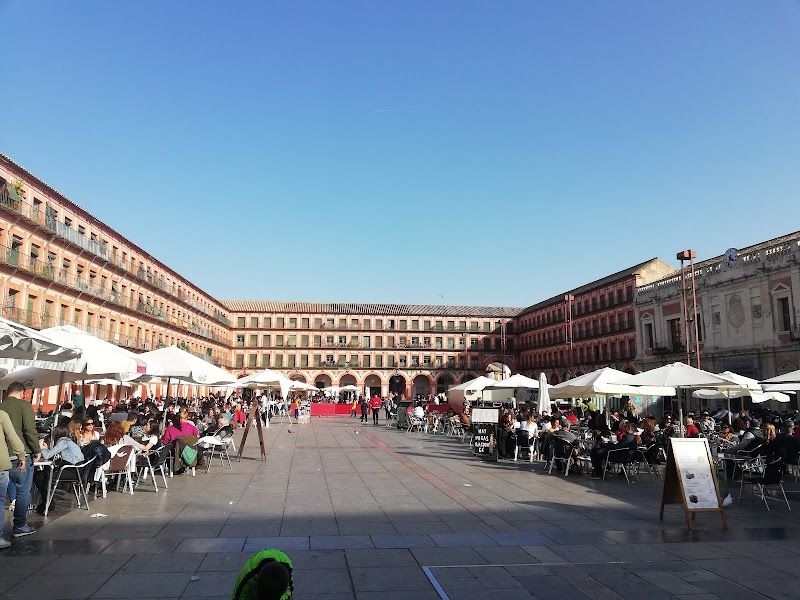
- Plaza de la Corredera
- Roman Temple
- Santa Marina neighborhood
Morning: Plaza de la Corredera and Roman Temple
Start at Plaza de la Corredera, Cordoba's main square. If it's Saturday, there's a flea market worth browsing for 20 minutes. If not, grab coffee at one of the terrace bars and watch the city wake up. The square looks like a smaller version of Madrid's Plaza Mayor because it was built by the same architects in the 17th century. From here, walk to the Templo Romano on Calle Capitulares. It's the remains of a 1st-century Roman temple, just sitting there in the middle of the modern city. The columns are original, the setting is surreal, and entry is free. It takes five minutes to see, but it's a perfect example of how Cordoba layers history on top of itself.
Lunch: Mercado Victoria (If You Missed It)
If you didn't make it to Mercado Victoria yesterday, go now. It's a renovated market hall with food stalls, similar to Madrid's Mercado San Miguel but less crowded and cheaper. The salmorejo at any of the bars here costs EUR 3-4 and rivals the best in the city. Try the montaditos (small sandwiches) with local cheese and jamón.
Afternoon: Santa Marina Neighborhood
Spend your afternoon in the Santa Marina neighborhood, north of the historic center. This is where Cordoba feels like a real city instead of a tourist attraction. Walk to the Plaza de Santa Marina, which has a statue of Manolete, Cordoba's most famous bullfighter, and the most local atmosphere in the city. The bars here serve salmorejo for EUR 3-4 and don't have English menus. Find the Cristo de los Faroles, a crucifix surrounded by lanterns that's lit every night. It's atmospheric and completely non-touristy. This neighborhood is about wandering, not checking boxes.
Alternative: Onward to Seville or Granada
If you're ready to move on, Cordoba's train station connects to both Seville and Granada by AVE high-speed train. The journey to either city takes 45 minutes and costs EUR 15-40 depending on how far in advance you book. Both cities are worth visiting, but Granada's Alhambra requires advance reservations, while Seville is easier to explore spontaneously.
Essential Cordoba Tips
Cordoba is compact and flat. Everything in this itinerary is walkable.
The Mezquita at 8:30 AM opening and the Roman Bridge at sunset are non-negotiable.
Always order salmorejo over gazpacho. It's the local specialty and tastes better.
Book Mezquita tickets online to skip the entry line.
Avoid restaurants immediately around the Mezquita. Walk five minutes in any direction for better value.
Summer temperatures reach 40°C (104°F). Visit in spring or fall if possible.
Ready to Visit Cordoba?
Get a personalized itinerary tailored to your travel style and interests.
Plan Your Cordoba TripMore Cordoba Guides
First Time in Cordoba: What You Need to Know
Everything before your first visit: the Mezquita (book online, EUR 13, the 8:30 AM opening is non-negotiable), AVE trains from Seville and Granada, the extreme summer heat, and what the Festival de los Patios actually involves.
6 min
Where to Eat in Cordoba: Salmorejo, Patios & Tapas
Salmorejo (EUR 3-5, the cold tomato soup Cordoba claims is better than gazpacho, and Cordoba is right), flamenquin, rabo de toro, and the neighbourhood bars in Santa Marina and the Corredera where the locals eat.
6 min