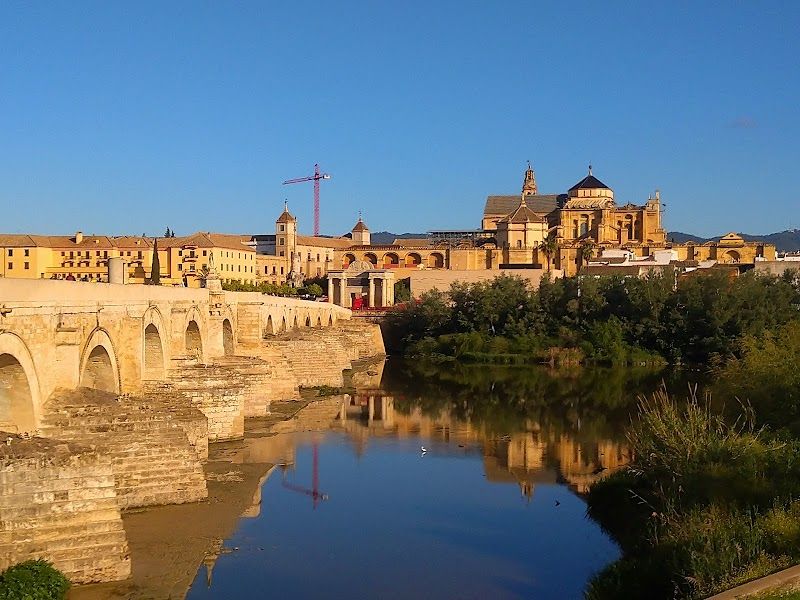
Where to Eat in Cordoba: Salmorejo, Patios & Tapas
Salmorejo, flamenquin, rabo de toro, Montilla-Moriles wine, and the bars where locals eat
Salmorejo (EUR 3-5, the cold tomato soup Cordoba claims is better than gazpacho, and Cordoba is right), flamenquin, rabo de toro, and the neighbourhood bars in Santa Marina and the Corredera where the locals eat.
Look, I've been eating my way through Cordoba for years, and you need to understand something: this city doesn't mess around with its food. While Seville gets the tourists and Granada gets the guidebook love, Cordoba quietly perfected salmorejo when the rest of Spain was still figuring out gazpacho. The locals here eat the same five dishes over and over because they're perfect, and you should too. Forget fusion, forget creativity. Order salmorejo at every meal, hunt down proper flamenquin, and drink cold Montilla-Moriles fino until you understand why cordobeses never shut up about it.
The Cordoba Dishes You Actually Came For
Salmorejo (EUR 3-5)
This is the thick, cold tomato and bread soup that Cordoba invented and every other Andalusian city tries to copy. It's richer and more filling than gazpacho, served with diced Iberian ham and hard-boiled egg on top. The texture should coat your spoon like a thick smoothie. Order it at every meal and compare between bars. The version at neighborhood joints in Santa Marina tastes exactly like your Cordoba grandmother made it, assuming you had one.
Flamenquin (EUR 8-12)
A breaded rolled pork loin stuffed with Iberian ham that no other Spanish city does properly. It comes sliced on your plate, crispy golden outside, juicy inside with that salty ham surprise. This is the Cordoba tapa that separates the locals from the tourists. If a bar doesn't serve flamenquin, you're in the wrong bar. The best ones are thick as your thumb and require a knife and fork.
Rabo de toro (EUR 12-16)
Oxtail stew slow-cooked in red wine until it falls apart when you look at it wrong. Rich, dark, and served during bullfighting season but available year-round because tourists expect it. The meat should slide off the bone and the sauce should be thick enough to coat pasta. It's heavy food that makes sense in winter but locals eat it in 40-degree July heat anyway.
Berenjenas con miel (EUR 5-7)
Fried aubergine slices drizzled with local honey. The sweet and savory Andalusian combination that sounds wrong but works perfectly. The aubergine should be soft inside with a light crispy coating, and the honey should be thick and floral. Every tapas bar serves this, and every version tastes slightly different depending on their honey supplier.
Pastel cordobes (EUR 2-3)
The puff pastry filled with citron jam and dusted with sugar that every bakery in Cordoba sells and nowhere else in Spain cares about. It's sweet, flaky, and makes a perfect mid-afternoon snack with coffee. The jam is made from the massive citron fruits that grow all over Cordoba's patios. Buy one from any neighborhood bakery, not the fancy versions near the Mezquita.
Montilla-Moriles: The Wine You'll Drink With Everything
Cordoba's wine region is Montilla-Moriles, 40 kilometers south of the city. The wines are made in the same style as sherry but from Pedro Ximenez grapes grown in chalky soil. The fino is dry, served cold in a small glass for EUR 2-3, and it's the local drink with every tapa. It tastes like fino sherry from Jerez, but the locals will correct you if you call it sherry. They're proud of their DO status and the difference in terroir. Order it cold, or as they say, bien frio. This is what cordobeses drink while standing at bar counters arguing about football.
Where to Eat by Neighborhood
Juderia (around the Mezquita)
Tourist-facing restaurants but some genuine spots survive. Casa Pepe de la Juderia is the most established and reliable. You'll pay EUR 2-3 more per dish than in local neighborhoods, but the salmorejo is consistent and they won't rush you. The waiters speak English, which is either helpful or disappointing depending on your Spanish confidence.
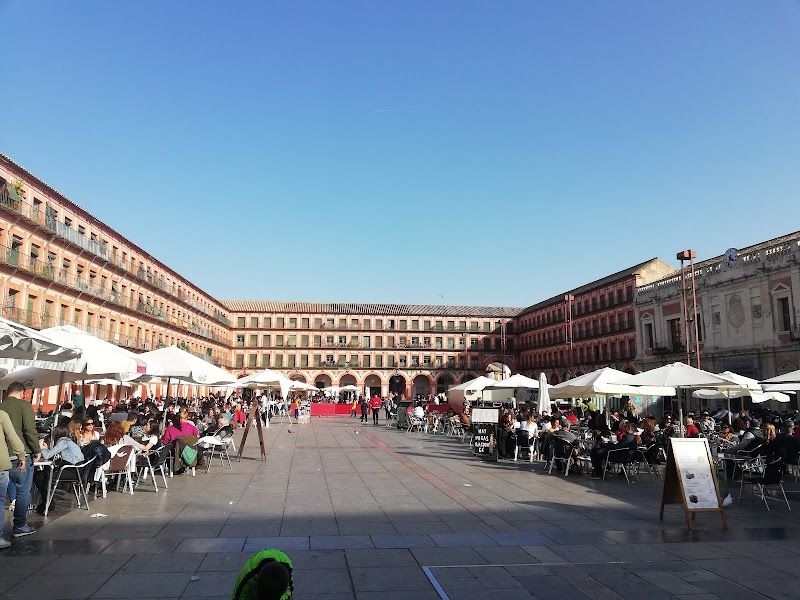
Plaza de la Corredera
The terrace restaurants around the rectangular plaza are perfect for leisurely lunch or evening beer with tapas. Nothing exceptional but nothing terrible either. Saturday mornings bring the flea market, which makes everything busier and more expensive. Sit on the plaza side for people-watching, avoid the interior tables.
Mercado Victoria
The food market in the renovated iron pavilion with multiple vendors, tapas stalls, and wine bars. A casual lunch costs EUR 8-15 and it's the best value in the city. The atmosphere is more food court than authentic market, but the quality is solid and you can try different cuisines without committing to a full restaurant meal.
Santa Marina
This is where cordobeses actually eat. The bars around Plaza de Santa Marina and along Calle Santa Marina serve the cheapest and most authentic tapas in Cordoba. Salmorejo for EUR 3-4, flamenquin for EUR 6-8, Montilla-Moriles for EUR 2-3. The bartenders might not speak English, but they'll understand your pointing and appreciate your effort to eat like a local.
Timing Your Cordoba Food Experience
Cordoba follows the Andalusian schedule: lunch at 2-3 PM, dinner from 9:30 PM onwards. Don't show up at noon expecting lunch.
Tapas bars are busiest 1:30-3 PM for lunch and 9-11 PM in the evening. This is when the locals eat, so this is when the food is freshest.
Summer evening tapas start later because nobody ventures outside until temperatures drop below 35C. Plan for 10 PM or later.
If you're hungry at 6 PM, buy pastries from a bakery or suffer until dinner time like everyone else.
Ready to Visit Cordoba?
Get a personalized itinerary tailored to your travel style and interests.
Plan Your Cordoba TripMore Cordoba Guides
1-2 Days in Cordoba: First-Timer's Itinerary
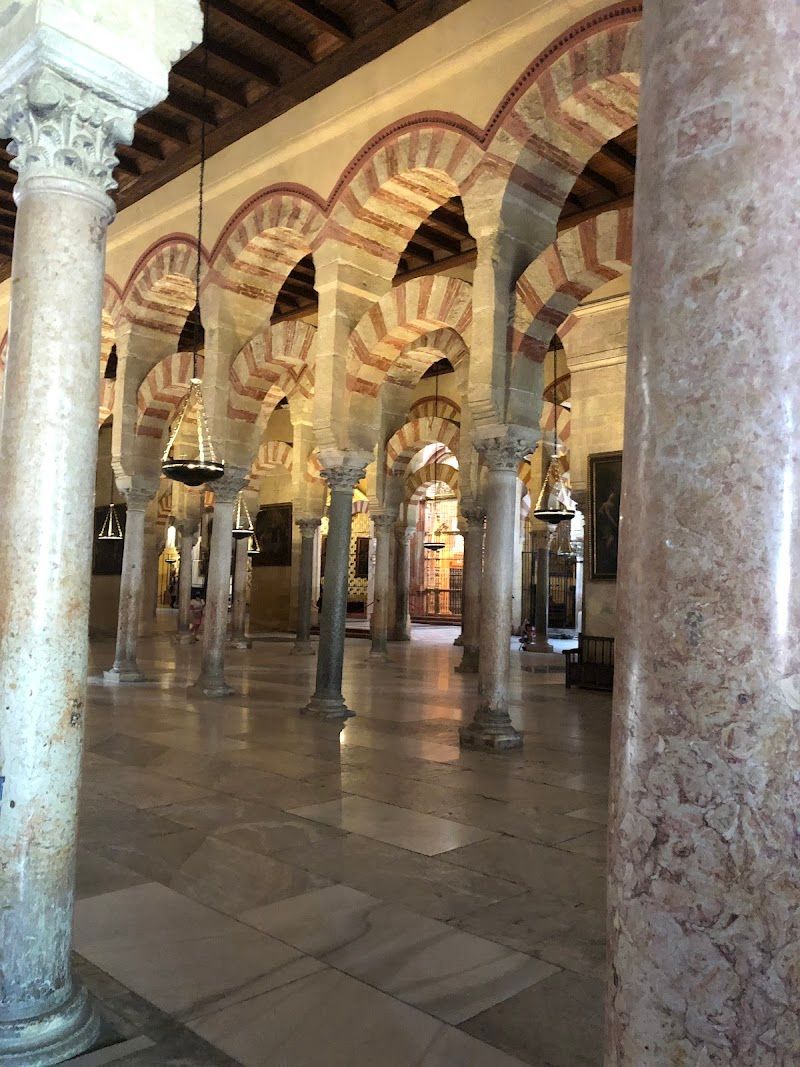
How to spend 1-2 days in Cordoba: the Mezquita at opening (EUR 13, the column forest in morning light is extraordinary), the Juderia walk, salmorejo at a neighbourhood bar, Palacio de Viana courtyards, and sunset from the Roman Bridge.
7 min
First Time in Cordoba: What You Need to Know
Everything before your first visit: the Mezquita (book online, EUR 13, the 8:30 AM opening is non-negotiable), AVE trains from Seville and Granada, the extreme summer heat, and what the Festival de los Patios actually involves.
6 min