First Time in Cordoba: What You Need to Know
The Mezquita booking, getting there by AVE, the heat in summer, and the patio festival in May
Everything before your first visit: the Mezquita (book online, EUR 13, the 8:30 AM opening is non-negotiable), AVE trains from Seville and Granada, the extreme summer heat, and what the Festival de los Patios actually involves.
THE MEZQUITA
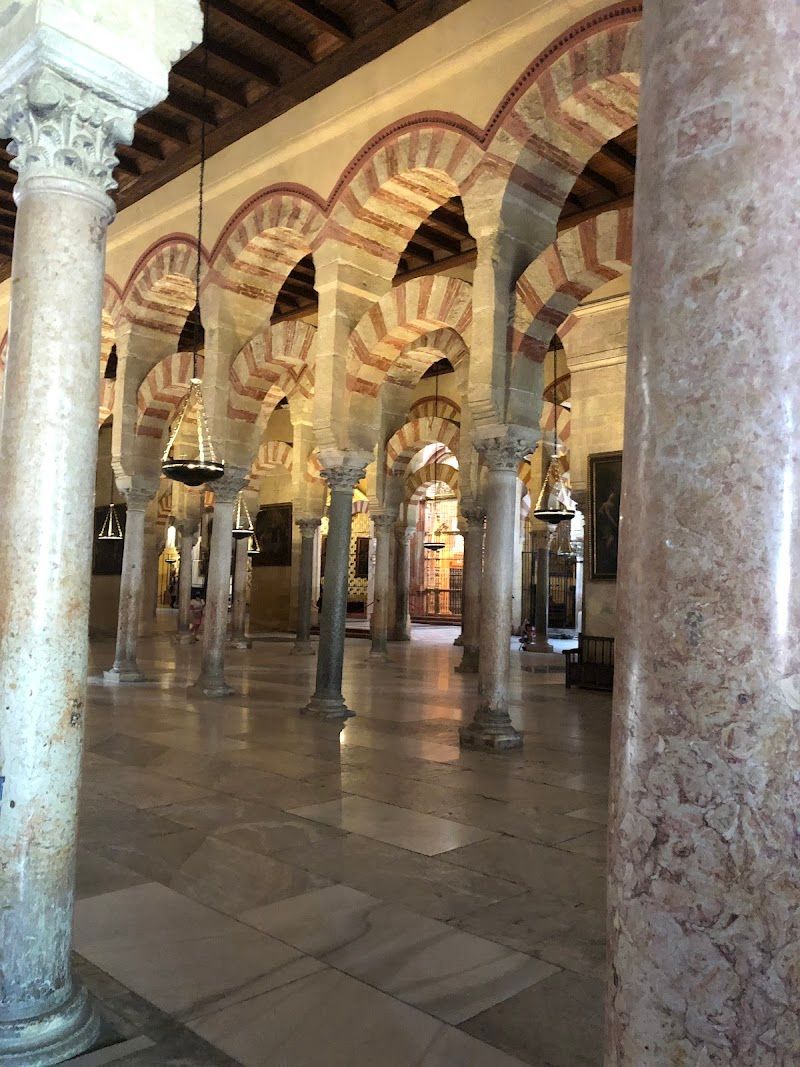
Book online at mezquita-catedraldecordoba.es. Entry EUR 13. The 8:30 AM opening slot is the one to book: the morning light enters the eastern windows and hits the column forest at a low angle, the red-and-white arches glow, and you have the space almost to yourself. By 10 AM tour groups arrive and the meditative quality disappears. Allow 1.5 hours minimum. The mihrab at the far end has Byzantine mosaics that catch the light like broken glass. The Renaissance cathedral in the middle is the collision that makes this building unlike any other: you'll walk from Islamic Spain into Catholic Spain in five steps. The Monday 8:30-9:30 AM free entry exists but is crowded and chaotic. Pay and go at opening instead.
GETTING THERE
AVE high-speed train: Seville to Cordoba 45 min (EUR 15-30), Granada to Cordoba 1 hr 40 min (EUR 25-40). Book on renfe.com, prices vary by time and demand. Cordoba station is a 15-minute walk from the Mezquita or EUR 5-6 taxi. A day trip from Seville works: depart 8 AM, arrive 8:45 AM, see the Mezquita at 9 AM, the Juderia, lunch, Roman Bridge at sunset, evening train back. But staying one night is better because you can eat dinner at 10 PM like locals do instead of rushing back to catch the last train.
THE HEAT
July and August Cordoba hits 44-45C. This is the hottest city in Spain, and walking the cobblestones at midday feels like standing on a griddle. Plan all outdoor sightseeing before 11 AM and after 7 PM. The Mezquita interior is cool: those stone columns act as thermal mass and the thick walls keep the heat out. The siesta shutdown from 2-6 PM is real, not tourist theater. Most shops and some restaurants close because it's too hot to function. Spring (March-May) and autumn (September-November) are the ideal seasons when you can walk around at noon without melting.
THE PATIOS
The Festival de los Patios runs for two weeks in May (UNESCO-listed). Residents open their private courtyard gardens and the competition is serious: geraniums climb three stories high, jasmine perfumes entire streets, and neighbors argue over whose fountain sounds better. Free entry, competitive judging, the entire old town becomes a flower show. Outside the festival, Palacio de Viana (EUR 8, 12 courtyards) is the permanent patio experience, though it feels more like a museum than someone's home. The patios in the Alcazar Viejo neighborhood are the real deal: working-class homes where families still live behind those flower-covered walls.
SALMOREJO VS GAZPACHO
Salmorejo is thicker than gazpacho, made with more bread and olive oil, and served cold with diced Iberian ham and hard-boiled egg on top. It tastes like liquid bread with a hit of tomato and garlic. It is from Cordoba. Gazpacho is from Andalusia generally and tastes more like cold vegetable soup. Cordoba claims salmorejo is better and Cordoba is right: it's more substantial, the texture coats your spoon, and it actually fills you up. A bowl costs EUR 3-5 at any bar. Order it as your starter and you'll understand why locals eat it daily in summer.
THE JUDERIA (JEWISH QUARTER)
The narrow white streets around the Mezquita are touristy but unavoidable. The Synagogue (EUR 0.30, seriously) is one of three medieval synagogues left in Spain and takes 10 minutes to see. The Calleja de las Flores is the most photographed street in Cordoba: a narrow alley with flower pots on white walls and the Mezquita tower framed at the end. It's crowded from 10 AM to 6 PM but worth the photo. The Casa de Sefarad (EUR 4) explains Jewish history in Cordoba but feels like a small museum stretched too thin. Skip it unless you have specific interest.
WHEN TO EAT
Lunch: 2-4 PM. Dinner: 9-11 PM. These times are not suggestions, they're when restaurants serve food. Show up at 7 PM for dinner and you'll find empty restaurants with confused waiters. Tapas bars open earlier (from 7 PM) but proper restaurants don't start dinner service until 8:30 PM at earliest. The morning coffee and pastry culture is weak here compared to northern Spain. Locals eat a light breakfast, big lunch, and late dinner. Plan accordingly or you'll be hungry at the wrong times.
Ready to Visit Cordoba?
Get a personalized itinerary tailored to your travel style and interests.
Plan Your Cordoba TripMore Cordoba Guides
1-2 Days in Cordoba: First-Timer's Itinerary
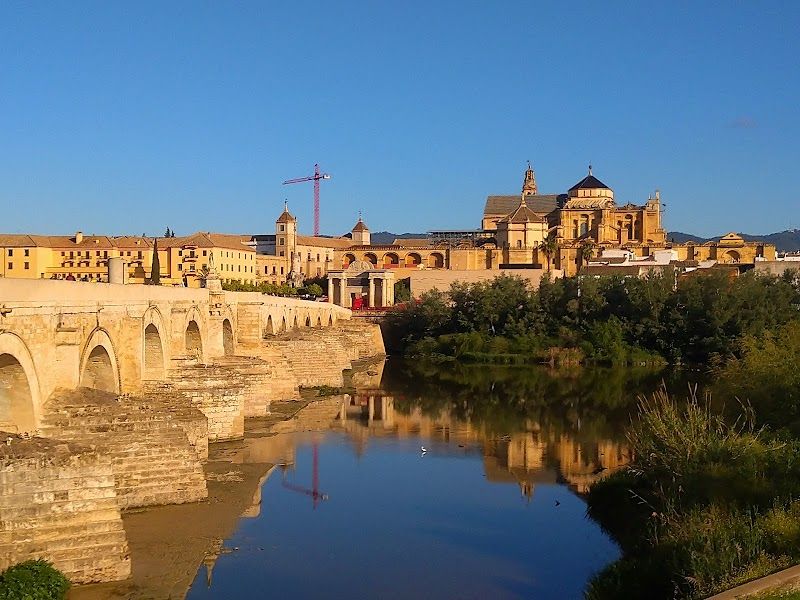
How to spend 1-2 days in Cordoba: the Mezquita at opening (EUR 13, the column forest in morning light is extraordinary), the Juderia walk, salmorejo at a neighbourhood bar, Palacio de Viana courtyards, and sunset from the Roman Bridge.
7 min
Where to Eat in Cordoba: Salmorejo, Patios & Tapas
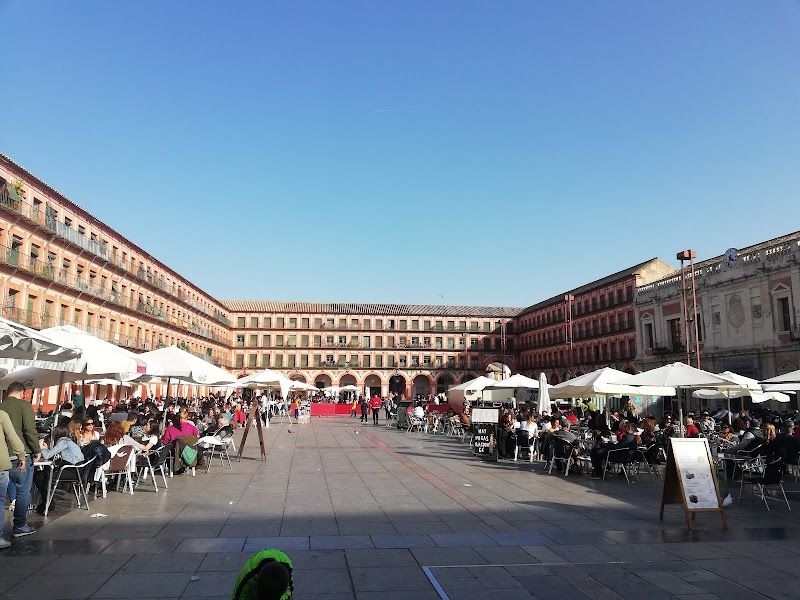
Salmorejo (EUR 3-5, the cold tomato soup Cordoba claims is better than gazpacho, and Cordoba is right), flamenquin, rabo de toro, and the neighbourhood bars in Santa Marina and the Corredera where the locals eat.
6 min