Crete
Things to Do
55 attractions, museums, and experiences
Palace of Knossos
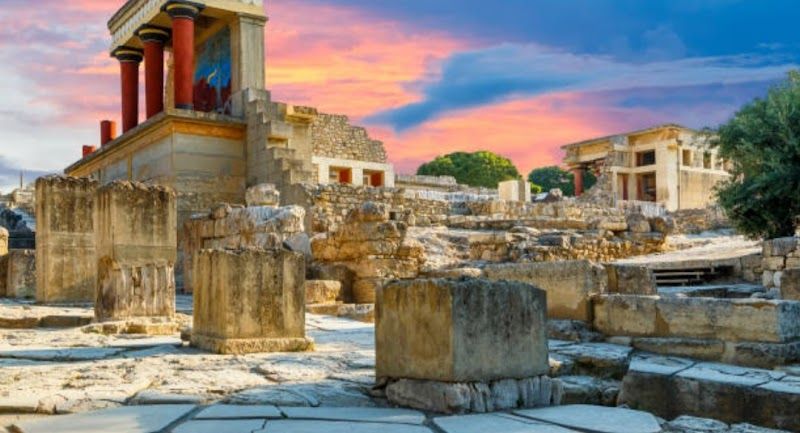
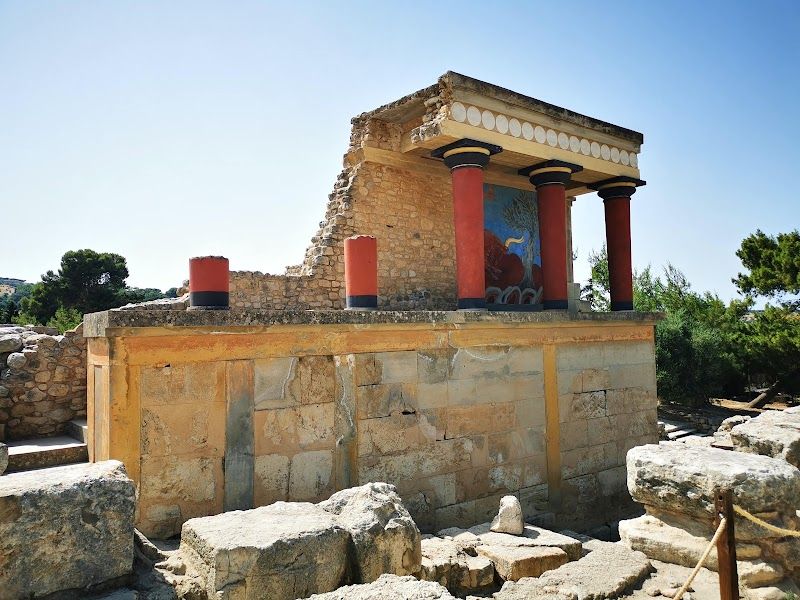
Knossos is the largest Bronze Age archaeological site on Crete and the ceremonial and political centre of the Minoan civilization. The palace complex covers 20,000 square metres with over 1,300 rooms, a throne room with the oldest stone throne in Europe, the grand staircase, and a sophisticated drainage system that included flush toilets 3,600 years ago. The original frescoes (the Bull-Leaping Fresco, the Dolphins, the Prince of the Lilies) are in the Heraklion Archaeological Museum, but the site has reproductions in situ. Sir Arthur Evans reconstructed parts of the palace in concrete in the early 1900s, which is controversial but makes the spaces comprehensible. Entry EUR 15 (combo with Heraklion Archaeological Museum EUR 20). Open 8 AM-8 PM in summer. Go at 8 AM opening or after 3 PM to avoid cruise ship groups.
Knossos Palace
The largest Bronze Age archaeological site on Crete requires a knowledgeable guide to interpret the reconstructed frescoes and multi-story layout. Guided tours explain the Minoan civilization's advanced drainage systems, storage methods, and the myth of the Minotaur tied to this labyrinthine palace.
Chania Venetian Harbour
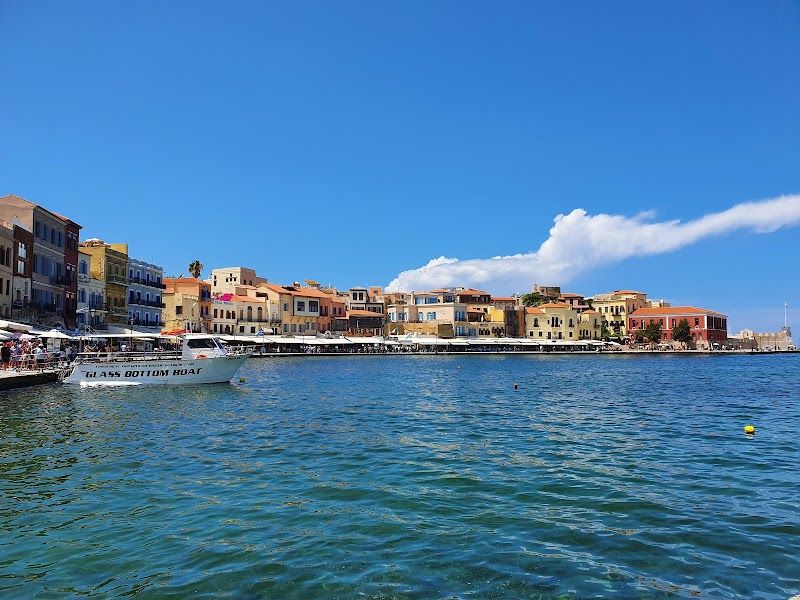
The Venetian Harbour of Chania is the most photographed spot in Crete: a crescent-shaped harbour with a 16th-century lighthouse at the entrance, waterfront restaurants, the former Venetian mosque (now an exhibition space), and the backdrop of the Old Town climbing up the hillside behind. The lighthouse is a 15-minute walk along the harbour wall (free, open at all times). The harbour restaurants are tourist-priced (EUR 20-30 pp) but the setting at sunset justifies it once. The real Chania eating happens 2-3 minutes inland in the Old Town back streets. The Maritime Museum (EUR 4) in the Venetian fortress at the harbour entrance covers Cretan naval history from the Minoans to WWII.
Heraklion Archaeological Museum
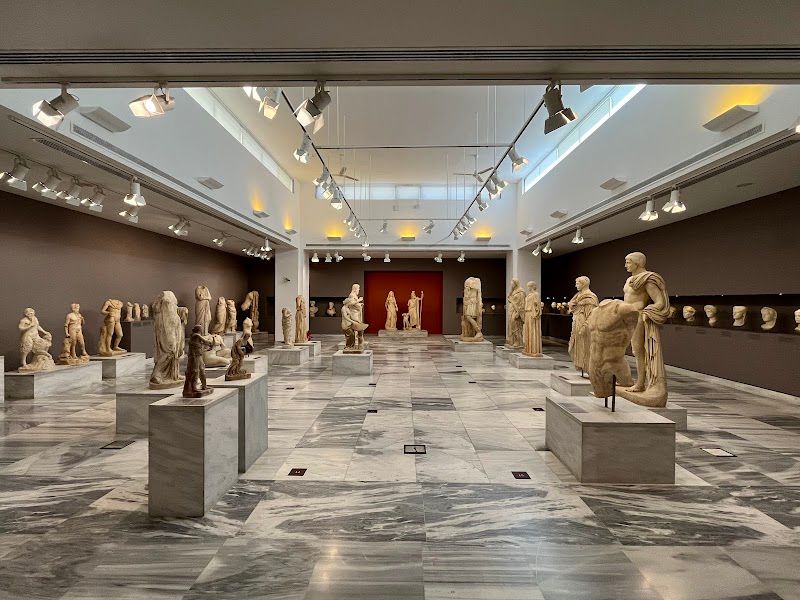
Skip-the-line guided tour of one of Europe's most important archaeological museums, housing the world's finest Minoan artifact collection. Frescoes, pottery, and jewelry from Knossos and other palaces are arranged chronologically. The guide connects the museum's treasures to the archaeological sites around Crete.
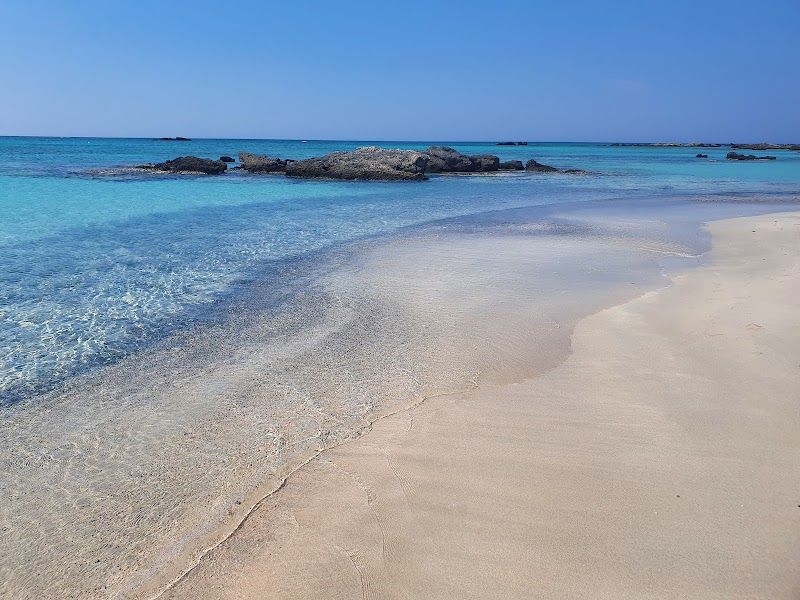
Elafonisi Beach
Elafonisi is a beach on the southwest coast of Crete with pink sand from crushed seashells and water so shallow and warm that you wade 50 metres before it reaches your waist. The beach is actually a small island connected to the mainland by a sandbar that you can walk across. The colour is most visible in the morning before the sand is disturbed by feet. It is 75 minutes by car from Chania on a winding road, and the parking lot fills by 10 AM in July-August. Free entry. One cafe (overpriced). Bring food, water, and an umbrella if you do not want to rent a lounger (EUR 8-10). The water is Caribbean-clear and the setting competes with any beach in the Mediterranean.
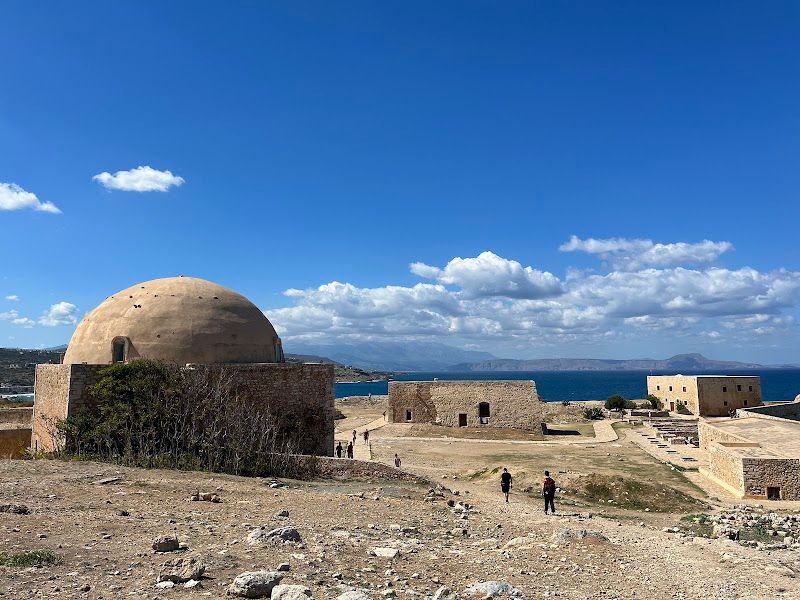
Fortezza of Rethymno
Massive star-shaped fortress dominating Rethymno's skyline, built by Venetians in 1573 after devastating pirate attacks. Within the walls stands a rare Ottoman mosque with its dome still intact, converted from a Venetian church. The grounds host summer cultural events and offer sweeping coastal views.
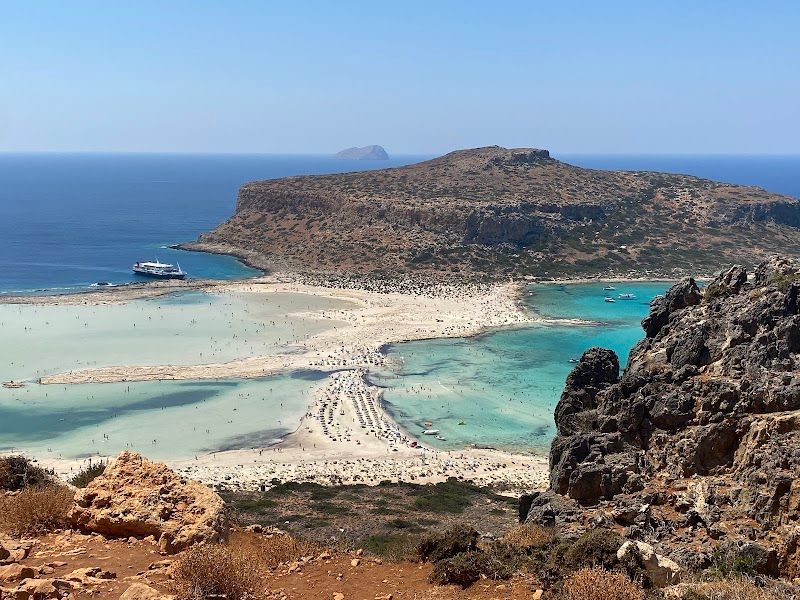
Balos Lagoon
The most photographed beach in Crete, featuring surreal turquoise and pink-sand waters where three seas meet. Accessible by daily boat from Kissamos port (EUR 25) or via a rough 8km dirt road followed by a 20-minute downhill hike. The lagoon's shallow waters and exotic colors create an almost tropical Caribbean atmosphere.
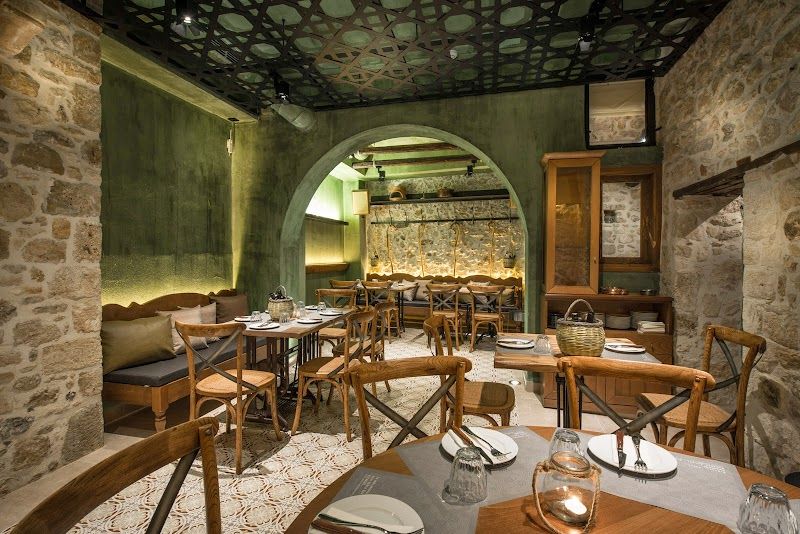
Peskesi
Heraklion restaurant focused on forgotten Cretan recipes and heirloom ingredients sourced from the owners' organic farm. The menu changes with the seasons and features dishes cooked in a wood-fired oven. Everything from the olive oil to the wine comes from small Cretan producers.
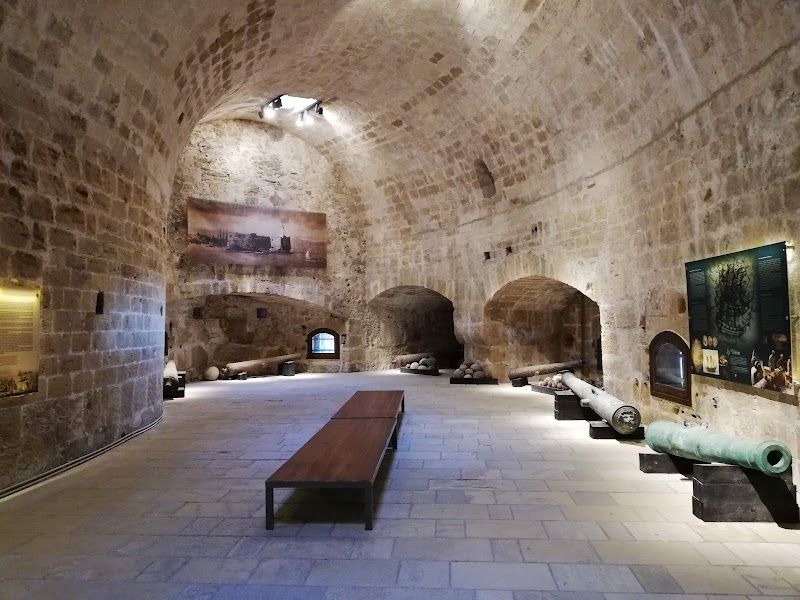
Koules Fortress
Imposing 16th-century Venetian fortress guarding Heraklion's old harbor, built to protect against Ottoman raids. The rooftop offers panoramic views of the city and Aegean Sea, while interior chambers house rotating exhibitions on maritime history. Look for the relief of the Lion of St. Mark on the seaward facade.
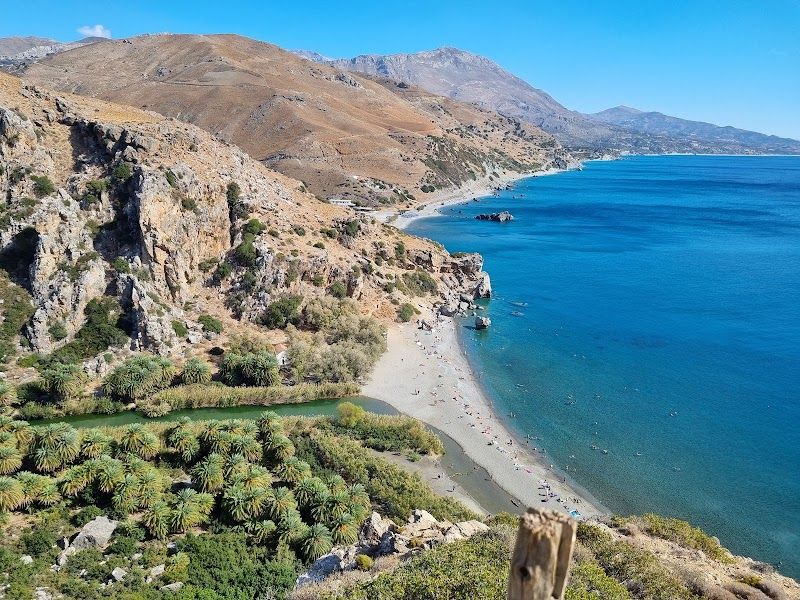
Preveli Beach
A palm-lined river canyon meets the Libyan Sea, creating a unique freshwater lagoon surrounded by hundreds of Theophrastus palms. Accessible by boat from Plakias (EUR 10) or via 400 steep steps down a clifftop path. The river is cold and shallow enough to wade upstream into the gorge.
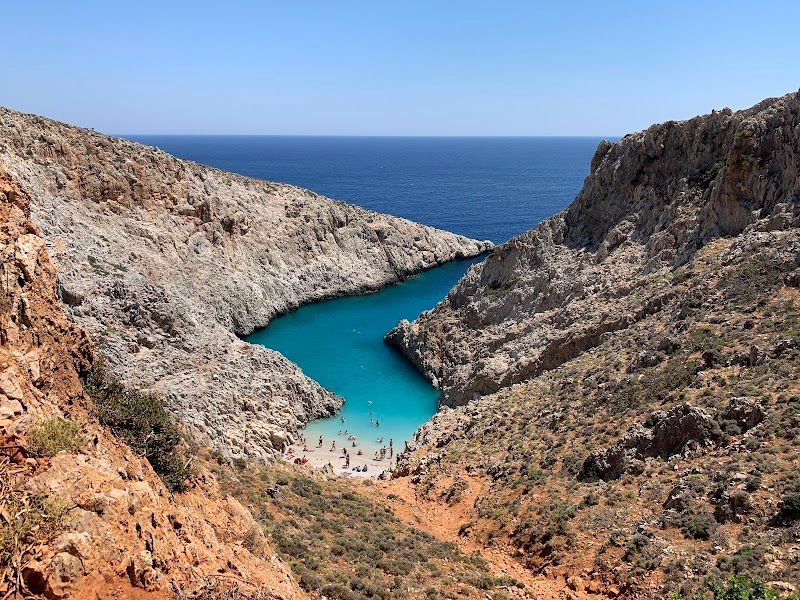
Seitan Limania
A narrow fjord-like cove with sheer limestone cliffs plunging into electric blue water, located 20 minutes from Chania airport. The dramatic gorge is accessed via a steep, rocky 10-minute descent requiring good shoes. The tiny pebble beach gets crowded but the setting is otherworldly.
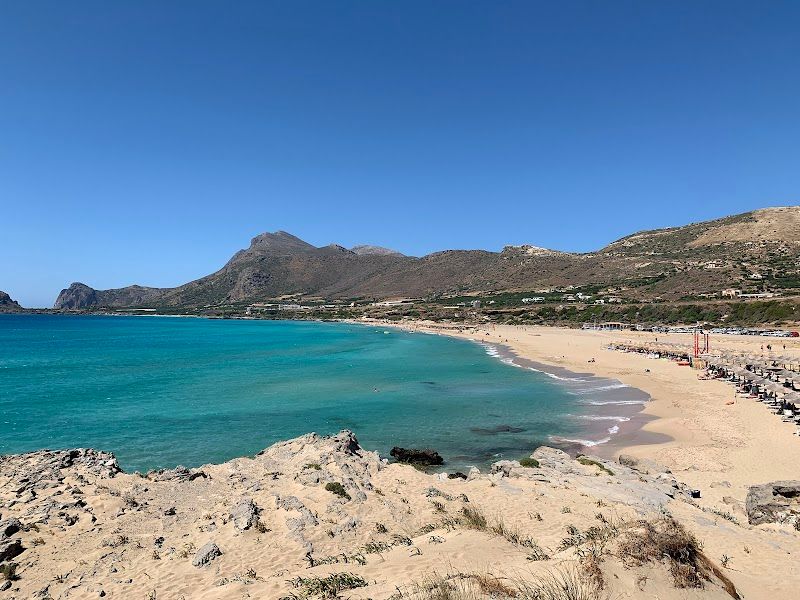
Falassarna Beach
A 3km stretch of wide golden sand on Crete's wild west coast, consistently rated among Greece's best beaches. Five connected coves offer both organized sections with sunbeds and long stretches of undeveloped shoreline. The beach faces directly west for spectacular sunsets and can have dramatic waves.
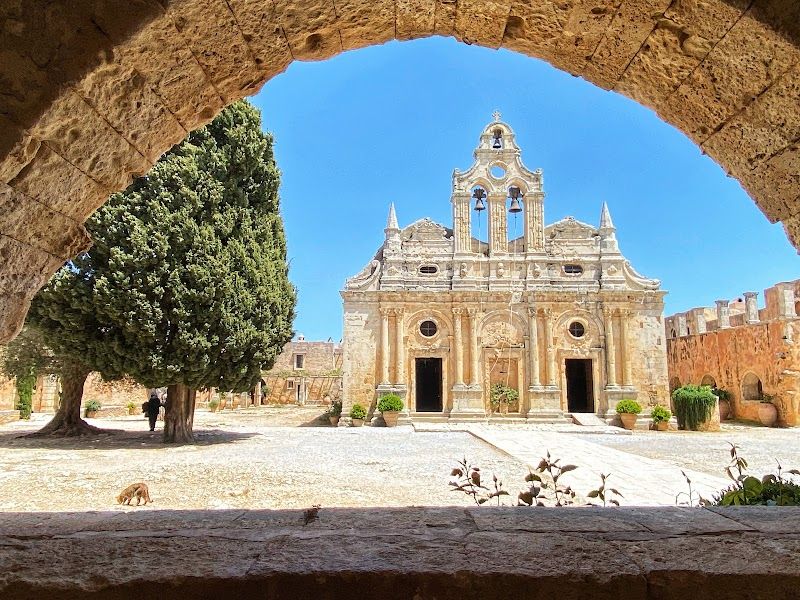
Arkadi Monastery
Working 16th-century monastery that became a symbol of Cretan resistance after 943 Greeks chose martyrdom over Ottoman surrender in 1866. The gunpowder magazine explosion site is preserved as a memorial, while the ornate Venetian baroque church remains active. Beautiful arcaded courtyard with ancient cypress trees.
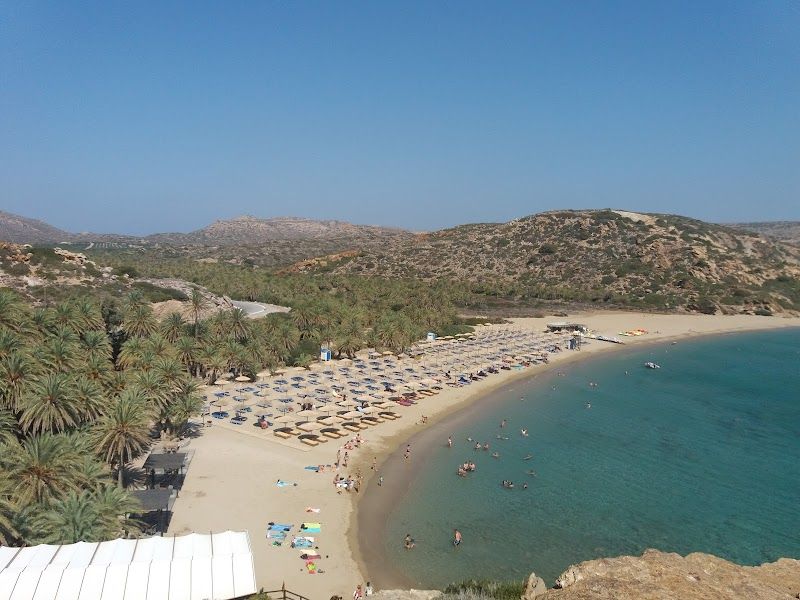
Vai Beach
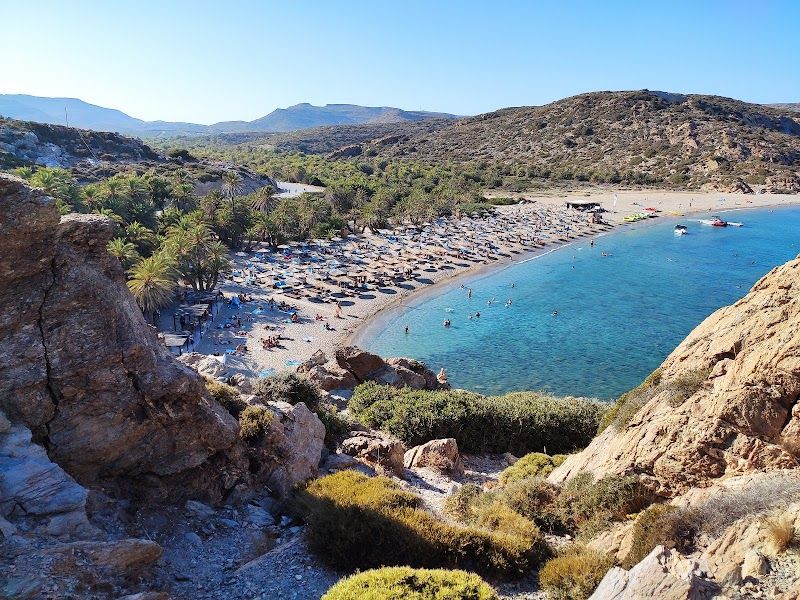
Europe's largest natural palm forest (over 5,000 Cretan date palms) creates an exotic backdrop to this organized sandy beach on Crete's east coast. The protected grove provides natural shade, while the beach itself offers sunbeds, lifeguards, and clear shallow waters. Peak season sees heavy crowds by midday.
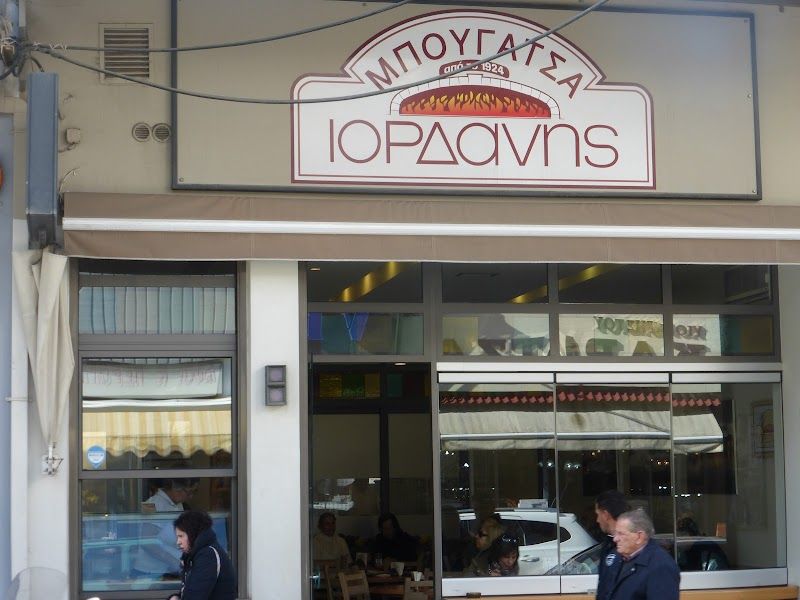
Bougatsa Iordanis
Chania bakery specializing in bougatsa, the Cretan breakfast pastry filled with sweet custard or savory cheese. Operating since 1924, the family still makes the phyllo dough by hand each morning. Locals line up before work for the crispy, warm pastries dusted with cinnamon and sugar.
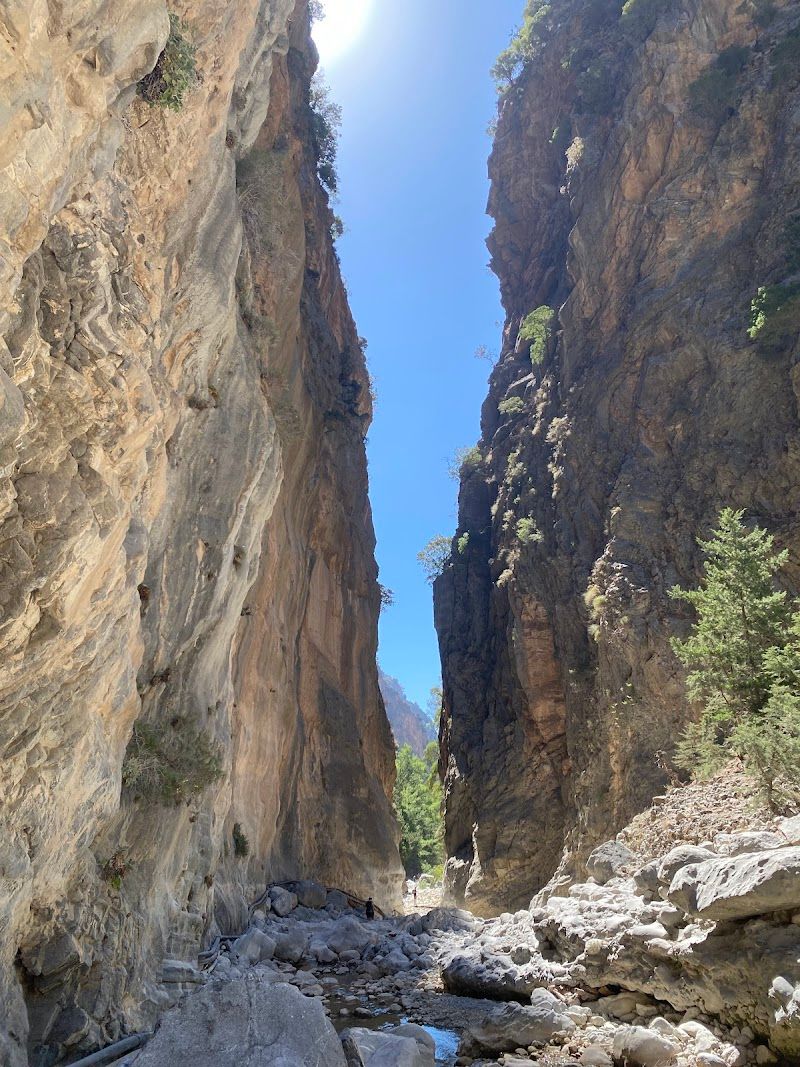
Samaria Gorge National Park
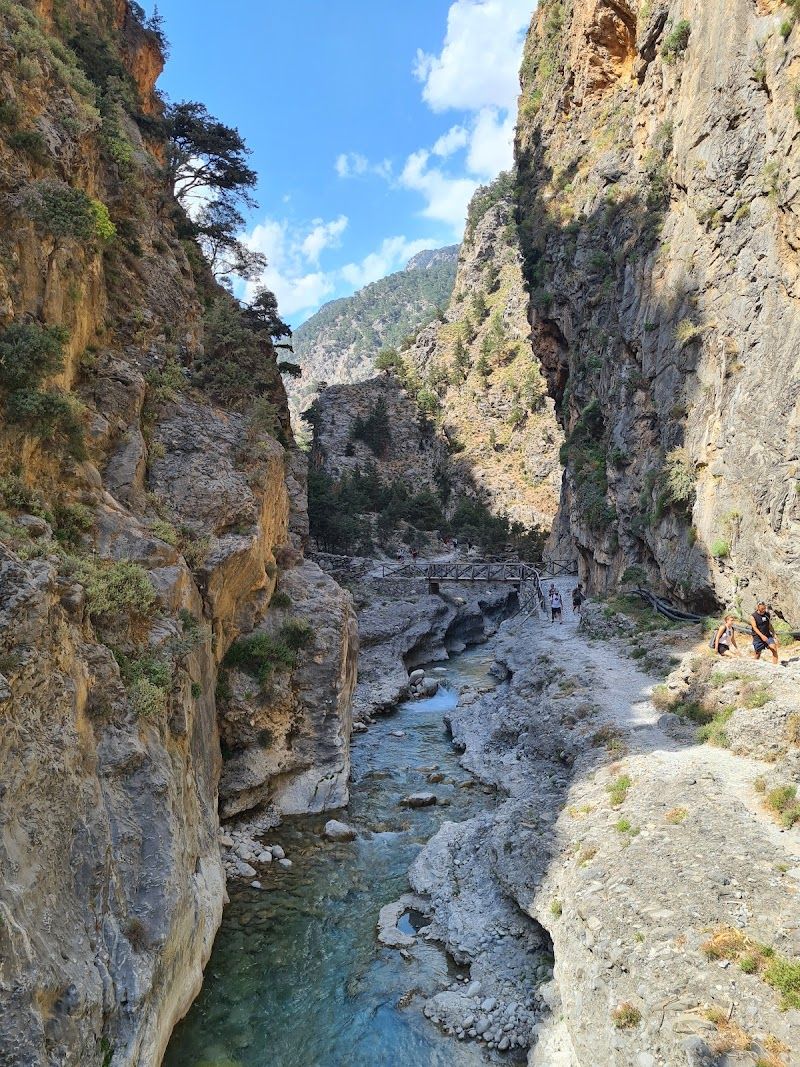
Europe's longest gorge offers a 16km descent through dramatic rock walls reaching 300m high, ending at the Libyan Sea. The guided hike includes transport from Chania and ferry return from Agia Roumeli. Best done early to avoid crowds in the narrowest section, the Iron Gates.
Vai Palm Forest
Largest natural palm grove in Europe with over 5,000 Cretan date palms (Phoenix theophrasti) framing a stunning sandy beach. The protected forest ecosystem is unique in the Mediterranean, creating an almost tropical atmosphere. Ancient legend claims the palms grew from date pits discarded by Roman legionaries.
Samaria Gorge
Samaria Gorge is a 16 km one-way hike through one of Europe's longest gorges, descending from 1,250 metres at Omalos to sea level at Agia Roumeli on the south coast. The gorge narrows to just 3 metres at the "Iron Gates" (Sideroportes) section. The hike takes 5-7 hours depending on fitness, with a descent of 1,250 metres. Entry EUR 5. Open May-October only. At the end, a ferry runs from Agia Roumeli to Hora Sfakion (EUR 12), and buses return to Chania. The gorge is home to the kri-kri (Cretan wild goat) and the landscape ranges from cypress forest to bare rock walls. Start early (before 8 AM) to avoid midday heat.
Kritsa Village
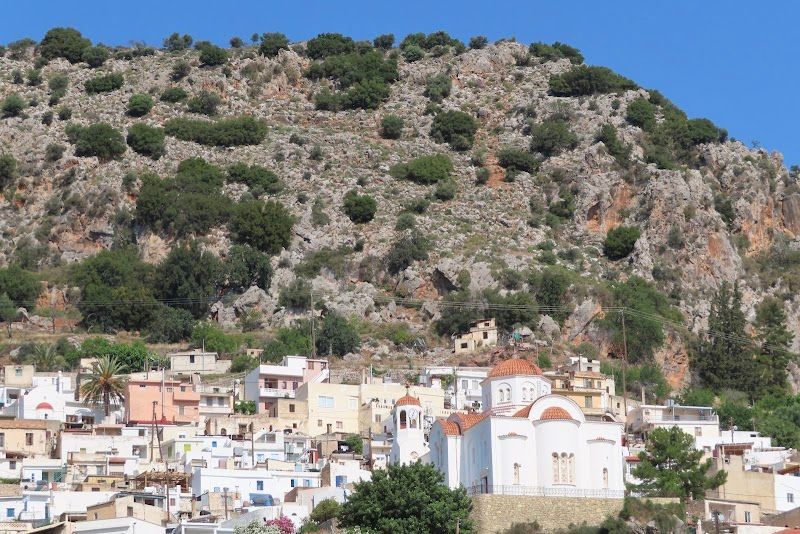
Traditional mountain village clinging to slopes overlooking Mirabello Bay, known for handwoven textiles and ceramics sold in family workshops. The 13th-century Panagia Kera church contains Crete's finest Byzantine frescoes. Stone houses with vibrant bougainvillea create quintessential Cretan village atmosphere.
Avli
Rethymno restaurant set in a 16th-century Venetian mansion with dining in a stone-paved courtyard. The kitchen reinterprets Cretan recipes using modern techniques while respecting traditional flavors. The wine list features small Cretan wineries alongside Greek and international selections.
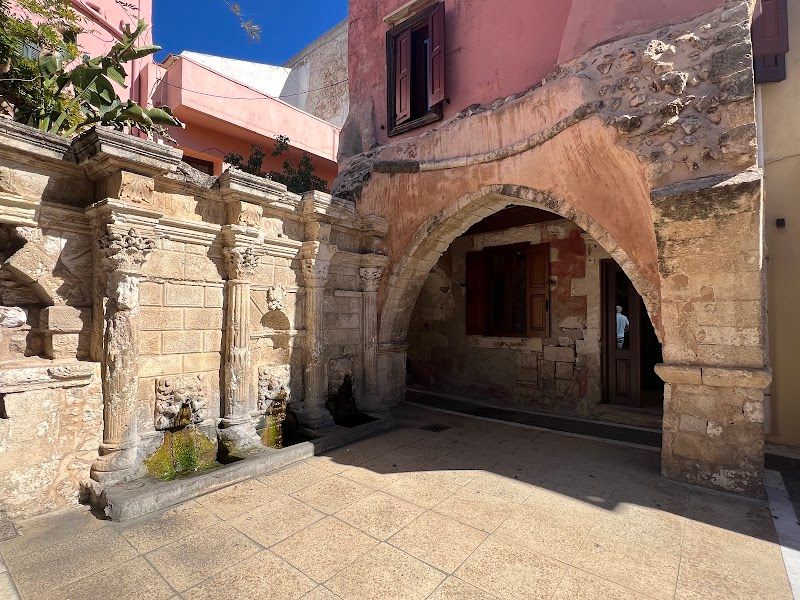
Rimondi Fountain
Ornate Venetian fountain built in 1626 with three lion-head spouts still flowing with mountain spring water. The fountain served as the main water source for Rethymno's old town for centuries. Corinthian columns and Latin inscriptions commemorate Governor Rimondi who commissioned it.
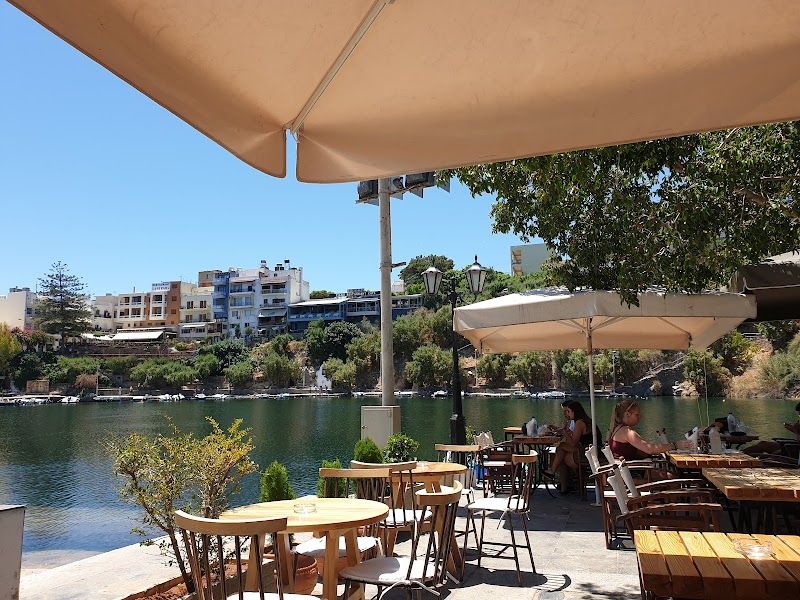
To Karnagio
Seafood taverna in Chania's Nea Chora neighborhood, popular with locals for its fresh fish and meze at lower prices than the old harbor. The dining room opens directly onto the beach, with tables set under tamarisk trees. Grilled octopus and sea urchin salad are house specialties.
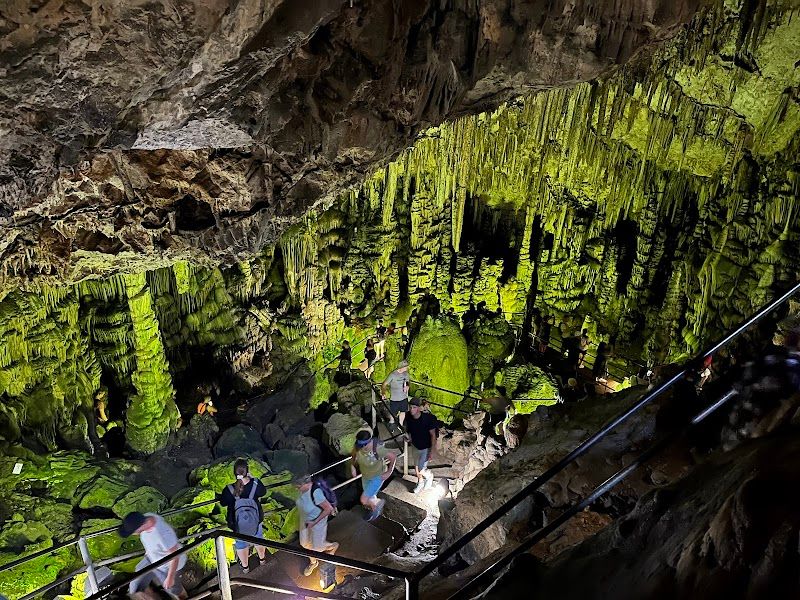
Dictaean Cave
Mythological birthplace of Zeus nestled in the Lasithi Plateau mountains, featuring stalactite chambers descending 70 meters into the earth. Archaeological finds indicate Bronze Age worship rituals took place here. The steep descent involves 200 stone steps into atmospheric caverns with underground pools.
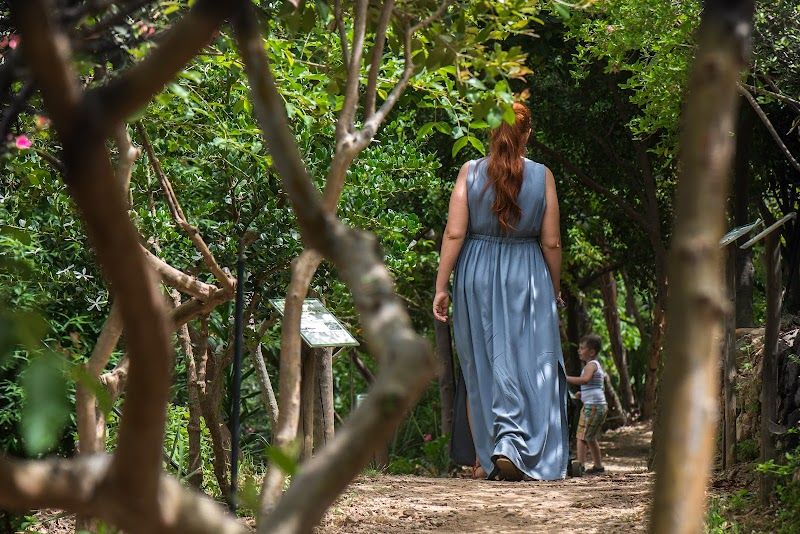
Botanical Park & Gardens Of Crete
A 20-hectare botanical garden in the White Mountains showcasing native Cretan flora, medicinal herbs, and fruit trees across terraced hillsides. The family-run park includes guided paths, a traditional taverna serving produce from the gardens, and panoramic mountain views. Founded by a local family after devastating forest fires.
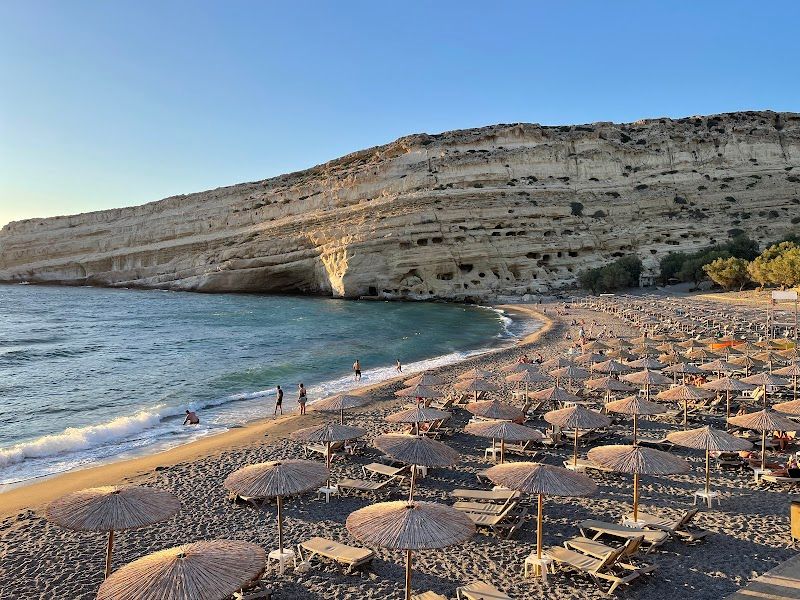
Matala Beach
A sandy cove backed by ancient Roman-era caves carved into the sandstone cliffs, famous as a 1960s hippie commune where Bob Dylan and Joni Mitchell stayed. The organized beach has sunbeds and tavernas, while the caves (EUR 3 entry) offer shade and history. The village retains a laid-back bohemian atmosphere.
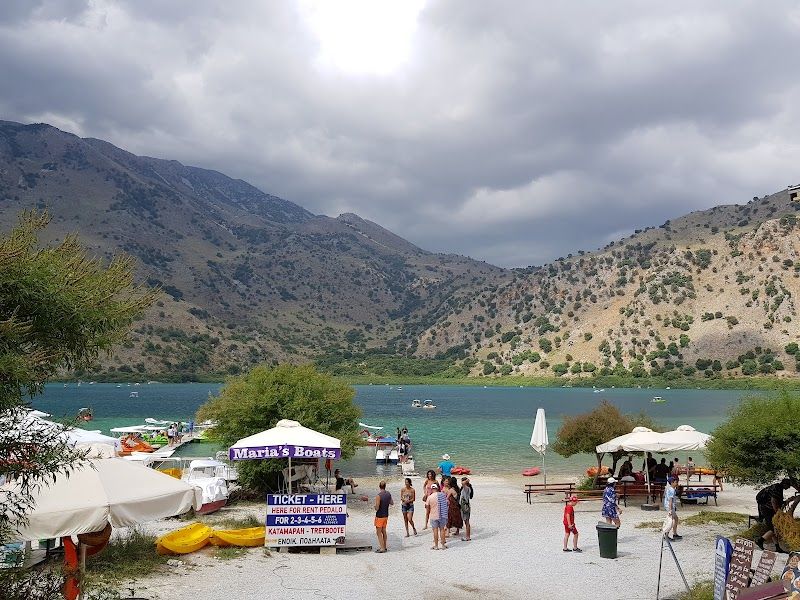
Lake Kournas
Crete's only natural freshwater lake, set in a mountain basin surrounded by eucalyptus trees and the White Mountains. The shallow lake has paddleboat rentals (EUR 8/hour), lakeside tavernas, and a walking path around the perimeter. Terrapins and eels inhabit the waters, visible from the pedal boats.
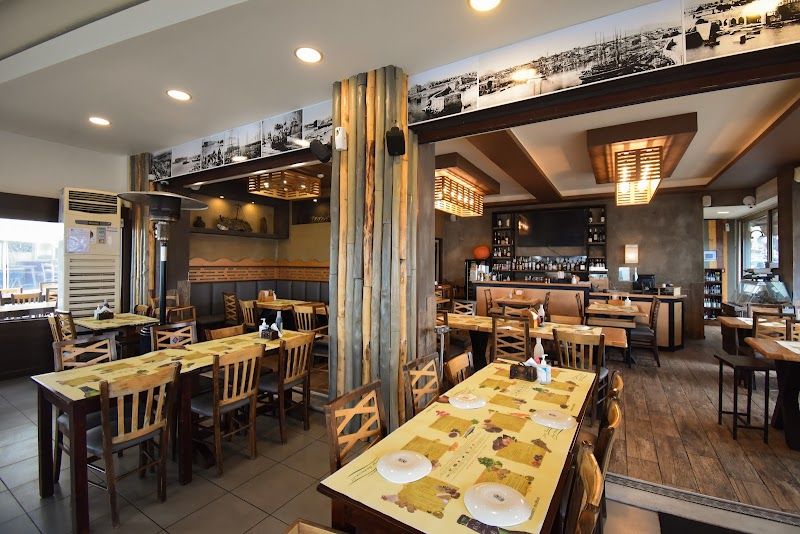
Ligo Krasi Ligo Thalassa
Seaside taverna in the village of Kokkini Hani east of Heraklion, known for generous portions and seafood meze. The name means a little wine, a little sea, which describes the atmosphere perfectly. Tables are set on a terrace right above the water.
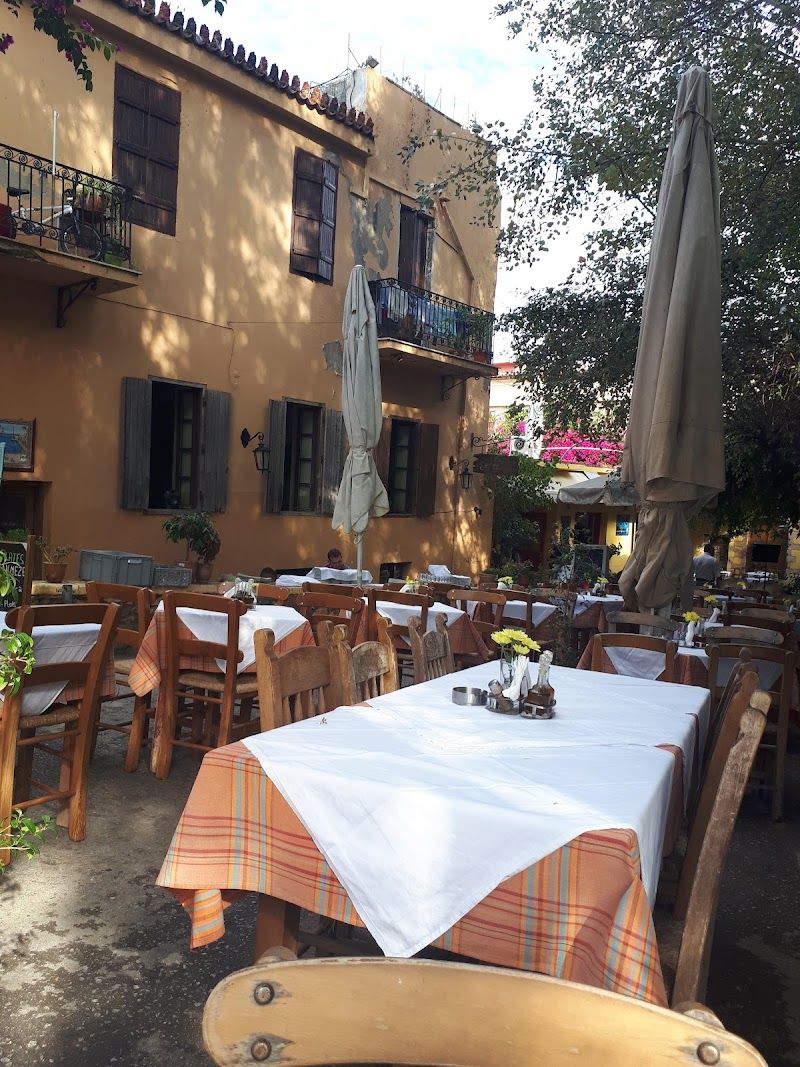
Tamam Restaurant
Former Turkish bathhouse converted into a restaurant in Chania's old town, serving a mix of Greek and Eastern Mediterranean dishes. The menu includes Cretan classics alongside vegetarian options, all prepared with local ingredients. Stone walls and arched ceilings create an atmospheric dining space.
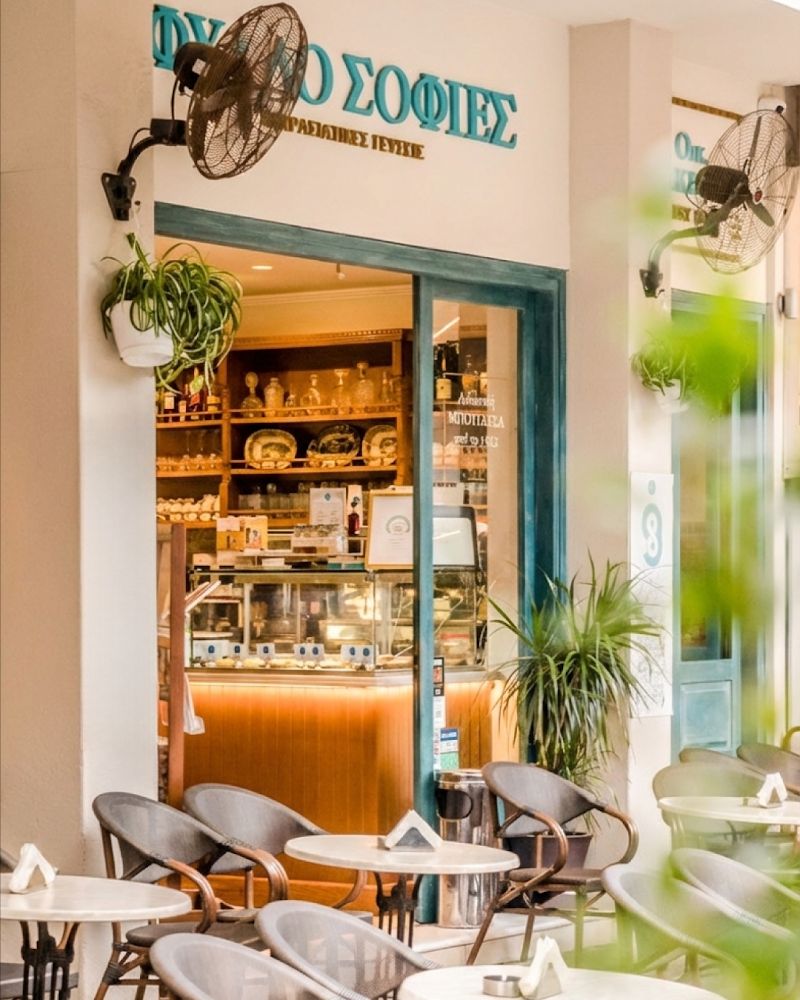
Phyllo Sophies
Small shop in Heraklion selling traditional Cretan pies made with handmade phyllo dough. Offerings include kalitsounia (sweet cheese pies), spanakopita (spinach pie), and seasonal vegetable pies. Everything is baked fresh multiple times daily.
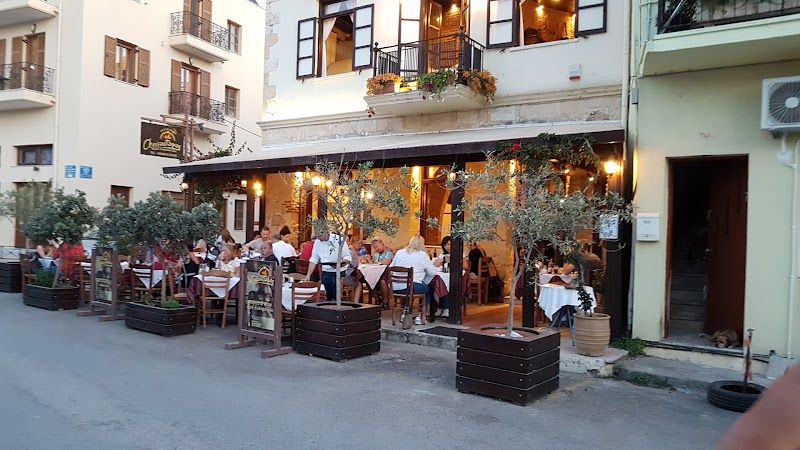
Chrisostomos
Simple taverna in Chania's market area serving traditional Cretan breakfasts and lunch. Known for stamnangathi omelet, Cretan sausages, and offal dishes that most tourist restaurants avoid. The clientele is almost entirely local workers from the market.
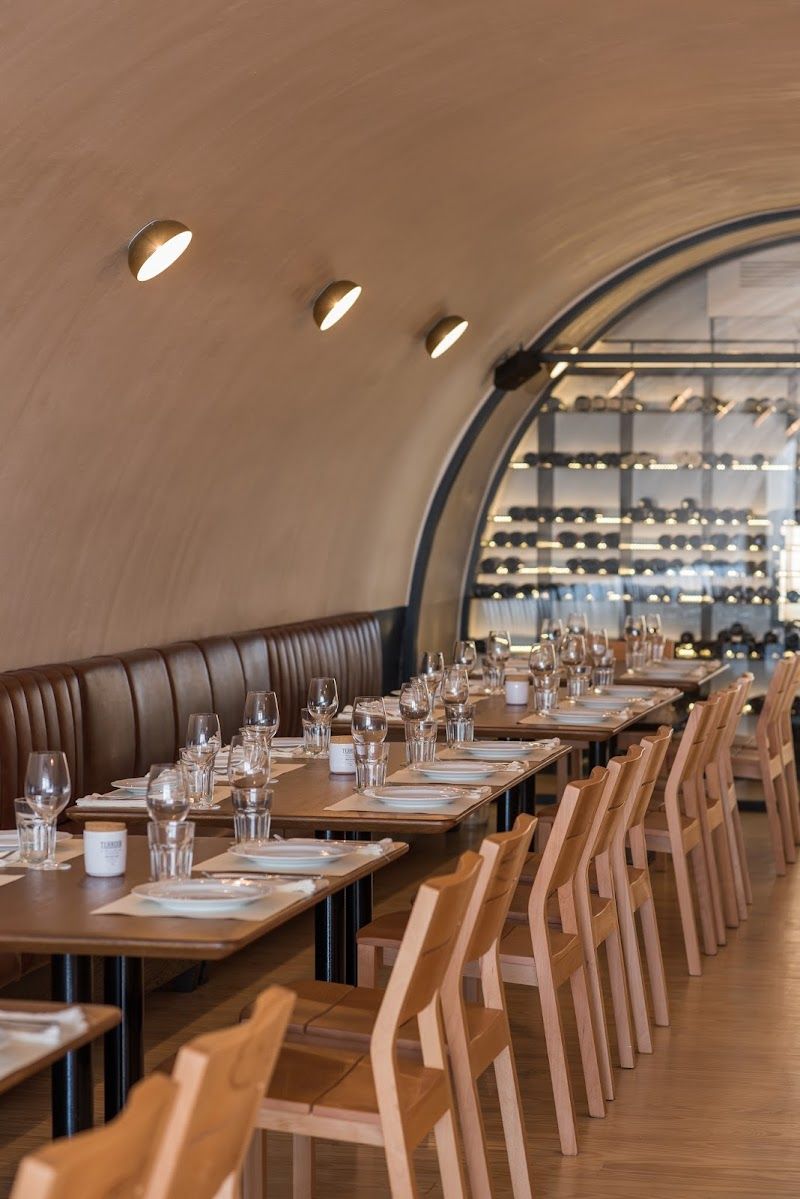
Salis
Seaside restaurant in Agios Nikolaos overlooking Mirabello Bay, known for fresh fish priced by weight and grilled seafood. The kitchen sources directly from local fishermen who dock nearby each morning. Tables are set right on the water's edge with views across the bay.
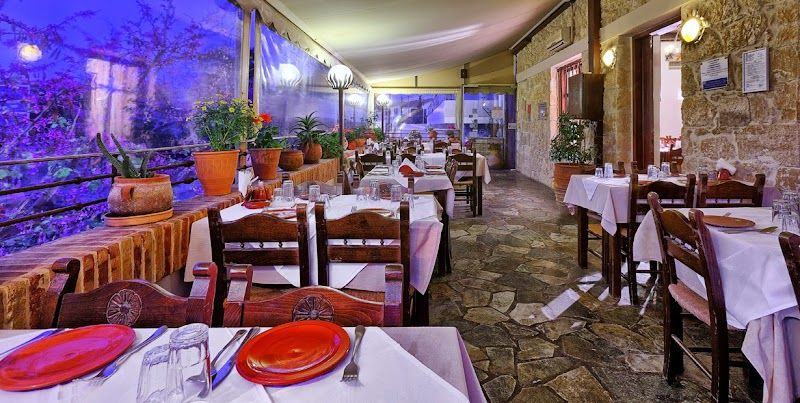
Erganos
Small taverna in Heraklion serving traditional Cretan dishes cooked daily by the owner. The menu includes hard-to-find specialties like stifado (beef stew with pearl onions) and staka (cream made from goat's milk). Simple interior with focus entirely on the food quality.
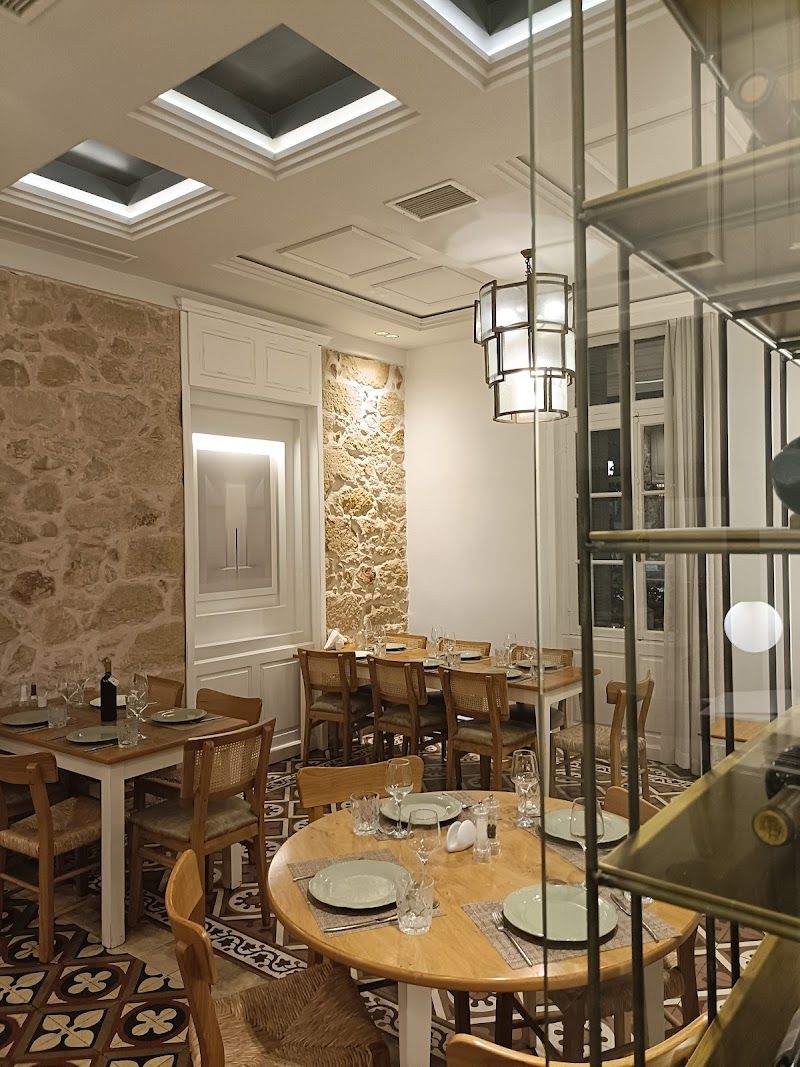
Merastri
Modern taverna in Chania's old town courtyard serving creative takes on Cretan classics. The chef sources ingredients from family farms in nearby villages and changes the menu weekly. Dishes like lamb with sour cherry sauce and dakos with sundried tomatoes show traditional flavors with contemporary plating.
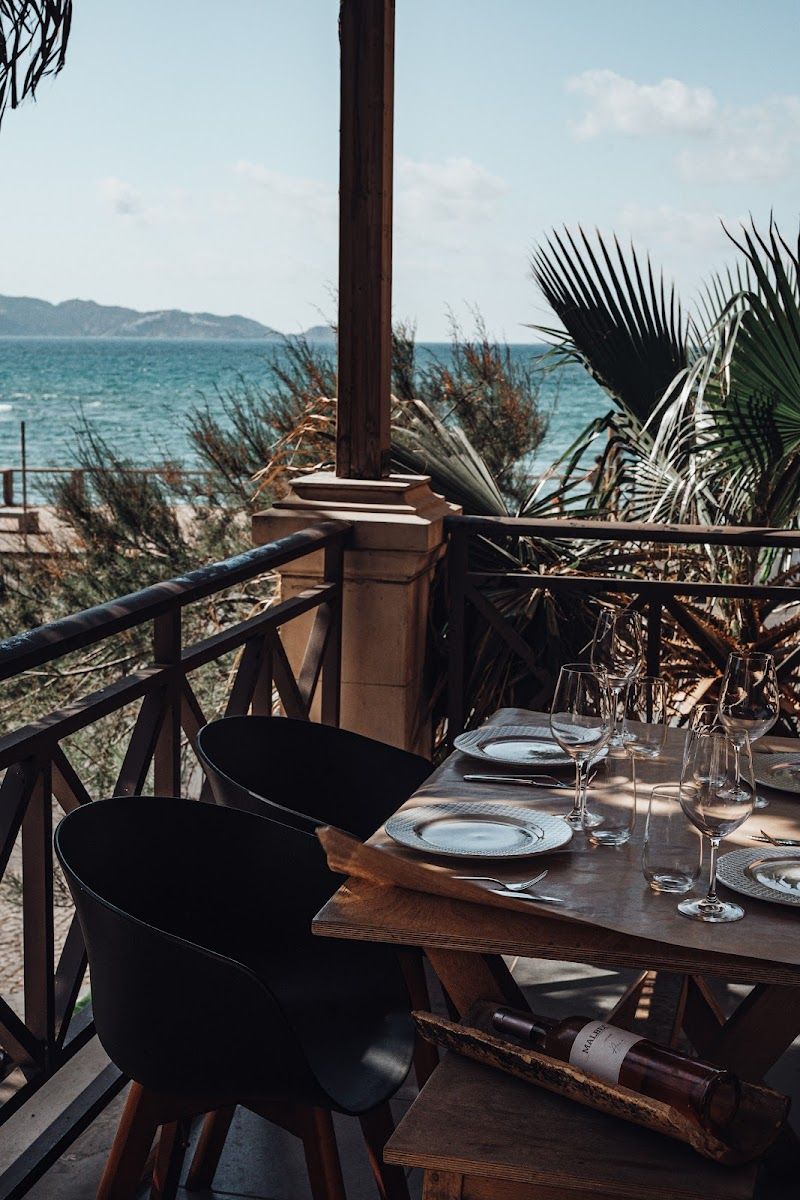
Parasties
Traditional kafeneion in Rethymno's old town where locals gather for Greek coffee, raki, and conversation. The interior has barely changed in decades, with marble tables, wooden chairs, and old photographs on the walls. It operates from early morning until late at night.
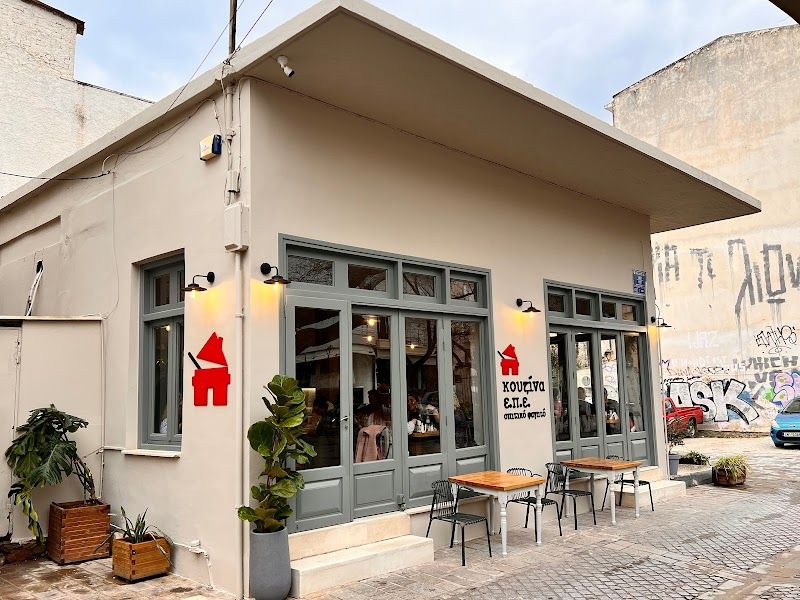
Kouzina e.p.e.
Family-run taverna in Heraklion serving home-cooked Cretan dishes with no menu, just what the kitchen prepared that day. The owner explains each dish at your table, and portions are served family-style. Prices are among the lowest in the city for authentic local cooking.
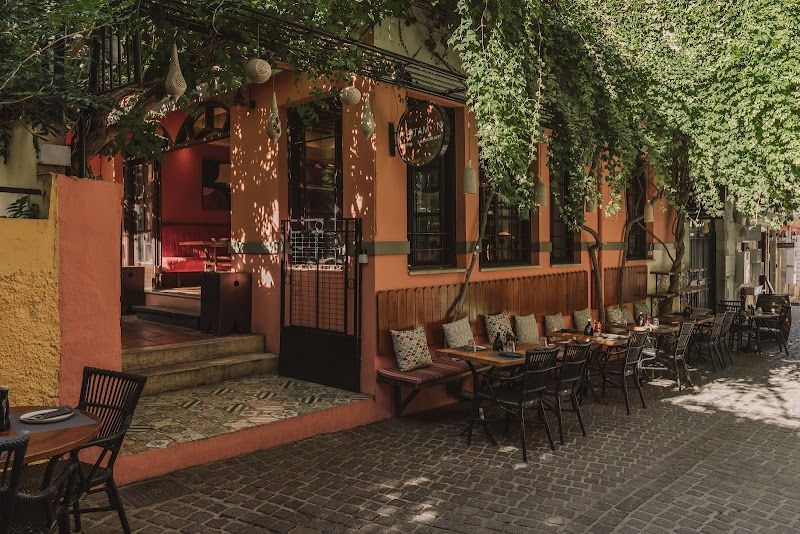
Kritamon
Fine dining restaurant in Agios Nikolaos emphasizing forgotten Cretan herbs and wild greens. The chef forages ingredients from the surrounding mountains and works with small producers for meats and cheeses. Tasting menus highlight unusual ingredients like rock samphire and sea fennel.
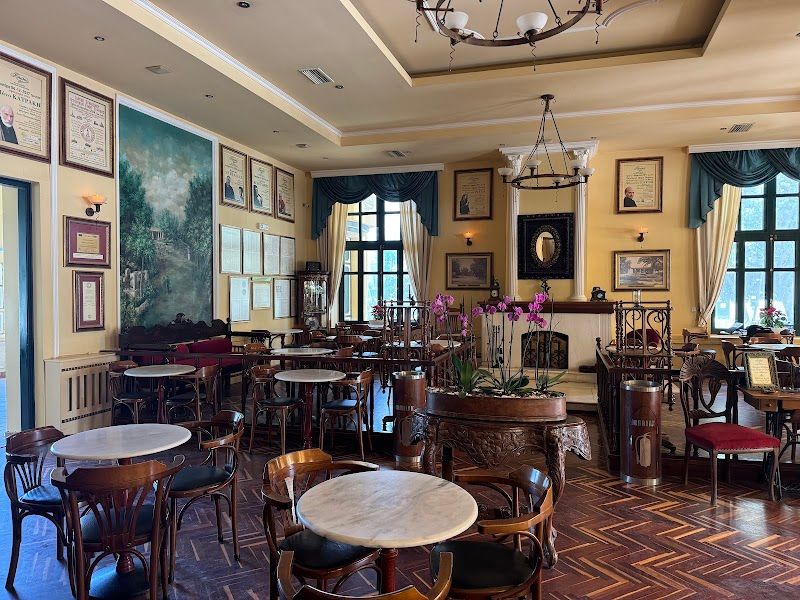
Kafe Kafeneio Kipos
Garden cafe in Heraklion set in a leafy courtyard away from the busy streets. Serves traditional Greek coffee, homemade cakes, and light meals in a peaceful setting with plants and shade trees. Popular with locals seeking a quiet spot to read or work.
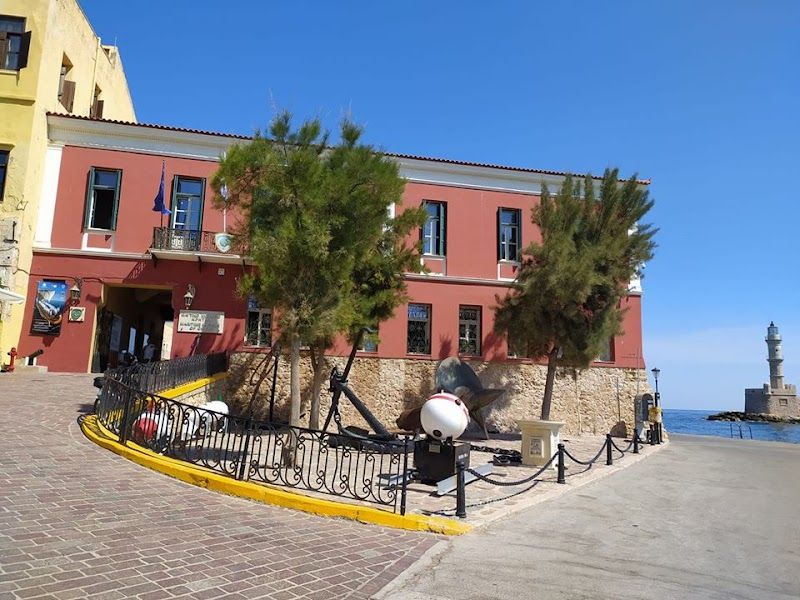
Maritime Museum of Crete
Comprehensive naval museum housed in the Firka Fortress at Chania harbor entrance, chronicling Crete's seafaring history from Bronze Age to WWII. Exceptional collection includes detailed ship models, naval instruments, and a room dedicated to the Battle of Crete. The rooftop terrace overlooks the Venetian harbor.
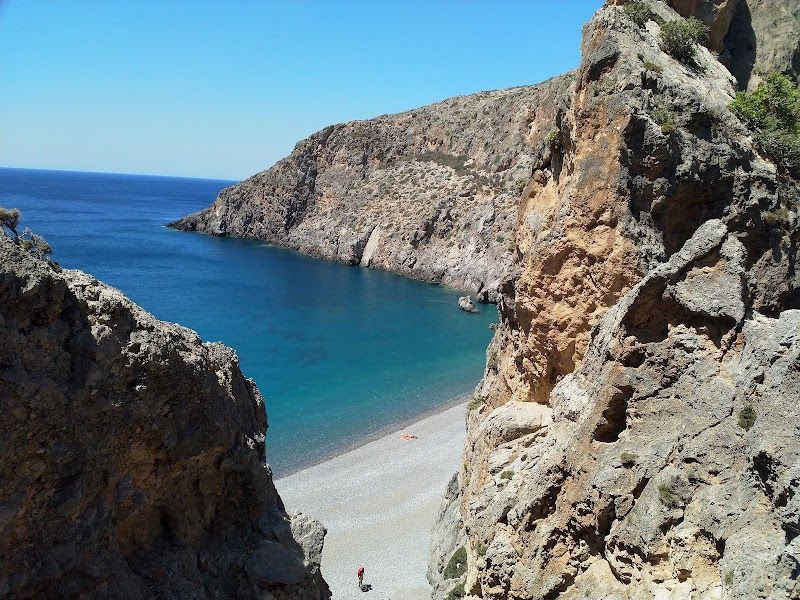
Agiofarago Beach
A remote pebble beach at the mouth of the Sacred Gorge (Agiofarago), accessible only by hiking 30 minutes down a rocky canyon or by boat. Ancient hermit caves dot the cliff walls, and the beach offers complete seclusion with crystal-clear deep waters ideal for snorkeling. No facilities exist.
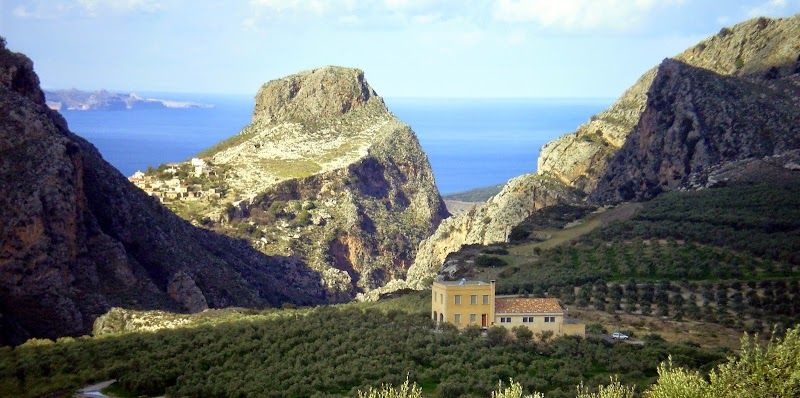
Biolea Organic Olive Oil
Visit a working organic olive press in Kolymbari to see modern and traditional production methods side by side. Taste five different olive oil varieties while learning about harvest timing, pressing techniques, and how to identify quality. The farm has century-old olive trees you can walk among.
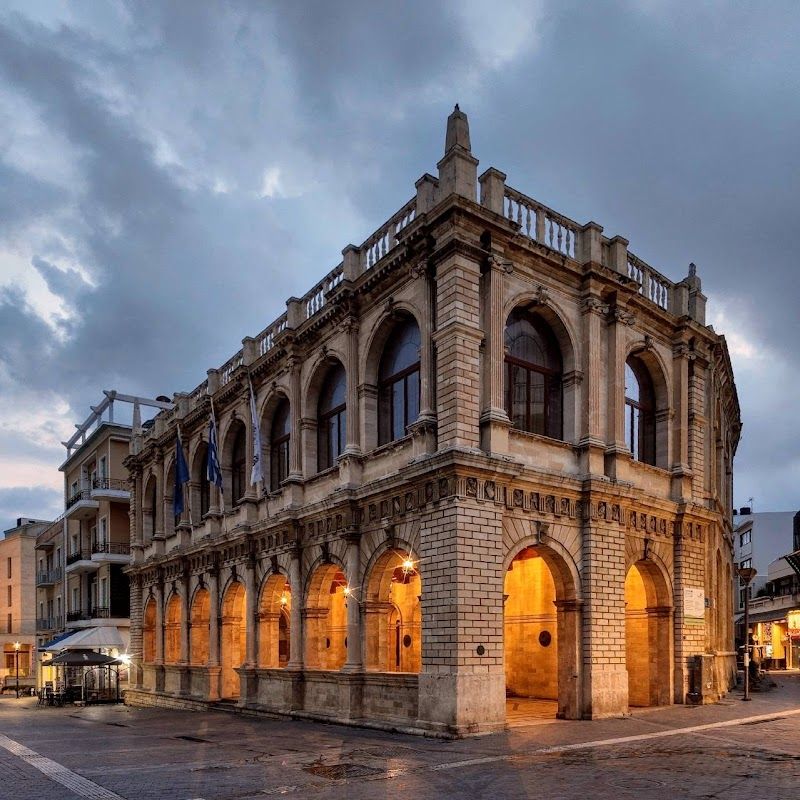
Venetian Loggia Heraklion
Elegant Renaissance-era loggia built in 1626 as the administrative center for Venetian nobility, now serving as Heraklion's City Hall. The building showcases refined Palladian architecture with Doric columns and arched galleries. Destroyed in WWII and meticulously reconstructed in the 1960s using original plans and photographs.
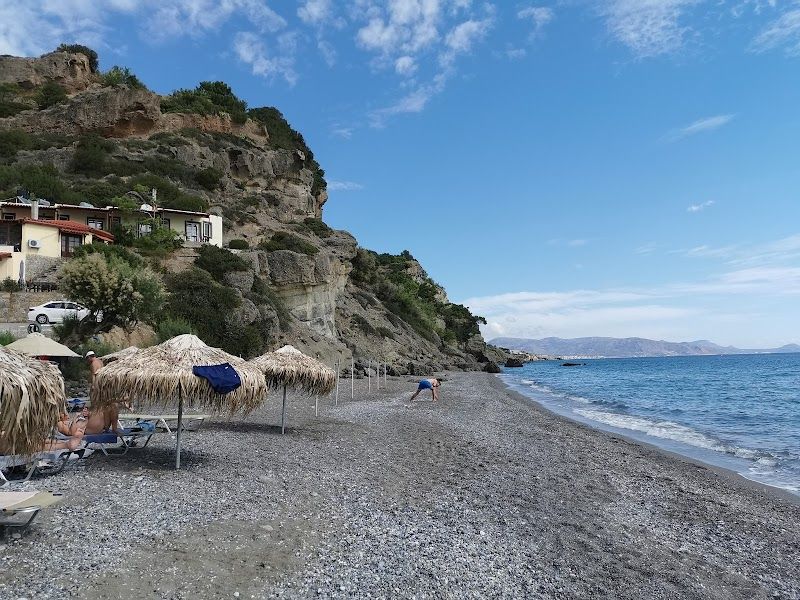
Agia Fotia Beach
A long pebble beach with crystalline waters on the northeast coast between Sitia and Ierapetra, offering a mix of organized sections and wild stretches. The beach sits below a road lined with tamarisk trees providing natural shade. An important Minoan cemetery site lies just inland, though not prominently marked.
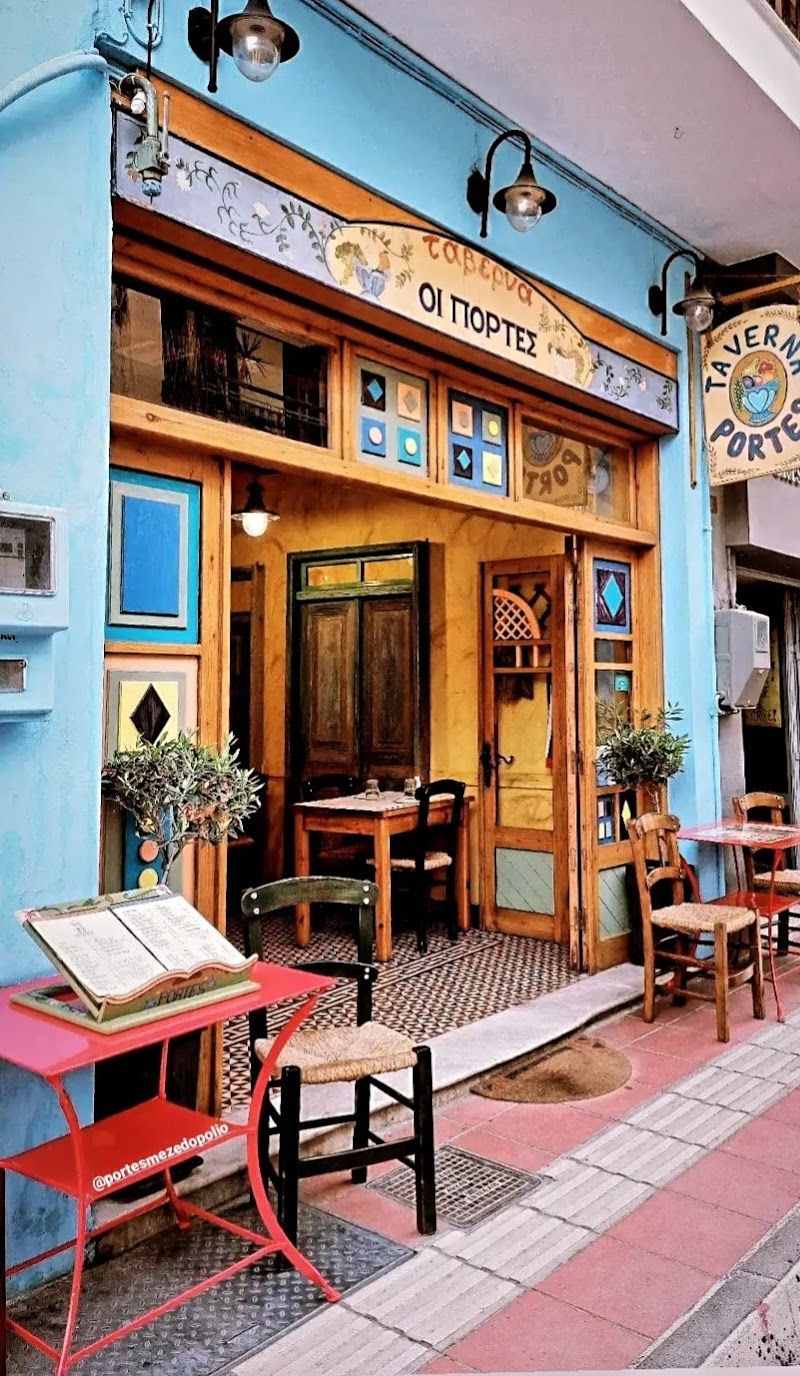
Portes
Traditional taverna in Chania serving meat dishes from the wood-fired oven. The menu focuses on slow-cooked lamb, goat, and pork with Cretan herbs. The interior features stone arches and wooden beams, and the kitchen is visible from the dining room.
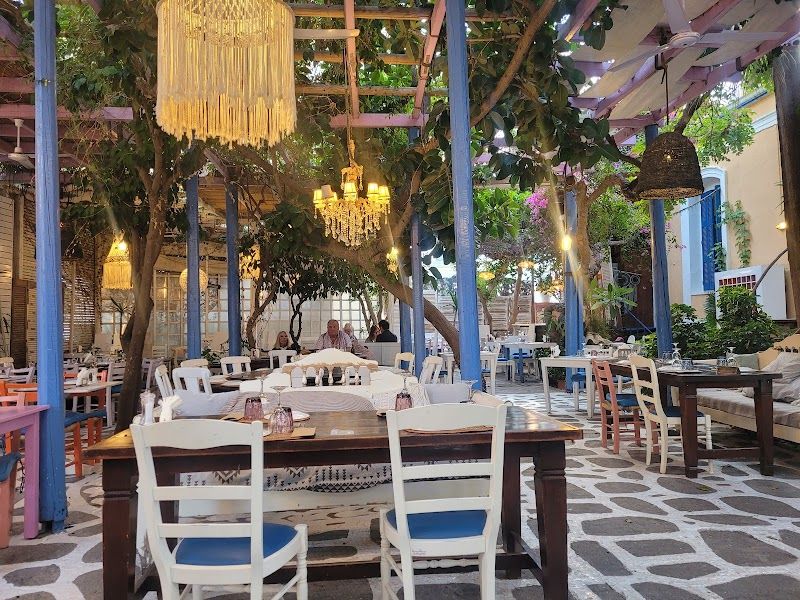
Pelagos
Waterfront taverna in Agios Nikolaos on Lake Voulismeni serving seafood and Cretan mezze. The setting overlooks the bottomless lake connected to the sea by a narrow channel. Fresh fish arrives daily from Elounda and is grilled simply with lemon and olive oil.
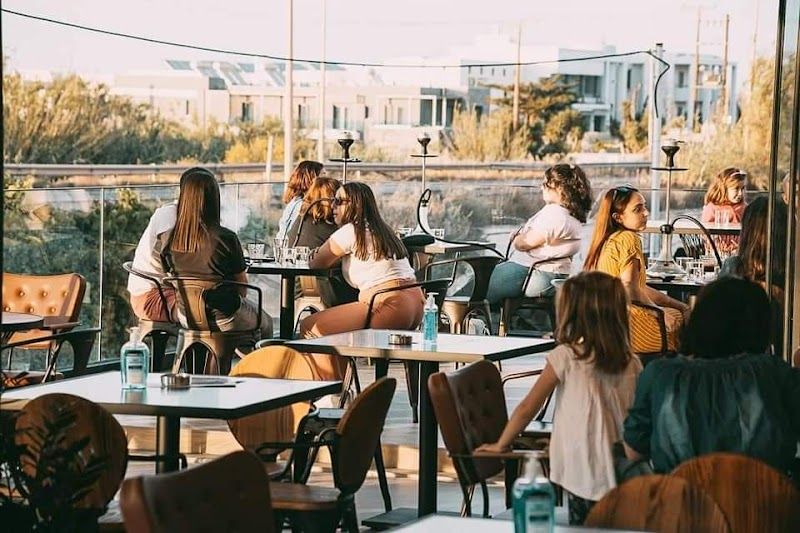
Cafe Faneromeni
Cafe on a quiet square in Rethymno overlooking the Faneromeni church and monastery. Serves breakfast, coffee, and light meals throughout the day with tables under plane trees. Popular with students and locals working on laptops during the day.
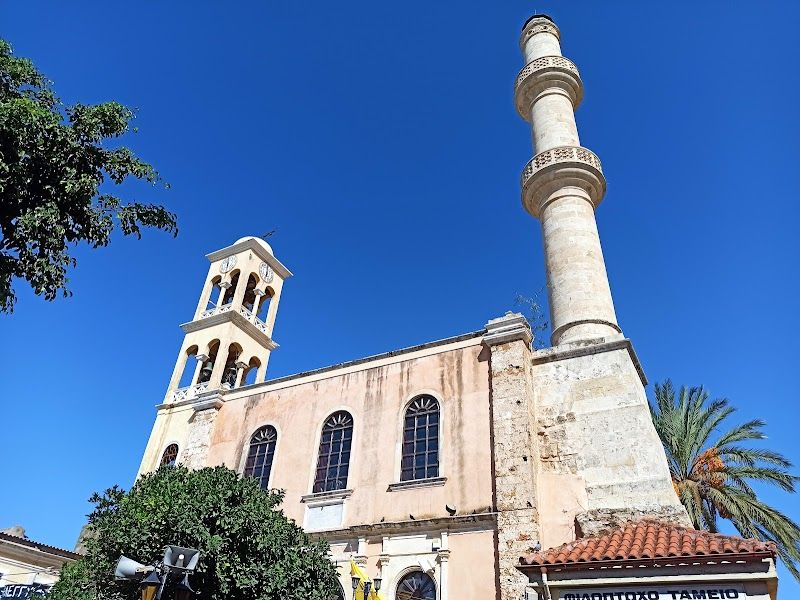
Splantzia Square
Historic square in Chania's old Turkish quarter, centered around a 17th-century fountain and the Agios Nikolaos church with its distinctive bell tower and minaret. Neighborhood tavernas fill the plaza under massive plane trees, creating an authentic local atmosphere. The area retains Ottoman-era architecture largely untouched by tourism.
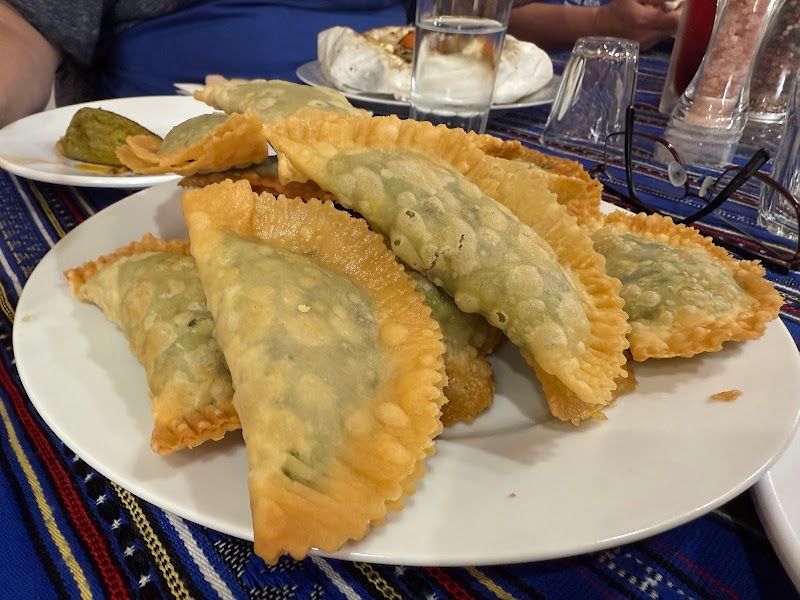
Cooking Lessons Crete
Learn to prepare traditional Cretan dishes like dakos and kalitsounia in an authentic village house setting. The hands-on class includes an olive oil tasting session and ends with sharing the meal you've prepared together. Run by a local family who grows their own ingredients.
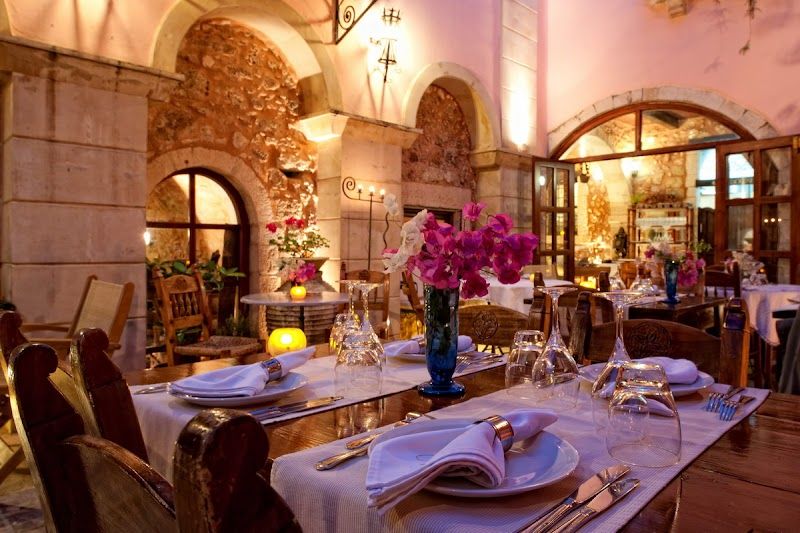
Veneto Restaurant
Upscale restaurant in Rethymno set in a 15th-century Venetian building with vaulted ceilings. The menu blends Mediterranean and Cretan cuisine with presentation that respects tradition while adding refinement. Extensive wine cellar features Greek wines from small estates.
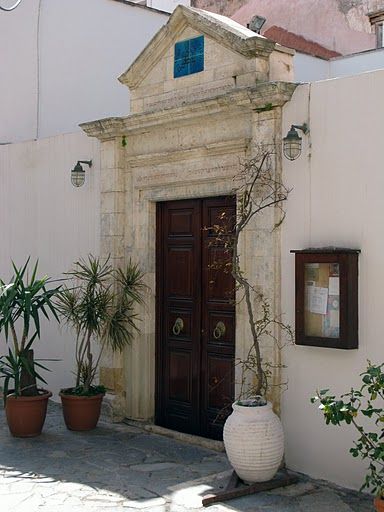
Etz Hayyim Synagogue
Sole surviving synagogue in Crete, painstakingly restored after decades of abandonment following WWII deportations. The building dates to the Venetian period with later Ottoman additions, featuring a beautiful mikveh (ritual bath) and memorial garden. Now serves as both a museum and active house of worship.
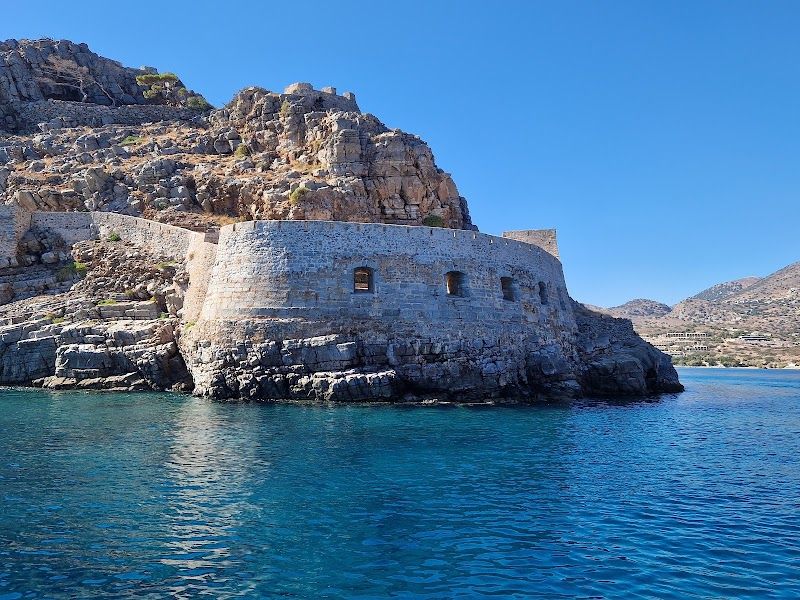
Spinalonga Island Boat Trip
Spinalonga is a small island in the Mirabello Gulf, most famous as the last active leper colony in Europe (operated 1903-1957) and the setting for Victoria Hislop's novel "The Island." The Venetian fortress (built 1579) dominates the island, and the abandoned colony buildings - houses, a church, a hospital, a marketplace - are hauntingly atmospheric. Boats depart from Elounda (EUR 12, 15 min) or Plaka (EUR 10, 10 min). Entry to the island EUR 8. Allow 1.5-2 hours on the island. Go early morning or after 3 PM to avoid the cruise ship crowds.
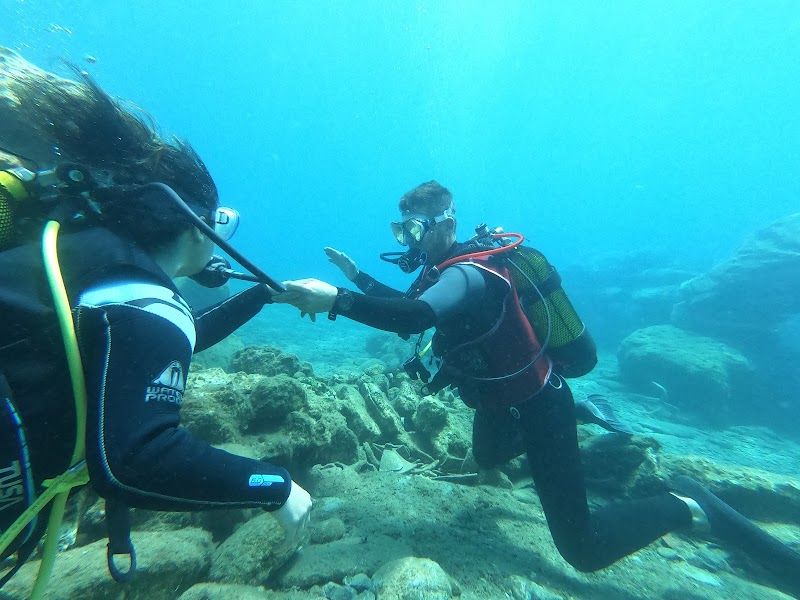
Atlantis Diving Center
PADI-certified dive center offering excursions to underwater caves, walls, and WWII wreckage sites off Rethymno's coast. Beginners can do discover dives in shallow bays while experienced divers access sites up to 30m deep. Equipment and boat transport included.
Balos Lagoon Boat Trip from Kissamos
Balos lagoon is a turquoise lagoon on the northwest tip of Crete, accessible by boat from Kissamos (EUR 25 return, 1 hour each way) or by car plus a 20-minute scramble down a rocky path. The boat option includes the stop at Gramvousa island with its Venetian fortress. The lagoon has shallow, warm, turquoise water over white sand, and it looks photoshopped in every photograph - it is not. The water is knee-deep for 50 metres. The boat departs Kissamos at 10 AM and returns at 5:30 PM. Kissamos is 40 minutes west of Chania by car.
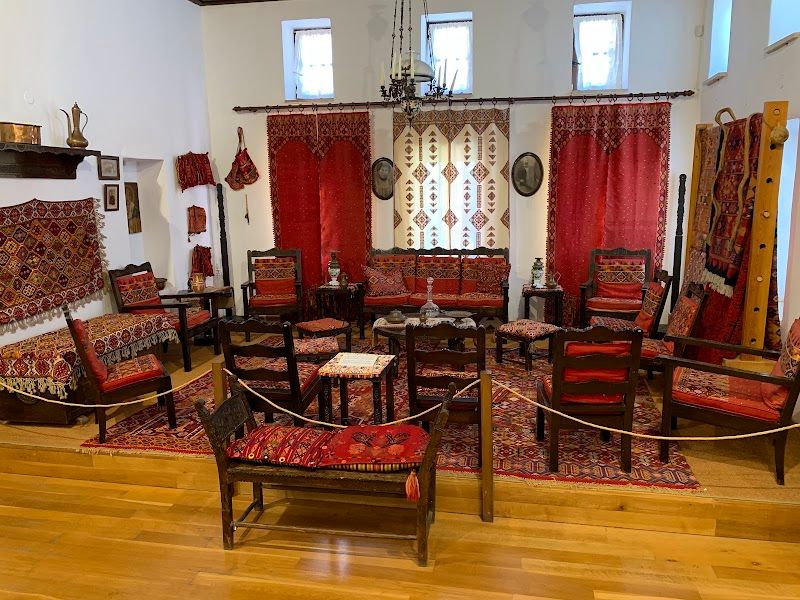
Historical and Folklore Museum of Rethymno
Compact museum in a restored Venetian mansion showcasing traditional Cretan life from Ottoman times through WWII. Exceptional textile collection includes intricate embroidery, woven fabrics, and traditional costumes. The recreated traditional kitchen and ceramic workshops provide intimate glimpses of daily life.
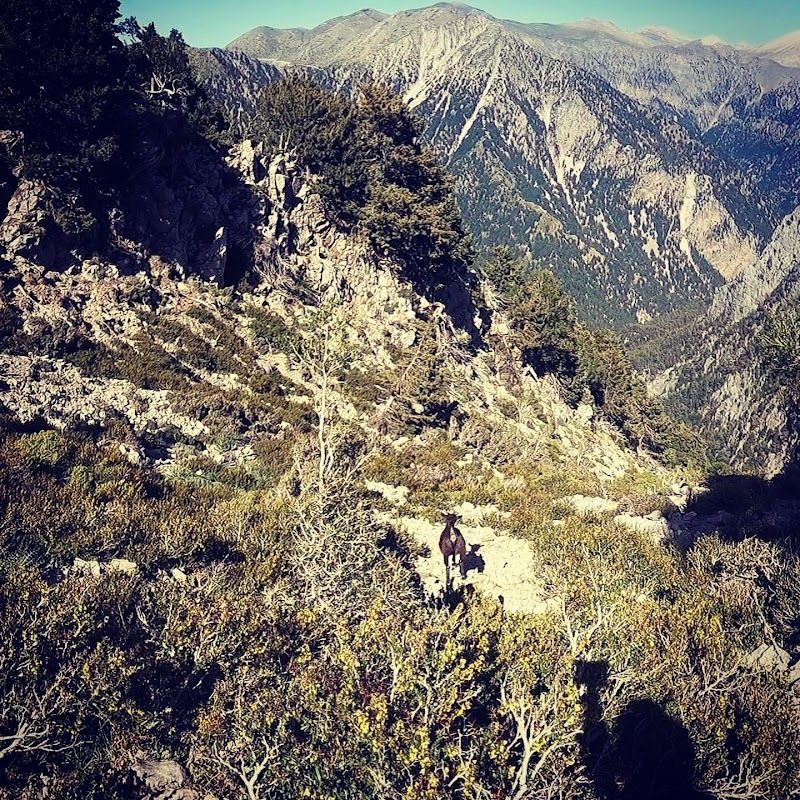
Cretan Trails
Guided e-bike tour through villages and olive groves in the Apokoronas region, with stops at Byzantine churches and family-run wineries. The electric bikes make the hilly terrain manageable while still providing exercise. Includes wine tasting and meze lunch in a traditional kafeneion.
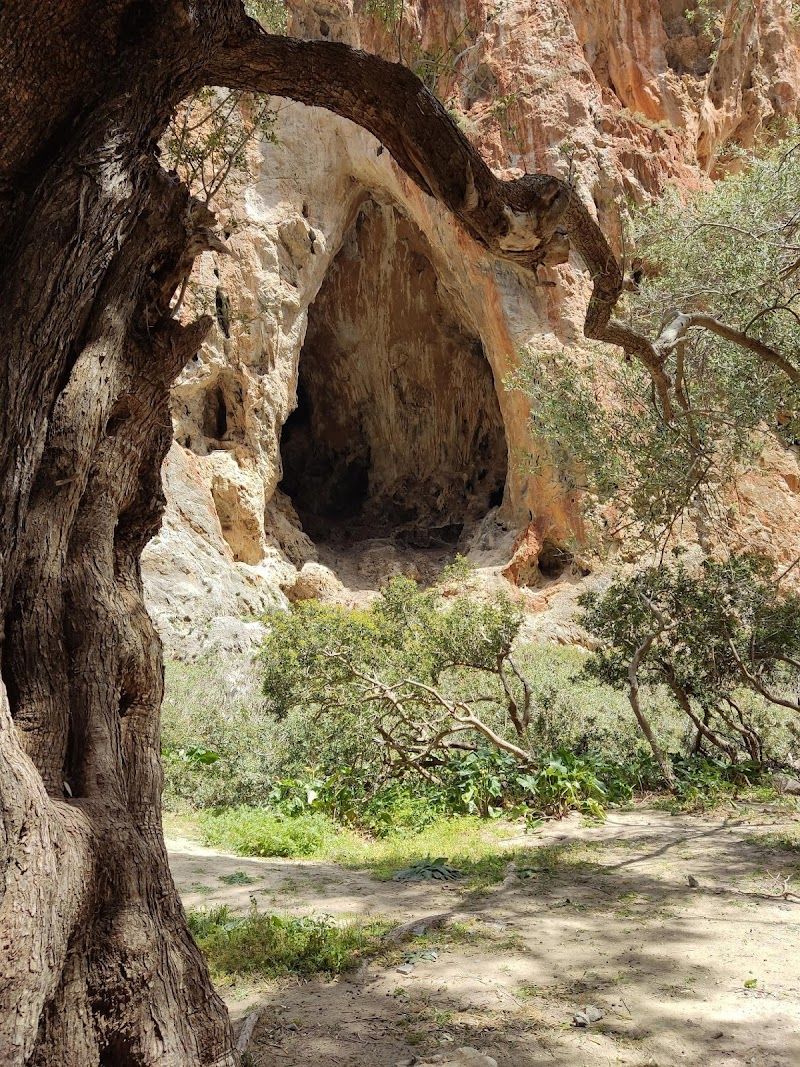
Cretan Adventures
Full-day jeep safari exploring remote mountain villages, gorges, and shepherd huts in the White Mountains. Includes traditional lunch in a taverna accessible only by dirt road and swimming in mountain pools. The route changes based on season and road conditions.