Greece
Crete
Europe's first civilization, pink sand beaches, the best food in Greece, and free raki at the end of every meal
Best Time
May-June and September-October
Ideal Trip
4-7 days
Language
Greek, English widely spoken in tourist areas
Currency
EUR
Avg Temp
19°C / 66°F
About Crete
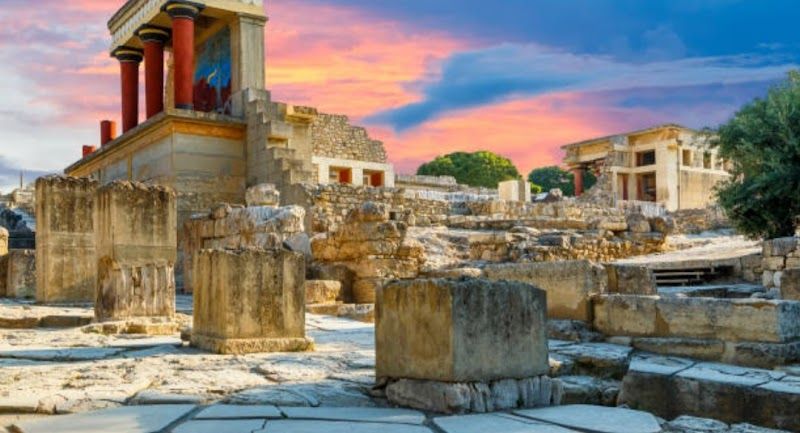
Crete is the largest Greek island and the one that behaves least like an island. It has its own mountain range (the White Mountains, 2,453m), its own cuisine (distinct from mainland Greek food), its own dialect, and an attitude toward Athens that ranges from polite indifference to cheerful defiance. The Minoans built Europe's first civilization here 4,000 years ago, and the Palace of Knossos (EUR 15, 20 min from Heraklion) is the archaeological evidence: a labyrinth of rooms, corridors, and frescoes that may have inspired the myth of the Minotaur.
The beaches are the other reason. Elafonisi on the southwest coast has pink sand from crushed seashells and water so shallow and warm that you wade 50 metres before it reaches your waist. Balos lagoon in the northwest requires a 20-minute scramble down a rocky path (or a boat from Kissamos, EUR 25 return) and rewards you with turquoise water that looks photoshopped but is not. Vai on the east coast has Europe's largest natural palm forest backing onto a sandy cove. These beaches compete with any in the Mediterranean, and unlike Santorini, they are actual swimming beaches with actual sand.
The food is the best in Greece and the Cretans know it. Dakos (barley rusk topped with crushed tomato, mizithra cheese, olives, and olive oil, EUR 6-8) is the island's signature dish and the snack that replaces bread at every table. Kalitsounia (small cheese or herb pies, EUR 1.50-2 each) are sold at bakeries across the island. Lamb and goat are cooked slowly in wood ovens, the olive oil is heavier and fruitier than anywhere on the mainland, and the tsikoudia (Cretan raki) arrives free at the end of every meal whether you ask for it or not. A full taverna dinner with wine costs EUR 15-25 per person, which makes Crete one of the best food destinations in Europe for the price.
Regions
Each region has its own character
Chania & West
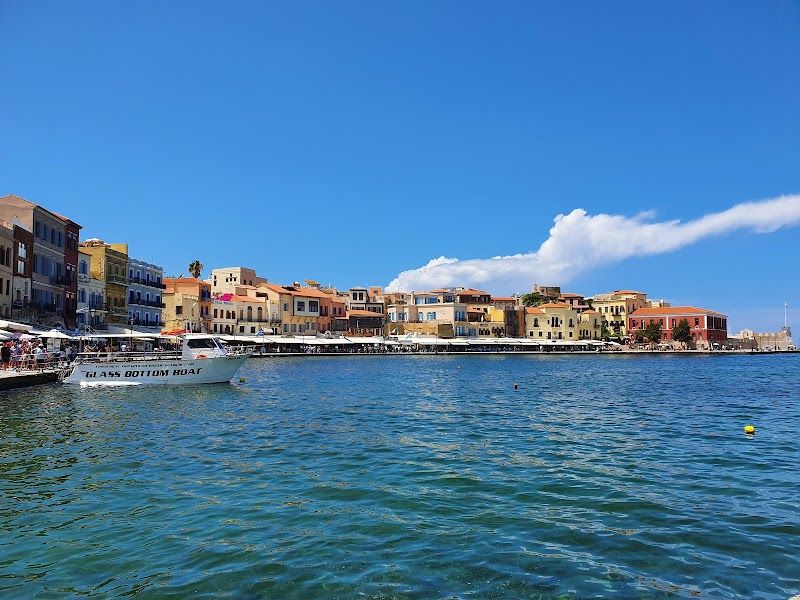
The most photogenic city in Crete: the Venetian Harbour, the Ottoman-Venetian Old Town, and the gateway to the pink sand beaches and the longest gorge in Europe
Rethymno & Central
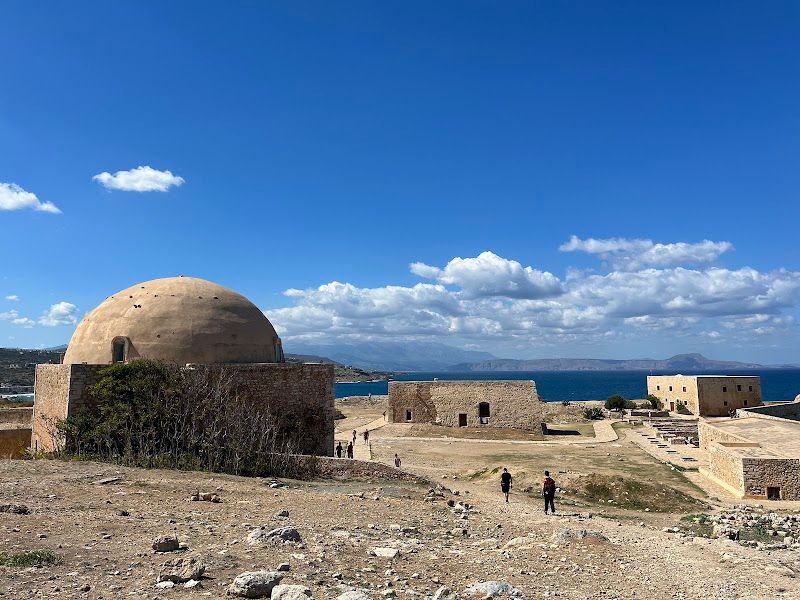
The second Venetian city, smaller and more local than Chania: the massive fortress, the best-preserved Renaissance streets in Crete, and the gateway to the palm-lined south coast
Heraklion & Knossos
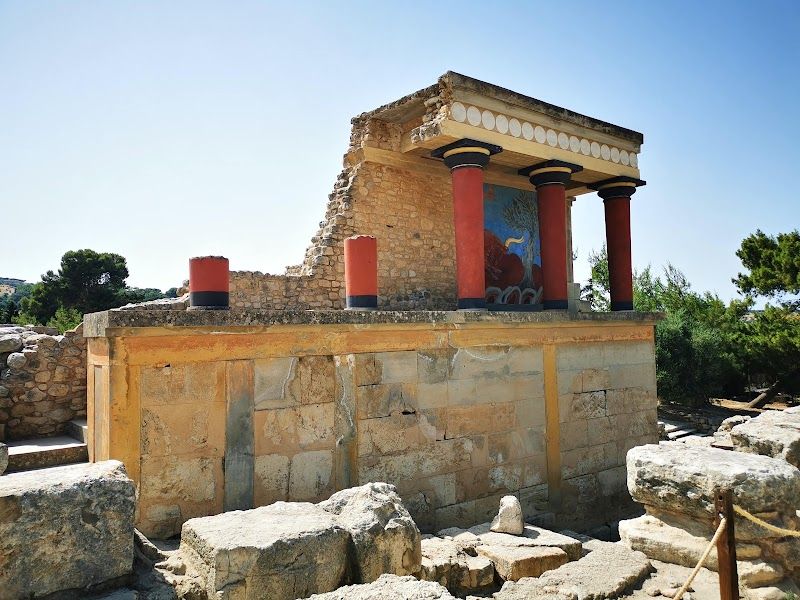
The capital, the largest city, and the archaeological centre: the Minoan palace that may have inspired the Minotaur myth, the museum with the frescoes, and the functional city that serves as the gateway
Things to Do
Top experiences in Crete
Palace of Knossos
Knossos is the largest Bronze Age archaeological site on Crete and the ceremonial and political centre of the Minoan civilization. The palace complex covers 20,000 square metres with over 1,300 rooms, a throne room with the oldest stone throne in Europe, the grand staircase, and a sophisticated drainage system that included flush toilets 3,600 years ago. The original frescoes (the Bull-Leaping Fresco, the Dolphins, the Prince of the Lilies) are in the Heraklion Archaeological Museum, but the site has reproductions in situ. Sir Arthur Evans reconstructed parts of the palace in concrete in the early 1900s, which is controversial but makes the spaces comprehensible. Entry EUR 15 (combo with Heraklion Archaeological Museum EUR 20). Open 8 AM-8 PM in summer. Go at 8 AM opening or after 3 PM to avoid cruise ship groups.
Knossos Palace
The largest Bronze Age archaeological site on Crete requires a knowledgeable guide to interpret the reconstructed frescoes and multi-story layout. Guided tours explain the Minoan civilization's advanced drainage systems, storage methods, and the myth of the Minotaur tied to this labyrinthine palace.
Chania Venetian Harbour
The Venetian Harbour of Chania is the most photographed spot in Crete: a crescent-shaped harbour with a 16th-century lighthouse at the entrance, waterfront restaurants, the former Venetian mosque (now an exhibition space), and the backdrop of the Old Town climbing up the hillside behind. The lighthouse is a 15-minute walk along the harbour wall (free, open at all times). The harbour restaurants are tourist-priced (EUR 20-30 pp) but the setting at sunset justifies it once. The real Chania eating happens 2-3 minutes inland in the Old Town back streets. The Maritime Museum (EUR 4) in the Venetian fortress at the harbour entrance covers Cretan naval history from the Minoans to WWII.
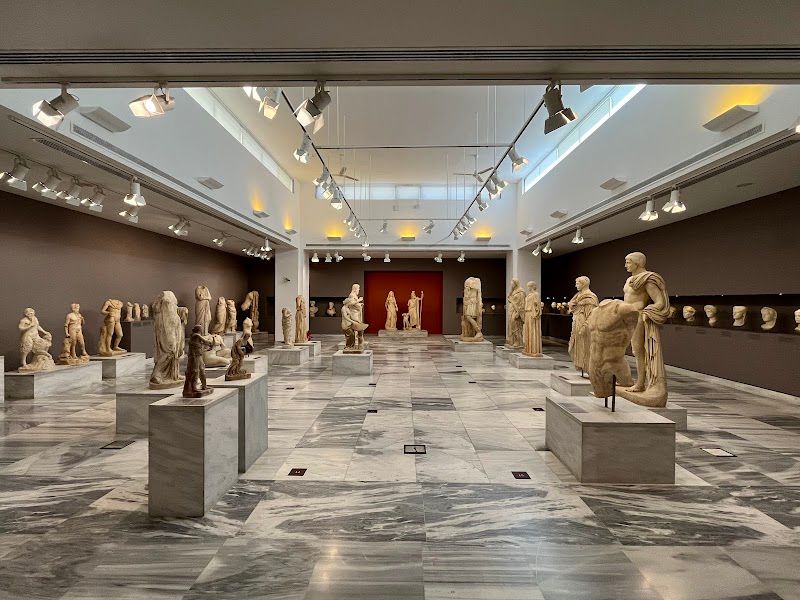
Heraklion Archaeological Museum
Skip-the-line guided tour of one of Europe's most important archaeological museums, housing the world's finest Minoan artifact collection. Frescoes, pottery, and jewelry from Knossos and other palaces are arranged chronologically. The guide connects the museum's treasures to the archaeological sites around Crete.
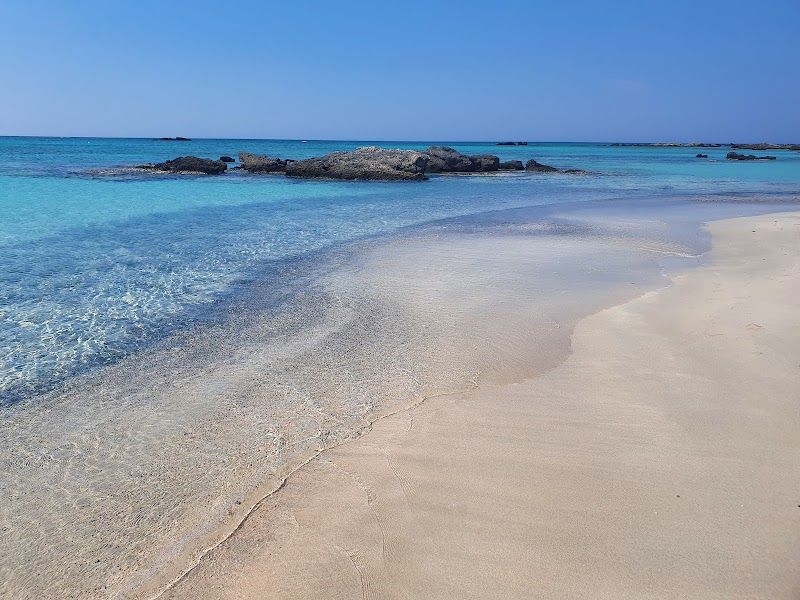
Elafonisi Beach
Elafonisi is a beach on the southwest coast of Crete with pink sand from crushed seashells and water so shallow and warm that you wade 50 metres before it reaches your waist. The beach is actually a small island connected to the mainland by a sandbar that you can walk across. The colour is most visible in the morning before the sand is disturbed by feet. It is 75 minutes by car from Chania on a winding road, and the parking lot fills by 10 AM in July-August. Free entry. One cafe (overpriced). Bring food, water, and an umbrella if you do not want to rent a lounger (EUR 8-10). The water is Caribbean-clear and the setting competes with any beach in the Mediterranean.
Fortezza of Rethymno
Massive star-shaped fortress dominating Rethymno's skyline, built by Venetians in 1573 after devastating pirate attacks. Within the walls stands a rare Ottoman mosque with its dome still intact, converted from a Venetian church. The grounds host summer cultural events and offer sweeping coastal views.
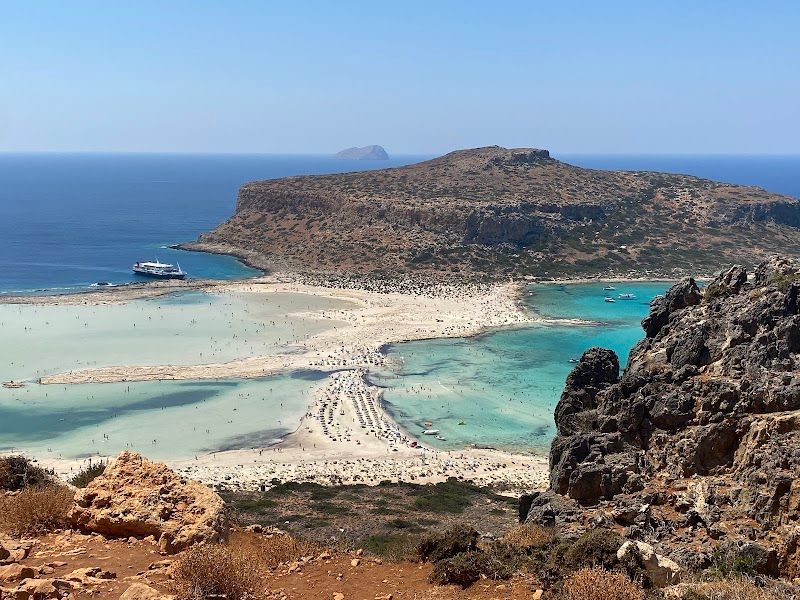
Balos Lagoon
The most photographed beach in Crete, featuring surreal turquoise and pink-sand waters where three seas meet. Accessible by daily boat from Kissamos port (EUR 25) or via a rough 8km dirt road followed by a 20-minute downhill hike. The lagoon's shallow waters and exotic colors create an almost tropical Caribbean atmosphere.
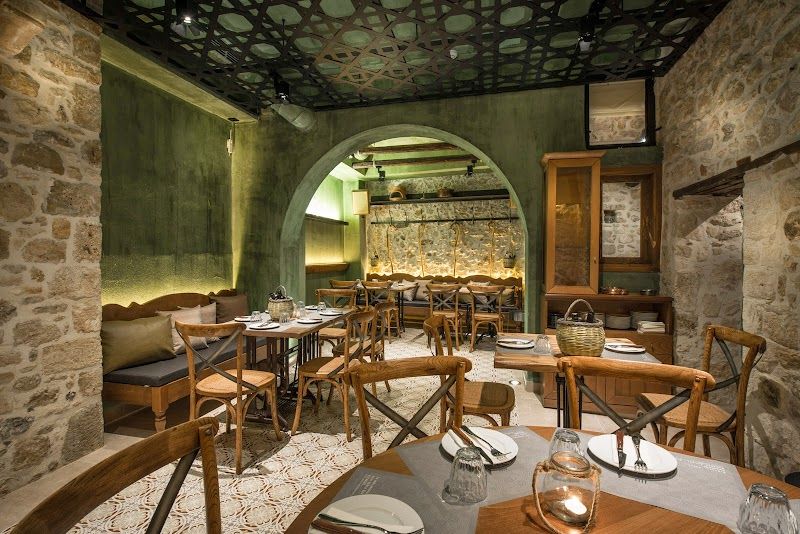
Peskesi
Heraklion restaurant focused on forgotten Cretan recipes and heirloom ingredients sourced from the owners' organic farm. The menu changes with the seasons and features dishes cooked in a wood-fired oven. Everything from the olive oil to the wine comes from small Cretan producers.
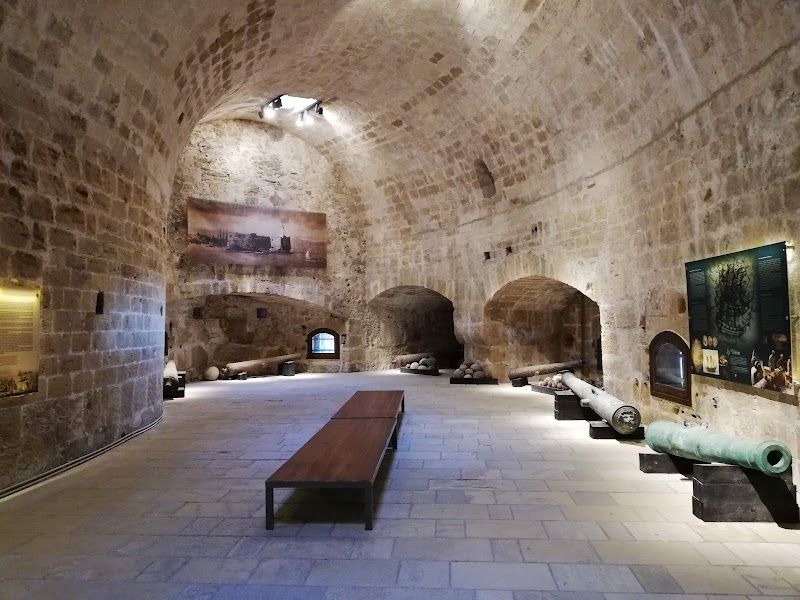
Koules Fortress
Imposing 16th-century Venetian fortress guarding Heraklion's old harbor, built to protect against Ottoman raids. The rooftop offers panoramic views of the city and Aegean Sea, while interior chambers house rotating exhibitions on maritime history. Look for the relief of the Lion of St. Mark on the seaward facade.
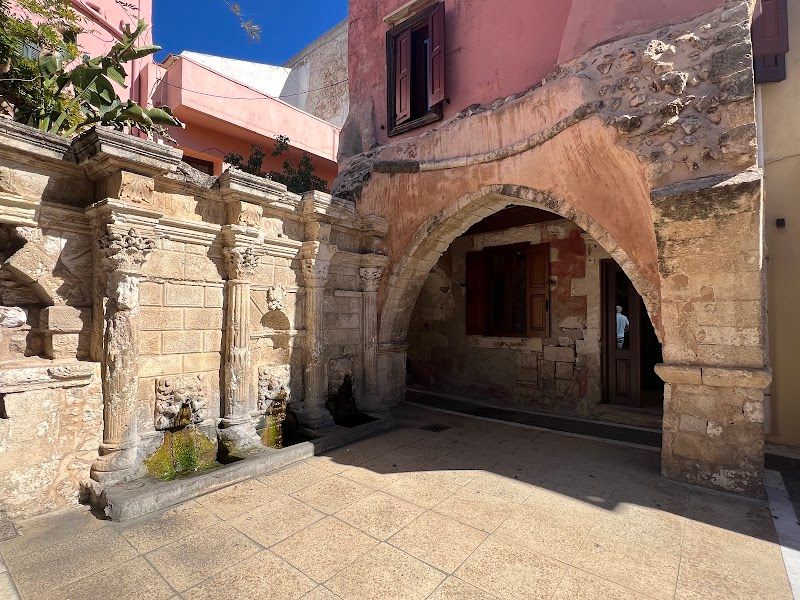
Rimondi Fountain
Ornate Venetian fountain built in 1626 with three lion-head spouts still flowing with mountain spring water. The fountain served as the main water source for Rethymno's old town for centuries. Corinthian columns and Latin inscriptions commemorate Governor Rimondi who commissioned it.
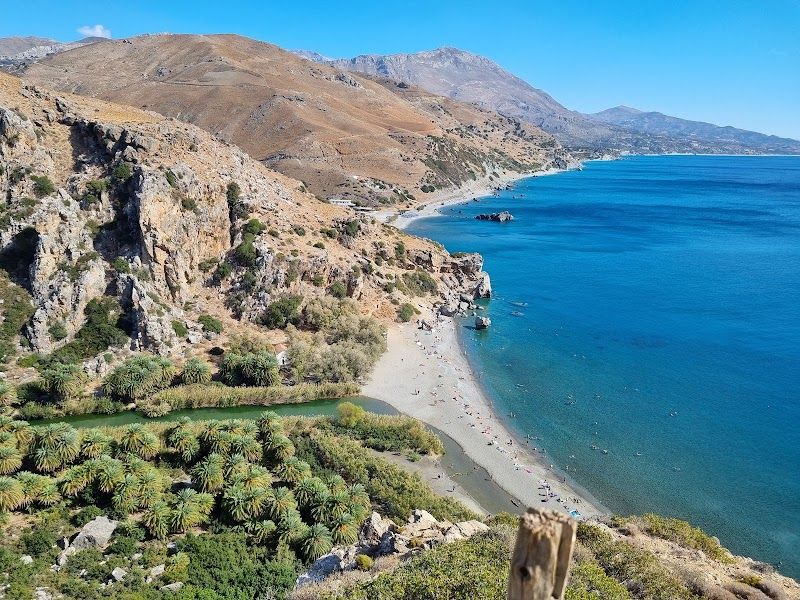
Preveli Beach
A palm-lined river canyon meets the Libyan Sea, creating a unique freshwater lagoon surrounded by hundreds of Theophrastus palms. Accessible by boat from Plakias (EUR 10) or via 400 steep steps down a clifftop path. The river is cold and shallow enough to wade upstream into the gorge.
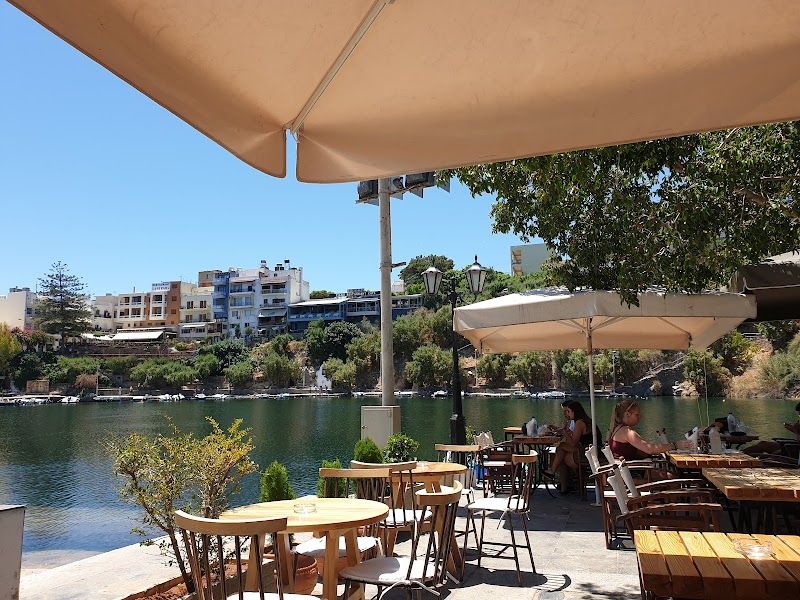
To Karnagio
Seafood taverna in Chania's Nea Chora neighborhood, popular with locals for its fresh fish and meze at lower prices than the old harbor. The dining room opens directly onto the beach, with tables set under tamarisk trees. Grilled octopus and sea urchin salad are house specialties.
Travel Guides
Expert guides for every travel style
Where to Eat in Crete: Dakos, Lamb & Free Raki
Crete food guide: dakos EUR 6-8, kalitsounia EUR 1.50, lamb with stamnagathi EUR 12-16, snails boubouristi EUR 8-10, and the olive oil that pours like honey.
7 min
First Time in Crete: What You Need to Know
Everything for a first visit: Heraklion vs Chania airports, car rental EUR 25-45/day, taverna costs EUR 15-25 pp, beach logistics, Samaria Gorge preparation, and raki culture.
7 min
Frequently Asked Questions
Yes. Crete is 260 km long and the bus network is slow and infrequent outside the north coast highway. Car rental costs EUR 25-45/day and is essential for beaches (Elafonisi is 75 min from Chania by car), mountain villages, the south coast, and the Lasithi Plateau. The national highway connects Heraklion, Rethymno, and Chania on the north coast (1.5-2.5 hours end to end). South coast roads are narrow and winding - allow double what Google Maps suggests. Book ahead in July-August.
Chania for beauty and beaches, Heraklion for archaeology and convenience. Chania has the Venetian Harbour, the best Old Town in Crete, and is closer to Elafonisi (75 min), Balos (90 min), and Samaria Gorge (1 hour to the start). Heraklion has Knossos (20 min), the Archaeological Museum, and the airport. For a 5+ day trip, do both: 2-3 nights in Chania, 1-2 in Rethymno, 1-2 in Heraklion. Rethymno splits the difference nicely.
Crete is significantly cheaper than Santorini and Mykonos. Taverna dinner with wine: EUR 15-25 pp (vs EUR 40-80 on Santorini). Coffee: EUR 2-3 (vs EUR 4-5). Beach lounger: EUR 8-12 (vs EUR 15-25). Hotel: EUR 60-120/night for mid-range (vs EUR 150-300 on Santorini). Knossos entry EUR 15 is the most expensive ticket. The free raki at the end of every meal is not a promotion - it is cultural law. Budget EUR 50-80/day for a comfortable Crete trip excluding accommodation.
Samaria Gorge is a 16 km one-way hike through one of Europe's longest gorges, from Omalos (1,250m elevation) down to Agia Roumeli on the south coast. Entry EUR 5. Open May-October only. Takes 5-7 hours depending on fitness. The gorge narrows to 3 metres at the "Iron Gates" section. At the end, you take a ferry from Agia Roumeli to Hora Sfakion (EUR 12), then a bus back to Chania. Start early (before 8 AM) to avoid the midday heat in the gorge. Bring 2+ litres of water, proper hiking shoes, and sun protection. Not suitable for young children or those with knee problems.