Crete
Chania & West
The most photogenic city in Crete: the Venetian Harbour, the Ottoman-Venetian Old Town, and the gateway to the pink sand beaches and the longest gorge in Europe.
About Chania & West
Chania is the most beautiful city in Crete and the base for the island's most dramatic landscapes. The Venetian Harbour has a lighthouse, waterfront restaurants, and the former mosque turned exhibition space. The Old Town behind it is a maze of narrow lanes with Venetian and Ottoman architecture, leather workshops on Odos Skridlof (Leather Street), and the Municipal Market (cross-shaped hall, local cheese, herbs, raki, EUR 2-5 for snacks). The Chania Archaeological Museum in the Venetian Church of San Francesco costs EUR 6. West of Chania: Balos lagoon (the turquoise lagoon, boat from Kissamos EUR 25 return or drive + 20 min hike), Elafonisi (the pink sand beach, 75 min drive from Chania, arrive by 9 AM in summer to get parking), and the Samaria Gorge (16 km hike, EUR 5 entry, May-October only, 5-7 hours, one of Europe's longest gorges).
Things to Do
Top experiences in Chania & West
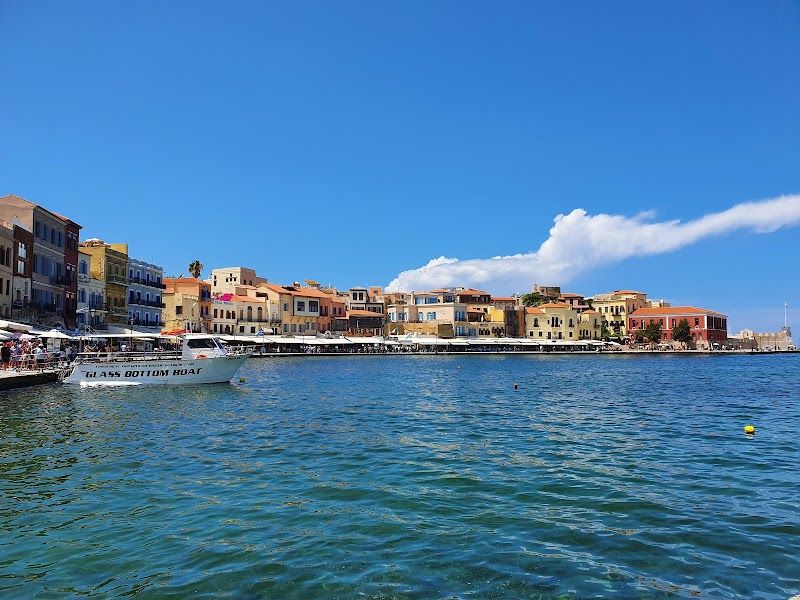
Chania Venetian Harbour
The Venetian Harbour of Chania is the most photographed spot in Crete: a crescent-shaped harbour with a 16th-century lighthouse at the entrance, waterfront restaurants, the former Venetian mosque (now an exhibition space), and the backdrop of the Old Town climbing up the hillside behind. The lighthouse is a 15-minute walk along the harbour wall (free, open at all times). The harbour restaurants are tourist-priced (EUR 20-30 pp) but the setting at sunset justifies it once. The real Chania eating happens 2-3 minutes inland in the Old Town back streets. The Maritime Museum (EUR 4) in the Venetian fortress at the harbour entrance covers Cretan naval history from the Minoans to WWII.
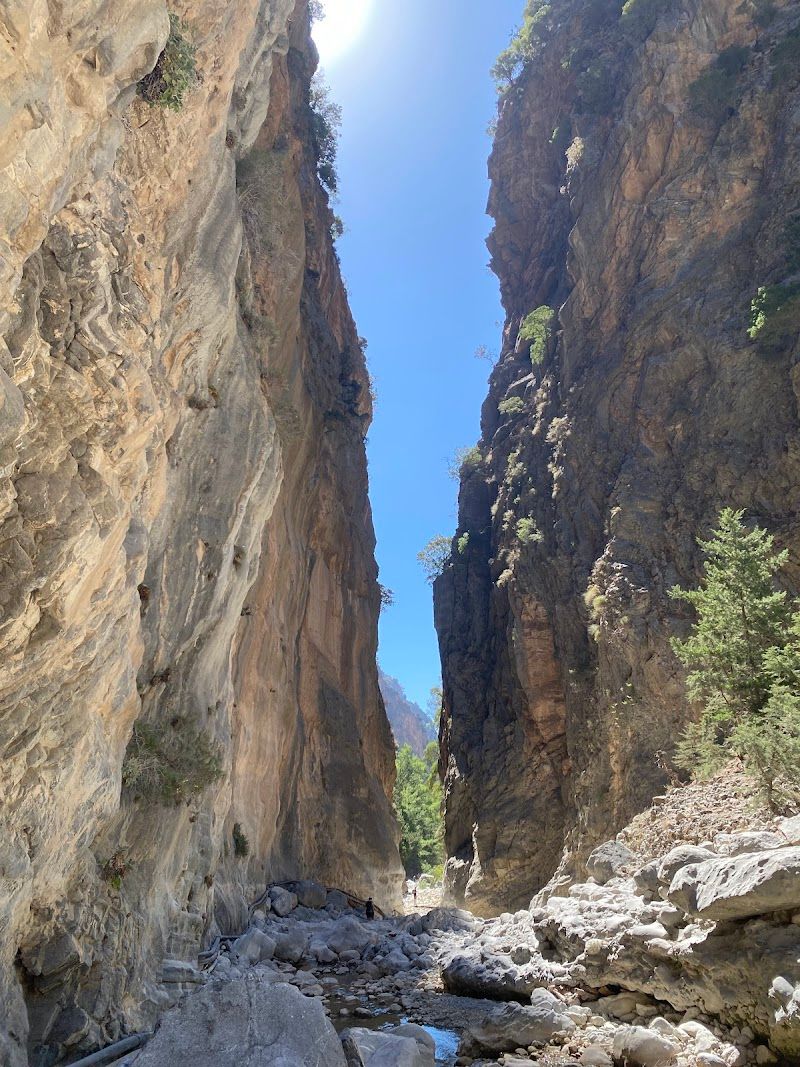
Samaria Gorge National Park
Europe's longest gorge offers a 16km descent through dramatic rock walls reaching 300m high, ending at the Libyan Sea. The guided hike includes transport from Chania and ferry return from Agia Roumeli. Best done early to avoid crowds in the narrowest section, the Iron Gates.
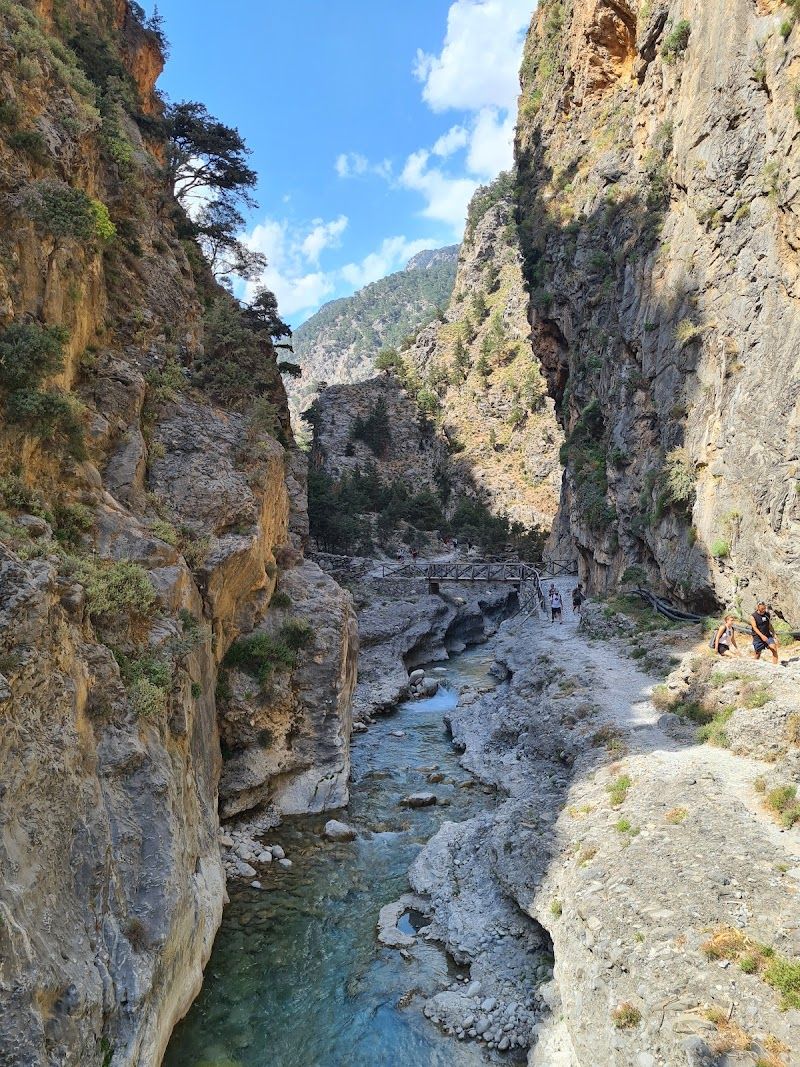
Samaria Gorge
Samaria Gorge is a 16 km one-way hike through one of Europe's longest gorges, descending from 1,250 metres at Omalos to sea level at Agia Roumeli on the south coast. The gorge narrows to just 3 metres at the "Iron Gates" (Sideroportes) section. The hike takes 5-7 hours depending on fitness, with a descent of 1,250 metres. Entry EUR 5. Open May-October only. At the end, a ferry runs from Agia Roumeli to Hora Sfakion (EUR 12), and buses return to Chania. The gorge is home to the kri-kri (Cretan wild goat) and the landscape ranges from cypress forest to bare rock walls. Start early (before 8 AM) to avoid midday heat.
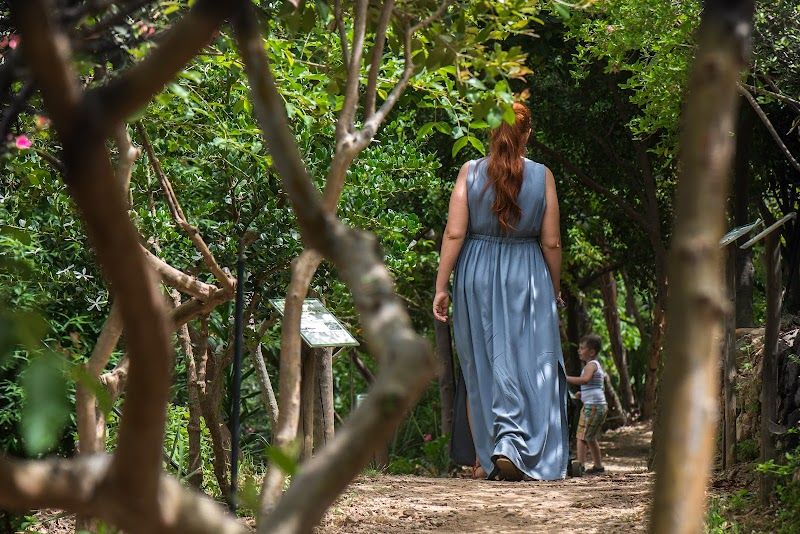
Botanical Park & Gardens Of Crete
A 20-hectare botanical garden in the White Mountains showcasing native Cretan flora, medicinal herbs, and fruit trees across terraced hillsides. The family-run park includes guided paths, a traditional taverna serving produce from the gardens, and panoramic mountain views. Founded by a local family after devastating forest fires.
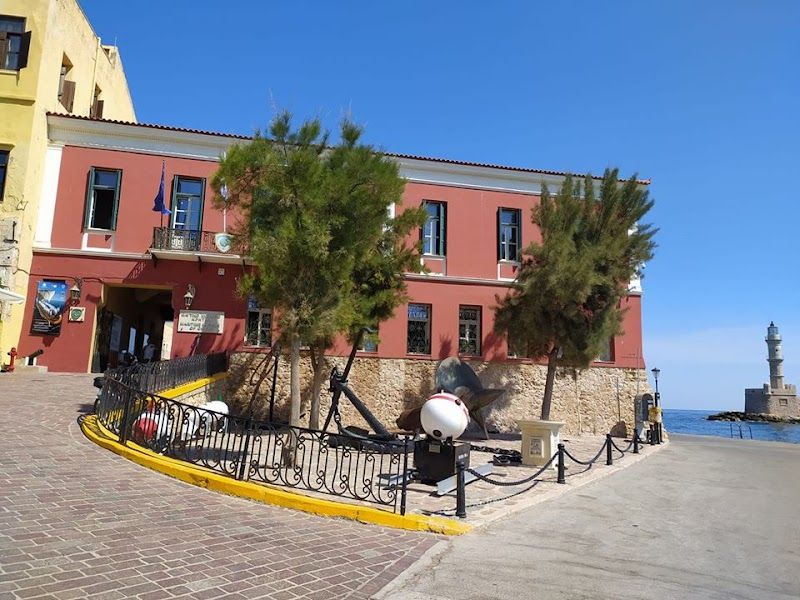
Maritime Museum of Crete
Comprehensive naval museum housed in the Firka Fortress at Chania harbor entrance, chronicling Crete's seafaring history from Bronze Age to WWII. Exceptional collection includes detailed ship models, naval instruments, and a room dedicated to the Battle of Crete. The rooftop terrace overlooks the Venetian harbor.
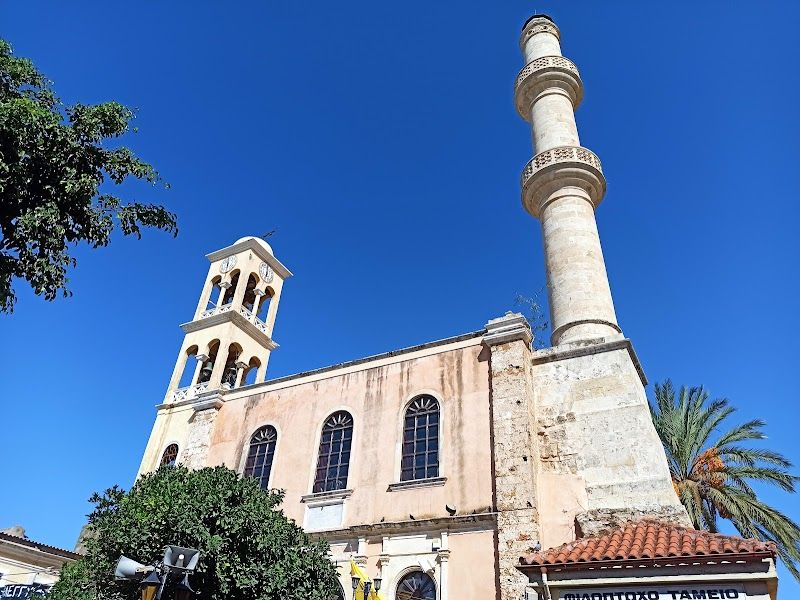
Splantzia Square
Historic square in Chania's old Turkish quarter, centered around a 17th-century fountain and the Agios Nikolaos church with its distinctive bell tower and minaret. Neighborhood tavernas fill the plaza under massive plane trees, creating an authentic local atmosphere. The area retains Ottoman-era architecture largely untouched by tourism.
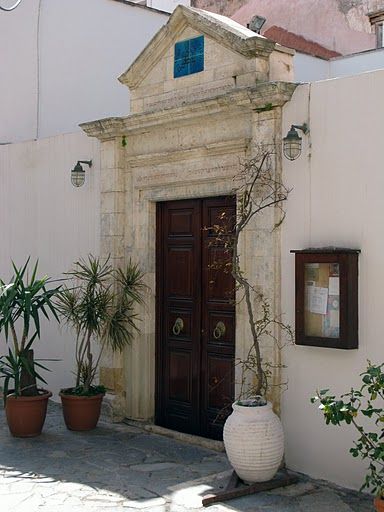
Etz Hayyim Synagogue
Sole surviving synagogue in Crete, painstakingly restored after decades of abandonment following WWII deportations. The building dates to the Venetian period with later Ottoman additions, featuring a beautiful mikveh (ritual bath) and memorial garden. Now serves as both a museum and active house of worship.
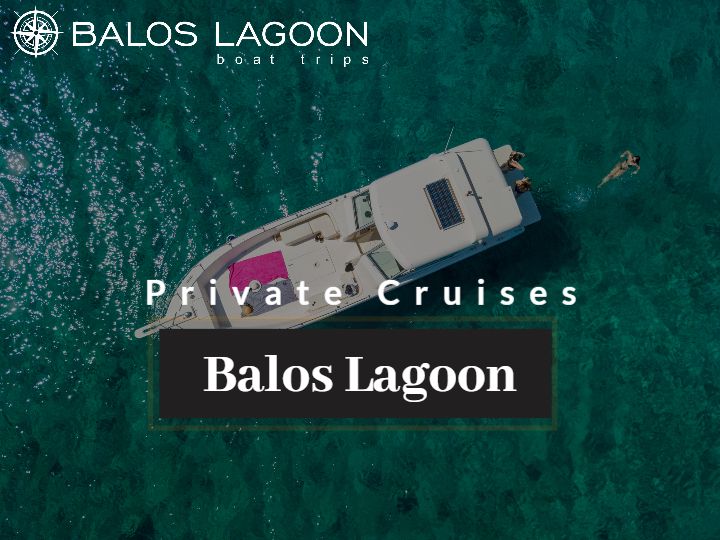
Balos Lagoon Boat Trip from Kissamos
Balos lagoon is a turquoise lagoon on the northwest tip of Crete, accessible by boat from Kissamos (EUR 25 return, 1 hour each way) or by car plus a 20-minute scramble down a rocky path. The boat option includes the stop at Gramvousa island with its Venetian fortress. The lagoon has shallow, warm, turquoise water over white sand, and it looks photoshopped in every photograph - it is not. The water is knee-deep for 50 metres. The boat departs Kissamos at 10 AM and returns at 5:30 PM. Kissamos is 40 minutes west of Chania by car.
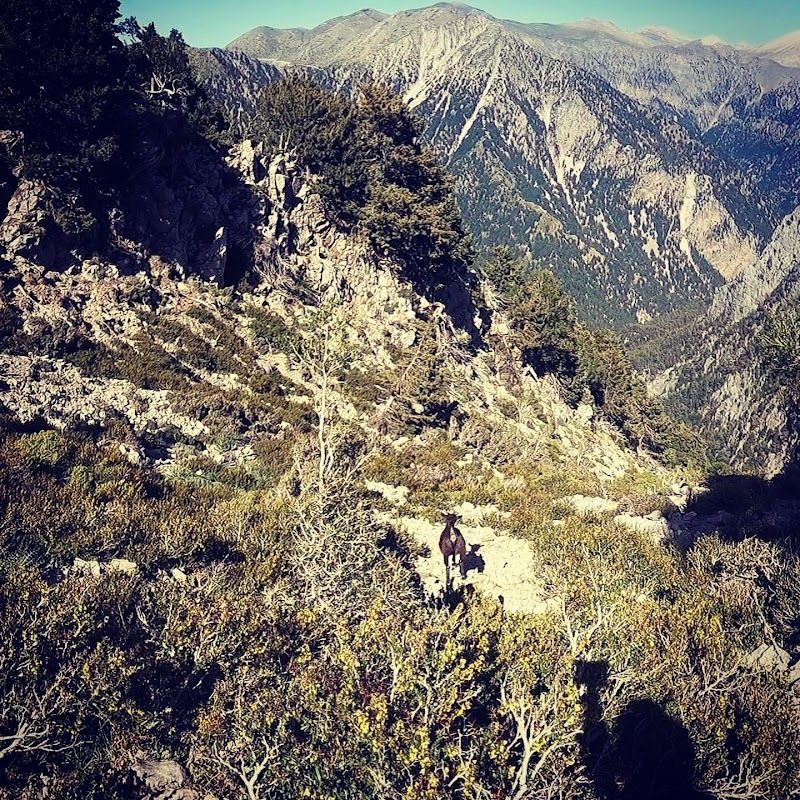
Cretan Trails
Guided e-bike tour through villages and olive groves in the Apokoronas region, with stops at Byzantine churches and family-run wineries. The electric bikes make the hilly terrain manageable while still providing exercise. Includes wine tasting and meze lunch in a traditional kafeneion.
Where to Eat
Restaurants and cafes in Chania & West
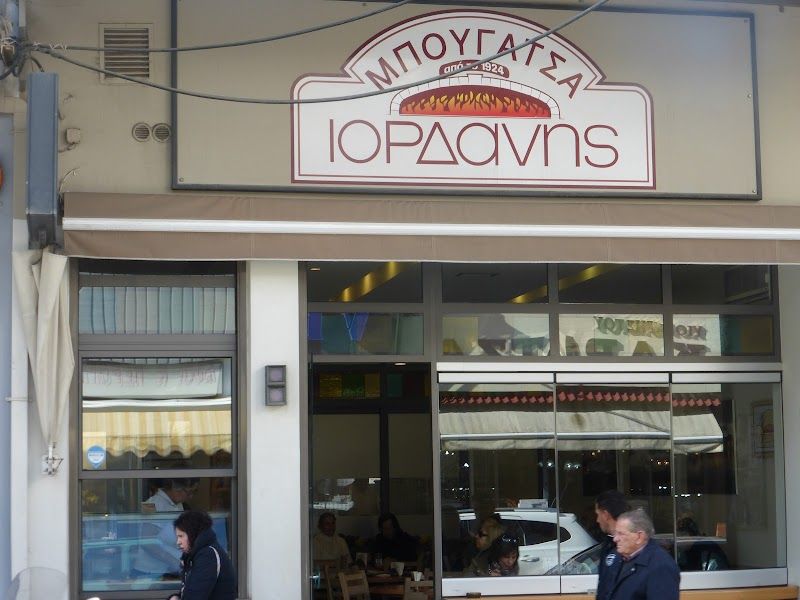
Bougatsa Iordanis
CafeChania bakery specializing in bougatsa, the Cretan breakfast pastry filled with sweet custard or savory cheese. Operating since 1924, the family still makes the phyllo dough by hand each morning. Locals line up before work for the crispy, warm pastries dusted with cinnamon and sugar.
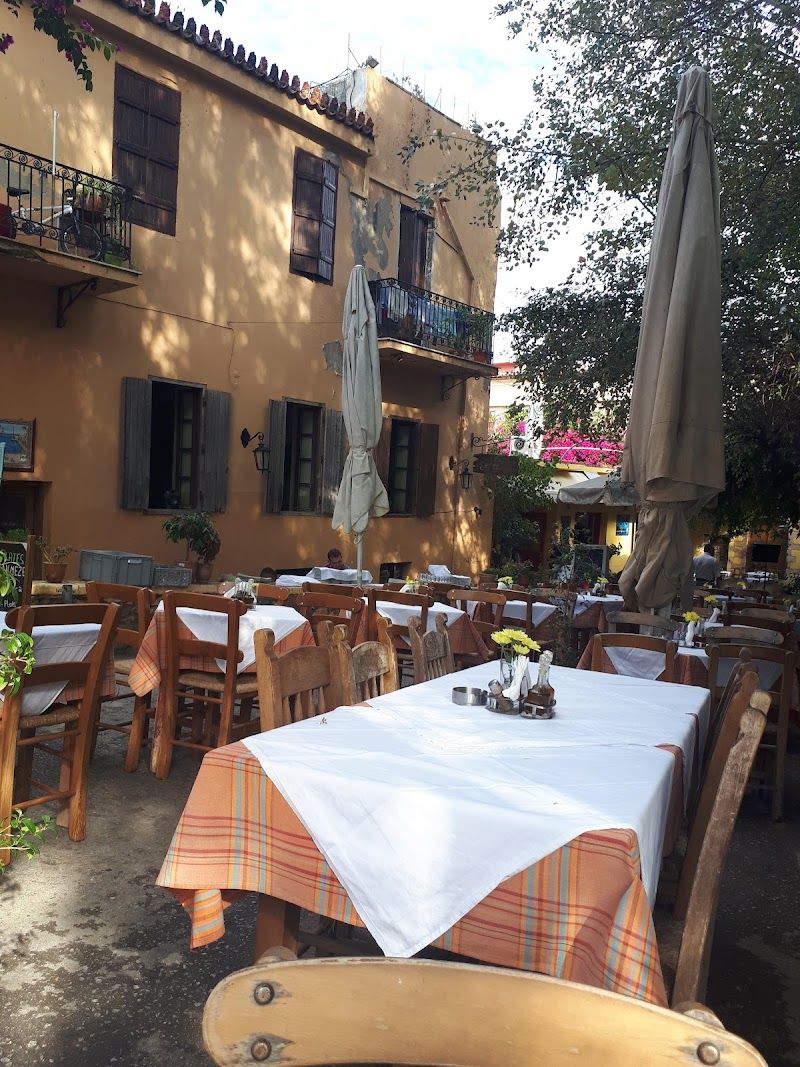
Tamam Restaurant
RestaurantFormer Turkish bathhouse converted into a restaurant in Chania's old town, serving a mix of Greek and Eastern Mediterranean dishes. The menu includes Cretan classics alongside vegetarian options, all prepared with local ingredients. Stone walls and arched ceilings create an atmospheric dining space.
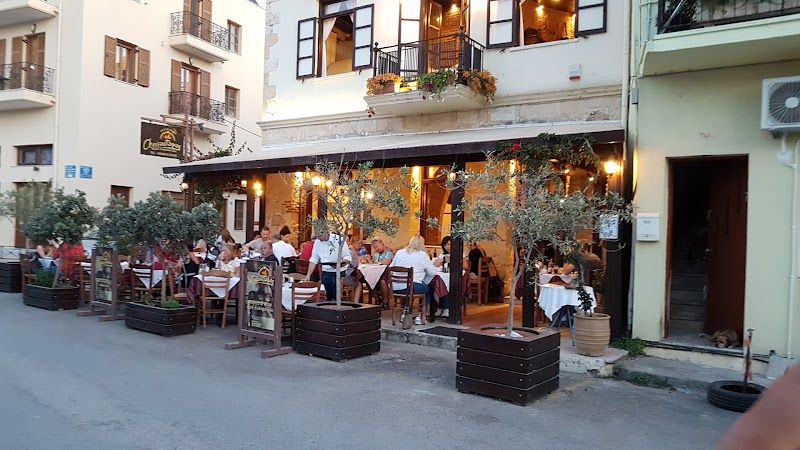
Chrisostomos
RestaurantSimple taverna in Chania's market area serving traditional Cretan breakfasts and lunch. Known for stamnangathi omelet, Cretan sausages, and offal dishes that most tourist restaurants avoid. The clientele is almost entirely local workers from the market.
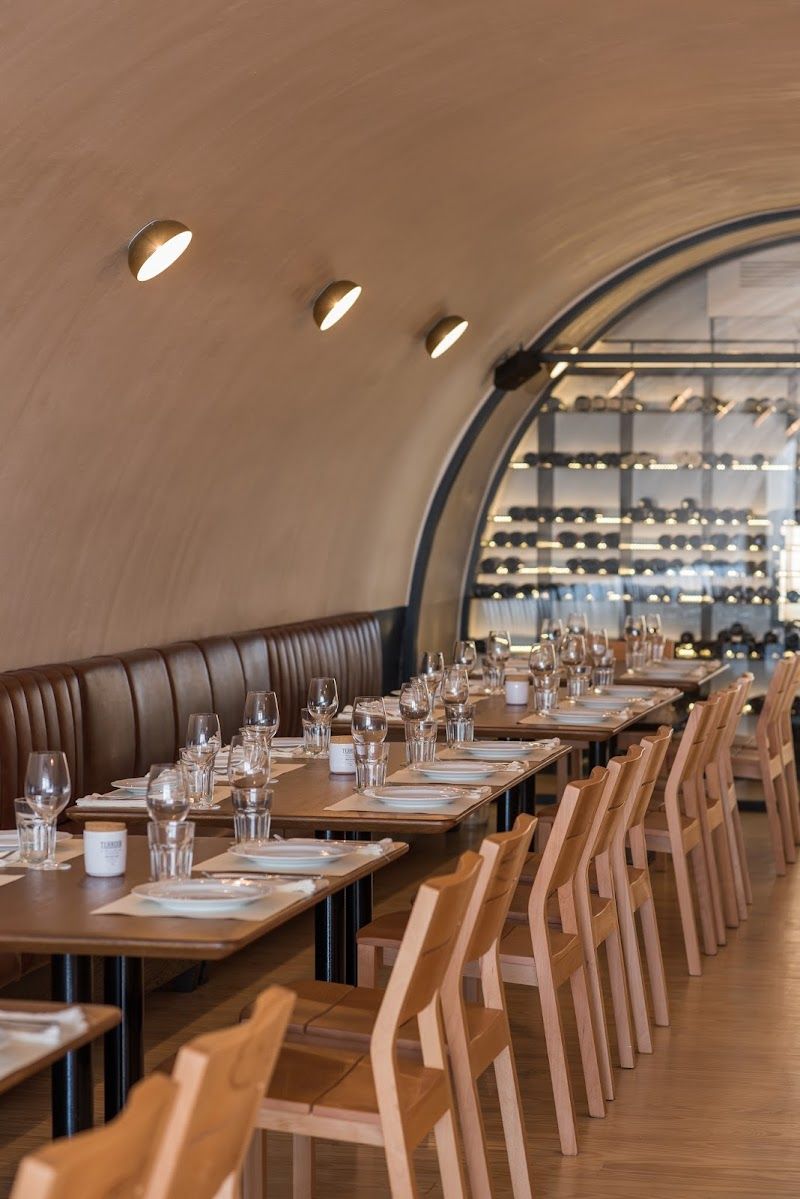
Salis
RestaurantSeaside restaurant in Agios Nikolaos overlooking Mirabello Bay, known for fresh fish priced by weight and grilled seafood. The kitchen sources directly from local fishermen who dock nearby each morning. Tables are set right on the water's edge with views across the bay.
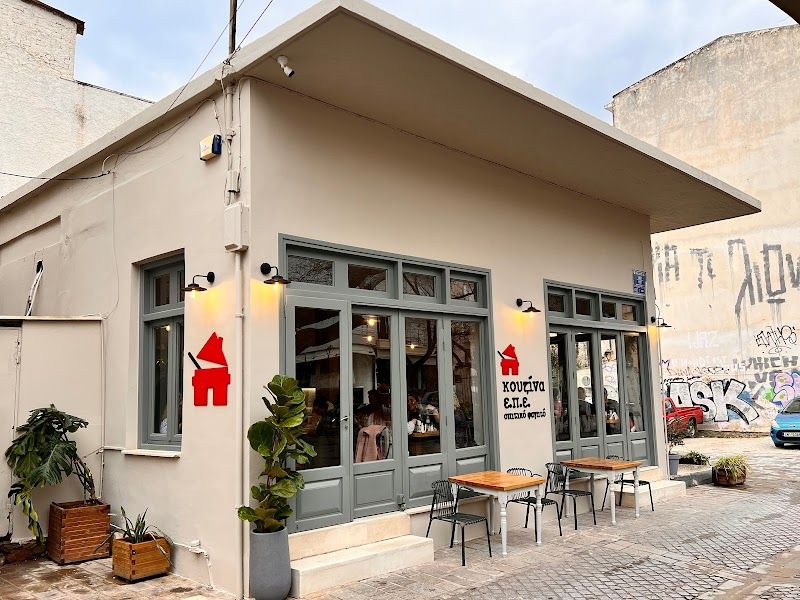
Kouzina e.p.e.
RestaurantFamily-run taverna in Heraklion serving home-cooked Cretan dishes with no menu, just what the kitchen prepared that day. The owner explains each dish at your table, and portions are served family-style. Prices are among the lowest in the city for authentic local cooking.
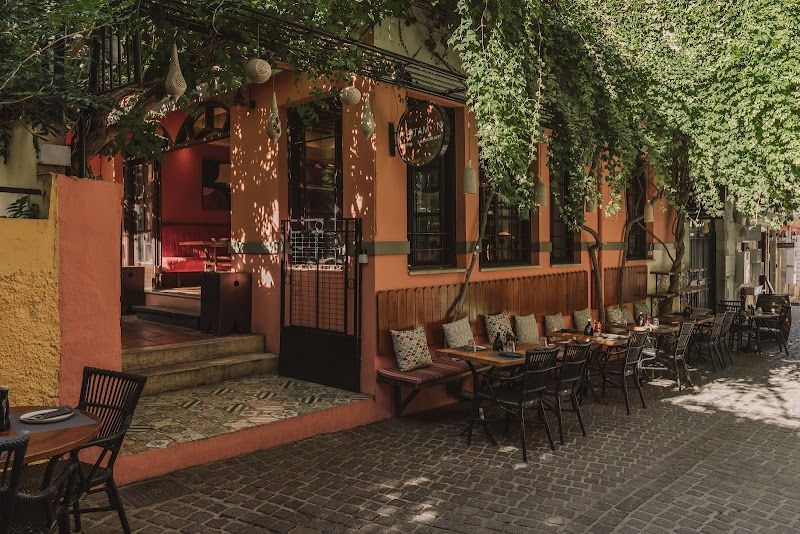
Kritamon
RestaurantFine dining restaurant in Agios Nikolaos emphasizing forgotten Cretan herbs and wild greens. The chef forages ingredients from the surrounding mountains and works with small producers for meats and cheeses. Tasting menus highlight unusual ingredients like rock samphire and sea fennel.
Getting Here
Getting There
No metro. Bus station in Chania connects to Rethymno and Heraklion. Local buses to beaches in summer only.
On Foot
Chania Old Town is very walkable. Car essential for Elafonisi, Balos, Samaria, and all western beaches.
Insider Tips
Elafonisi: arrive by 9 AM
Elafonisi is 75 minutes from Chania on a winding road. The parking lot fills by 10 AM in July-August. Arrive by 9 AM and you will have the pink sand and shallow turquoise water almost to yourself for the first hour. Bring food and water - the one cafe is overpriced.
The Old Town back streets
The Venetian Harbour restaurants are tourist-priced (EUR 20-30 pp). Walk 2-3 minutes into the Old Town back streets (Splantzia quarter) for tavernas charging EUR 12-18 for the same quality. Tamam, in a converted Turkish hammam, is the best food in the Old Town.
Samaria Gorge logistics
The gorge is one-way (downhill). Bus from Chania to Omalos start point at 6:15 AM. Hike 5-7 hours to Agia Roumeli. Ferry to Hora Sfakion (EUR 12, 1 hour). Bus back to Chania (EUR 8, 1.5 hours). Total day: 12-14 hours. Bring 2+ litres water, hiking shoes, hat. Not suitable for under-8s.
Nearby Neighborhoods
Continue exploring
Rethymno & Central
The second Venetian city, smaller and more local than Chania: the massive fortress, the best-preserved Renaissance streets in Crete, and the gateway to the palm-lined south coast.
Heraklion & Knossos
The capital, the largest city, and the archaeological centre: the Minoan palace that may have inspired the Minotaur myth, the museum with the frescoes, and the functional city that serves as the gateway.
Agios Nikolaos & East
The resort coast and the quieter side: the lakeside town, the former leper colony island, Europe's largest natural palm forest, and the mountain plateau where Zeus was born.
Plan a trip featuring Chania & West
Get a personalized Crete itinerary with Chania & West built in.
Start Planning