Crete
Rethymno & Central
The second Venetian city, smaller and more local than Chania: the massive fortress, the best-preserved Renaissance streets in Crete, and the gateway to the palm-lined south coast.
About Rethymno & Central
Rethymno is the second Venetian city on Crete, smaller and more local than Chania. The Fortezza (EUR 4) is the massive Venetian fortress on the headland with views over the city and sea. The Old Town below has the best-preserved Renaissance streets in Crete: the Rimondi Fountain from 1626, a minaret from the Ottoman period (you can't enter it but it defines the skyline), and narrow lanes where the buildings are crumbling beautifully. South of Rethymno: Preveli Beach (the palm-lined river meets the sea, access by boat from Plakias EUR 10 or a steep path from the monastery above) and the Arkadi Monastery (EUR 3, the symbol of Cretan resistance - during the 1866 siege, the defenders blew up the powder magazine rather than surrender, and the event is the most important in modern Cretan history). Rethymno is where to stay if you want a base that is beautiful, walkable, and less crowded than Chania.
Things to Do
Top experiences in Rethymno & Central
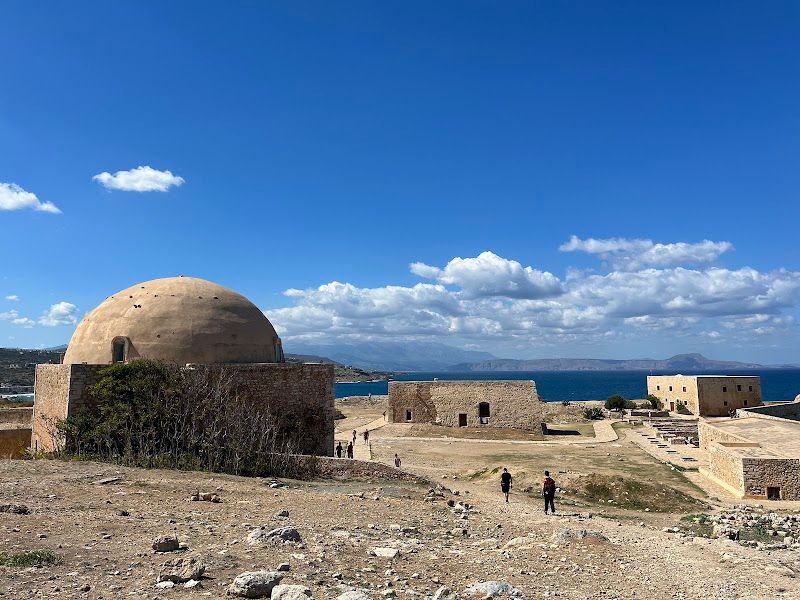
Fortezza of Rethymno
Massive star-shaped fortress dominating Rethymno's skyline, built by Venetians in 1573 after devastating pirate attacks. Within the walls stands a rare Ottoman mosque with its dome still intact, converted from a Venetian church. The grounds host summer cultural events and offer sweeping coastal views.
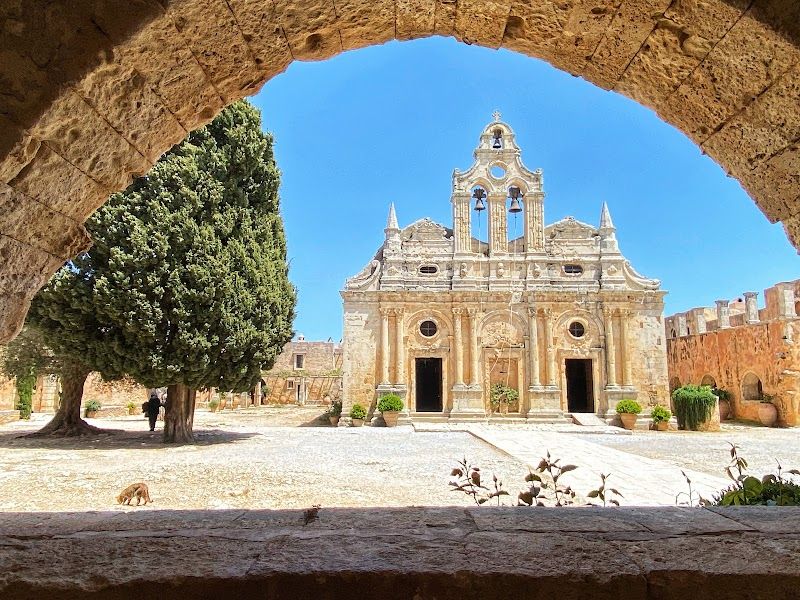
Arkadi Monastery
Working 16th-century monastery that became a symbol of Cretan resistance after 943 Greeks chose martyrdom over Ottoman surrender in 1866. The gunpowder magazine explosion site is preserved as a memorial, while the ornate Venetian baroque church remains active. Beautiful arcaded courtyard with ancient cypress trees.
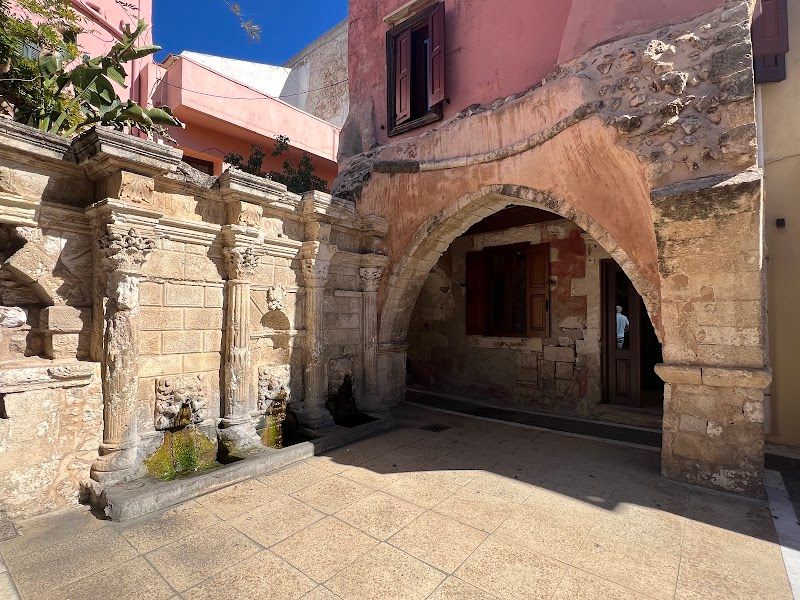
Rimondi Fountain
Ornate Venetian fountain built in 1626 with three lion-head spouts still flowing with mountain spring water. The fountain served as the main water source for Rethymno's old town for centuries. Corinthian columns and Latin inscriptions commemorate Governor Rimondi who commissioned it.
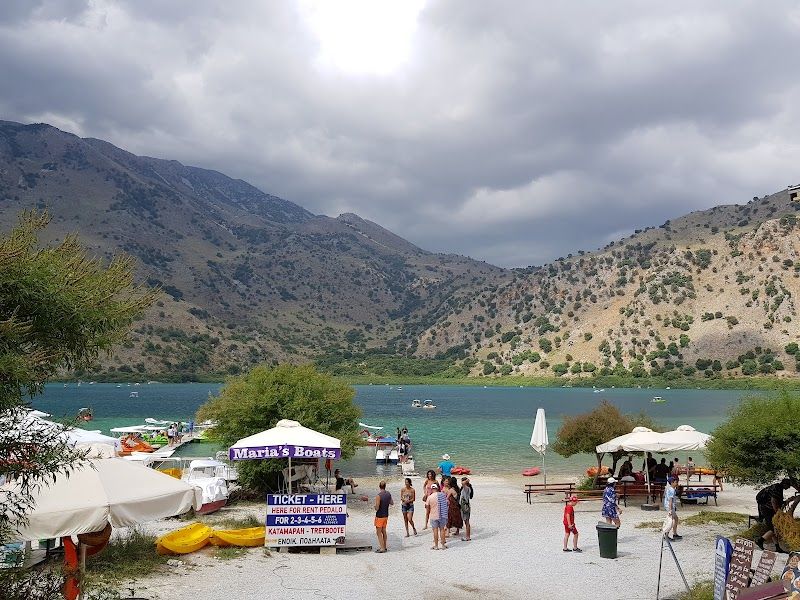
Lake Kournas
Crete's only natural freshwater lake, set in a mountain basin surrounded by eucalyptus trees and the White Mountains. The shallow lake has paddleboat rentals (EUR 8/hour), lakeside tavernas, and a walking path around the perimeter. Terrapins and eels inhabit the waters, visible from the pedal boats.
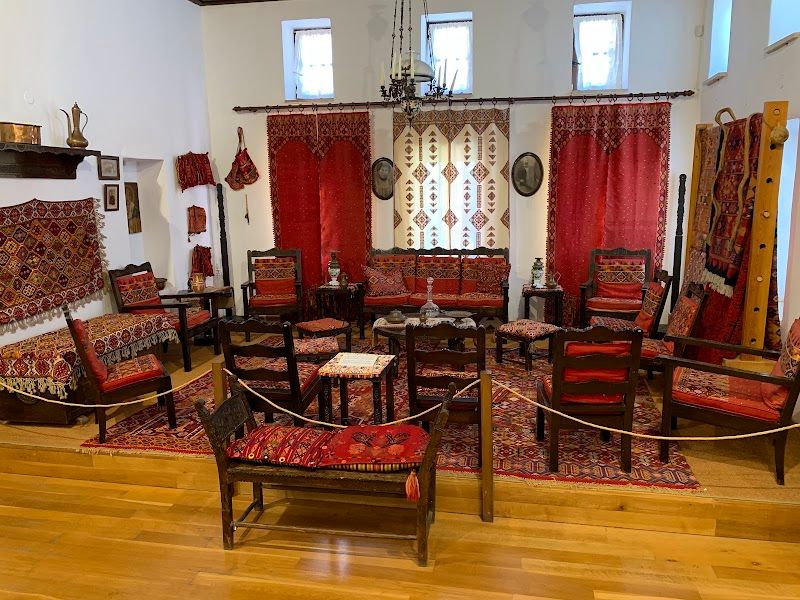
Historical and Folklore Museum of Rethymno
Compact museum in a restored Venetian mansion showcasing traditional Cretan life from Ottoman times through WWII. Exceptional textile collection includes intricate embroidery, woven fabrics, and traditional costumes. The recreated traditional kitchen and ceramic workshops provide intimate glimpses of daily life.
Where to Eat
Restaurants and cafes in Rethymno & Central
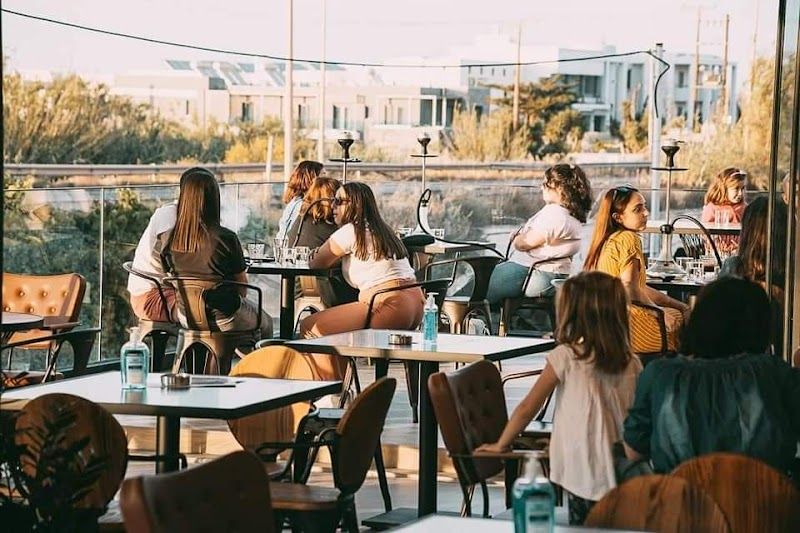
Cafe Faneromeni
CafeCafe on a quiet square in Rethymno overlooking the Faneromeni church and monastery. Serves breakfast, coffee, and light meals throughout the day with tables under plane trees. Popular with students and locals working on laptops during the day.
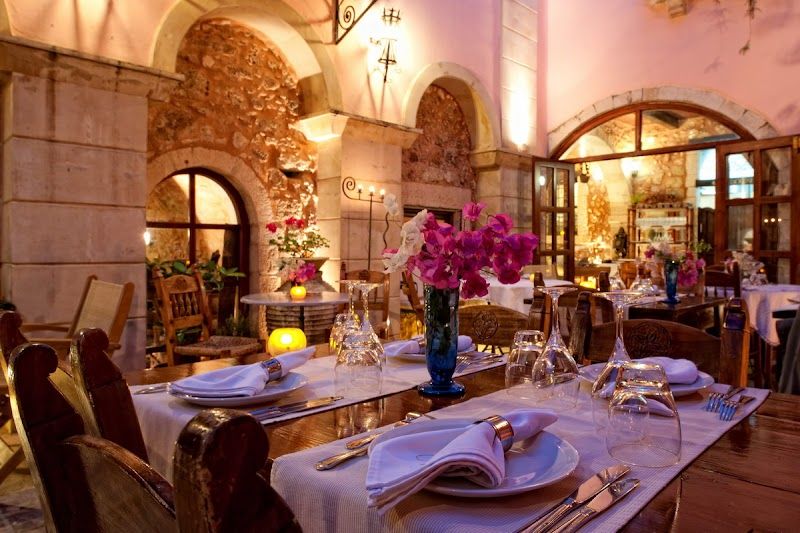
Veneto Restaurant
RestaurantUpscale restaurant in Rethymno set in a 15th-century Venetian building with vaulted ceilings. The menu blends Mediterranean and Cretan cuisine with presentation that respects tradition while adding refinement. Extensive wine cellar features Greek wines from small estates.
Getting Here
Getting There
Bus to Heraklion (1.5 hr) and Chania (1 hr) every 30-60 min on the highway.
On Foot
Old Town is very walkable. Car needed for Preveli, Arkadi, and mountain villages.
Insider Tips
Fortezza at sunset
The Fortezza (EUR 4) is best visited 1-2 hours before sunset. The fortress walls face west and the light turns the stone golden. The interior is largely empty ruins but the rampart walk has 360-degree views. Allow 1 hour.
Rethymno as a base
Rethymno is equidistant between Chania (1 hour) and Heraklion (1.5 hours) on the highway, making it a good central base for day trips in both directions. Hotels are EUR 20-40 cheaper than Chania for equivalent quality.
Nearby Neighborhoods
Continue exploring
Chania & West
The most photogenic city in Crete: the Venetian Harbour, the Ottoman-Venetian Old Town, and the gateway to the pink sand beaches and the longest gorge in Europe.
Heraklion & Knossos
The capital, the largest city, and the archaeological centre: the Minoan palace that may have inspired the Minotaur myth, the museum with the frescoes, and the functional city that serves as the gateway.
Agios Nikolaos & East
The resort coast and the quieter side: the lakeside town, the former leper colony island, Europe's largest natural palm forest, and the mountain plateau where Zeus was born.
Plan a trip featuring Rethymno & Central
Get a personalized Crete itinerary with Rethymno & Central built in.
Start Planning