Crete
Heraklion & Knossos
The capital, the largest city, and the archaeological centre: the Minoan palace that may have inspired the Minotaur myth, the museum with the frescoes, and the functional city that serves as the gateway.
About Heraklion & Knossos
Heraklion is the capital of Crete and the island's transport hub. It is not beautiful, but it is functional, the airport is here, and the archaeology alone justifies a full day. Knossos (EUR 15, 20 min south of the city centre by bus EUR 1.80) is the Minoan palace: the throne room, the grand staircase, the corridors that may have inspired the Minotaur labyrinth. Go at 8 AM opening or after 3 PM to avoid cruise ship groups. The Heraklion Archaeological Museum (EUR 12, or EUR 20 combo with Knossos) houses the Phaistos Disc, the Bull-Leaping Fresco, and the Snake Goddess - the most important Minoan collection in the world. The Venetian walls encircle the old city, and the Koules Fortress (EUR 4) guards the harbour. The market on 1866 Street has herbs, cheese, leather, and tourist souvenirs, but the side streets have genuine bakeries selling kalitsounia for EUR 1.50 and kafeneia where old men drink coffee all morning.
Things to Do
Top experiences in Heraklion & Knossos
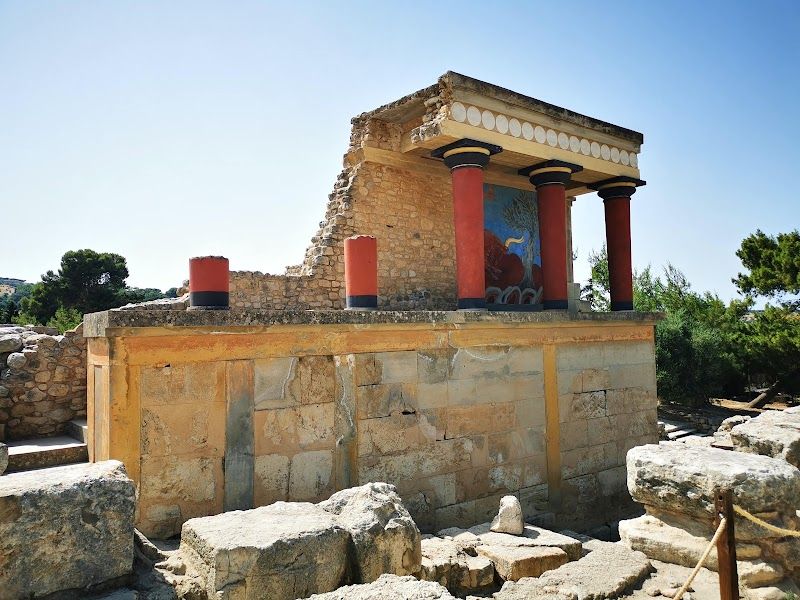
Palace of Knossos
Knossos is the largest Bronze Age archaeological site on Crete and the ceremonial and political centre of the Minoan civilization. The palace complex covers 20,000 square metres with over 1,300 rooms, a throne room with the oldest stone throne in Europe, the grand staircase, and a sophisticated drainage system that included flush toilets 3,600 years ago. The original frescoes (the Bull-Leaping Fresco, the Dolphins, the Prince of the Lilies) are in the Heraklion Archaeological Museum, but the site has reproductions in situ. Sir Arthur Evans reconstructed parts of the palace in concrete in the early 1900s, which is controversial but makes the spaces comprehensible. Entry EUR 15 (combo with Heraklion Archaeological Museum EUR 20). Open 8 AM-8 PM in summer. Go at 8 AM opening or after 3 PM to avoid cruise ship groups.
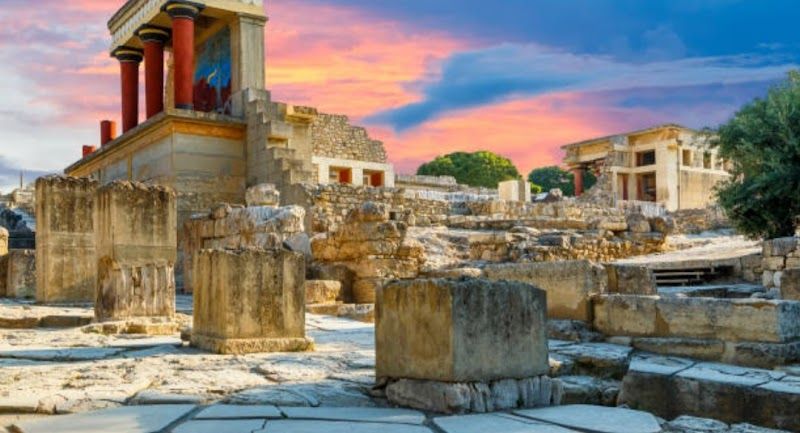
Knossos Palace
The largest Bronze Age archaeological site on Crete requires a knowledgeable guide to interpret the reconstructed frescoes and multi-story layout. Guided tours explain the Minoan civilization's advanced drainage systems, storage methods, and the myth of the Minotaur tied to this labyrinthine palace.
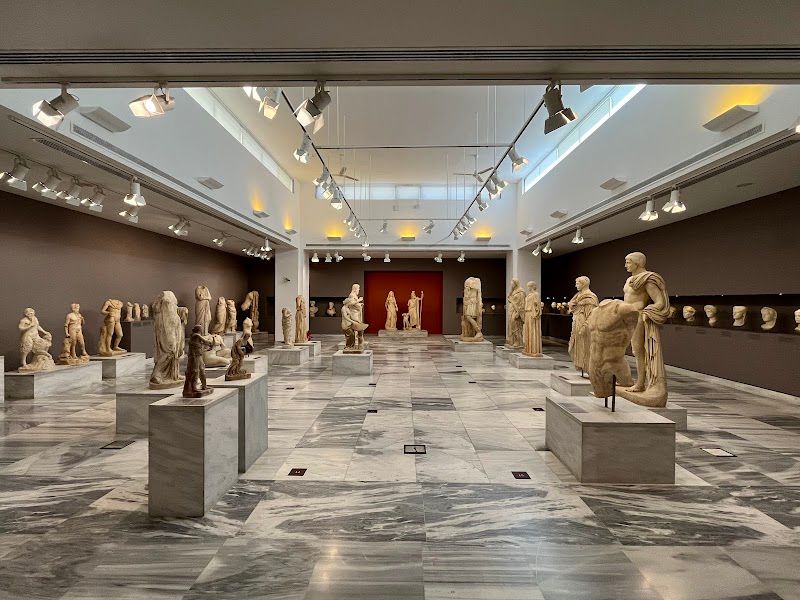
Heraklion Archaeological Museum
Skip-the-line guided tour of one of Europe's most important archaeological museums, housing the world's finest Minoan artifact collection. Frescoes, pottery, and jewelry from Knossos and other palaces are arranged chronologically. The guide connects the museum's treasures to the archaeological sites around Crete.
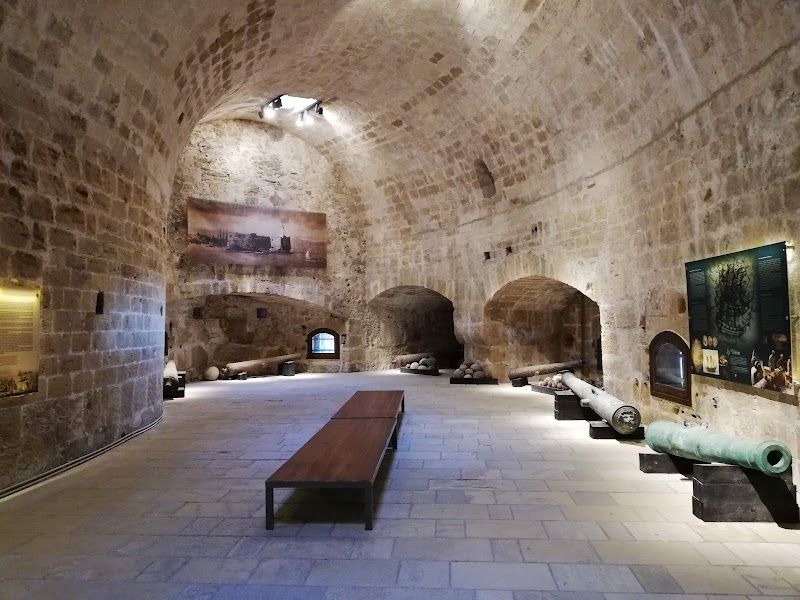
Koules Fortress
Imposing 16th-century Venetian fortress guarding Heraklion's old harbor, built to protect against Ottoman raids. The rooftop offers panoramic views of the city and Aegean Sea, while interior chambers house rotating exhibitions on maritime history. Look for the relief of the Lion of St. Mark on the seaward facade.
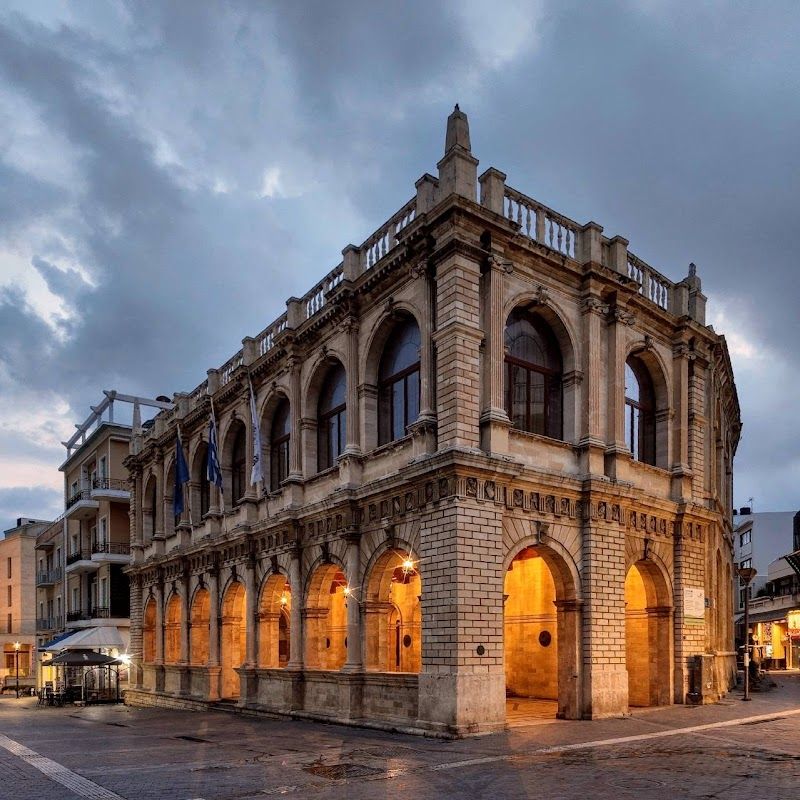
Venetian Loggia Heraklion
Elegant Renaissance-era loggia built in 1626 as the administrative center for Venetian nobility, now serving as Heraklion's City Hall. The building showcases refined Palladian architecture with Doric columns and arched galleries. Destroyed in WWII and meticulously reconstructed in the 1960s using original plans and photographs.
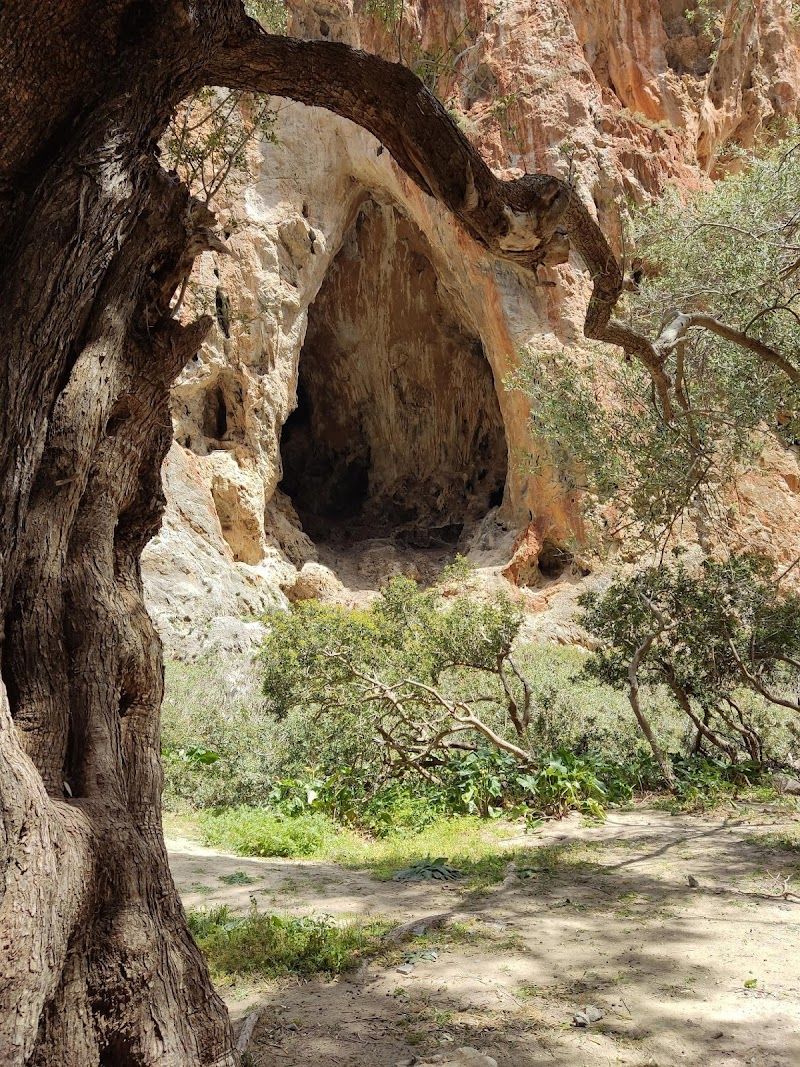
Cretan Adventures
Full-day jeep safari exploring remote mountain villages, gorges, and shepherd huts in the White Mountains. Includes traditional lunch in a taverna accessible only by dirt road and swimming in mountain pools. The route changes based on season and road conditions.
Where to Eat
Restaurants and cafes in Heraklion & Knossos
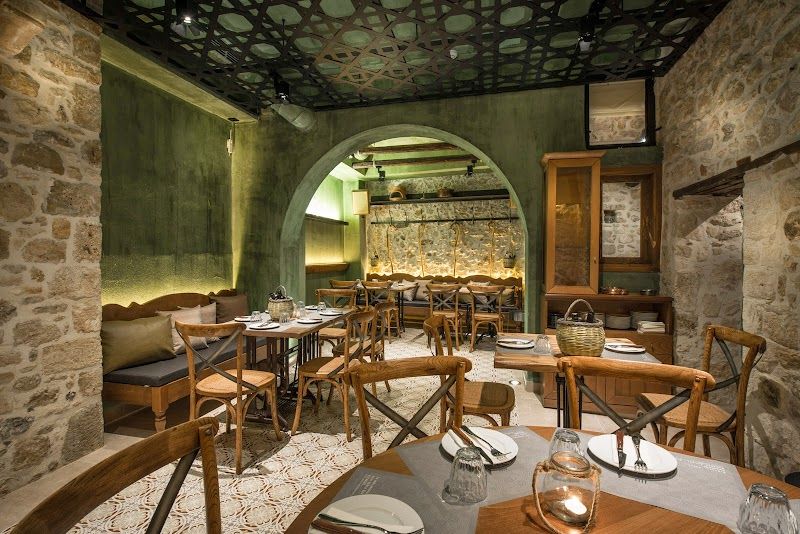
Peskesi
RestaurantHeraklion restaurant focused on forgotten Cretan recipes and heirloom ingredients sourced from the owners' organic farm. The menu changes with the seasons and features dishes cooked in a wood-fired oven. Everything from the olive oil to the wine comes from small Cretan producers.
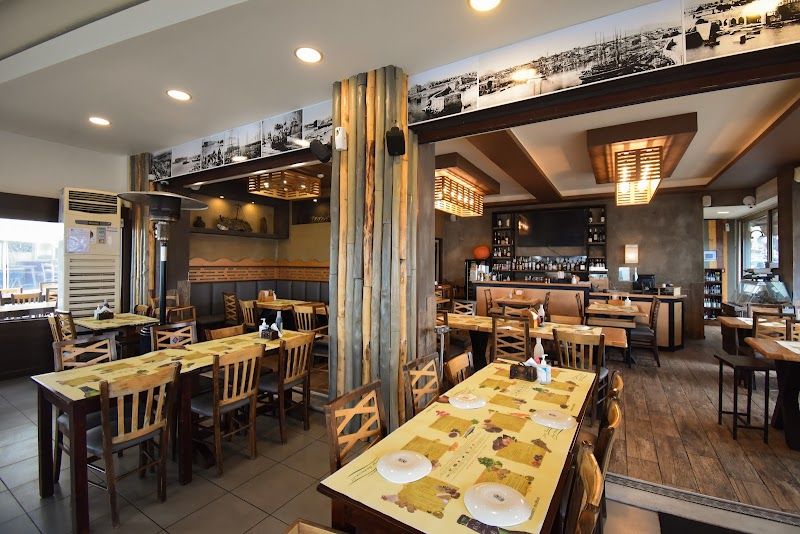
Ligo Krasi Ligo Thalassa
RestaurantSeaside taverna in the village of Kokkini Hani east of Heraklion, known for generous portions and seafood meze. The name means a little wine, a little sea, which describes the atmosphere perfectly. Tables are set on a terrace right above the water.
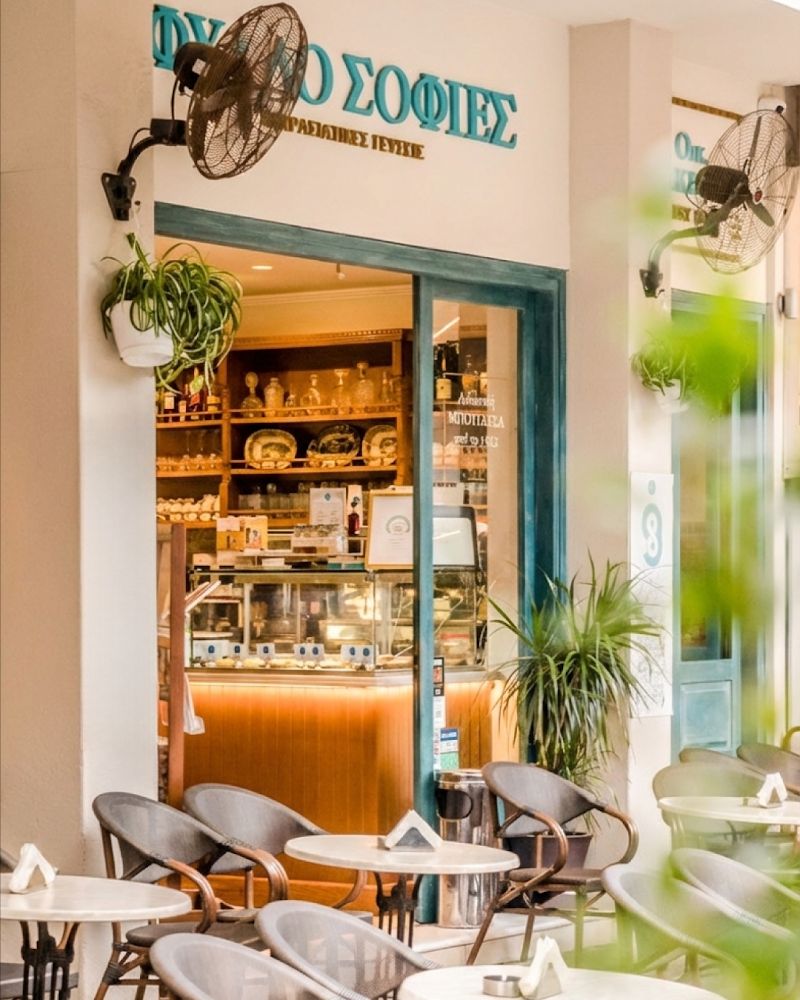
Phyllo Sophies
CafeSmall shop in Heraklion selling traditional Cretan pies made with handmade phyllo dough. Offerings include kalitsounia (sweet cheese pies), spanakopita (spinach pie), and seasonal vegetable pies. Everything is baked fresh multiple times daily.
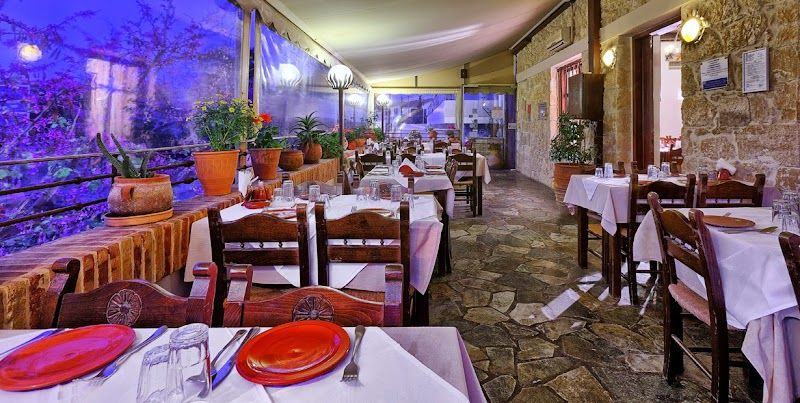
Erganos
RestaurantSmall taverna in Heraklion serving traditional Cretan dishes cooked daily by the owner. The menu includes hard-to-find specialties like stifado (beef stew with pearl onions) and staka (cream made from goat's milk). Simple interior with focus entirely on the food quality.
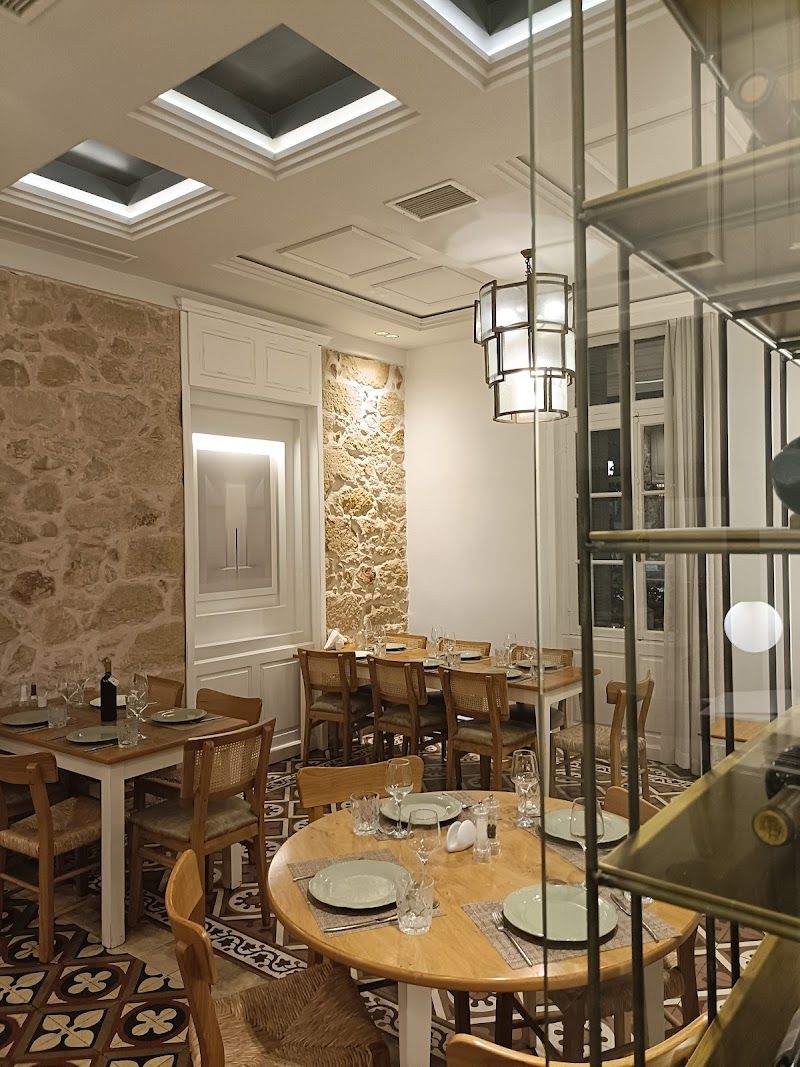
Merastri
RestaurantModern taverna in Chania's old town courtyard serving creative takes on Cretan classics. The chef sources ingredients from family farms in nearby villages and changes the menu weekly. Dishes like lamb with sour cherry sauce and dakos with sundried tomatoes show traditional flavors with contemporary plating.
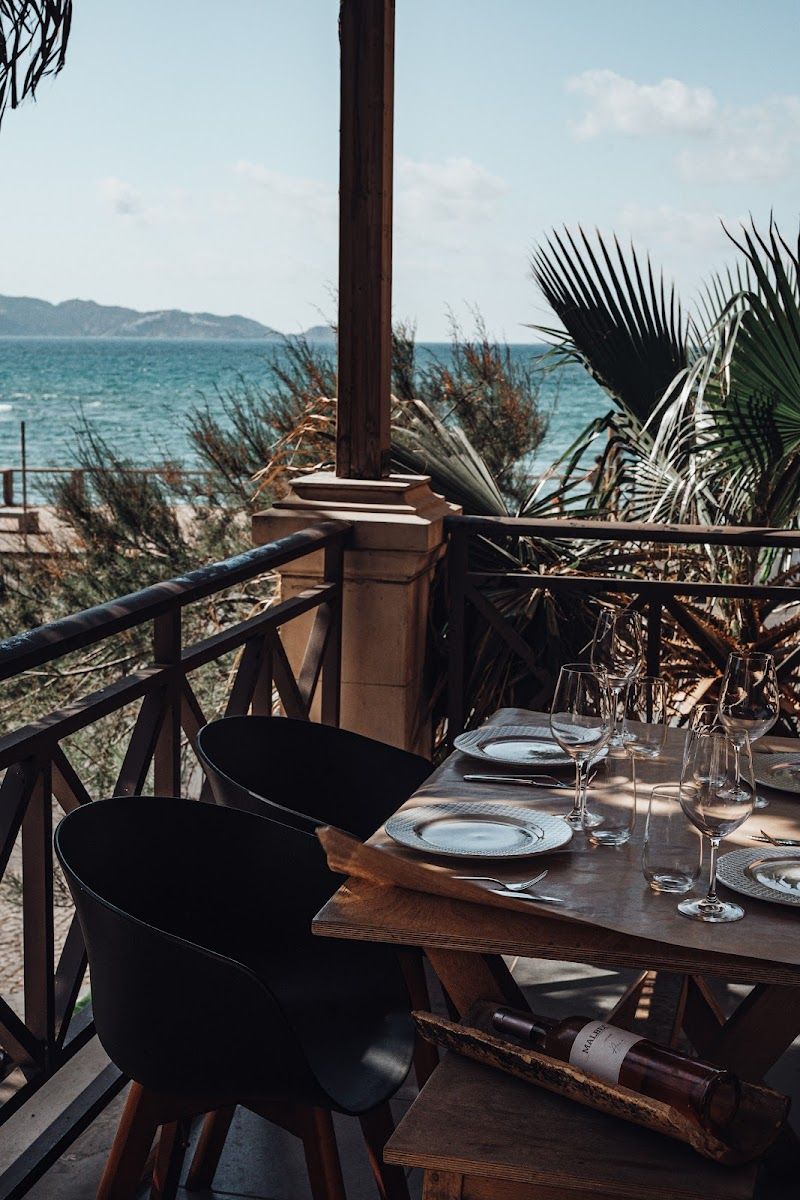
Parasties
RestaurantTraditional kafeneion in Rethymno's old town where locals gather for Greek coffee, raki, and conversation. The interior has barely changed in decades, with marble tables, wooden chairs, and old photographs on the walls. It operates from early morning until late at night.
Getting Here
Getting There
Heraklion airport (HER) is 5 km east. Bus to Knossos every 20 min (EUR 1.80). Long-distance buses to Chania and Rethymno from Bus Station A.
On Foot
Old city is walkable. Knossos requires bus or taxi (EUR 10-15).
Insider Tips
Knossos: combo ticket and timing
The EUR 20 combo ticket (Knossos + Archaeological Museum) saves EUR 7 over buying separately. Visit Knossos at 8 AM opening when it is cool and empty. Then drive to the museum (open until 8 PM in summer). The museum makes more sense AFTER seeing Knossos, not before.
1866 Street side streets
The main market on 1866 Street is tourist-facing. Walk one block east or west into the side streets for bakeries selling kalitsounia (EUR 1.50), kafeneia with EUR 2 Greek coffee, and the Heraklion that locals use. Peskesi restaurant on a side street does the best ingredient-focused Cretan cooking in the city.
Nearby Neighborhoods
Continue exploring
Chania & West
The most photogenic city in Crete: the Venetian Harbour, the Ottoman-Venetian Old Town, and the gateway to the pink sand beaches and the longest gorge in Europe.
Rethymno & Central
The second Venetian city, smaller and more local than Chania: the massive fortress, the best-preserved Renaissance streets in Crete, and the gateway to the palm-lined south coast.
Agios Nikolaos & East
The resort coast and the quieter side: the lakeside town, the former leper colony island, Europe's largest natural palm forest, and the mountain plateau where Zeus was born.
Plan a trip featuring Heraklion & Knossos
Get a personalized Crete itinerary with Heraklion & Knossos built in.
Start Planning