Edinburgh
Things to Do
52 attractions, museums, and experiences
Victoria Street
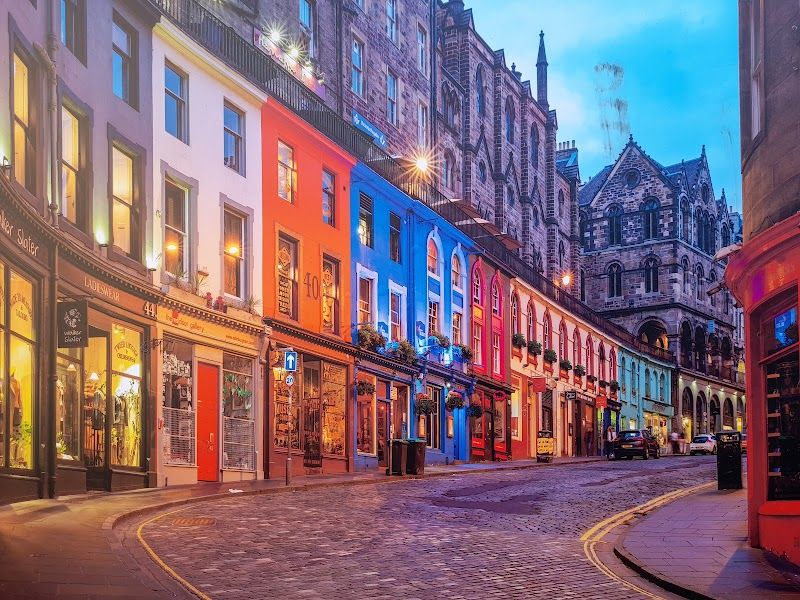
Victoria Street curves dramatically downhill from George IV Bridge to the Grassmarket, its cobblestones lined with Victorian shopfronts painted in bright reds, yellows, and blues. This is the street that inspired Diagon Alley in Harry Potter, confirmed by J.K. Rowling herself, though you'll recognize it immediately even without the literary connection. The independent shops sell everything from Scottish cashmere to artisanal cheese, vintage clothing, and handmade chocolates. Walking down feels like stepping into a storybook, with the curved street creating perfect photo opportunities at every turn. The gradient is steep enough that you'll want to take your time, especially on wet cobblestones. Shop windows display tartan scarves, vintage maps, and quirky gifts, while the smell of fresh baking drifts from the cafes. The architecture feels intimate and almost medieval, completely different from the grand Georgian terraces elsewhere in the Old Town. Most guides don't mention that half the shops are overpriced tourist traps selling mass produced 'Scottish' goods made in China. Focus on Clarinda's Tea Room (proper Scottish breakfast for £8.50), Mr Wood's Fossils (genuinely fascinating geological specimens), and The Cheese Shop for excellent local varieties. Skip the tartan stores near the top, they're identical to every other souvenir shop in Edinburgh and twice the price.
Water of Leith Walkway
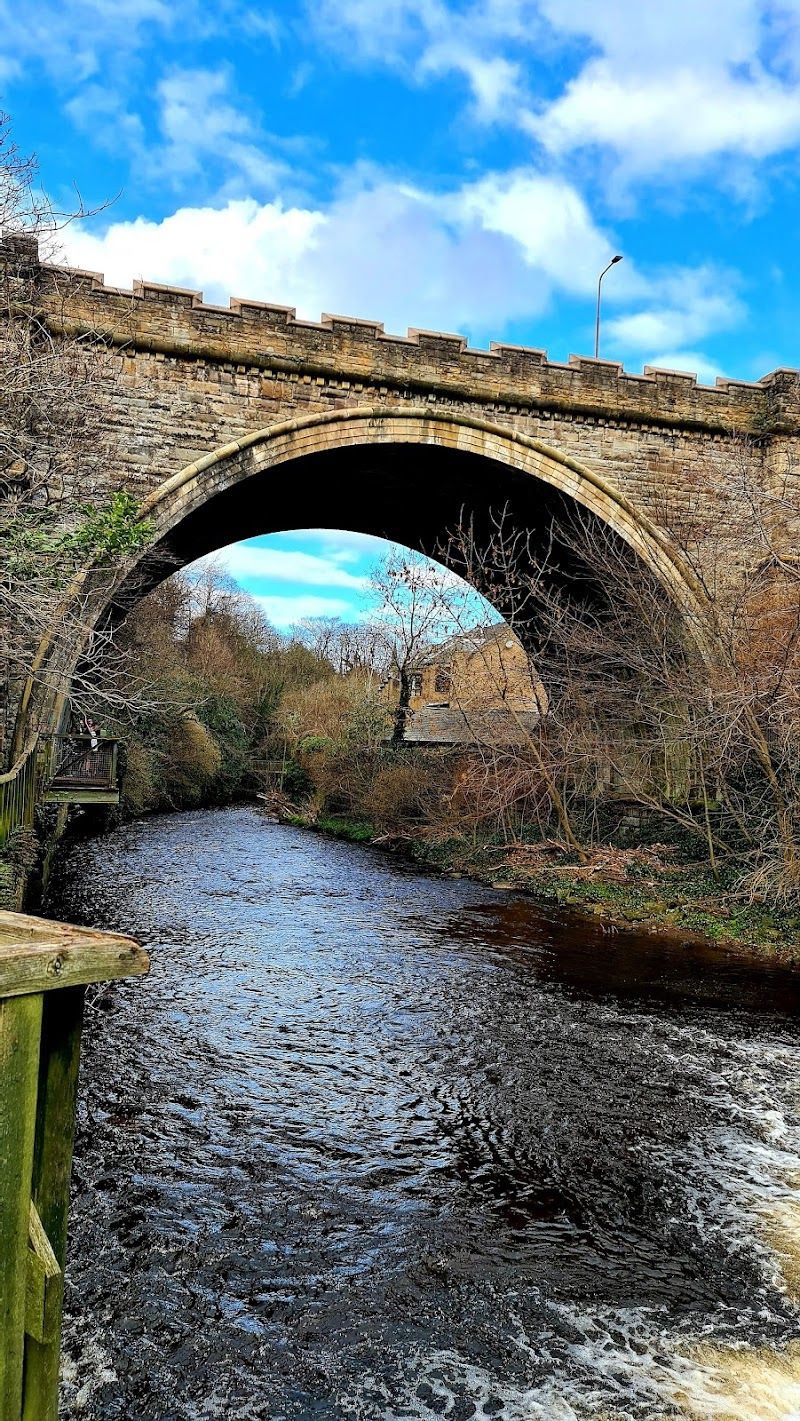
The Water of Leith Walkway follows Edinburgh's main river for 24 miles, but the 4-mile stretch from Stockbridge through Dean Village to Leith gives you the best urban walking in the city. You'll pass under converted mill buildings, through the atmospheric Dean Cemetery where you can spot Victorian graves, and along cobbled sections where the old industrial Edinburgh still shows through. The path dips below street level for most of the route, creating this strange sense of walking through a secret Edinburgh that most tourists never see. The walk feels like time travel, especially through Dean Village where medieval buildings lean over the water and old mill wheels still turn. You'll cross under several stone bridges, each offering different perspectives of the gorge the river has carved through the city. The path surface switches between tarmac and rougher sections, and you'll encounter dog walkers, joggers, and the occasional heron fishing in the shallows. The sound of traffic fades as you descend into the valley, replaced by flowing water and birdsong. Most guides oversell the full route to Balerno, which gets boring through suburban stretches. The Dean Village to Stockbridge section gives you 90% of the magic in half the time. Skip the Leith end unless you're combining it with the Royal Botanic Garden nearby. The path gets muddy after rain, so decent shoes help. It's completely free and always open, making it Edinburgh's best value outdoor experience.
Edinburgh Castle
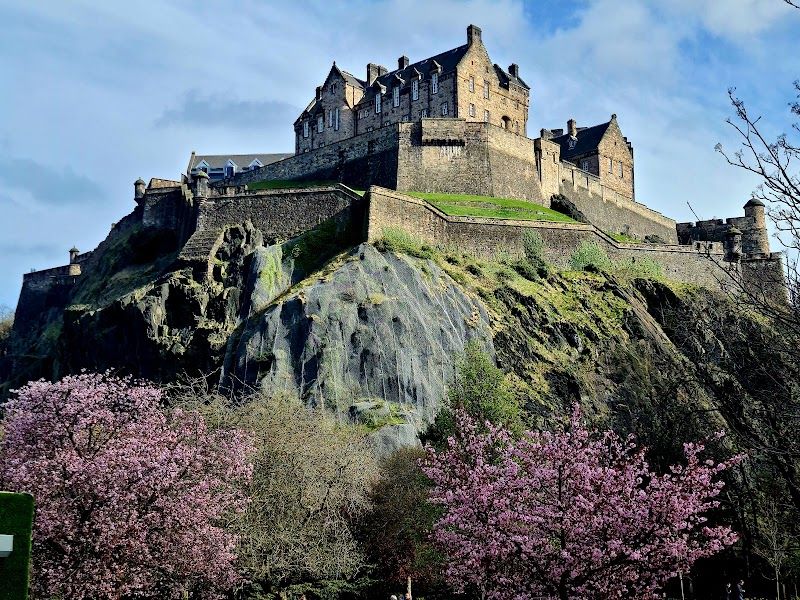
Edinburgh Castle sits on Castle Rock, a 340-million-year-old volcanic plug that rises 130 metres above the city centre. The castle has been a royal residence, a military garrison, and a prison at various points in its history, and it still functions as a working military base today. The Crown Room contains the Honours of Scotland (the Scottish crown jewels, the oldest surviving royal regalia in the British Isles, comprising the Crown, Sceptre, and Sword of State) and the Stone of Destiny, the ancient coronation seat of Scottish kings returned from Westminster in 1996. The One O'Clock Gun fires from the castle daily at exactly 1 PM (except Sundays and Good Friday): stand near the Half Moon Battery for the best view of the barrel and brace for the noise. The castle opens at 9:30 AM; arriving at opening gives you the Great Hall and the Crown Room before the tour groups arrive. The esplanade in front of the castle is where the Edinburgh Military Tattoo takes place every August (tickets from GBP 27, book a year ahead). The views from the castle walls cover the New Town, the Firth of Forth, Arthur's Seat, and on clear days the hills of Fife. Budget 2-3 hours for the full visit. Audio guides are included in the ticket price (GBP 19.50 adult). Queues at the ticket office can be long in summer: buy online in advance and use the priority lane.
National Museum of Scotland
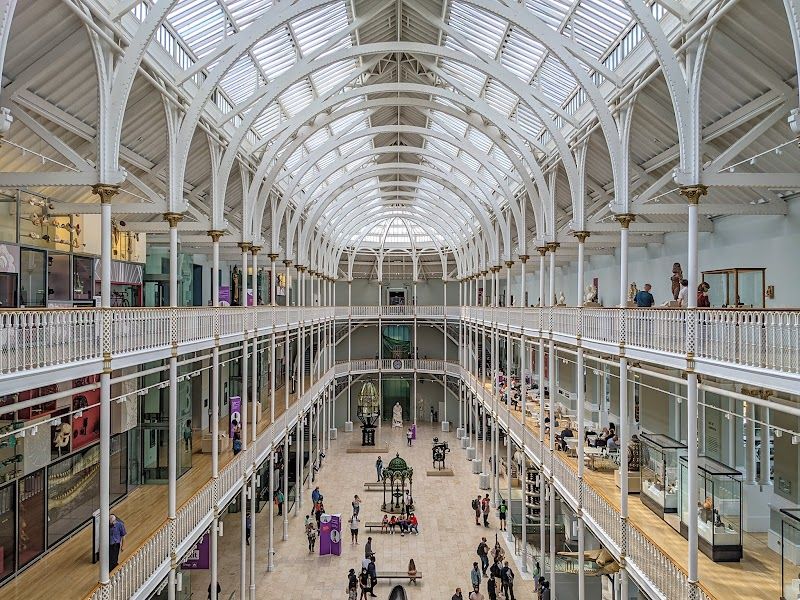
The National Museum of Scotland houses Scotland's most impressive collection under one magnificent Victorian roof, from 3.8 billion year old rocks to Dolly the cloned sheep. You'll find the actual Lewis Chessmen (not replicas), Mary Queen of Scots' rosary, and an entire sperm whale skeleton suspended overhead. The restored Grand Gallery is genuinely spectacular, with soaring ironwork and natural light flooding down from above. Entry is completely free, which makes this one of Edinburgh's best value experiences. The museum flows across multiple floors and buildings, connected by a maze of staircases and corridors that can feel overwhelming at first. The Victorian building houses natural history and world cultures, while the modern extension focuses on Scottish history and science. The atmosphere shifts dramatically between sections: the Grand Gallery feels cathedral-like, while the Scottish galleries have an intimate, storytelling quality. You'll hear multiple languages and see school groups sketching artifacts, giving the place an active, educational energy. Most visitors try to see everything and burn out after 90 minutes. Focus on three sections maximum: the Grand Gallery for the wow factor, Level 1 for Scottish history, and Level 6 for the rooftop views. Skip the world cultures section unless you're genuinely interested, it's decent but not exceptional. The gift shop is overpriced at £15-25 for basic items. Come on weekday mornings to avoid school groups, and don't miss the tiny Millennium Clock on Level 3 that performs hourly.
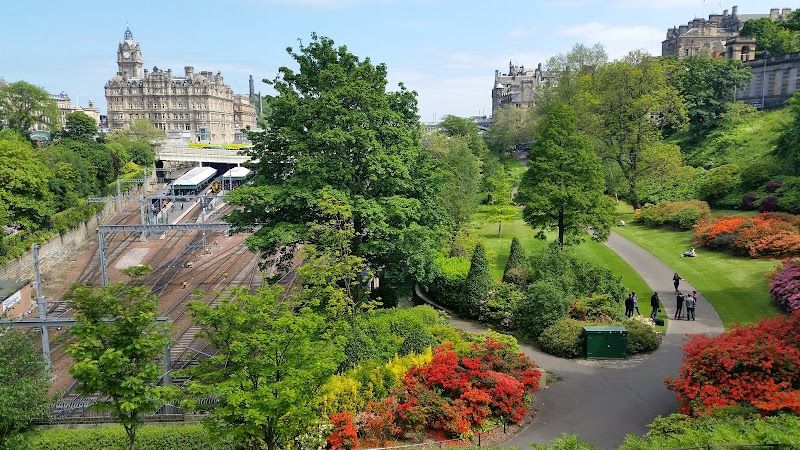
Princes Street Gardens
Princes Street Gardens stretches for half a mile through the valley that once held the Nor Loch, creating Edinburgh's most central green space between the medieval Old Town and Georgian New Town. You'll find yourself walking on what was once the bottom of a drained lakebed, with Edinburgh Castle looming above on one side and Princes Street's shops on the other. The Scott Monument dominates the eastern section at 61 meters tall, while the western half contains the Ross Bandstand where major outdoor concerts happen year round. The experience splits naturally into two sections divided by The Mound. The eastern gardens feel more formal with manicured flowerbeds, memorials, and that towering Gothic Scott Monument that you can climb for £5. The western section opens up around the Ross Bandstand with wider lawns where locals actually picnic and play football. During summer you'll hear live music drifting from the bandstand, while winter brings Christmas markets that transform the space completely. Most visitors rush straight to the Scott Monument and miss the western gardens entirely, which is backwards thinking. The monument's cramped spiral staircase isn't worth £5 unless you're obsessed with Walter Scott or Victorian Gothic architecture. Instead, spend your time in the western section where the views back toward the castle are better and free. The gardens close at dusk year round, so don't plan evening visits outside summer months.
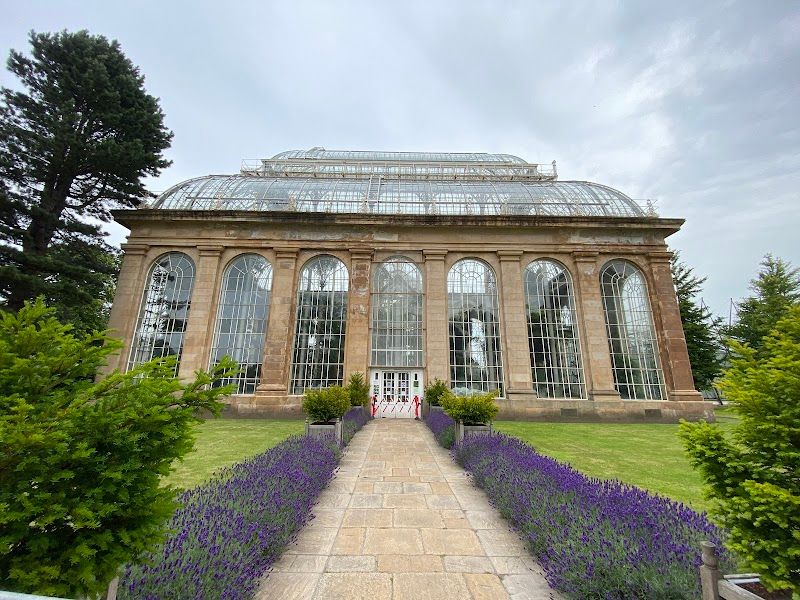
Royal Botanic Garden Edinburgh
The Royal Botanic Garden Edinburgh sprawls across 72 acres of expertly curated landscapes, housing over 13,500 plant species from every continent. You'll wander through themed sections including a Chinese Garden, Victorian Palm Houses, and specialist collections of rhododendrons that bloom spectacularly in spring. The highlight is definitely the Tropical Palm House, a soaring Victorian glasshouse where you can walk among towering palms and exotic ferns while Edinburgh's skyline gleams in the distance. The experience feels like traveling the world's ecosystems in one afternoon. You'll start among Scottish native plants, then climb gentle hills past massive specimen trees to reach the glasshouse complex. Inside, the humid air and lush greenery create an instant tropical escape, complete with banana plants and bird of paradise flowers. The upper levels of the garden offer gorgeous views back toward Arthur's Seat and the Old Town, making it feel less like a city park and more like a countryside retreat. Most visitors spend too much time in the crowded Palm House and miss the real treasures. The outdoor collections are far more impressive, especially the rock garden and the world-renowned rhododendron collection. Skip the expensive cafe (£4+ for basic sandwiches) and bring a picnic instead. Entry is free, but parking costs £3 for three hours. Visit on weekday mornings to avoid school groups and tour buses.
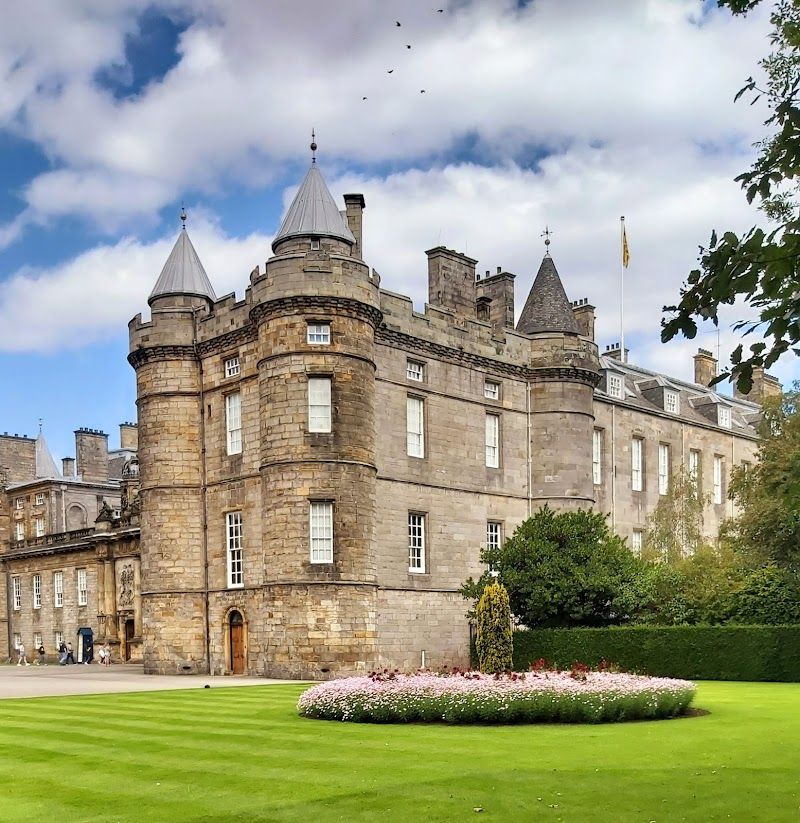
Palace of Holyroodhouse
The Palace of Holyroodhouse is the official residence of the monarch in Scotland, sitting at the foot of the Royal Mile beneath the crags of Arthur's Seat. The palace has been a royal residence since the 16th century and is most closely associated with Mary Queen of Scots, who lived here from 1561 to 1567 and whose apartments are preserved on the second floor. The rooms associated with Mary include the bedchamber and the adjacent supper room where her secretary David Rizzio was murdered by her husband Lord Darnley and his associates in 1566 - the brass plate in the floor of the supper room marks the spot. The Great Gallery contains portraits of 111 Scottish monarchs, painted by Jacob de Wet between 1684 and 1686, running at a rate of one per week (the quality suffers noticeably in the later portraits). The State Apartments on the ground floor are used for royal functions when the King is in residence (typically one week in late June/early July: the palace is closed to visitors during this period). GBP 18.50 adult, audio guide included. The Holyrood Abbey ruins adjacent to the palace are included in the ticket: the nave of the 12th-century Augustinian abbey survived until 1768 when the roof collapsed in a storm, and the roofless ruin with its carved Norman arches is now one of the most atmospheric spaces in Edinburgh.
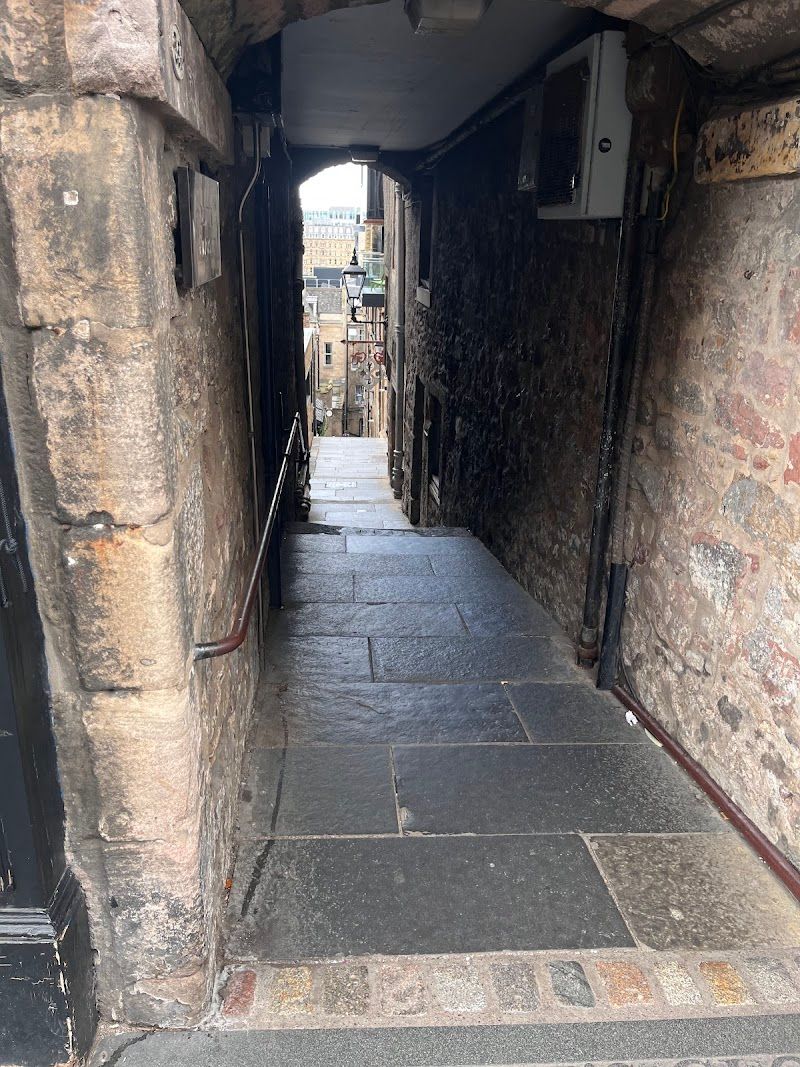
Real Mary King's Close
Mary King's Close is a series of narrow underground streets that were built over in the 17th century when the Royal Exchange (now the City Chambers) was constructed on top of them. The result is a preserved section of 17th-century Edinburgh frozen in time: the tenement buildings (truncated at the level of the new construction above), the narrow close, the rooms where families lived and worked, all sealed beneath the modern street. Guided tours run for 75 minutes and cover five or six of the rooms: the anatomy chamber (where the bodies from the anatomy trade were prepared), a room associated with the plague outbreaks of the 1640s, and the preserved domestic spaces of a 17th-century merchant family. The guides are costumed and the storytelling includes both factual history and the ghost stories that have accumulated around the close since the 18th century. The tour is underground and slightly claustrophobic in places: the closes are genuinely narrow (two people can barely pass) and the ceilings are low. GBP 19 adult, booking ahead is essential in summer. The entrance is on the Royal Mile, marked by a discreet sign at 2 Warriston's Close. Tours run from 10 AM to 9 PM in peak season. The close is approximately 10 metres below the current street level.
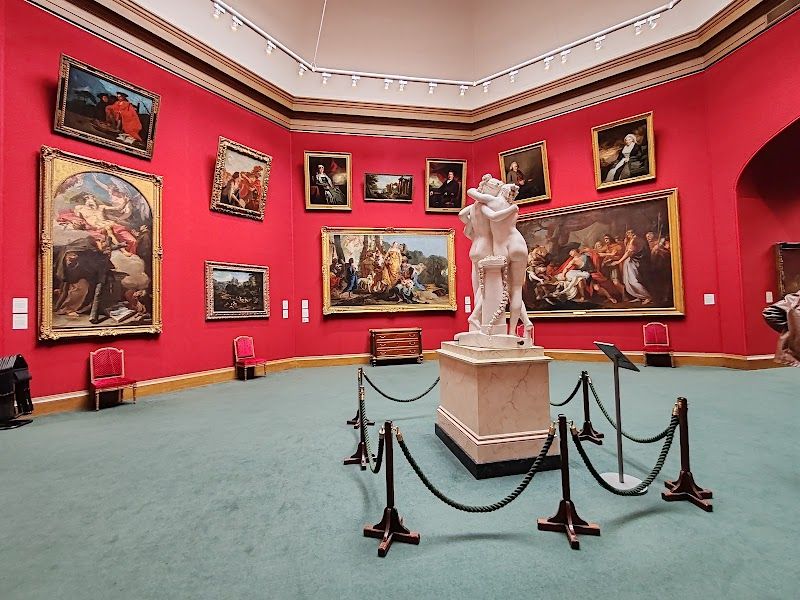
Scottish National Gallery
Scotland's premier art collection sits in a gorgeous neoclassical temple on The Mound, housing everything from Botticelli to Van Gogh. You'll find masterpieces by Velazquez, Raphael, and Rembrandt alongside the world's finest collection of Scottish painting. The Raeburn portraits alone justify the visit: these luminous 18th-century works capture Edinburgh's golden age society with extraordinary skill. Entry is completely free, making this one of Europe's best art bargains. The galleries flow logically through interconnected rooms, starting with European masters on the main floor before leading you to Scottish works below. The building itself is spectacular: soaring ceilings, perfect natural light, and elegant proportions that make even familiar paintings feel fresh. You'll notice how quiet it stays compared to London's packed galleries. The Scottish collection downstairs often feels like your private viewing room, especially the Raeburn portraits which glow under perfect lighting. Most guides oversell the European masters while ignoring the real treasure: those Scottish works downstairs. Skip the crowded Impressionist room if you're short on time and head straight to the lower galleries. The Raeburn portraits are genuinely world class, not just good "for Scottish art." Budget two hours if you want to see everything properly, though you could easily spend longer with the Scottish collection alone.
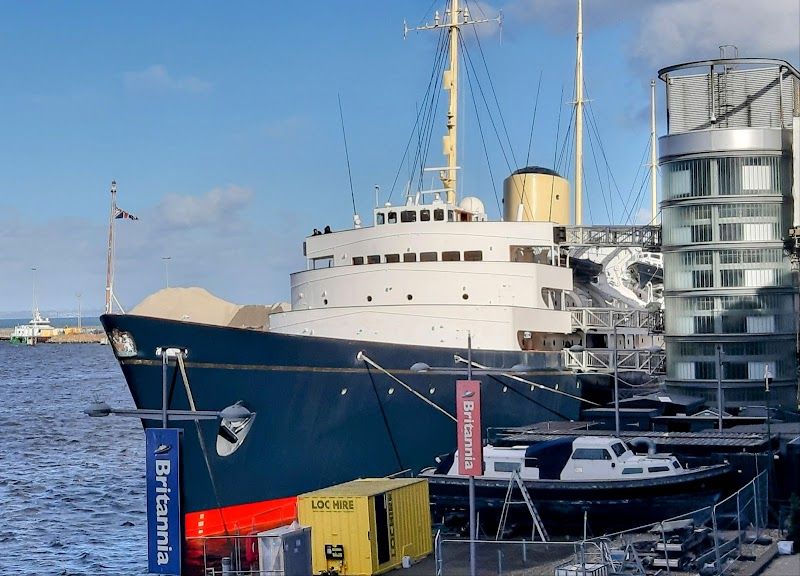
Royal Yacht Britannia
HMY Britannia served as the British Royal Family's floating residence from 1954 to 1997, when she was decommissioned following a decision by the incoming Labour government not to fund a replacement. She is now permanently moored at Ocean Terminal in Leith and open to visitors as one of the most detailed preserved royal vessels in the world. The tour (self-guided with audio guide, included in ticket price) covers five decks: the State Apartments where the Queen and Prince Philip hosted world leaders and dignitaries (the last dinner service for 56 people is still set in the State Dining Room), the Sun Lounge where the Royal Family relaxed, the engine room (operational until 1997), the crew quarters (220 sailors lived in conditions visibly more cramped than the royal decks above), and the bridge. The Britannia operated 968 official voyages across 44 years and covered over one million nautical miles. GBP 19 adult, GBP 10.50 child. Allow 1.5-2 hours for the full tour. The Ocean Terminal shopping centre is adjacent if you need lunch before or after. Britannia is the most visited paid tourist attraction in Scotland. It is in Leith, 3 miles from the city centre: get there by Lothian Bus (route 11 or 22 from Princes Street, 20-25 minutes, GBP 1.80) or taxi (GBP 8-10).
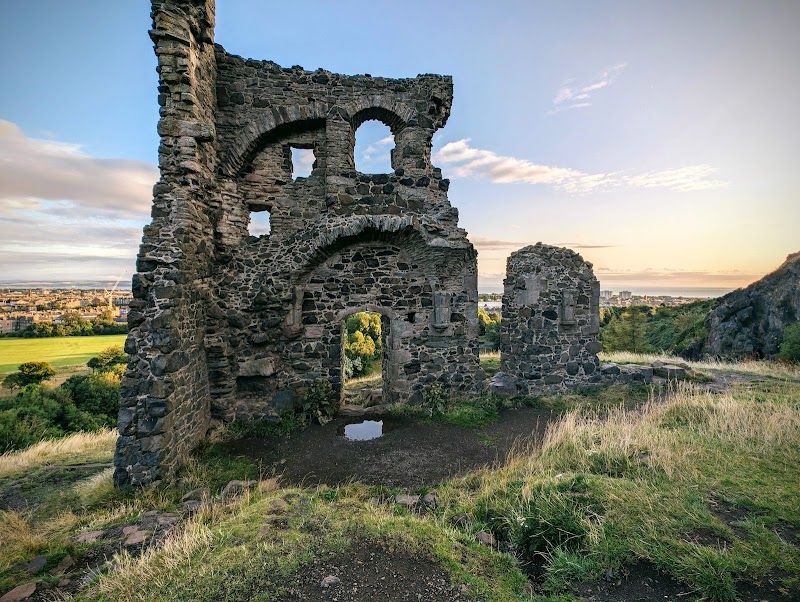
Holyrood Park
Holyrood Park sprawls across 650 acres of ancient volcanic landscape right in Edinburgh's city center, dominated by the famous Arthur's Seat peak at 251 meters. You'll find three small lochs, dramatic cliff faces at Salisbury Crags, and a geological trail that showcases 350-million-year-old rock formations. The park is completely free and offers some of Scotland's best urban hiking, with paths ranging from gentle loch walks to challenging scrambles up extinct volcano slopes. The experience feels like stepping from busy city streets into wild Scottish highlands within minutes. Salisbury Crags tower above you as dramatic basalt cliffs, while the geological walk reveals ancient lava flows and fossilized sediments with informative markers. Arthur's Seat climb rewards you with panoramic views across Edinburgh, the Forth bridges, and surrounding countryside. The three lochs (St Margaret's, Dunsapie, and Duddingston) attract swans, ducks, and occasional herons, creating peaceful spots between more rugged terrain. Most visitors underestimate the terrain and arrive in unsuitable footwear. Arthur's Seat isn't a gentle hill walk, it's proper hiking with loose rocks and steep sections that become treacherous when wet. Skip the crowded main path up Arthur's Seat from Holyrood Palace, the route from Dunsapie Loch is shorter and less busy. The geological walk gets oversold by guidebooks, it's interesting but won't captivate non-geology enthusiasts for long.
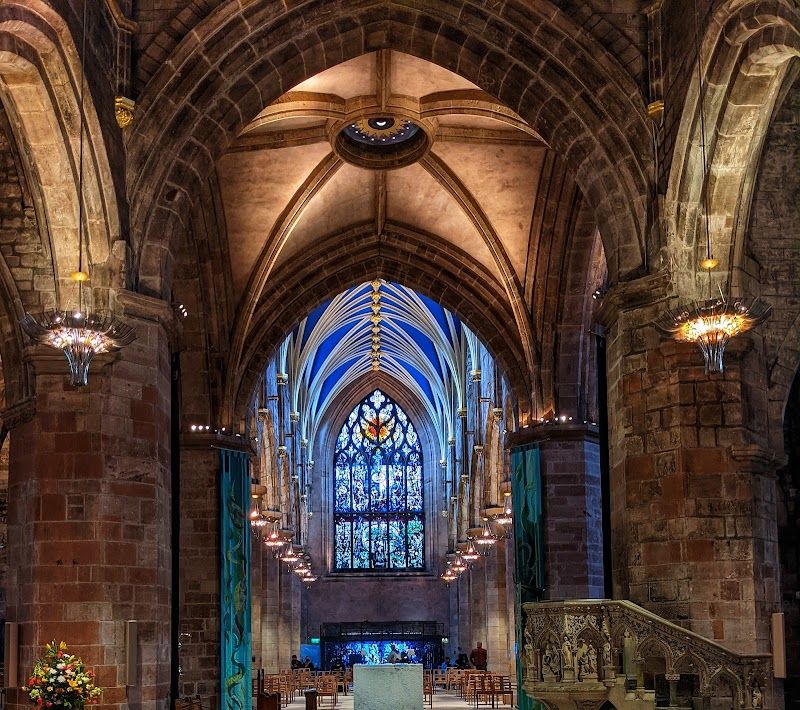
St Giles' Cathedral
St Giles' Cathedral dominates the Royal Mile with Scotland's most recognizable crown spire, a 161-foot stone masterpiece that's been Edinburgh's skyline anchor since 1495. You're here for the Thistle Chapel, an extraordinary carved wood shrine to Scotland's highest order of chivalry that took six years to complete. The nave feels surprisingly intimate for such an important kirk, with beautiful stained glass windows telling Scottish history through colored light. John Knox preached from the pulpit here, and you can still feel the weight of Scotland's religious upheavals in the stone walls. Walking through feels like entering Scotland's spiritual heart rather than a tourist attraction. The Thistle Chapel stops most visitors cold with its intricate heraldic carvings, angels playing bagpipes, and tiny carved thistle details everywhere you look. The main cathedral stays refreshingly quiet compared to the Royal Mile chaos outside, with soft organ music often drifting through the space. Volunteers share genuinely interesting stories if you show interest, and the lighting creates dramatic shadows across the medieval stonework throughout the day. Most guides oversell the historical significance and undersell how beautiful it actually is. Entry costs nothing, though they request a £3 donation that's genuinely worth paying. Skip the audio guide at £3, the volunteer stories are much better. The Thistle Chapel photography gets tricky with mixed lighting, so don't expect Instagram perfection. Come early morning or late afternoon when tour groups thin out and the stained glass catches the best light.
Timberbush Tours
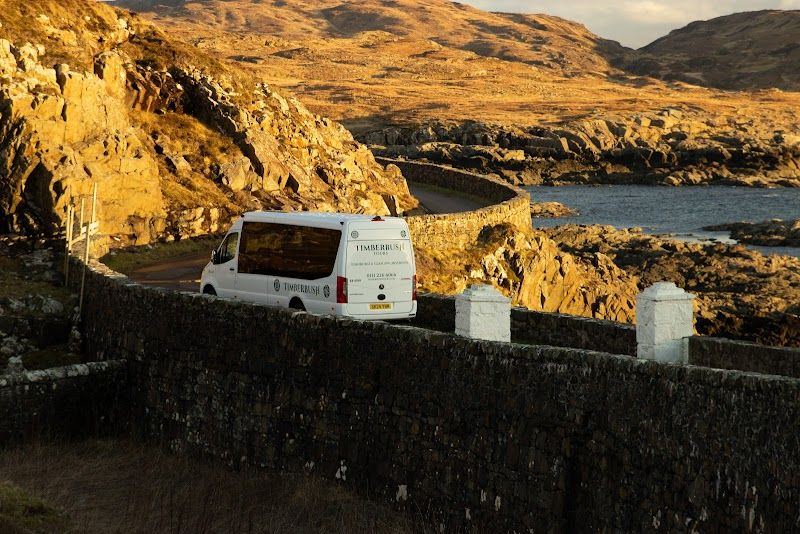
Timberbush Tours runs proper Highland day trips from Edinburgh Castle Terrace, taking you deep into Loch Lomond and the Trossachs or up to Loch Ness and Inverness in comfortable coaches. You'll cover serious ground in 12.5 hours, stopping at scenic viewpoints, Highland villages like Callander or Fort Augustus, and getting proper photo opportunities at famous lochs. The guides know their Scottish history and geology, pointing out clan territories, battlefields, and explaining how those dramatic landscapes formed. The experience feels like a Highland road trip with 40 other people, departing at dawn and returning after dark. Your coach winds through increasingly dramatic scenery as you head north, with the guide providing commentary while you watch mountains and lochs unfold through large windows. Photo stops come every hour or so, giving you time to stretch legs and capture those postcard shots. The atmosphere stays relaxed and social, with fellow travelers sharing excitement at each spectacular viewpoint. Most tour companies oversell these trips as magical experiences, but Timberbush delivers solid value at £35 to £55 per person. September and October really are spectacular for autumn colors, worth paying the higher seasonal rates. Skip the Loch Ness tour if you're expecting monster sightings, the Trossachs route offers better scenery overall. Book directly online for best prices, though walk ups usually work outside peak summer months.
The Dome
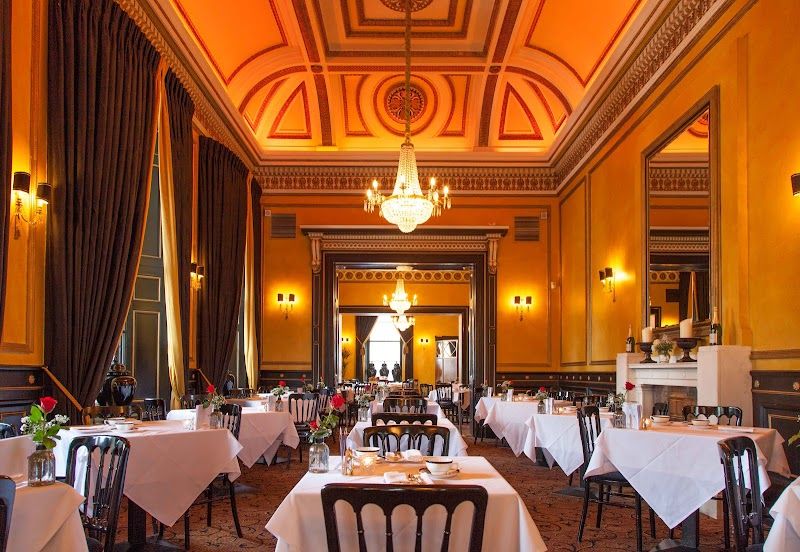
Grand Victorian building originally constructed as a commercial bank in 1847, now home to an opulent restaurant and bar. The spectacular domed ceiling and ornate interior make it one of Edinburgh's most architecturally impressive dining venues. Perfect for afternoon tea or cocktails.
Calton Hill
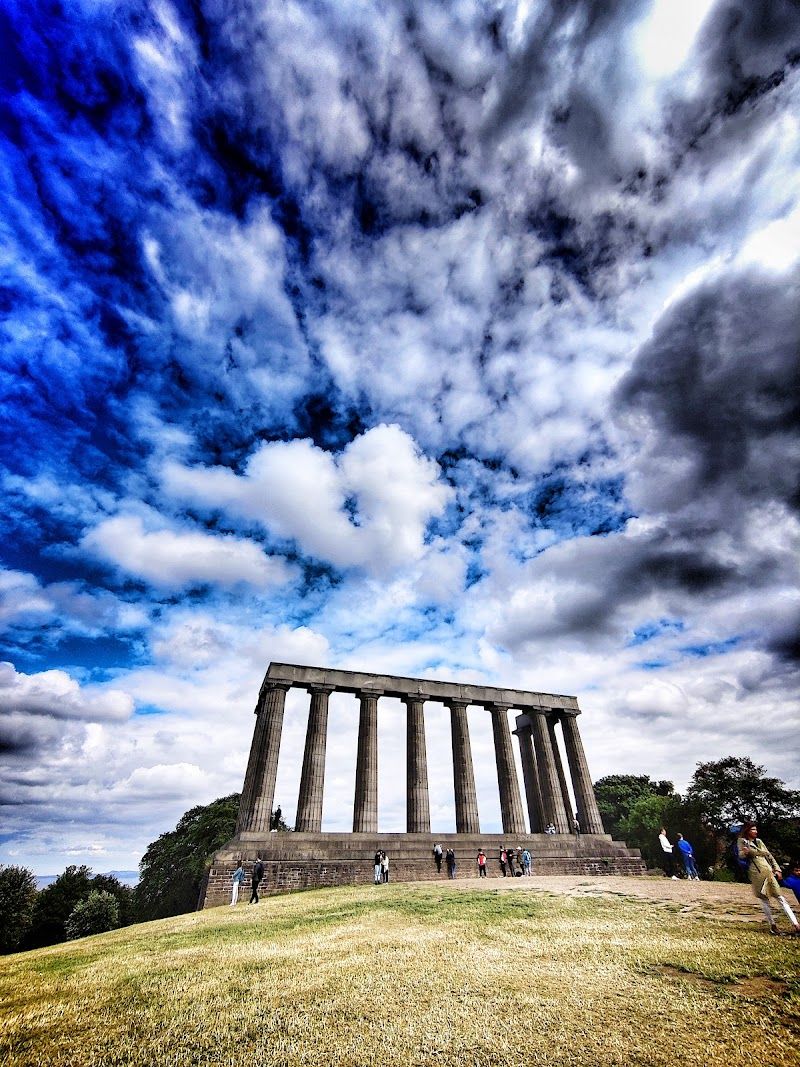
Calton Hill gives you Edinburgh's best panoramic views without the tourist crowds that swarm Arthur's Seat. This 102-metre hill hosts an eclectic collection of monuments including the National Monument (Edinburgh's infamous 'folly' that ran out of money after just 12 columns), the Nelson Monument tower, and the City Observatory. The 360-degree views stretch from Edinburgh Castle across the New Town's Georgian streets to the Firth of Forth, with the Pentland Hills rolling away to the south. The climb takes about 10 minutes from Princes Street, winding past these neoclassical monuments that give Edinburgh its 'Athens of the North' nickname. You'll share the summit with photographers, locals walking dogs, and the occasional bagpiper. The monuments create dramatic silhouettes against the sky, and you can climb inside the Nelson Monument (£5) for an even higher perspective. The atmosphere feels more relaxed than other viewpoints, with plenty of space to find your own quiet spot. Most guides don't mention that the views are actually better in late afternoon when the light hits the castle and New Town perfectly. Skip the Nelson Monument climb unless it's perfectly clear, the extra height isn't worth £5 for most people. The real win here is sunset timing: arrive 45 minutes before sunset and you'll understand why locals consider this Edinburgh's finest viewpoint. The City Observatory sometimes hosts events but irregular opening hours make it skippable.
Scottish National Portrait Gallery
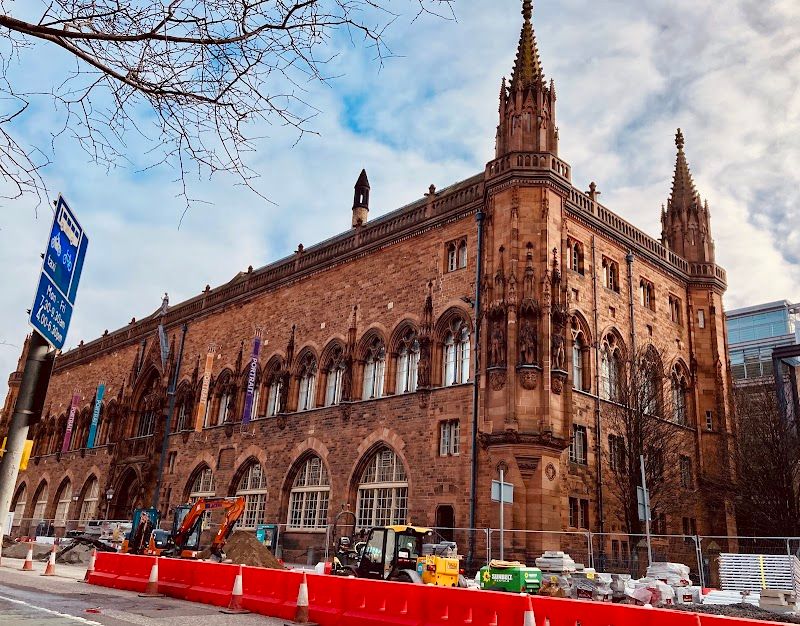
This striking red sandstone palace houses Scotland's definitive portrait collection, spanning 500 years from medieval monarchs to modern celebrities. You'll see Mary Queen of Scots looking defiant before her execution, Robert Burns in romantic poet mode, and yes, Sean Connery looking suave in his Bond years. The building itself, completed in 1889, showcases Scottish baronial architecture with Gothic revival flourishes that make it feel more like a castle than a typical gallery. The moment you step inside, the soaring atrium takes your breath away. Natural light floods down through the glass roof onto portraits arranged chronologically around the walls. You'll climb the main staircase past larger than life paintings while the processional frieze above tells Scotland's story in carved figures. The galleries flow logically from medieval times to contemporary Scotland, and the acoustics mean you can actually have quiet conversations without disturbing others. Most visitors rush through in 45 minutes, but you're missing the point if you don't slow down. The contemporary section gets overlooked, yet it's where you'll find the most surprising portraits of modern Scots you actually recognize. Skip the audio guide at £4, the wall texts are excellent and more flexible. The cafe does proper Scottish tablet and decent coffee, making it worth the slight markup over street prices.
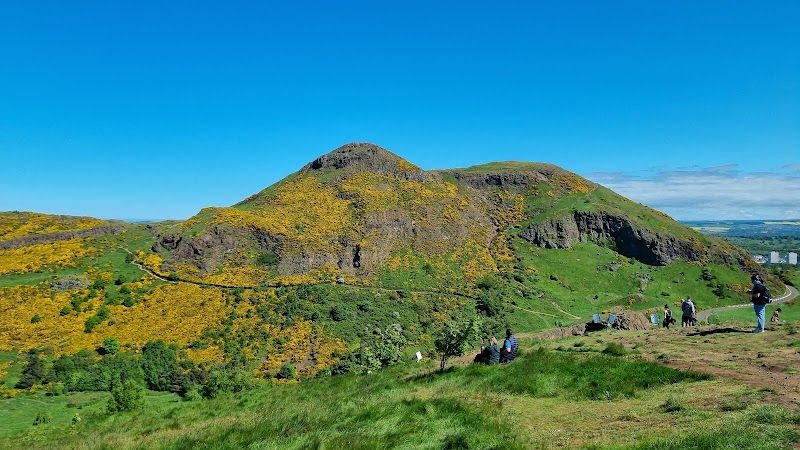
Arthur's Seat Hike
Arthur's Seat is the main peak of a group of hills that form most of Holyrood Park, an ancient royal hunting ground that sits within the city boundary of Edinburgh. The peak is an extinct volcano, 251 metres above sea level, and the walk to the top takes between 45 minutes and 1 hour from the Holyrood Palace car park at the base. The most straightforward route follows the path from the Volunteer Arms pub on Holyrood Road, up the Haunch of Venison path, and onto the summit ridge. The path is well-worn but steep in places: proper footwear is advisable, especially after rain when the volcanic rock becomes slick. The summit view is panoramic: Edinburgh Castle to the west, the Firth of Forth to the north, the Pentland Hills to the south, and the full city spread out below. On clear days the Bass Rock (a volcanic plug in the Firth, home to the largest gannet colony in the world) is visible to the east. Arthur's Seat is free to climb at any time. The park closes to vehicles at dusk but pedestrian access is unrestricted. The best conditions for the summit are early morning (the light is better, and the top is less crowded) or late afternoon in summer when the low sun catches the Firth. Holyrood Park has three lochs: Dunsapie Loch (the closest to the summit approach) is particularly good in autumn when the hillsides are russet.
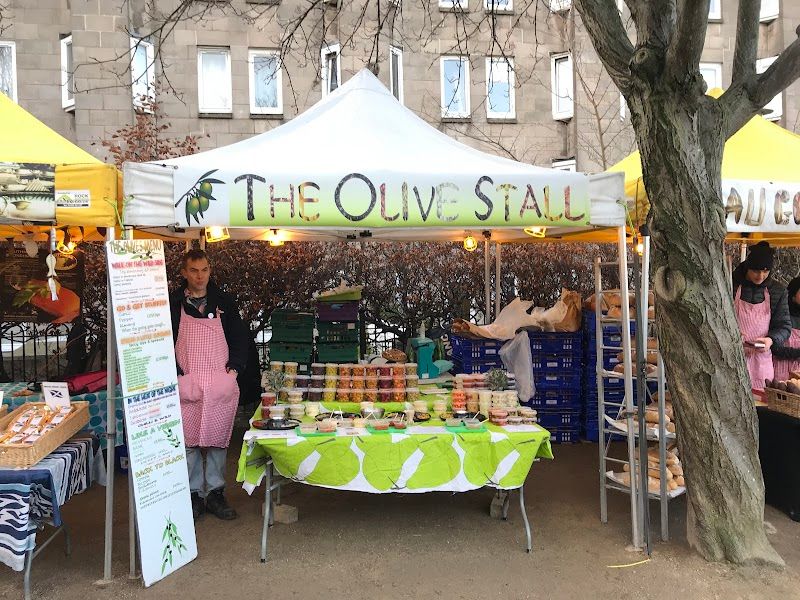
Stockbridge Market
Stockbridge Market transforms a quiet residential street into Edinburgh's best Sunday food scene, running year-round from 10 AM to 5 PM on Saunders Street. You'll find around 30 stalls selling everything from Isle of Mull cheese wheels (£4-8) to wood-fired sourdough loaves and Korean street food. This isn't a tourist trap: locals queue for specific vendors, and the Scottish produce here outshines anything you'll find in the city center shops. The market spreads along both sides of the narrow street, creating a natural flow as you weave between cheese tastings and coffee queues. Families with prams mix with food-obsessed locals clutching reusable bags, while the smell of fresh crepes competes with Indian spices from the curry stall. The atmosphere feels genuinely neighborhood-focused: vendors know their regulars, and you'll overhear detailed conversations about cheese aging and bread flour types. Most food guides miss that this market works best as a lunch destination rather than just browsing. Skip the overpriced artisan jams (you can buy similar for half the price at Waitrose) and focus on the hot food stalls and fresh bread. The Ethiopian stall does excellent vegetarian platters for £6, while the fish truck sells day-boat scallops for £12 per dozen. Come hungry rather than hoping to stock up on groceries.
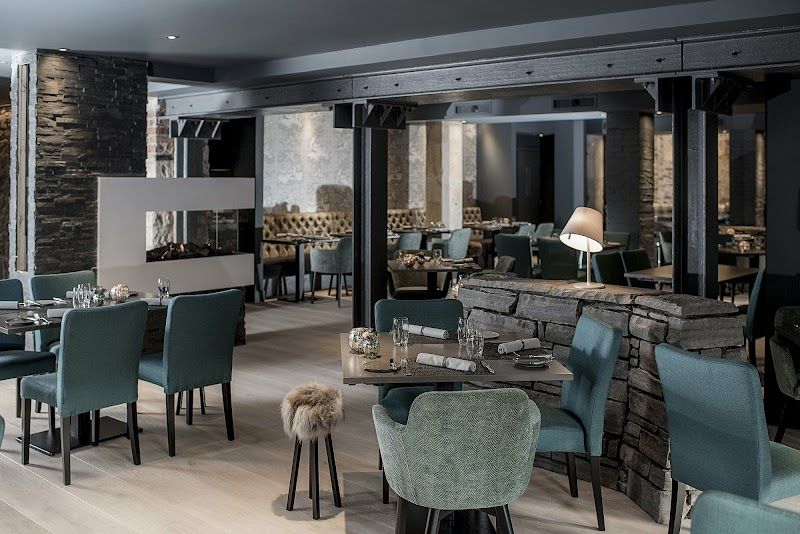
The Kitchin
Michelin-starred restaurant on Leith's waterfront focusing on nature-to-plate Scottish ingredients. Chef Tom Kitchin's seasonal tasting menus run GBP 95-135 per person, with dishes like Orkney scallops and Perthshire venison. The lunch menu at GBP 39 for three courses is the best value entry point.
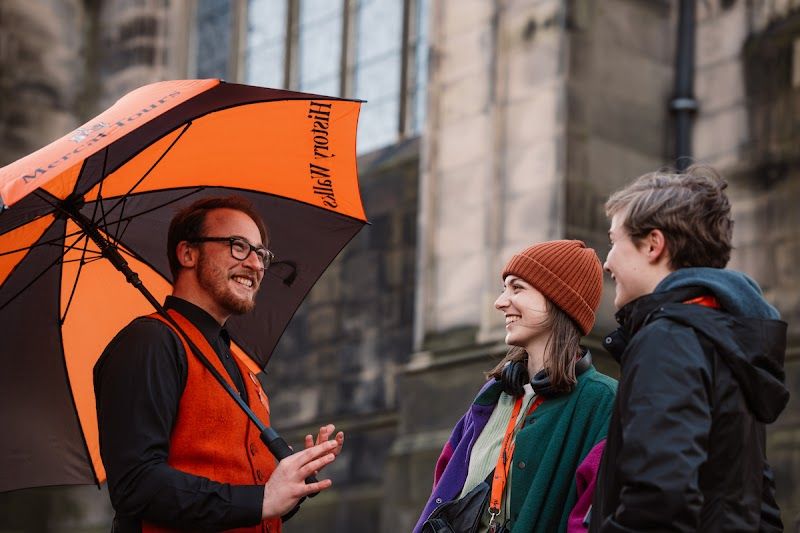
Mercat Tours
Mercat Tours takes you into Edinburgh's South Bridge vaults, a network of chambers built in the 18th century that became overcrowded slums housing the city's poorest residents. You'll walk through stone-walled rooms where families once lived in squalid conditions, learning about plague outbreaks and the desperate lives of vault dwellers. The 90-minute tour combines historical facts with ghost stories, though the real history of these underground spaces is genuinely more chilling than the paranormal tales. Your guide leads groups of 15-20 people through dimly lit chambers using handheld lanterns, creating an atmospheric experience that feels authentically eerie. The vaults stay at a constant cool temperature year-round, and you'll hear water dripping from the stone ceiling as you move between rooms. The historical storytelling is excellent, with guides explaining how these spaces transformed from storage areas to desperate housing, then to criminal hideouts before being abandoned and rediscovered. At £14-16 per person, this delivers better value than Edinburgh's pricier ghost walks that stick to street level. The 9pm tour really is superior with smaller groups and more dramatic lighting effects. Skip the add-on graveyard portion if offered, it feels rushed and the vaults are the real draw here. Book directly through their Blair Street office to avoid online fees, and wear layers since it gets cold underground regardless of the weather above.
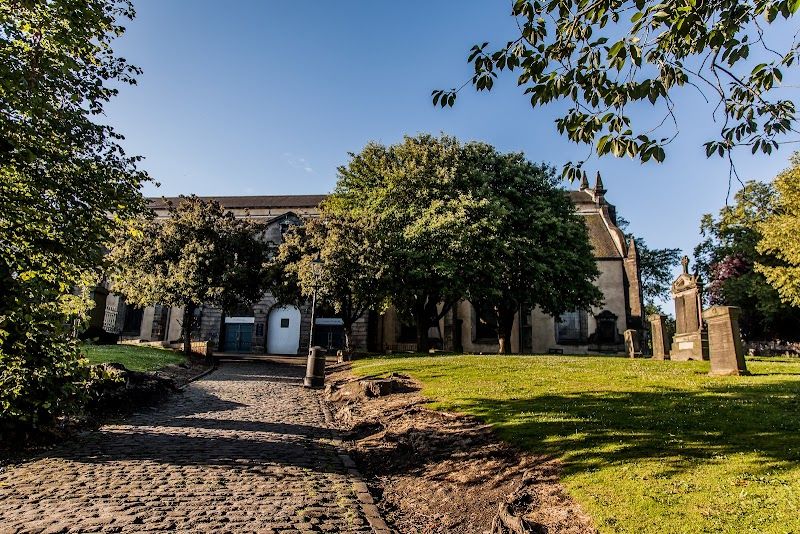
Greyfriars Kirkyard
Greyfriars Kirkyard is a 16th-century graveyard where Scotland's Presbyterian revolution began in 1638 when the National Covenant was signed on a flat tombstone (you can still see the marker). You'll find elaborate 17th-century table tombs, towering monuments to Edinburgh's merchants and nobles, and the small headstone marking Greyfriars Bobby's grave right by the kirk entrance. The atmospheric setting draws ghost tour groups nightly, but the real draw is the incredible collection of carved stones and the tangible sense of Scottish history. Walking through feels like browsing an outdoor museum of death. The elaborate mausoleums along the perimeter belong to wealthy families, while simpler headstones crowd the center areas. You'll spot tour groups gathering around the Black Mausoleum (home to the famous Mackenzie Poltergeist), but the carved skull and crossbones symbols on older stones are equally captivating. The kirk itself stays locked most days, so focus on the graveyard's monuments and the views back toward Edinburgh Castle. Most ghost tours (£12-15) oversell the supernatural angle and pack 30 people into tight spaces between tombs. Visit during daylight first to actually read the inscriptions and appreciate the craftsmanship without someone shouting about poltergeists. The east wall area has the finest carved table tombs, while the newer Victorian section near Candlemaker Row is frankly boring. Skip the overpriced Greyfriars Bobby souvenirs at nearby shops.
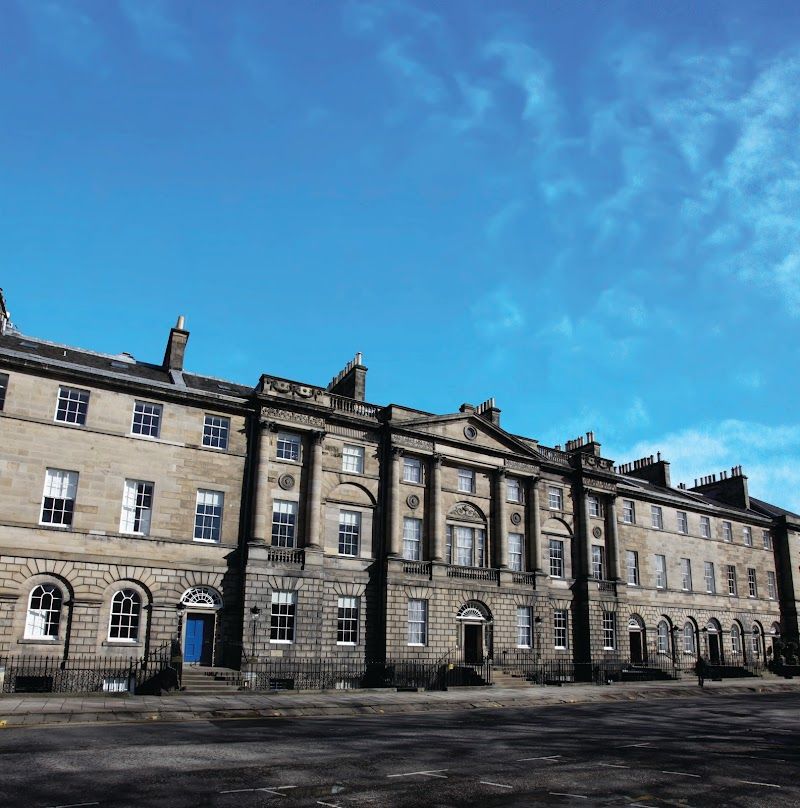
The Georgian House
The Georgian House is a perfectly preserved time capsule from 1796, showcasing exactly how Edinburgh's wealthy merchants lived during the city's Golden Age. You'll walk through authentic rooms filled with original Chippendale furniture, family portraits, and even the china they actually used for dinner parties. The National Trust for Scotland has recreated everything down to the last teacup, so you're seeing genuine 18th-century domestic life, not a sanitized museum version. The self-guided tour flows naturally through three floors, starting with the grand drawing room where the family entertained guests, then up to private bedrooms with four-poster beds and washstands. The kitchen downstairs feels surprisingly modern for 1796, with its range of copper pots and clever storage solutions. What strikes you most is how lived-in everything feels, as if the Lamont family just stepped out for afternoon tea. Most visitors rush through in 30 minutes, but you'll miss the best details that way. The wine cellar and servants' quarters tell the real story of how these households actually functioned, complete with original bells that summoned staff from different rooms. Adult admission costs £7, concessions £5.50, and it's genuinely worth the hour-long visit if you're curious about social history rather than grand architecture.
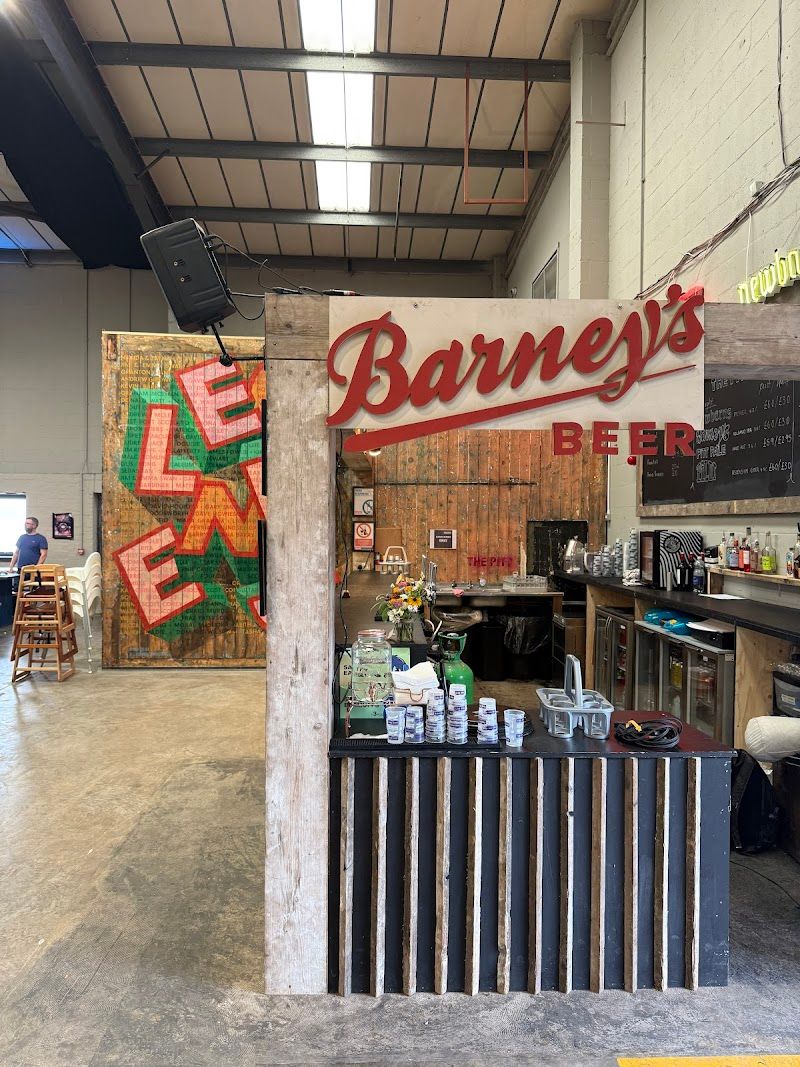
The Pitt
The Pitt transforms an industrial warehouse space into Edinburgh's best street food market, operating Friday through Sunday with about 15 rotating traders serving everything from Korean fried chicken to sourdough pizza. You'll pay £8-14 per dish, which is fair for the quality and portions you get. The covered space stays heated in winter, making it a reliable year-round destination that locals genuinely love rather than just tolerate. The atmosphere feels more like a neighborhood hangout than a tourist trap. You order from different stalls, grab drinks from the central bar, then find space at long communal tables where conversations flow easily between strangers. The acoustics get loud when busy, but it's the good kind of energetic buzz. Most traders are young Edinburgh chefs testing concepts or established restaurants trying something new, so the food quality consistently surprises. Skip Saturday afternoons when queues stretch 20 minutes per stall and tables become impossible to find. Friday evenings offer the same selection with half the wait, while Sunday afternoons feel more relaxed. The Korean stall (when present) always draws the longest lines but delivers accordingly. Don't expect table service or quiet conversation, this is communal dining at its most authentic.
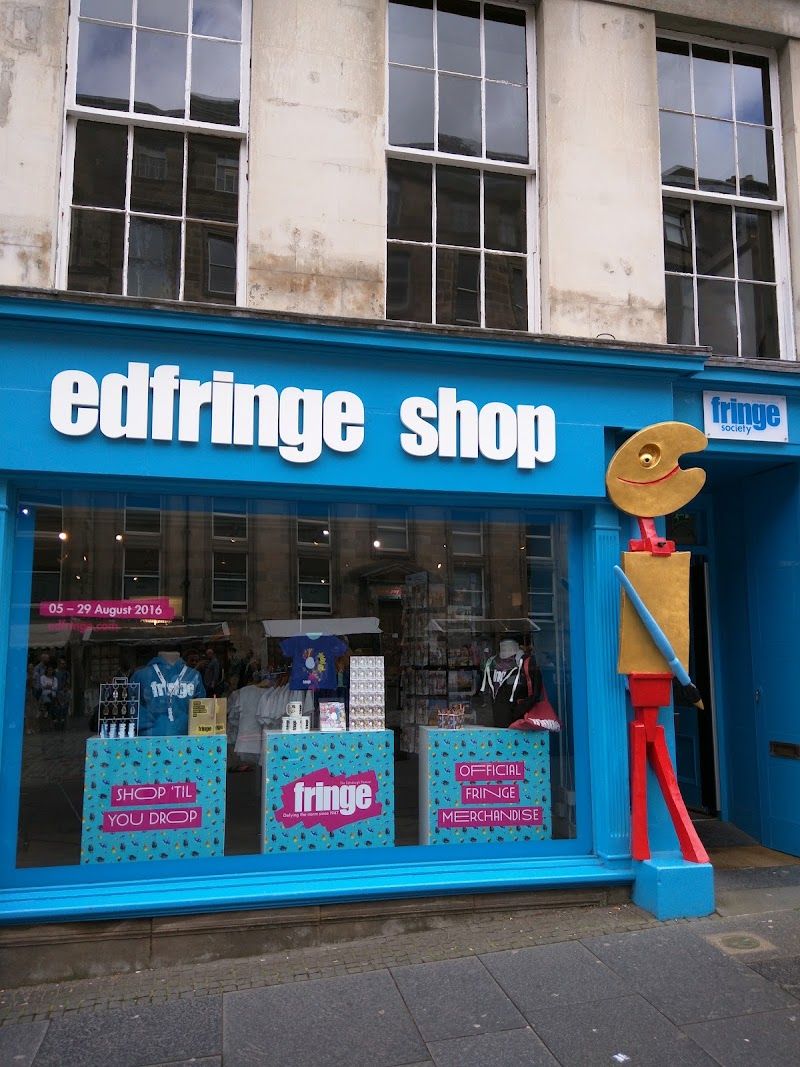
Edinburgh Festival Fringe Society
The Edinburgh Festival Fringe transforms the entire city into the world's largest arts festival every August, with over 3,000 shows crammed into everything from grand theaters to pub basements. The Fringe Society's box office on the Royal Mile becomes your lifeline for navigating this creative chaos, offering same-day half-price tickets, programme guides, and genuinely useful advice from staff who've seen it all. You'll find experimental theater, stand-up comedy, dance, music, and performance art that ranges from brilliant to bewildering, often in the same venue within hours. The experience feels like being dropped into a parallel Edinburgh where every doorway leads to a performance and every street corner has someone handing out flyers. Queues snake around medieval closes, performers spill onto cobblestones in full costume, and you'll overhear passionate debates about five-star reviews and one-star disasters. The energy is infectious but overwhelming, with show times overlapping and venues packed so tightly you'll sprint between a comedy show in a church basement and a drama in a former school classroom. Most guides romanticize the whole festival, but here's the truth: about 60% of shows are genuinely awful, 30% are decent, and 10% are extraordinary. Book your top three shows in advance (they do sell out), but leave room for spontaneous discoveries. Half-price tickets at 10 AM are your best bet for expensive shows, while Free Fringe events cost nothing upfront but expect £3-5 tips. Skip anything with fewer than 10 reviews unless you enjoy theatrical roulette.
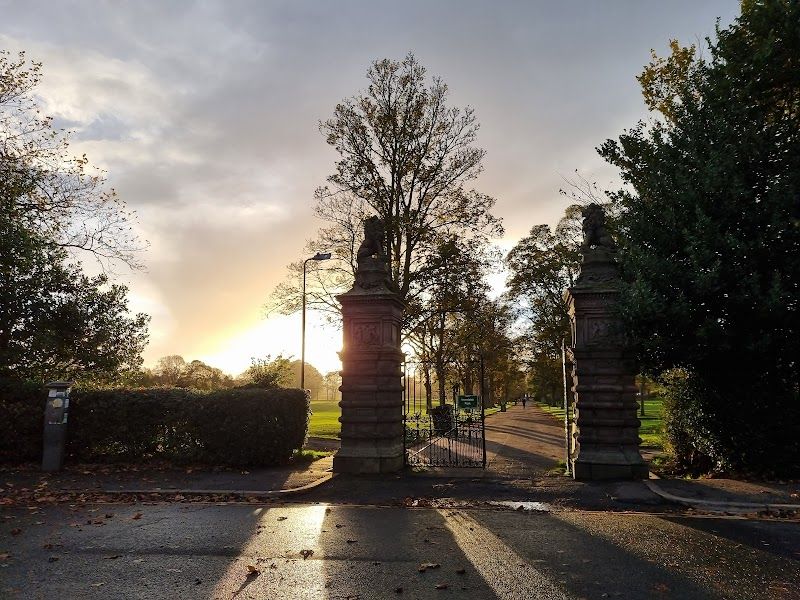
Inverleith Park
Inverleith Park sprawls across 54 acres of Victorian-era parkland just north of Edinburgh's city center, offering some of the best unobstructed views of Edinburgh Castle and Arthur's Seat you'll find anywhere. The park centers around a kidney-shaped boating pond where model boat enthusiasts gather on weekends, while rugby and football pitches fill the eastern section with weekend league matches. You'll also find tennis courts, a children's playground, and wide open spaces that feel genuinely spacious compared to the Meadows or Princes Street Gardens. The atmosphere here is decidedly local rather than touristy, with dog walkers circling the pond at all hours and families claiming prime picnic spots near the southern entrance on sunny days. The northern end feels almost rural, with mature trees framing that postcard view of the castle, while the southern section buzzes with weekend sports activity. Early mornings bring joggers and commuters cutting through to reach the city center, but afternoons see the park transform into Edinburgh's back garden. Most guidebooks barely mention this place, which keeps crowds manageable even during Festival season. The view from the pond beats the overcrowded castle viewpoints on the Royal Mile, and entry to the adjacent Royal Botanic Garden costs £7 for adults if you want to extend your visit. Skip the tennis courts unless you're playing, they're nothing special, but don't miss exploring the tree-lined paths on the western edge where locals walk their dogs.
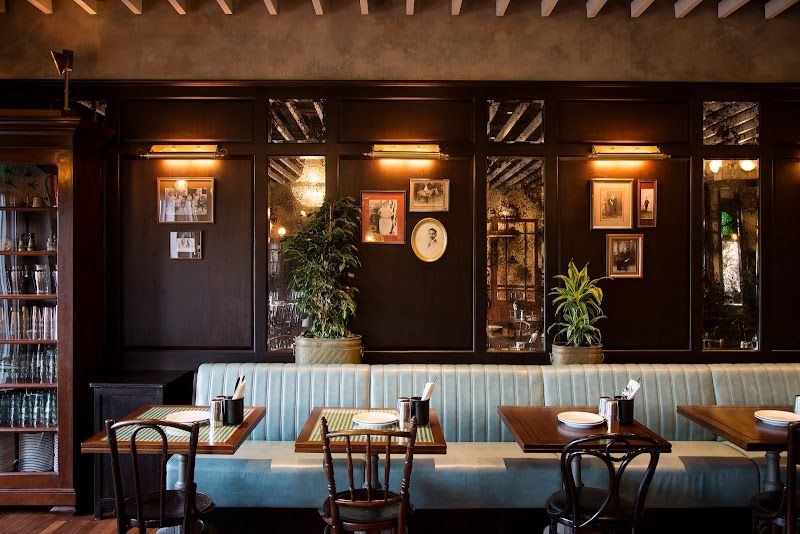
Dishoom Edinburgh
Bombay-style cafe in a converted New Town building serving all-day Indian breakfast, grills, and curries. The bacon naan roll at breakfast (GBP 7.90) and black daal are signatures, with most mains GBP 10-15. Expect queues at peak times but they move quickly.

Scotch Whisky Experience
The Scotch Whisky Experience sits right at the top of the Royal Mile, housing the world's largest collection of Scotch whisky in a former Victorian school. You'll start with a barrel ride that carries you through whisky production stages, complete with smells of malting barley and copper stills. The real draw is the massive Diageo Collection: 3,384 bottles displayed in a dramatic spiraling gallery that feels part museum, part temple to Scotland's national drink. The barrel ride feels a bit theme park cheesy, but stick with it because the guided tasting afterward is genuinely educational. Your guide explains the five whisky regions while you sample drams, and the differences between Speyside and Islay whiskies become crystal clear. The collection gallery is stunning: floor to ceiling bottles dating back to the 1890s, including impossibly rare expressions you'll never see anywhere else. The whole experience flows smoothly without feeling rushed. Most visitors book the Silver Tour (£18) but the Gold Tour (£27) is worth the extra tenner for four regional tastings versus one. Skip the overpriced restaurant entirely, but the whisky shop downstairs has bottles you won't find elsewhere, including exclusive bottlings. The afternoon tours are less crowded than mornings when cruise groups descend. Book online to guarantee your preferred time slot.
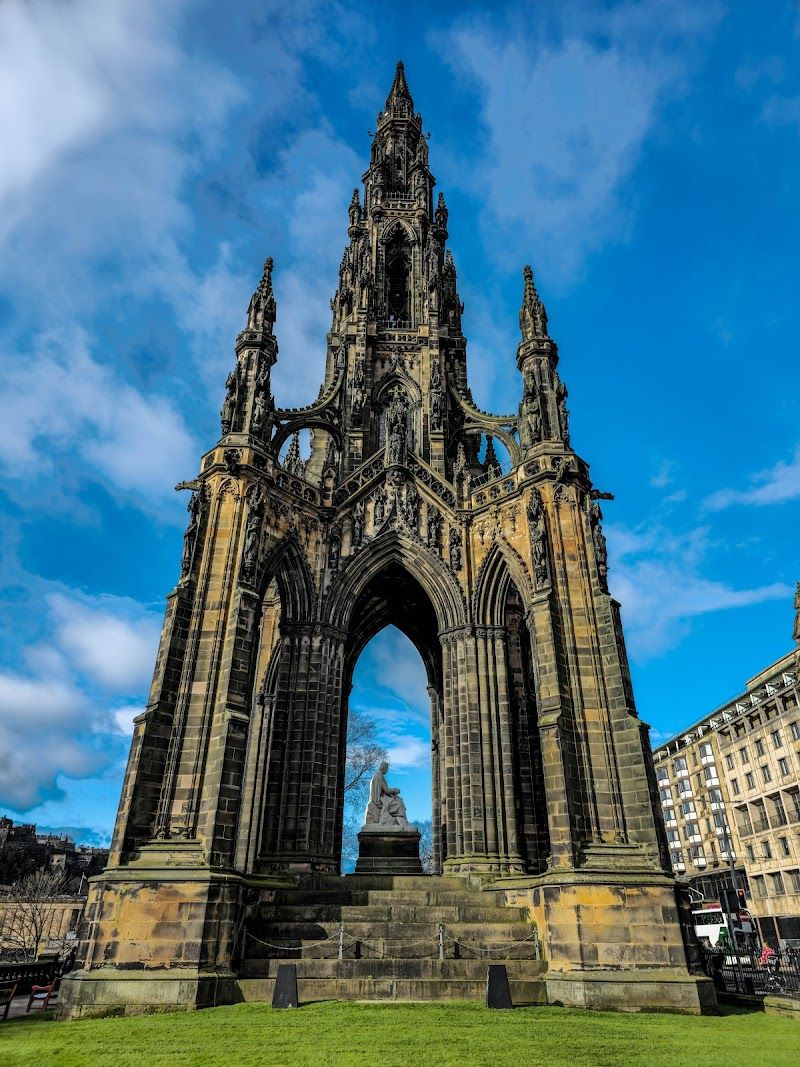
Scott Monument
This towering Gothic spire rises 200 feet above East Princes Street Gardens, making it the world's largest monument to a writer. Built in the 1840s to honor Sir Walter Scott, it's basically a Victorian rocket ship you can climb. The real draw is the 287-step ascent through four increasingly narrow platforms, each offering better views of Edinburgh's rooftops, the castle, and Arthur's Seat. The final level gives you panoramic views stretching to the Firth of Forth that you simply can't get anywhere else in the city center. The climb starts easy in a spacious stone stairwell, but gets genuinely tight as you spiral upward. Each platform lets you catch your breath and peer through Gothic windows at different angles of the city. By the third level, you're squeezing through passages barely wide enough for one person. The final push to the top platform is borderline claustrophobic, but stepping out to those sweeping views feels like a proper achievement. Most people underestimate how physically demanding this is. The steps are uneven medieval-style stone, and the upper levels get seriously narrow, so skip it if you're claustrophobic or have dodgy knees. Buy tickets online for £8 to avoid queues, especially during festival season when waits can hit 45 minutes. Go early morning when your legs are fresh and the lighting is best for photos.
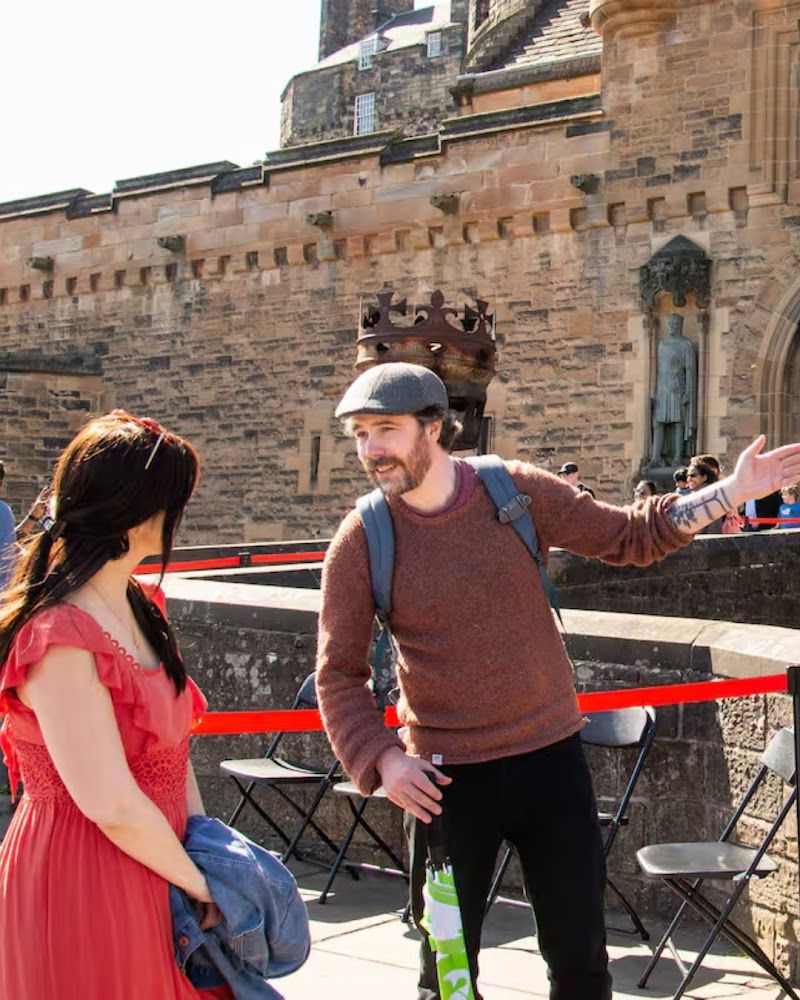
Edinburgh Old Town Whisky and History Walking Tour
A guided walking tour of the Old Town that combines the architectural and political history of the Royal Mile with an introduction to Scottish whisky. The route covers the full length of the Royal Mile from the Castle Esplanade to the Scottish Parliament, taking in the closes and wynds (the narrow alleys that run perpendicular to the main street, many of which are named after the tradespeople who worked there: Fleshmarket Close, Anchor Close, Dunbar's Close), the key buildings (St Giles' Cathedral, the Mercat Cross, the High Court, the Canongate Tolbooth), and the points where Edinburgh's history collides with the present. The whisky component typically involves a tasting at a traditional whisky bar on or near the Royal Mile: three or four drams of single malt from different Scottish regions (Highland, Speyside, Islay, Lowland) with explanation of the differences in production and flavour. The tour runs 2.5-3 hours. Prices from GBP 25-35 per person depending on operator and whisky included. Small groups (maximum 12) from the better operators. The historical context provided by a good Edinburgh guide is worth the cost: the closes, the tenement history, the Reformation, the Jacobite risings, and the role of the Enlightenment in the New Town are all easier to absorb on the ground than from a book.
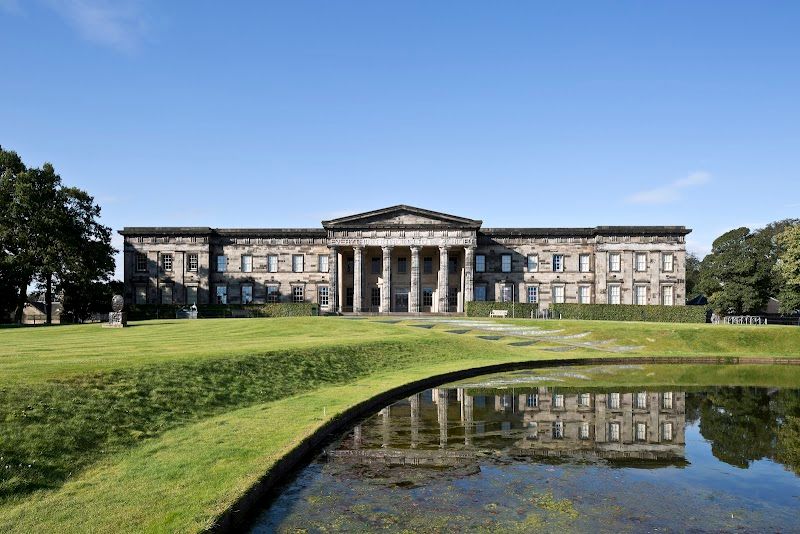
Scottish National Gallery of Modern Art
Two buildings (Modern One and Modern Two) on Belford Road near Dean Village showcasing modern and contemporary art with a strong focus on Scottish artists post-1900. Free entry. Barbara Hepworth and Eduardo Paolozzi sculptures dot the landscaped grounds.
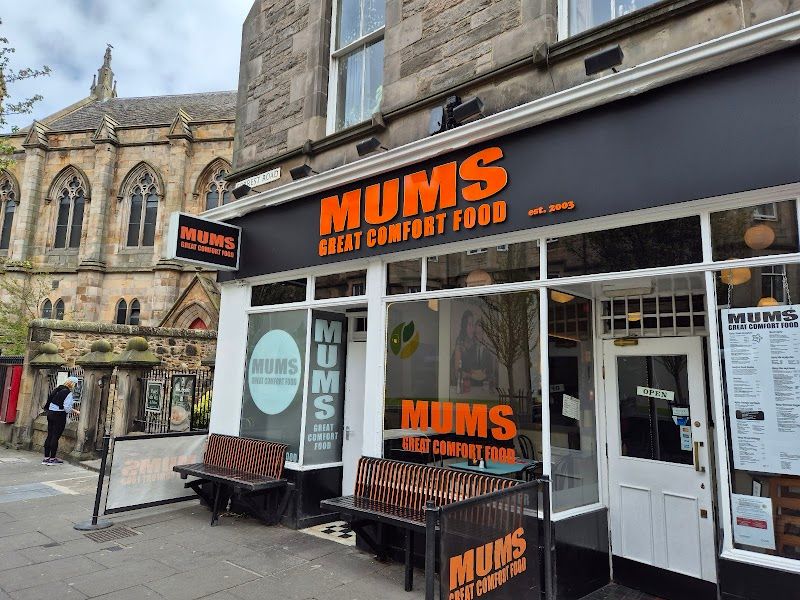
Mums Great Comfort Food
No-nonsense Scottish comfort food restaurant near the university serving massive portions of traditional fare. The haggis with neeps and tatties (GBP 13.50) and stovies (potato and meat stew, GBP 11) are authentic home cooking. Expect communal tables and a friendly bustle.
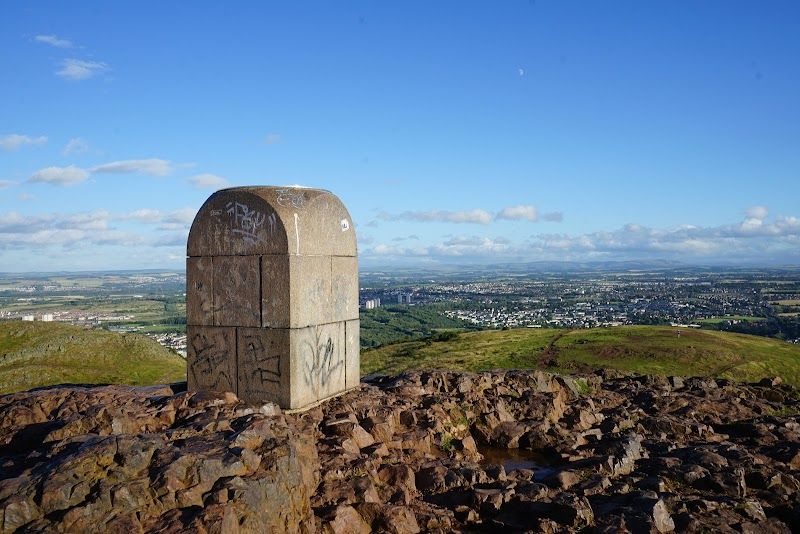
Arthur's Seat Guided Sunrise Hike
A small-group guided hike to the summit of Arthur's Seat timed to arrive at the 251-metre peak for sunrise, when Edinburgh spreads out below in the early light and the Firth of Forth catches the first sun. The guide covers the geology of the extinct volcano (the rock is 340 million years old, formed during the Carboniferous period), the history of Holyrood Park as a royal hunting ground, and the local folklore attached to the peak (various theories about the origin of the name "Arthur's Seat" are canvassed, none of them conclusively linked to King Arthur). The ascent takes 45-60 minutes from the meeting point near Holyrood Palace. The full hike including descent runs about 2-2.5 hours. Prices from GBP 20-30 per person. The sunrise timing varies significantly by season: in midsummer, sunrise is before 4:30 AM (this is an early start). In autumn and spring, sunrise is at a more manageable 6-7 AM. Most operators run this tour from April to October. Wear waterproof layers even in summer - Edinburgh weather at the summit is unpredictable - and boots with ankle support. Torches are provided for the pre-dawn ascent. The summit view on a clear morning, with the city lights below and the sun rising over the Firth, is one of the better things Edinburgh offers.
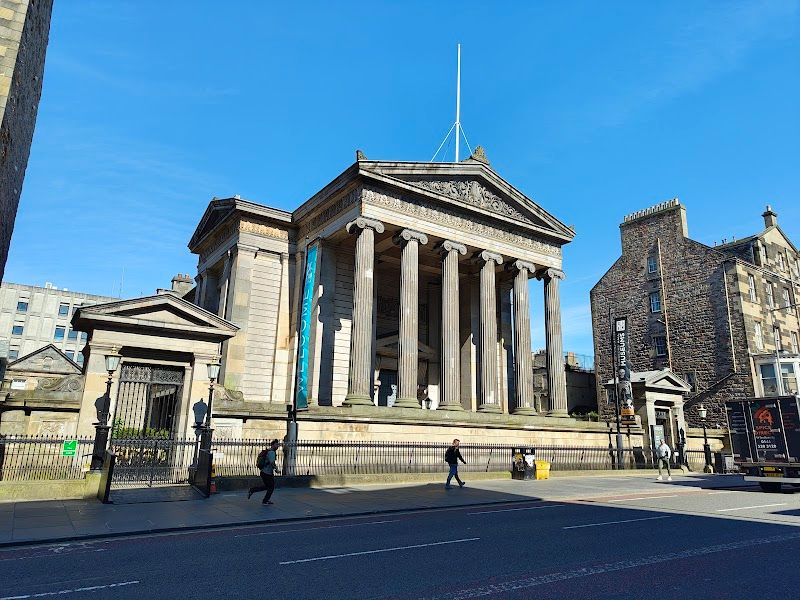
Surgeons' Hall Museums
Edinburgh's surgical history from the 18th-century anatomy trade to modern surgery, housed in the Royal College of Surgeons building on Nicolson Street. The pathology collection is historically significant but not for the squeamish. Entry GBP 7.
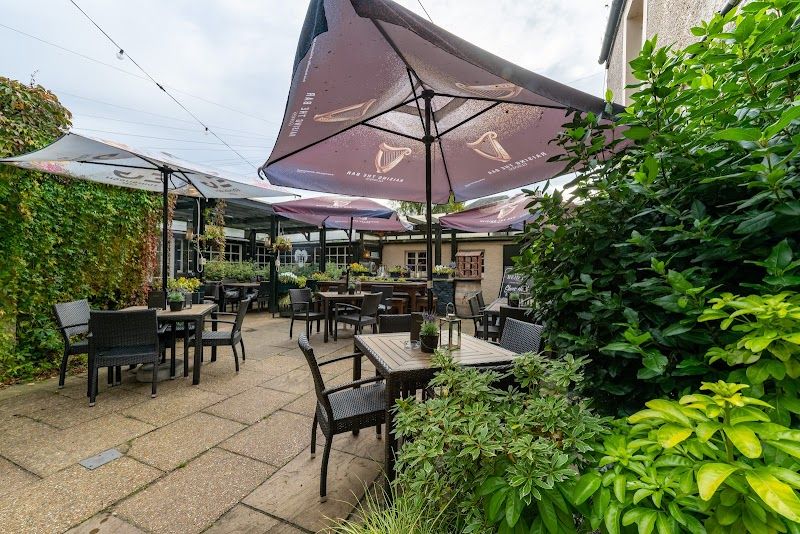
The Sheep Heid Inn
Edinburgh's oldest pub (licensed since 1360) in the village of Duddingston near Holyrood Park. Traditional pub grub includes excellent haggis, neeps and tatties (GBP 14) and fish and chips (GBP 15). The skittles alley in the back dates to the 1880s.
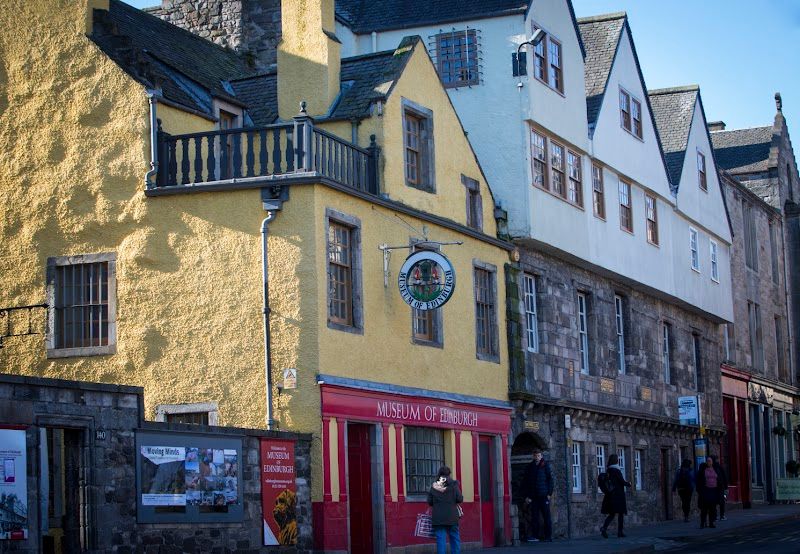
Museum of Edinburgh
The city's local history museum housed in a 16th-century merchant's house on the Canongate. Excellent exhibits on Old Town life and the history of Canongate, with period rooms showing how Edinburgh residents lived through the centuries. Free entry.
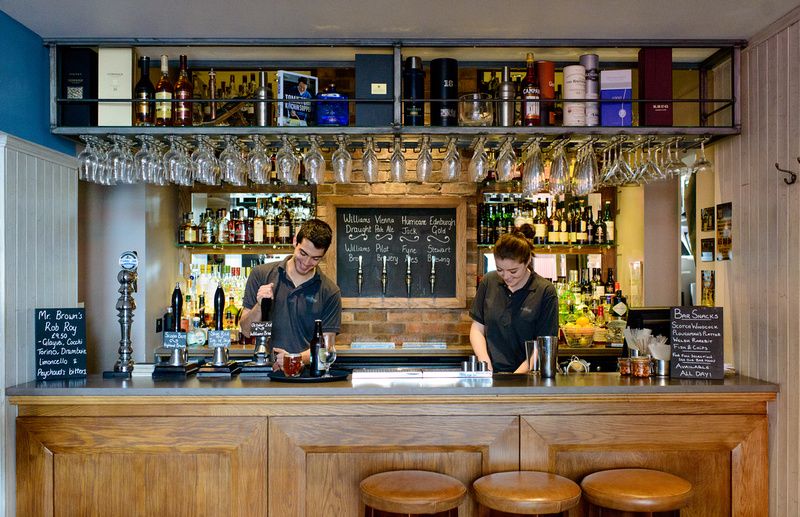
The Scran & Scallie
Gastropub run by Michelin-starred chef Tom Kitchin serving elevated Scottish comfort food in a relaxed neighborhood setting. The culled deer haggis and their fish pie are standout dishes, with mains running GBP 16-24. Located in residential Stockbridge, it attracts locals rather than tourists.
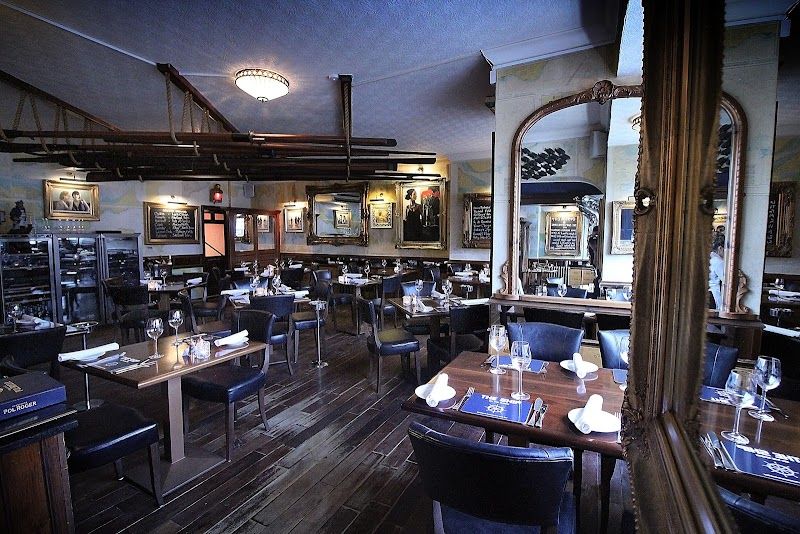
The Ship on The Shore
Seafood-focused pub on Leith's waterfront with daily fish deliveries and an extensive whisky selection. The Cullen skink (smoked haddock soup, GBP 7.50) and whole crab (market price, usually GBP 18-24) are excellent. The upstairs dining room overlooks the old harbor.
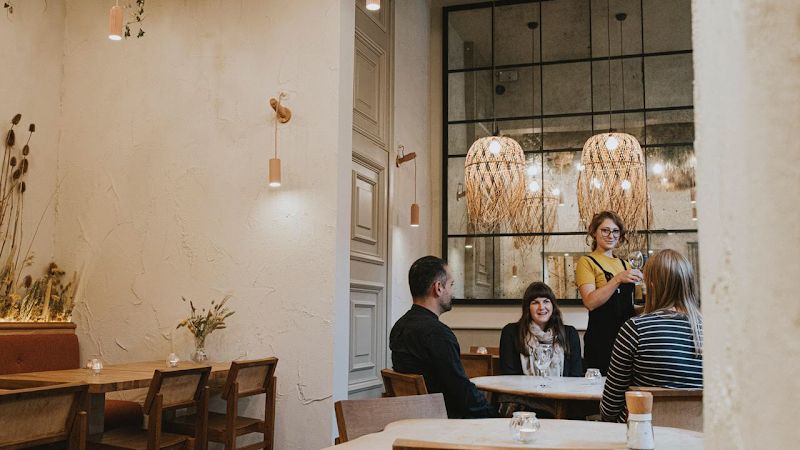
Henderson's Vegan Restaurant
Edinburgh's original vegetarian restaurant, operating since 1962 and now fully vegan. This New Town institution serves wholesome, creative plant-based dishes in a cozy basement setting. Known for generous portions, live music evenings, and a loyal local following spanning generations.
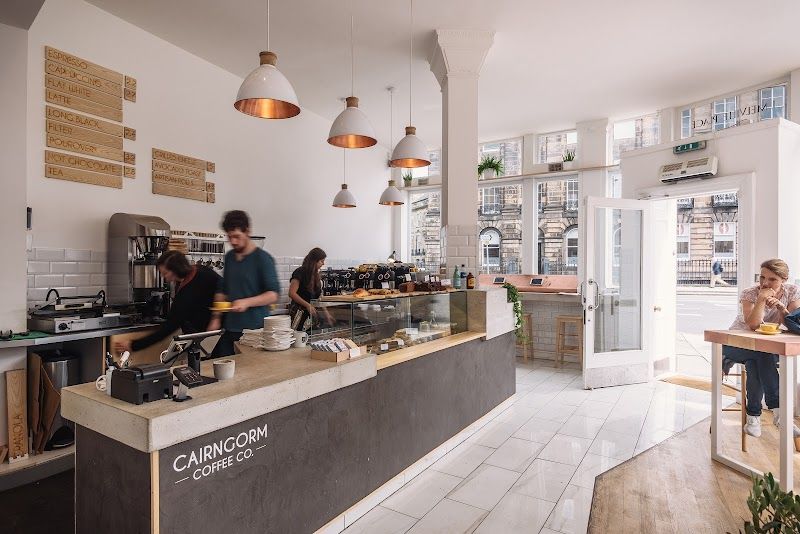
Cairngorm Coffee
One of the best specialty coffee shops in Edinburgh located on Frederick Street serving consistently good single origin roasts. A flat white costs GBP 3 to 4.50 and the space gets packed on weekend mornings. Serious about their coffee with knowledgeable baristas and a minimal interior design.
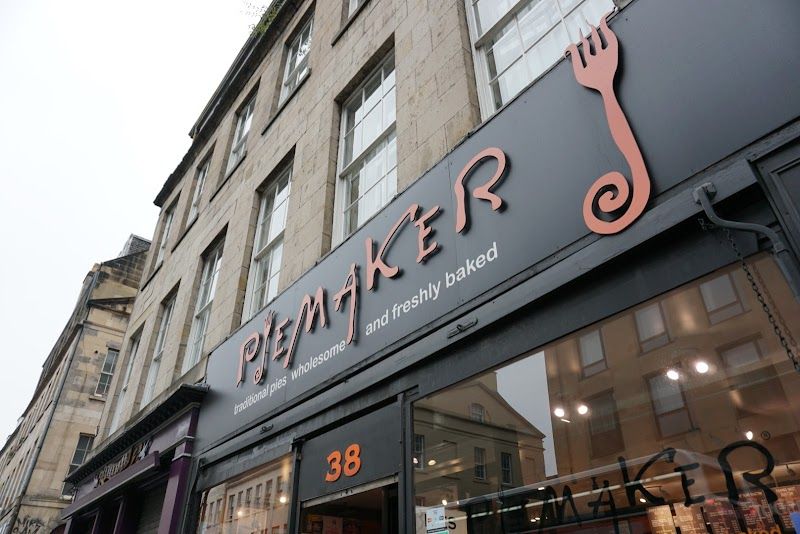
The Piemaker
Traditional Scottish pie shop near South Bridge serving handmade savory pies with proper pastry. Choose from steak and ale, chicken and haggis, or vegetarian options (GBP 4-5 each), with mash and gravy adding GBP 2. Mostly takeaway with a few stools.
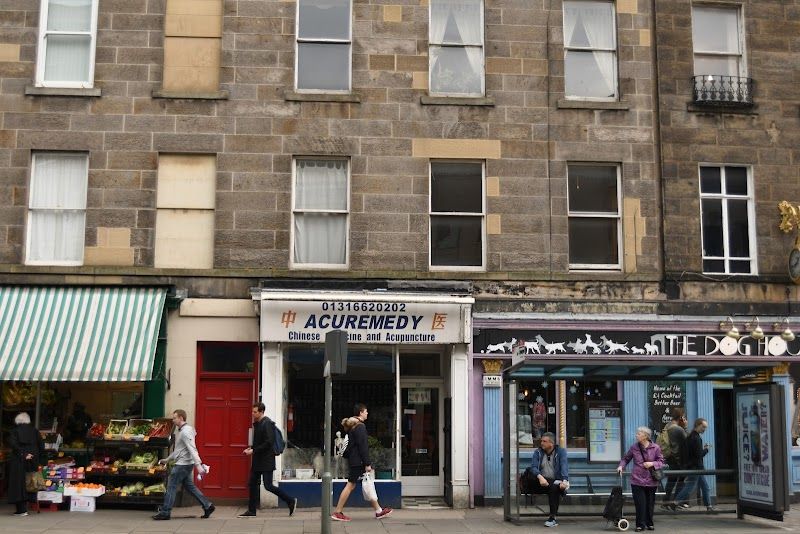
The Dogs
Small neighborhood bistro tucked down a New Town lane serving hearty Scottish and British dishes. The no-frills menu changes daily based on market availability, with mains like braised lamb shoulder or whole roast partridge for GBP 14-18. Cash only.
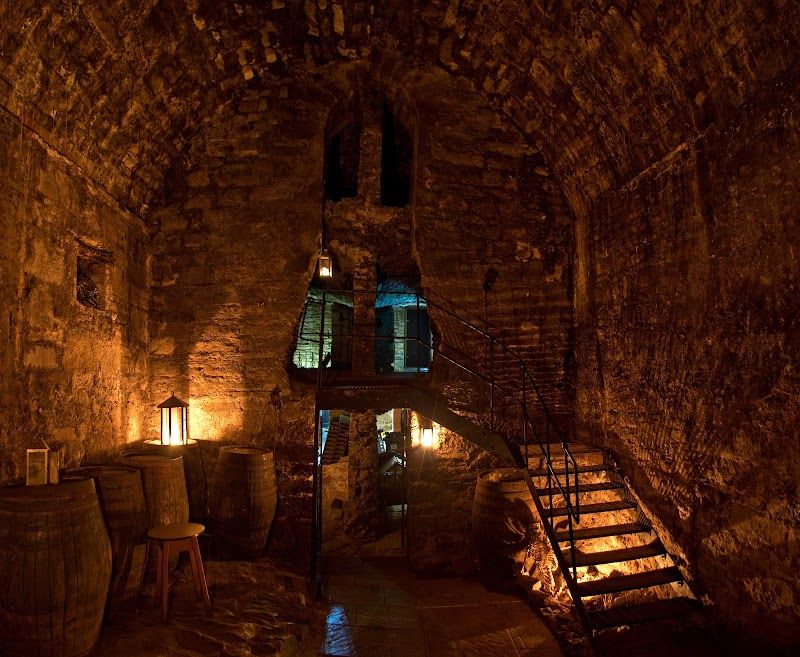
City of the Dead Tours
Underground vault tours beneath South Bridge focus on the Covenanter's Prison in Greyfriars Kirkyard, known for poltergeist activity. The vaults served as housing for Edinburgh's poorest residents in the 1700s before being sealed. Tours run nightly at GBP 14-16 per person with experienced storytellers.
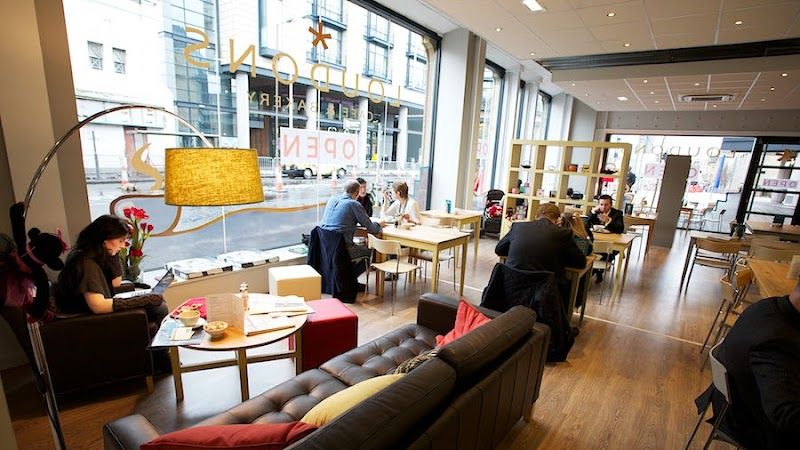
Loudons Fountainbridge
A bakery and cafe with locations in Fountainbridge and Leith serving the best sourdough and croissants in Edinburgh for GBP 3 to 6. The Leith branch is known for its breakfast burrito at GBP 7, worth the weekend queue. Bright, spacious interiors with all-day brunch options and excellent coffee.
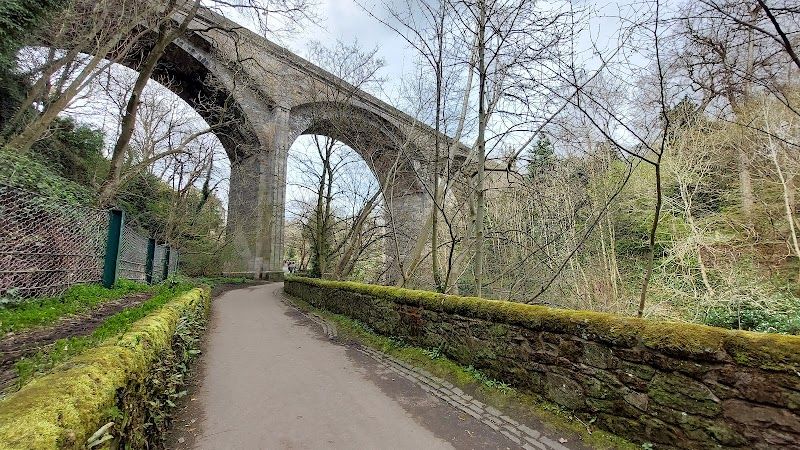
Dean Village
A former milling community hidden in a gorge along the Water of Leith, just ten minutes walk from Princes Street. Historic 17th-century buildings with carved millstones line the river, and the dramatic Dean Bridge soars 106 feet overhead, designed by Thomas Telford in 1832.
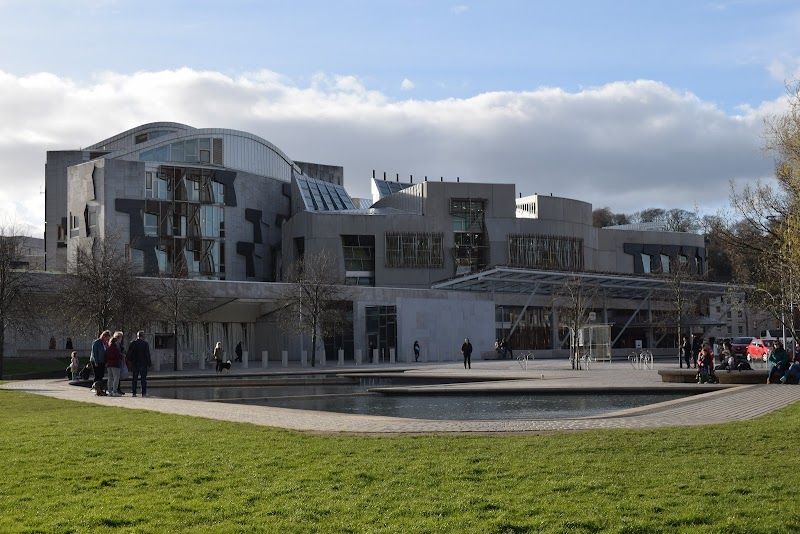
Scottish Parliament Building
Designed by Catalan architect Enric Miralles and completed in 2004, this controversial concrete and oak structure sits at the foot of the Royal Mile in Canongate. Free public galleries let you watch parliamentary debates, and guided tours run Monday to Saturday explaining the upturned boat-inspired architecture.
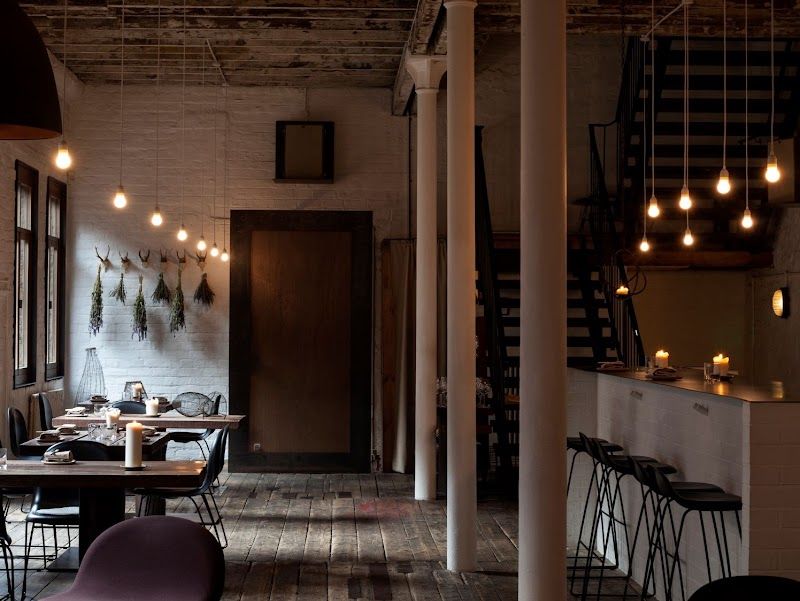
Timberyard
Michelin-listed restaurant in a converted warehouse near Haymarket station with an open kitchen and industrial aesthetic. The seasonal tasting menu (GBP 75 for 6 courses) showcases Scottish ingredients with Nordic techniques. A la carte lunch menu offers better value at GBP 18-26 per main.
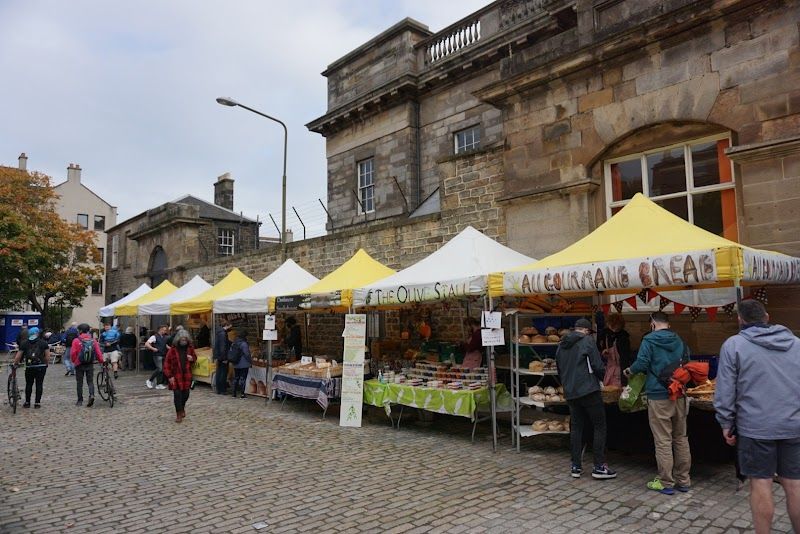
Leith Market
A vibrant weekend market housed in a restored Victorian warehouse featuring local food vendors, street food, craft beer, and artisan goods. The atmosphere is lively with communal seating and regular live music performances. It's a social hub that showcases Edinburgh's creative food scene.
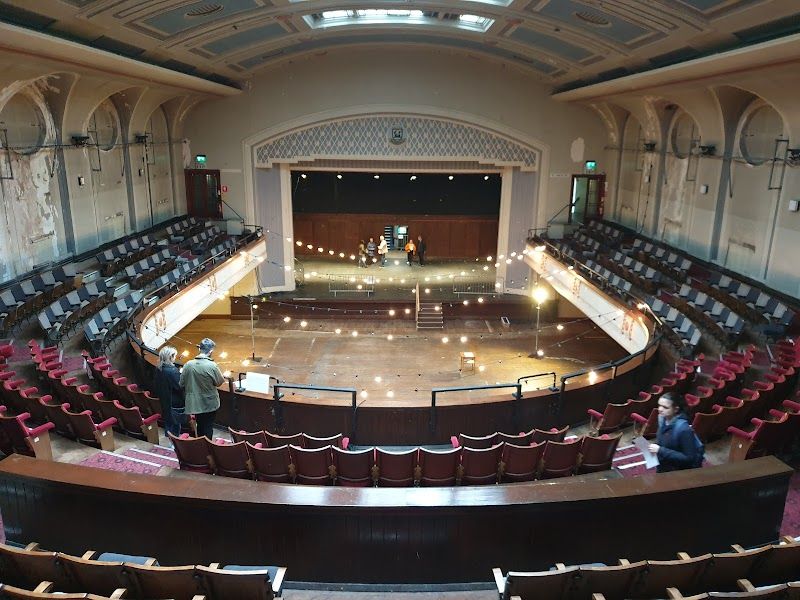
Leith Theatre
A beautifully restored Art Deco theatre and ballroom that hosts concerts, club nights, markets, and cultural events. This community-owned venue was saved from demolition by local campaigners and has become a beloved cultural landmark. The stunning original features and sprung dancefloor make it a unique space in Edinburgh.
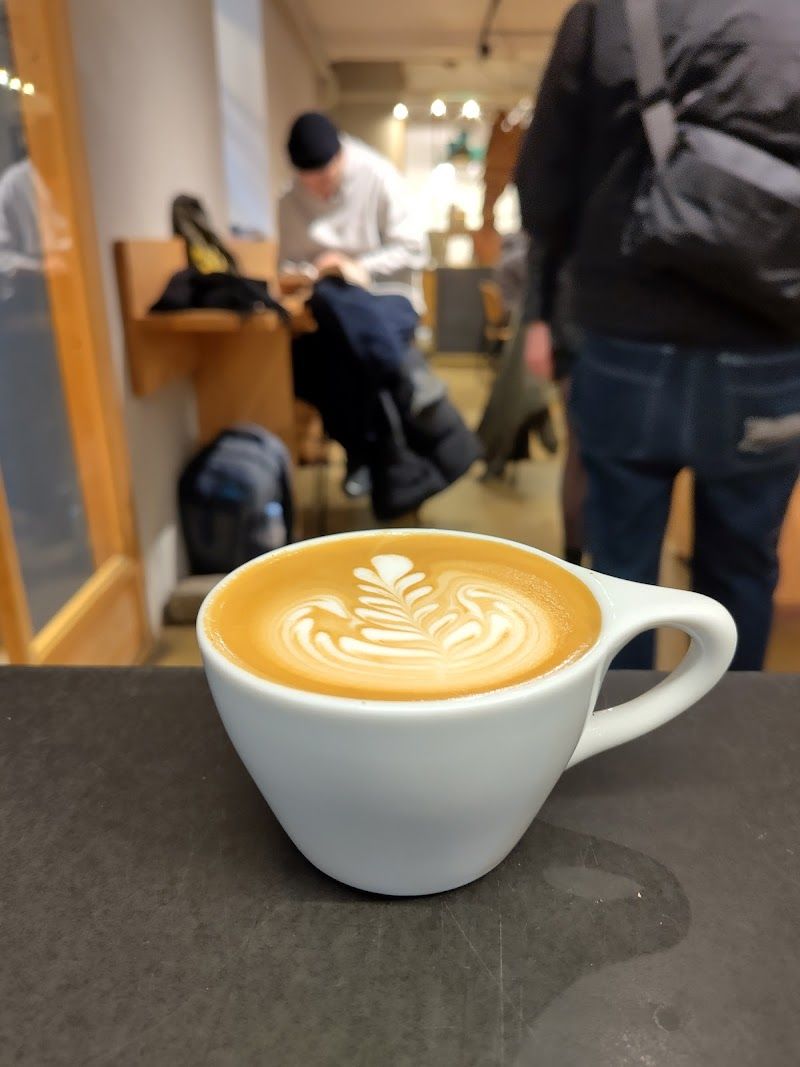
Williams & Johnson Coffee Co.
A specialty coffee roastery and café serving meticulously prepared coffee in a minimalist industrial space. They roast their own beans on-site and the baristas are passionate about coffee craft. The atmosphere is relaxed with excellent pastries from local bakers to complement your brew.
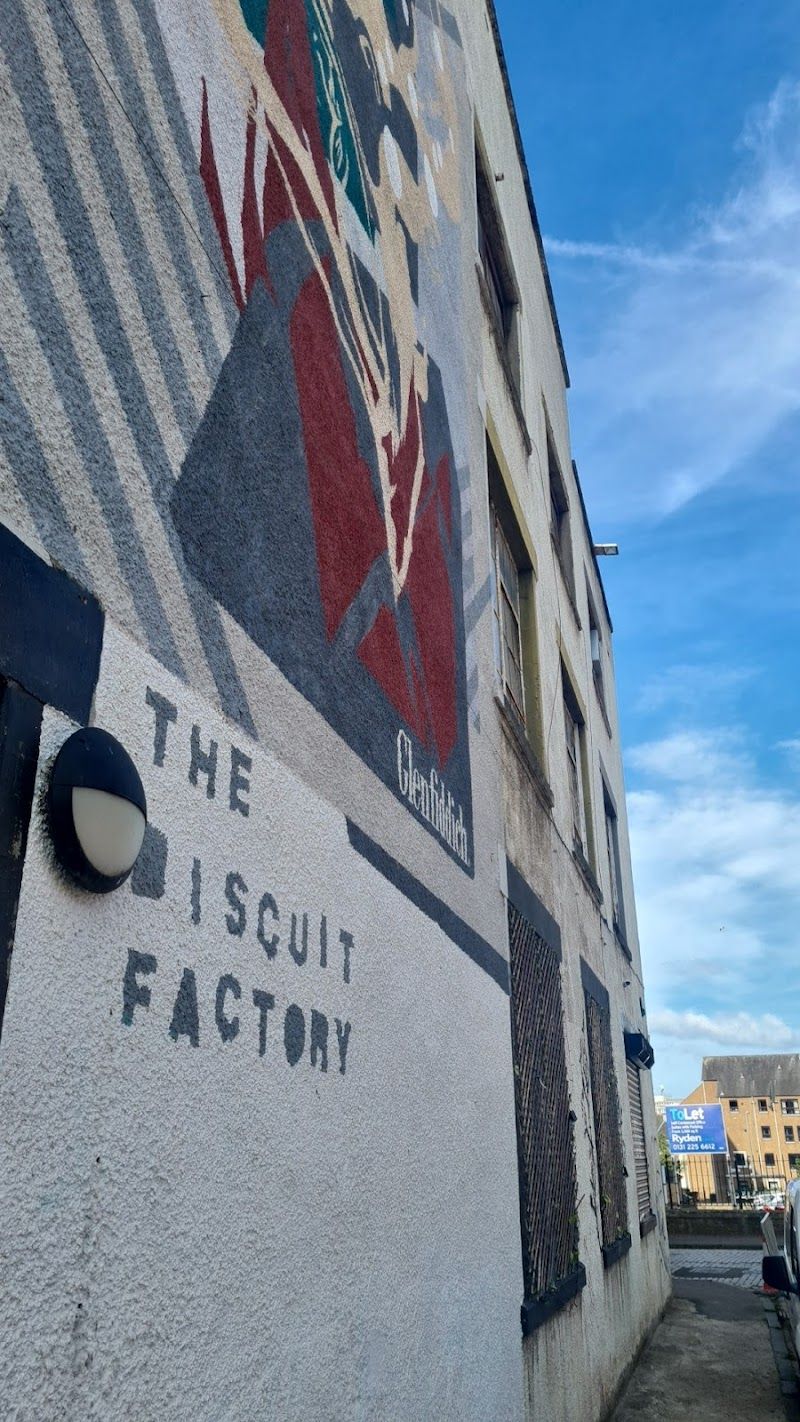
Biscuit Factory
A creative hub and events space in a converted Victorian biscuit factory, hosting regular markets, vintage fairs, and community events. The building retains its industrial character with exposed brick and original features. It's a favorite among locals for weekend browsing and discovering independent makers.
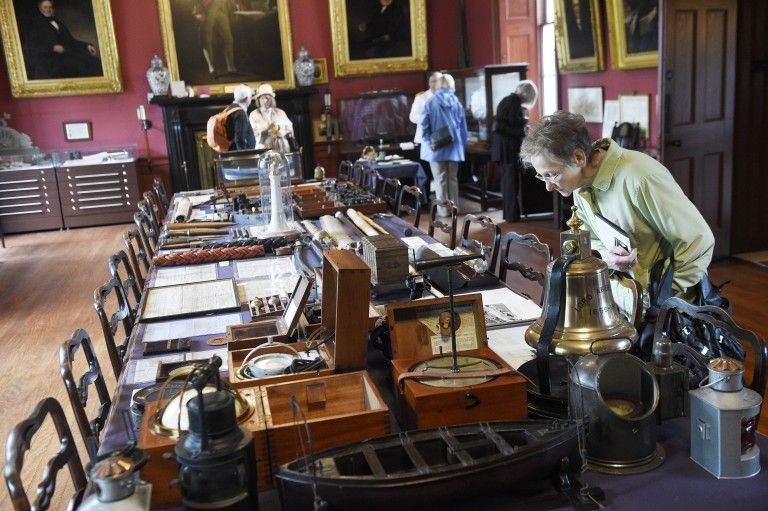
Trinity House Maritime Museum
A hidden gem housed in a stunning neoclassical building that was once the headquarters of a maritime guild. The museum displays nautical artifacts, historic ship models, and tells the story of Leith's seafaring heritage. The ornate meeting rooms and original architectural features make this a fascinating glimpse into maritime history.
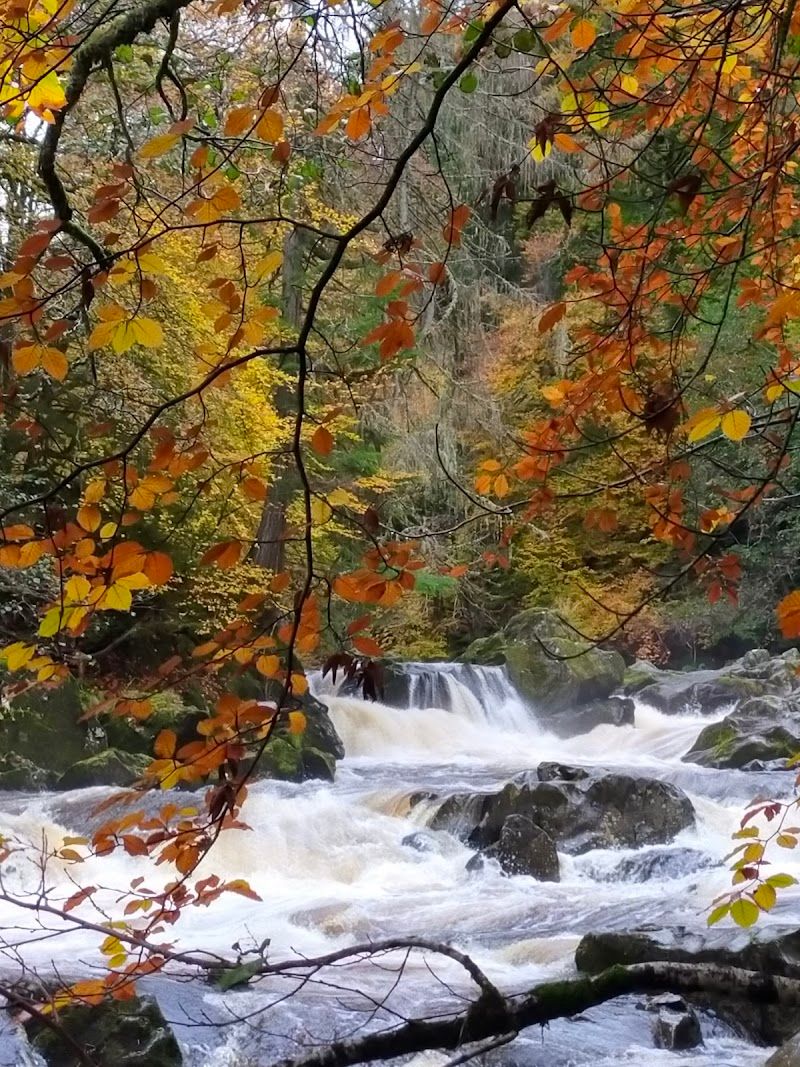
Rabbies Trail Burners
Small-group day trips to the Highlands in 16-seat mini-coaches departing from Edinburgh at 8 AM. Tours to Loch Ness, Glen Coe, and the Trossachs run GBP 45-60 per person with knowledgeable driver-guides. The smaller vehicles access narrower Highland roads that large coaches cannot reach.