United Kingdom
Edinburgh
A medieval Old Town on a volcanic ridge, the world's biggest arts festival, whisky bars on every corner, and haggis that's actually good
Best Time
May-September; August for the Festival (book 6 months ahead)
Ideal Trip
2-3 days
Language
English, some Scots and Scottish Gaelic
Currency
GBP
Budget
GBP 35-81/day (excl. hotel)
About Edinburgh
Edinburgh is two cities stacked on top of each other. The Old Town runs along a volcanic ridge from the Castle down to Holyrood Palace, a medieval canyon of closes (narrow alleys), wynds (even narrower alleys), and tenement buildings so tall they were the original skyscrapers. The New Town sits below on a Georgian grid of wide streets, crescents, and gardens that was planned in the 1760s as the antidote to everything the Old Town was. The two halves are connected by bridges that span a valley where a railway now runs, and the view from any of these bridges, with the Castle on one side and the Firth of Forth on the other, is the view that sells Edinburgh to the world.
The Festival in August is when Edinburgh becomes the most concentrated cultural event on the planet. The Fringe alone has 3,000+ shows across 300 venues, from church halls to car parks, and the city's population doubles for three weeks. If you visit in August, book accommodation 6 months ahead and accept that the city will be chaotic, expensive, and extraordinary. If you visit any other month, you get a calmer city with the same architecture, the same pubs, and the same hills, at half the price and a quarter of the crowds.
The food has changed more than anywhere else in the UK. Twenty years ago Edinburgh was haggis and deep-fried Mars bars. Today it has multiple Michelin-starred restaurants, a street food scene around the Pitt Market, and enough quality Indian, Chinese, and Middle Eastern food to embarrass most English cities. A proper haggis is still worth eating, ideally at a traditional pub with neeps and tatties and a whisky on the side (GBP 12-16 for the plate, GBP 5-8 for the dram). The whisky is non-negotiable. Edinburgh has more whisky bars per capita than anywhere in Scotland, and the Scotch Whisky Experience on the Royal Mile (GBP 18) is touristy but genuinely educational.
Neighborhoods
Each district has its own personality
Old Town & Royal Mile
The medieval spine of Edinburgh: a volcanic ridge of closes, tenements, and wynds running from the Castle to Holyrood, with the best whisky bars, the most history, and the Grassmarket pubs below
New Town & Princes Street
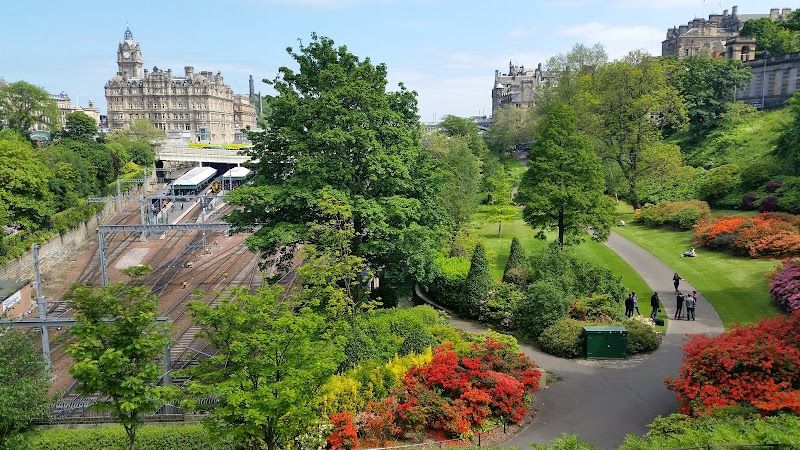
Edinburgh's Georgian answer to the Old Town: wide streets, crescents, and gardens planned in the 1760s, with the Scottish National Gallery, the best hotels, and the view of the Castle from Princes Street
Holyrood & Arthur's Seat
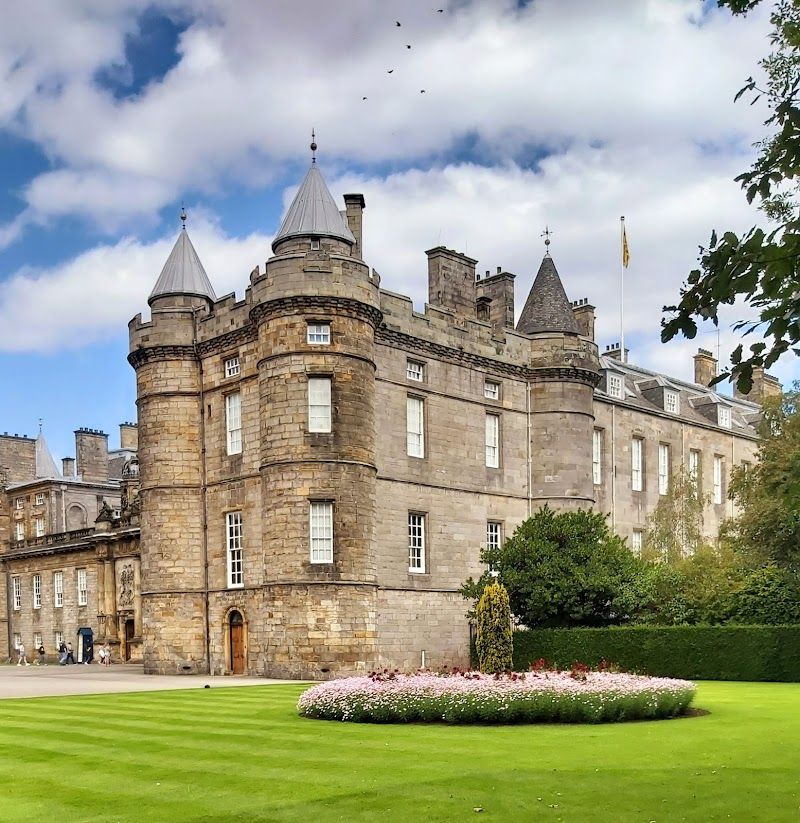
The eastern end of the Royal Mile: the royal palace, the Scottish Parliament, and an extinct volcano rising to 251 metres above the city with nothing between the summit and the Firth of Forth
Things to Do
Top experiences in Edinburgh
Victoria Street
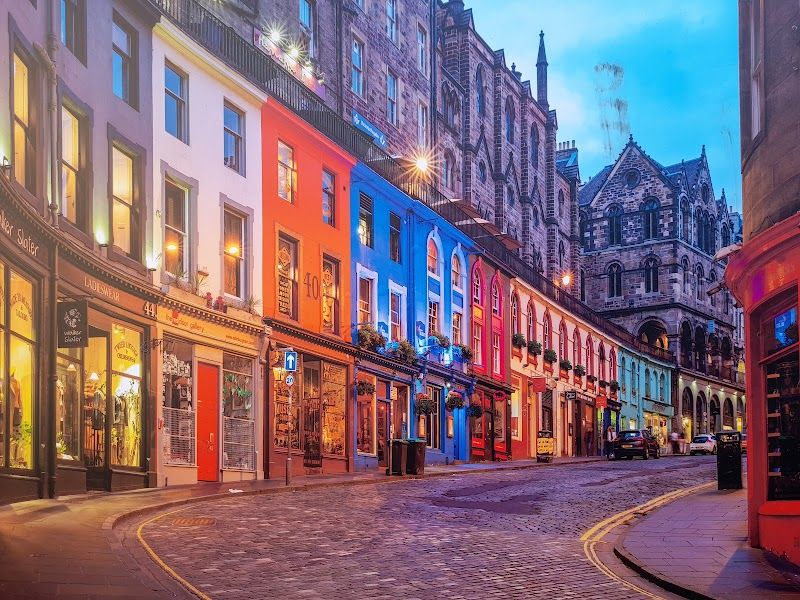
Victoria Street curves dramatically downhill from George IV Bridge to the Grassmarket, its cobblestones lined with Victorian shopfronts painted in bright reds, yellows, and blues. This is the street that inspired Diagon Alley in Harry Potter, confirmed by J.K. Rowling herself, though you'll recognize it immediately even without the literary connection. The independent shops sell everything from Scottish cashmere to artisanal cheese, vintage clothing, and handmade chocolates. Walking down feels like stepping into a storybook, with the curved street creating perfect photo opportunities at every turn. The gradient is steep enough that you'll want to take your time, especially on wet cobblestones. Shop windows display tartan scarves, vintage maps, and quirky gifts, while the smell of fresh baking drifts from the cafes. The architecture feels intimate and almost medieval, completely different from the grand Georgian terraces elsewhere in the Old Town. Most guides don't mention that half the shops are overpriced tourist traps selling mass produced 'Scottish' goods made in China. Focus on Clarinda's Tea Room (proper Scottish breakfast for £8.50), Mr Wood's Fossils (genuinely fascinating geological specimens), and The Cheese Shop for excellent local varieties. Skip the tartan stores near the top, they're identical to every other souvenir shop in Edinburgh and twice the price.
Water of Leith Walkway
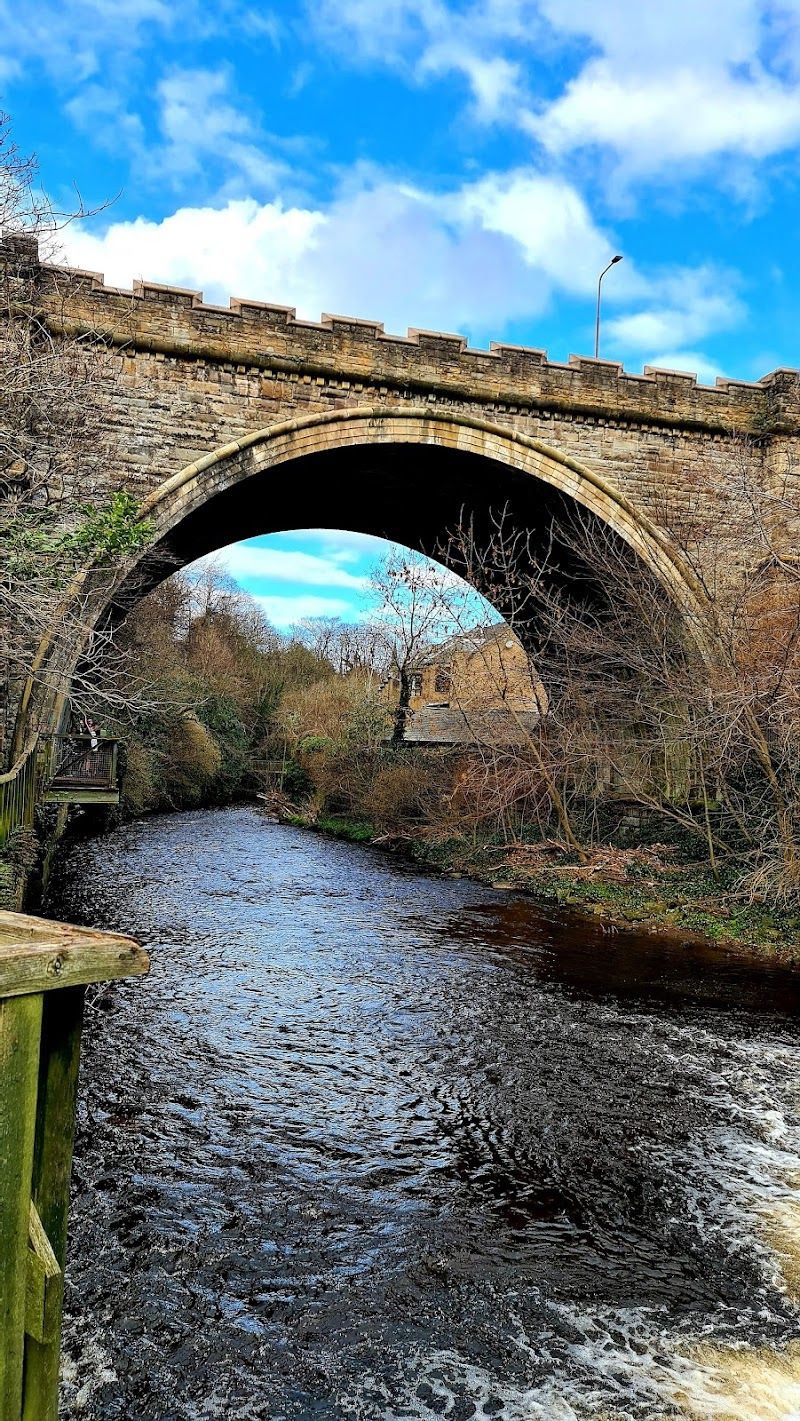
The Water of Leith Walkway follows Edinburgh's main river for 24 miles, but the 4-mile stretch from Stockbridge through Dean Village to Leith gives you the best urban walking in the city. You'll pass under converted mill buildings, through the atmospheric Dean Cemetery where you can spot Victorian graves, and along cobbled sections where the old industrial Edinburgh still shows through. The path dips below street level for most of the route, creating this strange sense of walking through a secret Edinburgh that most tourists never see. The walk feels like time travel, especially through Dean Village where medieval buildings lean over the water and old mill wheels still turn. You'll cross under several stone bridges, each offering different perspectives of the gorge the river has carved through the city. The path surface switches between tarmac and rougher sections, and you'll encounter dog walkers, joggers, and the occasional heron fishing in the shallows. The sound of traffic fades as you descend into the valley, replaced by flowing water and birdsong. Most guides oversell the full route to Balerno, which gets boring through suburban stretches. The Dean Village to Stockbridge section gives you 90% of the magic in half the time. Skip the Leith end unless you're combining it with the Royal Botanic Garden nearby. The path gets muddy after rain, so decent shoes help. It's completely free and always open, making it Edinburgh's best value outdoor experience.
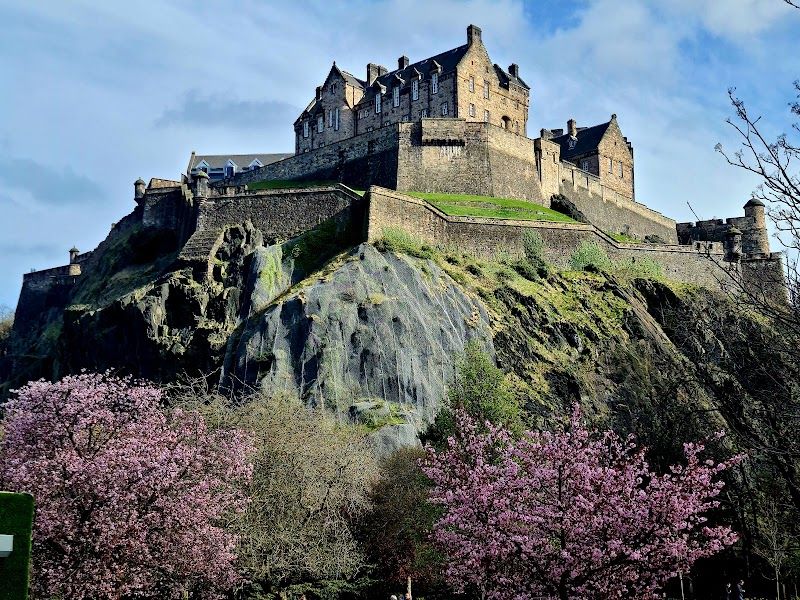
Edinburgh Castle
Edinburgh Castle sits on Castle Rock, a 340-million-year-old volcanic plug that rises 130 metres above the city centre. The castle has been a royal residence, a military garrison, and a prison at various points in its history, and it still functions as a working military base today. The Crown Room contains the Honours of Scotland (the Scottish crown jewels, the oldest surviving royal regalia in the British Isles, comprising the Crown, Sceptre, and Sword of State) and the Stone of Destiny, the ancient coronation seat of Scottish kings returned from Westminster in 1996. The One O'Clock Gun fires from the castle daily at exactly 1 PM (except Sundays and Good Friday): stand near the Half Moon Battery for the best view of the barrel and brace for the noise. The castle opens at 9:30 AM; arriving at opening gives you the Great Hall and the Crown Room before the tour groups arrive. The esplanade in front of the castle is where the Edinburgh Military Tattoo takes place every August (tickets from GBP 27, book a year ahead). The views from the castle walls cover the New Town, the Firth of Forth, Arthur's Seat, and on clear days the hills of Fife. Budget 2-3 hours for the full visit. Audio guides are included in the ticket price (GBP 19.50 adult). Queues at the ticket office can be long in summer: buy online in advance and use the priority lane.
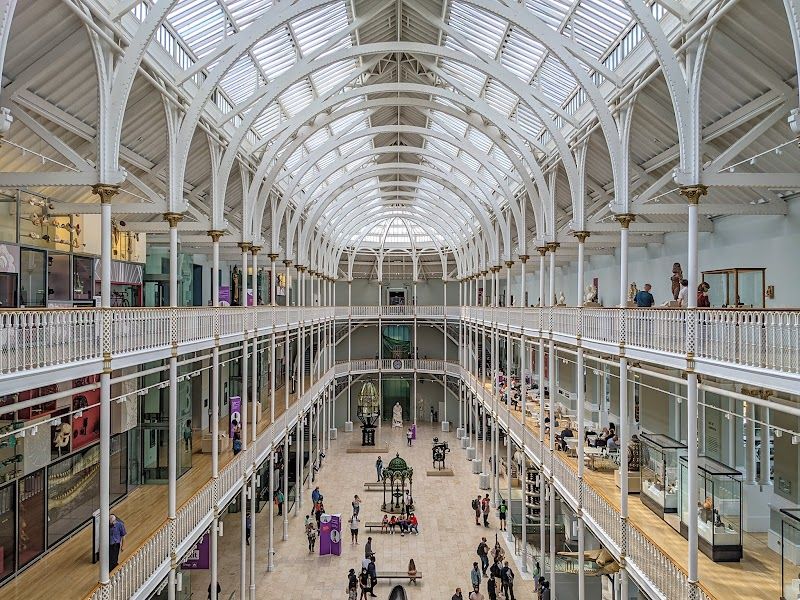
National Museum of Scotland
The National Museum of Scotland houses Scotland's most impressive collection under one magnificent Victorian roof, from 3.8 billion year old rocks to Dolly the cloned sheep. You'll find the actual Lewis Chessmen (not replicas), Mary Queen of Scots' rosary, and an entire sperm whale skeleton suspended overhead. The restored Grand Gallery is genuinely spectacular, with soaring ironwork and natural light flooding down from above. Entry is completely free, which makes this one of Edinburgh's best value experiences. The museum flows across multiple floors and buildings, connected by a maze of staircases and corridors that can feel overwhelming at first. The Victorian building houses natural history and world cultures, while the modern extension focuses on Scottish history and science. The atmosphere shifts dramatically between sections: the Grand Gallery feels cathedral-like, while the Scottish galleries have an intimate, storytelling quality. You'll hear multiple languages and see school groups sketching artifacts, giving the place an active, educational energy. Most visitors try to see everything and burn out after 90 minutes. Focus on three sections maximum: the Grand Gallery for the wow factor, Level 1 for Scottish history, and Level 6 for the rooftop views. Skip the world cultures section unless you're genuinely interested, it's decent but not exceptional. The gift shop is overpriced at £15-25 for basic items. Come on weekday mornings to avoid school groups, and don't miss the tiny Millennium Clock on Level 3 that performs hourly.
Princes Street Gardens
Princes Street Gardens stretches for half a mile through the valley that once held the Nor Loch, creating Edinburgh's most central green space between the medieval Old Town and Georgian New Town. You'll find yourself walking on what was once the bottom of a drained lakebed, with Edinburgh Castle looming above on one side and Princes Street's shops on the other. The Scott Monument dominates the eastern section at 61 meters tall, while the western half contains the Ross Bandstand where major outdoor concerts happen year round. The experience splits naturally into two sections divided by The Mound. The eastern gardens feel more formal with manicured flowerbeds, memorials, and that towering Gothic Scott Monument that you can climb for £5. The western section opens up around the Ross Bandstand with wider lawns where locals actually picnic and play football. During summer you'll hear live music drifting from the bandstand, while winter brings Christmas markets that transform the space completely. Most visitors rush straight to the Scott Monument and miss the western gardens entirely, which is backwards thinking. The monument's cramped spiral staircase isn't worth £5 unless you're obsessed with Walter Scott or Victorian Gothic architecture. Instead, spend your time in the western section where the views back toward the castle are better and free. The gardens close at dusk year round, so don't plan evening visits outside summer months.
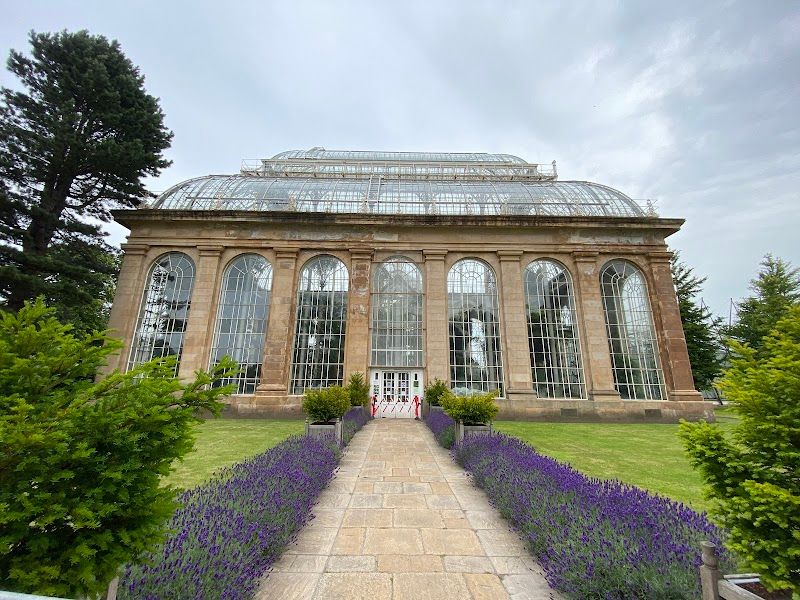
Royal Botanic Garden Edinburgh
The Royal Botanic Garden Edinburgh sprawls across 72 acres of expertly curated landscapes, housing over 13,500 plant species from every continent. You'll wander through themed sections including a Chinese Garden, Victorian Palm Houses, and specialist collections of rhododendrons that bloom spectacularly in spring. The highlight is definitely the Tropical Palm House, a soaring Victorian glasshouse where you can walk among towering palms and exotic ferns while Edinburgh's skyline gleams in the distance. The experience feels like traveling the world's ecosystems in one afternoon. You'll start among Scottish native plants, then climb gentle hills past massive specimen trees to reach the glasshouse complex. Inside, the humid air and lush greenery create an instant tropical escape, complete with banana plants and bird of paradise flowers. The upper levels of the garden offer gorgeous views back toward Arthur's Seat and the Old Town, making it feel less like a city park and more like a countryside retreat. Most visitors spend too much time in the crowded Palm House and miss the real treasures. The outdoor collections are far more impressive, especially the rock garden and the world-renowned rhododendron collection. Skip the expensive cafe (£4+ for basic sandwiches) and bring a picnic instead. Entry is free, but parking costs £3 for three hours. Visit on weekday mornings to avoid school groups and tour buses.
Palace of Holyroodhouse
The Palace of Holyroodhouse is the official residence of the monarch in Scotland, sitting at the foot of the Royal Mile beneath the crags of Arthur's Seat. The palace has been a royal residence since the 16th century and is most closely associated with Mary Queen of Scots, who lived here from 1561 to 1567 and whose apartments are preserved on the second floor. The rooms associated with Mary include the bedchamber and the adjacent supper room where her secretary David Rizzio was murdered by her husband Lord Darnley and his associates in 1566 - the brass plate in the floor of the supper room marks the spot. The Great Gallery contains portraits of 111 Scottish monarchs, painted by Jacob de Wet between 1684 and 1686, running at a rate of one per week (the quality suffers noticeably in the later portraits). The State Apartments on the ground floor are used for royal functions when the King is in residence (typically one week in late June/early July: the palace is closed to visitors during this period). GBP 18.50 adult, audio guide included. The Holyrood Abbey ruins adjacent to the palace are included in the ticket: the nave of the 12th-century Augustinian abbey survived until 1768 when the roof collapsed in a storm, and the roofless ruin with its carved Norman arches is now one of the most atmospheric spaces in Edinburgh.
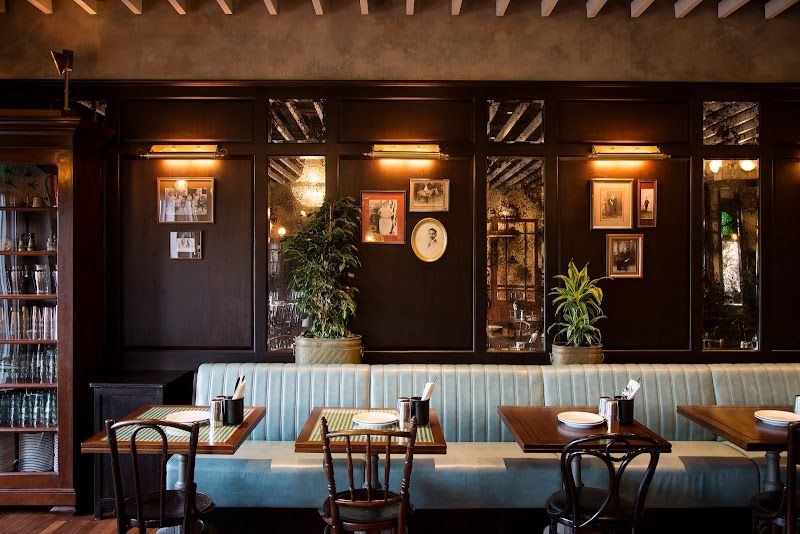
Dishoom Edinburgh
Bombay-style cafe in a converted New Town building serving all-day Indian breakfast, grills, and curries. The bacon naan roll at breakfast (GBP 7.90) and black daal are signatures, with most mains GBP 10-15. Expect queues at peak times but they move quickly.
Real Mary King's Close
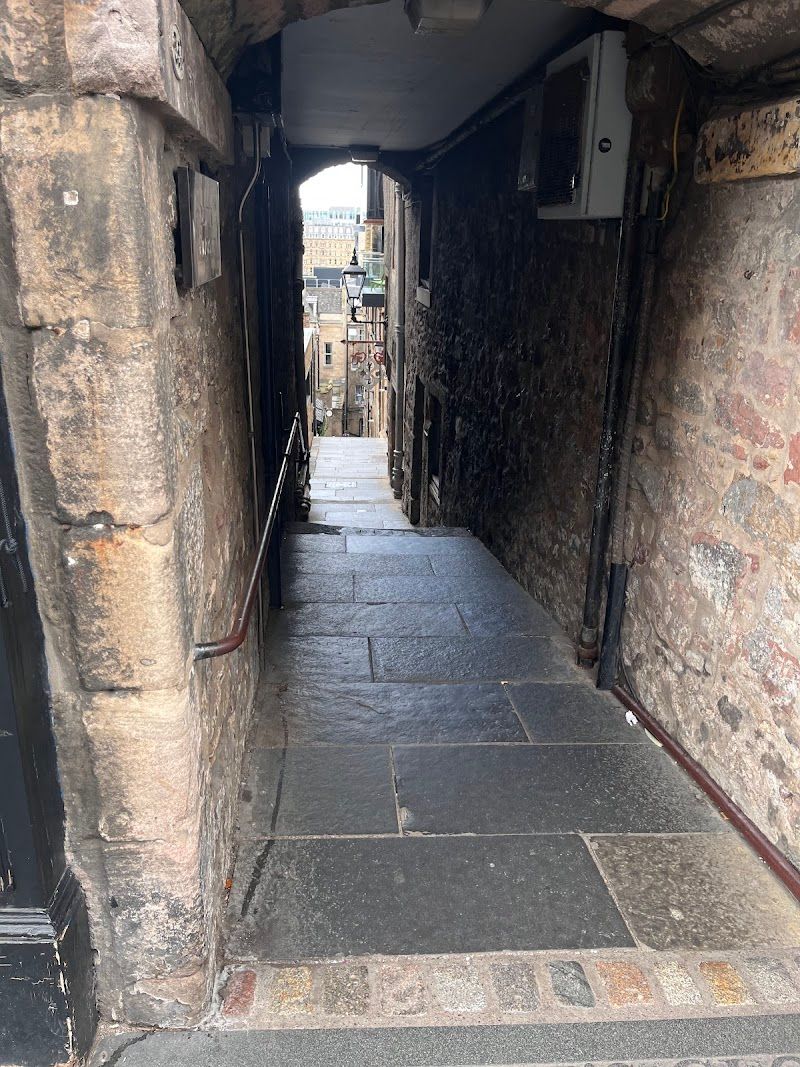
Mary King's Close is a series of narrow underground streets that were built over in the 17th century when the Royal Exchange (now the City Chambers) was constructed on top of them. The result is a preserved section of 17th-century Edinburgh frozen in time: the tenement buildings (truncated at the level of the new construction above), the narrow close, the rooms where families lived and worked, all sealed beneath the modern street. Guided tours run for 75 minutes and cover five or six of the rooms: the anatomy chamber (where the bodies from the anatomy trade were prepared), a room associated with the plague outbreaks of the 1640s, and the preserved domestic spaces of a 17th-century merchant family. The guides are costumed and the storytelling includes both factual history and the ghost stories that have accumulated around the close since the 18th century. The tour is underground and slightly claustrophobic in places: the closes are genuinely narrow (two people can barely pass) and the ceilings are low. GBP 19 adult, booking ahead is essential in summer. The entrance is on the Royal Mile, marked by a discreet sign at 2 Warriston's Close. Tours run from 10 AM to 9 PM in peak season. The close is approximately 10 metres below the current street level.
Scottish National Gallery
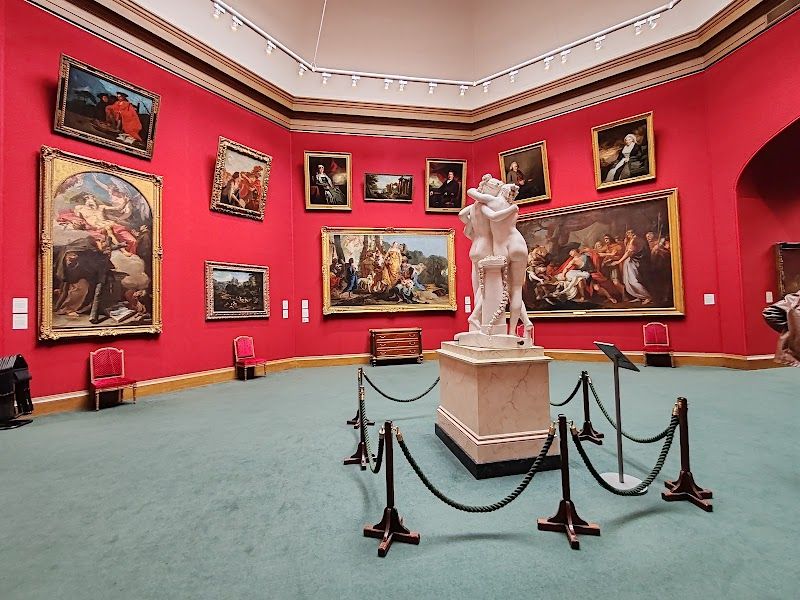
Scotland's premier art collection sits in a gorgeous neoclassical temple on The Mound, housing everything from Botticelli to Van Gogh. You'll find masterpieces by Velazquez, Raphael, and Rembrandt alongside the world's finest collection of Scottish painting. The Raeburn portraits alone justify the visit: these luminous 18th-century works capture Edinburgh's golden age society with extraordinary skill. Entry is completely free, making this one of Europe's best art bargains. The galleries flow logically through interconnected rooms, starting with European masters on the main floor before leading you to Scottish works below. The building itself is spectacular: soaring ceilings, perfect natural light, and elegant proportions that make even familiar paintings feel fresh. You'll notice how quiet it stays compared to London's packed galleries. The Scottish collection downstairs often feels like your private viewing room, especially the Raeburn portraits which glow under perfect lighting. Most guides oversell the European masters while ignoring the real treasure: those Scottish works downstairs. Skip the crowded Impressionist room if you're short on time and head straight to the lower galleries. The Raeburn portraits are genuinely world class, not just good "for Scottish art." Budget two hours if you want to see everything properly, though you could easily spend longer with the Scottish collection alone.
Royal Yacht Britannia
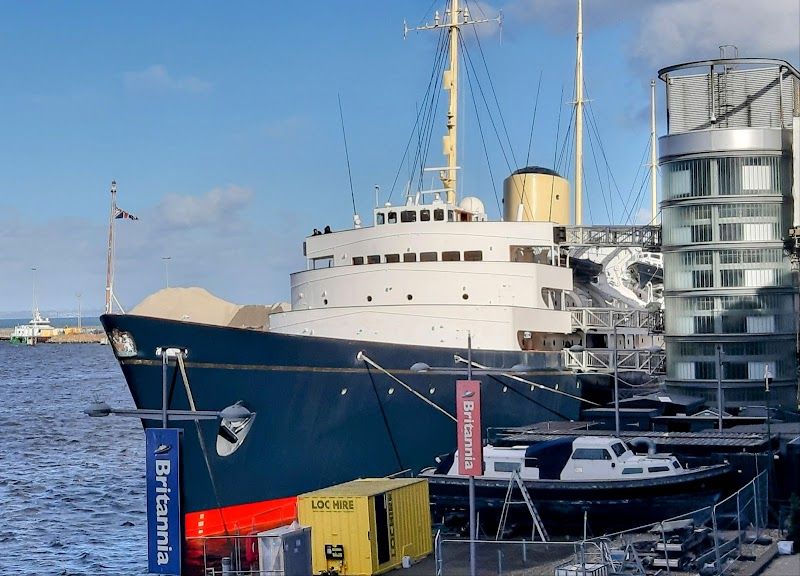
HMY Britannia served as the British Royal Family's floating residence from 1954 to 1997, when she was decommissioned following a decision by the incoming Labour government not to fund a replacement. She is now permanently moored at Ocean Terminal in Leith and open to visitors as one of the most detailed preserved royal vessels in the world. The tour (self-guided with audio guide, included in ticket price) covers five decks: the State Apartments where the Queen and Prince Philip hosted world leaders and dignitaries (the last dinner service for 56 people is still set in the State Dining Room), the Sun Lounge where the Royal Family relaxed, the engine room (operational until 1997), the crew quarters (220 sailors lived in conditions visibly more cramped than the royal decks above), and the bridge. The Britannia operated 968 official voyages across 44 years and covered over one million nautical miles. GBP 19 adult, GBP 10.50 child. Allow 1.5-2 hours for the full tour. The Ocean Terminal shopping centre is adjacent if you need lunch before or after. Britannia is the most visited paid tourist attraction in Scotland. It is in Leith, 3 miles from the city centre: get there by Lothian Bus (route 11 or 22 from Princes Street, 20-25 minutes, GBP 1.80) or taxi (GBP 8-10).
Holyrood Park
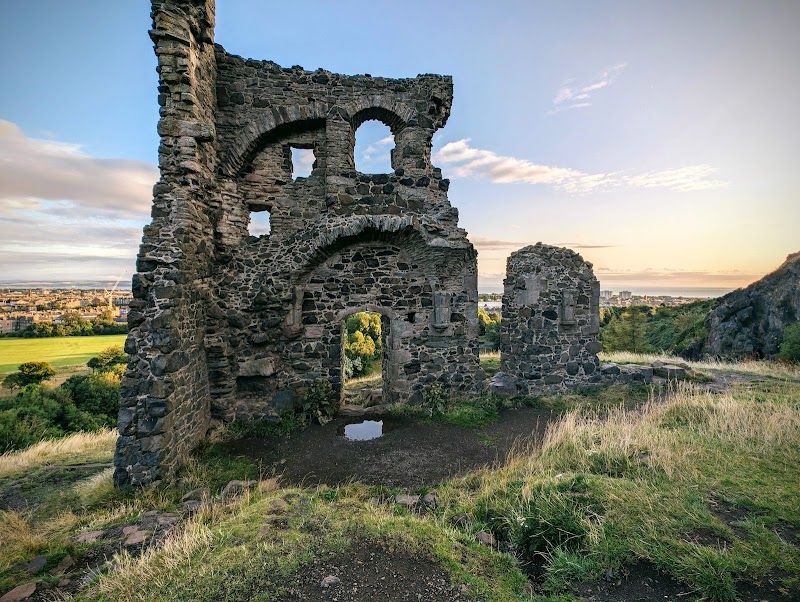
Holyrood Park sprawls across 650 acres of ancient volcanic landscape right in Edinburgh's city center, dominated by the famous Arthur's Seat peak at 251 meters. You'll find three small lochs, dramatic cliff faces at Salisbury Crags, and a geological trail that showcases 350-million-year-old rock formations. The park is completely free and offers some of Scotland's best urban hiking, with paths ranging from gentle loch walks to challenging scrambles up extinct volcano slopes. The experience feels like stepping from busy city streets into wild Scottish highlands within minutes. Salisbury Crags tower above you as dramatic basalt cliffs, while the geological walk reveals ancient lava flows and fossilized sediments with informative markers. Arthur's Seat climb rewards you with panoramic views across Edinburgh, the Forth bridges, and surrounding countryside. The three lochs (St Margaret's, Dunsapie, and Duddingston) attract swans, ducks, and occasional herons, creating peaceful spots between more rugged terrain. Most visitors underestimate the terrain and arrive in unsuitable footwear. Arthur's Seat isn't a gentle hill walk, it's proper hiking with loose rocks and steep sections that become treacherous when wet. Skip the crowded main path up Arthur's Seat from Holyrood Palace, the route from Dunsapie Loch is shorter and less busy. The geological walk gets oversold by guidebooks, it's interesting but won't captivate non-geology enthusiasts for long.
Travel Guides
Expert guides for every travel style
Where to Eat and Drink in Edinburgh: Haggis to Michelin Stars
Edinburgh food and drink: haggis with neeps and tatties, a Full Scottish breakfast, the Grassmarket pubs, Leith fine dining, Stockbridge brunch, and how to approach whisky if you've never tried it.
7 min
First Time in Edinburgh: What You Need to Know
Everything before your first visit to Edinburgh: how August actually works, what to wear, the whisky basics, how to use the buses, and why the Royal Mile restaurants are a trap.
7 min
Frequently Asked Questions
May, June, and September are the best months for Edinburgh: good weather, manageable crowds, and normal hotel prices. August during the Festival (Edinburgh Fringe, International Festival, Royal Military Tattoo) is extraordinary but expensive and crowded. Hotel prices triple or more, the population doubles, and booking accommodation less than 6 months ahead means taking whatever is left. If you go in August, lean into it: see three or four Fringe shows a day (Free Fringe shows at pubs are free but you tip the performers), book the Military Tattoo a year in advance (GBP 27-90), and accept that the Royal Mile will be a slow-moving crowd at all hours. If you want the city itself without the chaos, September gives you good light, post-Festival calm, and prices that make sense.
Haggis is a savoury pudding made from sheep offal (heart, liver, lungs) minced with oatmeal, suet, onions, and spices, traditionally cooked in the stomach of the animal (now usually a synthetic casing). It tastes better than it sounds: earthy, peppery, and satisfying, somewhere between a spiced sausage and a coarse terrine. The correct serving is haggis, neeps (mashed turnip), and tatties (mashed potato), with a dram of whisky on the side. GBP 12-16 at a decent pub. The tourist versions on the Royal Mile are fine. The better versions are in the Grassmarket pubs (Bow Bar, White Hart Inn) or in any pub one street off the main tourist routes. Haggis with square sausage is a Full Scottish breakfast component; haggis bon bons (deep-fried haggis balls with mustard dip) appear on many menus as a starter (GBP 6-9) and are a reasonable introduction to the flavour before committing to the full plate.
The Old Town, New Town, and Holyrood are all walkable from each other: most of central Edinburgh is within 20-25 minutes on foot. Lothian Buses cover the city well: a single fare is GBP 1.80 (exact change or contactless), a day ticket is GBP 4.50, and a week ticket is GBP 19. The Airlink 100 bus connects Edinburgh Airport to Princes Street every 10 minutes (GBP 5 single, GBP 9 return, 30 minutes). Leith is 3 miles from the city centre: bus routes 11 and 22 from Princes Street take 20-25 minutes. The Royal Yacht Britannia is at Ocean Terminal in Leith: do not try to walk from the centre. Edinburgh Trams run from the airport to York Place (the east end of the New Town): GBP 6.50 from the airport to the city centre. There is no underground. Taxis are GBP 8-15 for most journeys within the city. The city centre is hilly: walking from the Grassmarket up to the Royal Mile involves a significant climb, and the closes between the Royal Mile and Princes Street involve stairs.