Edinburgh
New Town & Princes Street
Edinburgh's Georgian answer to the Old Town: wide streets, crescents, and gardens planned in the 1760s, with the Scottish National Gallery, the best hotels, and the view of the Castle from Princes Street.
About New Town & Princes Street
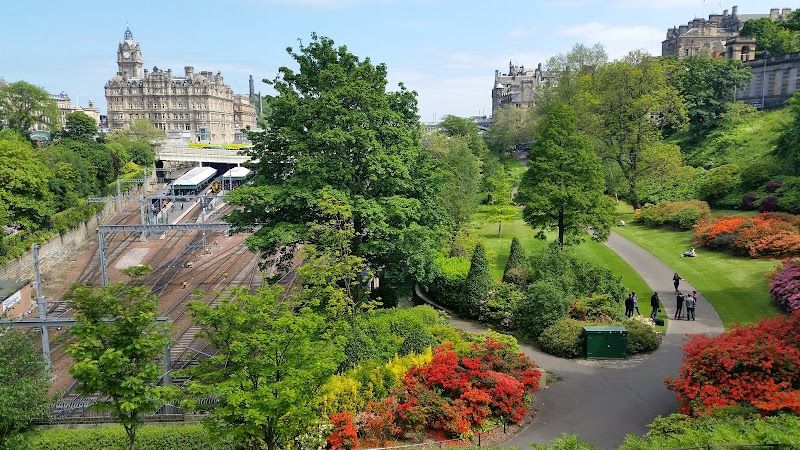
The New Town was the most ambitious town planning project of 18th-century Britain. Designed by 22-year-old James Craig in 1766 and built over the following 50 years, it is a grid of wide streets (George Street, Queen Street, Princes Street) connected by narrower cross streets (Castle Street, Frederick Street, Hanover Street) and anchored by two formal squares (St Andrew Square to the east, Charlotte Square to the west). Princes Street runs along the southern edge of the New Town with unobstructed views of the Castle and the Old Town skyline for its entire length: it is one of the few major shopping streets in the world where looking up across the road is more interesting than looking at the shops. Princes Street Gardens occupy the valley between the Old Town and the New Town (the site of the drained Nor Loch). The Scott Monument at the east end of the gardens is 61 metres of Victorian Gothic and you can climb it for GBP 5.
Things to Do
Top experiences in New Town & Princes Street
Princes Street Gardens
Princes Street Gardens stretches for half a mile through the valley that once held the Nor Loch, creating Edinburgh's most central green space between the medieval Old Town and Georgian New Town. You'll find yourself walking on what was once the bottom of a drained lakebed, with Edinburgh Castle looming above on one side and Princes Street's shops on the other. The Scott Monument dominates the eastern section at 61 meters tall, while the western half contains the Ross Bandstand where major outdoor concerts happen year round. The experience splits naturally into two sections divided by The Mound. The eastern gardens feel more formal with manicured flowerbeds, memorials, and that towering Gothic Scott Monument that you can climb for £5. The western section opens up around the Ross Bandstand with wider lawns where locals actually picnic and play football. During summer you'll hear live music drifting from the bandstand, while winter brings Christmas markets that transform the space completely. Most visitors rush straight to the Scott Monument and miss the western gardens entirely, which is backwards thinking. The monument's cramped spiral staircase isn't worth £5 unless you're obsessed with Walter Scott or Victorian Gothic architecture. Instead, spend your time in the western section where the views back toward the castle are better and free. The gardens close at dusk year round, so don't plan evening visits outside summer months.
Scottish National Portrait Gallery
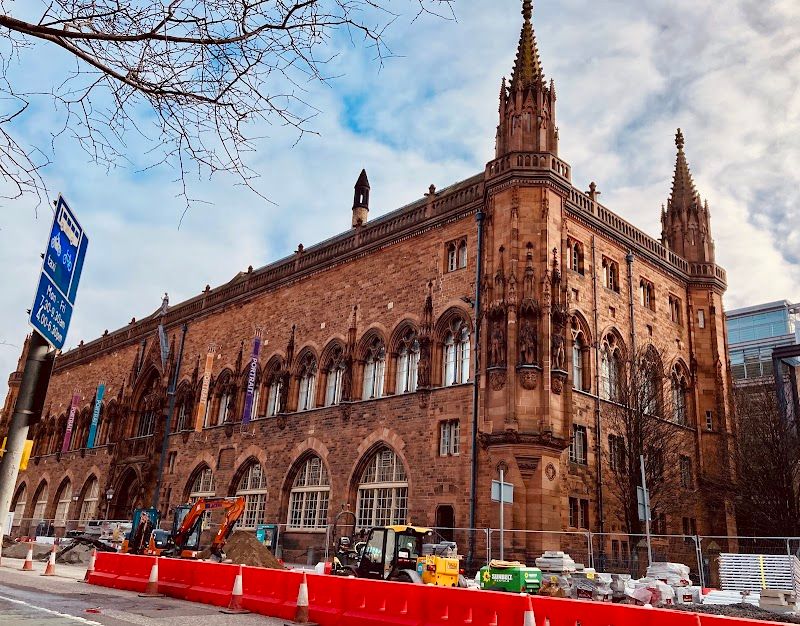
This striking red sandstone palace houses Scotland's definitive portrait collection, spanning 500 years from medieval monarchs to modern celebrities. You'll see Mary Queen of Scots looking defiant before her execution, Robert Burns in romantic poet mode, and yes, Sean Connery looking suave in his Bond years. The building itself, completed in 1889, showcases Scottish baronial architecture with Gothic revival flourishes that make it feel more like a castle than a typical gallery. The moment you step inside, the soaring atrium takes your breath away. Natural light floods down through the glass roof onto portraits arranged chronologically around the walls. You'll climb the main staircase past larger than life paintings while the processional frieze above tells Scotland's story in carved figures. The galleries flow logically from medieval times to contemporary Scotland, and the acoustics mean you can actually have quiet conversations without disturbing others. Most visitors rush through in 45 minutes, but you're missing the point if you don't slow down. The contemporary section gets overlooked, yet it's where you'll find the most surprising portraits of modern Scots you actually recognize. Skip the audio guide at £4, the wall texts are excellent and more flexible. The cafe does proper Scottish tablet and decent coffee, making it worth the slight markup over street prices.
Where to Eat
Restaurants and cafes in New Town & Princes Street
The Dome
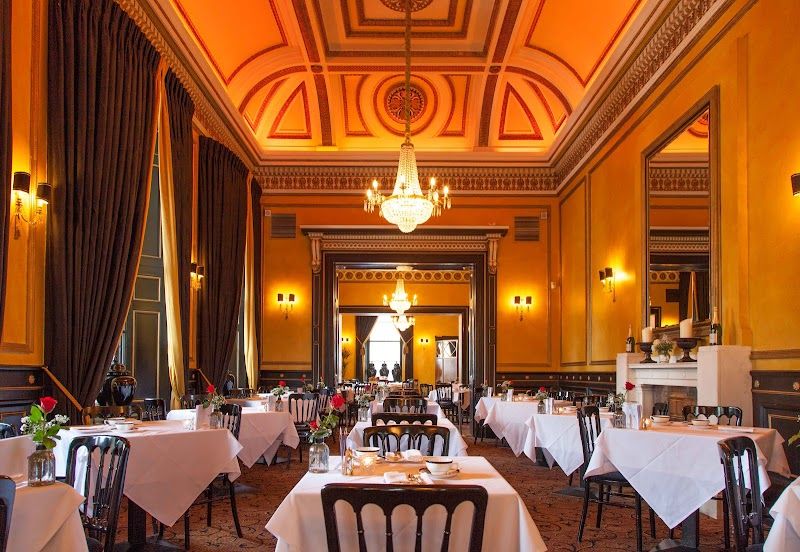
RestaurantGrand Victorian building originally constructed as a commercial bank in 1847, now home to an opulent restaurant and bar. The spectacular domed ceiling and ornate interior make it one of Edinburgh's most architecturally impressive dining venues. Perfect for afternoon tea or cocktails.
Dishoom Edinburgh
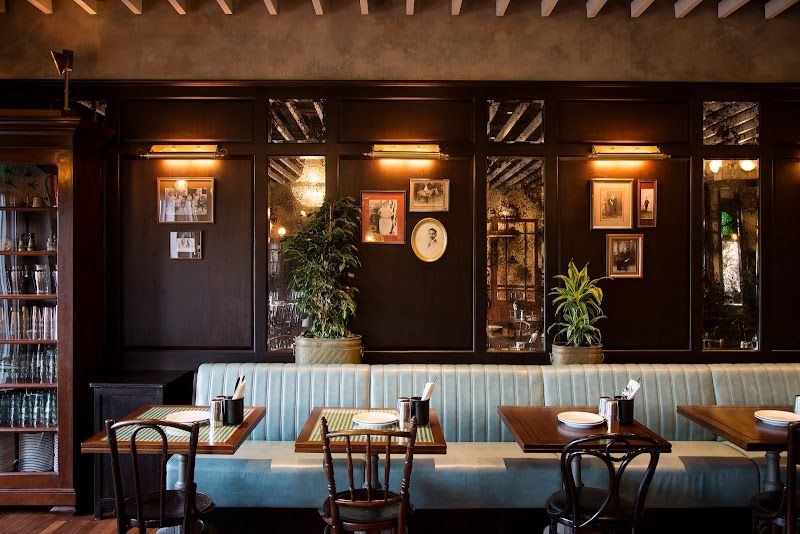
RestaurantBombay-style cafe in a converted New Town building serving all-day Indian breakfast, grills, and curries. The bacon naan roll at breakfast (GBP 7.90) and black daal are signatures, with most mains GBP 10-15. Expect queues at peak times but they move quickly.
Getting Here
On Foot
Very walkable. The New Town is mostly flat on its Georgian grid. The connections south to the Old Town involve steps (Waverley Steps, the Mound, Fleshmarket Close).
Insider Tips
The Scottish National Gallery is free and genuinely good
The Scottish National Gallery on The Mound (the connecting road between the Old Town and New Town) is free and contains Velazquez, Raphael, Rembrandt, Monet, and the best collection of Scottish painting in existence. It is consistently undervisited relative to the Castle. Allow 90 minutes. The cafe downstairs is GBP 3-5 for coffee and cake.
George Street over Princes Street for shopping
Princes Street has the same chain stores as every UK high street. George Street, one block north, has better independent shops, better restaurants, and the same Georgian architecture with less foot traffic. Thistle Street and Rose Street (the narrow lanes running parallel between George Street and Princes Street) have the best independent retail and several good bars.
Waverley Station orientation
Waverley Station is buried in the valley between the Old Town and the New Town. Exits go south uphill to the Royal Mile (Waverley Steps, steep, 3-4 minutes) or north uphill to Princes Street (another set of steps). The taxi rank is on Market Street below the Royal Mile side. The station can be confusing on first arrival: follow signs for Princes Street if in doubt.
Nearby Neighborhoods
Continue exploring
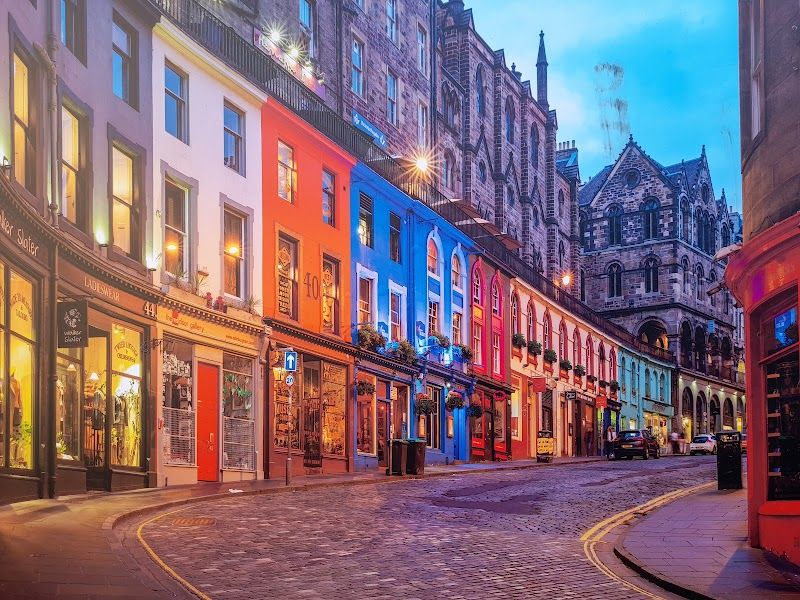
Old Town & Royal Mile
The medieval spine of Edinburgh: a volcanic ridge of closes, tenements, and wynds running from the Castle to Holyrood, with the best whisky bars, the most history, and the Grassmarket pubs below.
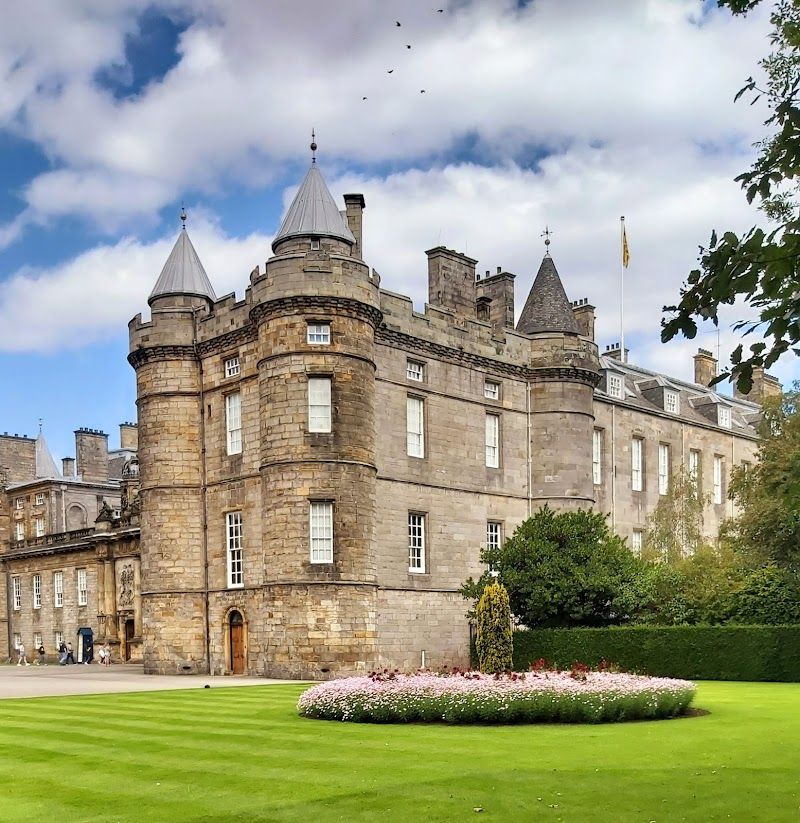
Holyrood & Arthur's Seat
The eastern end of the Royal Mile: the royal palace, the Scottish Parliament, and an extinct volcano rising to 251 metres above the city with nothing between the summit and the Firth of Forth.
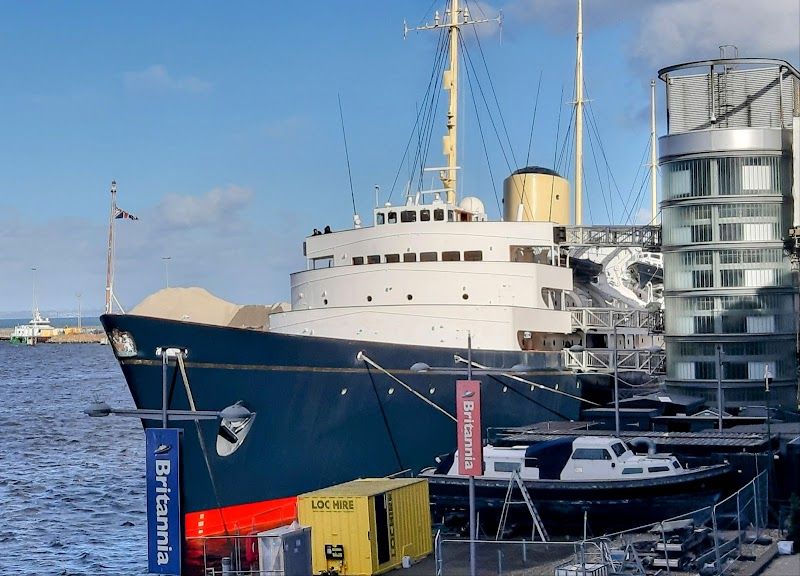
Leith
Edinburgh's port district 3 miles from the Old Town: the Royal Yacht Britannia, The Shore waterfront restaurants, the Pitt Market street food scene, and the best serious dining in the city.
Plan a trip featuring New Town & Princes Street
Get a personalized Edinburgh itinerary with New Town & Princes Street built in.
Start Planning