Edinburgh
Old Town & Royal Mile
The medieval spine of Edinburgh: a volcanic ridge of closes, tenements, and wynds running from the Castle to Holyrood, with the best whisky bars, the most history, and the Grassmarket pubs below.
About Old Town & Royal Mile
The Old Town is the original city, built on a ridge of volcanic rock that runs from Edinburgh Castle at the top to the Palace of Holyroodhouse at the bottom. The Royal Mile (actually 1.1 miles) is the main street, but the closes and wynds that run perpendicular to it are where Edinburgh reveals itself: Fleshmarket Close, Advocates Close, Dunbar's Close, each one a narrow canyon between tenement walls 6-8 storeys high. These buildings were the original skyscrapers of 15th-century Europe. Beneath the current street level, the underground vaults and the preserved closes of Real Mary King's Close (GBP 19, book ahead) give the most direct experience of what the medieval city actually was. The Grassmarket, a large square below the Castle at the south side of the Old Town, has the best traditional pub concentration in Edinburgh: the Bow Bar (cask ales and a serious whisky selection) and the White Hart Inn (one of the oldest pubs in Scotland) are both within 200 metres of each other.
Things to Do
Top experiences in Old Town & Royal Mile
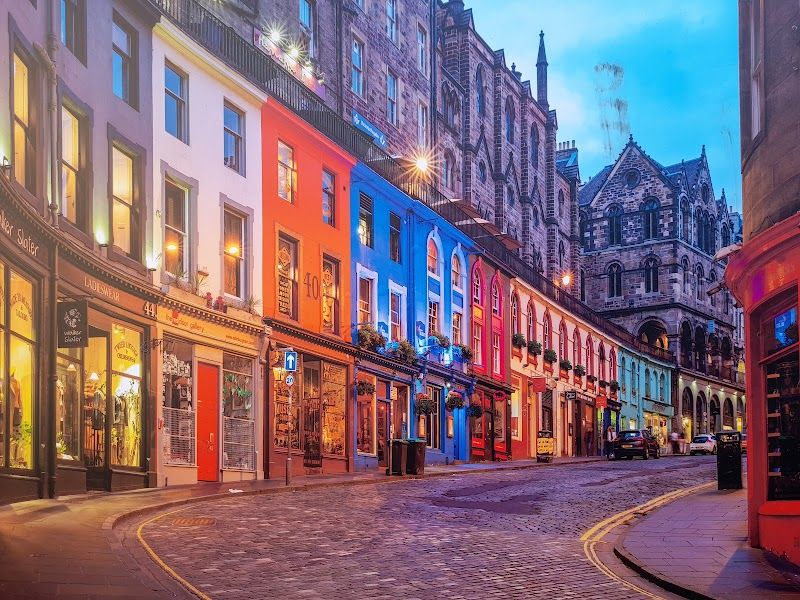
Victoria Street
Victoria Street curves dramatically downhill from George IV Bridge to the Grassmarket, its cobblestones lined with Victorian shopfronts painted in bright reds, yellows, and blues. This is the street that inspired Diagon Alley in Harry Potter, confirmed by J.K. Rowling herself, though you'll recognize it immediately even without the literary connection. The independent shops sell everything from Scottish cashmere to artisanal cheese, vintage clothing, and handmade chocolates. Walking down feels like stepping into a storybook, with the curved street creating perfect photo opportunities at every turn. The gradient is steep enough that you'll want to take your time, especially on wet cobblestones. Shop windows display tartan scarves, vintage maps, and quirky gifts, while the smell of fresh baking drifts from the cafes. The architecture feels intimate and almost medieval, completely different from the grand Georgian terraces elsewhere in the Old Town. Most guides don't mention that half the shops are overpriced tourist traps selling mass produced 'Scottish' goods made in China. Focus on Clarinda's Tea Room (proper Scottish breakfast for £8.50), Mr Wood's Fossils (genuinely fascinating geological specimens), and The Cheese Shop for excellent local varieties. Skip the tartan stores near the top, they're identical to every other souvenir shop in Edinburgh and twice the price.
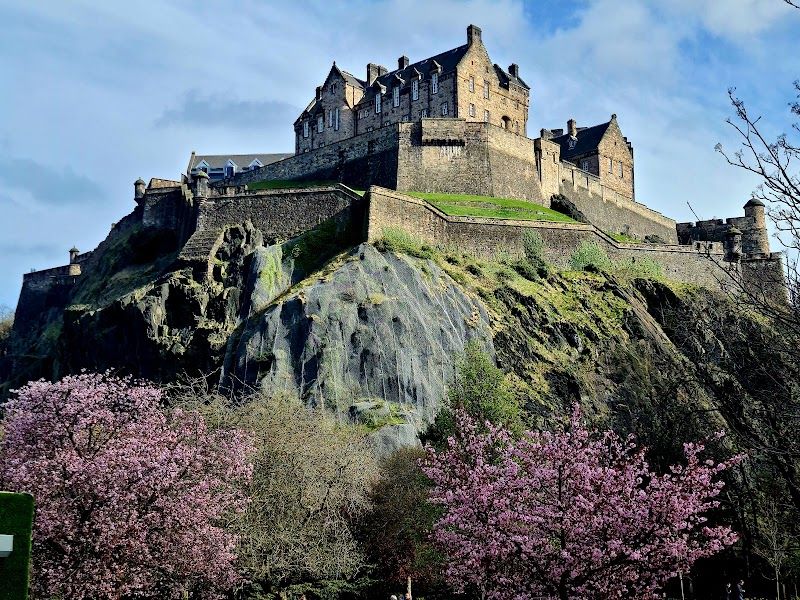
Edinburgh Castle
Edinburgh Castle sits on Castle Rock, a 340-million-year-old volcanic plug that rises 130 metres above the city centre. The castle has been a royal residence, a military garrison, and a prison at various points in its history, and it still functions as a working military base today. The Crown Room contains the Honours of Scotland (the Scottish crown jewels, the oldest surviving royal regalia in the British Isles, comprising the Crown, Sceptre, and Sword of State) and the Stone of Destiny, the ancient coronation seat of Scottish kings returned from Westminster in 1996. The One O'Clock Gun fires from the castle daily at exactly 1 PM (except Sundays and Good Friday): stand near the Half Moon Battery for the best view of the barrel and brace for the noise. The castle opens at 9:30 AM; arriving at opening gives you the Great Hall and the Crown Room before the tour groups arrive. The esplanade in front of the castle is where the Edinburgh Military Tattoo takes place every August (tickets from GBP 27, book a year ahead). The views from the castle walls cover the New Town, the Firth of Forth, Arthur's Seat, and on clear days the hills of Fife. Budget 2-3 hours for the full visit. Audio guides are included in the ticket price (GBP 19.50 adult). Queues at the ticket office can be long in summer: buy online in advance and use the priority lane.
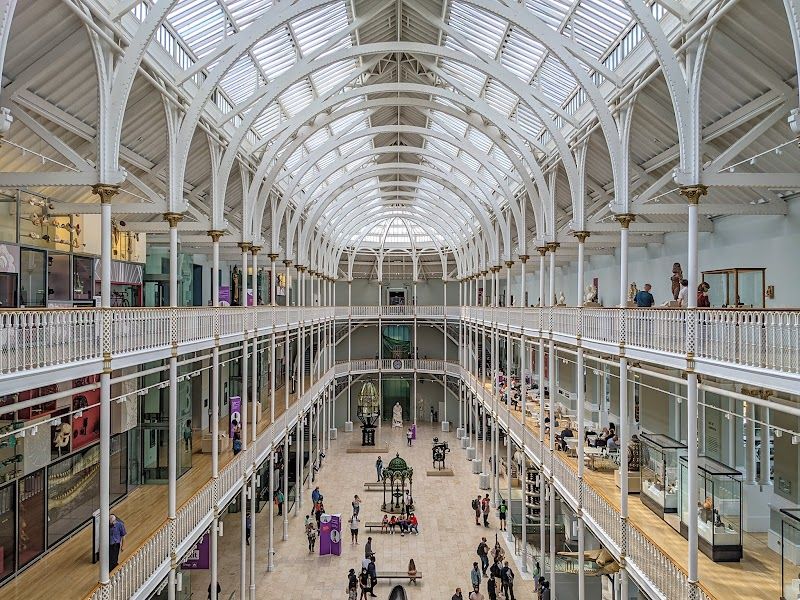
National Museum of Scotland
The National Museum of Scotland houses Scotland's most impressive collection under one magnificent Victorian roof, from 3.8 billion year old rocks to Dolly the cloned sheep. You'll find the actual Lewis Chessmen (not replicas), Mary Queen of Scots' rosary, and an entire sperm whale skeleton suspended overhead. The restored Grand Gallery is genuinely spectacular, with soaring ironwork and natural light flooding down from above. Entry is completely free, which makes this one of Edinburgh's best value experiences. The museum flows across multiple floors and buildings, connected by a maze of staircases and corridors that can feel overwhelming at first. The Victorian building houses natural history and world cultures, while the modern extension focuses on Scottish history and science. The atmosphere shifts dramatically between sections: the Grand Gallery feels cathedral-like, while the Scottish galleries have an intimate, storytelling quality. You'll hear multiple languages and see school groups sketching artifacts, giving the place an active, educational energy. Most visitors try to see everything and burn out after 90 minutes. Focus on three sections maximum: the Grand Gallery for the wow factor, Level 1 for Scottish history, and Level 6 for the rooftop views. Skip the world cultures section unless you're genuinely interested, it's decent but not exceptional. The gift shop is overpriced at £15-25 for basic items. Come on weekday mornings to avoid school groups, and don't miss the tiny Millennium Clock on Level 3 that performs hourly.
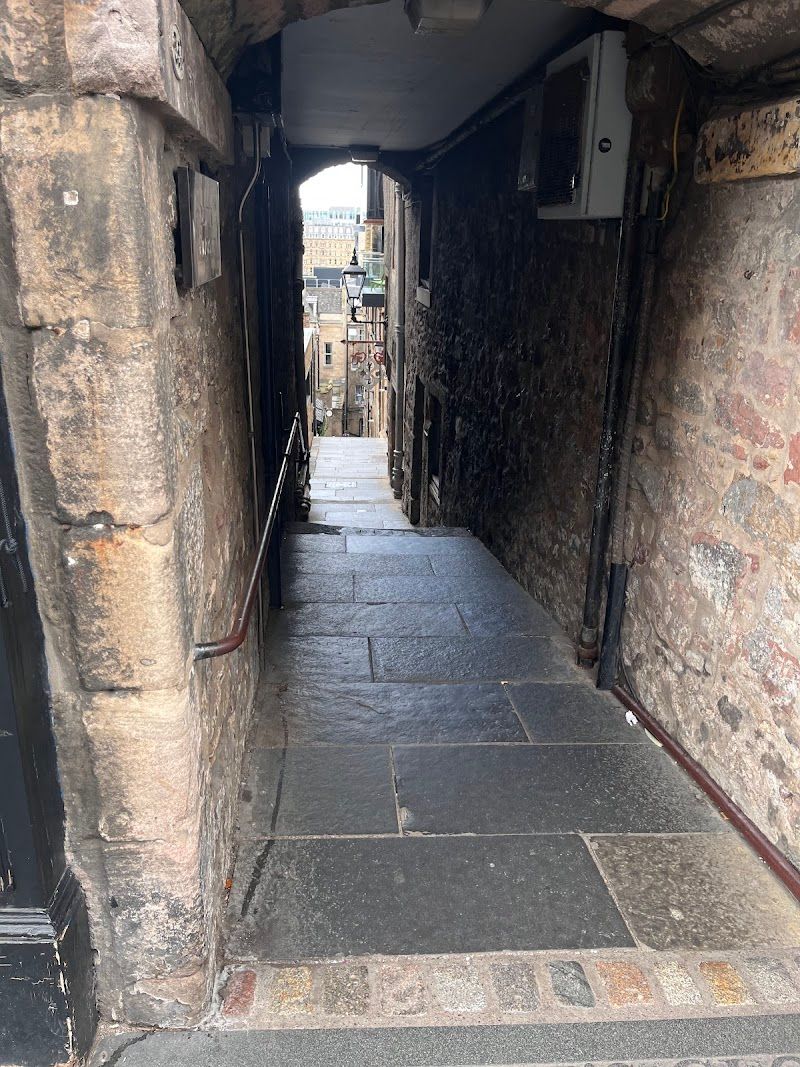
Real Mary King's Close
Mary King's Close is a series of narrow underground streets that were built over in the 17th century when the Royal Exchange (now the City Chambers) was constructed on top of them. The result is a preserved section of 17th-century Edinburgh frozen in time: the tenement buildings (truncated at the level of the new construction above), the narrow close, the rooms where families lived and worked, all sealed beneath the modern street. Guided tours run for 75 minutes and cover five or six of the rooms: the anatomy chamber (where the bodies from the anatomy trade were prepared), a room associated with the plague outbreaks of the 1640s, and the preserved domestic spaces of a 17th-century merchant family. The guides are costumed and the storytelling includes both factual history and the ghost stories that have accumulated around the close since the 18th century. The tour is underground and slightly claustrophobic in places: the closes are genuinely narrow (two people can barely pass) and the ceilings are low. GBP 19 adult, booking ahead is essential in summer. The entrance is on the Royal Mile, marked by a discreet sign at 2 Warriston's Close. Tours run from 10 AM to 9 PM in peak season. The close is approximately 10 metres below the current street level.
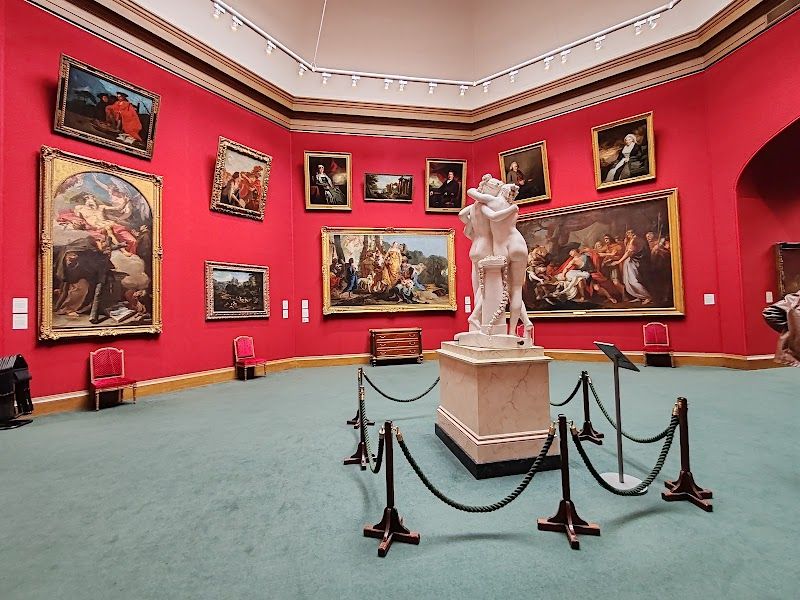
Scottish National Gallery
Scotland's premier art collection sits in a gorgeous neoclassical temple on The Mound, housing everything from Botticelli to Van Gogh. You'll find masterpieces by Velazquez, Raphael, and Rembrandt alongside the world's finest collection of Scottish painting. The Raeburn portraits alone justify the visit: these luminous 18th-century works capture Edinburgh's golden age society with extraordinary skill. Entry is completely free, making this one of Europe's best art bargains. The galleries flow logically through interconnected rooms, starting with European masters on the main floor before leading you to Scottish works below. The building itself is spectacular: soaring ceilings, perfect natural light, and elegant proportions that make even familiar paintings feel fresh. You'll notice how quiet it stays compared to London's packed galleries. The Scottish collection downstairs often feels like your private viewing room, especially the Raeburn portraits which glow under perfect lighting. Most guides oversell the European masters while ignoring the real treasure: those Scottish works downstairs. Skip the crowded Impressionist room if you're short on time and head straight to the lower galleries. The Raeburn portraits are genuinely world class, not just good "for Scottish art." Budget two hours if you want to see everything properly, though you could easily spend longer with the Scottish collection alone.
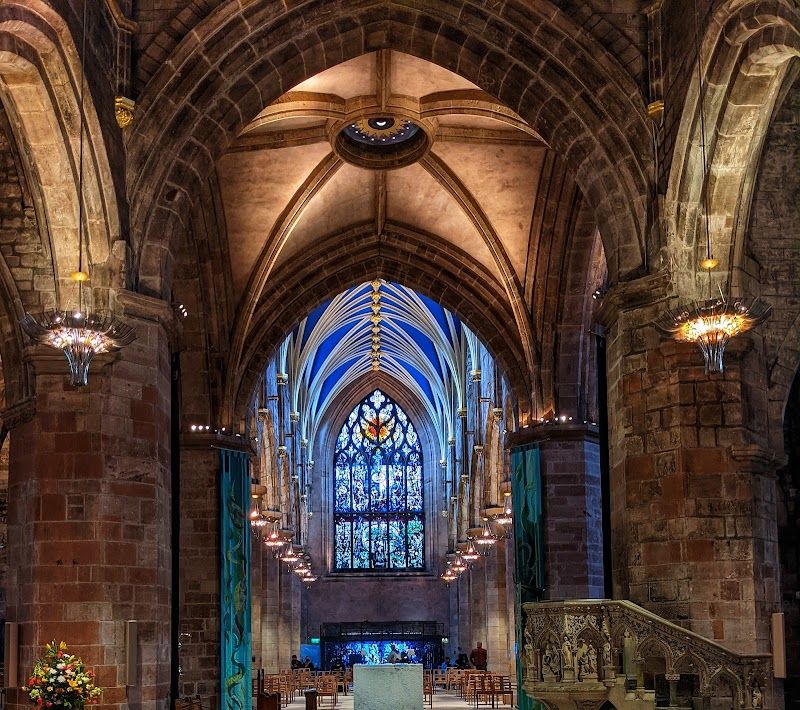
St Giles' Cathedral
St Giles' Cathedral dominates the Royal Mile with Scotland's most recognizable crown spire, a 161-foot stone masterpiece that's been Edinburgh's skyline anchor since 1495. You're here for the Thistle Chapel, an extraordinary carved wood shrine to Scotland's highest order of chivalry that took six years to complete. The nave feels surprisingly intimate for such an important kirk, with beautiful stained glass windows telling Scottish history through colored light. John Knox preached from the pulpit here, and you can still feel the weight of Scotland's religious upheavals in the stone walls. Walking through feels like entering Scotland's spiritual heart rather than a tourist attraction. The Thistle Chapel stops most visitors cold with its intricate heraldic carvings, angels playing bagpipes, and tiny carved thistle details everywhere you look. The main cathedral stays refreshingly quiet compared to the Royal Mile chaos outside, with soft organ music often drifting through the space. Volunteers share genuinely interesting stories if you show interest, and the lighting creates dramatic shadows across the medieval stonework throughout the day. Most guides oversell the historical significance and undersell how beautiful it actually is. Entry costs nothing, though they request a £3 donation that's genuinely worth paying. Skip the audio guide at £3, the volunteer stories are much better. The Thistle Chapel photography gets tricky with mixed lighting, so don't expect Instagram perfection. Come early morning or late afternoon when tour groups thin out and the stained glass catches the best light.
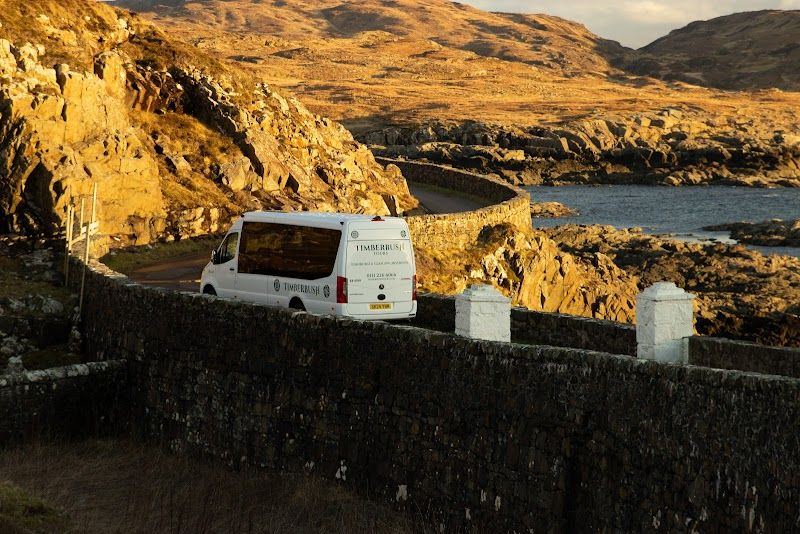
Timberbush Tours
Timberbush Tours runs proper Highland day trips from Edinburgh Castle Terrace, taking you deep into Loch Lomond and the Trossachs or up to Loch Ness and Inverness in comfortable coaches. You'll cover serious ground in 12.5 hours, stopping at scenic viewpoints, Highland villages like Callander or Fort Augustus, and getting proper photo opportunities at famous lochs. The guides know their Scottish history and geology, pointing out clan territories, battlefields, and explaining how those dramatic landscapes formed. The experience feels like a Highland road trip with 40 other people, departing at dawn and returning after dark. Your coach winds through increasingly dramatic scenery as you head north, with the guide providing commentary while you watch mountains and lochs unfold through large windows. Photo stops come every hour or so, giving you time to stretch legs and capture those postcard shots. The atmosphere stays relaxed and social, with fellow travelers sharing excitement at each spectacular viewpoint. Most tour companies oversell these trips as magical experiences, but Timberbush delivers solid value at £35 to £55 per person. September and October really are spectacular for autumn colors, worth paying the higher seasonal rates. Skip the Loch Ness tour if you're expecting monster sightings, the Trossachs route offers better scenery overall. Book directly online for best prices, though walk ups usually work outside peak summer months.
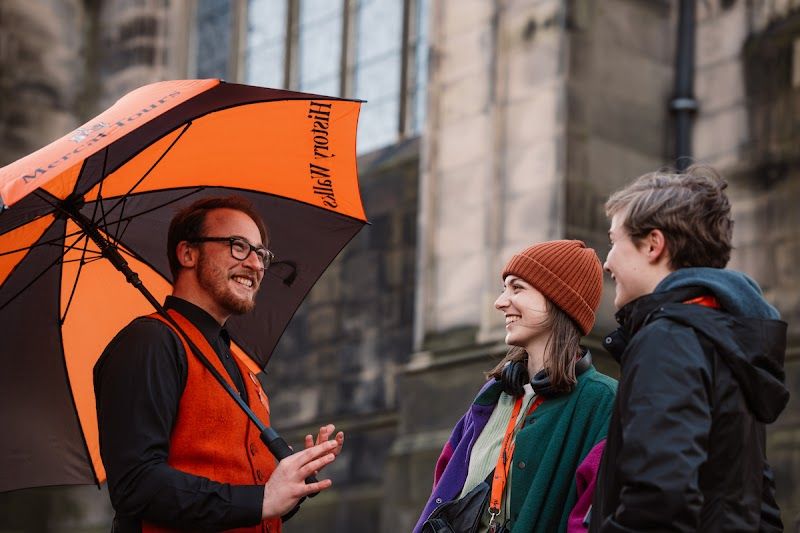
Mercat Tours
Mercat Tours takes you into Edinburgh's South Bridge vaults, a network of chambers built in the 18th century that became overcrowded slums housing the city's poorest residents. You'll walk through stone-walled rooms where families once lived in squalid conditions, learning about plague outbreaks and the desperate lives of vault dwellers. The 90-minute tour combines historical facts with ghost stories, though the real history of these underground spaces is genuinely more chilling than the paranormal tales. Your guide leads groups of 15-20 people through dimly lit chambers using handheld lanterns, creating an atmospheric experience that feels authentically eerie. The vaults stay at a constant cool temperature year-round, and you'll hear water dripping from the stone ceiling as you move between rooms. The historical storytelling is excellent, with guides explaining how these spaces transformed from storage areas to desperate housing, then to criminal hideouts before being abandoned and rediscovered. At £14-16 per person, this delivers better value than Edinburgh's pricier ghost walks that stick to street level. The 9pm tour really is superior with smaller groups and more dramatic lighting effects. Skip the add-on graveyard portion if offered, it feels rushed and the vaults are the real draw here. Book directly through their Blair Street office to avoid online fees, and wear layers since it gets cold underground regardless of the weather above.
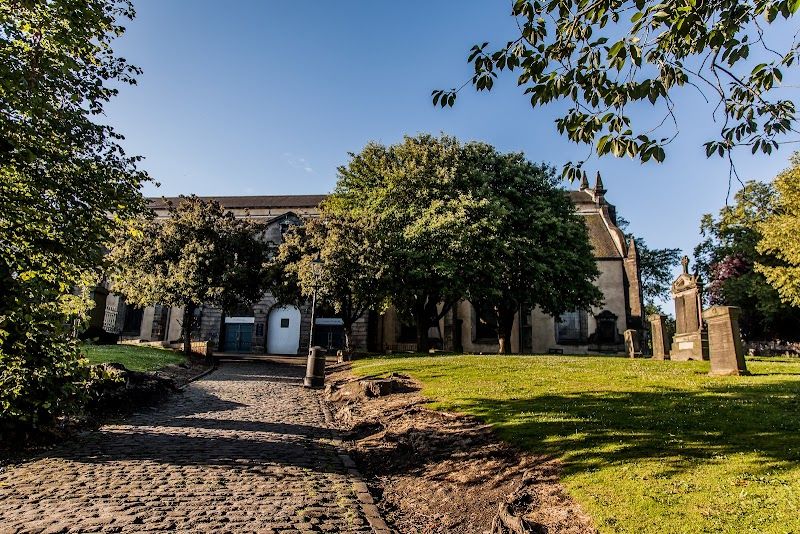
Greyfriars Kirkyard
Greyfriars Kirkyard is a 16th-century graveyard where Scotland's Presbyterian revolution began in 1638 when the National Covenant was signed on a flat tombstone (you can still see the marker). You'll find elaborate 17th-century table tombs, towering monuments to Edinburgh's merchants and nobles, and the small headstone marking Greyfriars Bobby's grave right by the kirk entrance. The atmospheric setting draws ghost tour groups nightly, but the real draw is the incredible collection of carved stones and the tangible sense of Scottish history. Walking through feels like browsing an outdoor museum of death. The elaborate mausoleums along the perimeter belong to wealthy families, while simpler headstones crowd the center areas. You'll spot tour groups gathering around the Black Mausoleum (home to the famous Mackenzie Poltergeist), but the carved skull and crossbones symbols on older stones are equally captivating. The kirk itself stays locked most days, so focus on the graveyard's monuments and the views back toward Edinburgh Castle. Most ghost tours (£12-15) oversell the supernatural angle and pack 30 people into tight spaces between tombs. Visit during daylight first to actually read the inscriptions and appreciate the craftsmanship without someone shouting about poltergeists. The east wall area has the finest carved table tombs, while the newer Victorian section near Candlemaker Row is frankly boring. Skip the overpriced Greyfriars Bobby souvenirs at nearby shops.
Where to Eat
Restaurants and cafes in Old Town & Royal Mile
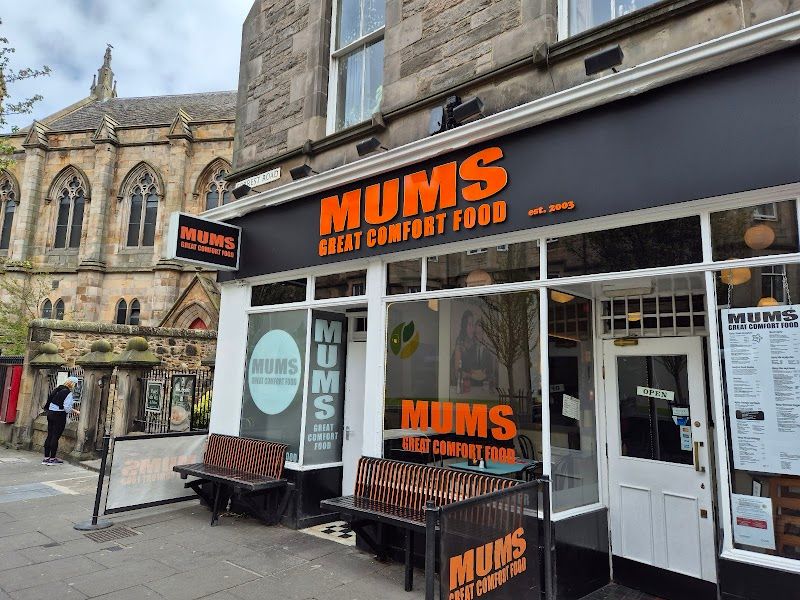
Mums Great Comfort Food
RestaurantNo-nonsense Scottish comfort food restaurant near the university serving massive portions of traditional fare. The haggis with neeps and tatties (GBP 13.50) and stovies (potato and meat stew, GBP 11) are authentic home cooking. Expect communal tables and a friendly bustle.
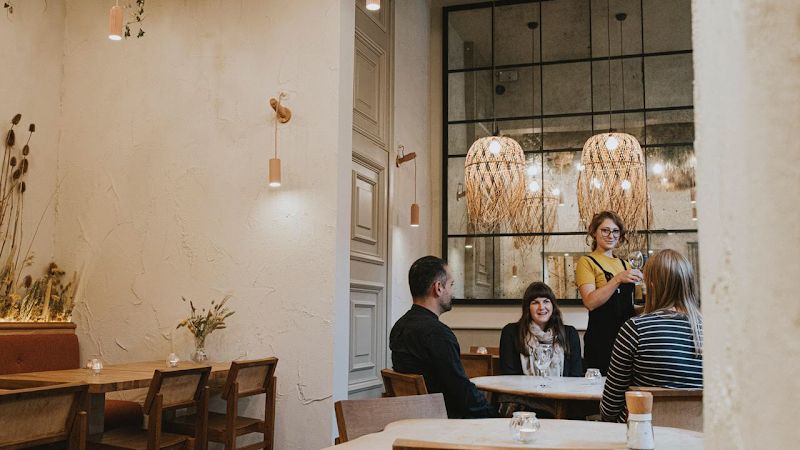
Henderson's Vegan Restaurant
RestaurantEdinburgh's original vegetarian restaurant, operating since 1962 and now fully vegan. This New Town institution serves wholesome, creative plant-based dishes in a cozy basement setting. Known for generous portions, live music evenings, and a loyal local following spanning generations.
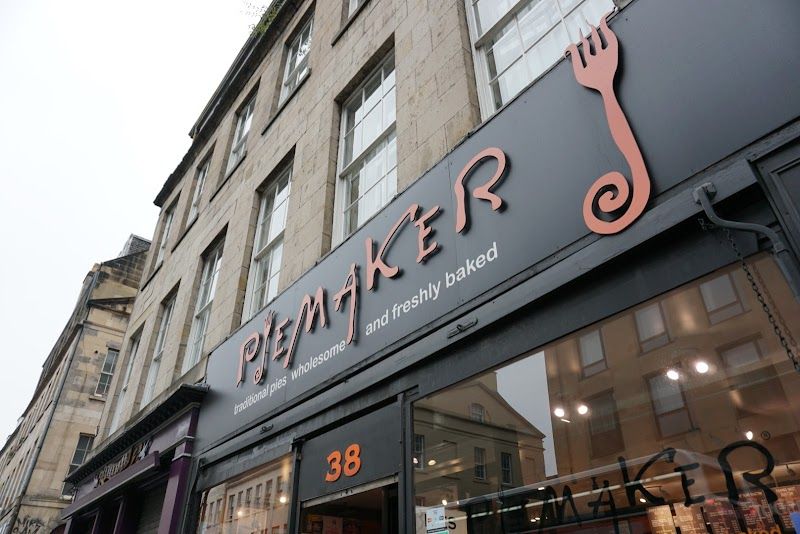
The Piemaker
RestaurantTraditional Scottish pie shop near South Bridge serving handmade savory pies with proper pastry. Choose from steak and ale, chicken and haggis, or vegetarian options (GBP 4-5 each), with mash and gravy adding GBP 2. Mostly takeaway with a few stools.
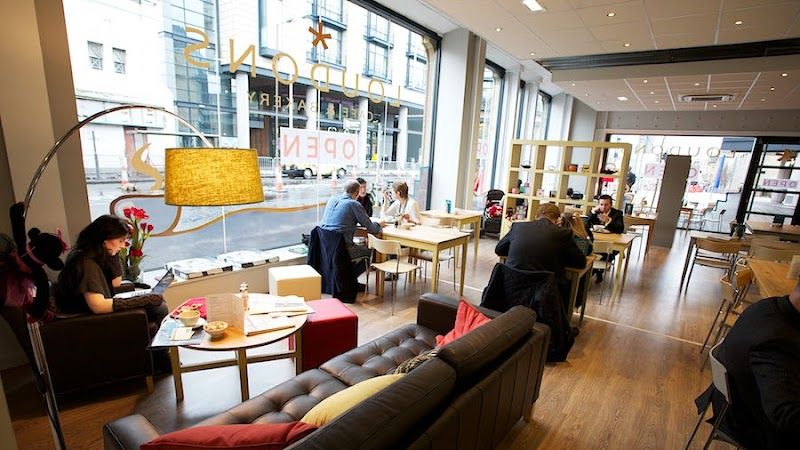
Loudons Fountainbridge
CafeA bakery and cafe with locations in Fountainbridge and Leith serving the best sourdough and croissants in Edinburgh for GBP 3 to 6. The Leith branch is known for its breakfast burrito at GBP 7, worth the weekend queue. Bright, spacious interiors with all-day brunch options and excellent coffee.
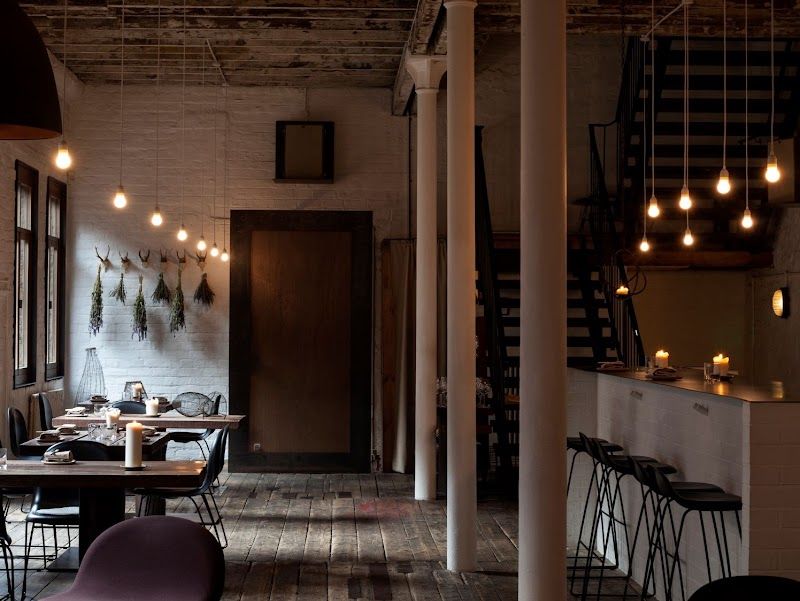
Timberyard
RestaurantMichelin-listed restaurant in a converted warehouse near Haymarket station with an open kitchen and industrial aesthetic. The seasonal tasting menu (GBP 75 for 6 courses) showcases Scottish ingredients with Nordic techniques. A la carte lunch menu offers better value at GBP 18-26 per main.
Getting Here
On Foot
Entirely walkable but hilly. The Royal Mile is relatively flat east-west but the closes descending to Princes Street or the Grassmarket involve significant steps. The walk from Waverley Station to the Castle Esplanade is 15-20 minutes uphill.
Insider Tips
The closes are the real Old Town
The Royal Mile itself is heavily touristed. The closes (the narrow alleys running off either side) are where the medieval city is still legible. Dunbar's Close Garden (off Canongate) is a free formal garden that most visitors walk past without noticing. Advocate's Close gives the best downhill view toward the New Town and the Firth. Fleshmarket Close connects the Royal Mile to the Cockburn Street curve below - it is steep, narrow, and genuine.
Grassmarket for pubs, not the Royal Mile
The pubs on the Royal Mile charge 20-30% more than the Grassmarket for the same pint. The Bow Bar on West Bow (at the top of Victoria Street, GBP 4.50-6 for a pint of cask ale) has one of the best draught ale selections in Scotland and a whisky list of over 200 bottles. The White Hart Inn on the Grassmarket itself is older and more atmospheric. Both serve haggis with neeps and tatties for GBP 12-15.
Edinburgh Castle at 9:30 AM
The castle opens at 9:30 AM. Arriving at opening gives you the Crown Room (Honours of Scotland and the Stone of Destiny) before tour groups arrive - the queue at the Crown Room by 11 AM can be 20-30 minutes. Buy tickets online (GBP 19.50) to use the priority lane. The One O'Clock Gun fires daily at 1 PM from the Half Moon Battery.
Nearby Neighborhoods
Continue exploring
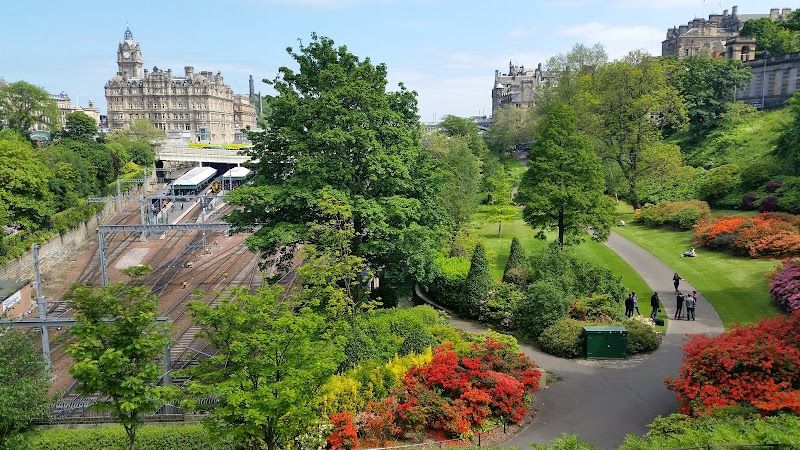
New Town & Princes Street
Edinburgh's Georgian answer to the Old Town: wide streets, crescents, and gardens planned in the 1760s, with the Scottish National Gallery, the best hotels, and the view of the Castle from Princes Street.
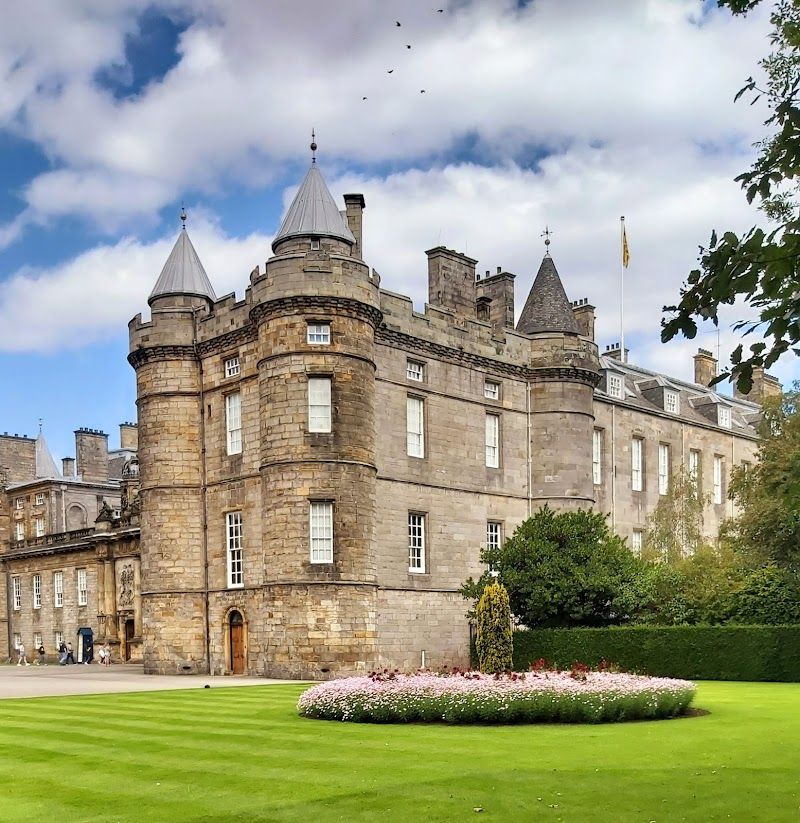
Holyrood & Arthur's Seat
The eastern end of the Royal Mile: the royal palace, the Scottish Parliament, and an extinct volcano rising to 251 metres above the city with nothing between the summit and the Firth of Forth.
Leith
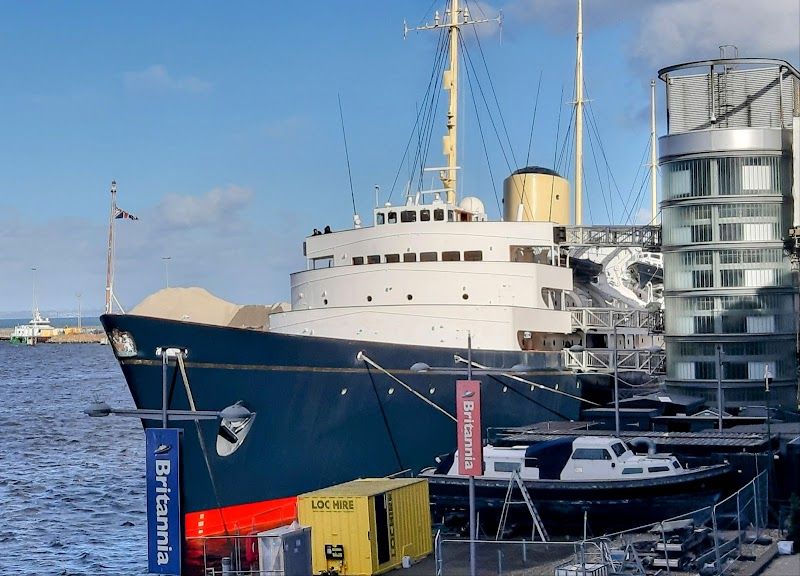
Edinburgh's port district 3 miles from the Old Town: the Royal Yacht Britannia, The Shore waterfront restaurants, the Pitt Market street food scene, and the best serious dining in the city.
Plan a trip featuring Old Town & Royal Mile
Get a personalized Edinburgh itinerary with Old Town & Royal Mile built in.
Start Planning