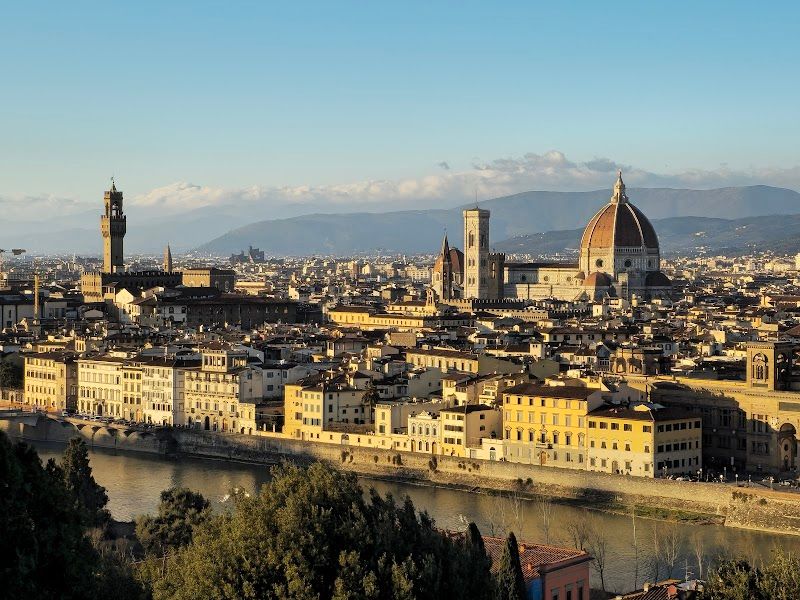
5 Days: The Complete Florence Experience
Everything in the 3-day itinerary plus a Chianti day, Siena, and the Bargello
Five days covering the major museums, the Oltrarno lived experience, a day in the Chianti wine region, and a day trip to Siena with the most beautiful square in Italy.
5 Days: The Complete Florence Experience
Five days is the perfect amount of time to fall in love with Florence without feeling rushed. You'll hit all the major masterpieces, discover why the Oltrarno feels like a different city, drive through postcard Chianti vineyards, and still have time for a proper gelato crawl. This itinerary balances the tourist musts with the local rhythms, giving you mornings in world-famous museums and afternoons wandering neighborhoods where Florentines actually live. By day five, you'll know which gelateria has the best pistachio and feel confident navigating those medieval streets without Google Maps.
Renaissance Masterpieces and Golden Hour Views
Your first day hits Florence's greatest hits, and there's a reason they're famous. You'll spend the morning face-to-face with Botticelli's Venus and the afternoon staring up at Michelangelo's David, then watch the sun set over the city's terracotta rooftops. It's touristy, yes, but these masterpieces earned their reputations. The crowds are worth it.
- Uffizi Gallery
- Accademia (Michelangelo's David)
- Piazzale Michelangelo sunset
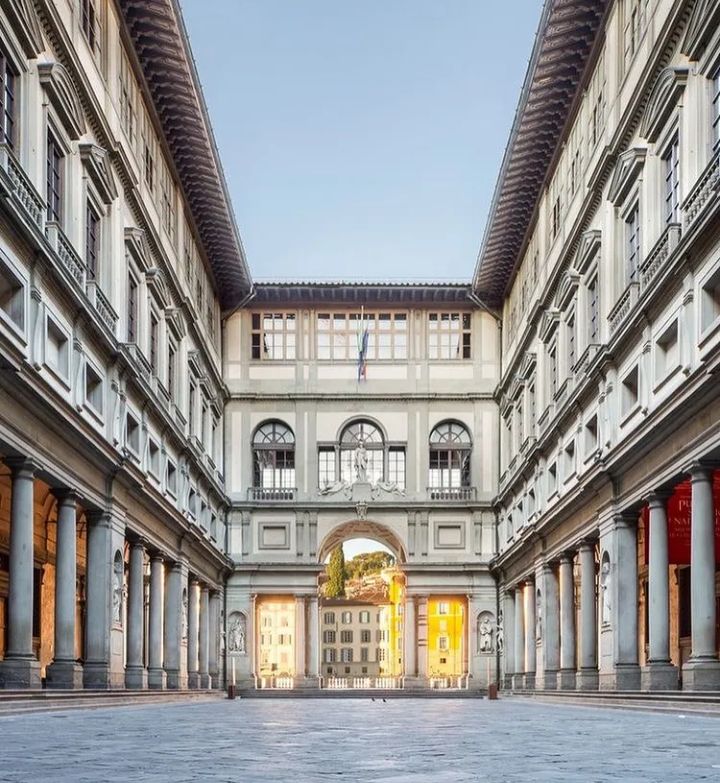
Start early at the Uffizi Gallery (EUR 20, book timed entry weeks ahead). The museum opens at 8:15am and those early slots mean you'll have Botticelli's Birth of Venus and Primavera practically to yourself for the first hour. Skip the audio guide and focus on rooms 10-14 where the real masterpieces live. In room 15, Caravaggio's Bacchus looks drunk and slightly green, exactly as intended. The whole visit takes about 2.5 hours if you don't try to see everything.
Walk to Piazza della Signoria next door, where the outdoor sculpture gallery is free and includes a copy of Michelangelo's David (the original used to stand here before pollution concerns). The Neptune fountain is genuinely ugly, locals call it 'Il Biancone' (the white giant), but the medieval Palazzo Vecchio behind it looks like a fortress because it was one. Grab a coffee at Cafe Rivoire on the square (EUR 4 standing, EUR 8 sitting) for people watching.
After lunch, head to the Accademia Gallery (EUR 12, also requires advance booking) for Michelangelo's actual David. The statue is larger than you expect, 17 feet tall, and his hands look oversized because Michelangelo intended viewers to look up at him. The hall leading to David displays his unfinished Prisoners, where you can see his technique of 'releasing' figures from marble. Ignore everything else in the museum, it's mostly forgettable religious art.
End your day at Piazzale Michelangelo for sunset. It's a 20-minute uphill walk from the center, or take bus 12 (EUR 1.50) if your feet are tired. Yes, it's touristy and crowded, but the view over Florence at golden hour is legitimately spectacular. The bronze copy of David up here is much smaller and frankly pointless, but the panorama makes you understand why the Renaissance happened in this valley.
For dinner, head to Trattoria Za Za near the central market (Via del Mercato Centrale 26r). Their pici all'aglione (hand-rolled pasta with tomato and garlic, EUR 14) is simple and perfect, and the house Chianti (EUR 18/bottle) is drinkable. It's touristy but the food is still good and the atmosphere feels authentically chaotic and Italian.
Climbing the Dome and Crossing the River
Today you'll climb inside Brunelleschi's impossible dome, then cross the Arno to discover the Florence that feels like a medieval village. The Oltrarno is where artisans still work in tiny workshops and locals do their shopping. After the crowds at the Duomo, the quiet tree-lined avenues around Pitti Palace feel like a different city entirely.
- Duomo dome climb
- Oltrarno neighborhood
- Pitti Palace gardens
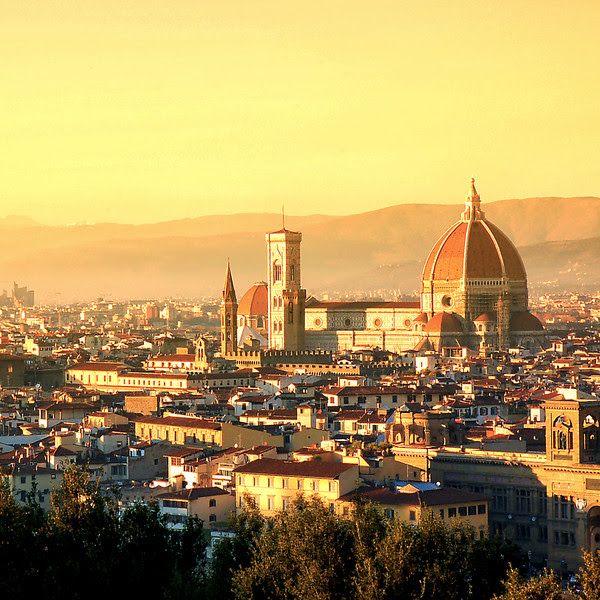
Book the first Duomo dome climb slot at 8:30am (EUR 30, must reserve online). The 463 steps wind between the inner and outer shells of Brunelleschi's dome, getting narrower and steeper as you go. Halfway up, you emerge onto a narrow walkway inside the dome where you can see Giorgio Vasari's Last Judgment frescoes up close. They're mediocre art but incredible engineering. The final section is genuinely claustrophobic, but the 360-degree view from the top shows you Florence's red-tiled roofs stretching to the hills.
After climbing down, walk around the Duomo's exterior to appreciate Brunelleschi's achievement. The green, white, and pink marble facade looks like a wedding cake but was actually completed in the 1800s. The real marvel is the dome itself, which shouldn't be able to stand up but does thanks to a revolutionary double-shell design that used no flying buttresses.
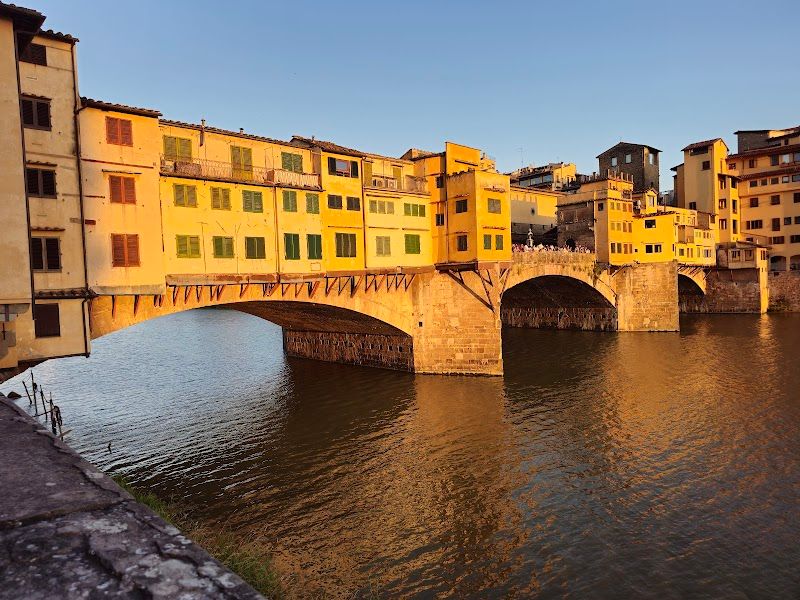
Cross Ponte Vecchio (ignore the overpriced jewelry shops) to reach Oltrarno. The bridge has been lined with shops since the 1400s, and the elevated Vasari Corridor runs overhead. Once across, you're in a different Florence. Via Santo Spirito feels residential and calm, with small bars where you can get a proper espresso for EUR 1.20 instead of tourist prices.
Spend the afternoon at Pitti Palace (EUR 16 for Palatine Gallery). The palace itself is overwhelming and full of forgettable baroque rooms, but the Boboli Gardens behind it (included in ticket) are where Florentines go to escape the crowds. The gardens climb up the hill behind the palace, with tree-lined avenues, sculptures, and views back over the city. In spring, the wisteria tunnels smell incredible.
End your afternoon in Piazza Santo Spirito, the Oltrarno's main square. The church facade looks unfinished because it is, but Brunelleschi's interior is perfect Renaissance proportions. The square fills up with locals in late afternoon, and the bars around the edges serve aperitivo from 6pm. This is Florence without tour groups.
For dinner, try Trattoria del Carmine (Piazza del Carmine 18r). Their ribollita (Tuscan bread soup, EUR 12) is the real thing, thick and warming, and their bistecca alla fiorentina for two people (EUR 60, about 1.2kg) is dry-aged Chianina beef grilled rare. The wine list focuses on small Tuscan producers and the atmosphere feels like a neighborhood restaurant, which it is.
Monks, Frescoes, and Your First Bistecca
Your final day of Florence proper takes you from Fra Angelico's serene monk cells to revolutionary Renaissance frescoes that influenced Michelangelo himself. You'll spend the afternoon watching artisans work with techniques unchanged since the 1400s, then celebrate with the most Florentine meal possible: a massive T-bone steak that arrives bloody and perfect.
- San Marco monastery
- Brancacci Chapel frescoes
- Artisan workshops tour
Start at San Marco (EUR 8), the 15th-century Dominican monastery where Fra Angelico painted frescoes in every monk's cell. The highlight is the Annunciation at the top of the stairs, but each cell upstairs has a different biblical scene painted as a meditation aid. Cell 7's Mocking of Christ is particularly moving. The museum is never crowded and feels peaceful after yesterday's tourist masses. Savonarola lived here before his execution, and you can see his simple cell.
Walk to the Brancacci Chapel in Santa Maria del Carmine (EUR 10, timed entry required). Masaccio's frescoes here revolutionized painting by introducing realistic perspective and human emotion. The Expulsion from the Garden of Eden shows Adam and Eve's faces contorted in genuine anguish, something no medieval artist had attempted. Michelangelo studied these frescoes as a student. The chapel only holds 30 people and visits are limited to 15 minutes, but that's enough to see why these paintings changed art history.
Spend your afternoon exploring San Frediano's artisan workshops. Start at Stefano Bemer (Via San Niccolò 2) where they make bespoke shoes using 15th-century techniques, stitching by hand and lasting over wooden forms. Even if you're not buying (shoes start at EUR 2000), watching the craftsmen work is mesmerizing. Nearby, Scarpelli Mosaics (Via dei Fossi 72r) creates pietra dura inlays using the same semi-precious stone techniques that decorated Medici chapels.
End at Bartolozzi e Maioli (Via dei Fossi 46r) where they bind books by hand and create marbled paper using a water-floating technique brought from Turkey in the 1600s. The patterns swirl differently each time, and you can buy sheets for EUR 8-15. These workshops survive because Florence still values craftsmanship over mass production.
For your farewell dinner, book Il Latini (Via dei Palchetti 6r) for the full bistecca experience. This family-run trattoria has been serving the same menu since 1965. The bistecca alla fiorentina (EUR 50 per kg, minimum 1.2kg for two people) arrives charred outside and rare inside, seasoned only with salt, pepper, and lemon. It's chewy, bloody, and perfect with a bottle of Brunello (EUR 45). The atmosphere is loud, crowded, and completely authentic. Reservations essential.
Chianti Wine Country Adventure
Today you escape Florence for the rolling hills that produce Italy's most famous wine. You'll drive through postcard landscapes of cypress trees and stone villages, meet a legendary butcher who quotes Dante while carving meat, and taste Chianti at family estates where the same vineyards have been tended for centuries. This is Tuscany at its most cinematic.
- Greve in Chianti market town
- Dario Cecchini butcher experience
- Vineyard tastings
Rent a car from Hertz or Avis near Santa Maria Novella station (EUR 50-70/day including insurance). Florence's city center driving is nightmarish, but once you're on the SR222 heading south, the road winds through classic Tuscan landscape. The 40-minute drive to Greve in Chianti takes you past vineyard-covered hills, medieval castles, and cypress-lined drives that look exactly like Renaissance paintings.
Greve in Chianti is the region's unofficial capital, built around a triangular piazza lined with wine shops and cafes. If you're here on Wednesday, the weekly market fills the square with local producers selling everything from pecorino cheese to wild boar salami. Visit Falorni (Piazza Matteotti 69) for the best selection of local wines and to see hundreds of salami hanging from the ceiling like edible chandeliers.
Drive 15 minutes to Panzano in Chianti to meet Dario Cecchini, Italy's most famous butcher. His shop Antica Macelleria Cecchini (Via XX Luglio 11) feels like theater, with Dario reciting Dante while breaking down Chianina cattle and classical music echoing off marble counters. He doesn't sell individual cuts but runs three restaurants next door. Book lunch at his Solociccia (EUR 30 fixed price) for a meat-only experience that includes eight different preparations of beef, from tartare to roasts.
After lunch, visit two family wine estates for tastings. Castello di Verrazzano (EUR 15 for tasting) offers tours of their 1000-year-old cellars and tastings that include their Chianti Classico alongside olive oil and honey. The family has made wine here since 1170. Alternatively, Vignamaggio (EUR 25 for premium tasting) is where they filmed parts of Much Ado About Nothing, and their Monna Lisa Chianti is excellent.
For a proper agriturismo lunch experience instead of Cecchini, try Osteria di Passignano (Via di Passignano 33) between Greve and Radda. Their pici with wild boar ragu (EUR 18) uses meat hunted in the surrounding forests, and the terrace overlooks vineyards that stretch to the horizon. With wine, expect EUR 35-40 per person for a long, lazy lunch that captures why Tuscans invented the concept of slow food.
Drive back to Florence via Castellina in Chianti, stopping to walk the medieval walls and browse the enotecas on Via Ferruccio. The drive back takes about an hour, winding through golden countryside that looks impossibly perfect in late afternoon light. Drop the rental car and take a taxi to dinner, because you'll have had enough wine that driving in Florence would be both illegal and terrifying.
Hidden Sculptures and Final Flavors
Your final day starts with Florence's most underrated museum, home to sculptures that are just as important as David but seen by a fraction of the visitors. You'll discover quiet Renaissance squares that tour groups miss, then end with a systematic exploration of the city's best gelato, because if you're leaving Florence tomorrow, you need to know definitively which pistachio is supreme.
- Bargello Museum
- Renaissance squares
- Epic gelato crawl
The Bargello Museum (EUR 9) houses the world's greatest collection of Renaissance sculpture in a former prison that still feels slightly sinister. Donatello's bronze David, the first nude sculpture since antiquity, stands in the courtyard looking nothing like Michelangelo's version. This David is young, almost feminine, with a mysterious smile that art historians still debate. Upstairs, Michelangelo's early Bacchus looks drunk and off-balance on purpose, showing the artist's genius before he was 25.
The museum also holds masterpieces by Cellini, Ghiberti, and della Robbia that would be headline attractions anywhere else. Cellini's bronze models for Perseus show the artist's working process, and the Islamic art collection on the first floor includes pieces that influenced Renaissance decorative arts. Most tourists skip the Bargello entirely, making it Florence's best-kept secret for seeing world-class art without crowds.
Walk to Piazza Santissima Annunziata, Florence's most elegant square that most visitors never find. The three sides of porticoed buildings create perfect Renaissance symmetry, and the morning light filters through the arches beautifully. The Ospedale degli Innocenti on the eastern side, designed by Brunelleschi, was Europe's first orphanage and features terra-cotta roundels by Andrea della Robbia showing babies in swaddling clothes.
Inside the Ospedale (EUR 7), the museum tells the story of Florence's abandoned children through artifacts and art. The baby wheel where infants were left still exists, a revolving wooden cylinder that allowed anonymous drop-offs. The building itself shows Brunelleschi's architectural genius in a more intimate setting than the Duomo, with slender columns and perfect proportions that influenced institutional architecture across Europe.
Now for your systematic gelato crawl. Start at Vivoli (Via Isola delle Stinche 7r), operating since 1930 and serving dense, intensely flavored gelato from metal tins. Their pistachio tastes like actual nuts, not artificial flavoring, and the chocolate fondente is almost black. No cones here, only cups, and they close when they run out.
Continue to Gelateria della Passera (Via Toscanella 15r) in Oltrarno, where they make small batches daily and the flavors change seasonally. Their stracciatella has chunks of dark chocolate that crack between your teeth, and in winter, their chestnut gelato tastes like roasted nuts from the street vendors. The shop holds maybe eight people, so expect a wait.
Finish at La Sorbettiera (Piazza Tasso 11r), where they specialize in sorbettos made from fresh fruit. Their lemon sorbetto is intensely tart and refreshing, perfect after four days of heavy Tuscan food. The shop stays open later than most, making it perfect for an evening stroll through the Oltrarno as your Florence adventure winds down.
For your final dinner, return to a neighborhood trattoria you discovered earlier in the week, or try All'Antico Vinaio (Via dei Nisi 65r) for their legendary sandwiches (EUR 8-12) made with schiacciata bread, local salami, and aged cheeses. It's not fancy, but it's what Florentines eat when they want something delicious and quick. Grab a bottle of wine and find a spot along the Arno to watch the sunset reflect off the water one last time.
Ready to Visit Florence?
Get a personalized itinerary tailored to your travel style and interests.
Plan Your Florence TripMore Florence Guides
3 Days in Florence: First-Timer's Itinerary
Three days covering the Uffizi, the Accademia, the Duomo dome, and the Oltrarno, with exact prices, queue-skipping strategies, and the lampredotto sandwich you should eat before you leave.
12 min
Florence with Kids: Family-Friendly Guide
Florence with children is about choosing three things per day instead of eight. The secret passages in Palazzo Vecchio, the dome climb, Boboli Gardens for space, and a systematic gelato ranking exercise.
10 min
First Time in Florence: Everything You Need to Know
The Uffizi, Accademia, and Duomo dome all require advance booking. Gelato in tall bright piles is made from powder. July and August are brutal. The Oltrarno has better food at lower prices. Everything else you need before you arrive.
14 min