Italy
Florence
Botticelli, Michelangelo's David, a dome that changed architecture, and a T-bone steak the size of your head
Best Time
April-June and September-October
Ideal Trip
3-4 days
Language
Italian, English widely spoken in tourist areas
Currency
EUR
Budget
EUR 46-99/day (excl. hotel)
About Florence
Florence is the city that invented the Renaissance and has been living off the interest ever since. That sounds like a criticism, but it is not. The Uffizi has Botticelli's Birth of Venus and Primavera, Caravaggio's Medusa, and rooms of Raphael and Leonardo that would be the centrepiece of any other museum in the world but here are just Tuesday. The Accademia has Michelangelo's David, which you have seen in a thousand photographs and which will still stop you in your tracks when you turn the corner and see it at full scale. The Duomo has Brunelleschi's dome, which was the largest in the world when it was built in 1436 and is still the defining shape of the Florentine skyline. All of this in a city you can walk across in 30 minutes.
The problem with Florence is that everyone knows this. The centro storico is a UNESCO site that receives 15 million visitors a year in a city of 380,000 residents, and in July and August the streets between the Duomo and the Ponte Vecchio are a slow-moving river of tour groups, selfie sticks, and people eating EUR 5 gelato that was made from a powder. The trick is timing and geography. The Uffizi at 8:15 AM on a Tuesday in October is a different experience from the Uffizi at 2 PM on a Saturday in June. The Oltrarno (the south bank of the Arno) has artisan workshops, neighbourhood trattorias, and the Palazzo Pitti with no queue, and it is a 5-minute walk across the Ponte Vecchio from the crowds.
The food is Tuscan, which means simple, seasonal, and built on bread, olive oil, and meat. A bistecca alla fiorentina (the T-bone steak, minimum 1 kg, EUR 45-60, shared between two, cooked rare over wood, do not ask for it well done) is the signature dish and it is worth the price at a good trattoria. Ribollita (bread and vegetable soup), pappa al pomodoro (bread and tomato soup), lampredotto (tripe sandwich from a street cart, EUR 4-5, the Florentine street food that tourists are afraid of and locals eat for lunch) are the daily food. A glass of Chianti Classico at a neighbourhood enoteca costs EUR 5-7 and the quality is better than what you pay EUR 15 for at home.
Florence is also small enough to use as a base. Siena is 75 minutes by bus (EUR 9, the Piazza del Campo is the most beautiful square in Italy). San Gimignano is 90 minutes (the medieval towers). The Chianti wine region starts 30 minutes south, and a day of driving through the hills, stopping at estates for tastings (EUR 10-20) and lunch at a farmhouse restaurant, is one of the best day trips in Europe. Fiesole is 25 minutes by bus 7 (EUR 1.50, Roman amphitheatre, panoramic view of Florence, and a quieter version of the Tuscan hilltop experience).
Neighborhoods
Each district has its own personality
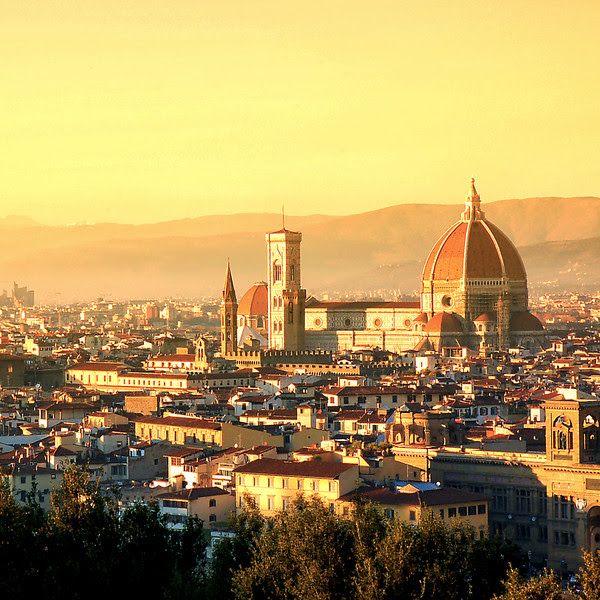
Duomo & Piazza della Signoria
The monumental heart: the dome on the skyline, the Uffizi packed with masterpieces, Piazza della Signoria as a free open-air sculpture gallery
Santa Croce
The neighbourhood east of the Signoria, anchored by the basilica with its famous tombs
Oltrarno (Santo Spirito)
The south bank neighbourhood where Florentines live
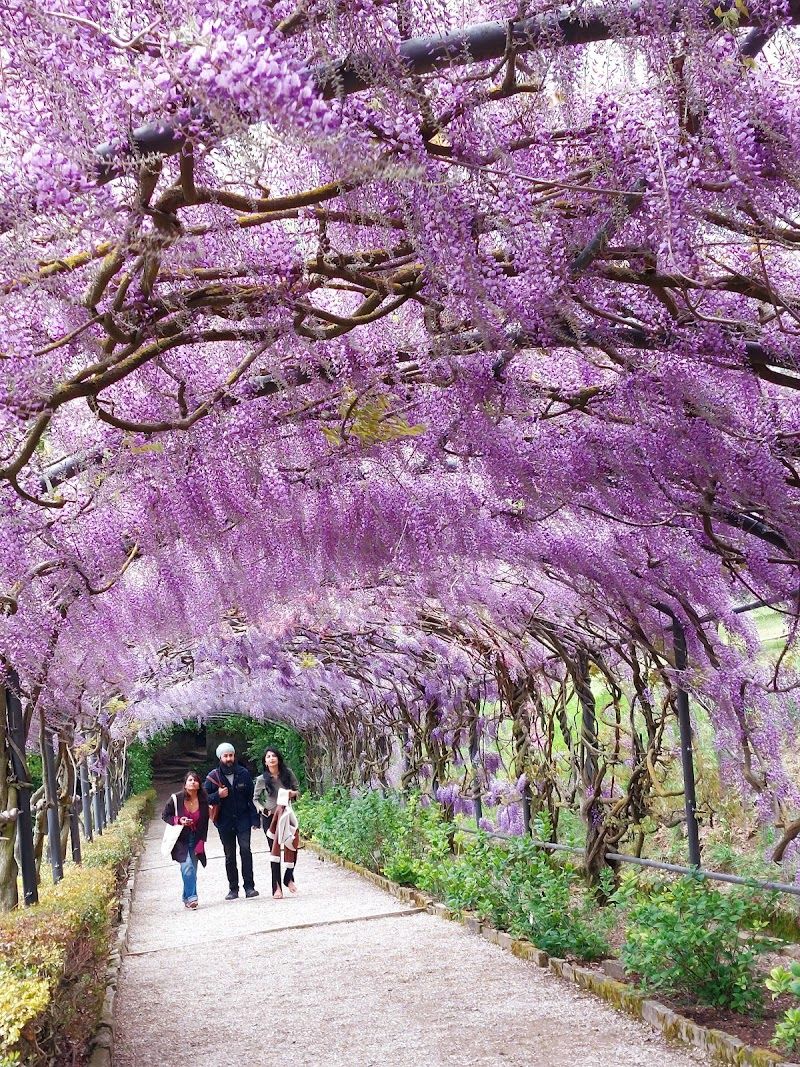
Palazzo Pitti & Boboli
The Medici palace complex: the Palatine Gallery with Raphael and Titian, the formal gardens climbing the hill, and the Bardini Garden's wisteria - a half-day that avoids the centro storico entirely
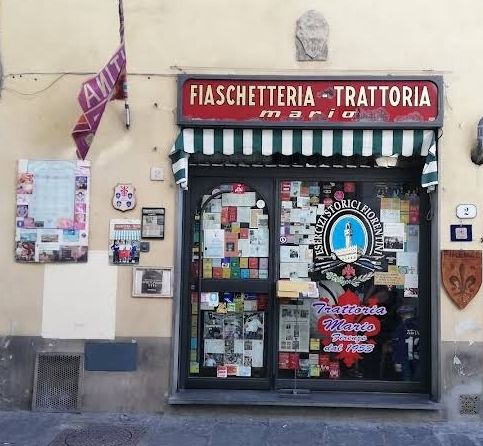
San Lorenzo & Mercato Centrale
The Medici church district: Michelangelo's sculptures in the New Sacristy, Brunelleschi's Old Sacristy, the central food market, and the outdoor leather market that surrounds it all
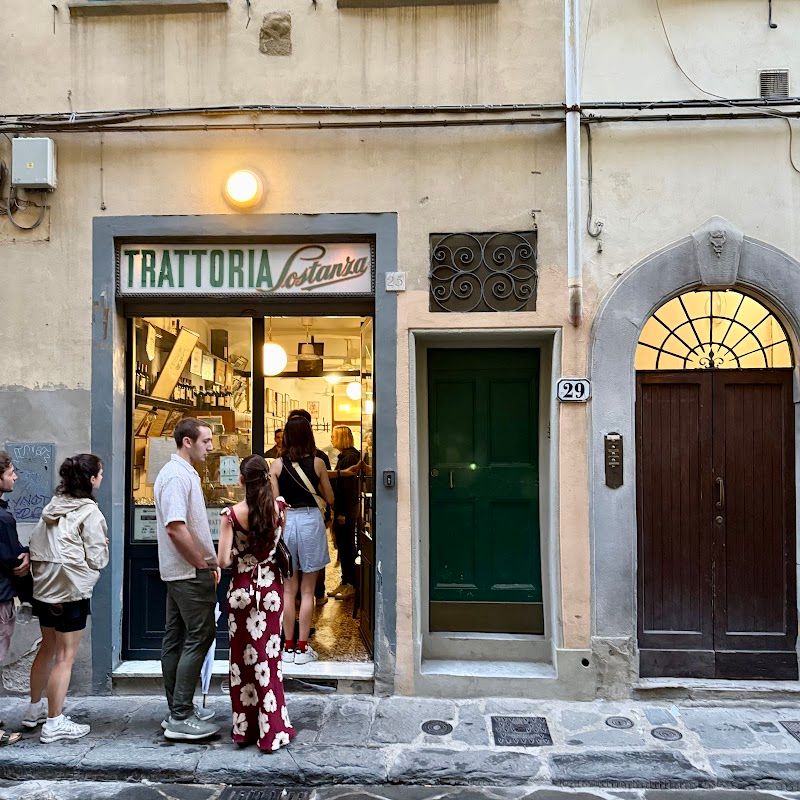
Santa Maria Novella
The western neighbourhood around the train station: the Dominican church with Masaccio's Trinity and Ghirlandaio frescoes, and the pharmacy founded by monks in 1612 that is still open
Things to Do
Top experiences in Florence
Ponte Vecchio
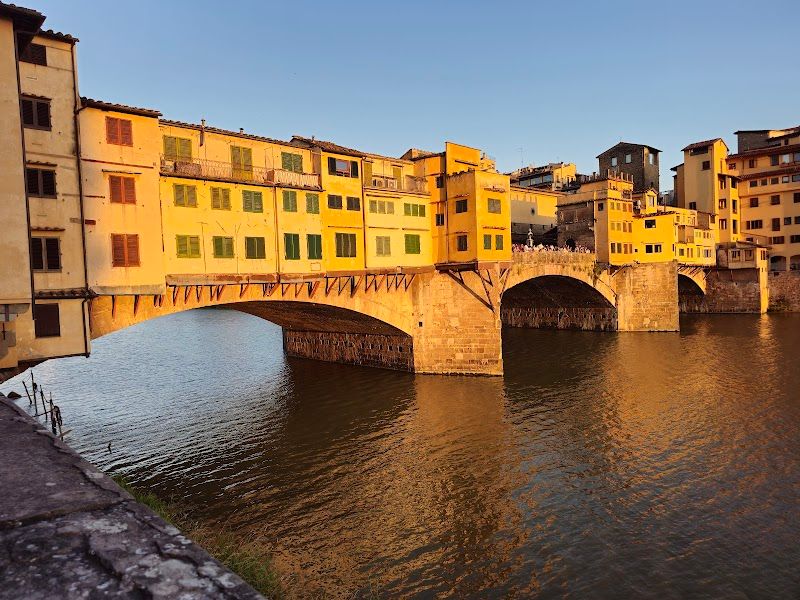
Ponte Vecchio is Florence's oldest bridge, rebuilt in 1345 and lined with jewelry shops that have operated here since 1593. You'll walk across stone arches over the Arno River while browsing gold vendors in tiny medieval storefronts. The bridge connects the city center to the Oltrarno district, and the famous Vasari Corridor runs above the shops, built so the Medici could cross privately between their palace and the Uffizi. The experience feels like walking through a covered market suspended over water. Jewelry shops display wedding rings, chains, and bracelets in windows barely wider than your outstretched arms. Crowds pack the narrow walkways, especially midday, making it slow going. The stone feels worn smooth by centuries of foot traffic, and you'll hear multiple languages as tour groups squeeze past local shoppers examining gold pieces. Most guides don't mention that prices here aren't inflated for tourists. Local families actually buy wedding rings from these shops, with 18k gold rings starting around 300 EUR. Skip the crowded afternoon visits. Come before 8:30 AM for photos without the masses, or return at sunset when the light turns everything golden. The best bridge photos are actually taken from Ponte Santa Trinita, not from Ponte Vecchio itself.
Piazzale Michelangelo
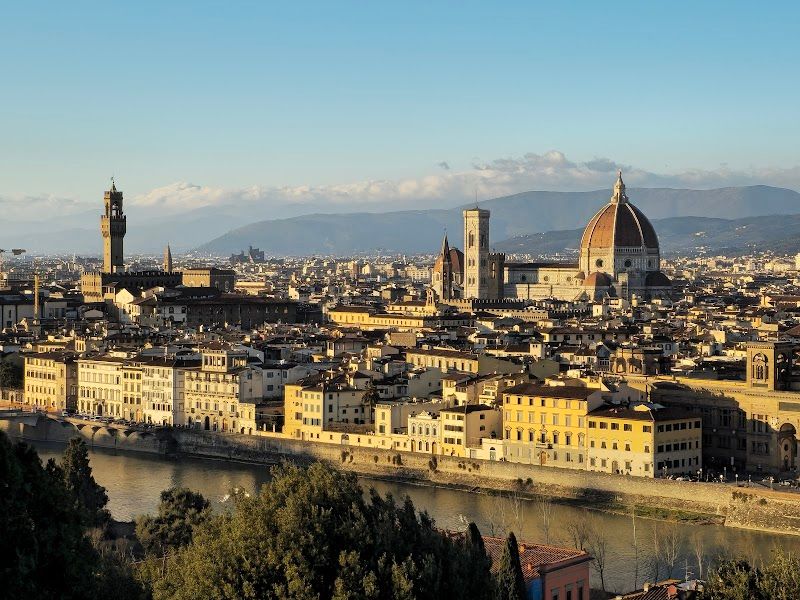
Piazzale Michelangelo sits 100 meters above Florence's red rooftops, delivering the city's most famous panoramic view without the crowds or entry fees of the Duomo. You'll see the entire historic center spread below: Brunelleschi's dome, the Arno snaking through ancient bridges, and the Tuscan hills rolling toward Fiesole. At the center stands a bronze copy of Michelangelo's David, though honestly, you're here for the vista, not the sculpture. The experience changes completely depending when you visit. Mornings feel peaceful with soft light perfect for photos, while sunset transforms the piazzale into an outdoor party. Locals arrive with wine bottles and claim spots on the stone steps, turning the viewpoint into Florence's most scenic aperitivo spot. The atmosphere gets festive but never rowdy, just dozens of people quietly watching the city glow golden as the sun drops behind the hills. Most guides don't mention that the walk up is actually pleasant, not punishing. The 15-minute climb from Piazza Ferrucci through the rose garden beats taking the bus, which drops you at the back entrance. Skip the overpriced bar on site and grab a €8-12 bottle from any enoteca below. The real insider move: visit twice, once for morning photos when it's empty, once for sunset when it's magical.
Florence Cathedral (Duomo) & Brunelleschi's Dome
Florence Cathedral and Brunelleschi's dome define the city's skyline, and climbing inside the dome is one of Europe's most extraordinary architectural experiences. The cathedral itself is free to enter, but the real prize is the EUR 30 combined ticket that gets you up 463 steps into Brunelleschi's engineering masterpiece. Built between 1420-1436, this is the world's largest masonry dome, constructed with a revolutionary double-shell technique that still baffles engineers today. The dome climb takes you between the inner and outer shells where you can see the construction techniques up close, then inside to view Vasari's Last Judgment frescoes from an impossibly intimate perspective. The narrow spiral staircases feel medieval and claustrophobic, especially in summer heat, but emerging onto the external lantern delivers sweeping views across Florence's terracotta rooftops to the Tuscan hills beyond. The cathedral floor looks tiny from up there, and you truly understand why this dome was considered impossible to build. Book your dome climb at least a week ahead during peak season, it sells out daily. The cathedral nave is underwhelming compared to the dome experience, so don't feel obligated to linger there. If dome tickets are sold out, Giotto's Bell Tower next door offers nearly identical views with shorter queues for the same EUR 30 ticket. Most people rush through, but take your time on the lantern to really absorb the panorama.
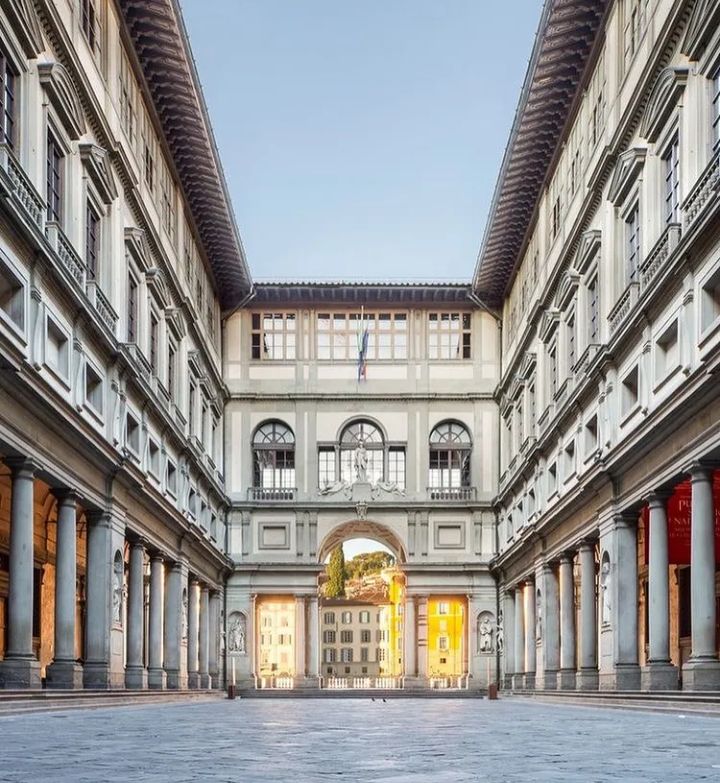
Uffizi Gallery
The Uffizi houses the world's finest collection of Renaissance art in what used to be the Medici family's administrative offices. You'll see Botticelli's Birth of Venus and Primavera in their full glory, plus works by Leonardo da Vinci, Raphael, Caravaggio, and Michelangelo that would anchor any other museum on earth. The building itself, designed by Vasari in 1560, stretches along the Arno with 45 galleries containing 500 years of artistic masterpieces. Walking through feels like a greatest hits tour of art history, but the crowds can be overwhelming. The early morning hours transform the experience: you'll have space to actually contemplate Botticelli's masterpieces instead of craning over selfie sticks. The Caravaggio rooms hit differently when you're not fighting for position, and you can actually read the details in Leonardo's unfinished Adoration of the Magi. The building's long corridors and high ceilings create dramatic sightlines, especially looking toward the Arno through ancient windows. Most visitors try to see everything and end up exhausted after two hours. Focus on Rooms 10 to 14 for Botticelli, Room 15 for Leonardo, and Rooms 26 to 27 for Raphael and Michelangelo, then call it a day. Skip the later rooms unless you're genuinely into Baroque painting. Admission costs EUR 25 but you'll pay EUR 4 extra for advance booking, which is absolutely essential. The audioguide adds EUR 8 but provides crucial context for understanding what you're seeing.
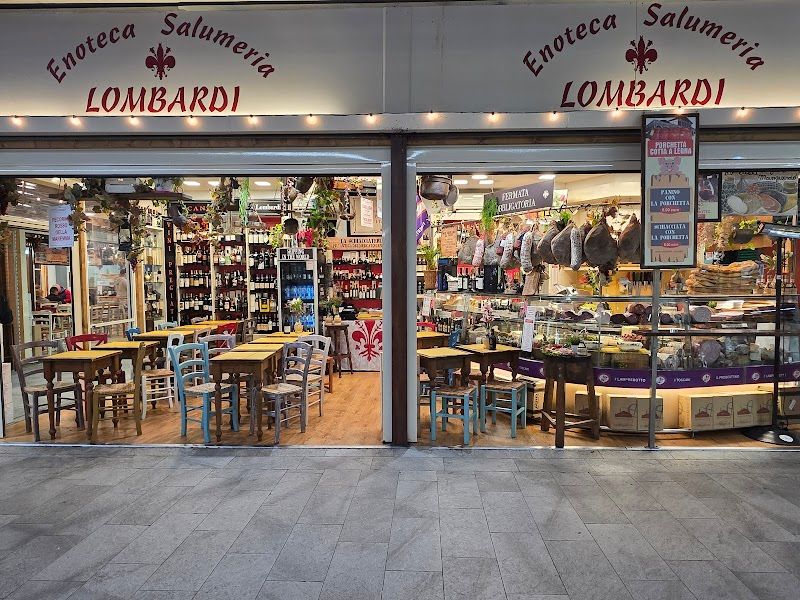
Mercato Centrale Firenze - Piano Superiore
Modern food hall on the second floor of the historic market with stalls from regional vendors. Florentine classics, fresh pasta, pizza, seafood, and wine bars under one roof. Open until midnight, communal seating.
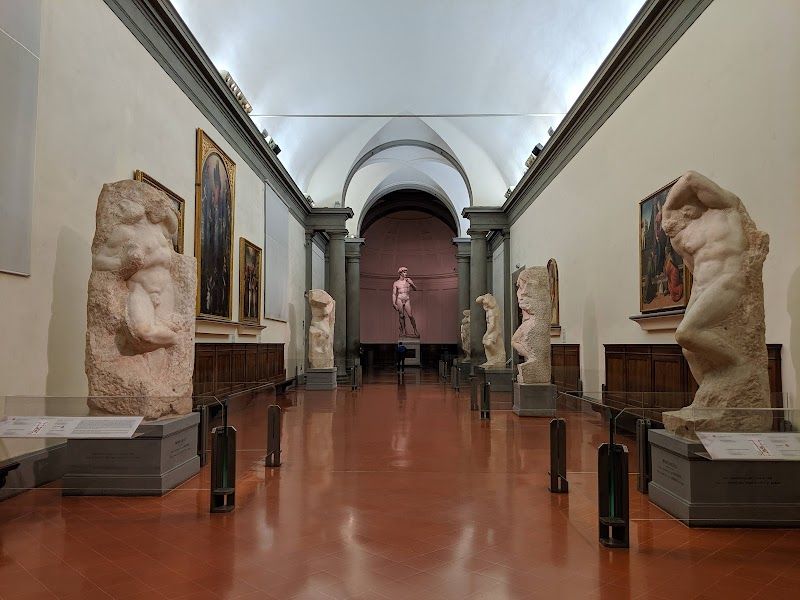
Accademia Gallery
The Accademia Gallery houses Michelangelo's David, the 17-foot marble masterpiece that's genuinely breathtaking in person. You'll also see his unfinished Prisoners sculptures, which show figures emerging from raw stone, plus a decent collection of Florentine paintings and Renaissance plaster casts. The Museum of Musical Instruments upstairs gets skipped by most visitors but contains beautiful historical pieces including Medici court instruments. The gallery feels intimate compared to the Uffizi, with just a handful of rooms connected by a central corridor that leads directly to David's Tribune. The statue dominates a domed rotunda where you can walk 360 degrees around it, and honestly, photos don't prepare you for the scale and detail. The crowds can be intense, especially 10am to 2pm, but the space manages traffic well with timed entries. Skip the audio guide at €6, the wall plaques have enough detail. Entry costs €16 but expect €4 booking fees online, which you absolutely need since walk-up tickets are rare. Most people spend 30 minutes staring at David and rush through everything else, but the Prisoners deserve equal time. The musical instruments floor is blissfully quiet and worth the extra 20 minutes if you're feeling overwhelmed downstairs.
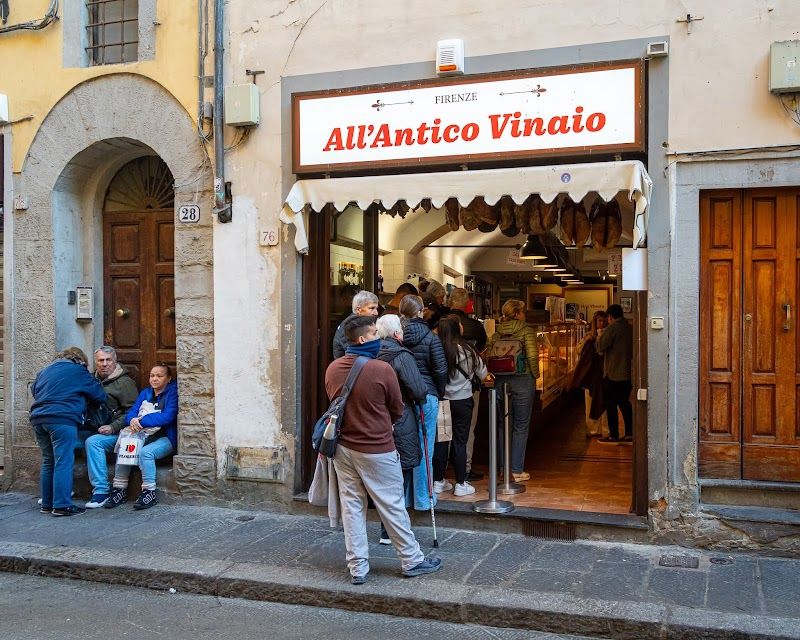
All'Antico Vinaio
Florence's most famous schiacciata sandwich shop with queues stretching down Via dei Neri. Massive flatbread sandwiches stuffed with Tuscan cured meats, cheeses, and truffle spreads for €6-8. Three locations, the original is the smallest.
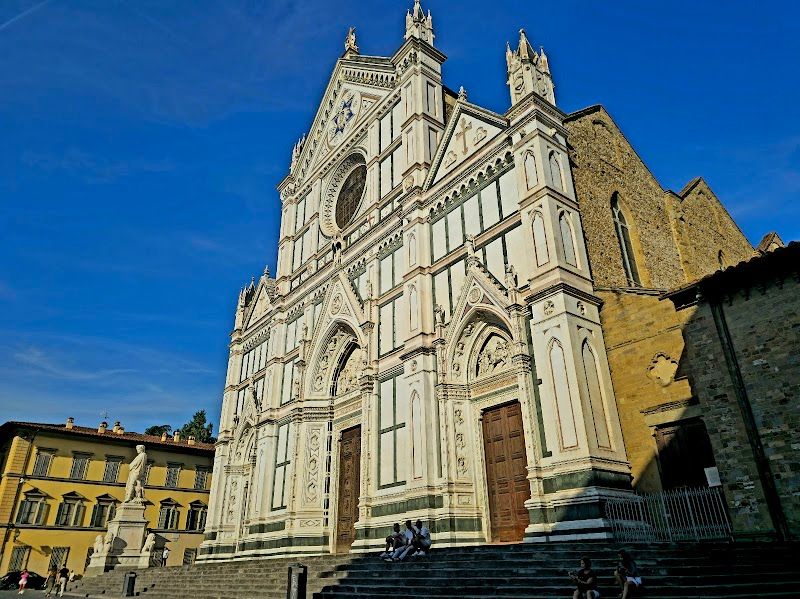
Basilica di Santa Croce
Santa Croce is the largest Franciscan church in the world and the burial place of Florence's most famous citizens. Michelangelo is buried here (the tomb with the three weeping figures by Vasari), along with Galileo, Machiavelli, and Dante (cenotaph only - he died in Ravenna and they never returned the body). The Bardi and Peruzzi chapels have frescoes by Giotto that are considered the beginning of Western pictorial space - the figures have weight and occupy real architectural settings in ways that pre-Giotto art does not. The Pazzi Chapel (in the cloister, by Brunelleschi) is a perfect small Renaissance structure. The leather school (Scuola del Cuoio) is behind the church, free to enter, open during business hours - watch craftspeople making bags, belts, and wallets by hand. EUR 8.
Palazzo Pitti
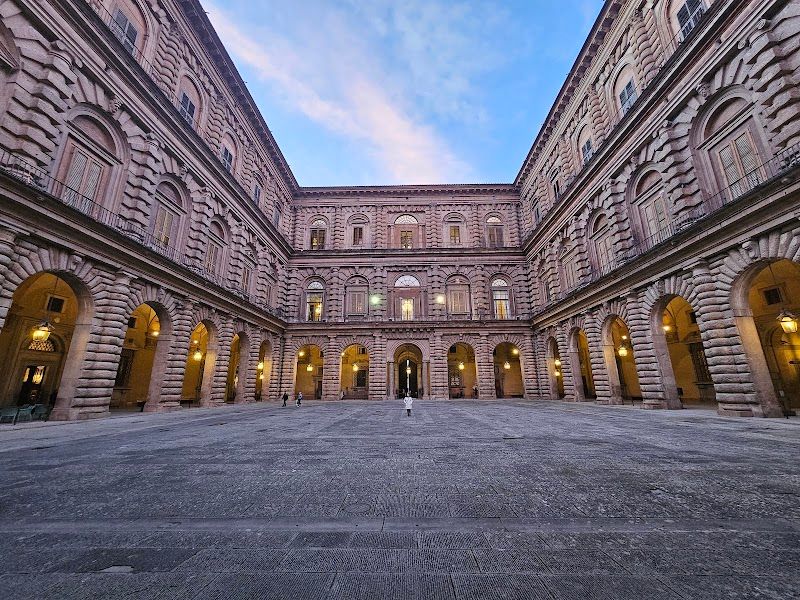
The Palazzo Pitti houses the world's second largest collection of Raphael paintings, plus the opulent private apartments where the Medici grand dukes actually lived. You'll walk through rooms where Cosimo I made political decisions that shaped Renaissance Europe, seeing his bedroom, dining halls, and the throne room where foreign ambassadors waited for audiences. The Palatine Gallery contains masterpieces by Titian, Rubens, and Van Dyck displayed salon style on silk covered walls, exactly how the Medici arranged them. The visit flows through increasingly grand spaces, starting with intimate family rooms filled with personal portraits and moving into ceremonial halls with 20 foot ceilings covered in allegorical frescoes. Each room tells a story about Medici power: the Throne Room's red velvet and gold leaf designed to intimidate visitors, the Mars Room celebrating military victories, the Apollo Room where the family held private concerts. The scale feels genuinely overwhelming, more like Versailles than a typical Florentine palace. Most guides don't mention that tickets cost 16 EUR and include access to all galleries, making it Florence's best art value after you've seen the Uffizi. Skip the Modern Art Gallery entirely unless you're obsessed with 19th century Italian painting. Focus your energy on the Palatine Gallery's Raphael room and the Royal Apartments' bedroom suites. The audio guide costs extra 6 EUR but explains the complex ceiling allegories that otherwise look like random mythology.
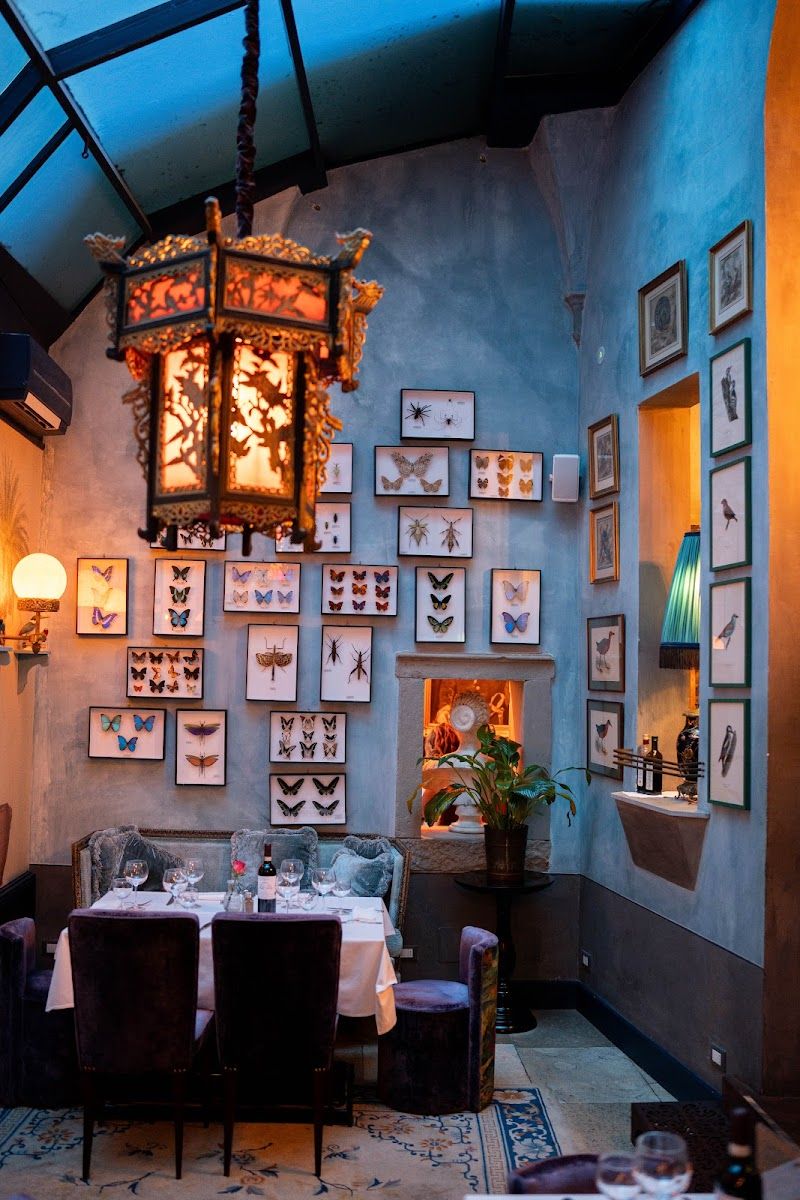
Trattoria ZàZà
Large trattoria near San Lorenzo market with a garden terrace and extensive menu of Tuscan standards. Popular with tour groups but maintains quality with proper bistecca preparation and daily fresh pasta. Reservations recommended for dinner.
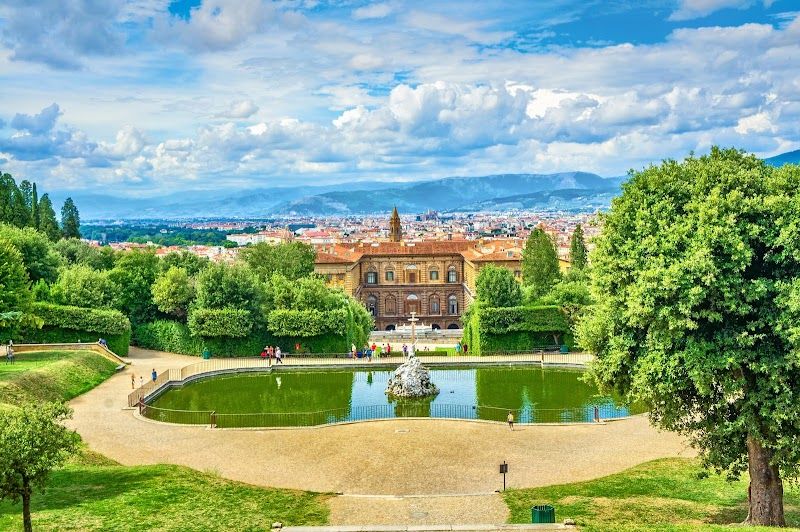
Boboli Gardens
Boboli Gardens sprawls across 111 acres behind the Pitti Palace, offering Florence's most expansive green space with genuine Renaissance landscaping from the 1550s. You'll climb terraced pathways lined with Roman statues, duck into the bizarre Buontalenti Grotto (covered in fake stalactites and housing Michelangelo's unfinished Prisoners), and reach panoramic viewpoints over the red rooftops toward the Duomo. The Porcelain Museum sits at the garden's highest point, displaying royal dinner sets in a neoclassical pavilion. The experience feels like exploring a noble family's private backyard, because that's exactly what it was for centuries. Most visitors follow the main path uphill past the amphitheater, then continue to the Viottolone, a dramatic cypress-lined avenue that stretches downhill like a green cathedral. The contrast between manicured Italian sections near the palace and wilder English garden areas creates genuine variety. On weekends you'll share the space with local families picnicking and joggers using the pathways. Entry costs €10 (€7 in winter) and crowds thin dramatically after 4pm in summer. Skip the audio guide, it's painfully slow and obvious. The Kaffehaus cafe near the top charges tourist prices for mediocre coffee, but the terrace view justifies one overpriced espresso. Most people rush through in 90 minutes, but you need two hours minimum to reach the best viewpoints and actually enjoy the peaceful sections away from tour groups.
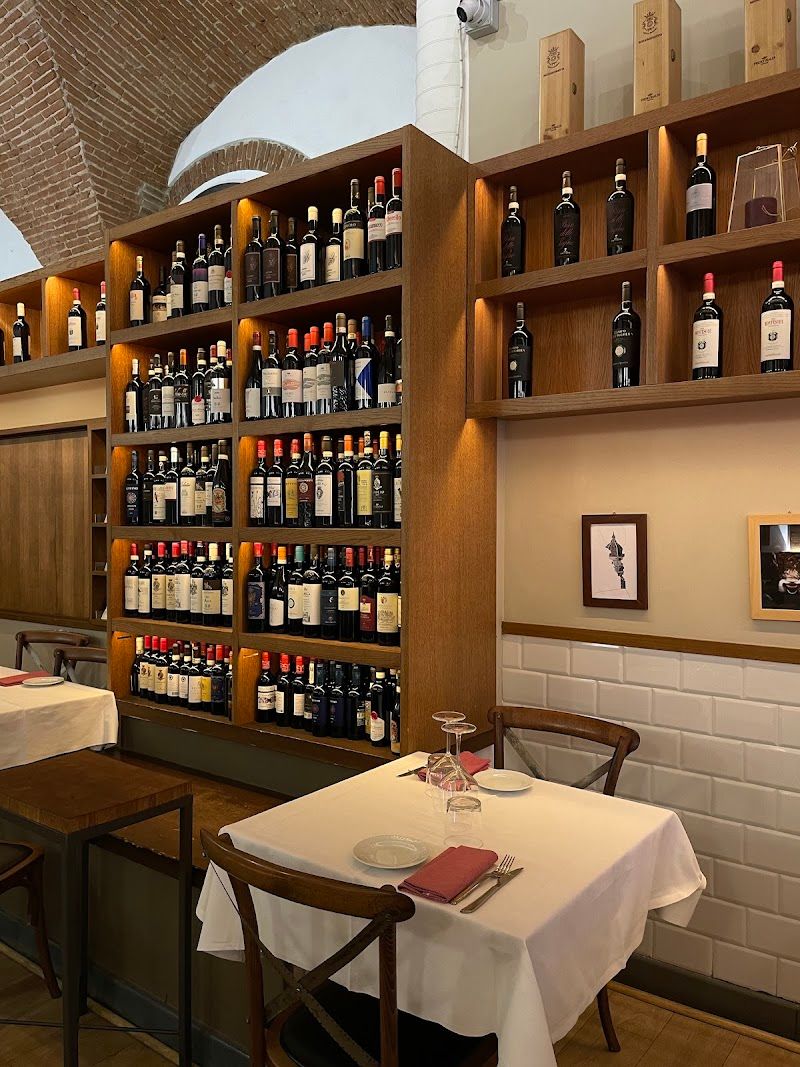
Trattoria Dall'Oste
Neighborhood trattoria near Ponte Vecchio serving traditional Florentine dishes with contemporary touches. Small menu, daily specials, and excellent wine selection. Lunch and dinner, reservations recommended for dinner.
Travel Guides
Expert guides for every travel style
Best of the Oltrarno: Artisans, Trattorias & Pitti
The Oltrarno is a 5-minute walk from the Uffizi and feels like a different city. Artisan workshops, Palazzo Pitti, Boboli Gardens, aperitivo on Piazza Santo Spirito, and dinner at a trattoria where the menu is handwritten.
10 min
Where to Eat in Florence: A Neighbourhood Food Guide
The bistecca alla fiorentina is a minimum 1 kg, rare, Chianina beef, EUR 45-60 for two. The lampredotto is EUR 4 from a street cart. The gelato in the tall bright piles is made from powder. The Oltrarno has the best neighbourhood dining.
14 min
First Time in Florence: Everything You Need to Know
The Uffizi, Accademia, and Duomo dome all require advance booking. Gelato in tall bright piles is made from powder. July and August are brutal. The Oltrarno has better food at lower prices. Everything else you need before you arrive.
14 min
Florence with Kids: Family-Friendly Guide
Florence with children is about choosing three things per day instead of eight. The secret passages in Palazzo Vecchio, the dome climb, Boboli Gardens for space, and a systematic gelato ranking exercise.
10 min
5 Days: The Complete Florence Experience
Five days covering the major museums, the Oltrarno lived experience, a day in the Chianti wine region, and a day trip to Siena with the most beautiful square in Italy.
16 min
3 Days in Florence: First-Timer's Itinerary
Three days covering the Uffizi, the Accademia, the Duomo dome, and the Oltrarno, with exact prices, queue-skipping strategies, and the lampredotto sandwich you should eat before you leave.
12 min
Frequently Asked Questions
Most travelers find 4-5 days ideal to explore the main neighborhoods, museums, and dining scenes without feeling rushed. A long weekend works for a focused visit, while a week allows for day trips and deeper neighborhood exploration.
Le Marais offers the best balance of central location, walkability, dining, and nightlife. Saint-Germain-des-Pres suits those seeking a quieter, more literary atmosphere. For first-time visitors who want proximity to major landmarks, the 7th Arrondissement near the Eiffel Tower is convenient.
Generally very safe for tourists. Standard big-city precautions apply: watch for pickpockets in crowded metro stations and tourist areas, keep valuables secure, and stay aware of your surroundings at night. Avoid leaving bags unattended at cafe terraces.
April through June and September through October offer the best weather, fewer crowds than peak summer, and pleasant temperatures for walking. July and August are hot and busy but have the longest days. Winter is cold but offers lower prices and shorter museum queues.
The metro is fast, cheap, and covers the entire city - stations are never more than 500 meters apart. Buy a Navigo Easy card and load t+ tickets. Walking is the best way to discover neighborhoods. Avoid taxis during rush hour; ride-sharing apps work well late at night.
English is widely spoken in tourist areas, hotels, and restaurants. However, starting interactions with "Bonjour" goes a long way - Parisians appreciate the effort. Learn a few basics: "merci", "s'il vous plait", "l'addition" (the bill). Younger staff are typically more comfortable in English.