Florence
Oltrarno (Santo Spirito)
The south bank neighbourhood where Florentines live. Artisan workshops, neighbourhood trattorias, a piazza with a morning market and evening bars. A 5-minute walk from the crowds.
About Oltrarno (Santo Spirito)
The Oltrarno is the south bank of the Arno, separated from the tourist centre by the Ponte Vecchio, and it is a different city. Piazza Santo Spirito is the neighbourhood square: a morning market (Tuesday to Saturday, 8 AM-noon), aperitivo bars that fill with students and locals in the evening, and Brunelleschi's last church (EUR 2, austere and beautiful, the proportions are perfect) on the north side. Via Maggio has antique shops and art galleries that have been here for generations. Borgo San Frediano (further west) has woodworkers, bookbinders, goldsmiths, and leather workers still using traditional methods in workshops with the doors open. Enotecas serving Chianti Classico by the glass (EUR 5-7) are on every other corner, and the trattorias here serve the cheapest authentic Tuscan food in the city. This is where you stay if you want to live in Florence rather than visit it.
Things to Do
Top experiences in Oltrarno (Santo Spirito)
Palazzo Pitti
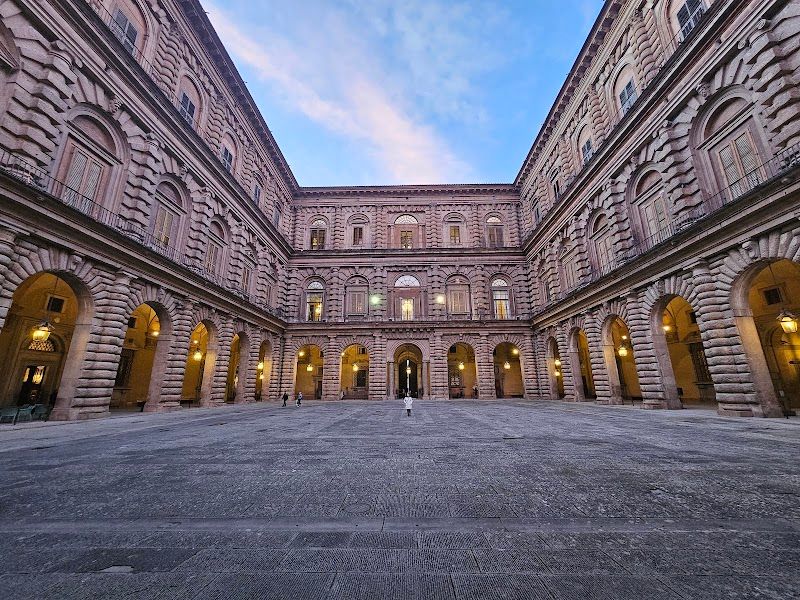
The Palazzo Pitti houses the world's second largest collection of Raphael paintings, plus the opulent private apartments where the Medici grand dukes actually lived. You'll walk through rooms where Cosimo I made political decisions that shaped Renaissance Europe, seeing his bedroom, dining halls, and the throne room where foreign ambassadors waited for audiences. The Palatine Gallery contains masterpieces by Titian, Rubens, and Van Dyck displayed salon style on silk covered walls, exactly how the Medici arranged them. The visit flows through increasingly grand spaces, starting with intimate family rooms filled with personal portraits and moving into ceremonial halls with 20 foot ceilings covered in allegorical frescoes. Each room tells a story about Medici power: the Throne Room's red velvet and gold leaf designed to intimidate visitors, the Mars Room celebrating military victories, the Apollo Room where the family held private concerts. The scale feels genuinely overwhelming, more like Versailles than a typical Florentine palace. Most guides don't mention that tickets cost 16 EUR and include access to all galleries, making it Florence's best art value after you've seen the Uffizi. Skip the Modern Art Gallery entirely unless you're obsessed with 19th century Italian painting. Focus your energy on the Palatine Gallery's Raphael room and the Royal Apartments' bedroom suites. The audio guide costs extra 6 EUR but explains the complex ceiling allegories that otherwise look like random mythology.
Cappella Brancacci
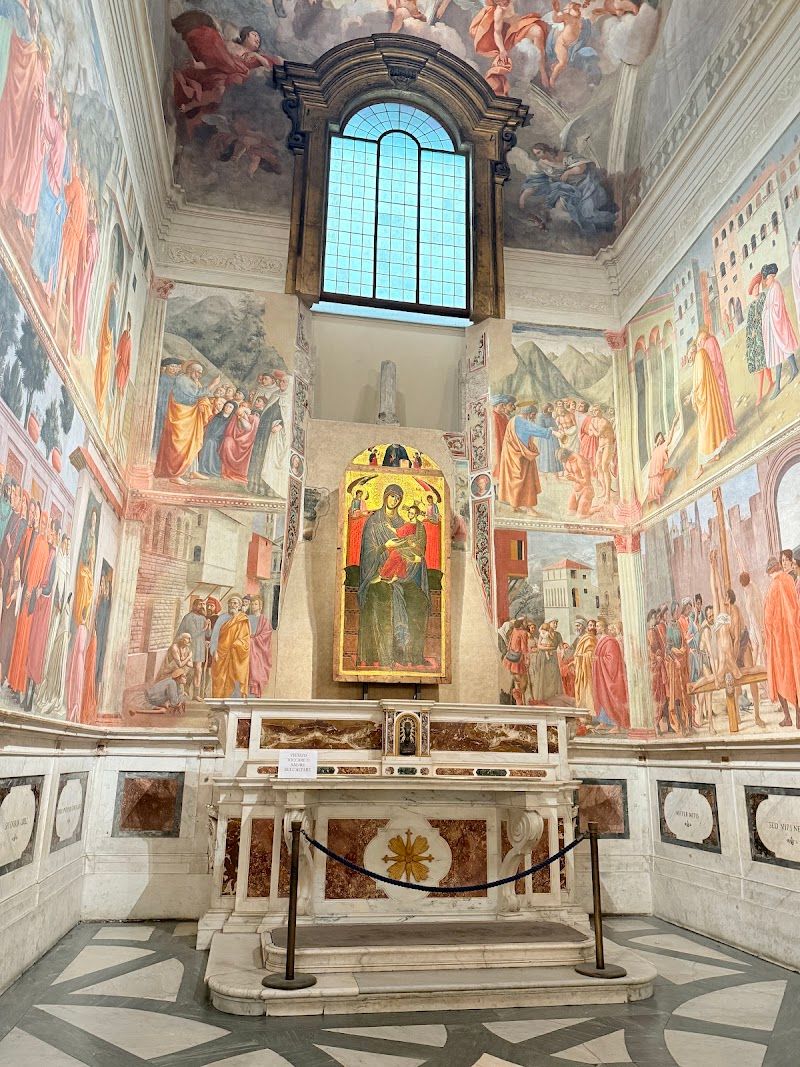
The Cappella Brancacci houses what art historians consider the most revolutionary frescoes in Western painting. Masaccio's work here literally invented Renaissance art in the 1420s, introducing mathematical perspective, realistic human emotion, and three-dimensional figures that jump off the walls. You'll see the complete cycle depicting St. Peter's life, but the real showstopper is Masaccio's Expulsion from the Garden of Eden, where Adam and Eve's anguish feels genuinely heartbreaking. Masolino started the project, Masaccio transformed it, and Filippino Lippi finished it 50 years later. You enter this tiny chapel inside the Carmine church and immediately understand why artists like Michelangelo came here to study. The space feels intimate, almost cramped, with only 30 people allowed in at once. The frescoes surround you on three walls, and the lighting (recently restored) brings out details that photographs can't capture. You'll spend your 30 minutes craning your neck upward, trying to absorb centuries of artistic innovation. The contrast between the three artists' styles becomes obvious once you know what to look for. Most guides don't mention that entry costs €10, cash only at the door. The 30-minute time limit feels rushed when you're staring at art history being rewritten, but it keeps crowds manageable. Skip the audio guide (€3 extra) and just focus on the Expulsion and the Tribute Money scenes. The chapel gets stuffy with a full group, and guards are strict about the time limit, so don't expect flexibility.
Galleria Palatina
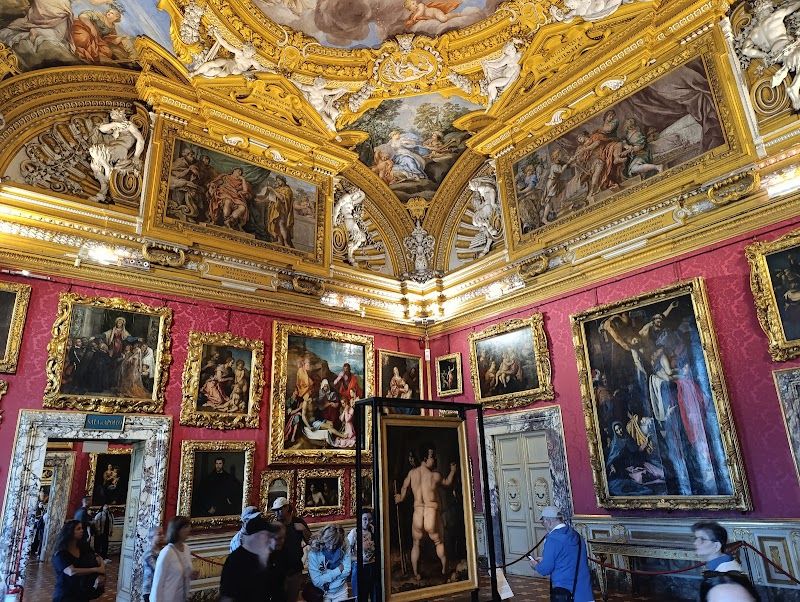
The Galleria Palatina houses one of Europe's finest private art collections inside the Medici's former royal apartments at Palazzo Pitti. You'll find masterpieces by Raphael, Titian, Rubens, and Caravaggio displayed exactly as the grand dukes arranged them, covering every inch of ornately frescoed walls. Unlike modern museums with clinical white walls, these paintings hang in rooms dripping with gold leaf, elaborate ceiling frescoes, and original Baroque furniture. The experience feels like wandering through a living palace where art and opulence compete for your attention. Each room follows a planetary theme (Mars, Venus, Jupiter) with corresponding mythological ceiling frescoes that frame Renaissance masterpieces below. The sheer density can be overwhelming: Raphael's portraits hang next to Flemish landscapes, while massive Rubens canvases dominate entire walls. The original parquet floors creak beneath your feet as natural light filters through tall windows. Most visitors rush through without reading room descriptions, missing the fascinating stories behind the Medici collection. Skip the later rooms if you're tired, the best pieces cluster in the first seven planetary rooms. At 16 EUR, it's pricey but includes access to the Royal Apartments next door, though those feel repetitive after the Palatina's intensity.
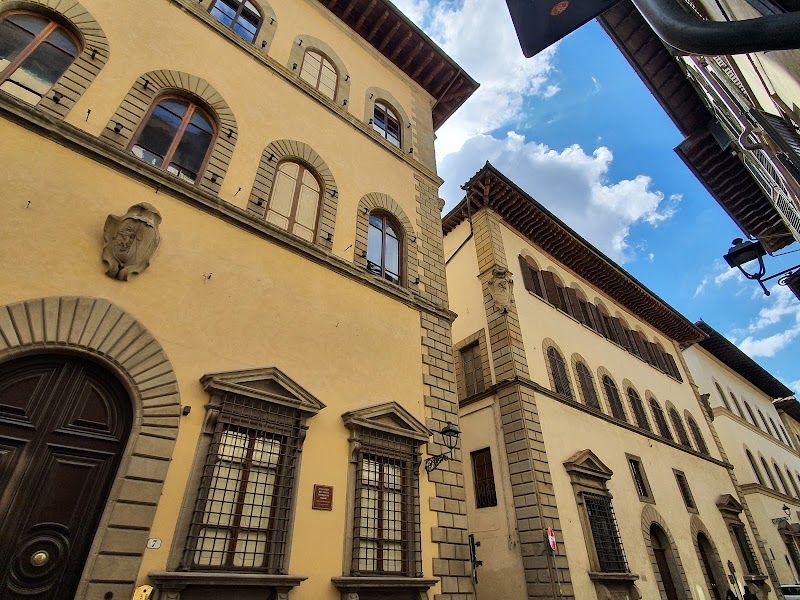
Via Maggio
Via Maggio is Florence's most prestigious antique street, where 16th-century noble palaces now house galleries selling museum-quality Renaissance furniture, baroque paintings, and decorative arts. You'll find everything from 15th-century Florentine cassoni (wedding chests) to Medici-era ceramics, with prices starting around €500 for smaller pieces and reaching €50,000+ for major works. The dealers here aren't tourist shops: they supply serious collectors and museums worldwide. Walking the cobblestones feels like browsing through Florence's attic. Ground floor windows display gilded mirrors, carved wooden saints, and oil paintings in ornate frames. Most galleries occupy the piano nobile of Renaissance palaces, so you're literally shopping where noble families once lived. The atmosphere is hushed and scholarly: dealers know their provenance stories and love sharing them with genuinely interested visitors. Most guides oversell this as accessible shopping, but it's really for serious collectors with deep pockets. A decent 17th-century painting starts at €3,000, and furniture pieces often hit five figures. Don't feel pressured to buy anything: the real pleasure is seeing pieces that belong in the Uffizi displayed in intimate palace rooms. Skip the touristy shops near Ponte Vecchio and focus on galleries between Piazza Santo Spirito and Palazzo Pitti.
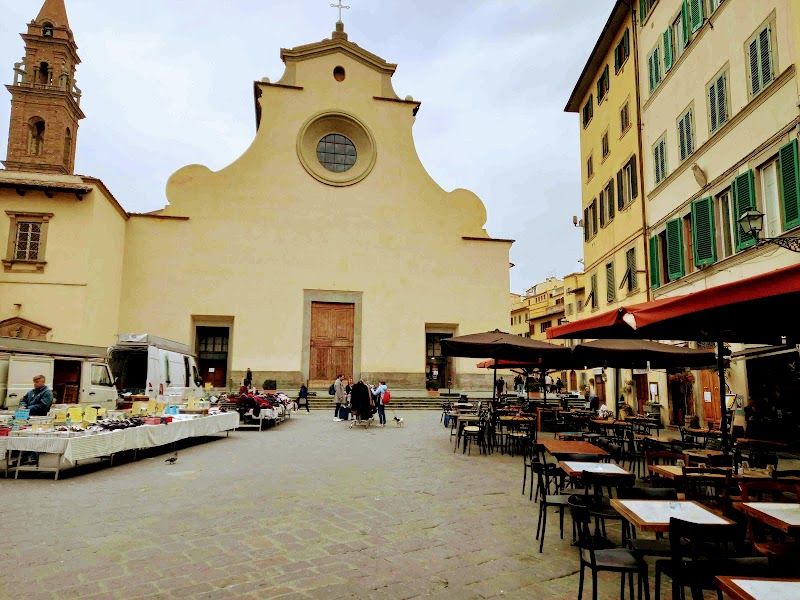
Piazza Santo Spirito
Piazza Santo Spirito feels like the neighborhood living room you've always wanted, where locals actually outnumber tourists most days. You'll find Brunelleschi's deliberately unfinished church facade (he wanted rough stone, not polished marble) anchoring one side, while ochre buildings house tiny bars, vintage shops, and artisan workshops around the perimeter. The organic market happens every second Sunday, transforming the square into Florence's best produce showcase, while the third Sunday brings craftspeople selling handmade leather goods, ceramics, and jewelry. The atmosphere shifts dramatically throughout the day: quiet mornings belong to coffee drinkers at sidewalk tables, market Sundays buzz with locals selecting vegetables and chatting with vendors, and evenings see the aperitivo crowd spilling onto the cobblestones. You'll hear more Italian than English here, which tells you everything. The plane trees provide genuine shade, and the uneven stones beneath your feet have been worn smooth by centuries of neighborhood life. Santo Spirito church opens sporadically, but when it does, Brunelleschi's perfect proportions inside contrast beautifully with the rough exterior. Most guidebooks oversell this as undiscovered, but it's simply authentic rather than touristy. Skip the church unless you're already here (opening hours are unpredictable), but don't miss aperitivo at Volume bar where Negronis cost 8 EUR and locals treat you like a regular after one visit. The real magic happens during market Sundays when you can watch Florence as it actually lives, not as it performs for visitors.
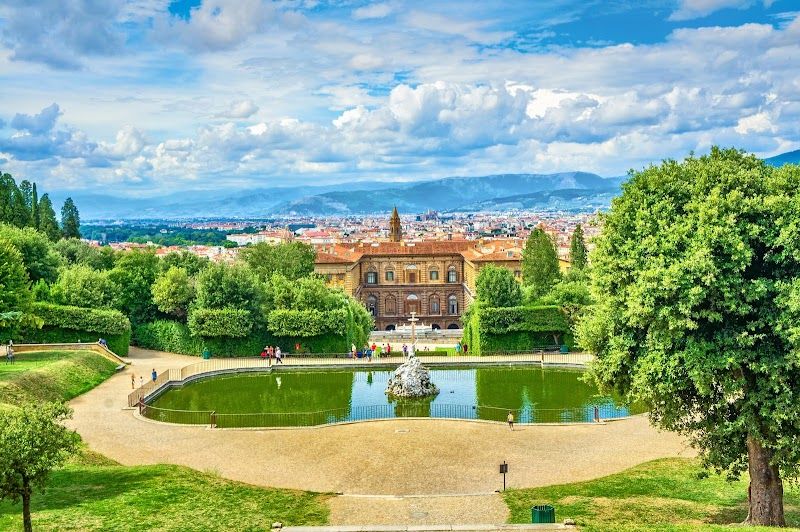
Boboli Gardens
Boboli Gardens sprawls across 111 acres behind the Pitti Palace, offering Florence's most expansive green space with genuine Renaissance landscaping from the 1550s. You'll climb terraced pathways lined with Roman statues, duck into the bizarre Buontalenti Grotto (covered in fake stalactites and housing Michelangelo's unfinished Prisoners), and reach panoramic viewpoints over the red rooftops toward the Duomo. The Porcelain Museum sits at the garden's highest point, displaying royal dinner sets in a neoclassical pavilion. The experience feels like exploring a noble family's private backyard, because that's exactly what it was for centuries. Most visitors follow the main path uphill past the amphitheater, then continue to the Viottolone, a dramatic cypress-lined avenue that stretches downhill like a green cathedral. The contrast between manicured Italian sections near the palace and wilder English garden areas creates genuine variety. On weekends you'll share the space with local families picnicking and joggers using the pathways. Entry costs €10 (€7 in winter) and crowds thin dramatically after 4pm in summer. Skip the audio guide, it's painfully slow and obvious. The Kaffehaus cafe near the top charges tourist prices for mediocre coffee, but the terrace view justifies one overpriced espresso. Most people rush through in 90 minutes, but you need two hours minimum to reach the best viewpoints and actually enjoy the peaceful sections away from tour groups.
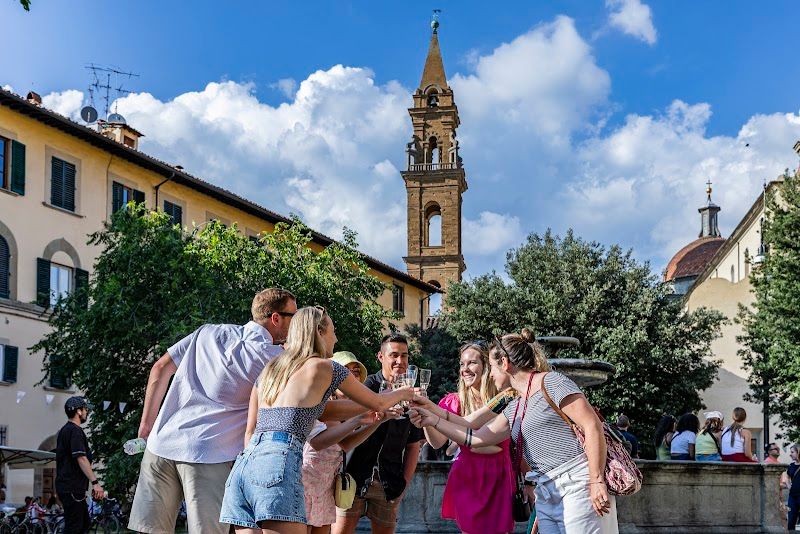
Florence Food Tour (Oltrarno)
A walking food tour through the Oltrarno neighbourhood covering 6-8 tasting stops: lampredotto (the tripe sandwich, the real Florentine street food), schiacciata (Florentine flatbread), ribollita (bread and vegetable soup), bistecca alla fiorentina tastings at a butcher, local olive oil, Chianti Classico wine, and artisan gelato (real gelato, stored in covered tins, not the piled-high tourist version). Good tours last 3-3.5 hours and focus on the Oltrarno food scene, which is more local and less tourist-oriented than the centro storico. EUR 80-110 per person including all tastings.
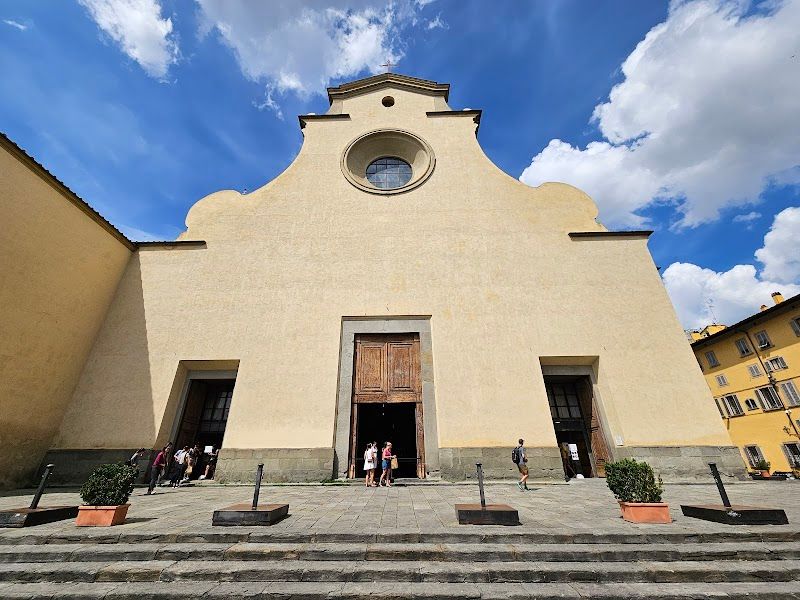
Basilica di Santo Spirito
Brunelleschi's final church is a study in Renaissance perfection, with mathematical proportions that create an almost meditative calm. You'll find 38 semicircular chapels ringing the nave, each containing Renaissance art including works by Filippino Lippi. The contrast is striking: outside you see rough, unfinished stone, but inside reveals serene grey pietra serena columns and harmonious arches that demonstrate why Brunelleschi revolutionized architecture. Walking through feels like entering a geometry lesson made beautiful. The light filters evenly through clerestory windows, illuminating the grey stone that gives the space its distinctive monochromatic elegance. Each chapel rewards close inspection, though crowds tend to cluster around the Lippi works while ignoring equally compelling pieces. The sacristy by Giuliano da Sangallo offers a completely different experience: an octagonal jewel box that shows early Renaissance design at its most refined. Most visitors rush through in 15 minutes, which is a mistake. The church works best when you slow down and appreciate Brunelleschi's mathematical precision. Pay the 2 EUR for the sacristy access, it's worth it for the space alone, plus you'll see a wooden crucifix possibly carved by young Michelangelo. Skip the overpriced postcards at the small shop, but don't skip the chance to sit quietly in a pew and absorb the proportional harmony.
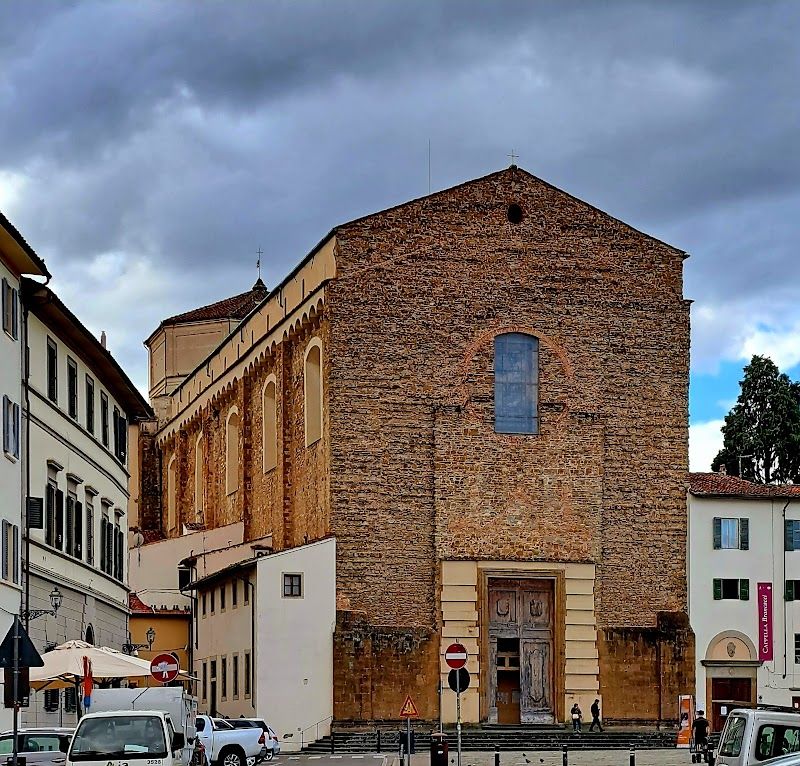
Chiesa di Santa Maria del Carmine
Chiesa di Santa Maria del Carmine houses one of Florence's greatest artistic treasures: Masaccio's revolutionary frescoes in the Brancacci Chapel. The main church itself showcases Baroque ceiling frescoes by Luca Giordano, ornate side chapels, and a peaceful atmosphere that contrasts sharply with the tourist chaos elsewhere in Florence. You'll find genuine neighborhood life in the surrounding piazza, where locals gather at cafes and the weekly market brings authentic energy. Entering feels like discovering Florence's local side. The church's simple Renaissance facade gives no hint of the artistic riches inside, where golden light filters through windows onto elaborate altarpieces and marble decorations. The Brancacci Chapel entrance sits separately to the left, but the main church deserves exploration first. You'll often have the space mostly to yourself, making it perfect for quiet contemplation before tackling the chapel crowds. Most visitors rush straight to the Brancacci Chapel (€10) and miss the free church entirely, which is backwards. Start with the main church to appreciate Giordano's ceiling work, then decide if you want to pay for the chapel. The chapel requires timed entry and allows only 15 minutes inside, so book ahead during peak season. Skip the audio guide for the church; the art speaks for itself.
Where to Eat
Restaurants and cafes in Oltrarno (Santo Spirito)
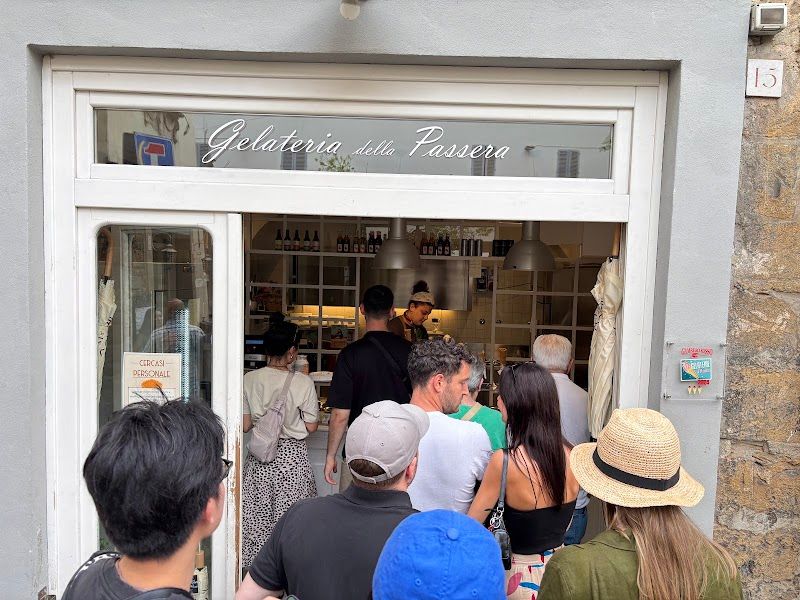
Gelateria della Passera
CafeTiny Oltrarno gelato shop on a quiet piazza, making small batches daily with seasonal ingredients. Their ricotta and pear flavor uses Tuscan sheep's milk ricotta, and the stracciatella has hand-shaved dark chocolate chunks. Locals line up here after dinner.
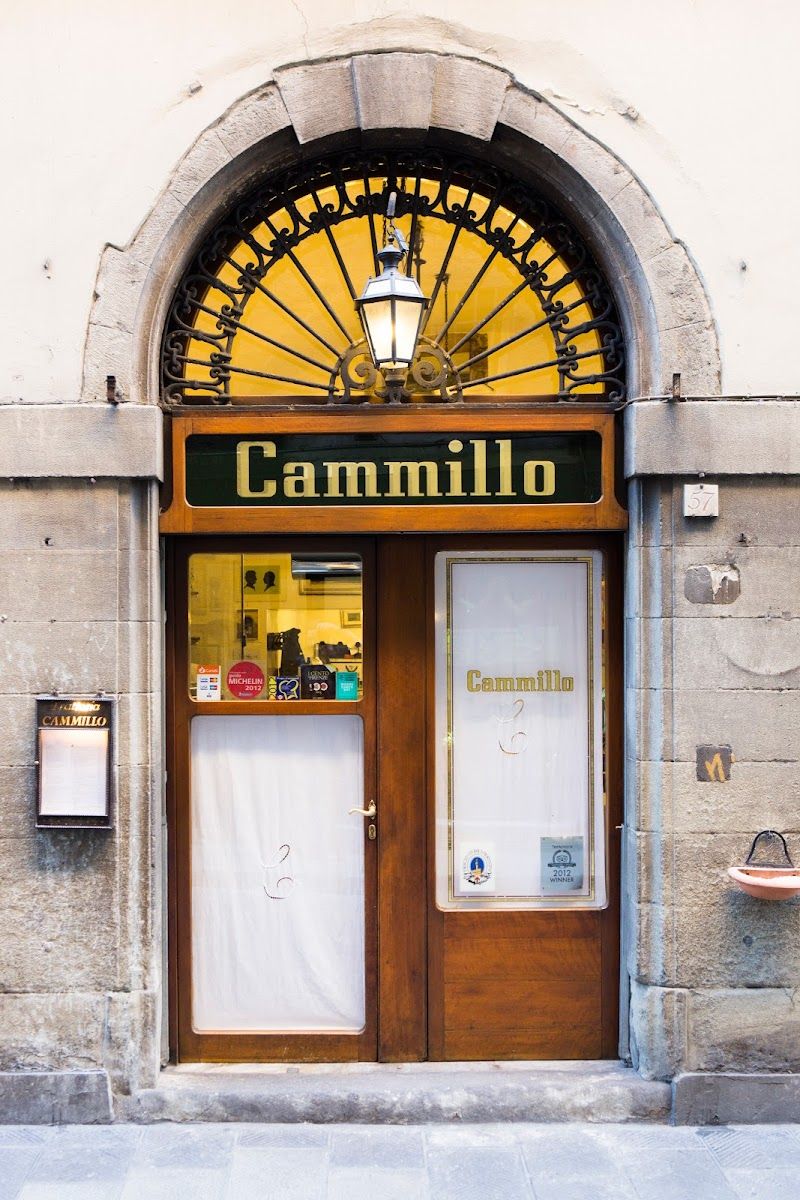
Trattoria Cammillo
RestaurantFamily-run Oltrarno institution since 1945 with white tablecloths and formal service. Exceptional bistecca alla fiorentina from certified Chianina beef, traditional Tuscan antipasti, and a 300-label wine list. Dinner reservations recommended.
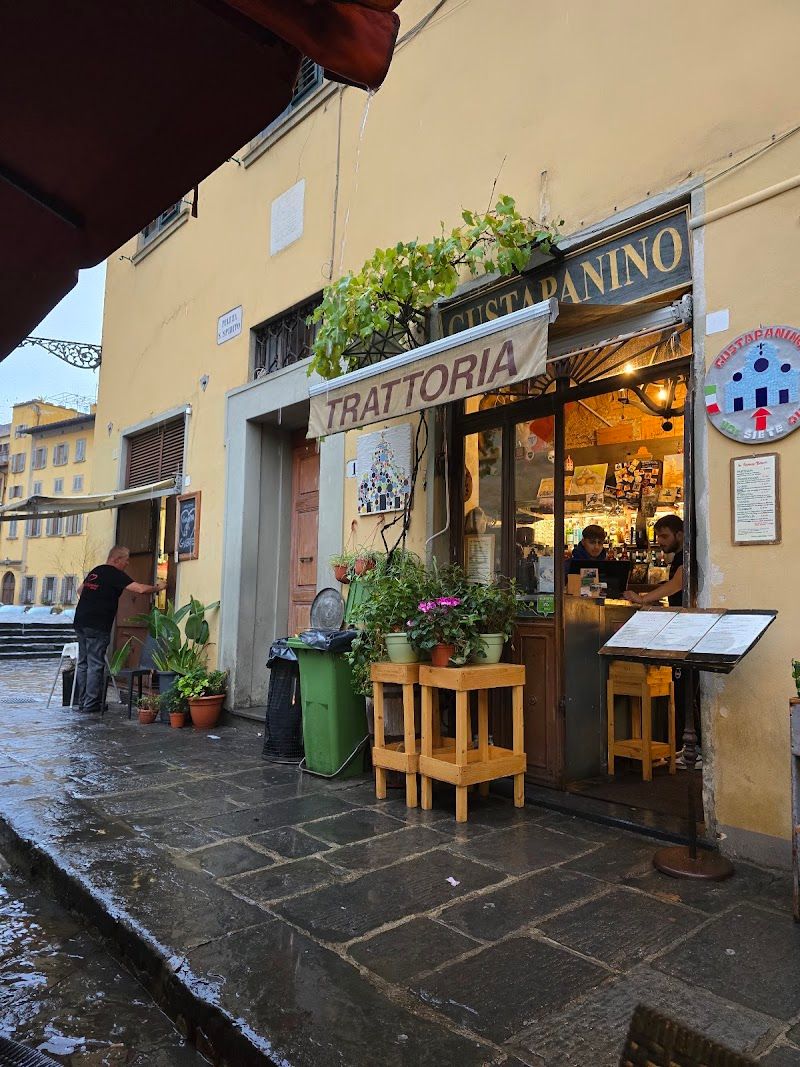
Gustapanino
RestaurantNeighborhood sandwich shop in San Frediano with inventive combinations on fresh schiacciata. Unlike tourist spots, locals pack it at lunch for creative fillings like stracchino cheese with radicchio. Counter service only.
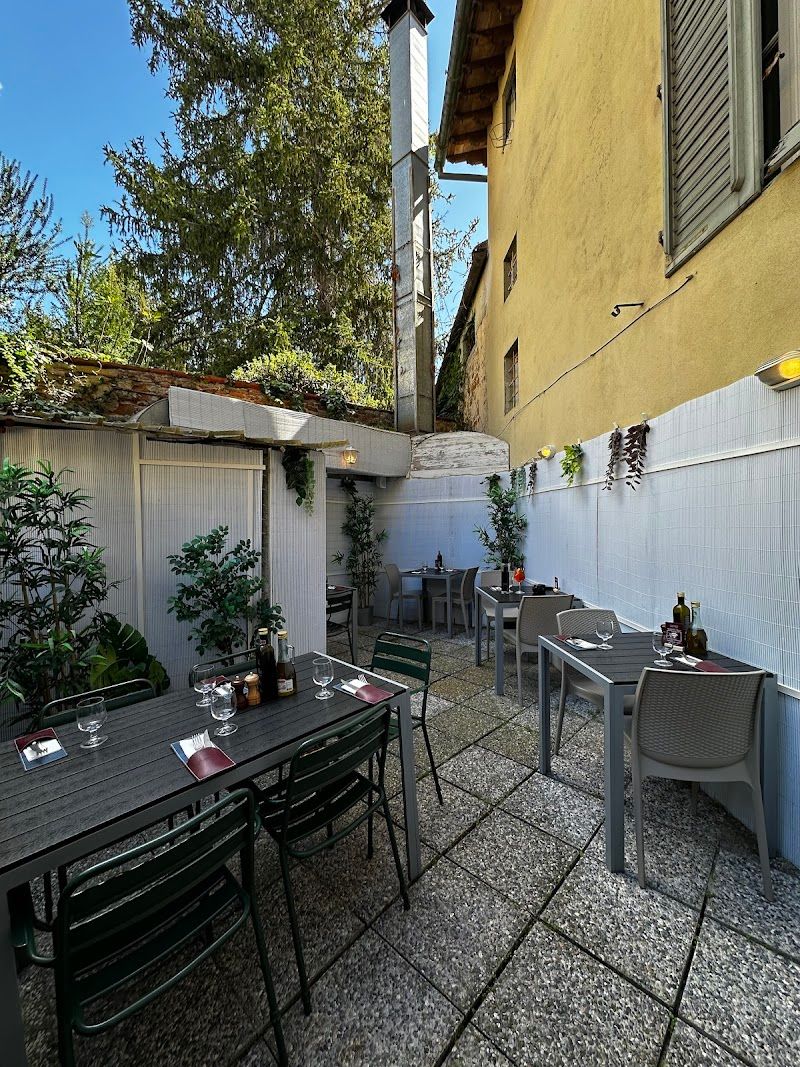
Trattoria Boboli
RestaurantFamily-run trattoria serving traditional Tuscan dishes just steps from Palazzo Pitti. Known for their ribollita and bistecca alla fiorentina in a cozy, authentic atmosphere. Popular with locals who appreciate honest, home-style cooking at reasonable prices.
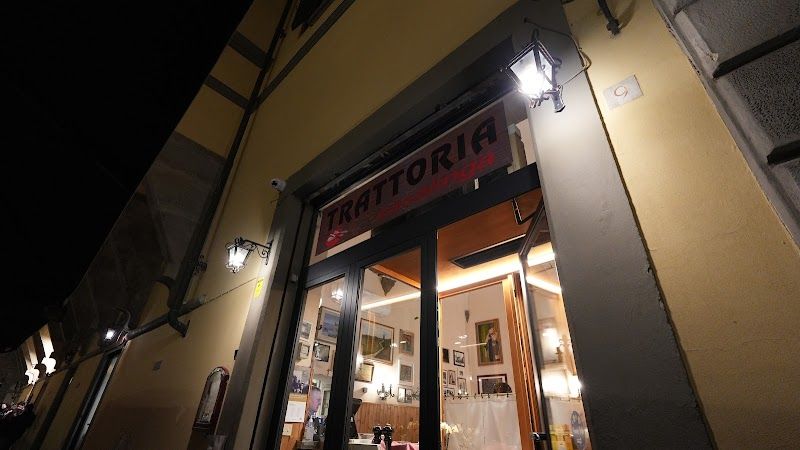
Trattoria Casalinga
RestaurantFamily-run trattoria near Santo Spirito serving unchanged recipes since 1963. Large portions, €10-15 primi, €12-18 secondi, and paper tablecloths. Lunch and dinner, arrive early or expect to queue, no reservations.
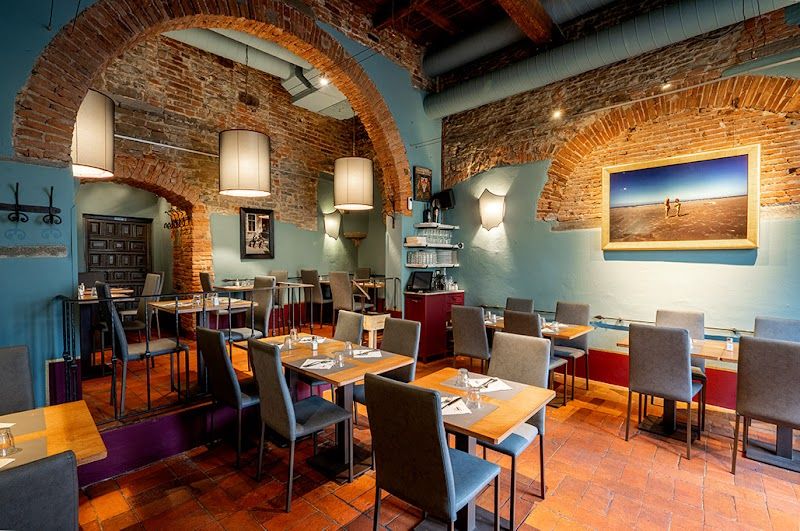
Trattoria 4 Leoni
RestaurantHistoric trattoria in a quiet Oltrarno square specialising in pear ravioli and traditional Tuscan main courses. Outdoor seating is available on Piazza della Passera, one of Florence's lesser-known squares. Reservations are essential for dinner.
Nightlife
Bars and nightlife in Oltrarno (Santo Spirito)
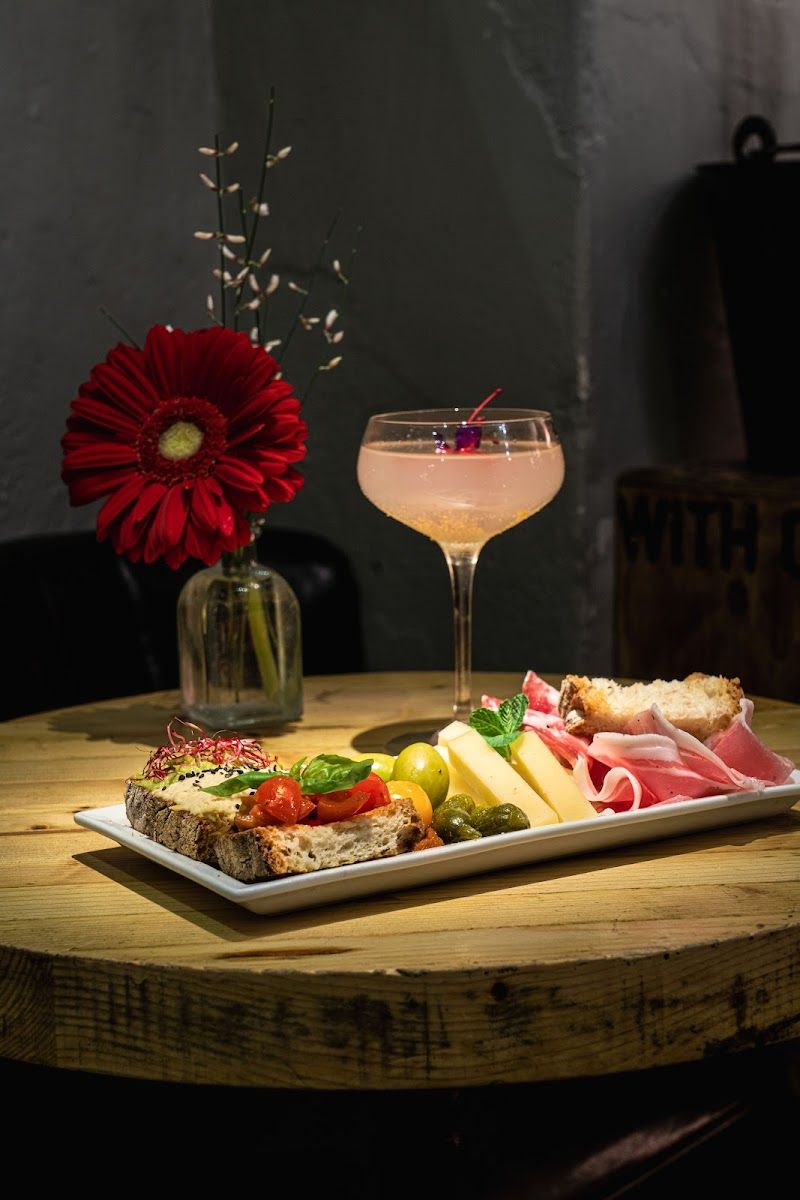
NOF - Noise of Florence
NightlifeContemporary wine bar in Santa Croce with a curated selection of natural and biodynamic wines from Tuscany and beyond. The modern minimalist interior contrasts with Florence's historic wine bars, attracting a younger crowd interested in new-wave Italian winemaking. Small plates feature seasonal ingredients and creative preparations.
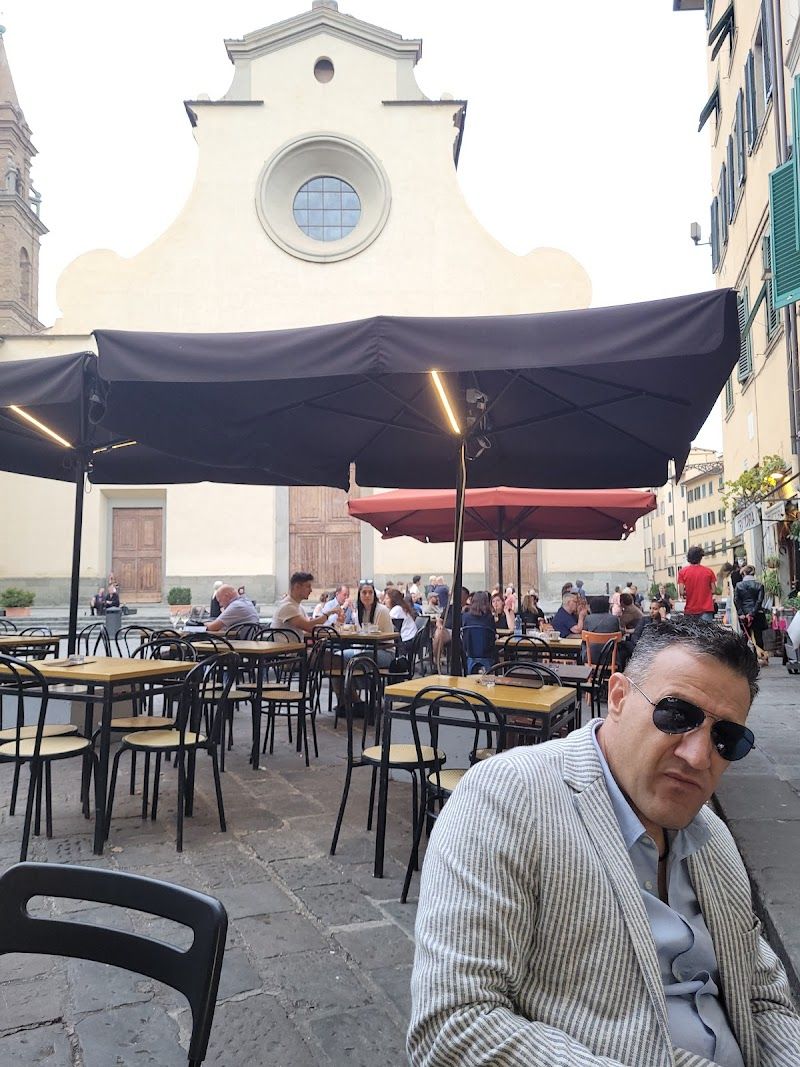
Volume
NightlifeLaid-back bar on Piazza Santo Spirito that draws a mixed crowd of students and creatives for affordable spritzes and occasional live music. The outdoor tables offer prime people-watching real estate on Florence's most authentic nightlife square. Interior features vinyl records and a bohemian vibe that feels genuinely un-touristy.
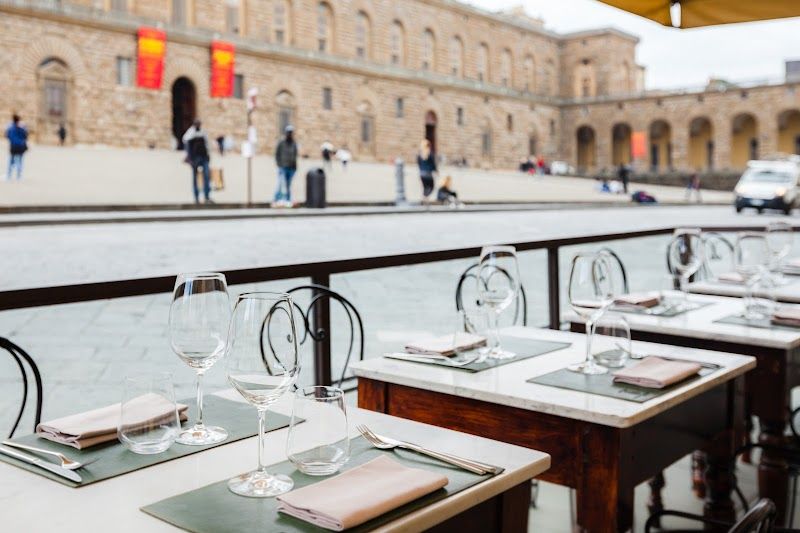
Enoteca Pitti Gola e Cantina
NightlifeWine bar steps from Palazzo Pitti with an impressive cellar of over 600 Tuscan labels and knowledgeable staff who guide selections. The focus is serious wine appreciation with small Tuscan plates, not a party scene. Chianti Classico by the glass starts at EUR 6 and the outdoor seating offers a quieter alternative to busier squares.
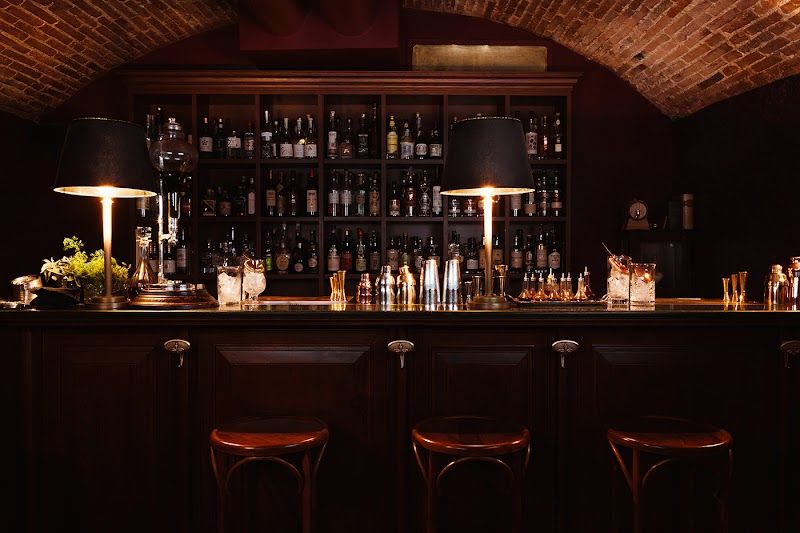
Rasputin Secret Bar
NightlifeHidden speakeasy-style cocktail bar behind an unmarked door on Borgo La Croce, serving inventive cocktails in a dimly lit space decorated with vintage Russian ephemera. The cocktail menu changes seasonally but emphasizes Italian spirits reinterpreted through creative techniques. Expect to pay EUR 10-13 per drink in this intimate 30-seat space.
Getting Here
Insider Tips
Piazza Santo Spirito evening
From around 6 PM, locals gather on the steps of the church and at the bars on the piazza for aperitivo. A Negroni or glass of Chianti here costs EUR 6-8. The piazza has no tourist shops and no restaurant menus in six languages. It is the real Florentine evening.
Artisan workshops
Walk along Borgo San Frediano and Via dei Serragli with your eyes open. Workshops with open doors are fair game to look inside - most craftspeople are used to it and some will talk. The Scuola del Cuoio at Santa Croce is the famous version; these are the real working workshops.
Trattoria strategy
Any trattoria on Piazza Santo Spirito with a handwritten daily menu and no photos of food posted outside is a safe bet. Ask for the daily pasta (often hand-made) and a quartino (quarter litre) of house Chianti. Total cost EUR 20-25 for a proper lunch.
Nearby Neighborhoods
Continue exploring
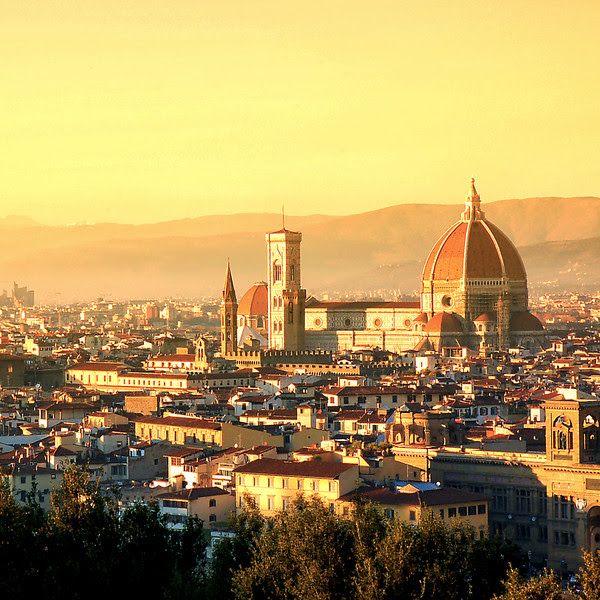
Duomo & Piazza della Signoria
The monumental heart: the dome on the skyline, the Uffizi packed with masterpieces, Piazza della Signoria as a free open-air sculpture gallery. Dense with art and tourists. The trick is timing.
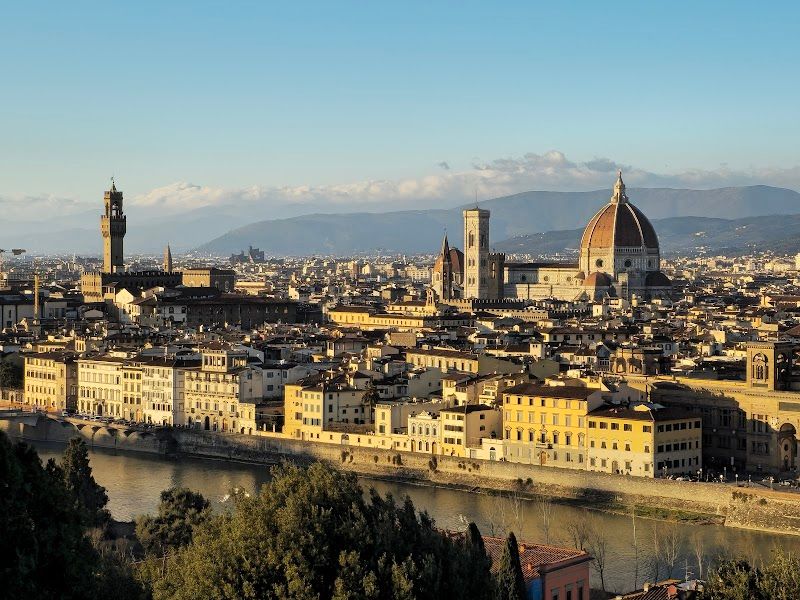
Santa Croce
The neighbourhood east of the Signoria, anchored by the basilica with its famous tombs. Less crowded than the Duomo district, with better restaurants and the leather school behind the church.
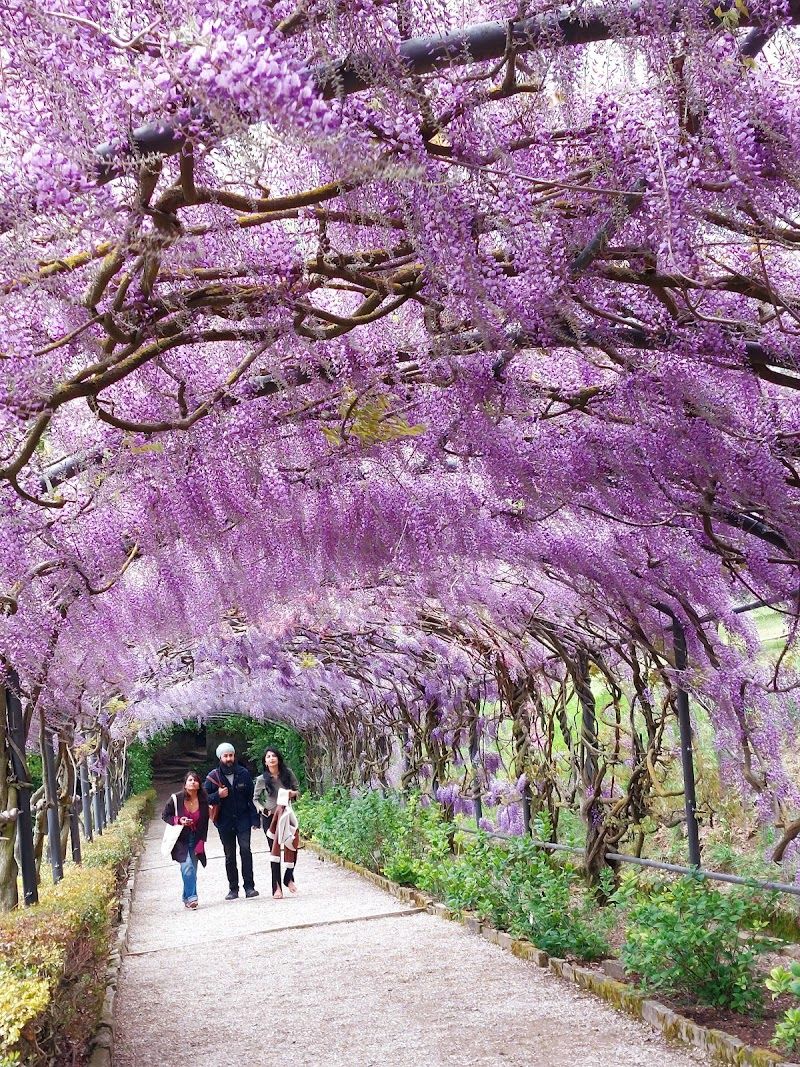
Palazzo Pitti & Boboli
The Medici palace complex: the Palatine Gallery with Raphael and Titian, the formal gardens climbing the hill, and the Bardini Garden's wisteria - a half-day that avoids the centro storico entirely.
Plan a trip featuring Oltrarno (Santo Spirito)
Get a personalized Florence itinerary with Oltrarno (Santo Spirito) built in.
Start Planning