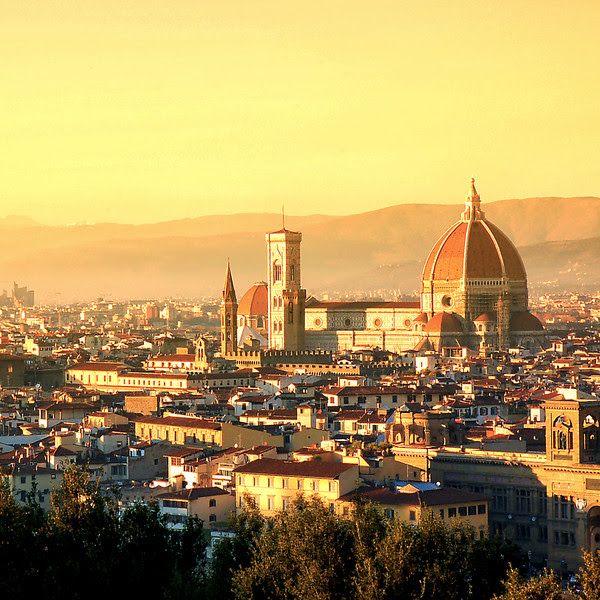
Florence
Duomo & Piazza della Signoria
The monumental heart: the dome on the skyline, the Uffizi packed with masterpieces, Piazza della Signoria as a free open-air sculpture gallery. Dense with art and tourists. The trick is timing.
About Duomo & Piazza della Signoria
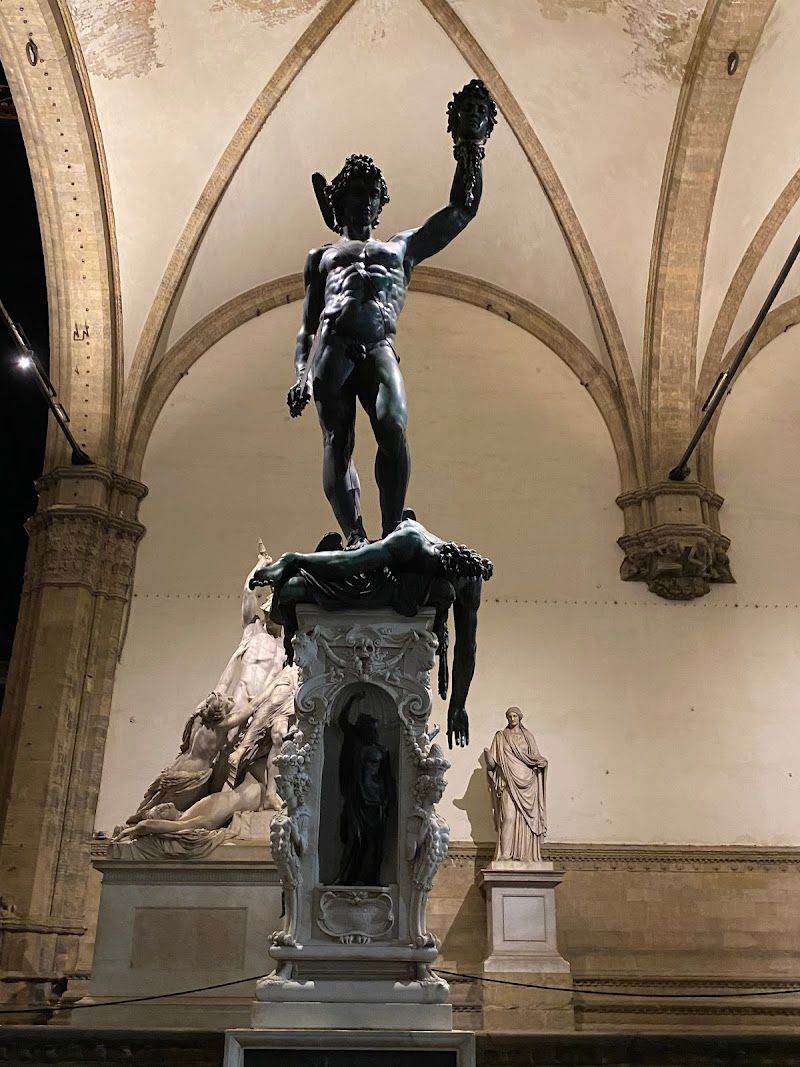
This is where Florence concentrates its greatest hits, and it delivers. The Duomo complex (cathedral nave free, dome climb EUR 30 combined ticket, the 463-step ascent passes between the inner and outer shells with Vasari's fresco right above your head) has been the spiritual centre of Florence since the 14th century. Piazza della Signoria is a free open-air gallery: Cellini's Perseus, Giambologna's Rape of the Sabines, a copy of Michelangelo's David, all under the sky. The Uffizi (EUR 25, essential pre-booking) has Botticelli's Birth of Venus and Primavera in the same room, Caravaggio's Medusa, rooms of Raphael and Leonardo that would headline any other museum in Europe. Palazzo Vecchio (EUR 14, the Town Hall since 1299) has the Salone dei Cinquecento with Vasari's ceiling, and the secret passages tour goes through the walls. Orsanmichele (free, the Gothic grain market turned church) has original sculptures by Donatello and Ghiberti in the exterior niches. Go before 9 AM or after 4 PM.
Things to Do
Top experiences in Duomo & Piazza della Signoria
Florence Cathedral (Duomo) & Brunelleschi's Dome
Florence Cathedral and Brunelleschi's dome define the city's skyline, and climbing inside the dome is one of Europe's most extraordinary architectural experiences. The cathedral itself is free to enter, but the real prize is the EUR 30 combined ticket that gets you up 463 steps into Brunelleschi's engineering masterpiece. Built between 1420-1436, this is the world's largest masonry dome, constructed with a revolutionary double-shell technique that still baffles engineers today. The dome climb takes you between the inner and outer shells where you can see the construction techniques up close, then inside to view Vasari's Last Judgment frescoes from an impossibly intimate perspective. The narrow spiral staircases feel medieval and claustrophobic, especially in summer heat, but emerging onto the external lantern delivers sweeping views across Florence's terracotta rooftops to the Tuscan hills beyond. The cathedral floor looks tiny from up there, and you truly understand why this dome was considered impossible to build. Book your dome climb at least a week ahead during peak season, it sells out daily. The cathedral nave is underwhelming compared to the dome experience, so don't feel obligated to linger there. If dome tickets are sold out, Giotto's Bell Tower next door offers nearly identical views with shorter queues for the same EUR 30 ticket. Most people rush through, but take your time on the lantern to really absorb the panorama.
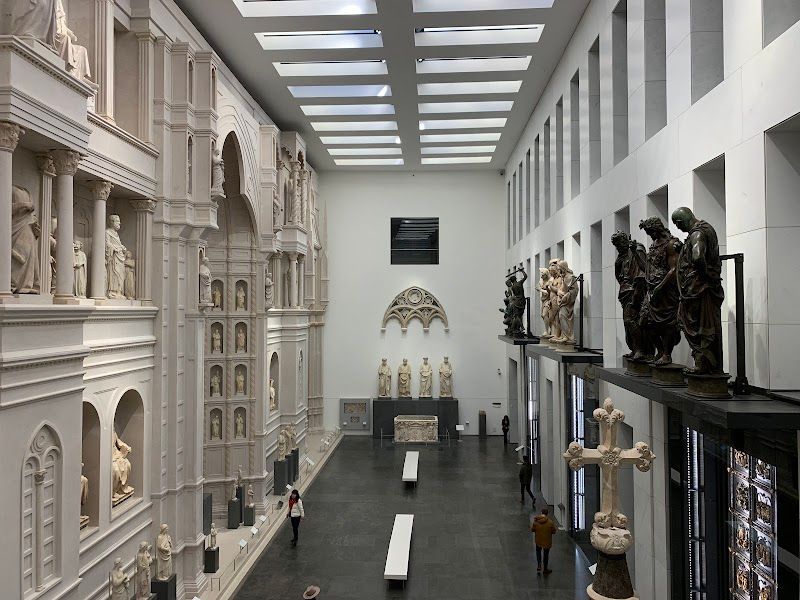
Museo dell'Opera del Duomo
This museum holds the actual treasures that once adorned Florence's cathedral complex, moved here for protection from weather and theft. You'll see Michelangelo's unfinished Pietà (his last work, which he smashed in frustration), Ghiberti's original Paradise Doors from the Baptistery, and Donatello's haunting wooden Mary Magdalene. The collection spans 700 years of cathedral art, including the original facade statues and medieval tools used to build Brunelleschi's dome. The experience flows chronologically through three floors of sleek, climate controlled galleries that put most Italian museums to shame. The ground floor centers around Ghiberti's gleaming bronze panels, displayed at eye level where you can study every biblical scene up close. Upstairs, you'll face Michelangelo's towering Pietà in a darkened room that feels almost sacred. The medieval section showcases massive stone prophets by Donatello and Andrea Pisano that once stared down from the cathedral's exterior. Most visitors rush through in an hour, but you need at least two to appreciate the craftsmanship. Skip the basement's architectural fragments unless you're an engineer. The €18 ticket includes the cathedral complex, making it decent value, but the museum alone justifies the cost. Come early when tour groups haven't arrived yet.
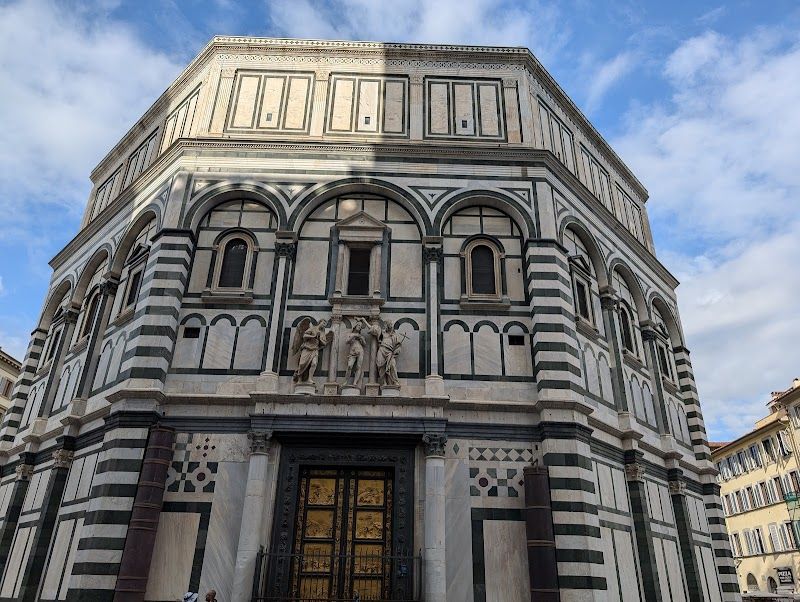
Battistero di San Giovanni
The Baptistery of San Giovanni stands as Florence's oldest building, an octagonal Romanesque masterpiece from the 11th century. Here, every Florentine child was traditionally baptized, including Dante himself. Lorenzo Ghiberti's gilded bronze doors depict ten Old Testament scenes in great detail: Michelangelo famously called them the Gates of Paradise. Once you see Adam and Eve's expulsion or Noah's ark rendered in luminous bronze relief, you'll see why this description exists. Inside, your neck will crane upward at Byzantine mosaics covering every inch of the dome, dominated by a colossal Christ in Judgment surrounded by angels, saints, and scenes of paradise and hell. Walking around the octagonal interior feels intimate despite the soaring space above. The geometric marble floor patterns draw your eye while that massive mosaic dome commands attention with its golden glow and intricate biblical narratives. Most visitors spend their time photographing the exterior doors, but the real magic happens when you step inside and let your eyes adjust to the dim, jewel-toned light filtering through the mosaics. The acoustics are remarkable too: whisper against one wall and someone across the octagon can hear you clearly. Here's what few guides mention: the famous doors you're photographing outside are copies installed in 1990. The originals live safely in the Opera del Duomo Museum, which costs €15 but offers much closer viewing of Ghiberti's actual masterwork plus Donatello sculptures. We recommend skipping the audio guide here and saving your money for the museum instead, where you'll need it more.
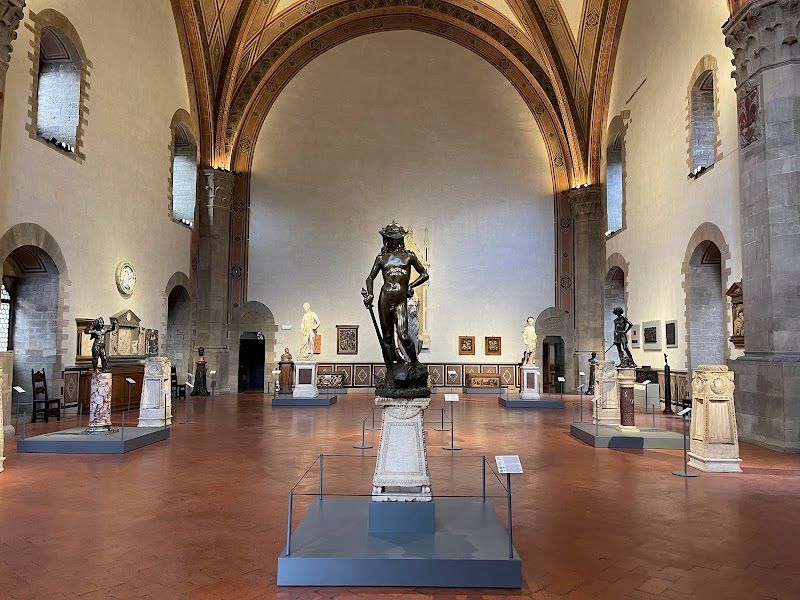
Museo Nazionale del Bargello
The Bargello holds the world's greatest collection of Renaissance sculpture inside a forbidding 13th-century fortress that once served as Florence's prison and courthouse. You'll find Donatello's revolutionary bronze David (the first nude sculpture since antiquity), Michelangelo's early Bacchus, and Cellini's intricate bronze models alongside works by Ghiberti and Giambologna. The building itself tells stories: prisoners were once executed in the courtyard where you'll now admire Gothic arches and medieval stonework. You enter through the ground floor's vaulted halls filled with Michelangelo's works, then climb the external stone staircase to reach Donatello's masterpieces on the first floor. The rooms feel intimate compared to the Uffizi's crowds, letting you study details like the expression on David's face or the texture of bronze drapery. Each hall focuses on different periods and artists, creating a clear narrative of sculptural evolution from medieval to Renaissance. Most visitors rush through in 45 minutes, but you need at least 90 minutes to appreciate the craftsmanship properly. Skip the upper floors unless you're passionate about decorative arts and Islamic metalwork. At €8 for a full ticket (free for EU citizens under 25), it's Florence's best museum value. The audio guide costs extra €5 but adds crucial context about techniques and historical significance that the sparse wall labels miss.
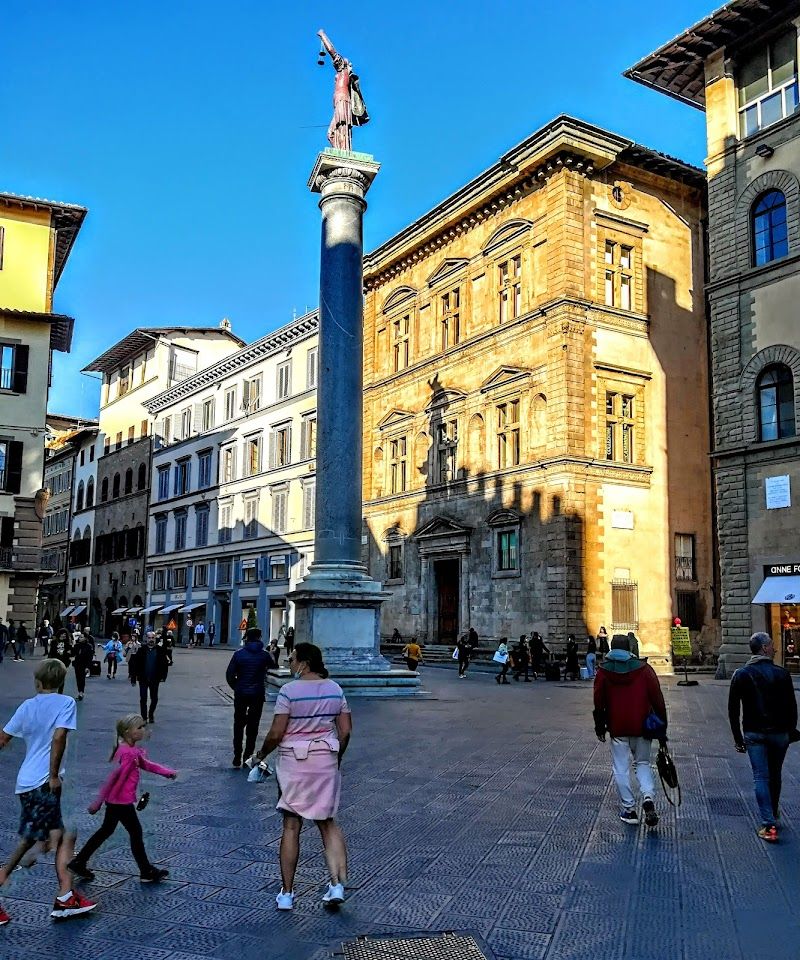
Via de' Tornabuoni
Via de' Tornabuoni is Florence's answer to Fifth Avenue, where Renaissance palazzi house the flagship stores of Italy's biggest fashion names. You'll walk past Gucci's original store, Ferragamo's headquarters, and Roberto Cavalli's showroom, all set within 15th century palaces built by Florence's wealthiest banking families. The street stretches just four blocks from the Arno River to Via de' Strozzi, making it perfectly walkable even if you're not buying anything. The experience feels like window shopping in an outdoor museum. Each storefront occupies a slice of Florentine history: frescoed ceilings peek through Pucci's windows, while Gucci's flagship sits in the former Palazzo della Mercanzia. You'll see more designer shopping bags per square meter than anywhere else in Italy, carried by a mix of wealthy tourists and impeccably dressed locals. The atmosphere stays refined rather than touristy, even during peak season. Honestly, most items here cost 20 to 30 percent more than the same pieces in other European cities. Skip the overcrowded Gucci store (there's a better one near Santa Croce) and focus on Ferragamo and the smaller boutiques like Emilio Pucci. The real value is the architecture: you're getting a free walking tour of Renaissance palace facades that would normally require museum admission fees.
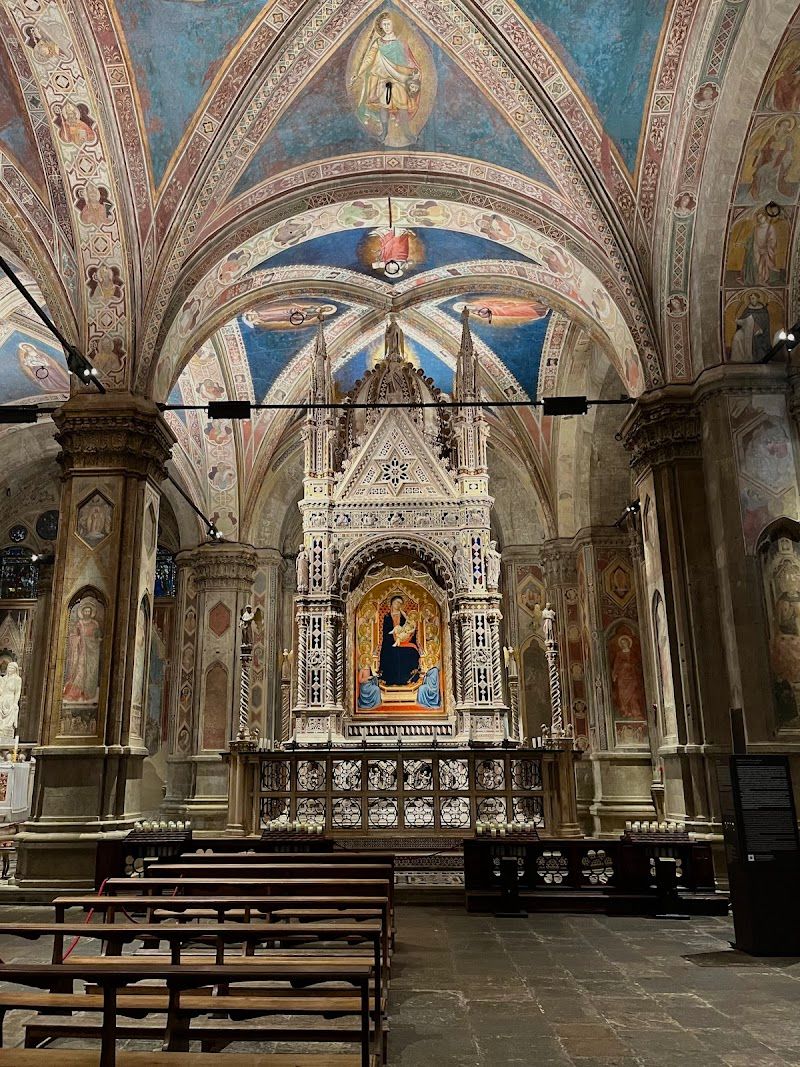
Orsanmichele
Orsanmichele is Florence's most unusual church, a Gothic building that started life as a grain market in the 1330s. You'll find it sandwiched between Via dei Calzaiuoli and Via dell'Arte della Lana, looking more like a fortress than a place of worship. The real treasure is outside: fourteen niches house sculptures commissioned by Florence's powerful guilds, including works by Donatello, Ghiberti, and Verrocchio. Each guild tried to outdo the others, creating an outdoor sculpture gallery that's completely free to admire. The ground floor church feels like no other in Florence, with its massive stone pillars and warehouse proportions intact from its market days. The focal point is Orcagna's elaborate Gothic tabernacle from 1359, a marble masterpiece that glows under spotlights. You can walk around freely, and the atmosphere is surprisingly peaceful given its location on Florence's main shopping street. The upstairs museum opens only on Mondays, displaying the original sculptures that have been moved indoors for protection. Most guidebooks oversell the interior, which takes maybe 10 minutes to see properly. The real value is outside examining the guild sculptures, though you'll now see copies rather than originals. Entry to the church is free, but the Monday museum costs 5 EUR and honestly isn't worth it unless you're a serious sculpture enthusiast. Skip the audio guide and just enjoy this unique blend of commerce and spirituality that perfectly captures medieval Florence.
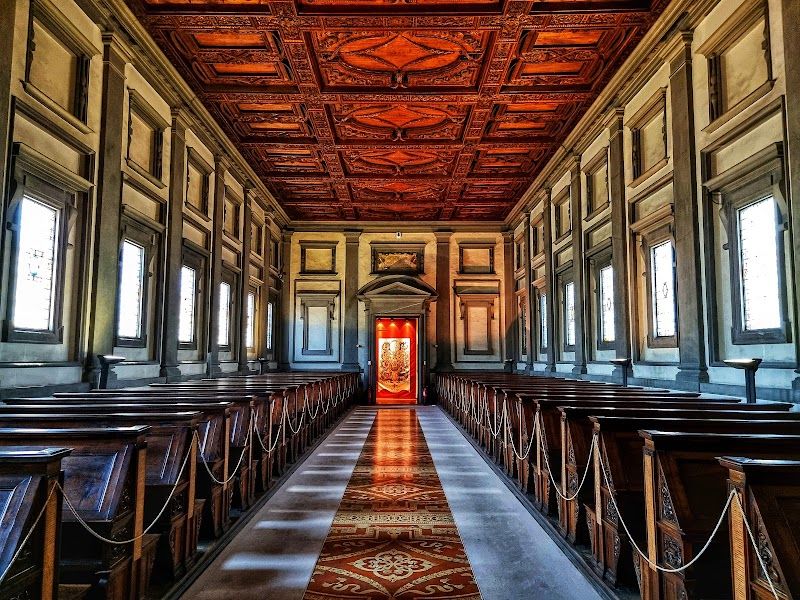
Biblioteca Medicea Laurenziana
Michelangelo's revolutionary library design from 1524 houses one of Europe's most important manuscript collections, including original texts by Dante and Petrarch. You'll climb his famous flowing pietra serena staircase that seems to pour down like water, then enter the long reading room where medieval manuscripts remain chained to original carved walnut desks under an elaborate coffered ceiling. The real draw is seeing how Michelangelo broke every classical architecture rule in the vestibule, creating something that feels more like sculpture than building. The experience starts in the cramped vestibule where Michelangelo's staircase dominates the space, its curves and flowing lines completely at odds with Renaissance convention. You'll climb these sculptural steps feeling like you're ascending inside a work of art rather than functional architecture. The reading room stretches out in stark contrast: long, serene, and filled with natural light streaming across centuries old manuscripts still displayed exactly as medieval scholars would have found them. Most guides oversell this as essential Florence, but it's really for architecture enthusiasts and book lovers. The visit takes 30 minutes maximum, and you can't actually handle the manuscripts. Skip it if you're rushed between the Duomo and Uffizi. Entry costs 3 EUR, but it's closed Sundays and has unpredictable afternoon closures. The staircase alone makes it worthwhile if you appreciate Michelangelo's genius beyond his paintings.
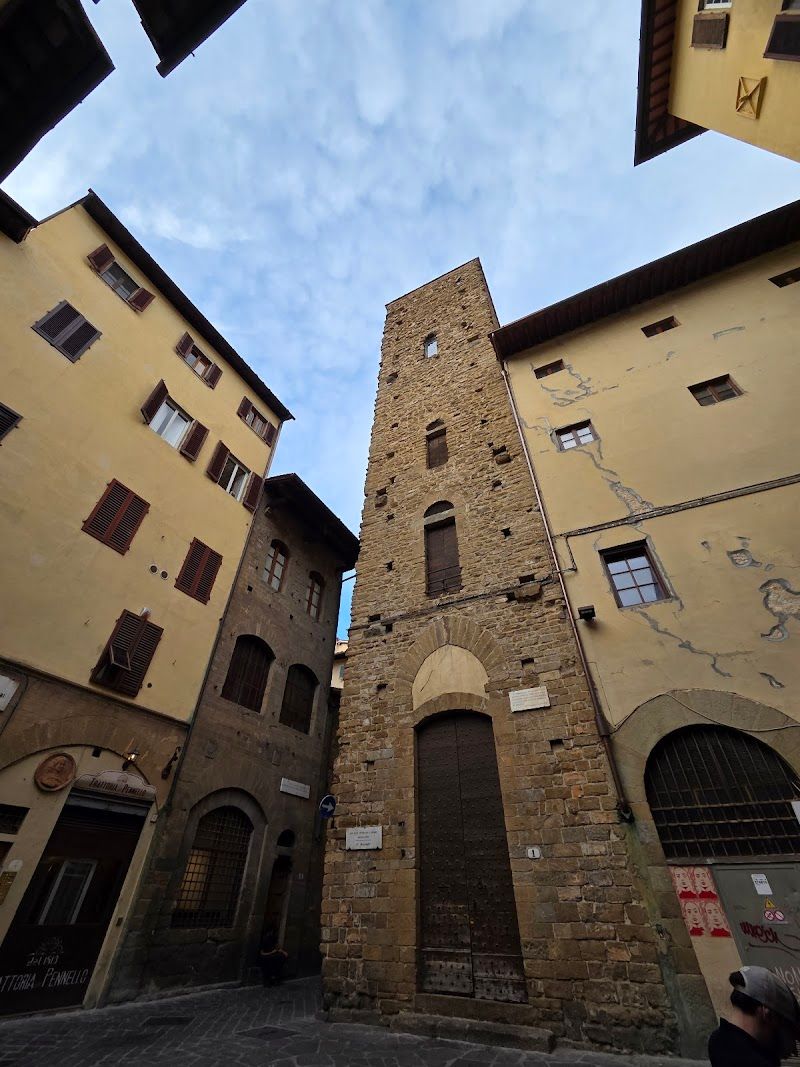
Torre della Castagna
Torre della Castagna is one of Florence's last surviving private medieval towers, standing 30 meters tall in tiny Piazza San Martino. Back in the 13th century, over 150 of these defensive towers pierced Florence's skyline as wealthy families built them for protection and prestige. This particular tower served as the meeting place for Florence's Priors before they moved to Palazzo Vecchio, making it a genuine piece of the city's political history. You can't climb it, but the tower itself and its perfectly preserved medieval square are what you're here for. The experience is all about the atmosphere of the intimate piazza surrounding the tower. You'll find yourself in what feels like a medieval time capsule, with the tower looming overhead and original stone buildings closing in the small space. The scale is completely different from Florence's grand piazzas, this feels personal and authentic. Morning light hits the tower beautifully, and you can walk completely around it in the small square. Most guidebooks oversell this as a major attraction when it's really a 10 minute stop. The tower's exterior is impressive but there's no interior access, no museum, no information plaques. It's perfect as part of a walking route between the Duomo and Palazzo Vecchio, but don't make a special trip just for this. The charm is in stumbling upon it rather than seeking it out.
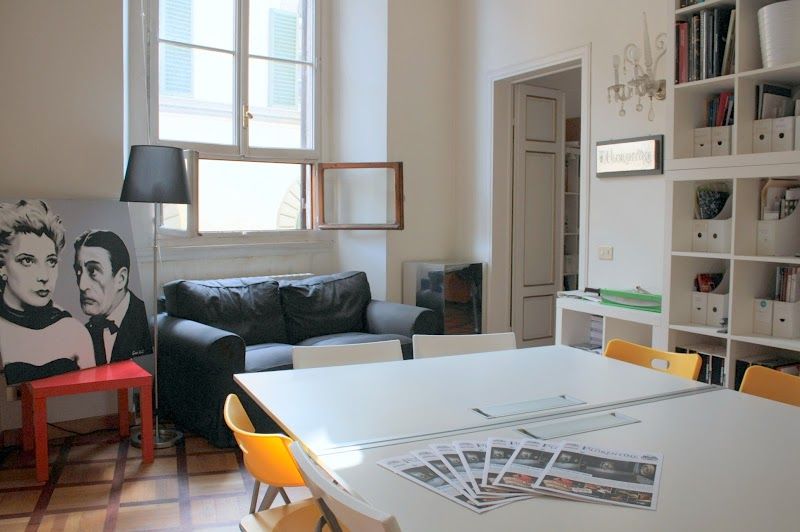
The Florentine
The Florentine takes you behind the scenes in Oltrarno's working artisan quarter, where families have practiced the same crafts for centuries. You'll visit actual bookbinders hand-stitching leather journals, marble workers carving intricate patterns, and gold leaf specialists applying delicate sheets to picture frames. The 2.5-hour tour includes Santo Spirito church and the Brancacci Chapel's notable Masaccio frescoes, but the real magic happens in cramped workshops where craftsmen explain techniques passed down through generations. Your small group (maximum 8 people) moves between workshops at a relaxed pace, with plenty of time to watch demonstrations and ask questions. The atmosphere feels authentic because these aren't tourist displays: artisans continue their regular work while explaining their processes. You'll handle tools, smell leather and varnish, and hear stories about apprenticeships starting at age 14. The contrast between centuries-old techniques and modern Florence creates a genuine time-travel feeling. Most art tours in Florence focus on famous museums, but this experience reveals how Renaissance craftsmanship survives today. It's best to avoid weekend tours when many workshops close or operate reduced hours. The guide's knowledge varies significantly: some are art historians, others are former artisans themselves. At around 65 EUR per person, it's a higher-cost option, but it offers access you can't get independently since most workshops don't welcome casual visitors.
Where to Eat
Restaurants and cafes in Duomo & Piazza della Signoria
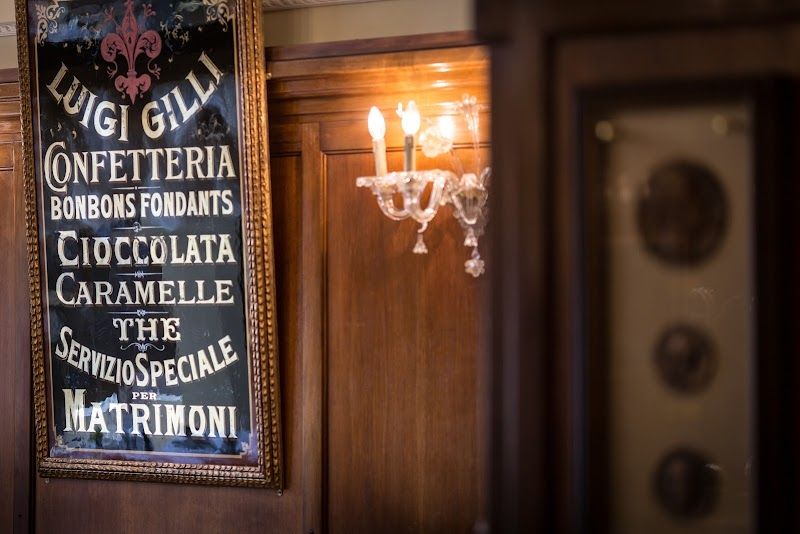
Caffè Gilli
CafeHistoric cafe established in 1733 on Piazza della Repubblica, known for gilded Belle Époque interiors and traditional Florentine pastries. The outdoor terrace commands premium prices, but the stand-up bar inside offers espresso for EUR 1.50. Their hot chocolate is thick enough to coat a spoon.
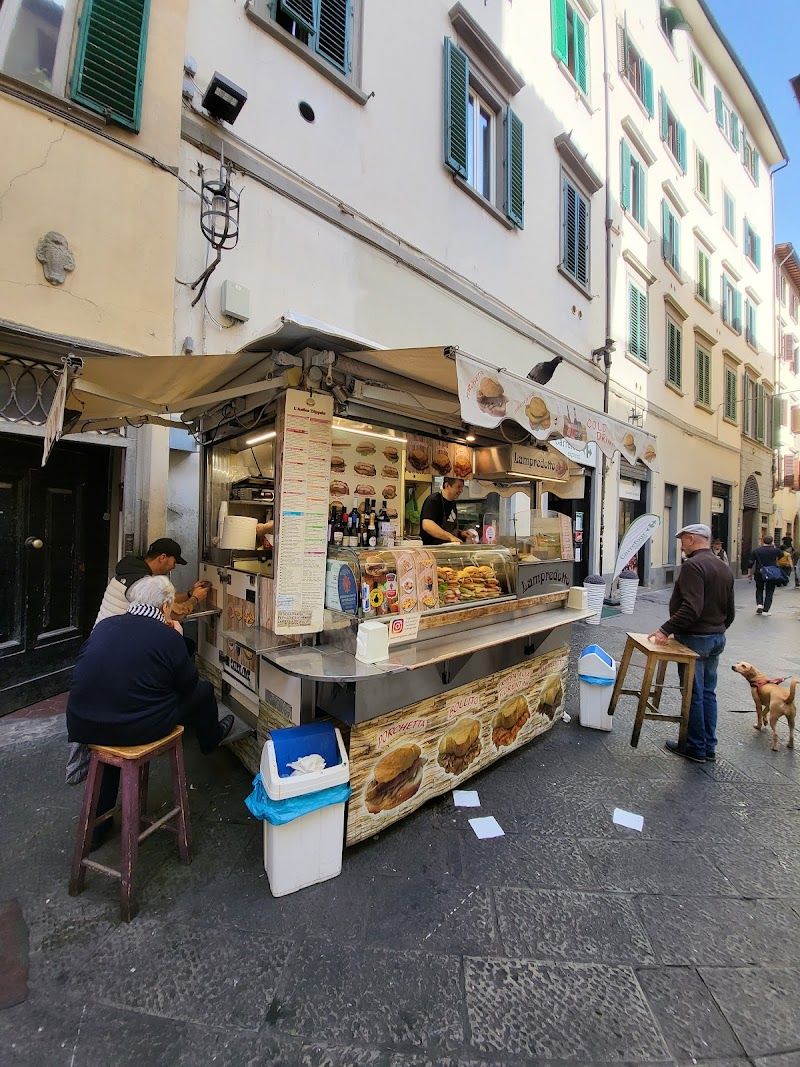
L'Antico Trippaio
RestaurantStreet food cart at Piazza dei Cimatori serving lampredotto and trippa (tripe) sandwiches for €4-5 since the 1950s. Stand-up eating on the medieval piazza steps. Cash only, open Monday to Saturday until 6pm.
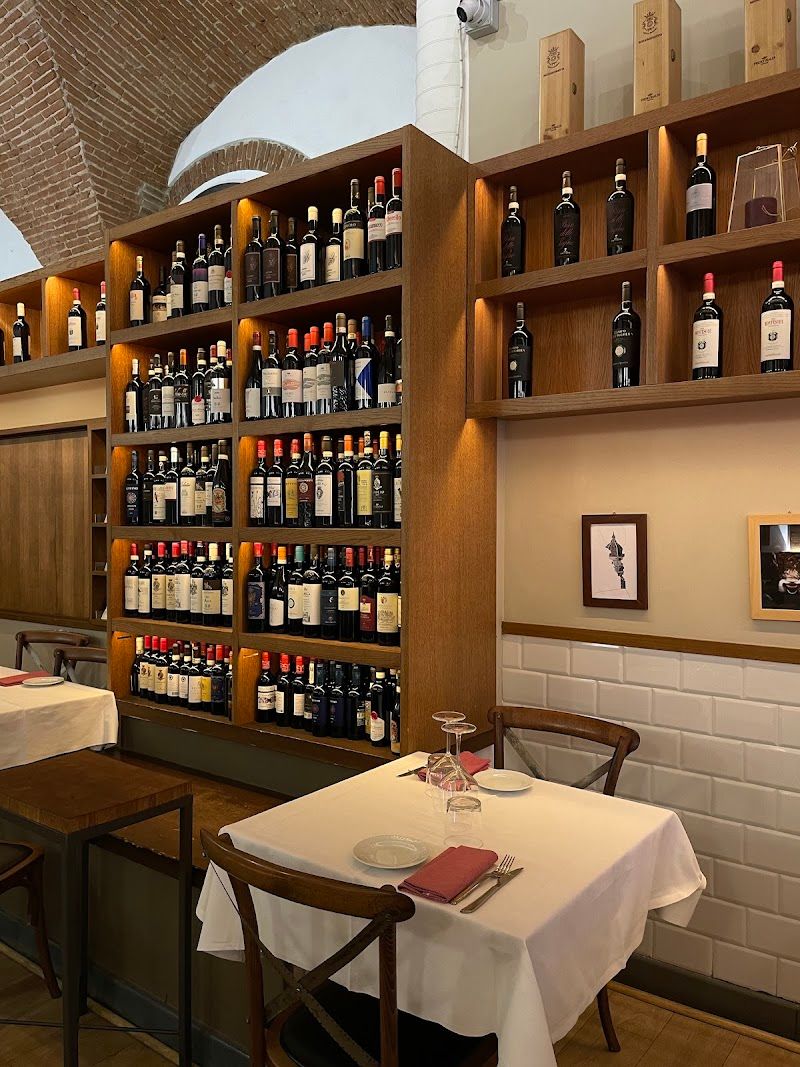
Trattoria Dall'Oste
RestaurantNeighborhood trattoria near Ponte Vecchio serving traditional Florentine dishes with contemporary touches. Small menu, daily specials, and excellent wine selection. Lunch and dinner, reservations recommended for dinner.
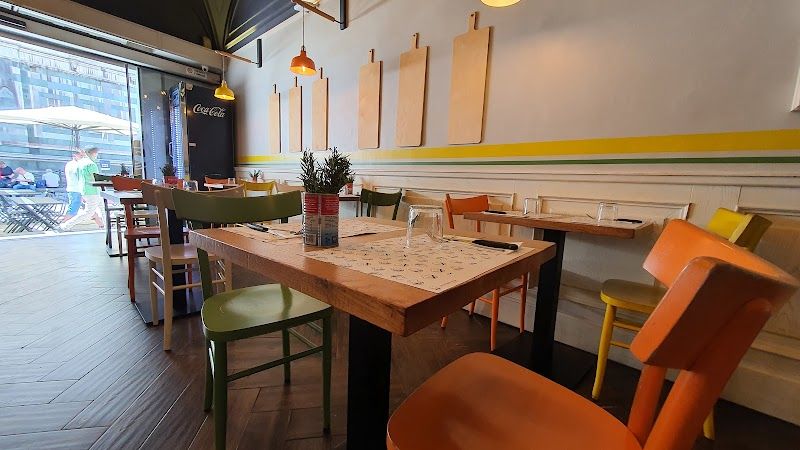
Mister Pizza
RestaurantNo-frills pizzeria serving some of the best pizza al taglio in Florence with creative seasonal toppings and perfectly crispy Roman-style crust. The small shop has a cult following among locals who queue for lunch. Portions are generous and prices are incredibly reasonable.
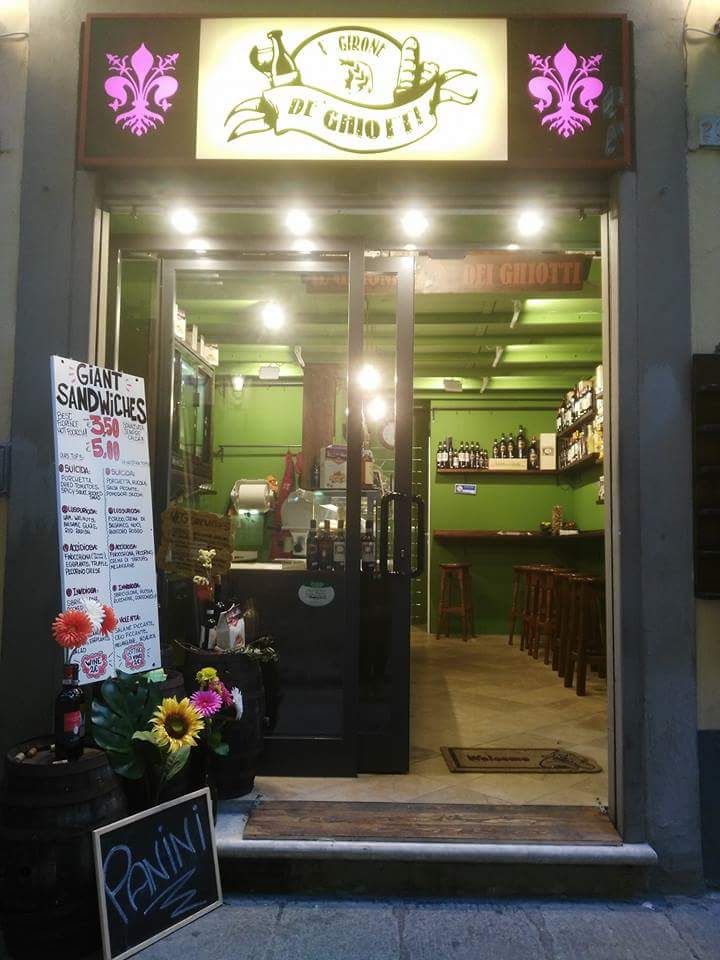
I' Girone De' Ghiotti
RestaurantHole-in-the-wall sandwich shop near Palazzo Vecchio serving porchetta sandwiches and Tuscan cold cuts. Standing room only, €5-6 sandwiches, and locals grabbing quick lunch. Opens at 11am, often sells out by 2pm.
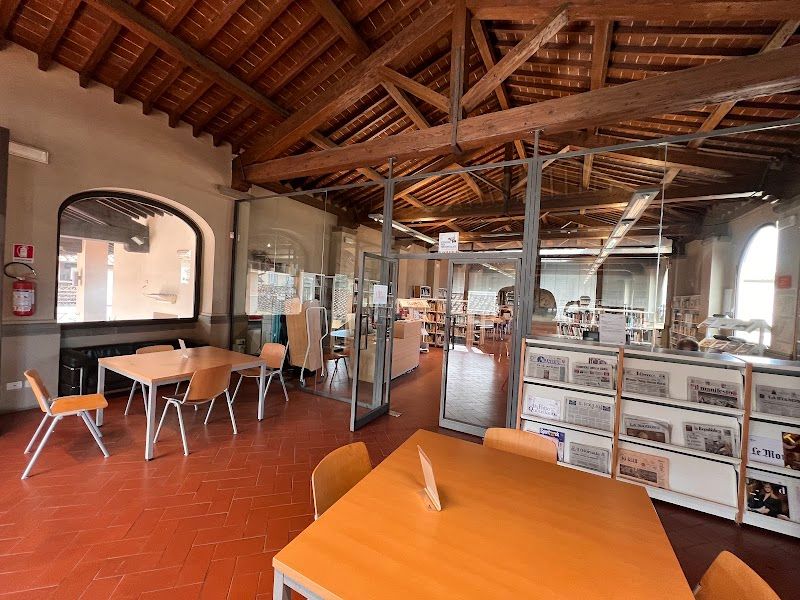
Caffetteria delle Oblate
CafeModern cafe on the rooftop terrace of the Biblioteca delle Oblate with panoramic views of the Duomo's cupola and city rooftops. Self-service counter with espresso, pastries, and light lunch options at reasonable prices. The terrace is free to access without library membership.
Nightlife
Bars and nightlife in Duomo & Piazza della Signoria
Getting Here
Insider Tips
Uffizi at 8:15 AM
The first 90 minutes before tour groups arrive is a different museum. Book weeks ahead in peak season. Focus on Rooms 10-14 (Botticelli), Room 15 (Leonardo), and the Caravaggio room. You do not need to see every gallery.
Dome requires booking
The EUR 30 combined ticket covers the dome, campanile, Baptistery, cathedral, museum, and crypt. Book the dome climb separately and ahead of time. Timed entry, no exceptions in season. The campanile (bell tower, 414 steps) has similar views and shorter queues if the dome is sold out.
Piazza della Signoria for free
The square itself is free and the sculpture collection (Loggia dei Lanzi) is world-class. Spend 20 minutes here before the Uffizi. The Neptune Fountain is 16th-century Ammannati, the Donatello Judith is a copy (original inside Palazzo Vecchio), Perseus killing Medusa is Cellini at his most theatrical.
Nearby Neighborhoods
Continue exploring
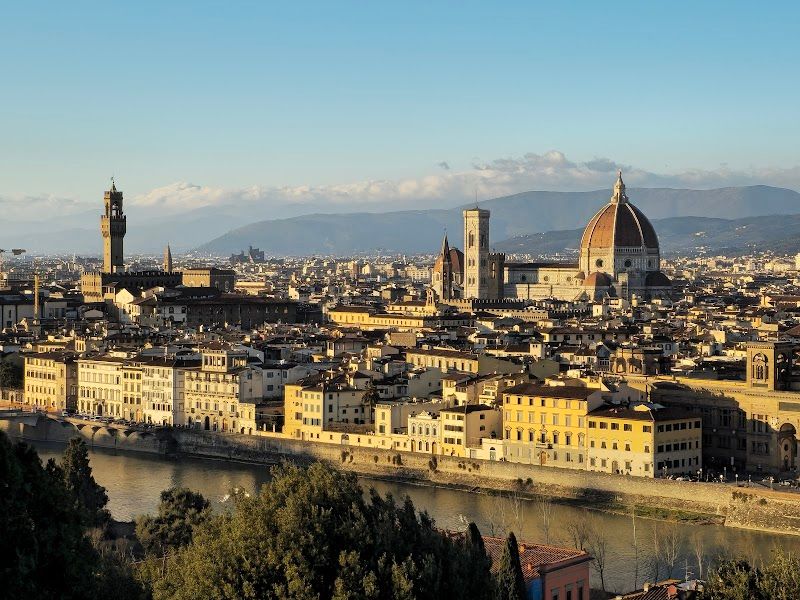
Santa Croce
The neighbourhood east of the Signoria, anchored by the basilica with its famous tombs. Less crowded than the Duomo district, with better restaurants and the leather school behind the church.
Oltrarno (Santo Spirito)
The south bank neighbourhood where Florentines live. Artisan workshops, neighbourhood trattorias, a piazza with a morning market and evening bars. A 5-minute walk from the crowds.
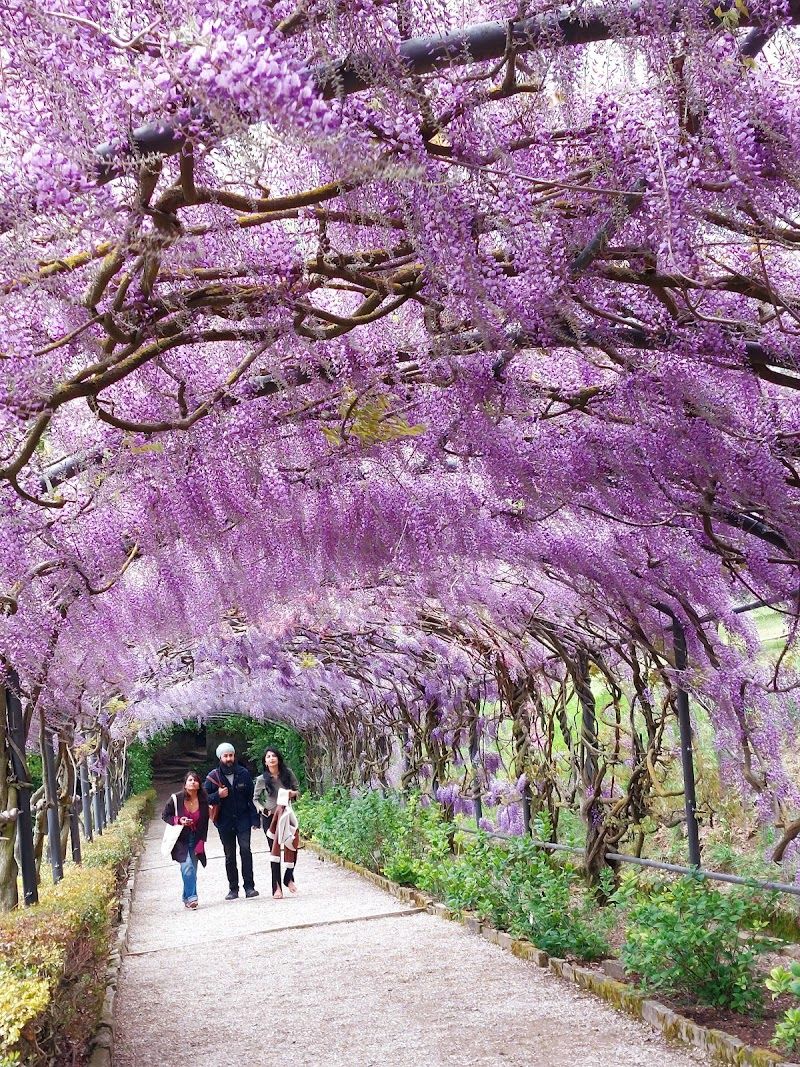
Palazzo Pitti & Boboli
The Medici palace complex: the Palatine Gallery with Raphael and Titian, the formal gardens climbing the hill, and the Bardini Garden's wisteria - a half-day that avoids the centro storico entirely.
Plan a trip featuring Duomo & Piazza della Signoria
Get a personalized Florence itinerary with Duomo & Piazza della Signoria built in.
Start Planning